
The Big Trends Reshaping India’s Hotel Kitchens in 2025–26
As per reports, the hotel industry is projected to grow by 4.75% to 9.4% in next few years, targeting both metros as well as smaller cities that has attracted tourist attentions.

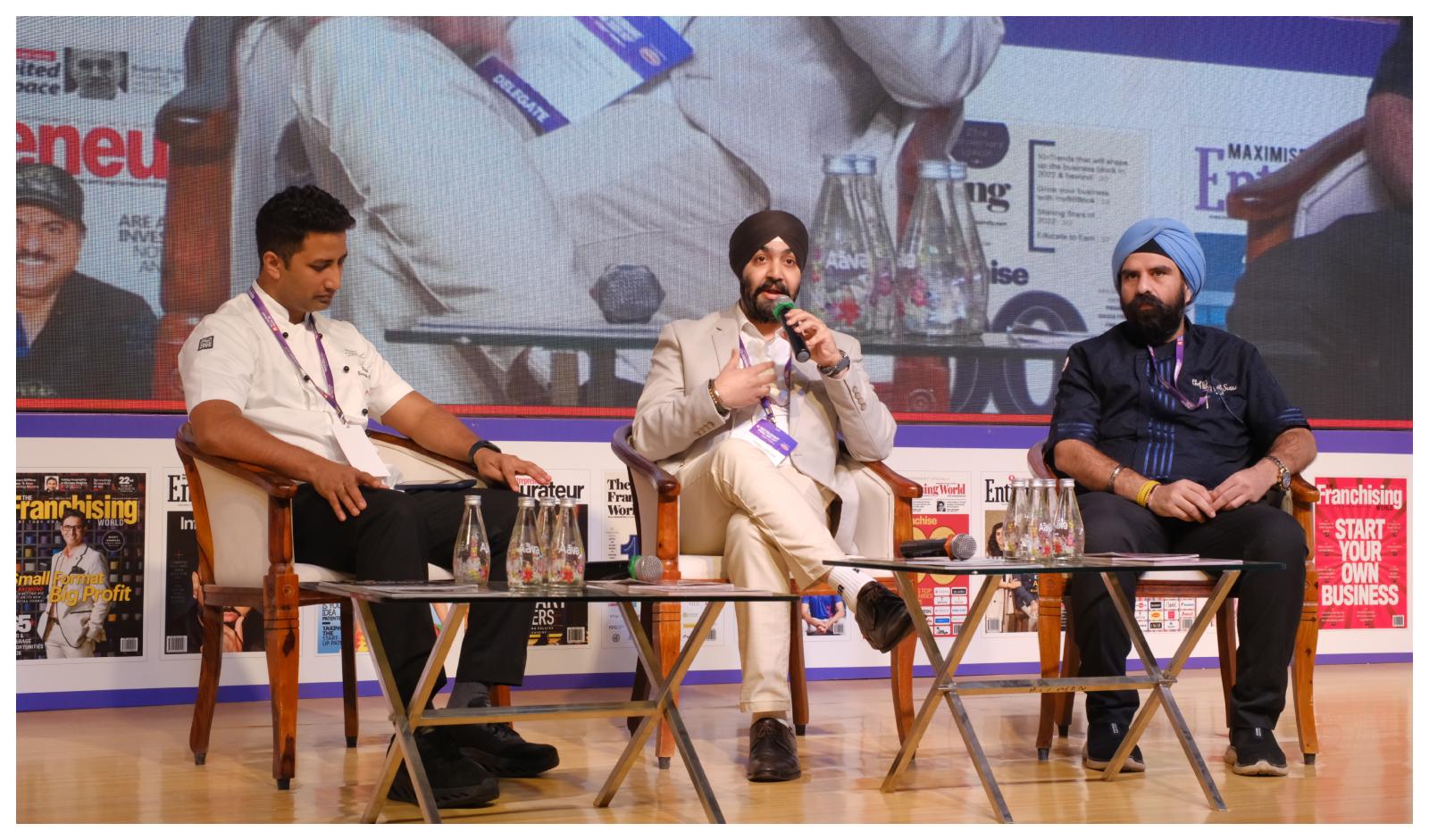
As India’s hospitality sector enters its next growth cycle, hotel kitchens are undergoing a fundamental reset where creativity is balanced with operational clarity, while innovation is grounded on purpose and dining experiences carry both flavour and responsibility.
As per reports, the hotel industry is projected to grow by 4.75% to 9.4% in next few years, targeting both metros as well as smaller cities that has attracted tourist attentions.
Sustainability Takes the Lead
Sustainability has moved from being a trend to becoming a mandatory operational standard. Supreet Ghai, Culinary Director for Ibis Hotels said, “By the end of 2025, all 25 Ibis and Ibis Styles hotels across India will shift entirely to the cage-free eggs, positioning the brand among the first national hospitality chains to execute a 100% transition.”
He stressed that responsibility extends far beyond ingredients and his teams are now implementing carbon footprint on menus to help diners access the environmental cost of what they order, transforming the act of choosing a dish into an act of awareness.
“Sustainability is not just an ingredient list. Its behavior, a lifestyle, a mindset every chef must embrace,” commented Ghai.
Story Builds Connect
Food brings a story; it’s not just for the photos as the era of food designed only for Instagram is fading and giving a way out to menus to be built on emotion, narrative and cultural relevance.
Rahul Shrivastava, Executive Chef, Hyatt Centric Juhu noted that today’s diners want dishes with meaning, foods that carry memory, technique and soul. Whether it is meticulously prepared in three-days i.e. Nai Karampatti Gola Urundai or the revival of Litti Chokha, guests are increasingly drawn to plates that speak to heritage and lived experiences.
“Guests come back for taste, not just the photo. The story behind the dish is what connects to the heart. This desire for meaningful engagement is fueling the rise of chef’s tables, curated pop-ups, regional showcases, and even omakase-style experiences extended to non-Japanese cuisines,” he said.
Hyper-Local and Forgotten Recipes Take the Spotlight
Regionality is no longer a niche idea; it is the backbone of India’s culinary future. Hotels are moving beyond broad categories such as Bengali or Chettinad cuisine and venturing into hyper-specific traditions rooted in villages, traveler’s path and local communities. Forgotten recipes, ancient cooking techniques, and regional snacks are finding space on hotel menus.
Ghai’s Railway Chicken Curry which reimagines the Kolkata’s colonial-era culinary culture reflects a growing desire among guests to rediscover authenticity wrapped in nostalgia. “We connect the dish with the story to the customers and that helps in getting repeat customers which help in the long run.”
Creativity vs Feasibility
With 25 hotels under his leadership, Ghai acknowledged that it’s very important to understand the customers. Menu should be planned as per the clientele and creativity must be balanced with feasibility.
To meet these diverse expectations, Ibis maintains a strategic structure: 75–80% of the menu remains standardized across properties, while the remaining portion is dedicated to regional customization and chef-driven innovation.
Shrivastava added that feasibility is also dictated by manpower.
“As skill shortages rise, kitchens must design menus that match the capacities and strengths of their teams. Creativity goes hand-in-hand with feasibility. If your team does not know much about the kitchen, then it’s a challenge.”
AI, Automation & the New Kitchen Ecosystem
Automation has shifted from being an enhancement to being a survival mechanism. AI-driven platforms are already enabling hotels to track waste, maintain consistency across multiple outlets, manage inventory with precision and reduce dependency on manual labour.
Sharing his views, Ghai said, “The hotel kitchens being built today must be designed with the realities of labour shortages over the next decade firmly in mind. In 2025-26, technology will shape the backbone of culinary operations as much as talent and technique.”
India’s hospitality landscape is evolving rapidly, and its chefs are not just adapting to change, they are shaping the future with intention, innovation and a renewed sense of purpose.
Vijetha Iyer
Content Editor
Working as a Content Editor with Restaurant India. I have worked in various sectors like food and beverage sector, chemicals, pharma, nutraceuticals, now specially focusing on restaurant side. But my core knowledge was always on content. Be it writing poems to verses, I always loved writing and have been exploring my career on the same. In Restaurant India, I deliver insightful stories, take interviews of various brands and update the audiences about the newest happenings in the restaurant industry.









































