The Battle Over What Counts as an Energy Drink
The answer may determine more than what appears on a can. It could influence how beverages are formulated, marketed, searched, sold and regulated in India.

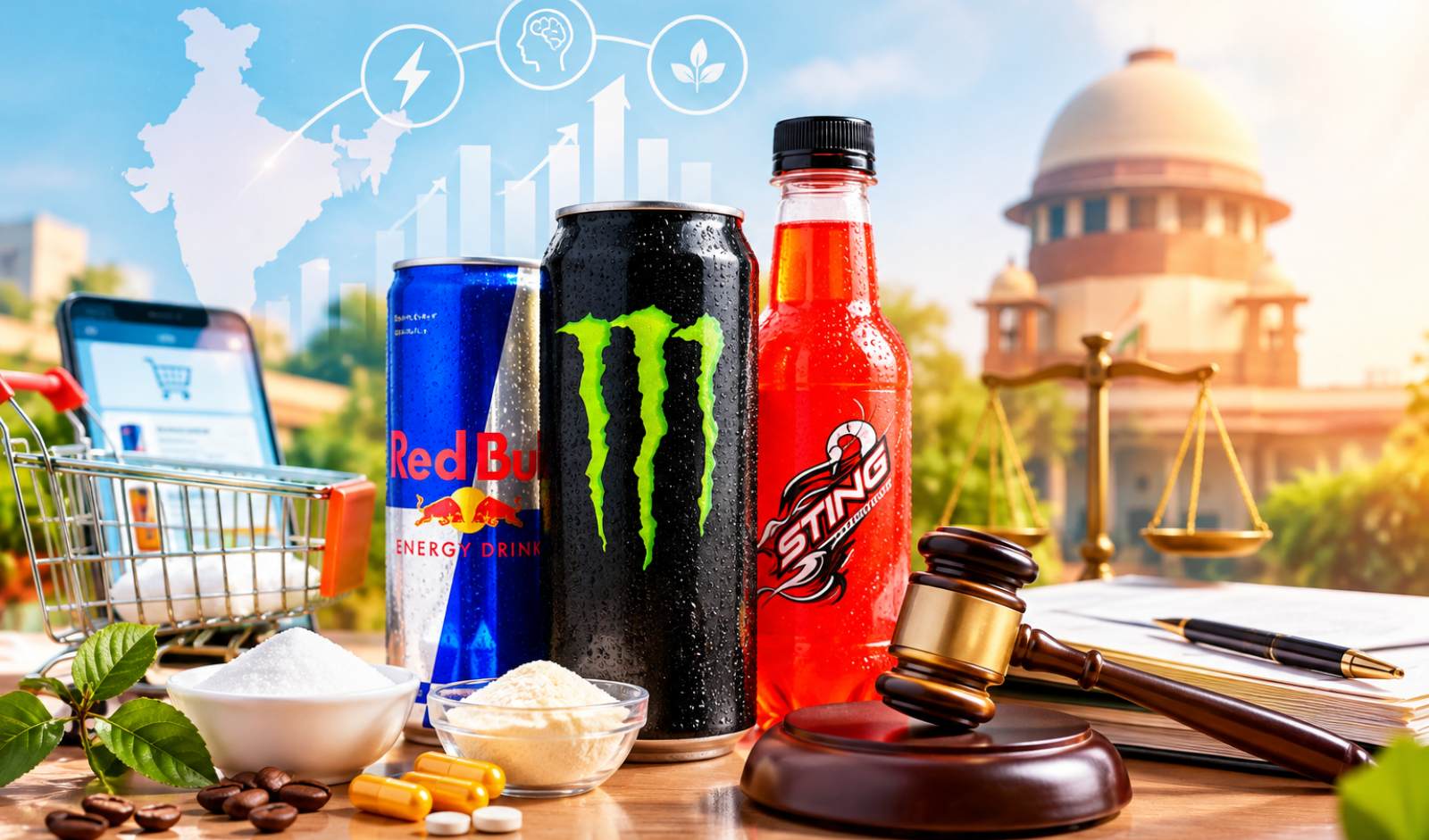
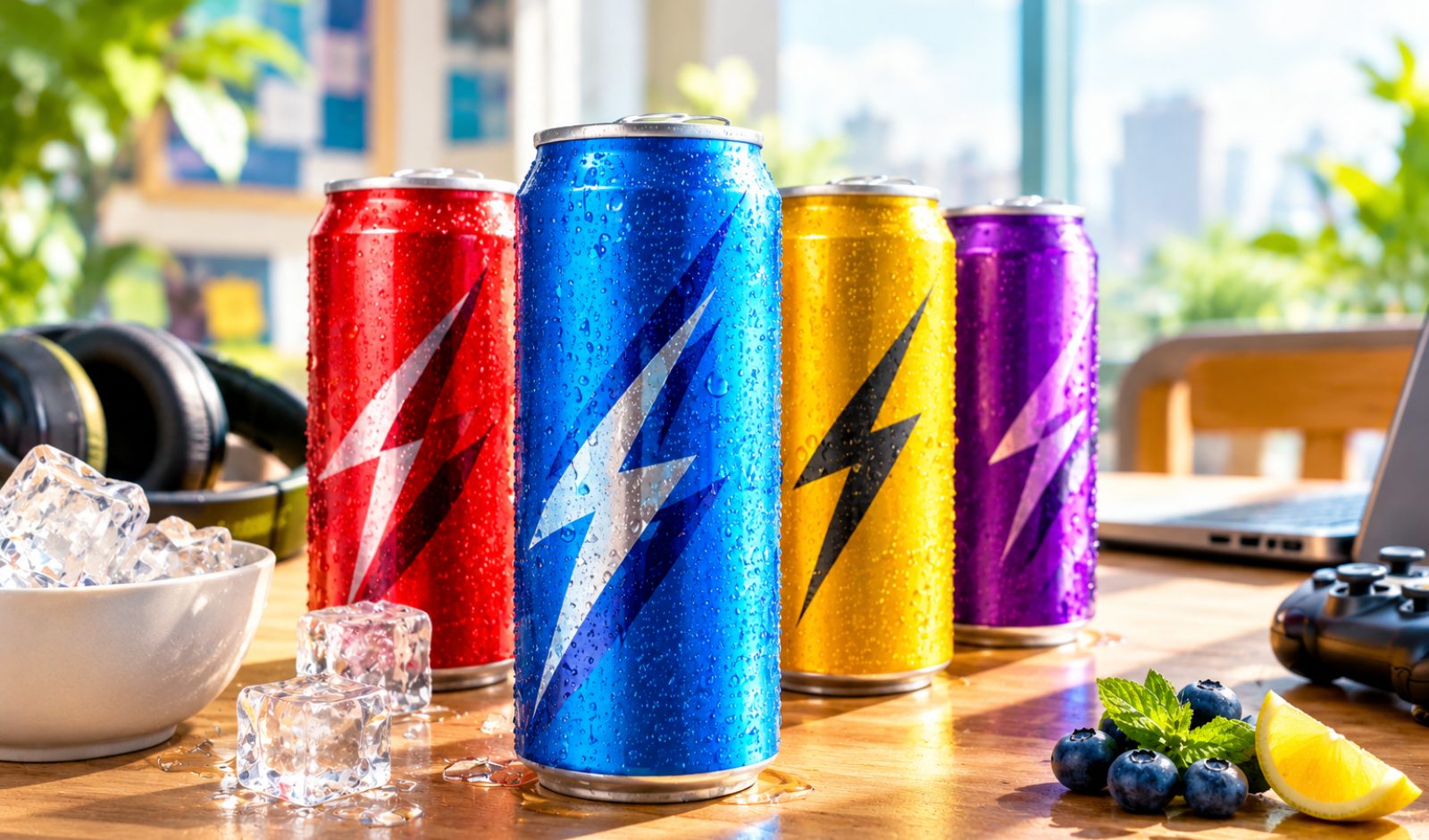
Walk into a supermarket, a petrol pump or a quick-commerce app and ask for an energy drink. Most consumers will know exactly what they want.
But the beverage industry is now facing a much harder question: what actually makes a drink an energy drink?
In India, this is no longer just a matter of branding. It has become a regulatory and legal issue involving caffeine, food classification, product labels, consumer understanding and millions of bottles and cans. The debate intensified after the Food Safety and Standards Authority of India (FSSAI) acted against the use of the term “Energy Drink” on certain high-caffeine beverages in June 2026. PepsiCo, Monster and other beverage companies challenged the action. On October 6, the Delhi High Court granted interim relief to PepsiCo, staying the June 30 orders until the next hearing. The court allowed existing stock carrying the “energy drink” description to be sold, but specifically said that fresh products could not be manufactured with the descriptor under the interim order. The case is listed for November 5. The bigger story, however, is not just about a label. It is about who gets to define a fast-growing beverage category.
The Word “Energy” Has Become a Business Asset
For consumers, the meaning of an energy drink seems simple. It is a beverage associated with caffeine, alertness and reduced feelings of tiredness. Regulation is more complicated. FSSAI's food classification system places water-based flavoured drinks under category 14.1.4. The system includes carbonated and non-carbonated beverages and has historically referred to “energy” drinks within these categories. In March 2024, FSSAI issued an advisory saying the term “Energy” could be used on products licensed under FCS 14.1.4.1 and 14.1.4.2, covering specified carbonated and non-carbonated water-based flavoured drinks standardised as caffeinated beverages. The advisory was also aimed at e-commerce platforms, asking them to classify products correctly rather than placing unrelated beverages under “Health Drinks” or “Energy Drinks.” That makes the developments of 2026 particularly interesting. The regulator later challenged the use of the descriptor by certain companies, citing concerns around misbranding and misleading claims. PepsiCo argued before the Delhi High Court that its products fell under the same food categories referenced in the earlier advisory.
- This creates a key distinction for the beverage industry: A food category, a product description and a consumer category are not always the same thing.
But What Is the “Energy” in an Energy Drink?
This is where science enters the debate. Caffeine does not provide nutritional energy in the way carbohydrates, fats and proteins do. Instead, it acts as a stimulant. It can increase alertness and reduce the feeling of tiredness. That difference is important. A beverage may make a person feel more awake without supplying the body with energy in the nutritional sense. This is one reason the word “energy” is so powerful in beverage marketing. It can describe a consumer experience rather than simply the calorie content of a drink.
Many energy drinks combine caffeine with ingredients such as taurine, B vitamins and other compounds. Sugar can also be a significant part of some formulations. The Indian government has previously noted that excessive consumption of energy and caffeinated drinks, particularly in a short period or alongside other stimulants, can create health risks. It has also stated that the health concerns associated with these products are largely linked to caffeine. The debate, therefore, is not about whether caffeine exists in these drinks. It is about how the resulting product should be described to consumers.
The Rs 20 Bottle Changed India's Energy Drink Market
The regulatory fight would have been very different if energy drinks were still a small premium category. They are not. India's market changed significantly after PepsiCo launched Sting in 2017. Its Rs 20 plastic bottle helped bring the category to a much wider consumer base, including younger consumers and rural markets, according to Euromonitor data cited by Reuters. This price point was important. A product that once looked like a premium imported beverage could suddenly become an affordable impulse purchase.
The result was a different kind of energy drink market. It moved beyond gyms, nightlife and premium retail. It entered kirana stores, petrol stations, college areas and mass-market beverage shelves. Reuters has cited Euromonitor estimates putting India's energy-drinks market on a trajectory to reach around US$1.6 billion by 2028, with annual growth of about 12.6 percent. That growth explains why a two-word change on a label can have a much larger commercial impact.
A Label Change Can Affect the Entire Supply Chain
For a beverage company, packaging is planned months in advance.
- A label is printed.
- Bottles are filled.
- Cans move to warehouses.
- Distributors receive stock.
- Retailers put the product on shelves.
- Digital platforms create product listings.
If the name of the category suddenly changes, all these steps can be affected. The scale becomes clearer in PepsiCo's case. Reuters reported that the company told the court it had 492 million labelled bottles and 26 million cans in circulation as of July 31, 2026. That turns the issue from a simple packaging dispute into an inventory problem. The Delhi High Court's October 6 order recognised part of this practical difficulty. PepsiCo was permitted to sell stock already manufactured with the “energy drink” description, while the court made clear that the interim relief did not authorise fresh manufacturing with those words. For beverage companies, that creates an unusual transition period: old packaging can remain in the market while new production faces a different labelling position.
The Battle Is Also Happening Online
There is another layer that is easy to miss. Today, the word “energy drink” does not live only on a can. It lives on search engines and quick-commerce platforms. Consumers type “energy drink” into apps when they want a particular type of beverage. Retailers and platforms then use categories to decide which products appear in search results. FSSAI's 2024 advisory already highlighted this problem. It asked e-commerce food businesses to remove products that were incorrectly placed under “Health Drinks” or “Energy Drinks” and move them into the appropriate legal category. This means the fight over the phrase is also a fight over digital discoverability. If a brand cannot use “energy drink” on its packaging or product listing, will consumers still find it when they search for an energy drink? That is a new-age FMCG question.
So, What Should Define an Energy Drink?
There are several possible approaches. One is an ingredient-based definition. A product could qualify based on caffeine levels or specific ingredients. Another is a claim-based system. Regulators could focus on what the brand says the beverage does, such as improving alertness or reducing fatigue.
A third approach could recognise the established consumer category while placing tighter controls on health and performance claims. Each approach has trade-offs. A strict ingredient definition could provide clarity. A claim-based approach could focus more directly on consumer protection. But relying only on consumer understanding could make regulation harder. This is why the Indian debate is bigger than PepsiCo, Monster or any one brand.
The Real Fight Is Over a Familiar Word
The most interesting part of the energy drink controversy is that consumers already have a strong idea of what the category means. The industry has spent years building that meaning. Regulators are now asking whether that meaning is precise enough from a food-safety and labelling perspective. The Delhi High Court has not finally settled that question. Its October 6 order provides interim relief and allows existing labelled stock to be sold, while the broader dispute continues.
- That leaves India's beverage industry with a question that could shape the next phase of the market: If a drink can no longer simply call itself an energy drink, will consumers change what they think it is?
The answer may determine more than what appears on a can. It could influence how beverages are formulated, marketed, searched, sold and regulated in India. And in a market moving towards US$1.6 billion, the battle over two words could become a much bigger battle over the future of the category itself.
Saptopriya Ghosal
Feature Writer
I am a dedicated media professional with a bachelor's degree in mass communication from the State University of Calcutta and a postgraduate degree from Amity University. My academic journey has equipped me with a profound understanding of storytelling and communication. Passionate about the dynamic world of media, I continually strive to explore new ways to engage and inform through compelling narratives.