
Tandoori Raan: The Royal Leg of Lamb That Is Taking Over Modern Menus
Tandoori Raan: Find out about the 400-year-old royal recipe, new twists on it, and why this amazing leg of lamb is becoming the most popular dish on the menu.

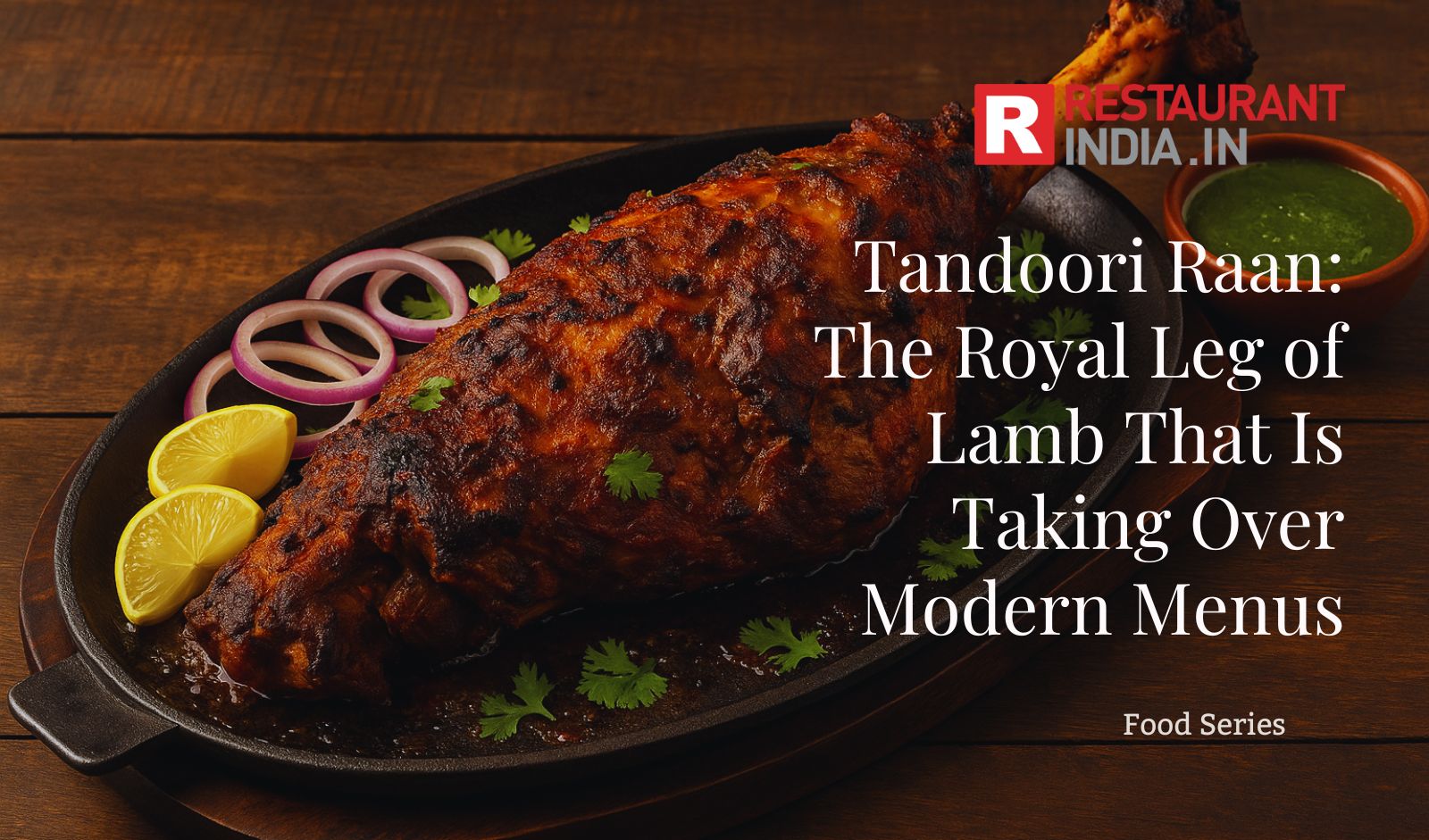
Picture this: A whole leg of lamb is marinated for hours in yogurt and spices and then slowly roasted in a hot tandoor until it has that famous charred outside and juicy pink inside. This isn't just any old meal; it's Tandoori Raan, a dish so amazing that Mughal emperors used to save it for the best banquets.
But here's something most diners don't know as they watch this showstopper come to their table: the secret to perfect Tandoori Raan isn't just how it's cooked; it's the 48-hour transformation process that turns a regular leg of lamb into culinary poetry. And what about the method? It's been changing restaurant kitchens in Mumbai and Manhattan without anyone noticing.
Where it came from and how it came to be
The story of Tandoori Raan starts in the kitchens of the Mughal Empire, which was a time when the Mughal Empire was at its height. According to legend, Emperor Akbar's head chef wanted to impress some Persian officials who were visiting, so he decided to use the tandoor method, which is usually used for bread and smaller meats, on a whole leg of lamb.
The bet paid off in a big way.
The food that came out of that clay oven was a perfect example of the Mughal way of cooking: bold, fragrant, and beautiful to look at. The method spread to royal courts, where each kitchen added its own special touches to the marinade and the way it was cooked.
By the 18th century, Tandoori Raan had become the main dish at big Mughal feasts, where it was often served with pillars of fragrant basmati rice and musicians and dancers. The dish was more than just food; it was a show, a way to be hospitable, and a work of art all at the same time.
Importance in Culture and Region
In traditional Indian culture, serving Tandoori Raan to guests shows the most respect. This dish turns regular dinners into unforgettable celebrations. It is often served at weddings, religious holidays, and big birthdays.
Each area has come up with its own meaning. In Punjab, cooks like to use a strong marinade with a lot of mustard oil and garam masala. Delhi's version is more refined, with soft notes of rose water and saffron. Fusion styles have become popular in Mumbai's restaurants, which sometimes use ingredients from around the world, like herbs and wine reductions.
The dish is very important during Eid celebrations, when families get together to eat big meals. A perfectly cooked Tandoori Raan is often the proud centerpiece, symbolizing plenty, thanks, and the happiness of being together.
What the Name Means
"Tandoori" comes from the word "tandoor," which is a round clay oven that can reach temperatures of 900°F and gives food its unique smoky flavor. "Raan" is the Hindi-Urdu word for leg, and it specifically means the back leg of a goat or lamb.
But the name means more to people in the culinary world. When professional chefs call a dish "raan," it means they know how to do it right. It's a cut that needs a lot of skill, respect, and patience to do right. A chef who knows both the science of cooking meat and the art of mixing spices is needed because the leg has different muscle densities and connective tissues.
Main Ingredients and Taste
The marinade for Tandoori Raan is what makes it so special. It's a complicated mix that usually has Greek yogurt, ginger-garlic paste, red chili powder, garam masala, cumin, coriander, and the secret weapon: raw papaya paste, which makes the meat more tender.
The taste? Think about the first bite: a little bit of char gives way to meat that is very tender and full of smoky, fragrant spices. There is heat, but the tangy yogurt cools it down. The spice blend brings out the lamb's natural richness instead of hiding it.
Each bite has layers: first, the smoky flavor from the tandoor, then the warm spices that build up over time, and finally, the natural sweetness of the lamb. It feels both comforting and strange, like something you've never experienced before.
Parts or pieces
A traditional Tandoori Raan presentation has a few important parts that all work together:
The Leg: Usually weighs between 4 and 6 pounds and is scored in a diamond pattern to let the marinade get in and make sure the meat cooks evenly.
The Marinade: It was put on in two steps: first, a basic mixture to make the meat more tender, and then, 24 hours later, the final spice coating.
The garnish: fresh mint, sliced onions, and lemon wedges that add color and help clean the palate.
The Base: It is often served on a hot platter with caramelized onions that keep cooking from the heat that is left over, making for an impressive presentation at the table.
Versions from the past and the present
To make traditional Tandoori Raan, you need a real tandoor oven and recipes that have been passed down through generations of great chefs. The lamb is soaked in a marinade for 24 to 48 hours, then cooked at a very high temperature for 45 to 60 minutes, which gives it a beautiful charred outside and a perfectly pink inside.
Modern versions of the dish have made it easier to cook and eat in today's kitchens. Some restaurants use convection ovens with special settings to make the food taste like it was cooked in a tandoor. Some use fusion ingredients, like Tandoori Raan with Mediterranean herbs or a version with Korean gochujang in the marinade.
High-end restaurants often break down the dish by serving sliced raan with homemade naan, pickled vegetables, and craft yogurt sauces. Food trucks have made "Raan Bowls," which are bowls of meat over rice with modern sides.
Recipe and how to cook
- Start with a 5-pound leg of lamb with the bone in it. Prepare it 48 hours in advance. Make deep cuts in a crosshatch pattern. Add salt to raw papaya paste and rub it all over the meat. Put in the fridge for 4 to 6 hours.
- Make the first marinade a day ahead of time by mixing together thick Greek yogurt, ginger-garlic paste, lemon juice, and salt. Cover the leg all the way and put it in the fridge overnight.
- For the final marinade, combine red chili powder, garam masala, cumin, coriander, turmeric, and a little bit of food coloring. Add to the leg that has been marinated in yogurt, making sure it is completely covered.
- Cooking: Heat the tandoor to 800–900°F. Cook for 45 to 60 minutes, turning every 15 minutes. For medium-rare, the inside should be 135°F. Before carving, let it sit for 10 minutes.
Tip: If you're using a home oven, turn it up to the highest setting (usually 500–550°F) and use a pizza stone to keep the heat in better.
How to Present and Serve
When you present a traditional dish, you bring the whole leg to the table on a big metal platter, usually still hot from the caramelized onions and bell peppers. The carving takes place at the table, making the meal more interactive.
Fine dining restaurants take presentation to the next level with artistic plating. For example, they might serve perfectly cut slices of food on handcrafted ceramics, along with delicate microgreens and artistic sauce dots.
In casual restaurants, it is often served family-style on wooden boards with a variety of colorful sides. This highlights the communal aspect of sharing this amazing dish.
Pairings and Extras
Traditional Sides: Butter naan, basmati rice pilaf, mint chutney, and pickled onions create the classic combination.
Pairing Drinks: A strong Cabernet Sauvignon or Shiraz goes well with the rich lamb. An IPA's hoppy bitterness cuts through the richness of the meat perfectly for beer lovers.
Modern options: Roasted vegetables, quinoa pilaf, or even chimichurri sauce are modern additions that go surprisingly well with the traditional spices.
Notes on health and nutrition
Depending on how it is made, a normal serving of Tandoori Raan (6 ounces) has between 400 and 500 calories. Lamb is a great source of protein (about 35 grams per serving), iron, zinc, and vitamin B12.
The yogurt marinade adds probiotics and calcium, and the spices add antioxidants and compounds that reduce inflammation. But the dish has a lot of saturated fat, so people who care about their health should only eat it in small amounts.
It is healthier than many other ways to cook lamb because it is cooked at a high temperature with little added fat.
Pop Culture and Media Appearances
Tandoori Raan has been in a number of Bollywood movies as a sign of wealth and happiness. Celebrity chefs have brought the dish to people all over the world by cooking it on TV shows. Gordon Ramsay has made it in his Indian cuisine episodes.
The show "Diners, Drive-Ins and Dives" on Food Network has shown a lot of restaurants making creative versions of this great dish, which has helped introduce it to American audiences.
Tandoori Raan has become very popular on social media because it looks great on Instagram. The way it is presented and the bright colors make it perfect for food photography.
Fun Facts and Trivia
- The biggest Tandoori Raan ever made was for a wedding in Punjab in 2019 and weighed 47 pounds.
- Real tandoor ovens can keep their heat for up to 8 hours after firing because the clay holds heat well.
- Kashmiri chili powder, not artificial coloring, is what gives the red color its traditional look. However, many restaurants now use food coloring to make sure everything is the same.
- Expert tandoor chefs can tell when food is done by the sound it makes. The sizzling sound changes pitch as the moisture evaporates.
- Tandoori Raan costs $100 or more per serving at Michelin-starred restaurants because it uses high-quality lamb and takes a lot of work to make.
Where to Find the Best Version
- Khyber Mumbai twist on traditional flavors in Mumbai uses modern cooking methods.
- Karim's in Old Delhi serves the most authentic version of Delhi's food. It hasn't changed since 1913.
- Dishoom in London is a classy take on the dish in a beautiful setting.
- New York: Junoon has a more polished version that has gotten a lot of praise.
- Dubai: Pierchic's fusion style does a great job of mixing Middle Eastern elements.
Chef's Secret Tips
Temperature Control: Use a probe thermometer; the difference between perfectly cooked and overcooked is only 10 degrees.
Scoring Method: For the first score, cut with the grain, not against it. This stops the meat from curling up while it cooks.
Add a tablespoon of malt vinegar to the last marinade. This will make it taste better and give it a better color.
Resting Time: After cooking, always let the meat sit for at least 15 minutes. This lets the juices move around, so every bite is juicy.
Carving Method: For the most tenderness, cut against the grain at a 45-degree angle.
Ending with Curiosity
If you're thinking about adding Tandoori Raan to your menu or looking for it for your next special event, ask yourself this: Why does a 400-year-old recipe still stop conversations and make memories that last when fusion cuisine is getting more and more complicated?
Maybe it's because Tandoori Raan is a dish that doesn't want to be rushed, needs careful attention, and gives you pure, unadulterated pleasure when you wait. In a time when we want things right away and want them to be easy, maybe we need more meals that remind us that some things are worth waiting for.
It's not a matter of whether or not you'll try Tandoori Raan; it's a matter of whether or not you're ready for a dish that will change the way you think about lamb, spices, and the art of making meals that people will remember.
sandeepsharma
Content Editor



































































































































































