
Sweet Without the Guilt: How Sugar Alternatives Are Transforming Modern Desserts
For consumers, this means more options to choose from. For businesses, it opens new ways to grow and stand out. Desserts today are not only about sweetness. They are about making smarter choices while still enjoying every bite.

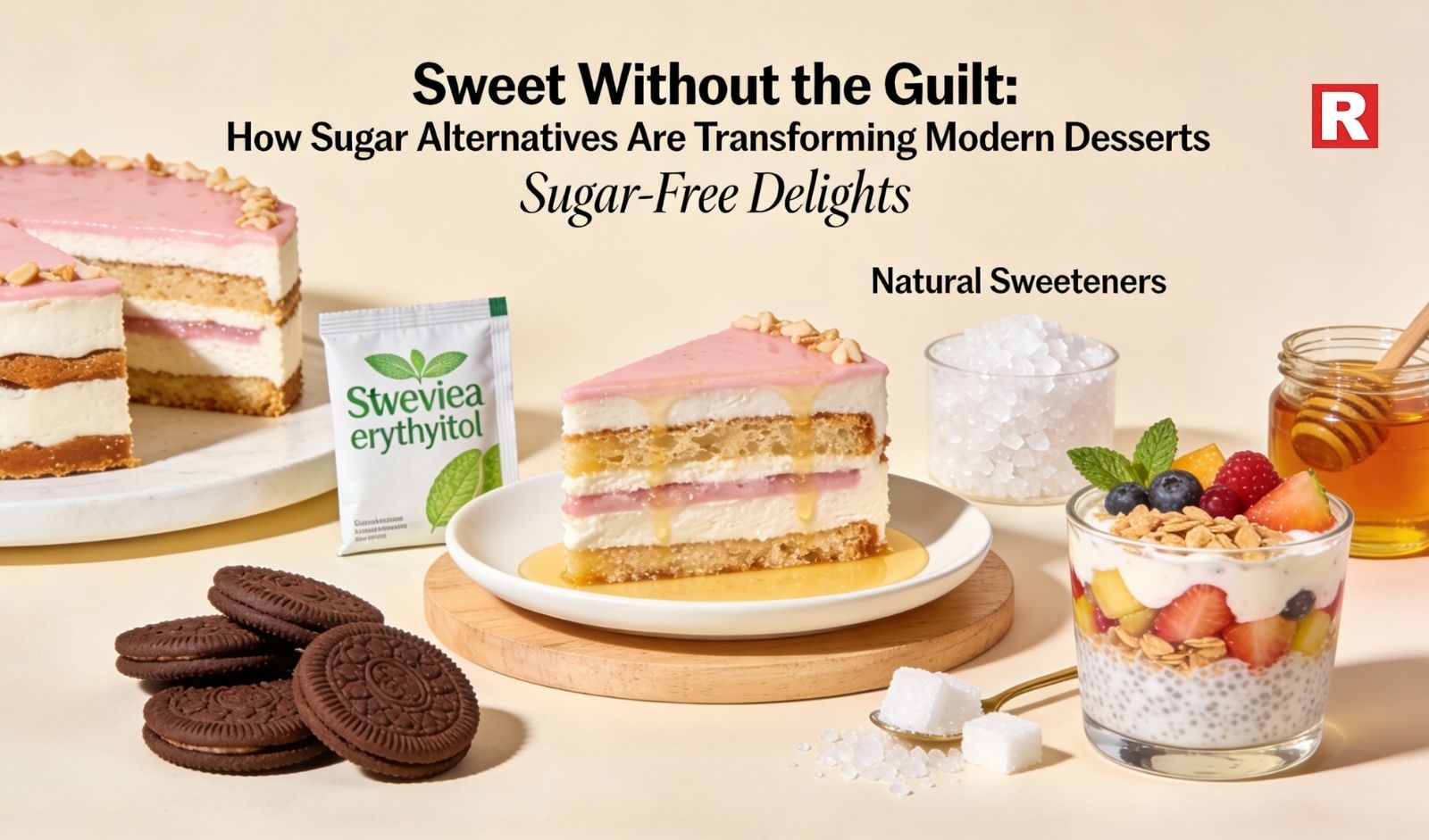
Desserts are changing. They are no longer only about indulgence. Today, they are also about balance, health, and smart choices. Across India, from premium cafés in Mumbai to home bakers in Delhi, there is a clear shift. People want desserts that taste good but do not overload the body with refined sugar.
This demand has pushed chefs and brands to rethink recipes. Sugar alternatives are now at the centre of this change. They offer sweetness with fewer calories, lower glycaemic impact, and in some cases, added nutrients. The result is a new generation of desserts that feel lighter but still satisfying.
Why Sugar Alternatives Are Gaining Popularity
India is seeing a steady rise in lifestyle concerns like diabetes and obesity. Many consumers are becoming more aware of what goes into their food. Labels matter more than ever. Words like “low sugar,” “natural sweetener,” and “no added sugar” attract attention.
At the same time, food delivery platforms and quick commerce have made desserts more accessible. This has increased consumption frequency. Instead of cutting desserts completely, consumers are choosing smarter options. This is where sugar alternatives fit perfectly. For urban consumers, especially Gen Z and millennials, desserts are part of everyday life. But they want control. They want to enjoy without guilt. This mindset is shaping menus across restaurants and cloud kitchens.
Understanding Sugar Alternatives
Sugar alternatives are ingredients used to replace refined sugar in recipes. They can be natural or artificial. Each type behaves differently in cooking and baking. This makes replacing sugar a technical task. Chefs cannot simply swap one ingredient for another. They need to adjust recipes carefully to maintain taste and texture.
Sugar does more than add sweetness. It plays a key role in:
- Texture and structure
- Moisture retention
- Browning and flavour development
Popular Sugar Alternatives in Modern Desserts
1. Stevia
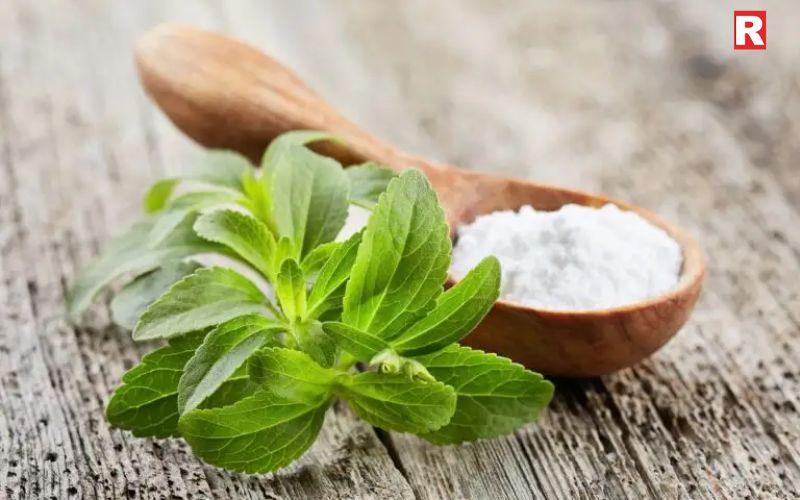
Stevia is a natural sweetener made from plant leaves. It has zero calories, which makes it popular among health-conscious consumers. It is much sweeter than regular sugar, so only a small quantity is needed. This helps reduce overall sugar intake without losing sweetness. It is widely used in beverages like tea, coffee, and cold drinks. Chefs also use it in light desserts such as mousse and puddings. It works well in low-calorie baked goods too. However, stevia can sometimes leave a mild bitter or licorice-like aftertaste. This can affect the final taste of desserts. To solve this, many chefs mix it with other sweeteners. This helps create a more balanced and pleasant flavour.
Read more: Portion Control Menus: The Smart Shift in Health-Conscious Dining in India
What is Kimchi? Top Veg Kimchi You Can Try at Home
2. Monk Fruit Sweetener
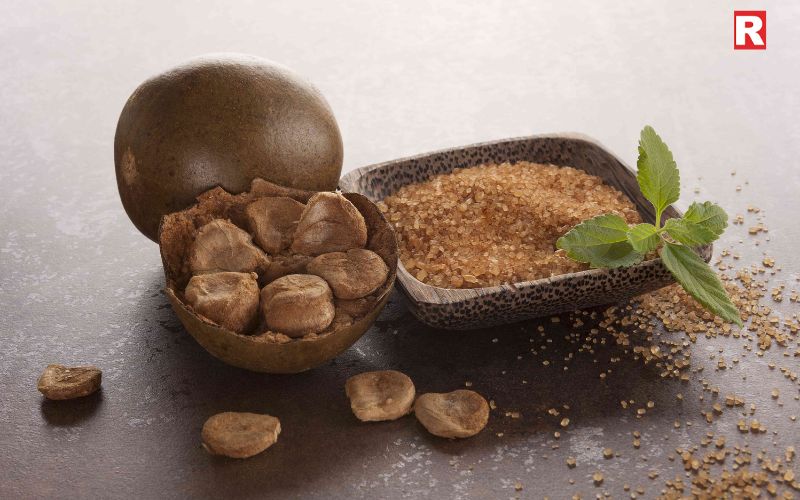
Monk fruit is slowly becoming popular in India, especially among people looking for healthier sweeteners. It is a natural ingredient and does not raise blood sugar levels. This makes it a good option for people with diabetes or those following controlled diets. It is much sweeter than regular sugar, so only a small amount is needed. In most cases, it is mixed with erythritol. This blend improves texture and gives a more balanced taste. It also makes baking easier, as it behaves closer to sugar. Chefs often use it in cheesecakes, cookies, and other premium desserts. It helps create desserts that are light yet satisfying. Many modern bakeries are now experimenting with it.
3. Coconut Sugar
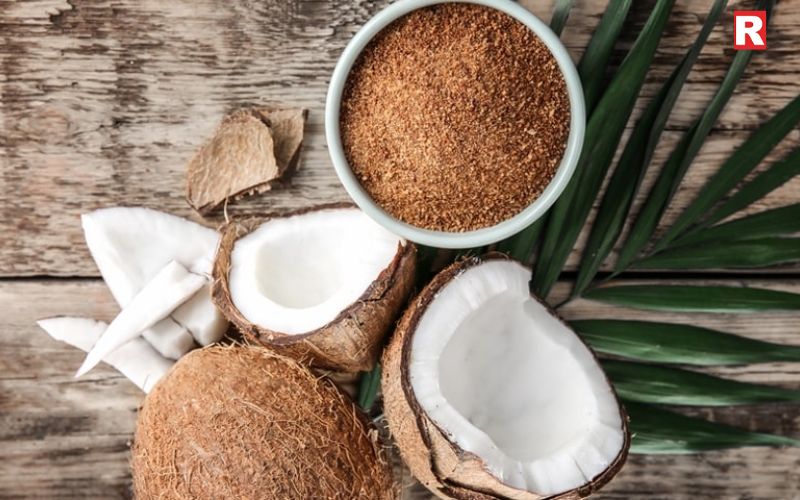
Coconut sugar is often seen as a better option than refined sugar. It has a similar taste and texture, which makes it easy to use in everyday recipes. It also has a lower glycaemic index, so it affects blood sugar more slowly. In addition, it contains small amounts of minerals like potassium and iron. Many bakers prefer it because it works well in cakes and brownies. It is also used in granola, energy bars, and healthy snacks. In India, it is popular in fusion desserts that mix traditional and modern flavours. For home bakers, it is a simple replacement. It behaves much like regular sugar and does not require major recipe changes.
4. Dates and Jaggery
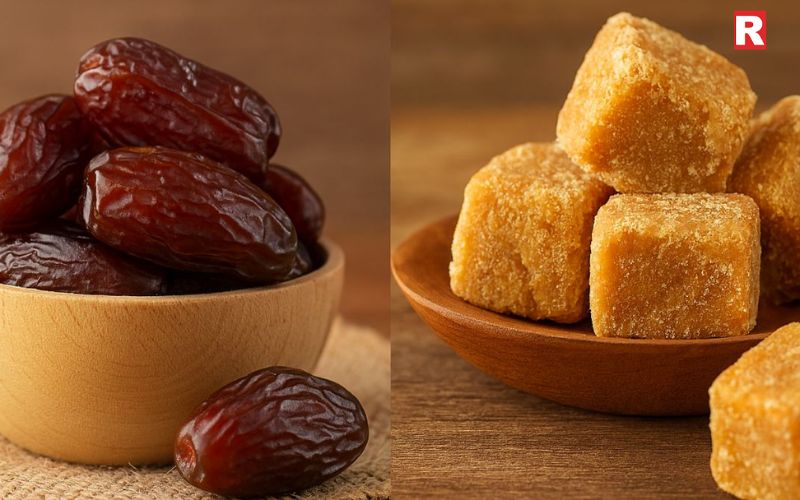
Dates and jaggery have always been part of Indian food culture. They are natural, simple, and trusted by most households. Dates are rich in fibre and natural sugars. They are often used to make laddoos, energy bites, and raw desserts. They add sweetness along with some nutritional value. Jaggery, also known as gur, has a deep and earthy taste. It is commonly used in sweets like halwa and chikki. Many chefs now use it in modern desserts as well. These ingredients offer more than just sweetness. They bring a sense of tradition and authenticity. They also appeal to consumers who prefer clean and natural ingredients in their food choices.
Know more: Best Indian Sweet Brands in India
5. Honey and Maple Syrup

Liquid sweeteners like honey and maple syrup are natural and full of flavour. They bring a rich taste and mild aroma to desserts. Many bakers use them to enhance both sweetness and texture. They are commonly added to cakes and muffins for a soft crumb. They also pair well with pancakes and waffles. In dessert sauces, they add smoothness and depth. However, they need careful handling in recipes. Since they contain moisture, they can change the texture of baked goods. Chefs usually reduce other liquids to maintain balance. Baking temperature may also need slight adjustment. With the right method, these sweeteners help create desserts that feel more wholesome and flavourful.
The Science Behind Sugar Replacement
Replacing sugar is not simple. It requires a balance of multiple factors. Sweetness intensity varies across alternatives. Some are much sweeter than sugar, while others are milder. This affects quantity and taste. Bulk is another key factor. Sugar gives structure to baked goods. Without it, desserts can turn dense or flat. To solve this, chefs use bulking agents or combine different sweeteners.
Moisture retention is also important. Sugar helps keep desserts soft. Alternatives may not offer the same effect, so recipes need careful adjustment. Professional kitchens often test multiple versions before finalising a recipe. This process ensures the dessert meets both taste and texture expectations.
Why Restaurants Are Adopting Sugar Alternatives
Restaurants and dessert brands are adapting quickly. The demand for healthier options is no longer niche. It is becoming mainstream.
Offering sugar-free or low-sugar desserts helps brands:
- Attract health-conscious customers
- Stand out in a competitive market
- Expand into new customer segments
Many cloud kitchens in India now specialise in keto desserts or diabetic-friendly sweets. Premium restaurants are also adding “guilt-free” sections to their menus. This shift is not just about health. It is also about innovation. Chefs are exploring new ingredients and creating unique flavour profiles.
Also check: The Top Most Famous Dishes of the World by Country
5 Instagram-Worthy Desserts to Try This Summer in India
Which City Is Known As The Ice Cream Capital Of India?
Challenges and Misconceptions
There are still some concerns around sugar alternatives. One common belief is that sugar-free desserts lack taste. This is changing as chefs improve formulations and use better ingredient combinations. Some sugar alcohols can cause digestive discomfort if consumed in large amounts. This is why portion control and clear labelling are important.
Cost is another factor. High-quality sugar alternatives are often more expensive than refined sugar. This can impact pricing for businesses. There is also confusion around labels. Terms like “natural,” “low sugar,” and “no added sugar” are not always clearly understood by consumers.
What Lies Ahead
The future of desserts in India looks balanced and full of new ideas. Sugar alternatives are expected to become more common across menus. Many chefs are now exploring plant-based and functional desserts that offer both taste and added benefits. There is also a growing focus on better blends of sweeteners. These blends help improve flavour and texture in recipes. Ingredients like monk fruit are becoming easier to find in the market. This will support wider use in both home and professional kitchens. Technology is also playing a role. Chefs and brands are using it to test and refine recipes faster. For consumers, this means more options to choose from. For businesses, it opens new ways to grow and stand out. Desserts today are not only about sweetness. They are about making smarter choices while still enjoying every bite.
Saptopriya Ghosal
Feature Writer
I am a dedicated media professional with a bachelor's degree in mass communication from the State University of Calcutta and a postgraduate degree from Amity University. My academic journey has equipped me with a profound understanding of storytelling and communication. Passionate about the dynamic world of media, I continually strive to explore new ways to engage and inform through compelling narratives.



































































































































































