Small Cafe Interior Design on a Low Budget: 10 Creative Ideas That Look Anything But Cheap
A small café does not need to imitate a luxury coffee shop. Its strongest design can come from working with its limitations. A wall can become a counter.

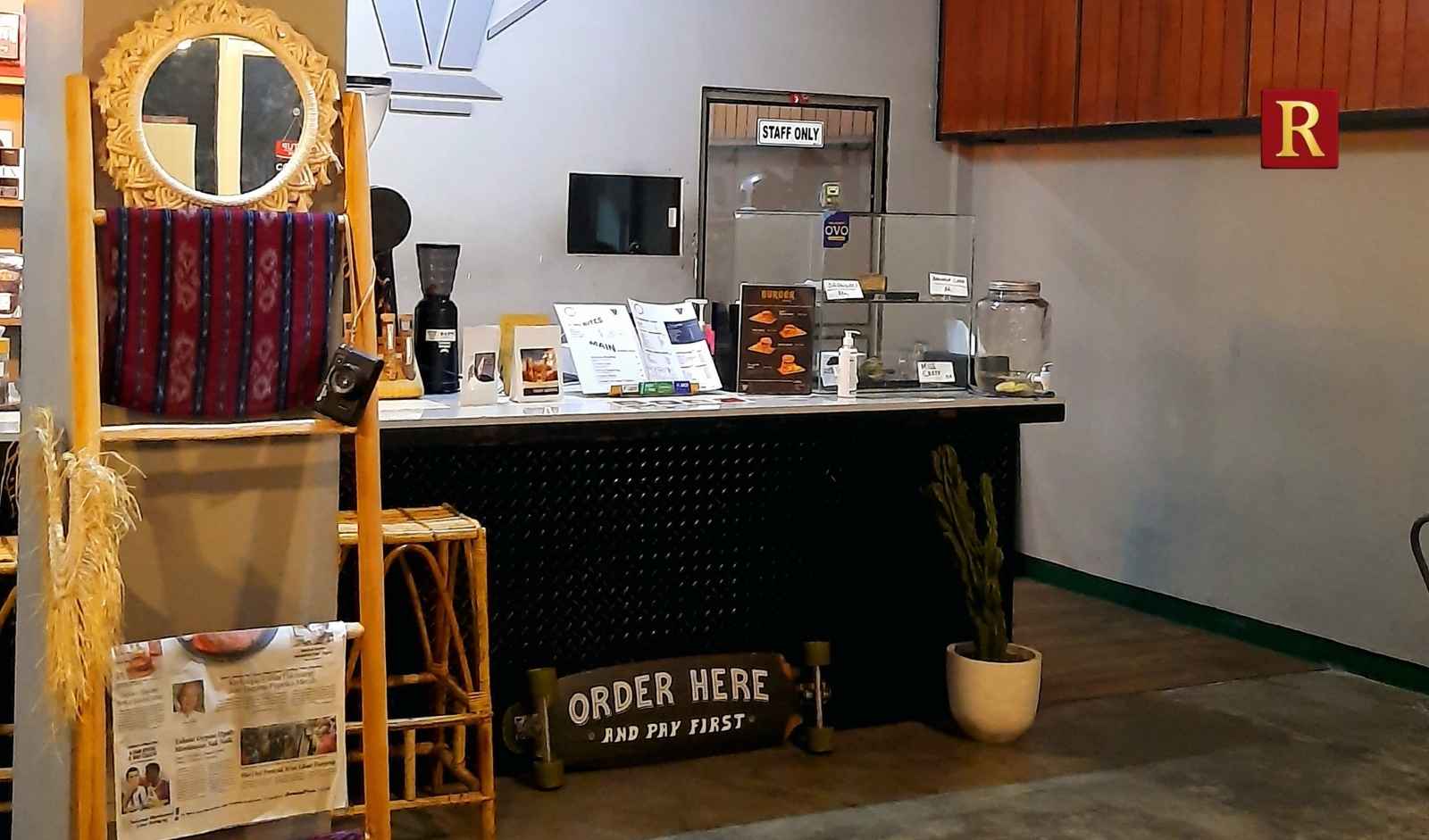
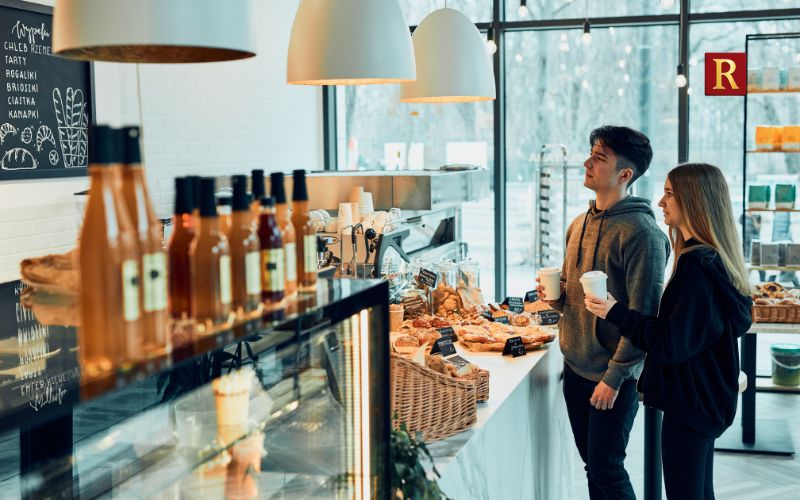
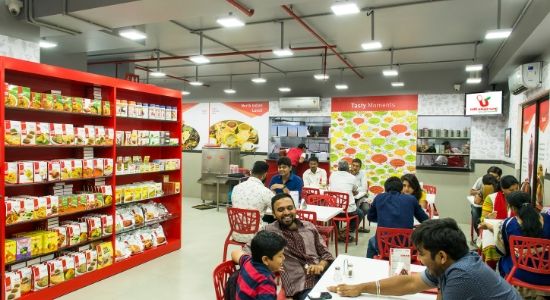
A small café does not need an expensive interior to feel well designed. It needs a layout that uses limited space carefully, furniture that serves a purpose and lighting that makes the room comfortable. For a 150–500 sq ft café, every decision matters. A bulky table can reduce circulation. A badly placed counter can create a queue problem. Even decorative storage can become difficult to clean. The smarter approach is to make individual design elements perform more than one job. This is particularly useful for independent café owners in Indian cities, where rent, fit-out costs and available floor area can put pressure on the opening budget. A low-cost interior should therefore focus on space efficiency, durability, customer comfort and a recognisable visual identity, rather than simply adding inexpensive décor.
First, Plan the Café Around Its Actual Size
A useful starting point is to match the café format with the available area. A 100–150 sq ft space is more suited to a grab-and-go format, while 150–300 sq ft can accommodate a small café with limited seating. A 300–500 sq ft outlet has more scope for a proper dine-in layout.
Before choosing colours or furniture, map five things: Entry → ordering → payment → preparation → pickup → seating
Then map the staff route separately. This prevents a common mistake: designing the room around how it looks in a photograph instead of how it works during a busy service.
1. Replace a Regular Table With a Wall-Facing Coffee Bar
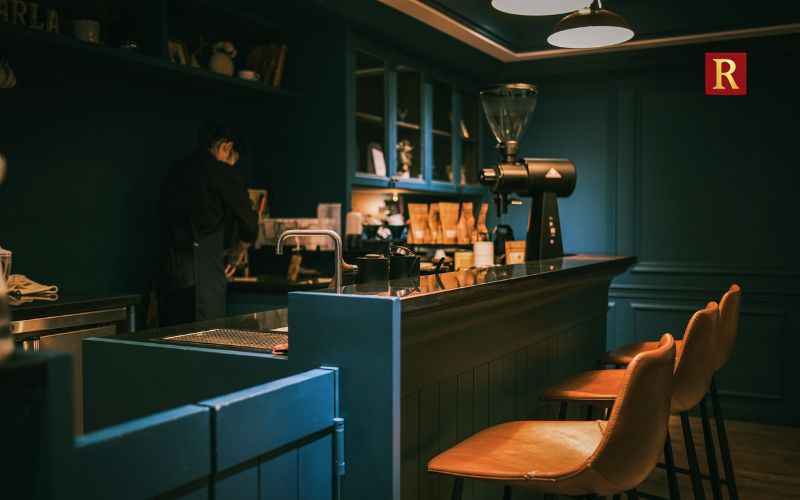
A conventional table needs floor space for the tabletop, legs and chairs. A wall-facing counter can provide seating while keeping the centre of the café open. Install a slim ledge along a wall with compact stools. Add small shelves underneath or hooks for bags. The counter can serve solo coffee drinkers, students working on laptops or customers waiting for takeaway orders.
The clever part: one wall becomes seating + workspace + charging zone.
For very small cafés, wall-facing counters and compact two-seaters are among the practical ways to preserve circulation.
2. Build a Bench That Is Also a Storage Unit
A built-in bench is more than seating.
The base can hide storage for:
- Extra cups
- Napkins
- Cleaning supplies
- Packaging
- Small inventory
- Café merchandise
The back can become a display shelf for coffee beans, books, ceramics or local products.
This creates a simple three-layer furniture system:
- Top: seating
- Base: storage
- Back: display
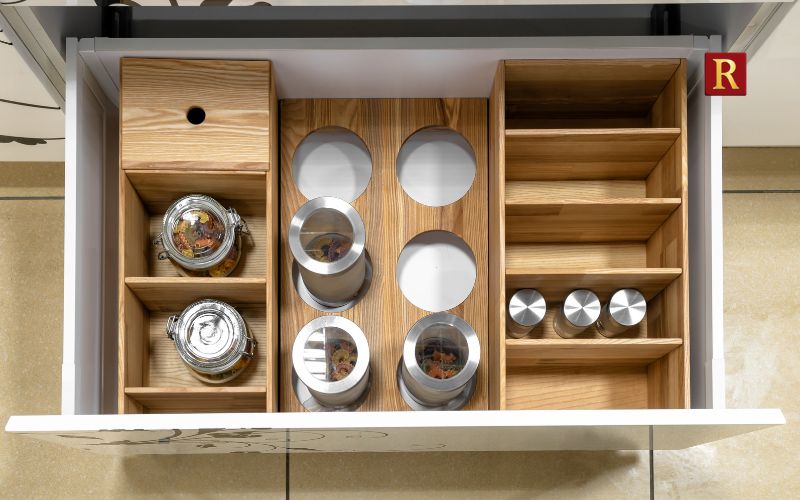
The important detail is accessibility. Storage that looks good but cannot be opened or cleaned easily is not efficient café design. Vertical and under-counter storage are widely recommended for compact cafés because they reduce clutter while preserving floor area.
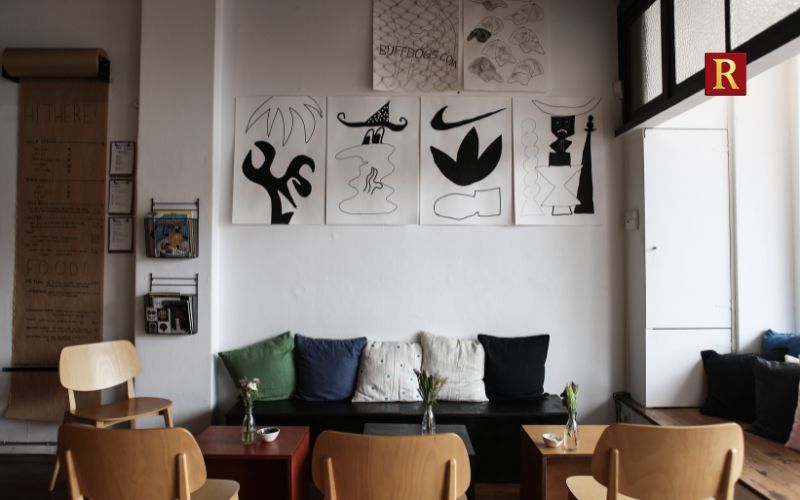
3. Turn One Wall Into a Rotating Story Wall
Skip the predictable neon quote. Instead, create one wall that changes throughout the year.
A simple rail, pegboard or modular panel system can display:
- Local artwork
- Coffee-origin maps
- Customer sketches
- Seasonal menus
- Photographs
- Small product displays
- Stories about ingredients
This is more useful than permanent decoration because the wall can evolve. It can also give customers something new to notice during repeat visits.
Design principle: make the wall a communication tool, not just a background for photographs.
4. Use the Ceiling Without Building an Expensive False Ceiling
Small cafés often run out of wall and floor space. The ceiling is the third dimension that remains.
Use it selectively for:
- Pendant lights
- Lightweight display elements
- Hanging greenery
- Acoustic treatments
- Visual zoning
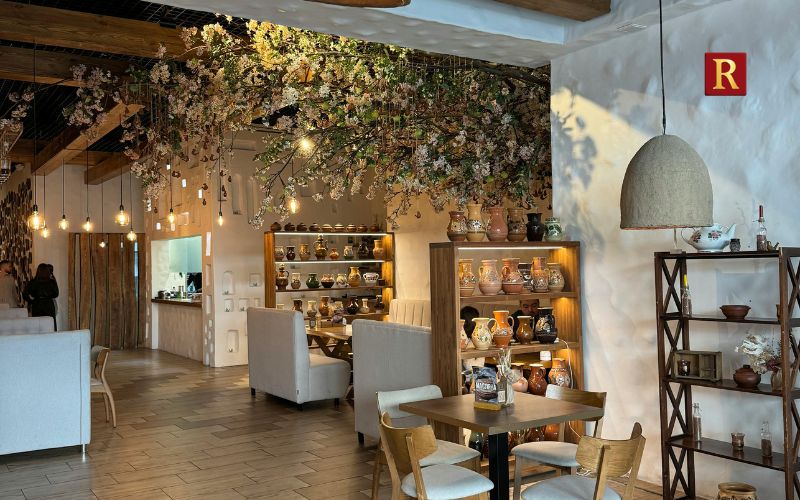
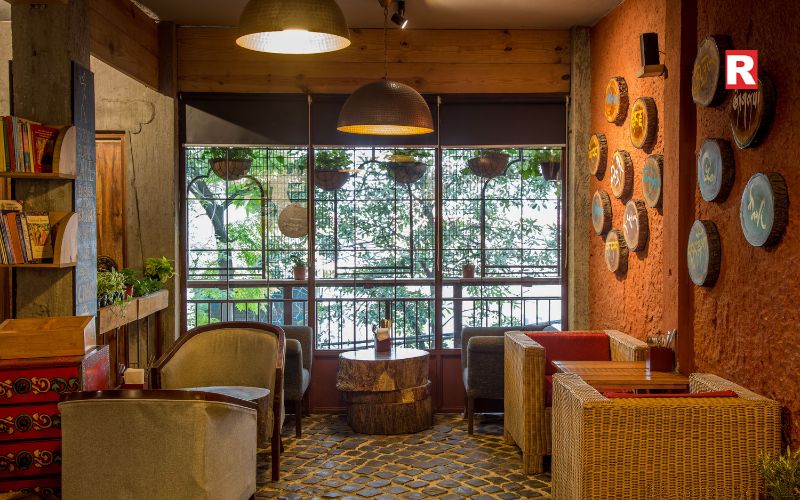
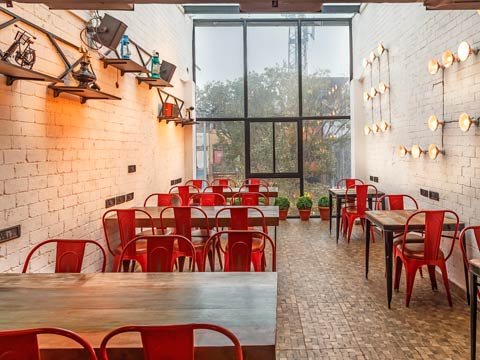
But avoid filling the ceiling simply because space is available. For example, a café with a natural or industrial look could use a simple ceiling treatment with carefully positioned lights rather than constructing an elaborate false ceiling. A Pune compact café project, for example, combines natural wood, a metal-mesh ceiling, greenery and pendant lighting while accommodating 16 guests in a small footprint. The lesson is not to copy the style. It is to understand that the ceiling can contribute to identity without consuming floor space.
5. Create Depth With One Strategic Mirror
Mirrors can make a compact café appear visually deeper by reflecting light and parts of the room. But covering every wall with mirrors is unnecessary. Choose one strategic location, preferably where it can reflect daylight or an attractive part of the interior.
Pair it with:
- A slim shelf
- A plant
- A textured wall
- Soft lighting
This creates depth without a structural renovation. The objective is not to make the café look twice as large. It is to reduce the visual heaviness that can make a small room feel cramped.
6. Design a "No-Table Table"
One of the most useful alternatives to traditional café furniture is a continuous ledge. Imagine a narrow surface running along part of the wall.
It can function as: Dining table + laptop desk + waiting surface + display shelf
Use individual stools beneath it. This approach is particularly useful for cafés where many customers visit alone or in pairs. It also reduces the visual clutter created by multiple table legs. Flexible furniture and mixed seating types are recommended for compact café layouts because customers use cafés for different purposes, including quick meals, socialising and working.
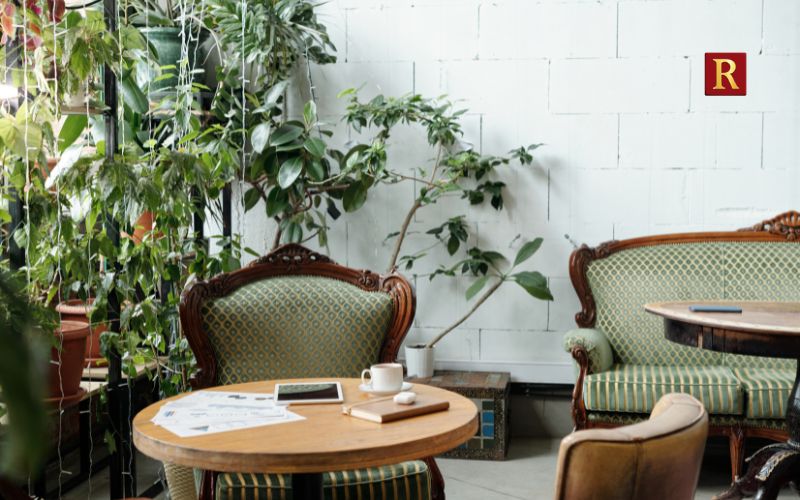
7. Make Second-Hand Furniture Look Intentional
Reusing furniture can reduce the fit-out burden, but randomly mixing old pieces can make the café look unfinished. Instead, give different pieces one common design language.
For example:
- Different wooden chairs with the same finish
- Mismatched chairs in one colour family
- Old stools with identical cushions
- Reclaimed tables with the same tabletop finish
The furniture can still be different while the room looks cohesive. This is where paint, upholstery and consistent hardware can do more work than expensive new furniture. However, don't reuse anything that has unsafe wiring, structural damage, unstable joints or surfaces unsuitable for food-related use.
8. Use Lighting to Create Invisible Zones
A small café does not always need physical partitions. Lighting can create different zones instead.
Use three basic layers:
- Ambient lighting: Provides general illumination.
- Task lighting: Supports activities such as preparing coffee, reading menus and working at the counter.
- Accent lighting: Highlights a wall, product display or architectural feature.
For example, the entrance can be bright and clear, the coffee counter can have stronger task lighting, while seating can have softer illumination. This makes the café feel organised without adding walls. Lighting should be planned according to activity rather than simply placing identical lights in a grid. There is also a food-safety reason to take lighting seriously. FSSAI guidance calls for adequate lighting for hygienic operations and protected lighting fixtures where breakage could contaminate food.
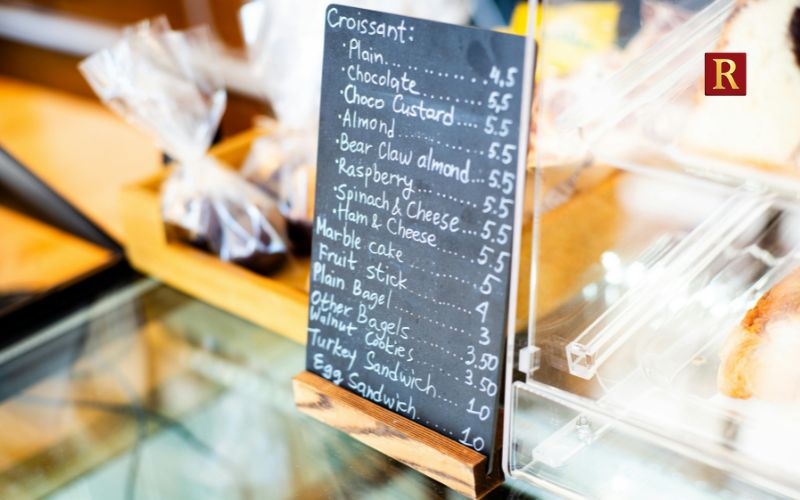
9. Turn the Menu Into Part of the Interior
A menu does not have to be a separate board attached to the wall. Make it part of the café's visual identity.
One option is an ingredient journey: BEAN → ROAST → BREW → CUP
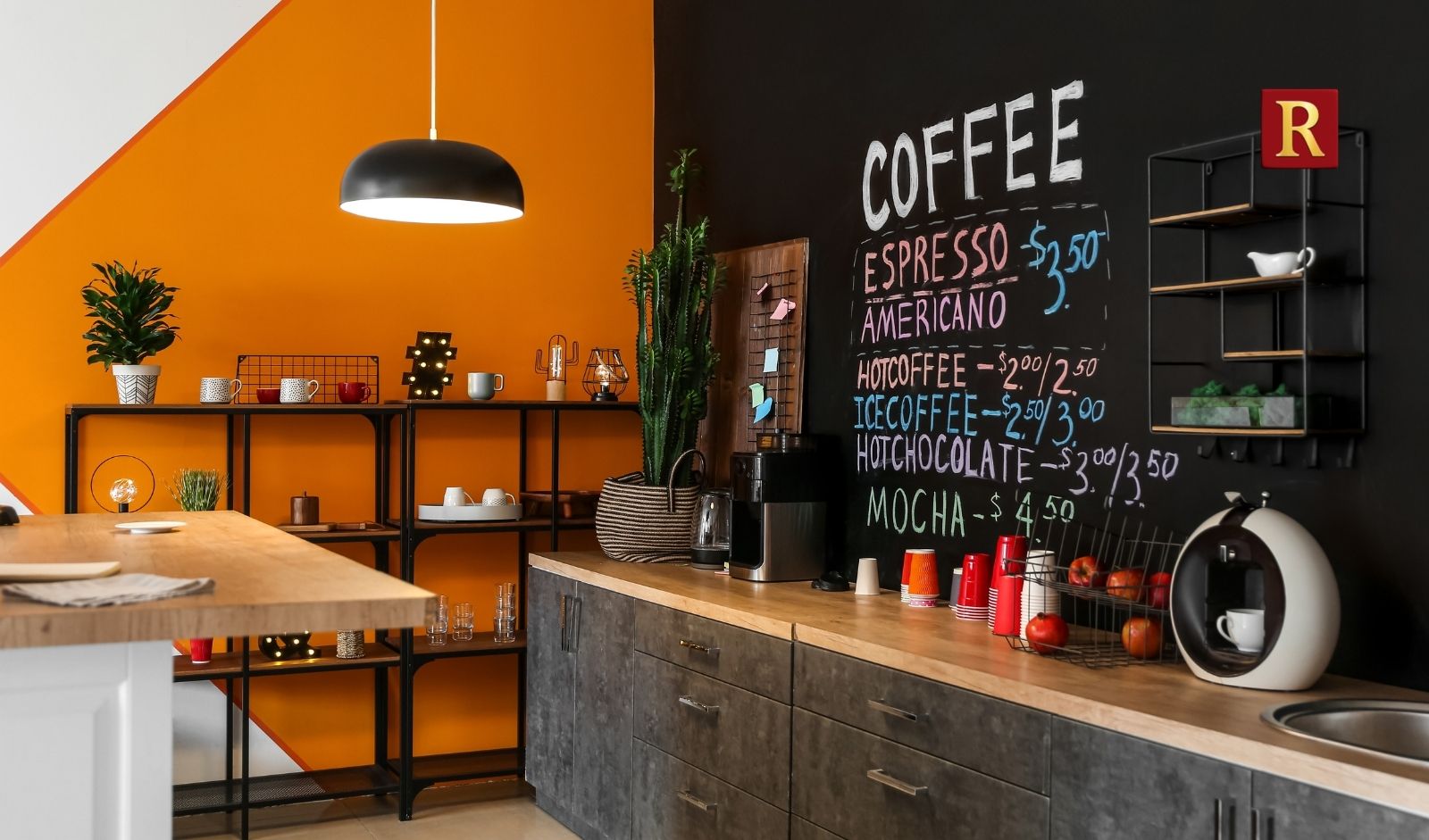
Another could explain the story behind a signature drink or local ingredient. Use magnetic panels, slim wooden boards or interchangeable cards so seasonal items can be changed easily.
This creates: Menu + branding + education + décor
It also reduces the need to buy decorative artwork simply to fill an empty wall.
10. Follow the "One Material, Five Jobs" Rule
Choose one affordable material and repeat it across the interior.
Plywood, for example, could become:
- A counter façade
- Wall shelving
- Bench seating
- Menu boards
- Table surfaces
Cane can similarly appear in selected furniture, cabinet fronts and lighting shades. The benefit is visual consistency. A small room can become visually busy when too many finishes, colours and textures compete for attention. A restrained material palette makes the design feel deliberate. However, the material must be appropriate for its location. FSSAI requirements emphasise cleanable, non-toxic and suitable surfaces in food premises, while floors should be designed with hygiene and maintenance in mind.
The Smartest Low-Budget Café Design
The most important spending decisions usually happen before the first decorative item enters the café.
Spend first on:
- Electrical work
- Plumbing
- Ventilation
- Food-preparation surfaces
- Equipment placement
- Comfortable seating
- Lighting
- Counter functionality
Save on:
- Excessive decorative objects
- Unnecessary partitions
- Over-designed ceilings
- Too many custom furniture pieces
- Trend-heavy finishes
- Large amounts of wall art
This distinction matters because an attractive café can still fail operationally. FSSAI guidance requires adequate ventilation to remove smoke, fumes, steam and vapours. It also stresses that ventilation should be designed so air does not move from contaminated areas into clean areas. So the cheapest option is not always the most economical one in the long run.
A Simple Rule for a 300–500 Sq Ft Café
Before approving any design element, ask three questions:
- Does it save space?
- Does it improve the customer experience?
- Does it help the staff operate the café?
If it does two of these three things, it is probably worth considering. If it does none of them, it may simply be taking up valuable space.
Final Takeaway
A small café does not need to imitate a luxury coffee shop. Its strongest design can come from working with its limitations. A wall can become a counter. A bench can become storage. A menu can become décor. Lighting can replace partitions. One material can connect the entire room. The result is not necessarily the most expensive café on the street. It is a café where space, money and design decisions are being used deliberately. For an independent café owner working with a limited budget, that is often the more useful definition of good interior design.
Saptopriya Ghosal
Feature Writer
I am a dedicated media professional with a bachelor's degree in mass communication from the State University of Calcutta and a postgraduate degree from Amity University. My academic journey has equipped me with a profound understanding of storytelling and communication. Passionate about the dynamic world of media, I continually strive to explore new ways to engage and inform through compelling narratives.