Skope Kitchens Targets 75 Kitchens by Year-End, Expands Across Key Indian Markets
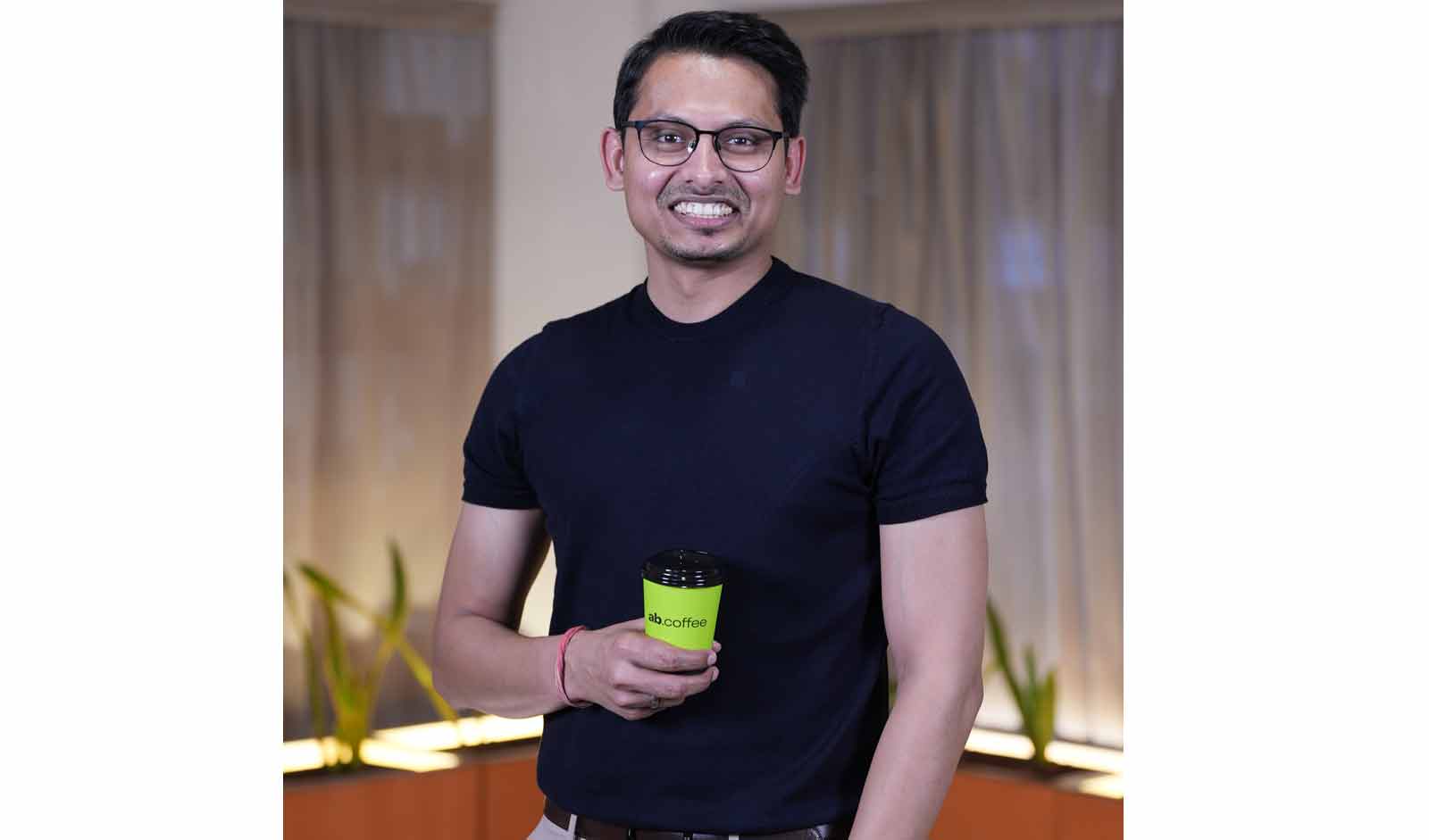
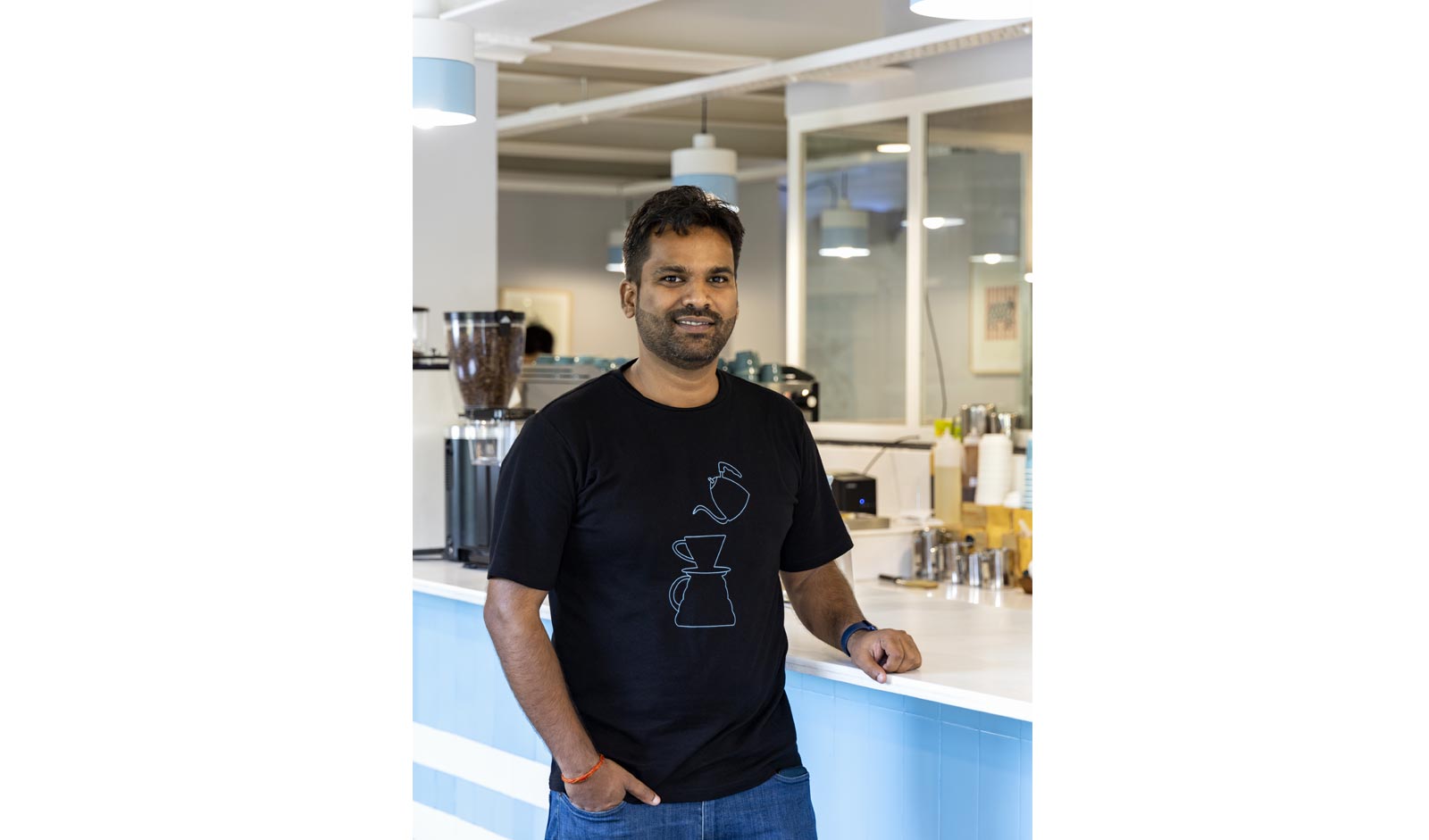
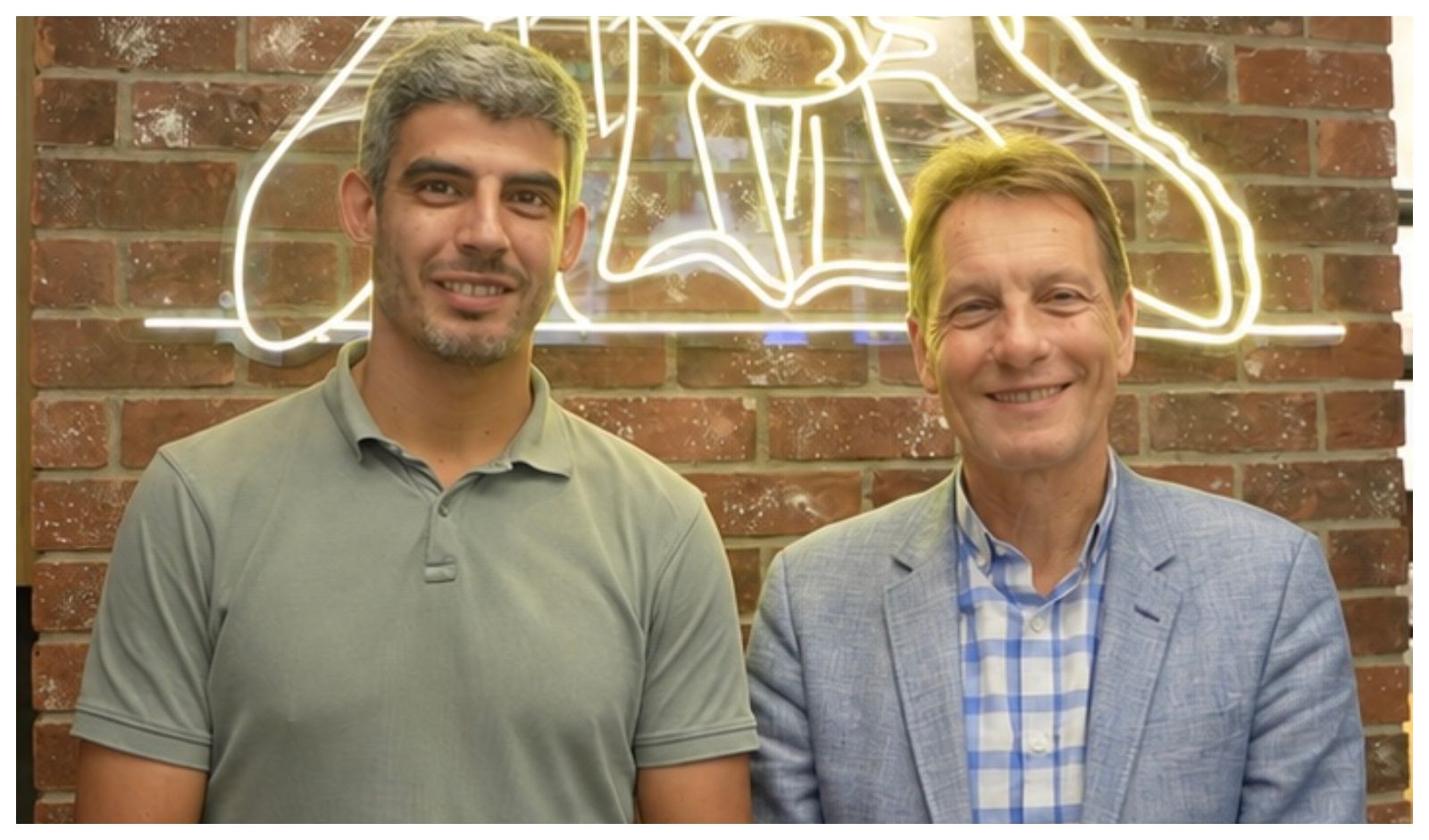
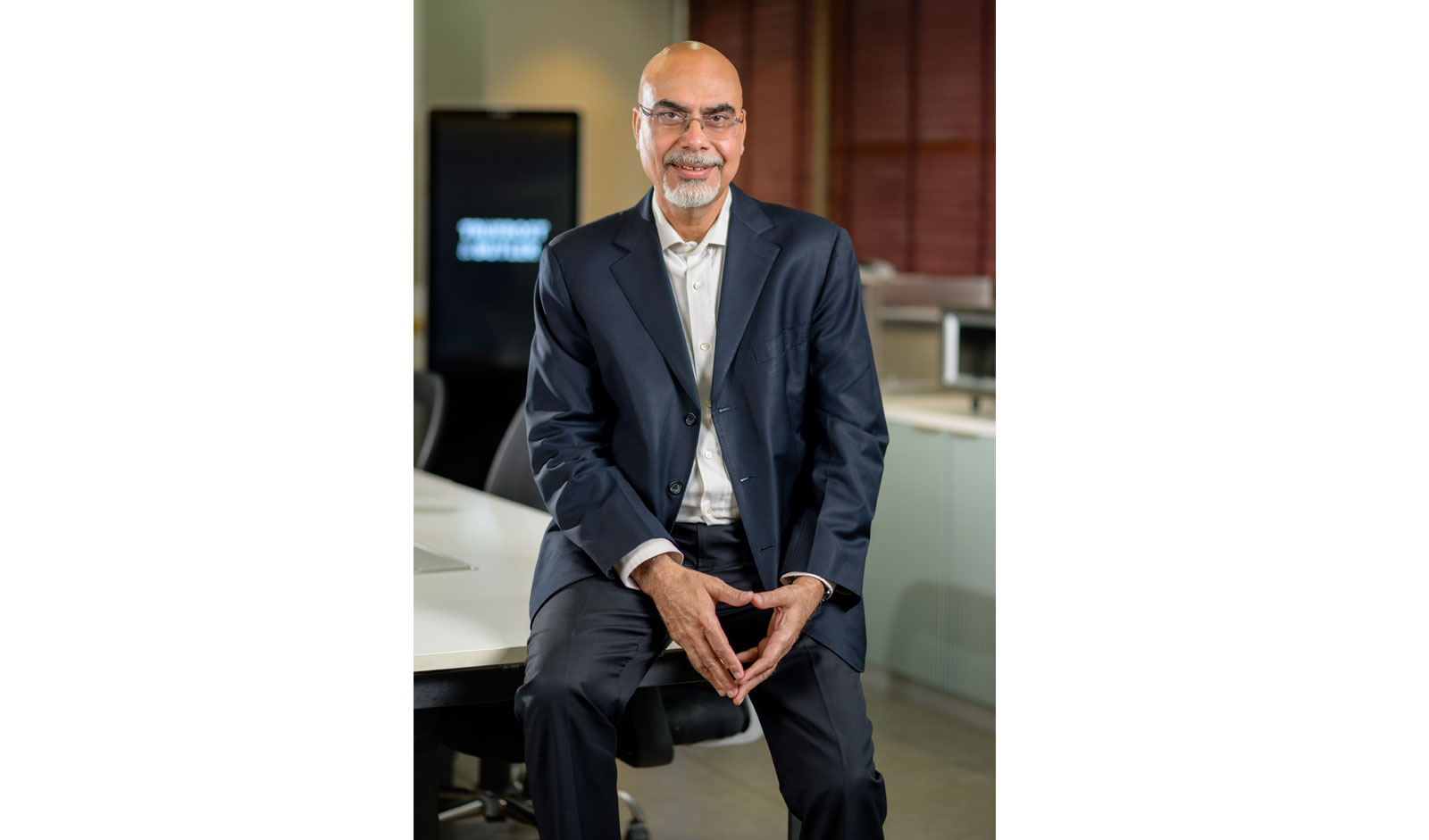
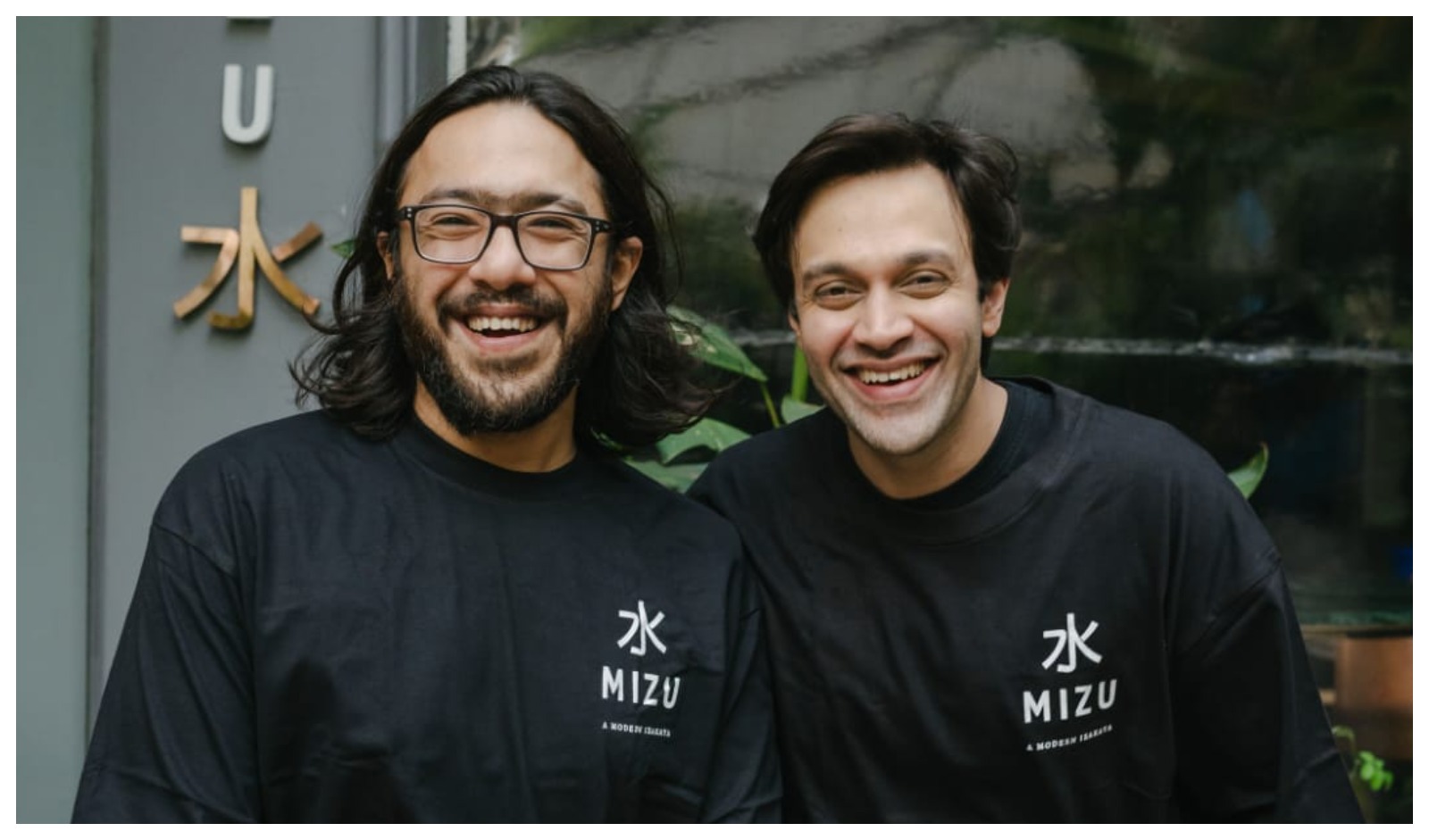
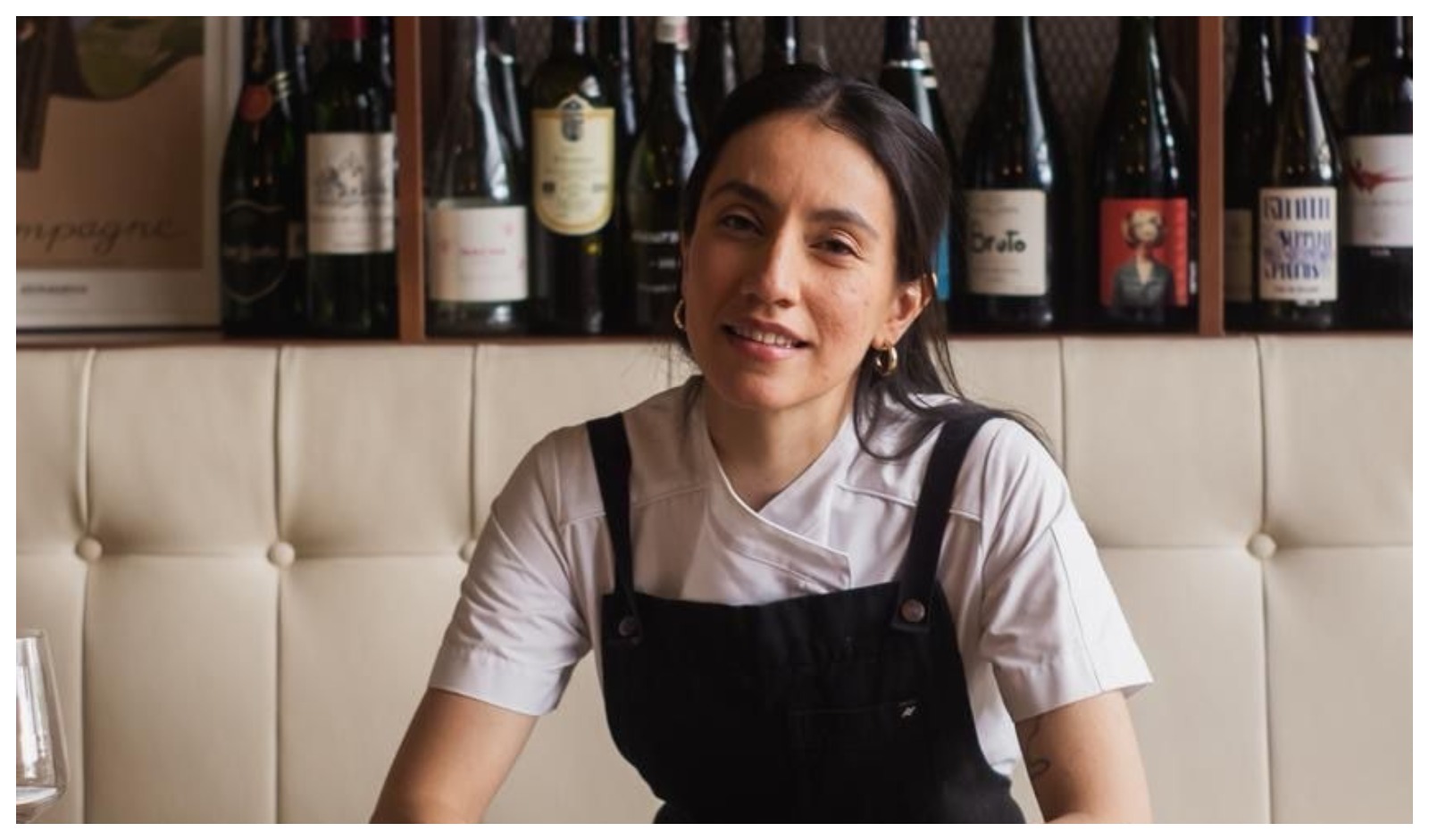
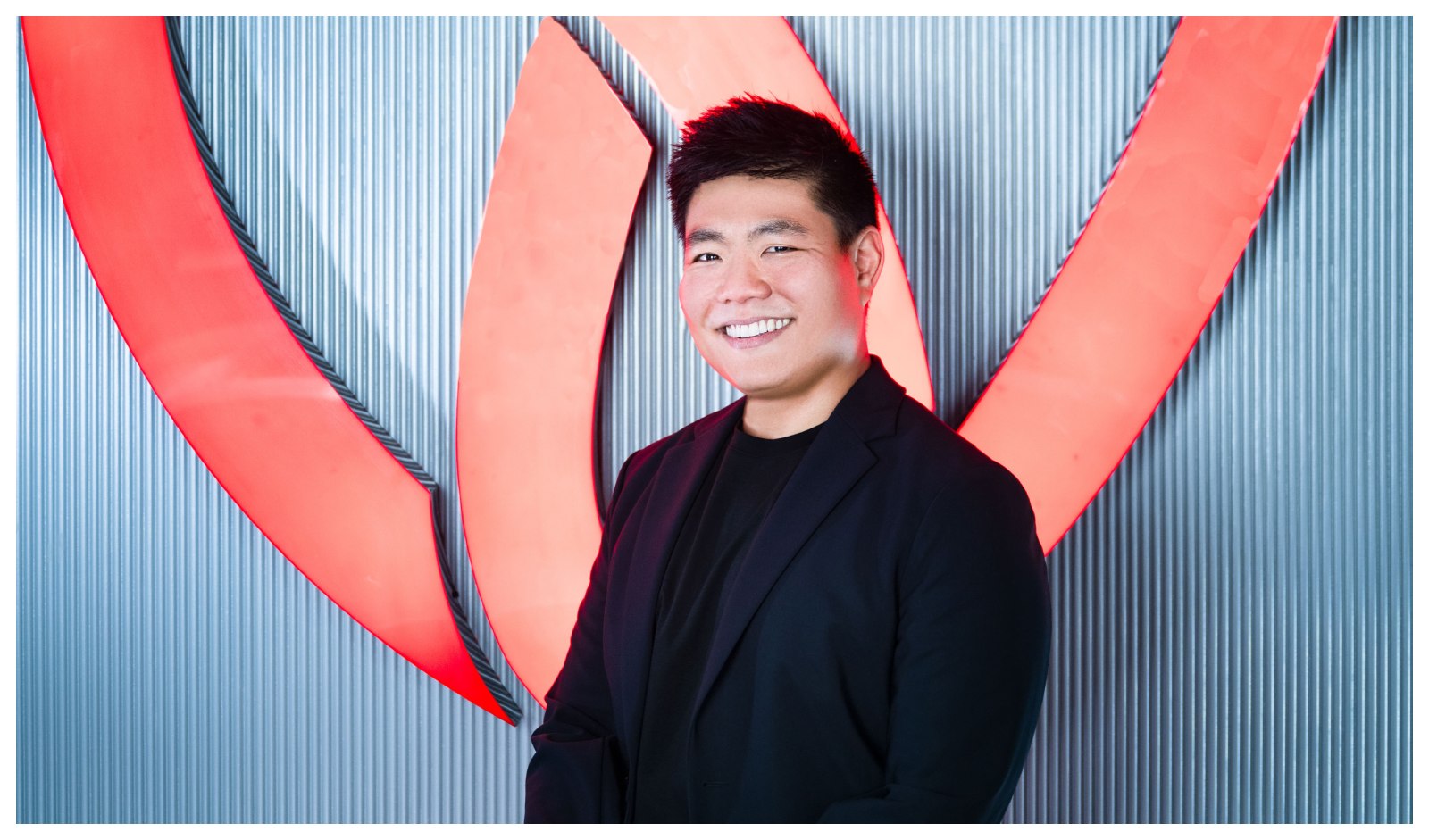
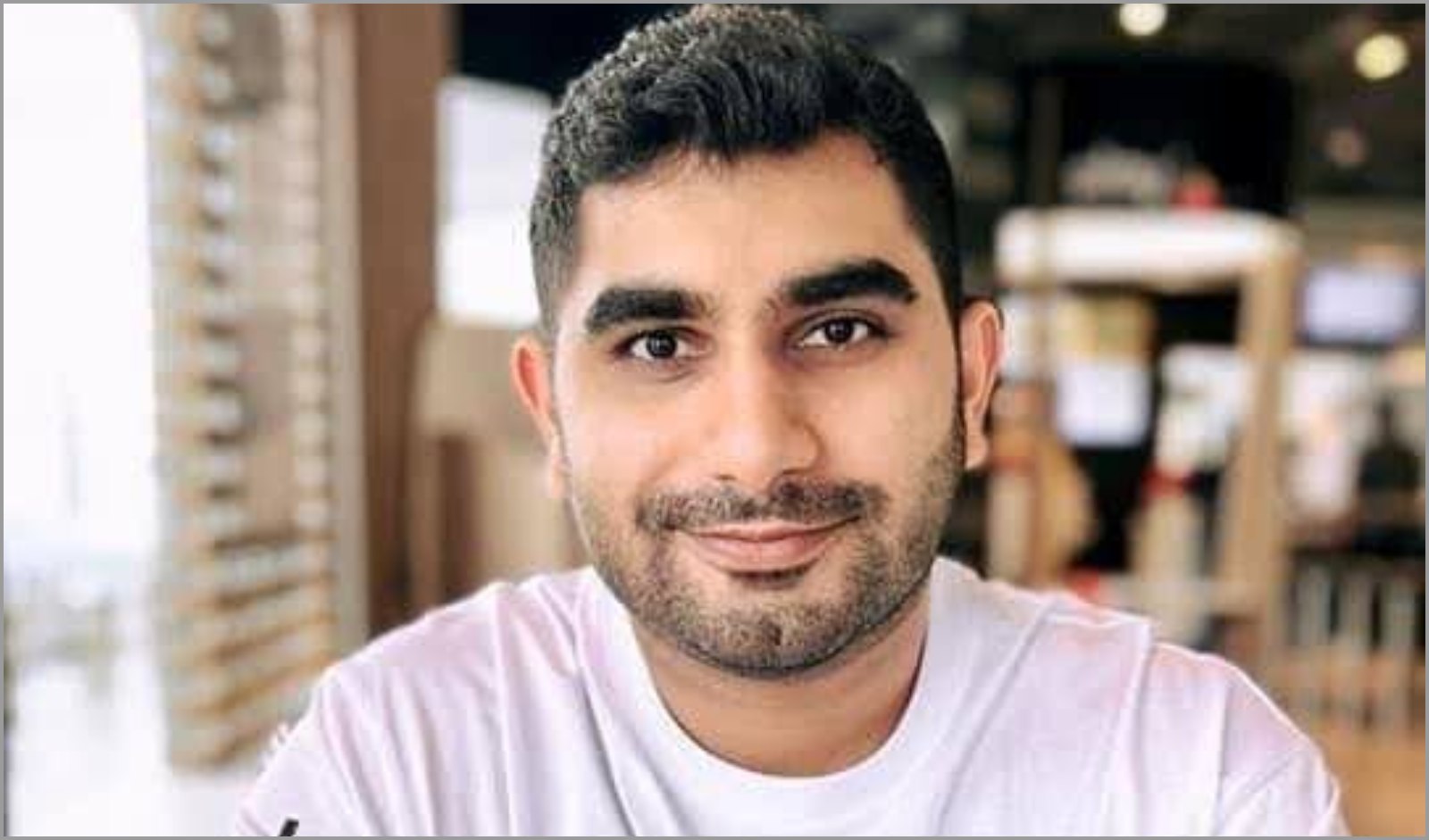
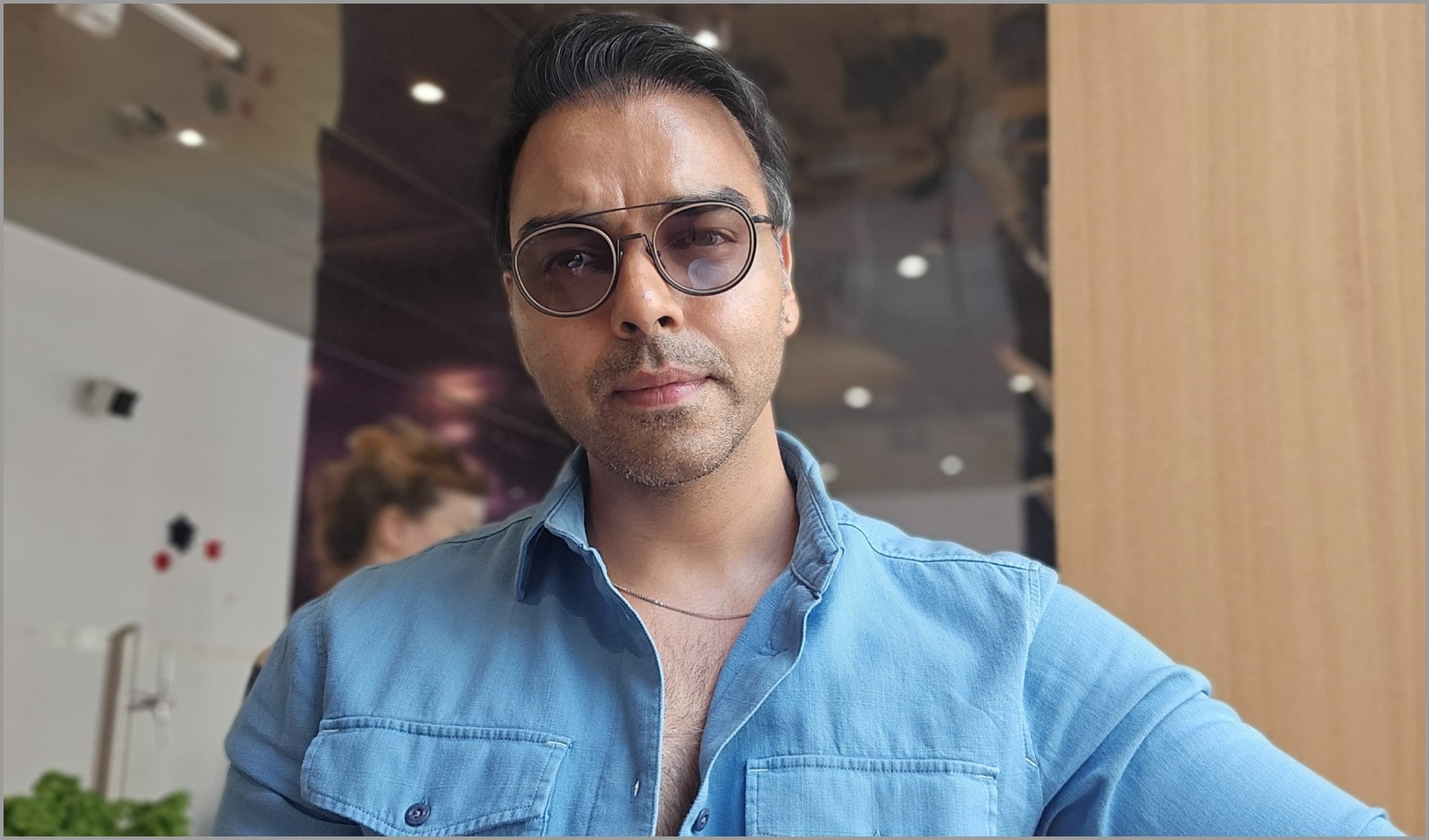
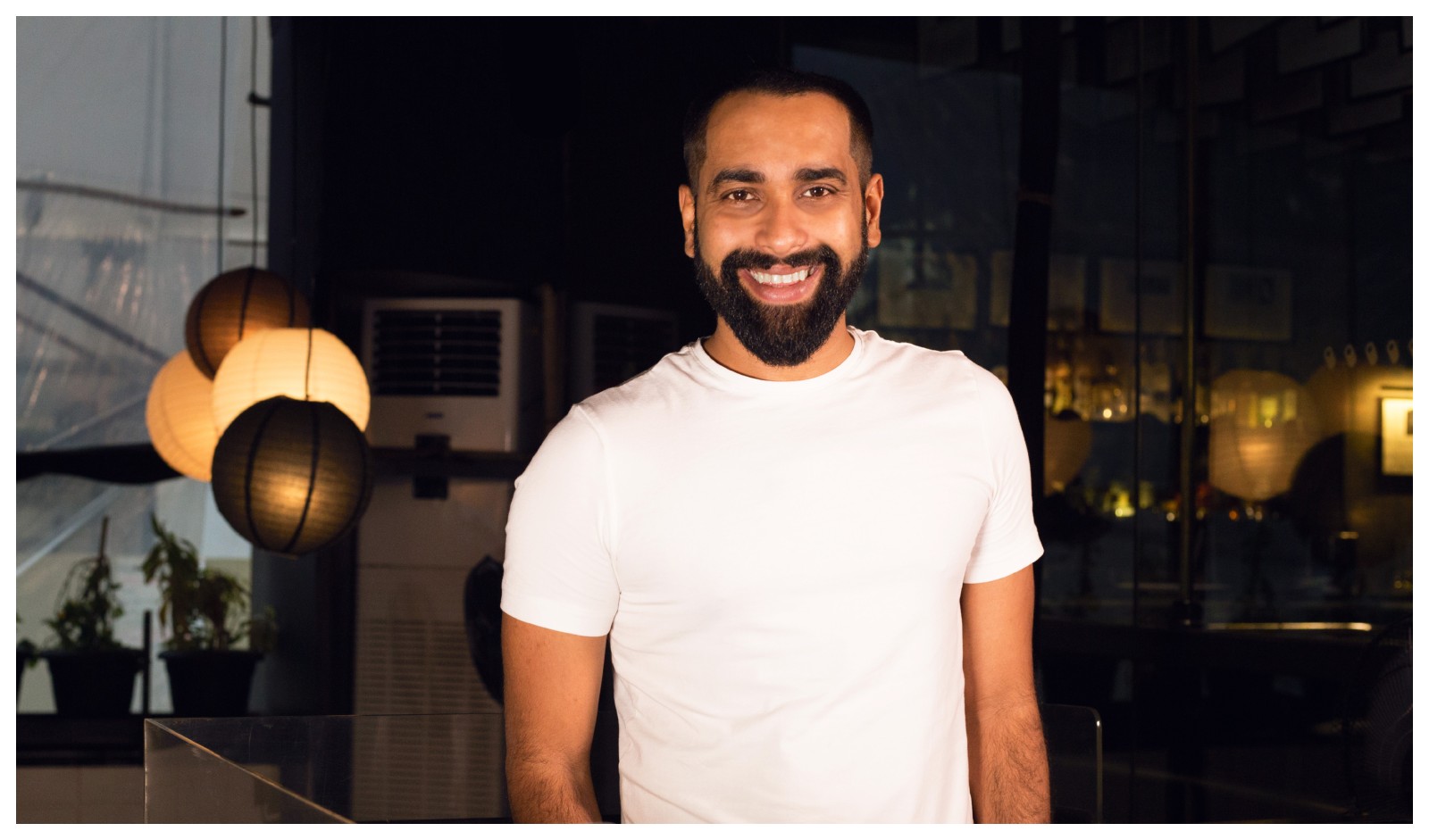
Founded by Arvind Krishnan and Tom Mathew, the Bengaluru-based Skope Kitchens provides shared kitchen infrastructure, technology, staffing, and operational support through its kitchen-as-a-service model.

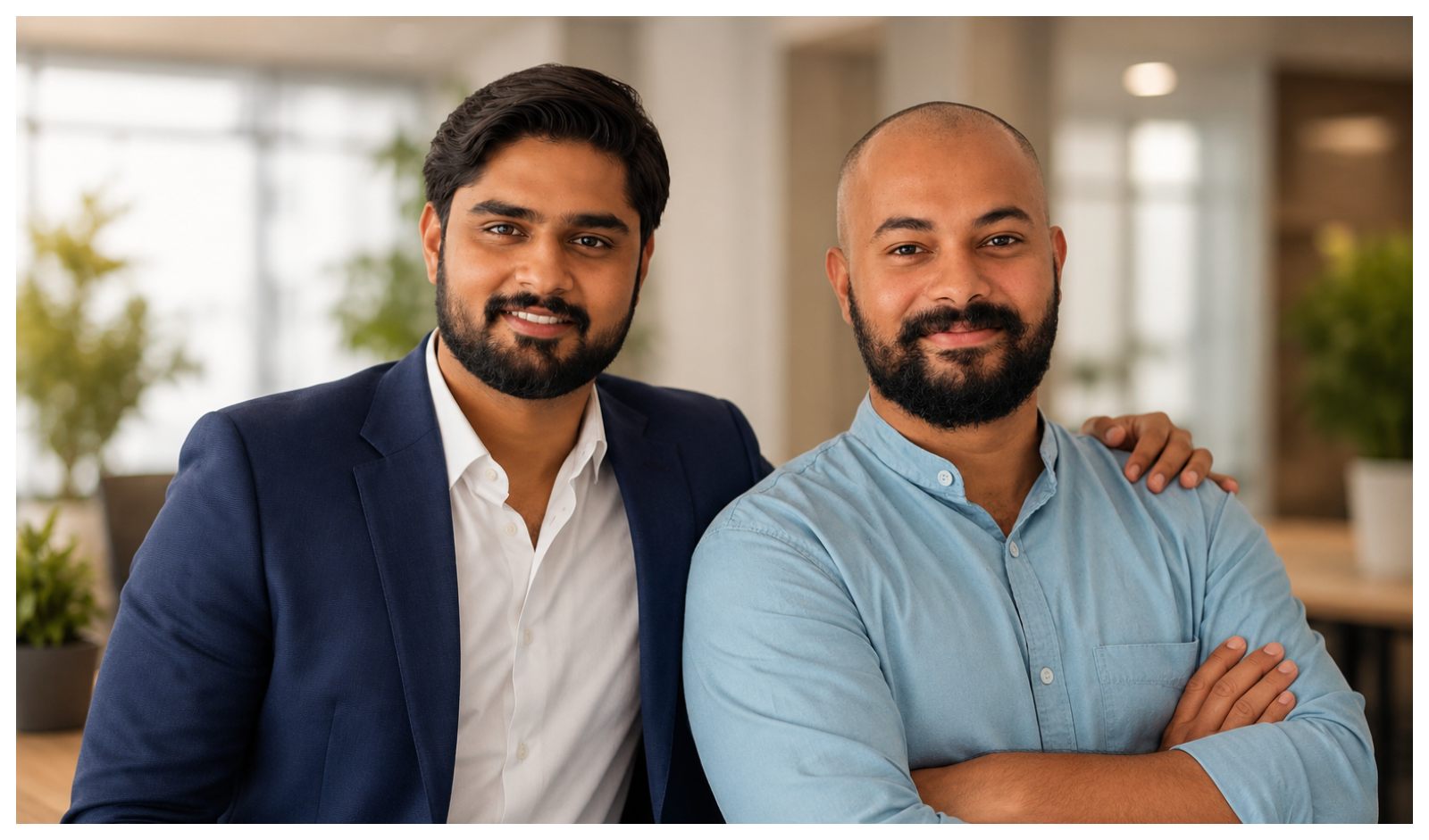
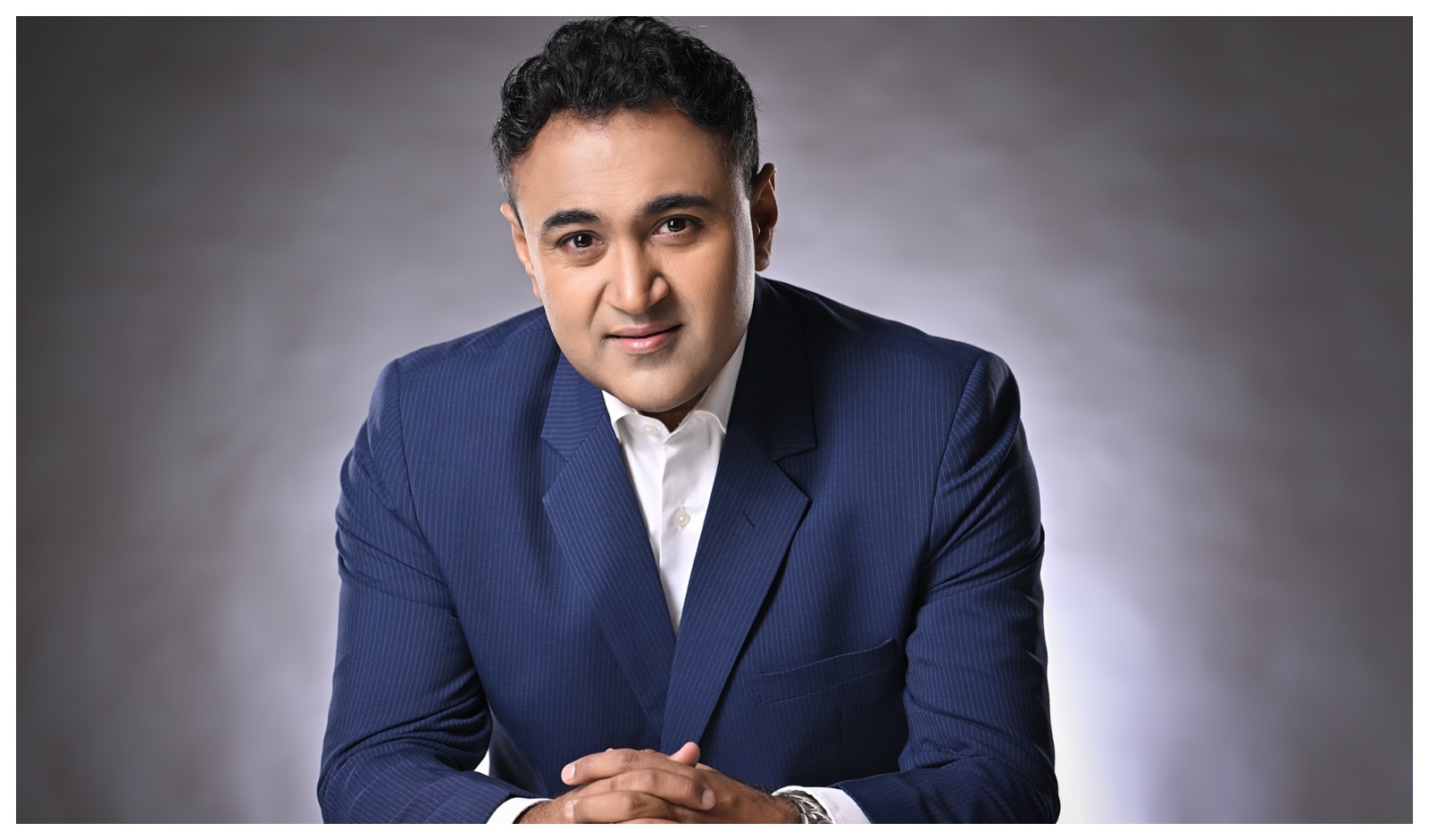
As India’s food delivery ecosystem matures, a new breed of operators is emerging to solve one of the industry's biggest challenges—scaling food businesses profitably. Founded by Arvind Krishnan and Tom Mathew, the Bengaluru-based Skope Kitchens provides shared kitchen infrastructure, technology, staffing, and operational support through its kitchen-as-a-service model. With five facilities already operational in the city, the brand is helping food brands scale faster and more efficiently in an increasingly competitive market. In an interaction with Restaurant India, the founders discuss the evolution of cloud kitchens, the role of AI and automation, and how technology is shaping the future of food businesses. Excerpts:
How does Skope Kitchens differentiate itself from traditional cloud kitchen models?
Arvind Krishnan: Traditional cloud kitchen models often require brands to invest significantly in kitchen setup, equipment, and manpower while managing day-to-day operations themselves. At Skope Kitchens, we eliminate these capital expenditure barriers by providing fully operational kitchens along with infrastructure and trained staff. This enables food brands to expand into multiple locations within as little as 20 days without upfront setup costs. By solving common challenges like staff attrition and operational inconsistencies, we help brands scale faster and more efficiently.
How does the kitchen-as-a-service model help brands reduce costs and scale efficiently?
Arvind Krishnan: Our kitchen-as-a-service model is designed to significantly lower the cost of expansion for restaurant brands. By offering a standardized, fully supported kitchen environment, we eliminate the need for upfront capital expenditure and help brands operate at roughly one-third of the typical operational cost. Unlike conventional cloud kitchen providers that primarily rent out space, Skope Kitchens offers a complete solution that includes manpower, utilities, infrastructure, and operational support.
What are some of the hidden cost challenges that restaurant brands face while expanding through cloud kitchens?
Arvind Krishnan: One of the biggest challenges for restaurant brands today is managing costs in an increasingly competitive delivery ecosystem. Platforms like Swiggy and Zomato can account for nearly 50 percent of a restaurant’s revenue when commissions, advertising spends, and customer acquisition costs are factored in. Beyond the base commission, brands also invest in visibility through marketing tools such as CPC and CPI campaigns, which further impact margins.
After accounting for food costs and aggregator-related expenses, many restaurants are left with only about 20 percent of their revenue to cover rent, manpower, utilities, and other operational costs. As a result, profitability remains a major concern, particularly for cloud kitchen operators. This is why the industry is increasingly focusing on tighter cost controls, operational efficiencies, and exploring alternative models, including emerging zero-commission platforms that could reshape restaurant economics in the coming years.
How important is data and analytics in driving decisions at Skope Kitchens?
Arvind Krishnan: In fact, nearly two-thirds of our management team is focused on analytics and performance tracking. We use data to inform key decisions around menu engineering, pricing, inventory management, and operational efficiency.
By closely studying customer purchasing patterns, we can identify which products are performing well and which need to be refined or removed. We also conduct cross-analysis to understand market trends, competitor performance, and consumer preferences. These insights help brands optimize their offerings, identify growth opportunities, and make more informed business decisions.
How is technology helping improve efficiency and scalability in modern cloud kitchens?
Tom Mathew: Strong backend infrastructure is critical to building successful food brands. Systems that manage inventory, orders, and kitchen workflows play a direct role in ensuring consistency, operational efficiency, customer satisfaction, and profitability. Technology enables real-time visibility into operations, helps reduce errors, optimizes kitchen preparation times, and supports faster, data-driven decision-making. In a highly competitive market, these efficiencies are essential for protecting margins and driving sustainable growth.
What role do AI and automation play in the future of restaurant operations?
Tom Mathew: AI and automation have the potential to significantly transform restaurant operations by improving efficiency, accuracy, and predictability. From demand forecasting and inventory management to optimizing prep times and delivery performance, AI can help reduce wastage and improve profitability. While technology will continue to streamline operations, the fundamentals of great food, hospitality, and customer experience will remain at the heart of the business
What are some of the most common mistakes cloud kitchen operators make?
Arvind Krishnan: One of the biggest mistakes cloud kitchen operators make is underestimating the importance of operational discipline. Poor manpower planning is a common challenge, with many brands under-hiring staff in an attempt to reduce costs. This often results in employee burnout, high attrition, and operational disruptions.
Another major issue is the lack of documented SOPs and standardized processes. Many brands begin scaling before their products and workflows are fully stabilized, leading to inconsistencies in food quality and customer experience. Cost control is another area where operators often struggle. Unplanned discounts, aggressive promotional campaigns, and rising marketing spends can quickly erode already thin margins.
Many cloud kitchens also become overly dependent on platforms such as Swiggy and Zomato for growth. While these platforms are important, brands need to invest in broader marketing initiatives, customer retention strategies, and offline channels such as corporate and bulk orders to build a more sustainable and profitable business.
What are Skope Kitchens’ expansion plans for the coming months?
Arvind Krishnan: We are witnessing strong demand from food brands looking for scalable and cost-efficient expansion models, which is driving our growth plans. As part of our next phase, we are launching 15 additional kitchens in Hyderabad and expanding our footprint into key markets such as Delhi NCR, Mysuru, and Ernakulam.
Our goal is to scale from our current network to between 50 and 75 kitchens by the end of the year. We believe these markets offer significant potential for cloud kitchen growth, and the increasing number of inquiries from brands reinforces our confidence in the opportunity ahead.
Vijetha Iyer
Content Editor
Working as a Content Editor with Restaurant India. I have worked in various sectors like food and beverage sector, chemicals, pharma, nutraceuticals, now specially focusing on restaurant side. But my core knowledge was always on content. Be it writing poems to verses, I always loved writing and have been exploring my career on the same. In Restaurant India, I deliver insightful stories, take interviews of various brands and update the audiences about the newest happenings in the restaurant industry.