
Sip the Hills: 6 Mountain Alcohol Brands to Try on Your Next Trip in India
When travellers visit these places, they often look for views and weather. But the real connection begins when they try what locals drink. Sitting with villagers, sharing a cup, and hearing their stories creates a deeper bond.


There is something special about drinking in the mountains. The air feels lighter. The views feel endless. And every sip tastes richer. Whether you are sitting in a café in Himachal or enjoying a quiet evening in Sikkim, local alcohol often becomes a part of the travel memory.
In India, mountain regions are slowly building a strong identity in craft alcohol. From Himalayan whiskies to traditional rice beers, these drinks carry the flavour of their land. They are shaped by climate, altitude, water, and local ingredients. If you are planning your next hill trip, this list will help you explore drinks that go beyond regular choices.
Why Alcohol from the Mountains Feels Different
Mountain alcohol is not just about branding. It is about science and environment. At higher altitudes, the air has less oxygen. This affects fermentation and aging. In many cases, spirits mature differently. The temperature is cooler. This slows down chemical reactions. As a result, the flavours develop gradually and feel more layered.
Water also plays a key role. Most mountain distilleries use spring or glacial water. This water is naturally filtered and rich in minerals. It adds purity and softness to the final drink. Local ingredients make a big difference. In Himalayan regions, you will find herbs, wild fruits, barley, and even bamboo being used. These ingredients give each drink a unique taste that cannot be copied elsewhere. That is why mountain alcohol often feels more authentic and memorable.
Explore 6 Mountain Alcohol Brands to Try in India
1. Apong – Arunachal Pradesh / Assam Hills
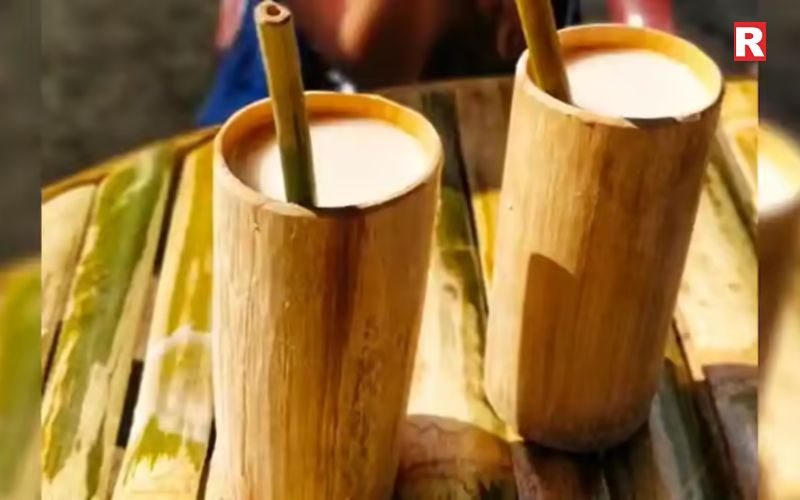
In the hills of Arunachal and parts of Assam, Apong is more than a drink. It is prepared inside homes using age-old methods. Families use local rice and natural starters made from forest plants. The brewing process can take several days and requires patience. The drink is often stored in bamboo containers, which adds a subtle woody touch. It is usually served in simple cups during gatherings. Guests are offered Apong as a sign of warmth and respect. Each tribe has its own way of making it, so the taste can change from place to place. It quietly reflects the rhythm of life in the hills.
- Type: Rice Beer
- Flavor Profile: Smoky, earthy, and slightly tangy.
- Why You Should Try It: It is central to tribal life. From festivals to daily gatherings, Apong is always present. Drinking it is like stepping into the culture of the region.
Read more: Top 5 Strong Beer Brands in India: Bold Brews for the Bold Drinker
Top Feni Brands in India: Taste the Goan Creation
2. Zutho – Nagaland
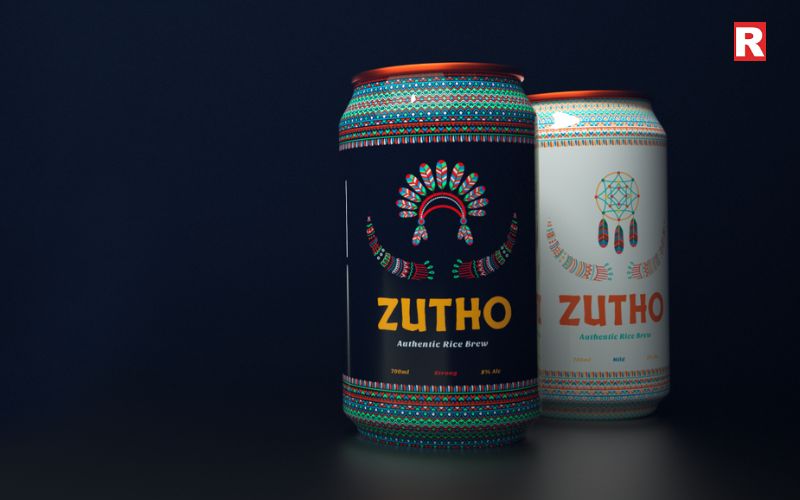
Zutho holds a special place in Naga households. It is often prepared fresh and consumed within a short time. The process begins with steamed rice, which is cooled and mixed with natural fermenting agents. It is then left to rest in bamboo or earthen containers. The drink is usually enjoyed during community events and local feasts. It is not heavily processed, which keeps it close to its natural form. In villages, elders often guide the brewing process. Sharing Zutho is a common way to bring people together. It creates a relaxed setting where stories, food, and laughter flow easily.
- Type: Rice Beer
- Flavor Profile: Light, mildly sweet, and refreshing.
- Why You Should Try It: It is easy to drink and often served fresh. Perfect for those trying traditional alcohol for the first time.
3. Chang (Chhaang) – Sikkim & Ladakh
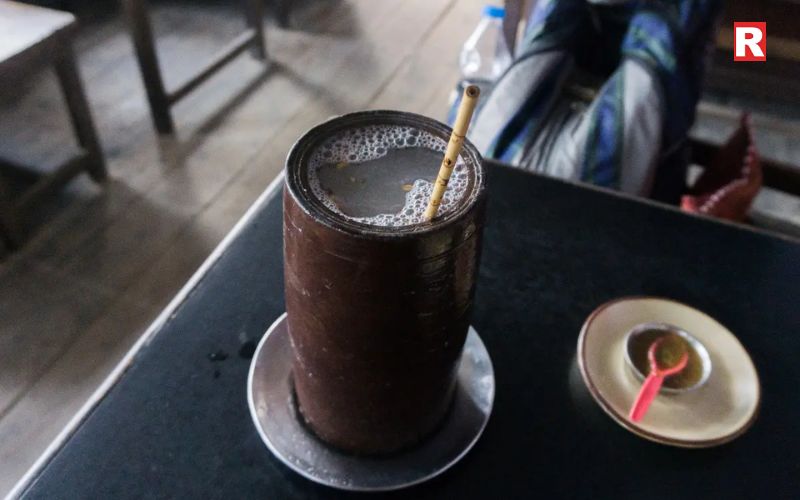
Chhaang is widely consumed in high-altitude regions like Sikkim and Ladakh. It is made using grains such as millet or barley, depending on what is locally available. The grains are fermented and then stored carefully for regular use. It is often served in traditional containers, sometimes with a bamboo straw. In colder areas, it is enjoyed warm, making it suitable for the climate. The preparation is simple but requires attention to timing and storage. Locals often prepare it in batches for family use. It is commonly shared during quiet evenings or after long days of work in the mountains.
- Type: Millet/Rice Beer
- Flavor Profile: Mildly sour, grainy, and comforting.
- Why You Should Try It: It is designed for the mountains. Locals drink it to stay warm. The experience of sipping it in cold weather is unmatched.
4. Lugdi – Himachal Pradesh
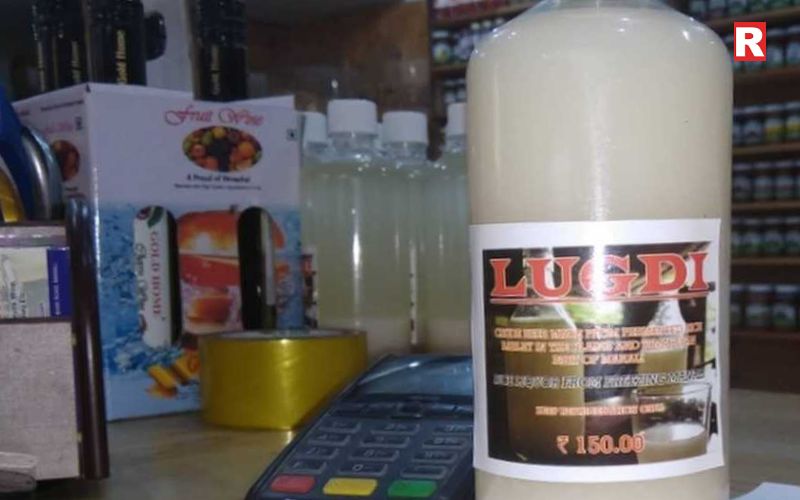
Lugdi is commonly found in villages across Himachal Pradesh. It is prepared using rice that is fermented in natural conditions. The mixture is kept in warm spaces to allow the process to develop slowly. Once ready, it is consumed fresh. It is not bottled or stored for long periods. Villagers often make it at home using simple tools and local ingredients. Lugdi is usually served during small gatherings and local celebrations. It is also shared among neighbours, which builds a sense of connection. The drink reflects a simple lifestyle where homemade traditions are still valued and followed.
- Type: Fermented Rice Drink
- Flavor Profile: Slightly sour with a strong fermented aroma.
- Why You Should Try It: It reflects the simplicity of Himachali life. Often consumed during local festivals and family gatherings.
5. Handia – Jharkhand & Eastern Hill Regions
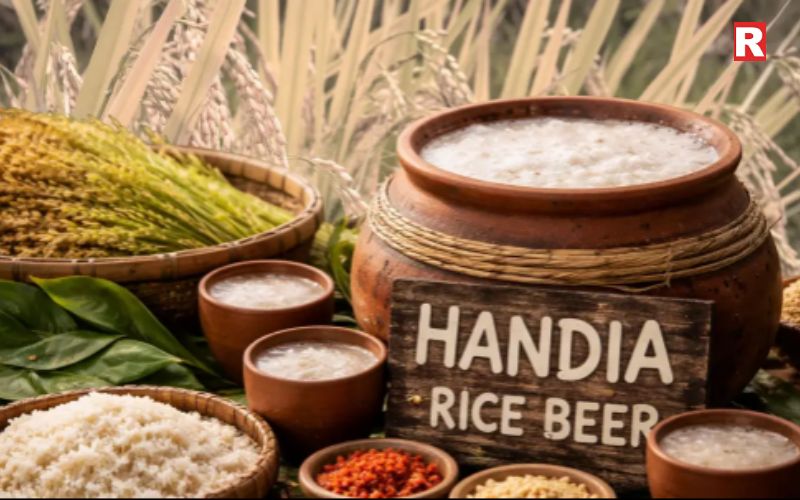
Handia is widely prepared in tribal regions, especially in hilly areas of eastern India. It is made using rice and a natural herbal starter. The preparation involves fermenting the mixture in earthen pots for a few days. Once ready, it is consumed in its semi-solid form or with added water. It is often sold in local markets and roadside stalls. Many families prepare it as part of their daily routine. It is also offered during social gatherings and small events. The process is simple but deeply rooted in tradition. It continues to be an important part of everyday life in these regions.
- Type: Rice Beer
- Flavor Profile: Mild, slightly sweet, and earthy.
- Why You Should Try It: It is affordable, natural, and widely shared among communities. It gives a raw and honest drinking experience.
Know more: 10 Mountain Foods to Keep You Warm While Visiting One
6. Judima – Assam (Dimasa Hills)

Judima is prepared by the Dimasa community in the hill regions of Assam. It is made using a specific variety of sticky rice along with traditional herbs. The mixture is left to ferment in a controlled environment. The process requires care and clean conditions to maintain quality. It is usually stored in simple containers and served during special occasions. The drink is closely linked to cultural practices and local identity. It is often prepared in households rather than large setups. Each batch reflects the skill of the maker. It remains a valued part of celebrations and traditional gatherings in the region.
- Type: Rice Wine
- Flavor Profile: Smooth, slightly sweet, and aromatic.
- Why You Should Try It: It is one of the few traditional Indian drinks with official recognition. Clean, refined, and deeply cultural.
The Rise of Mountain Craft Culture in India
Mountain regions in India are now seeing a shift. Earlier, most alcohol options came from big cities. Today, local production is growing. Small distilleries and breweries are experimenting with local ingredients. They focus on quality, sustainability, and storytelling. Many brands are also promoting tourism. Visitors can now explore tastings, brewery tours, and vineyard stays in some regions.
Himachal Pradesh and Uttarakhand are becoming hubs for craft spirits. The Northeast continues to preserve its traditional brewing methods. Together, they are shaping a unique alcohol culture that is both modern and rooted.
Tips for Drinking in the Mountains
Drinking in the hills is different from drinking in cities. Your body reacts faster at high altitude.Alcohol can feel stronger. You may get dehydrated quickly. It is important to drink water alongside. Eat well before drinking. Avoid mixing too many drinks. Take it slow. Enjoy the experience instead of rushing through it. Also, try pairing your drink with local food. A glass of beer with momos or a sip of Apong with smoked meat can elevate the entire experience.
Also check: Top Newly Launched Beer Brands to Replace Your Regular Brew
Top British Beer Brands in India You Should Try at Least Once
What is Cider? Top Cider Brands in India
Final Sip
Mountain alcohol carries more than taste. It carries memory, culture, and daily life. In many hill regions, these drinks are made at home using simple methods. People learn the process from their elders. Each step has meaning. Each ingredient comes from the local land. When travellers visit these places, they often look for views and weather. But the real connection begins when they try what locals drink. Sitting with villagers, sharing a cup, and hearing their stories creates a deeper bond. These are quiet moments, but they stay longer than pictures. Choosing local drinks also supports small communities and keeps traditions alive. It brings visitors closer to the real rhythm of the hills. For many, these experiences become the highlight of the journey. Because in the mountains, understanding a place often begins with tasting what it offers.
Saptopriya Ghosal
Feature Writer
I am a dedicated media professional with a bachelor's degree in mass communication from the State University of Calcutta and a postgraduate degree from Amity University. My academic journey has equipped me with a profound understanding of storytelling and communication. Passionate about the dynamic world of media, I continually strive to explore new ways to engage and inform through compelling narratives.






















































































































































