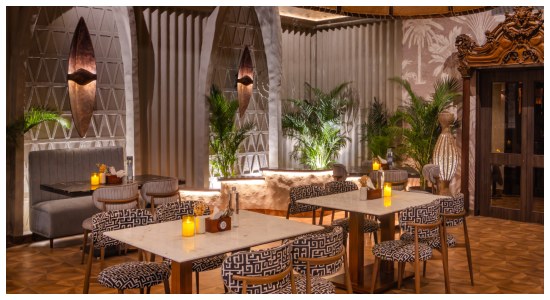
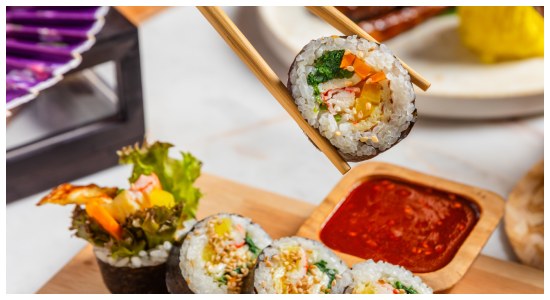
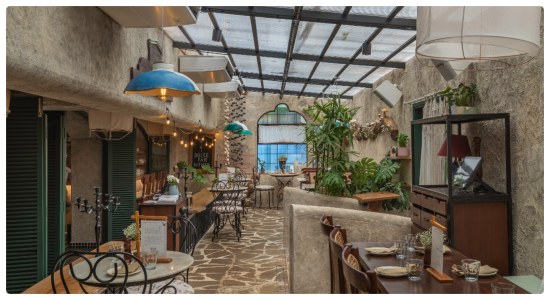
Seoul Dak Targets 50 Outlets by 2027
Now, he is channeling that expertise into building Seoul Dak as a global brand rooted in real Korean flavours, starting with India

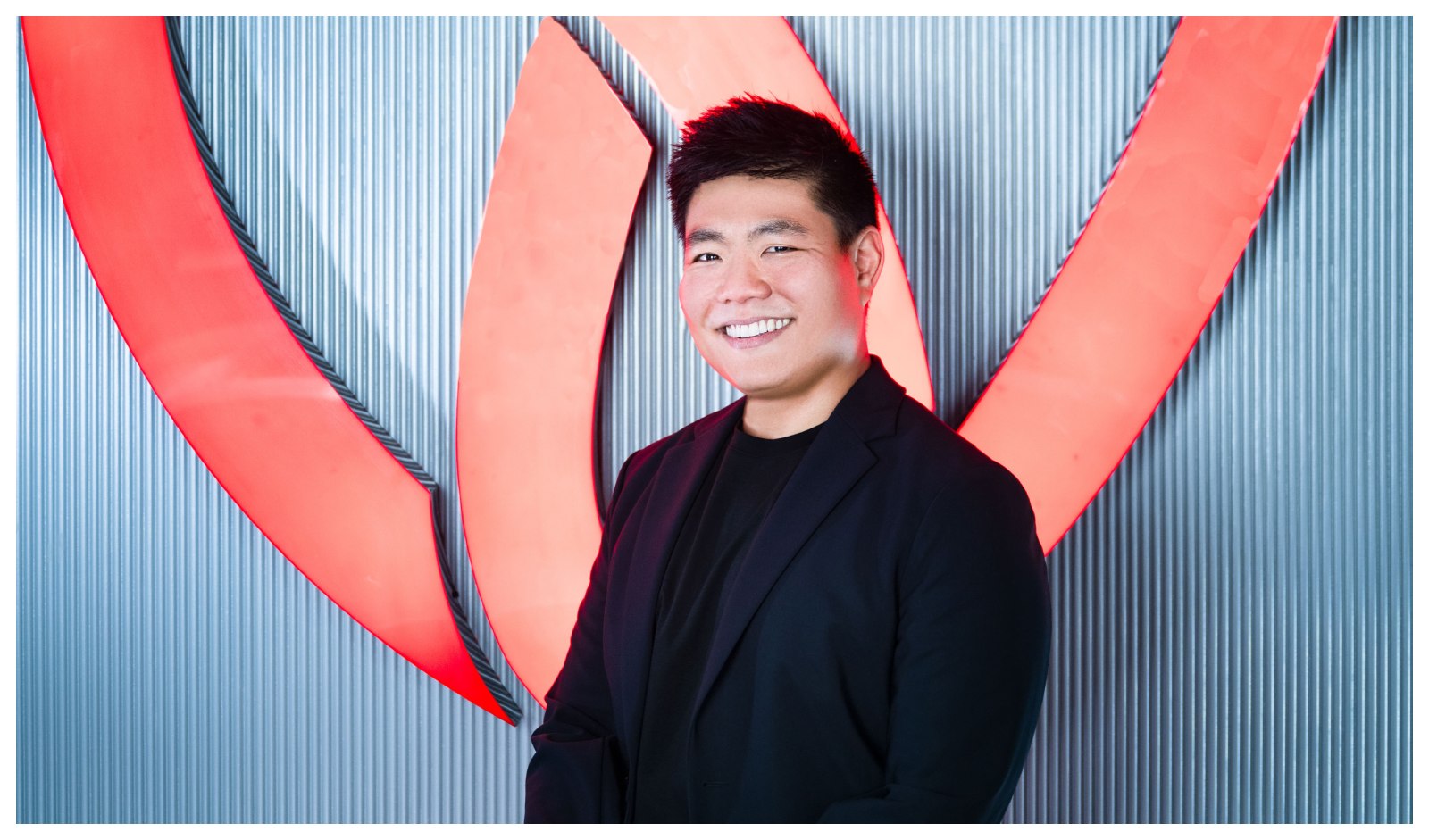
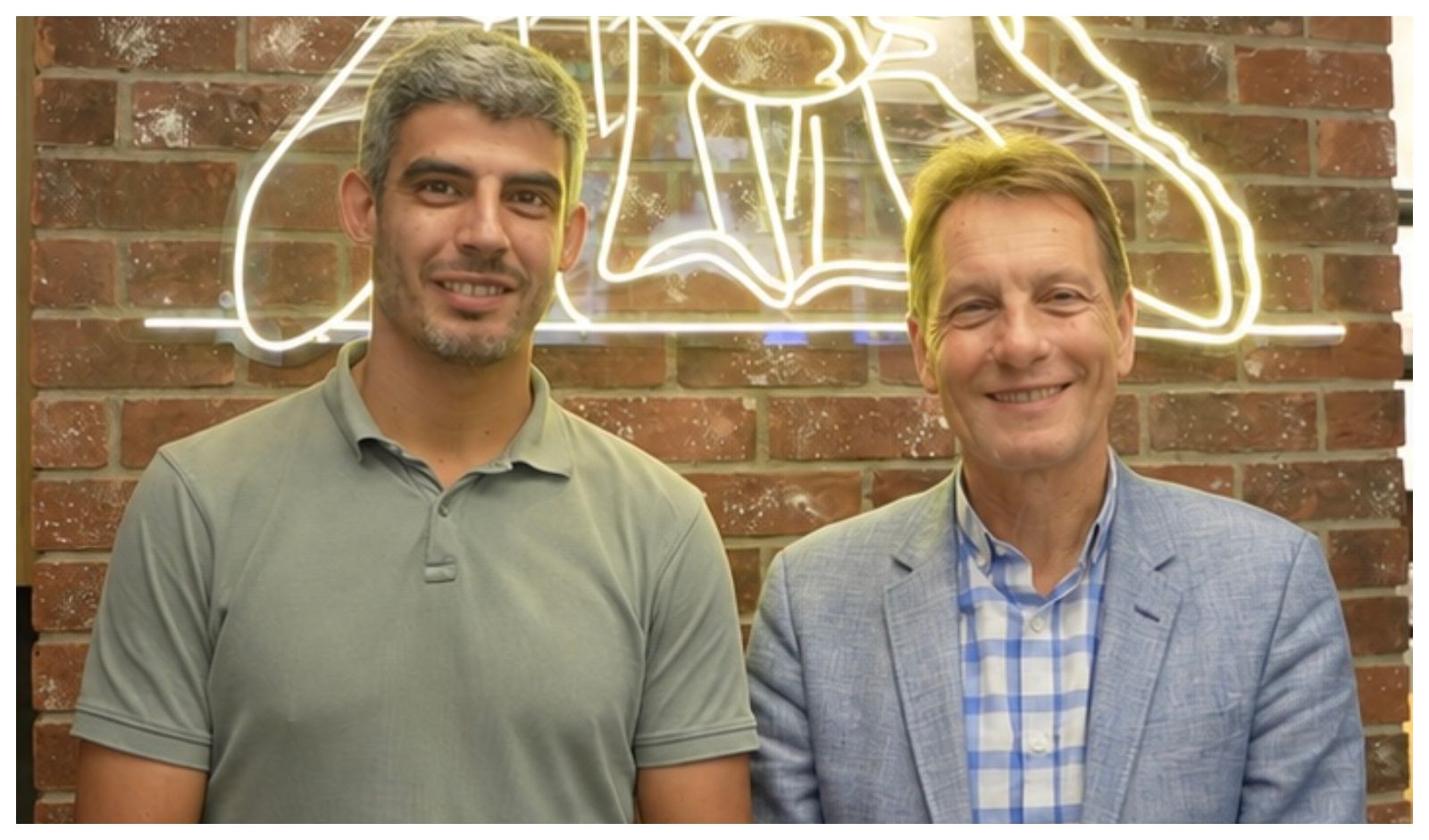
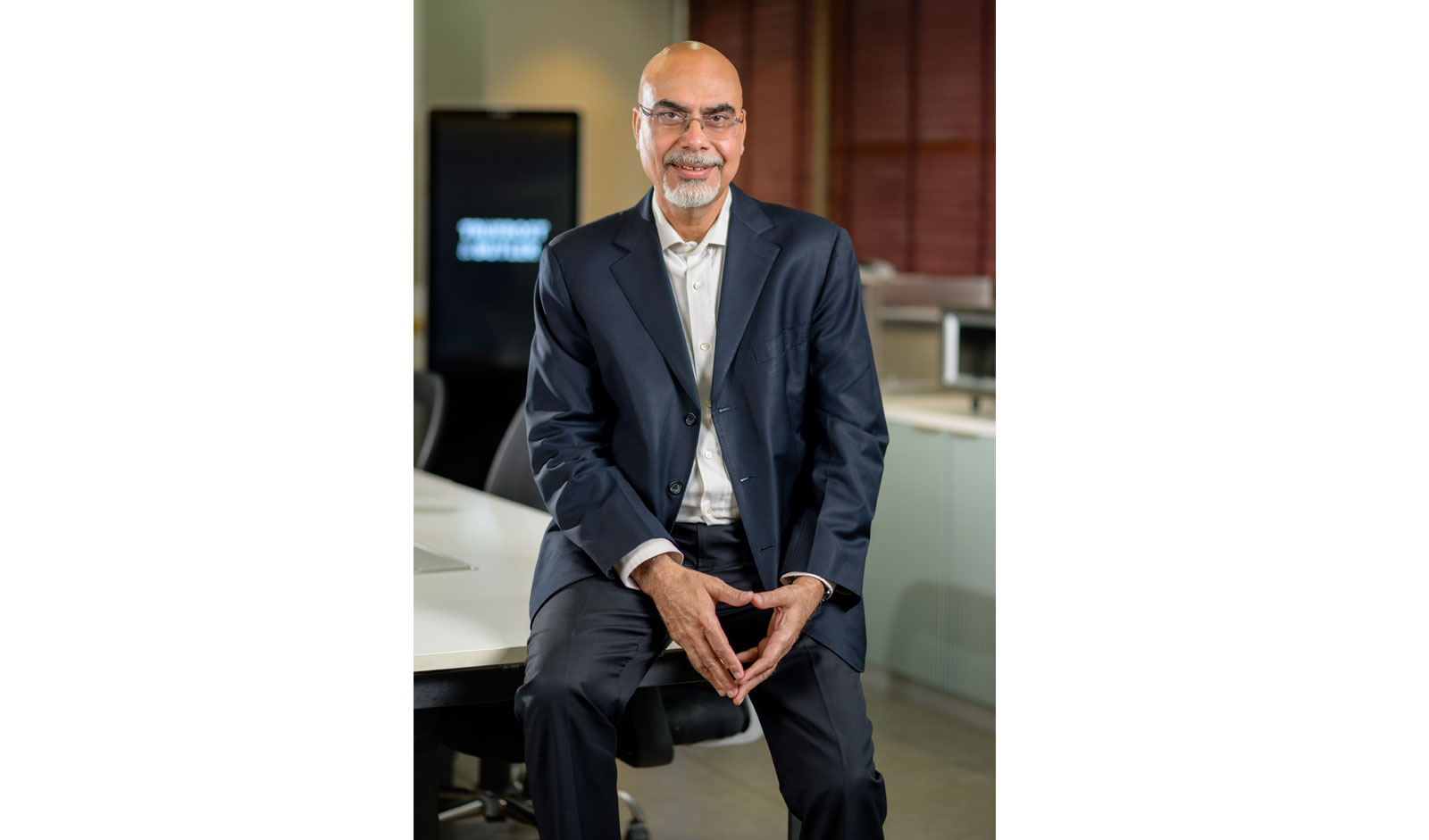
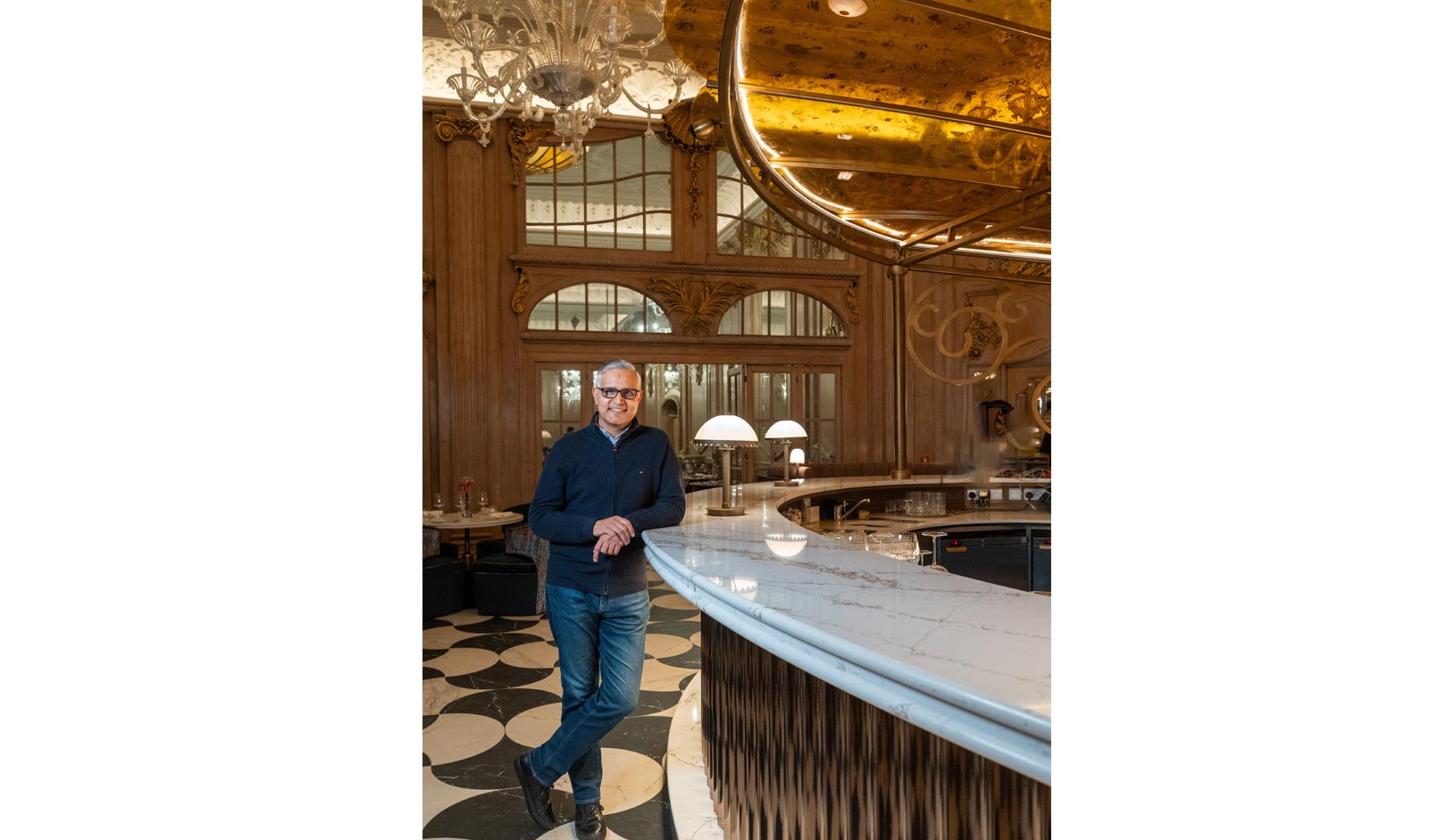
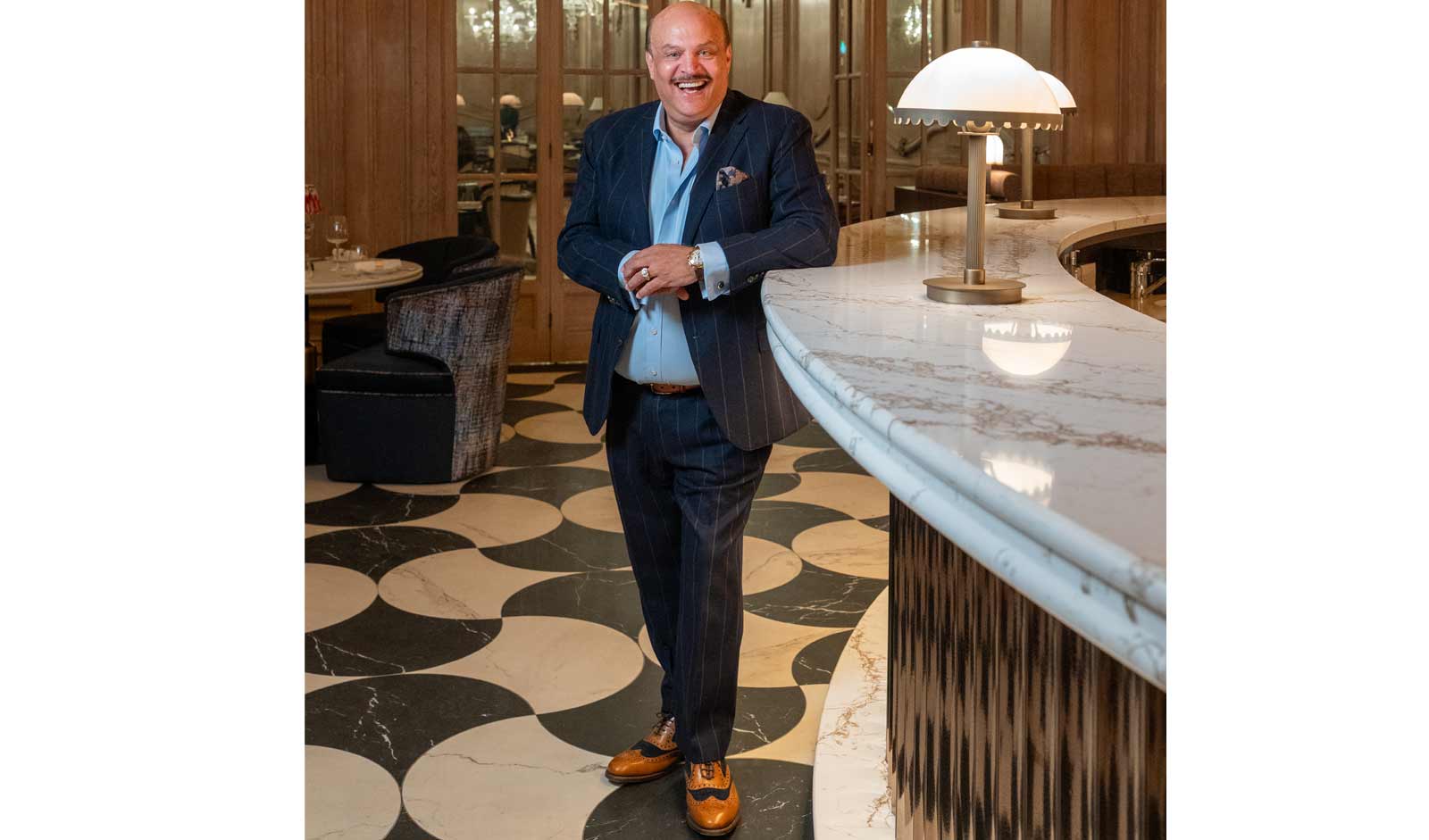
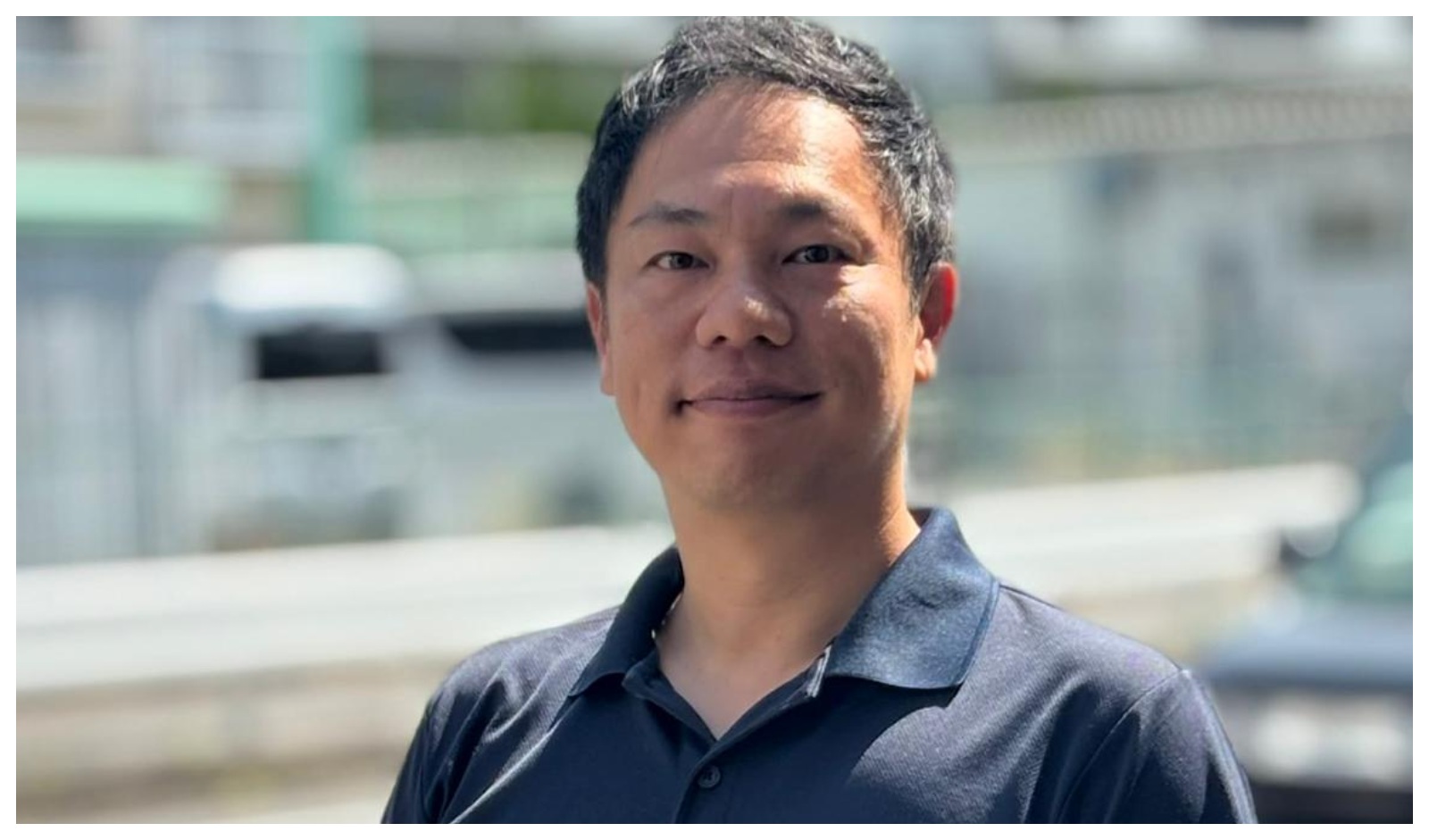
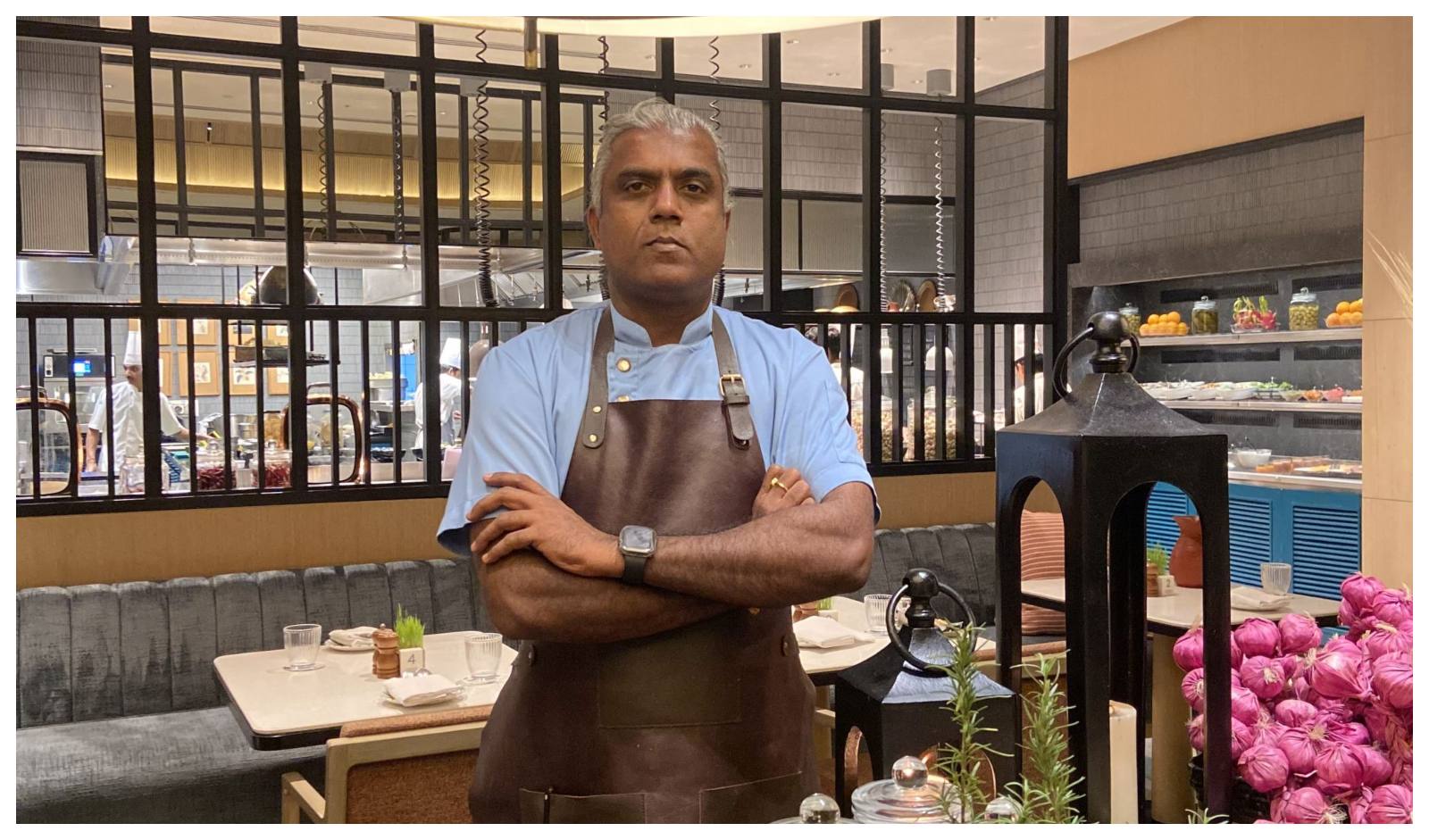
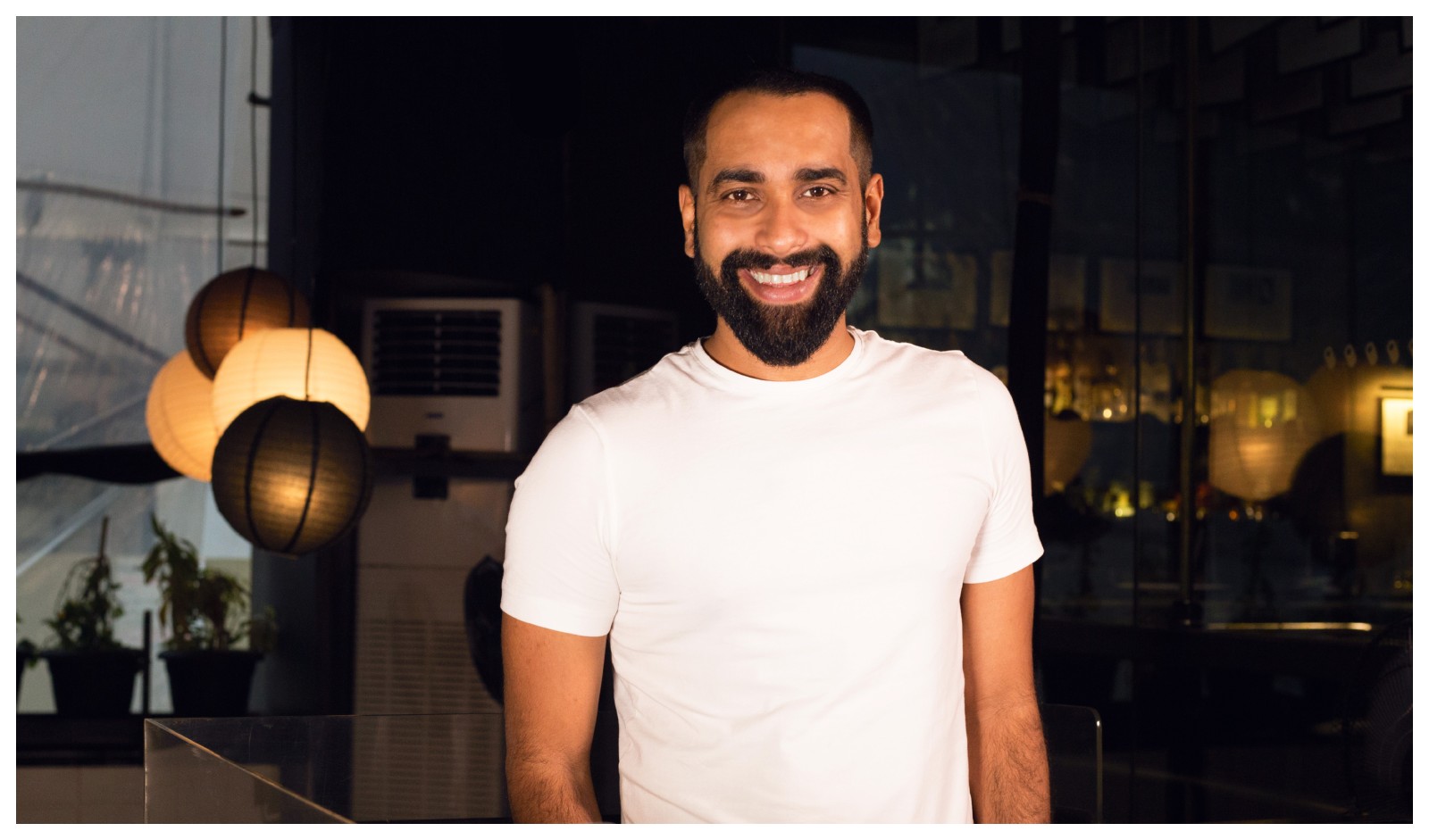
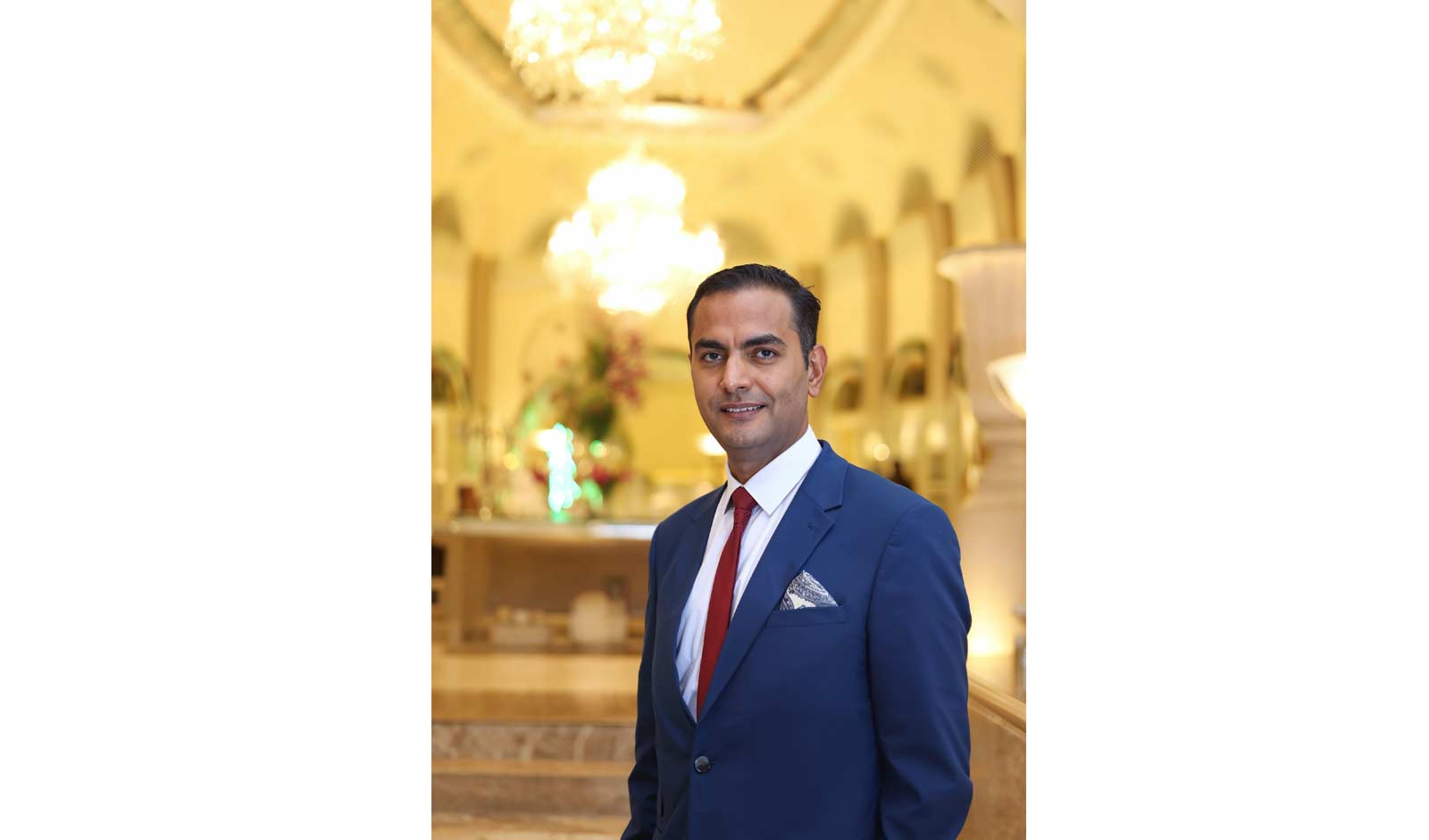
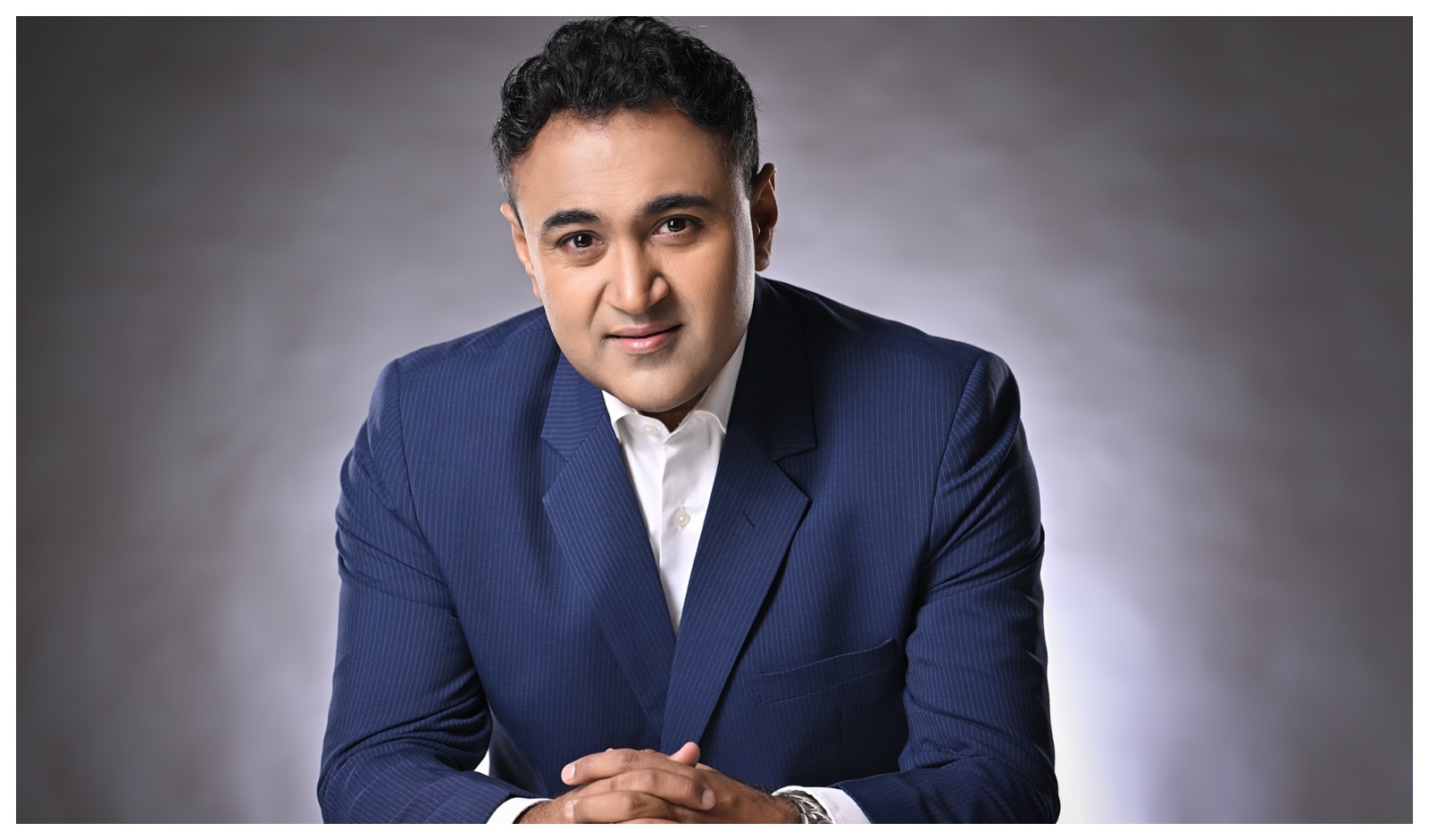
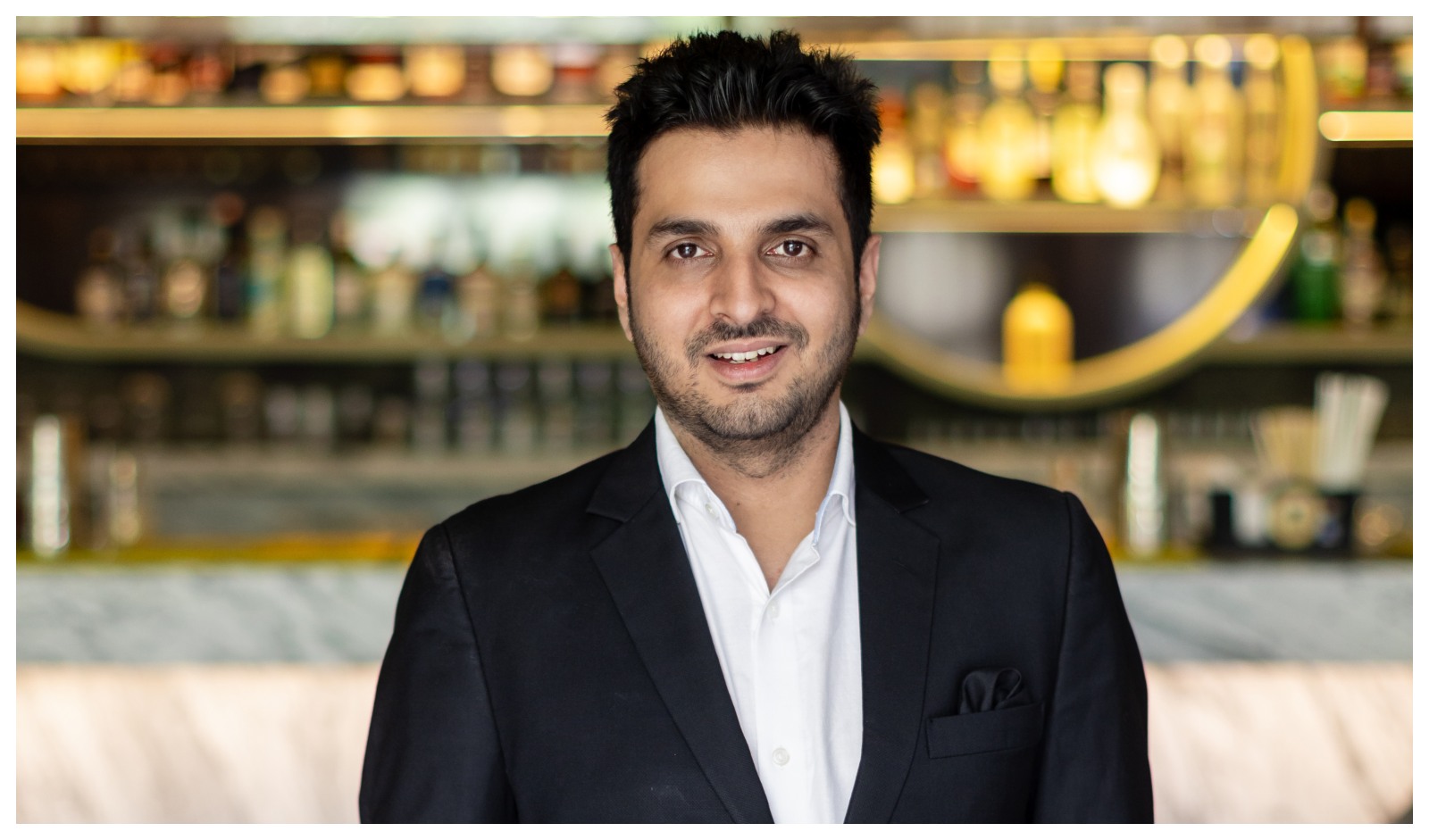
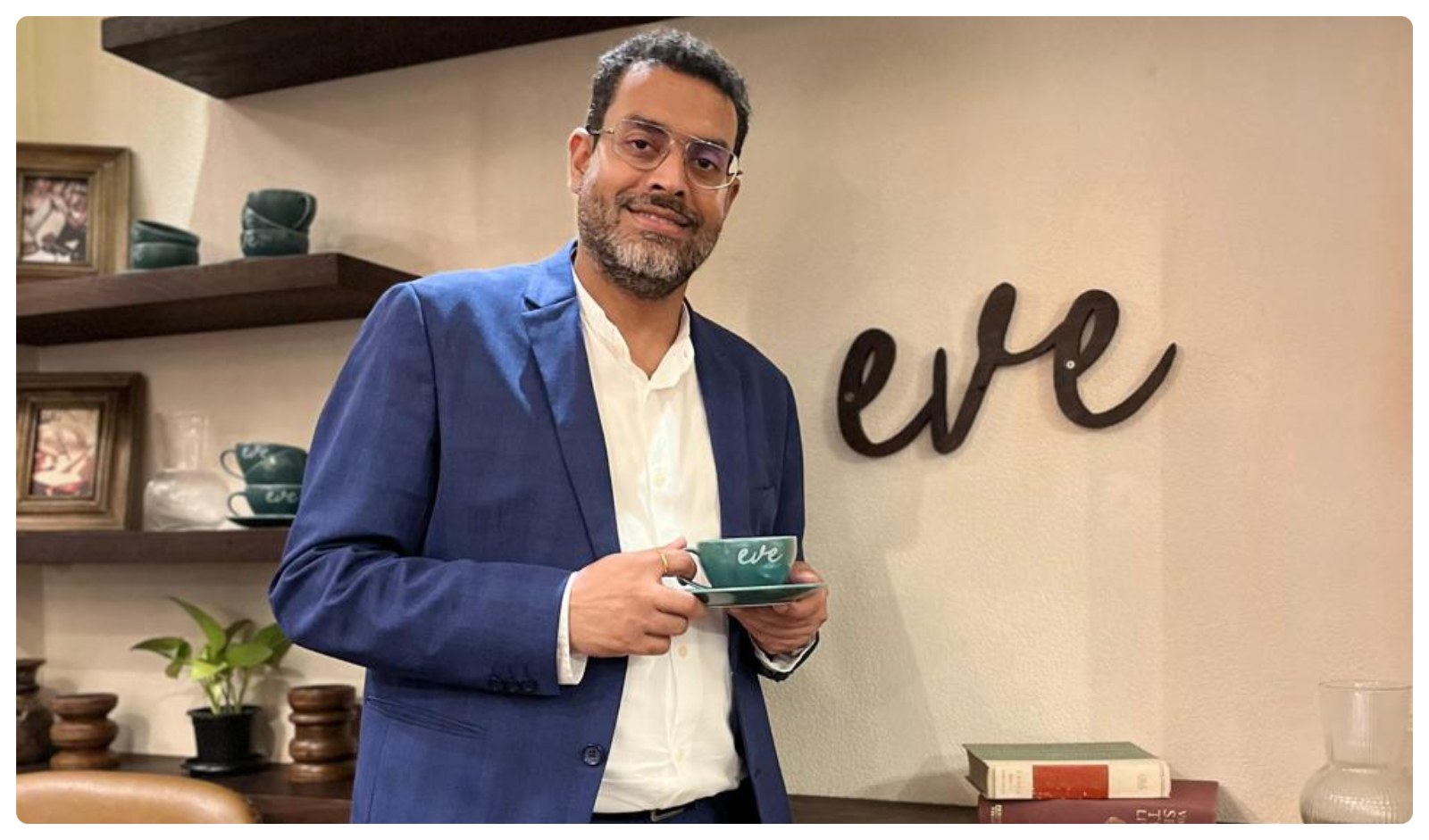
With extensive experience in scaling Korean food brands across global markets — including the Middle East, Seung Hoon Lee (Sean Lee), Founder of Seoul Dak, has been instrumental in taking authentic Korean cuisine to international audiences. Now, he is channeling that expertise into building Seoul Dak as a global brand rooted in real Korean flavours, starting with India. In an exclusive conversation with Restaurant India, Lee speaks about the brand’s vision, expansion strategy, authenticity, and more. Excerpts:
What inspired you to start Seoul Dak, and why did you choose the Indian market?
When I first visited Mumbai in 2022, I noticed many restaurants claiming to serve Korean food. By my second visit, Korean menus and instant noodles were everywhere, yet the flavours felt far from authentic. That gap sparked the idea behind Seoul Dak.
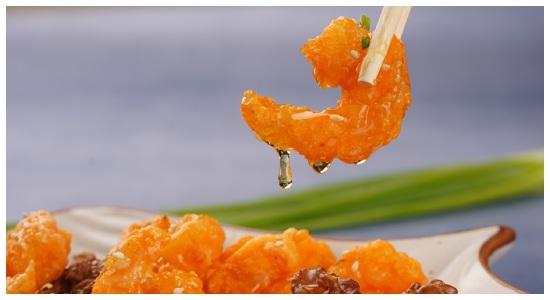
India was clearly embracing Korean culture through music and dramas, but I felt consumers hadn’t yet experienced real Korean flavours. Fried chicken became our entry point because it’s universally loved and one of Korea’s most iconic dishes.
When did you launch the brand, and how was the initial response?
We launched our first store in January 2025 inside Food Square in Mumbai. The response was explosive from day one. Over the last 12 months, we’ve expanded to Bandra, opened two outlets in Pune and one in Bengaluru. It’s been a hectic but exciting journey.
As you expand, how do you cater to diverse Indian taste preferences?
Authenticity is non-negotiable for us. We don’t alter the DNA of Korean flavours, even though many suggest we should “Indianise” the menu. The only adjustment we’ve made is increasing the spice level slightly to match India’s higher heat tolerance — without changing the core flavour.
Instead of changing recipes, we adapt by carefully selecting menu items that Indian consumers can connect with. For example, seaweed is extremely popular in Korea, but it didn’t resonate strongly here, so we removed it.
What does the name Seoul Dak represent?
“Dak” means chicken in Korean, and Seoul is the capital of Korea. The name immediately signals that we are a Korean brand. Even if someone isn’t deeply familiar with Korean cuisine, seeing “Seoul” helps them connect the dots.
What differentiates Seoul Dak from other Korean brands in India?
Ingredients matter. Even if it’s the same chilli, Korean chilli tastes very different from Indian chilli. We import our sauces and spices directly from Korea and source only the chicken locally. That ensures authenticity at the core — and that’s where we stand apart.
Has the brand identity resonated with Indian consumers?
Yes, absolutely. Even people who haven’t tried us recognise us as a Korean brand. I’ve personally heard people say, “I’ve seen that Korean restaurant in Bandra — I want to try it.” That recognition itself is a strong sign.
How important is consistency while scaling a QSR brand?
Consistency is everything. We chose the QSR format to make Korean food affordable and accessible. We centralise sourcing in Mumbai, process ingredients at our Pune facility and control distribution internally. Extensive staff training ensures that the experience remains the same across cities.
What were some of the biggest operational challenges?
I wasn’t familiar with the Indian market, so everything — from real estate to hiring — was a learning curve. Finding managers who align with our culture was tough. Training is ongoing, but we are building a strong Seoul Dak culture that reflects what it means to be part of the brand.
How important is storytelling for the brand?
My primary job is to deliver real Korean flavours. But storytelling has become important to educate consumers, especially when many brands misrepresent what Korean food actually is. We want people to understand what authentic Korean flavours truly taste like.
How has consumer perception of Korean cuisine evolved in India?
Korean flavours are now everywhere — in malls and on quick-commerce platforms. Interestingly, many consumers are choosing imported Korean noodles over Indian-made “Korean-style” versions. That shows a growing demand for authenticity.
Who is your target audience, and what about pricing?
While many of our customers are young and socially active, our real target is all of India — from students to families, aunties to grandmas. Our pricing is consistent across cities to maintain clarity and accessibility.
Has K-drama and K-pop influenced this trend?
Absolutely. It’s a global K-culture movement. Through music, dramas and food, people experience what it’s like to be Korean — and food plays a big role in that.
What role will delivery and cloud kitchens play?
We haven’t started delivery yet. For now, we’re focused on dine-in to ensure quality and authenticity. We plan to launch delivery later this year once we’re confident that we can maintain the experience.
What are your expansion plans?
We aim to reach 25 outlets by the end of this year and 50 by next year. All outlets are company-owned and bootstrapped because maintaining authenticity is difficult in a franchise model.
Long term, we want to be present across India and are also exploring markets like Dubai and Saudi Arabia.
Vijetha Iyer
Content Editor
Working as a Content Editor with Restaurant India. I have worked in various sectors like food and beverage sector, chemicals, pharma, nutraceuticals, now specially focusing on restaurant side. But my core knowledge was always on content. Be it writing poems to verses, I always loved writing and have been exploring my career on the same. In Restaurant India, I deliver insightful stories, take interviews of various brands and update the audiences about the newest happenings in the restaurant industry.