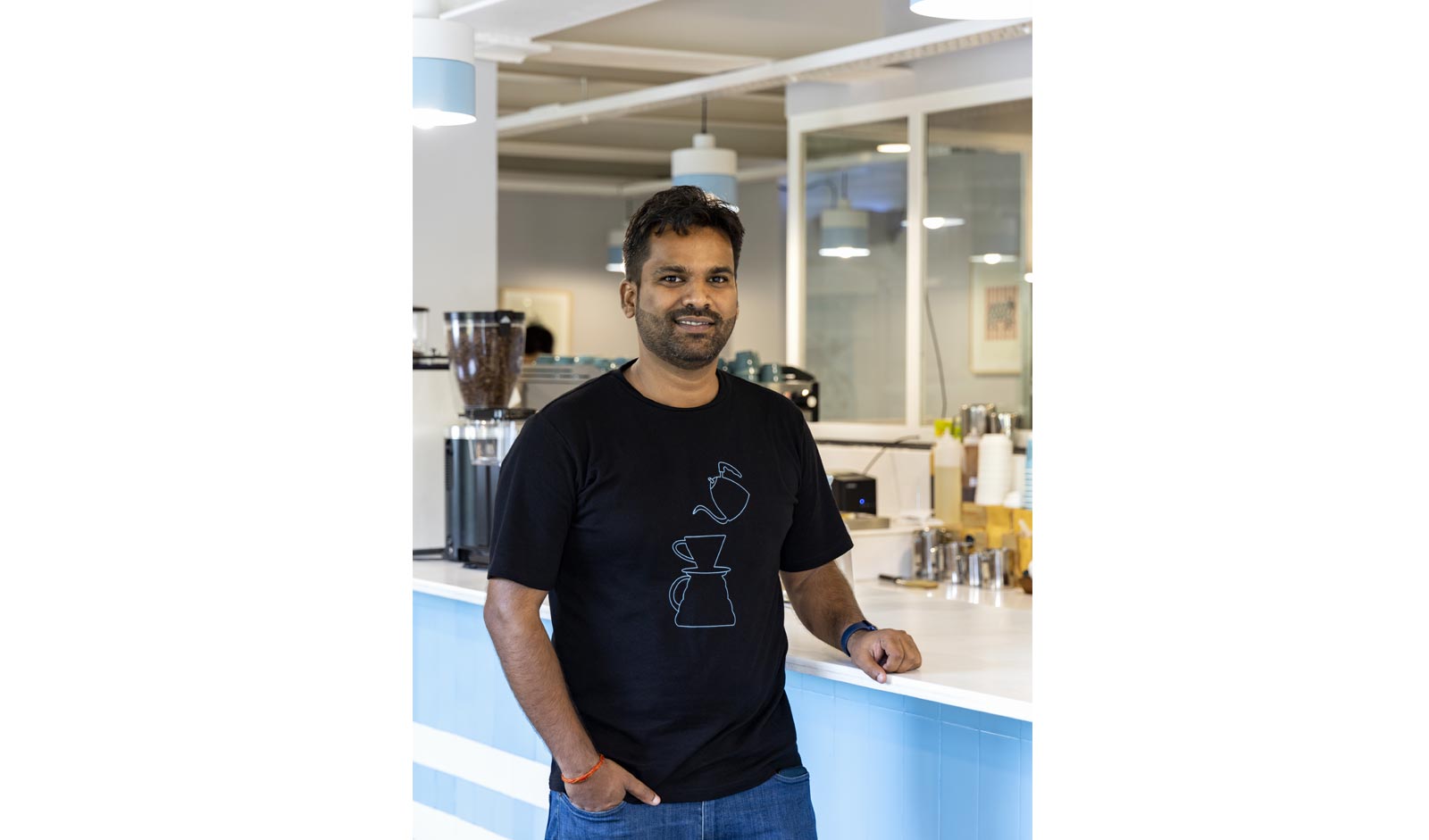
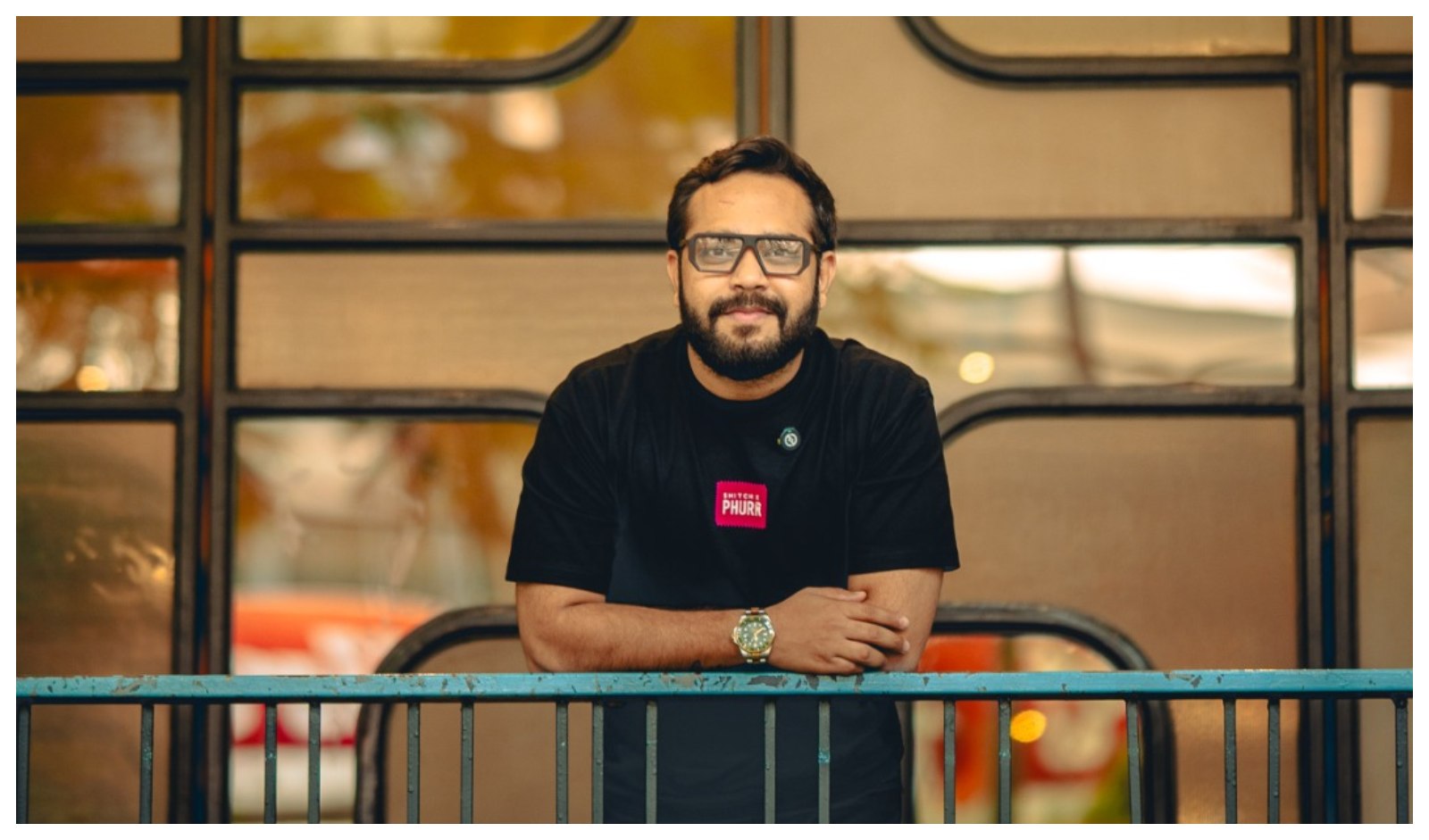
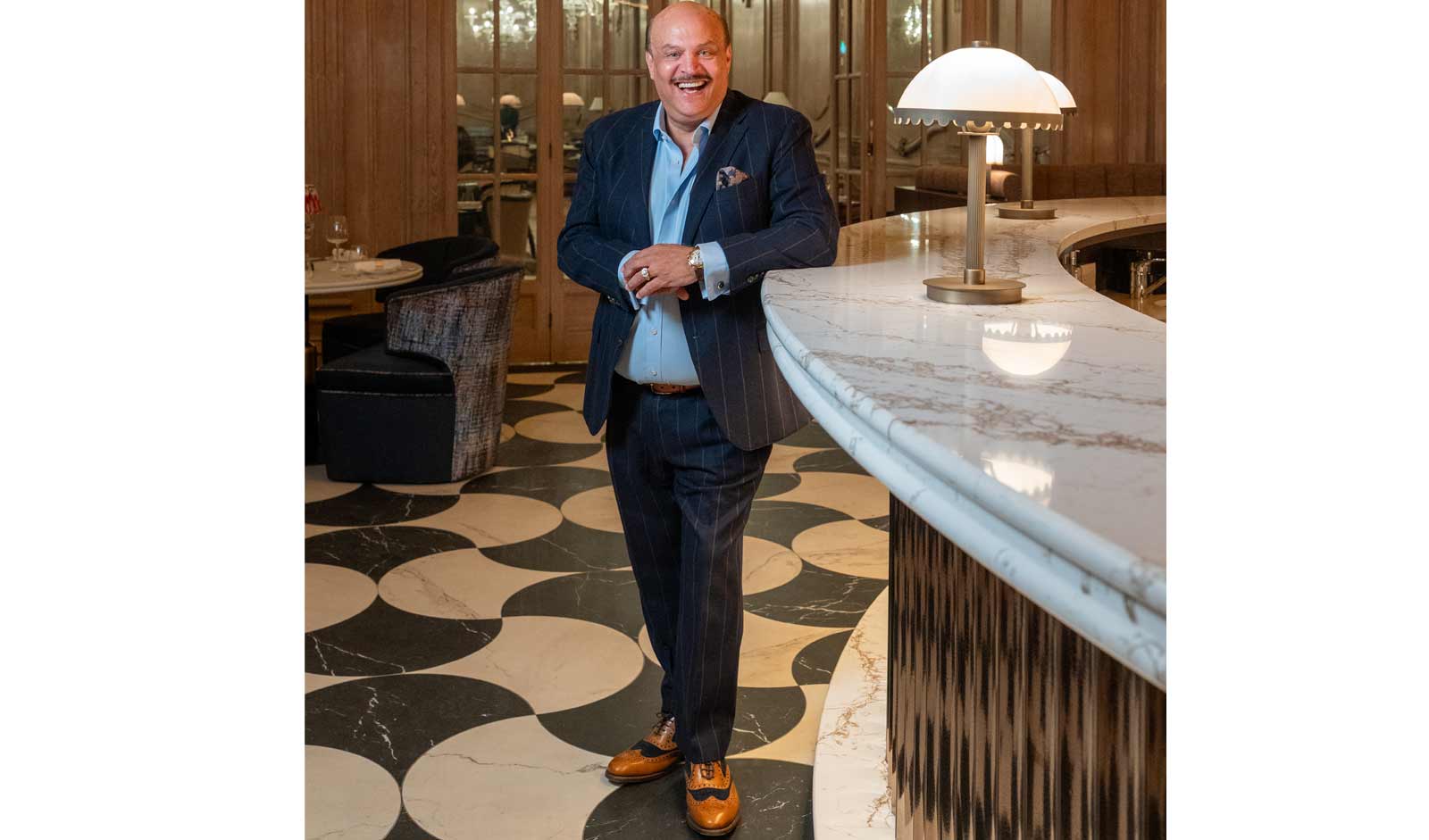
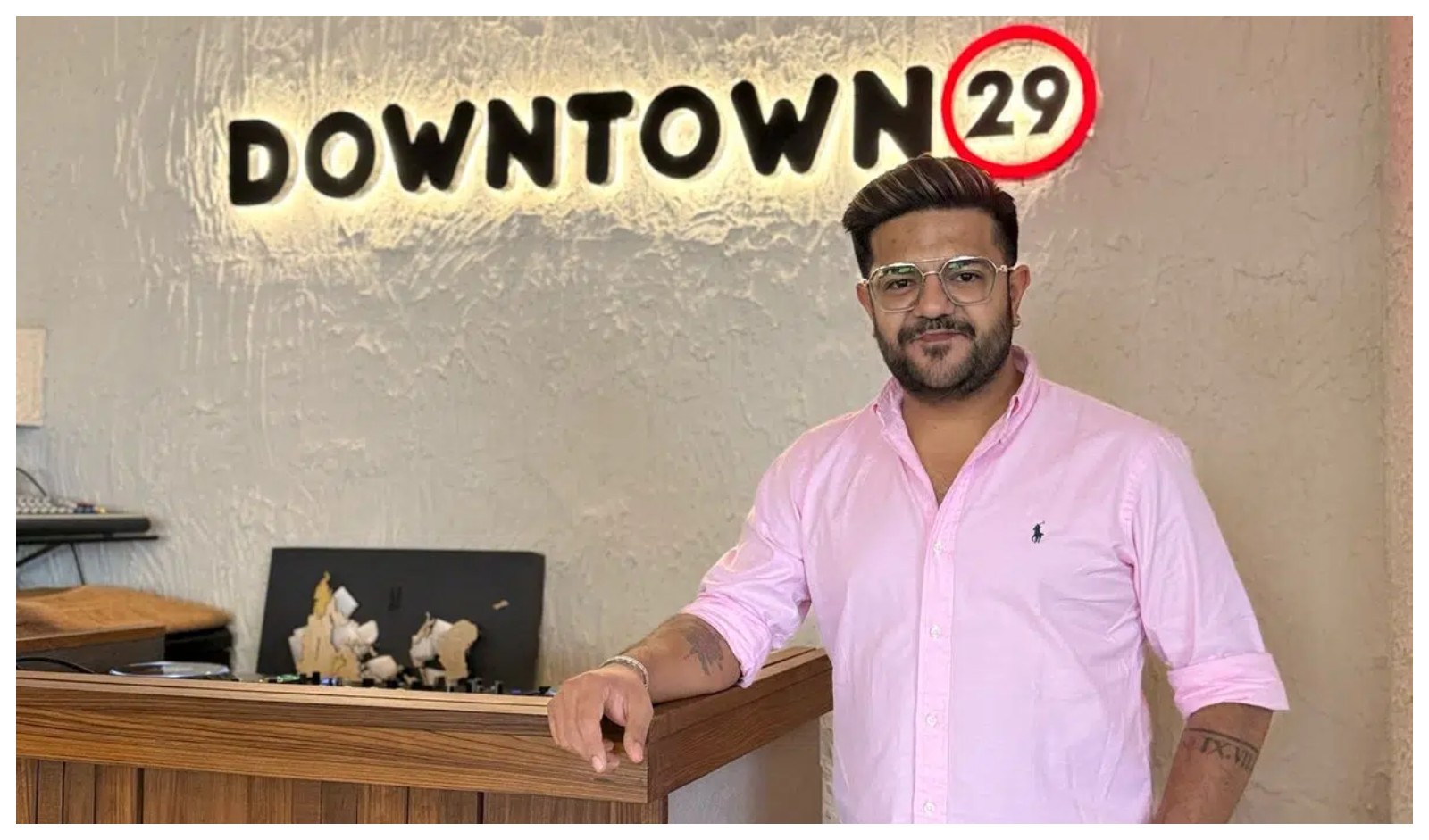
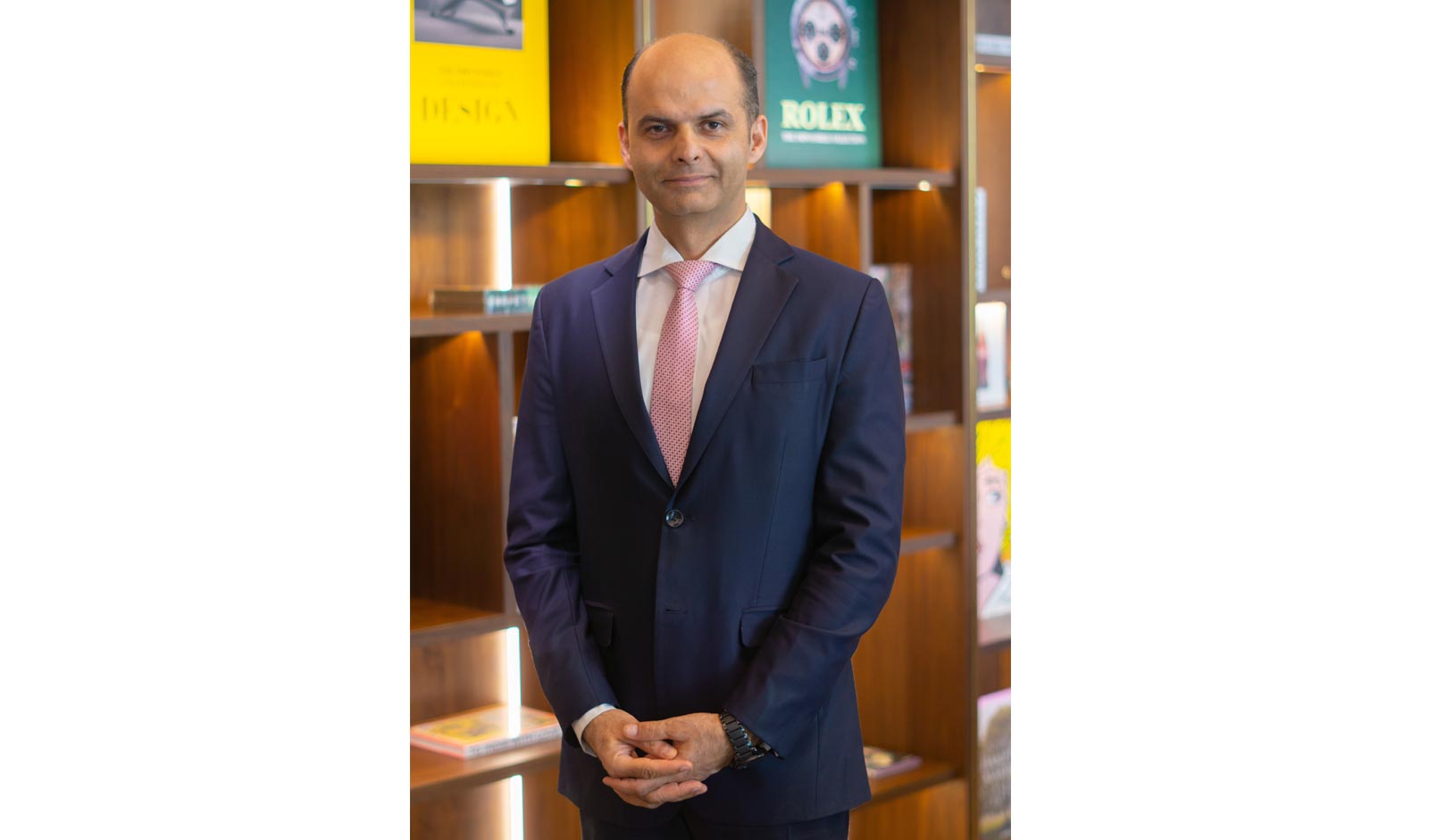
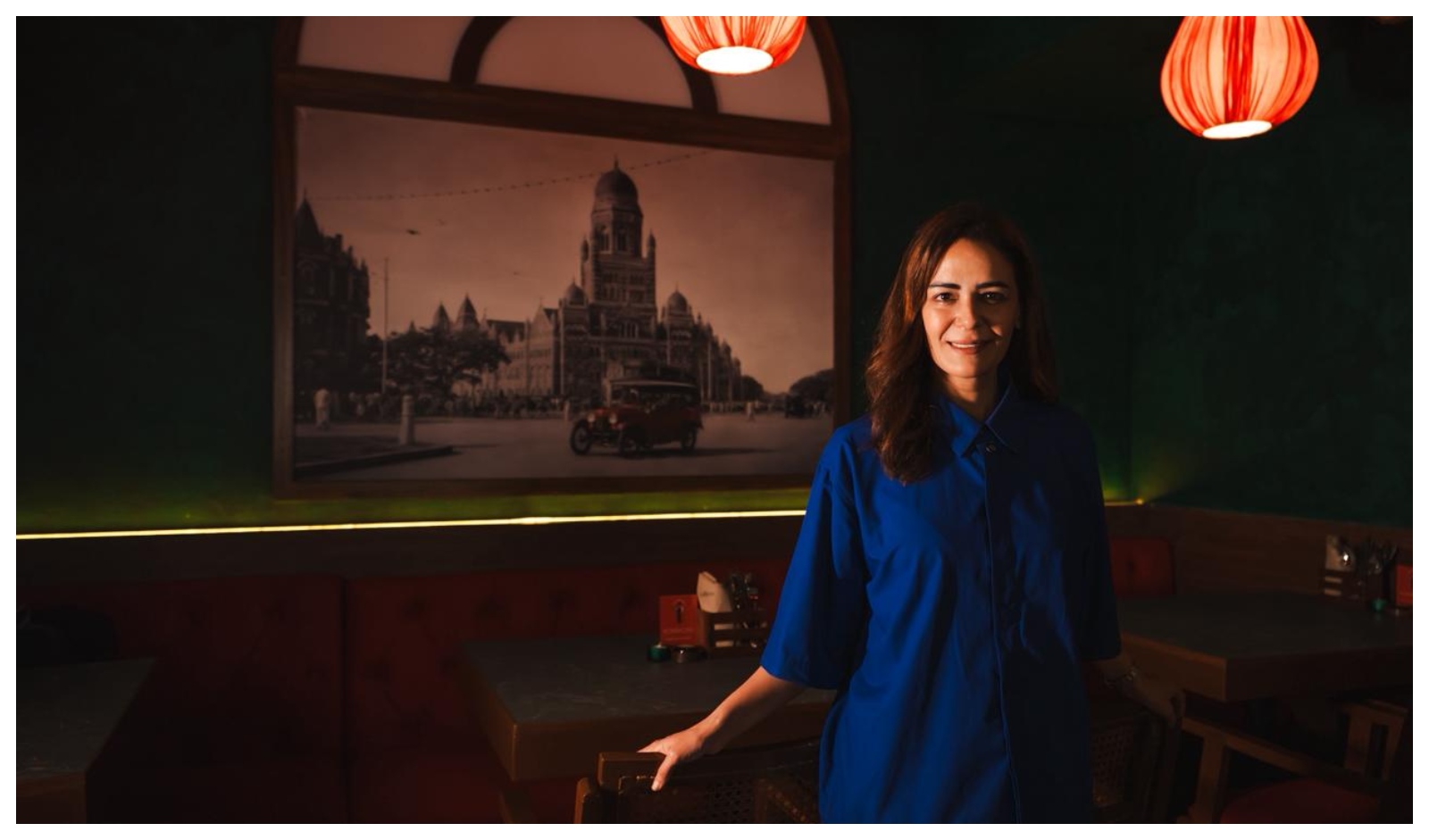
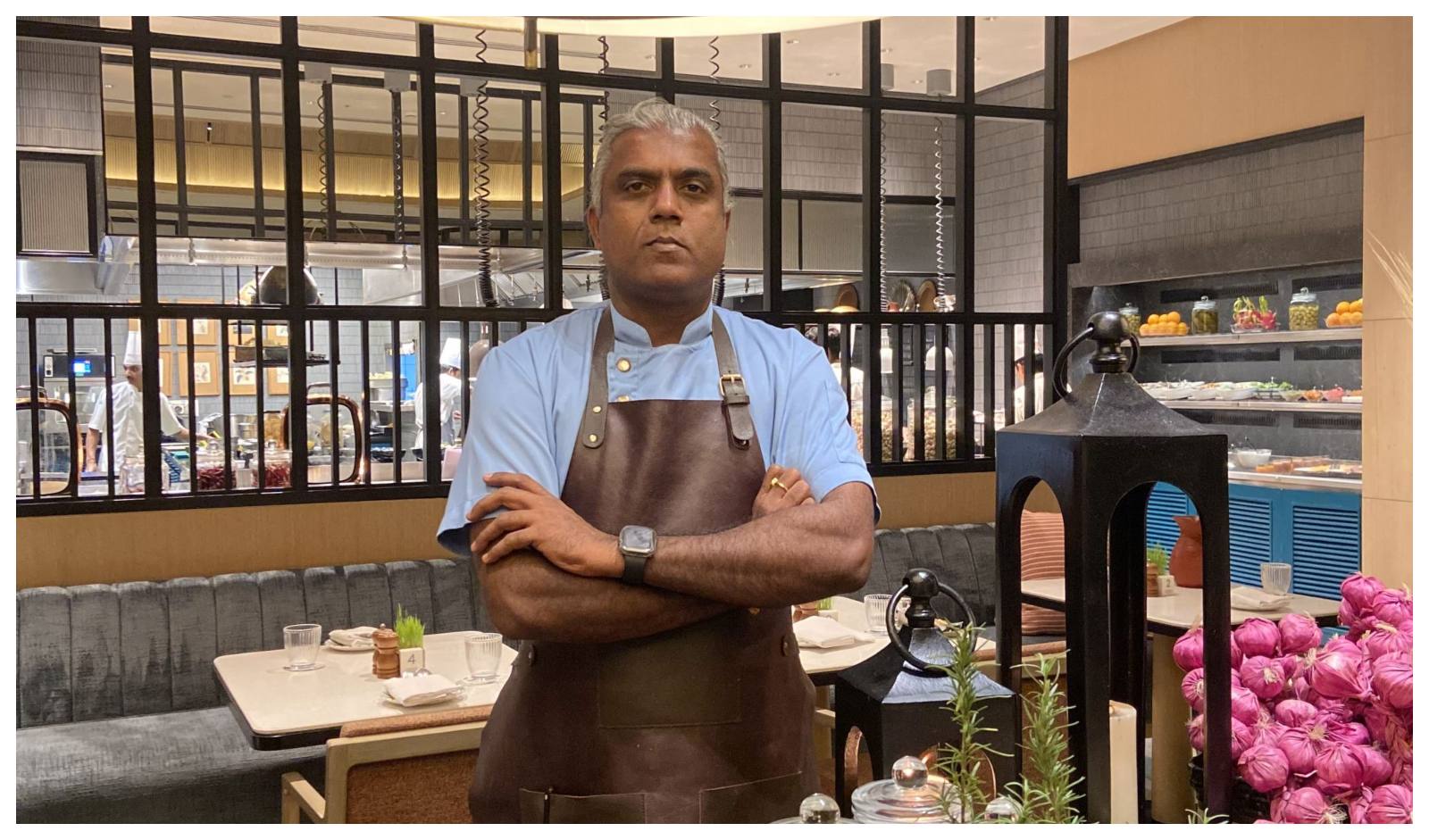
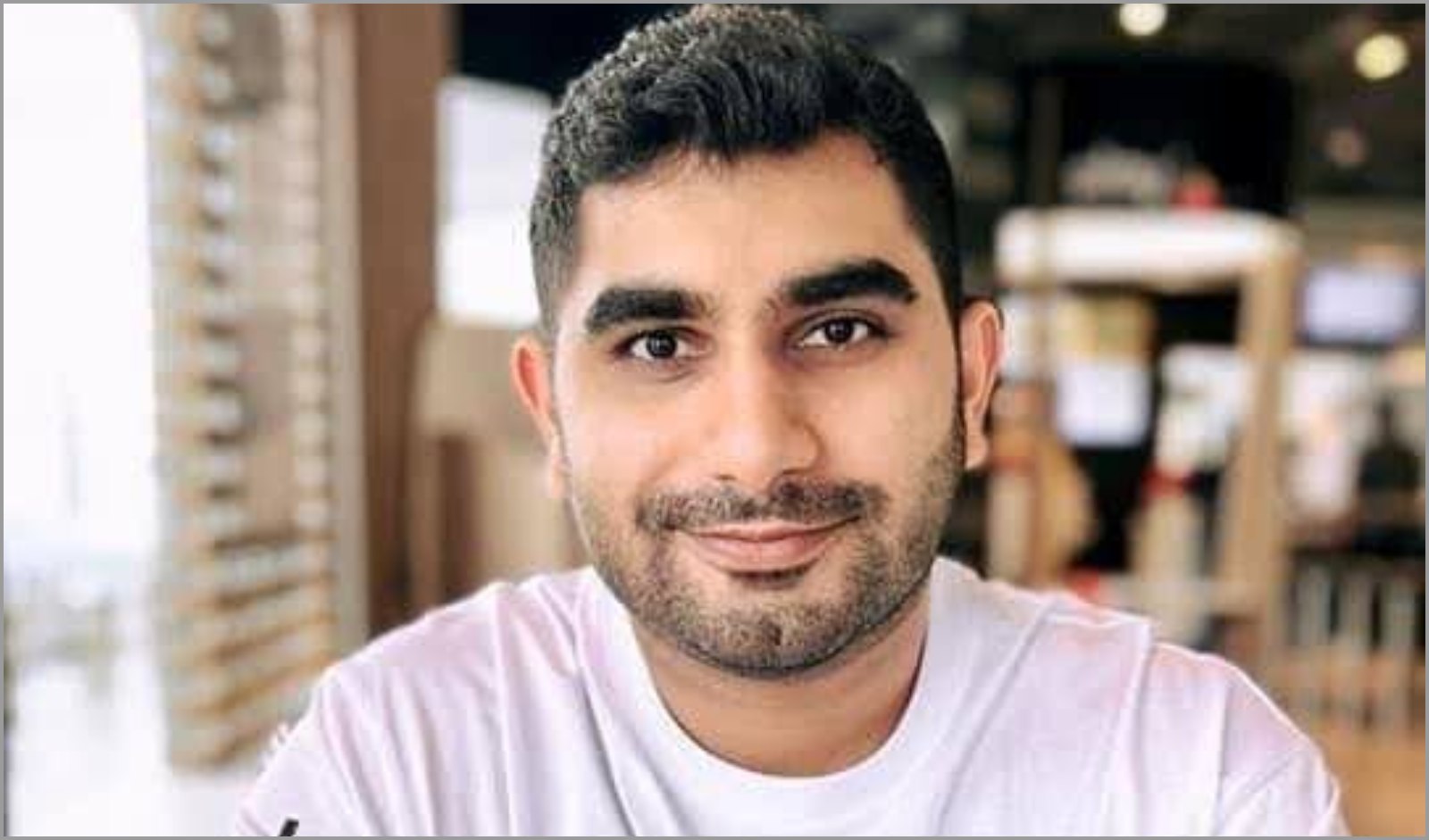
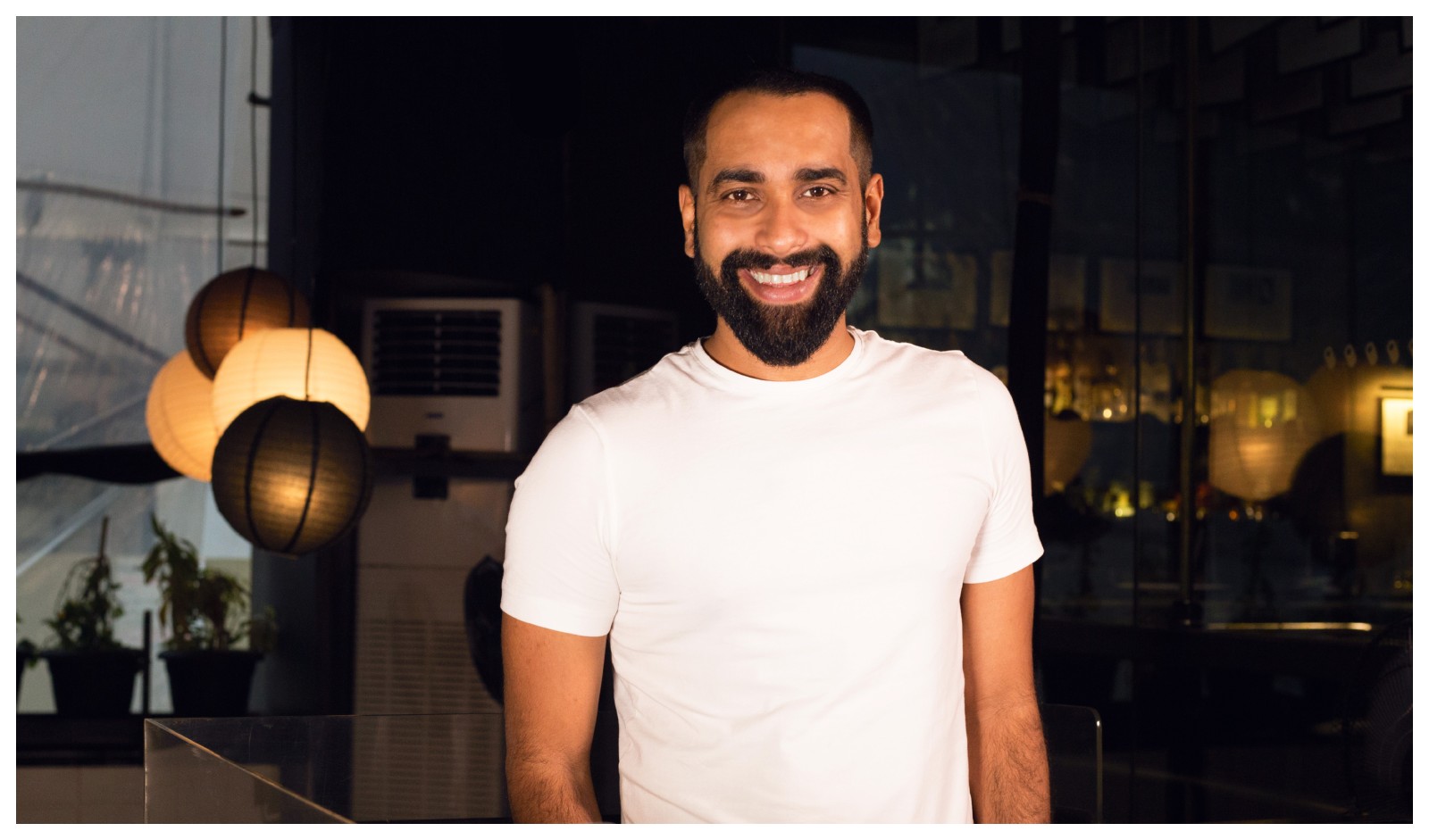
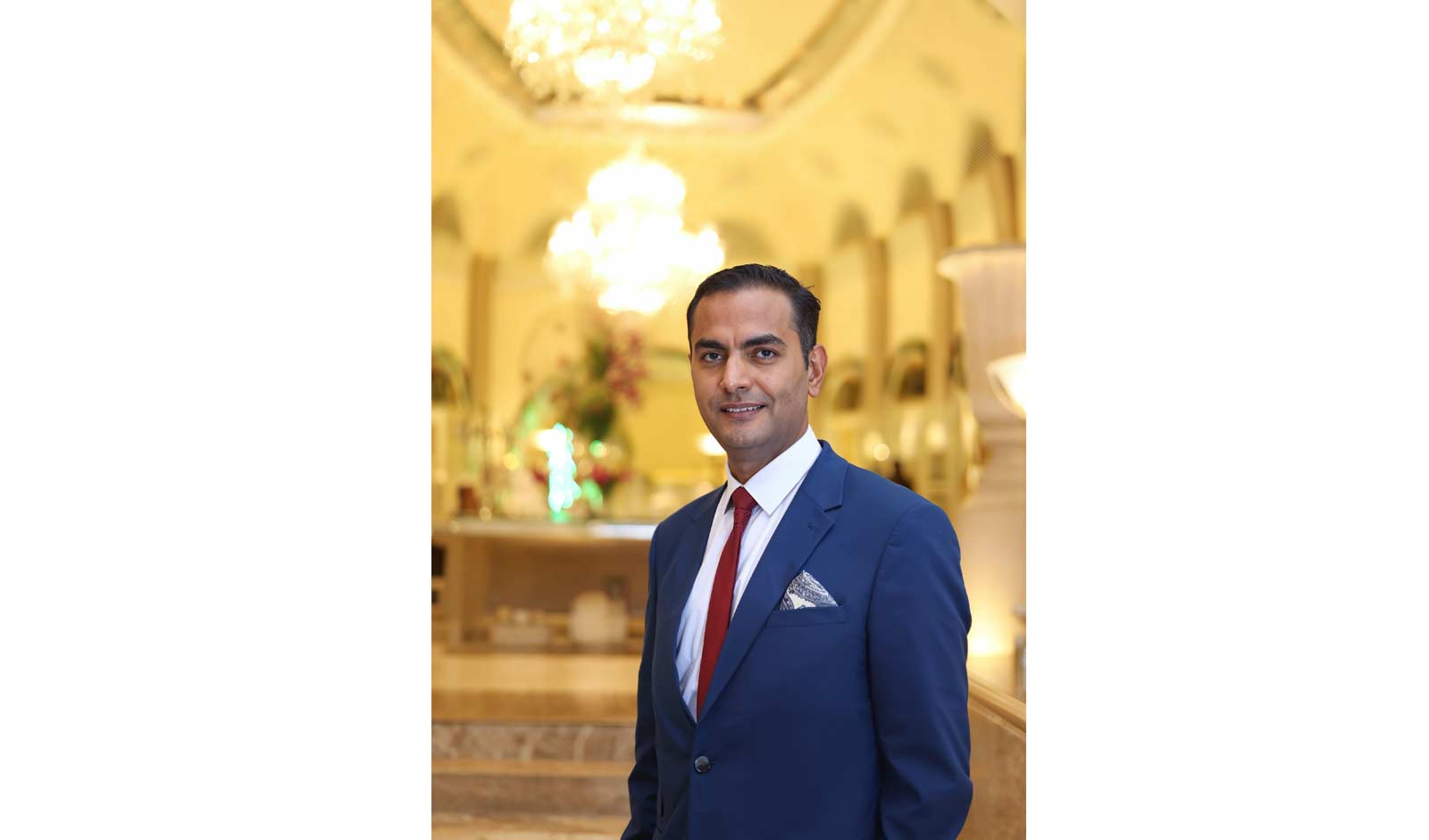
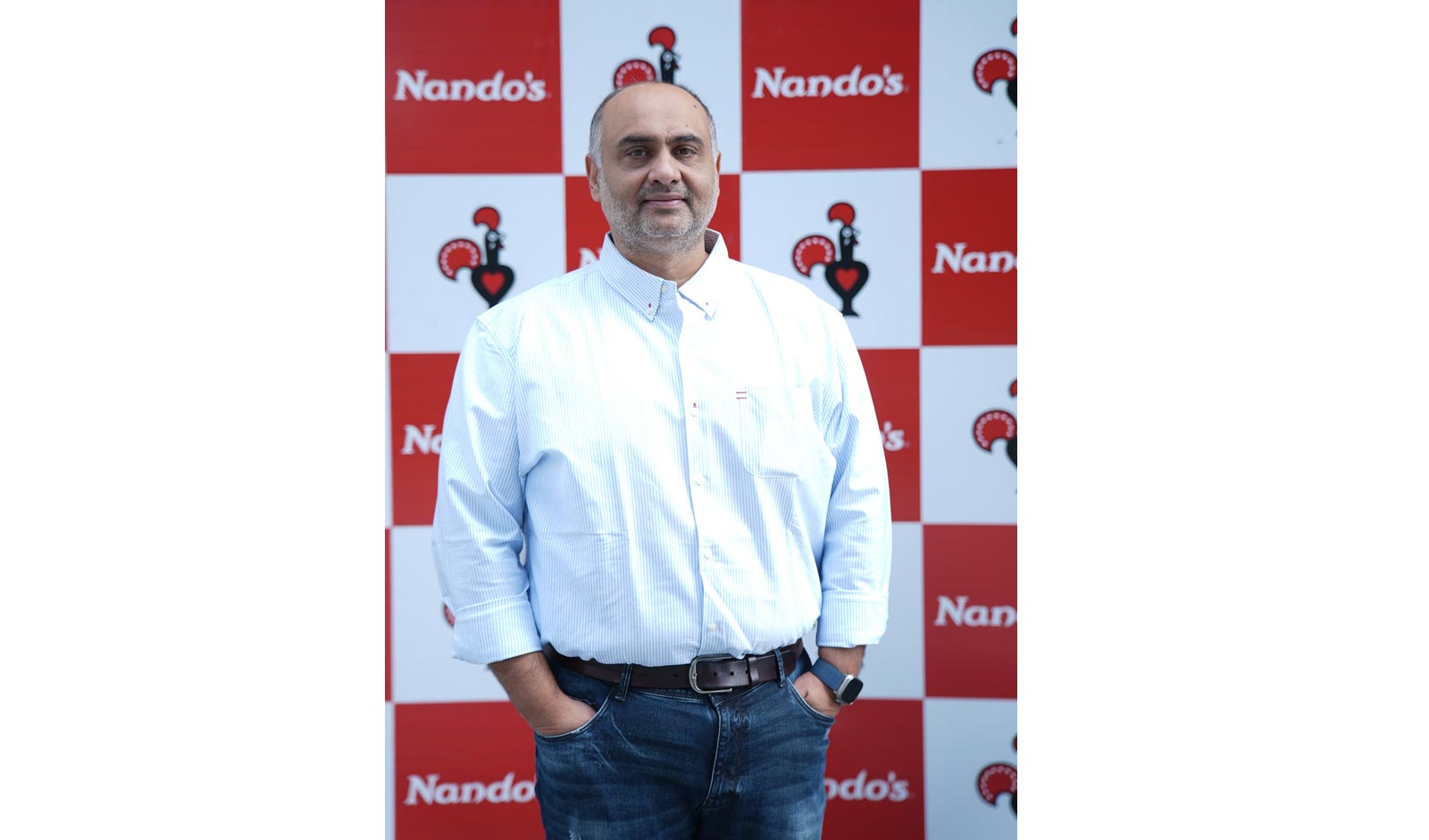
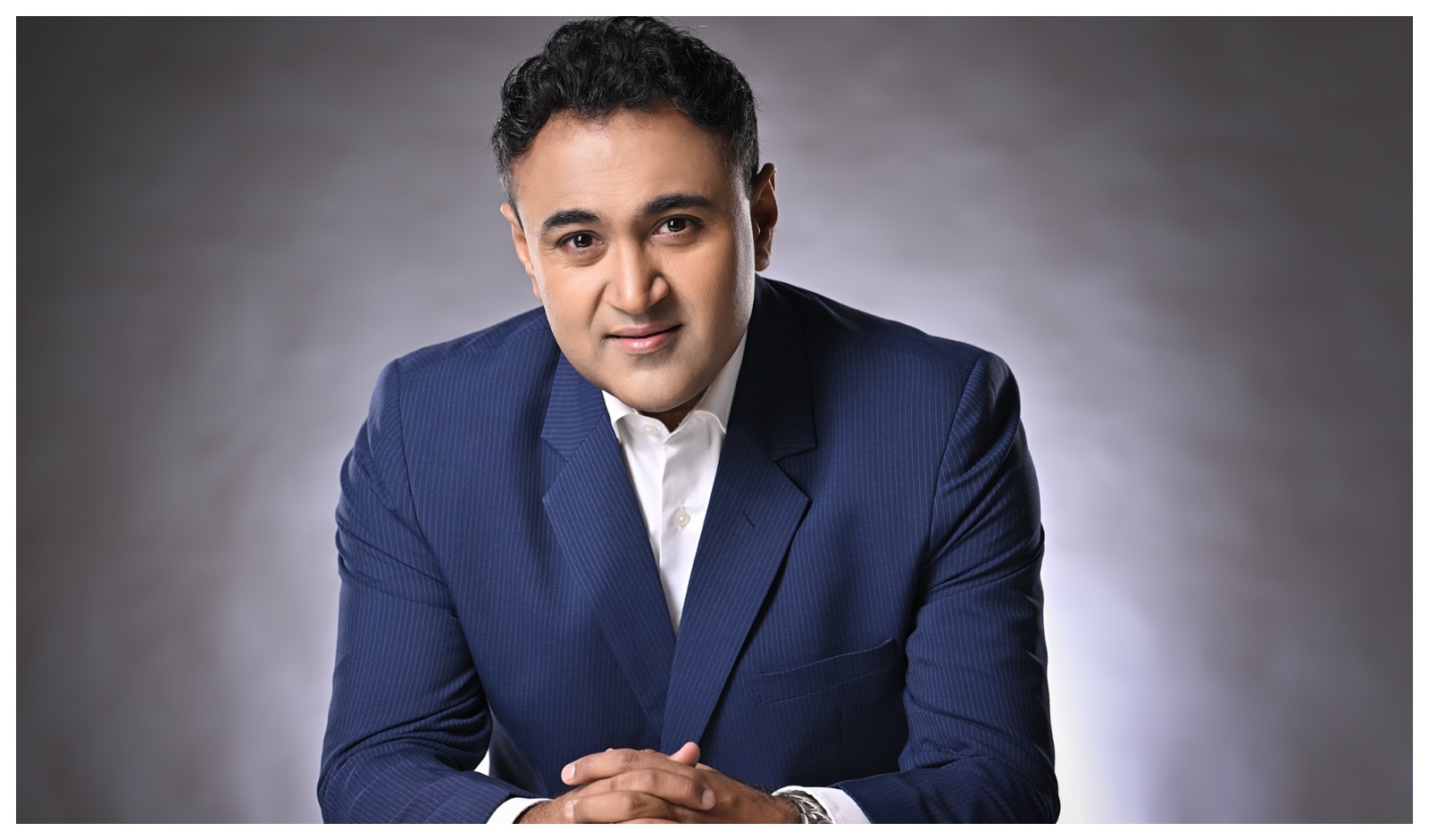
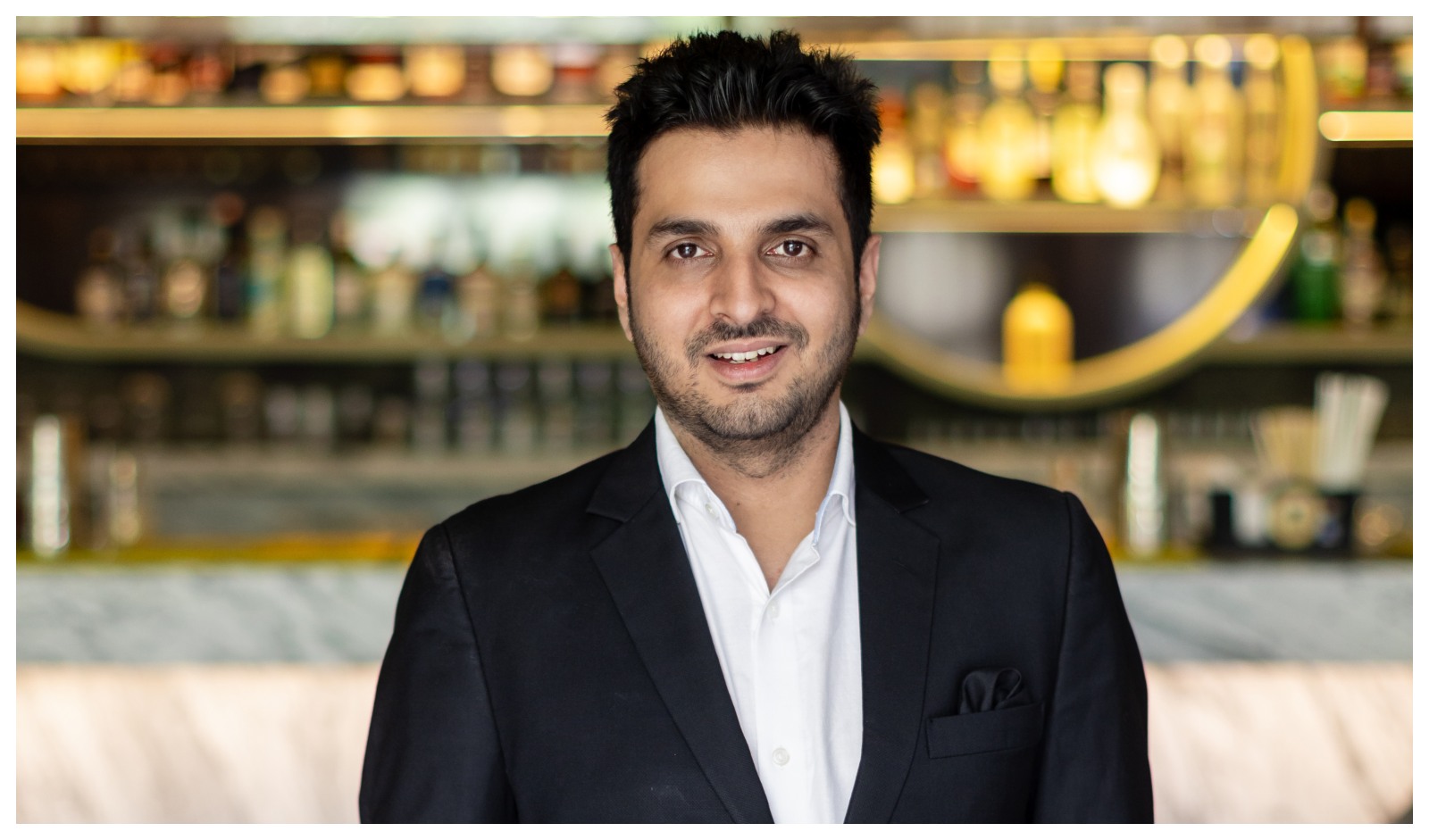
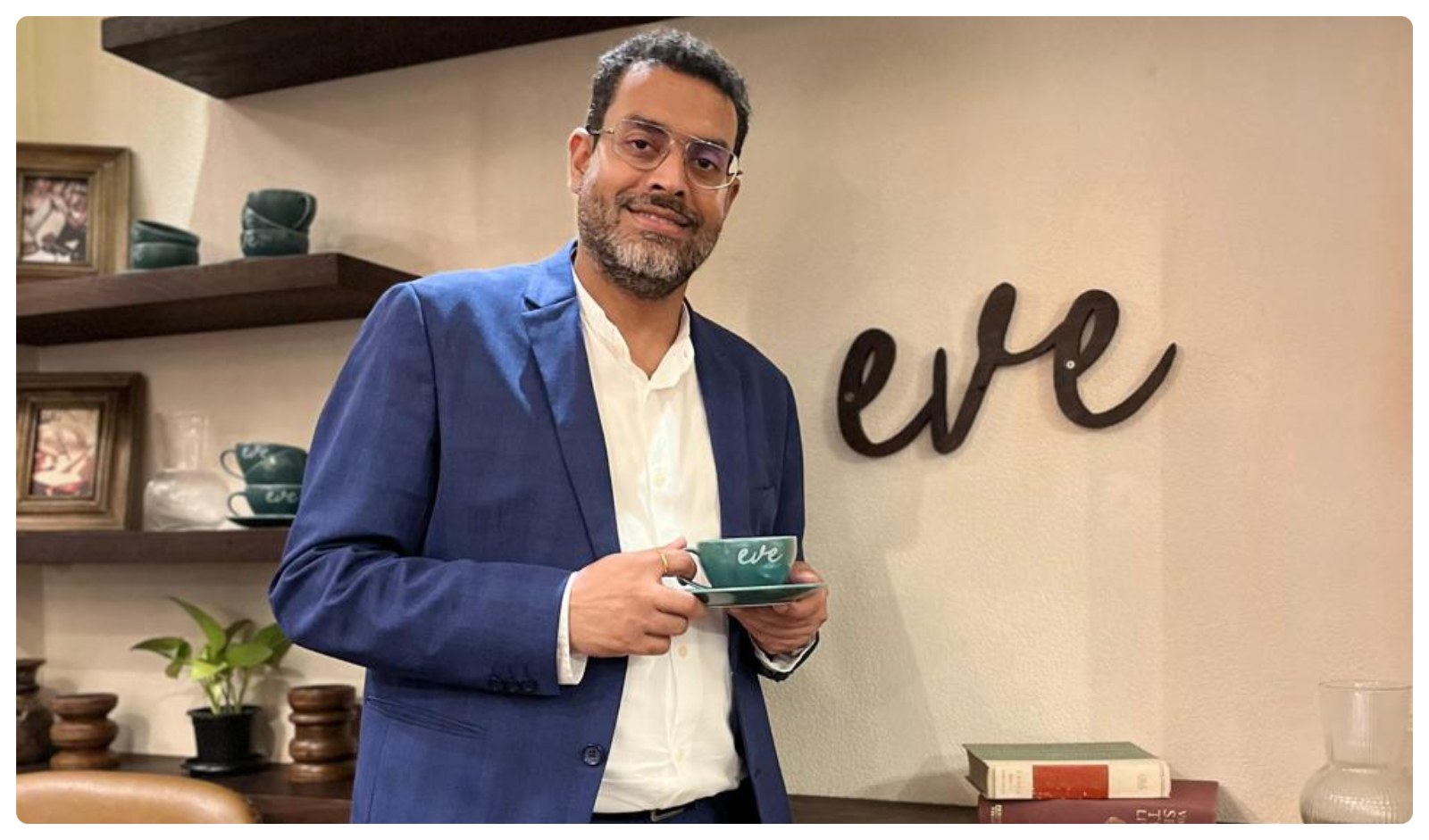
Not coming from a hospitality background, Chirag Pattni’s journey into the industry is driven purely by instinct and passion. What started as a personal interest soon turned into a hands-on learning experience, spending time understanding consumer behaviour, visiting restaurants, and closely observing the market.
A year after launching his first outlet in Borivali, Pattni expanded Downtown29 with a second outpost in Bandra Kurla Complex (BKC), marking a more evolved step in his journey. His approach to hospitality has been rooted in immersion, from exploring neighbourhood dining scenes in Borivali to studying the pulse of BKC by visiting multiple spaces before launching.
In this conversation, Chirag Pattni talks about building Downtown29, learning the business from the ground up, and creating a brand that balances neighbourhood familiarity with a sharp, experience-led approach.
Why did you choose Bandra Kurla Complex (BKC) as your next location, and how do you differentiate Downtown29 from other restaurants in the area?
Choosing BKC was a very deliberate decision. With Downtown29, I wanted to be in a location that reflects the evolving lifestyle of Mumbai, and BKC really sits at the centre of that shift.
What stood out to me was the audience. It’s a discerning, globally exposed crowd that understands dining beyond just food. They value experience, detail, and a certain standard, which aligns closely with what we’re building at Downtown29. At the same time, BKC is a market that challenges you.
Another key factor was timing. BKC is still evolving into a lifestyle and dining destination, and I saw an opportunity for Downtown29 to be part of that growth story early on, rather than entering once the market is already saturated.
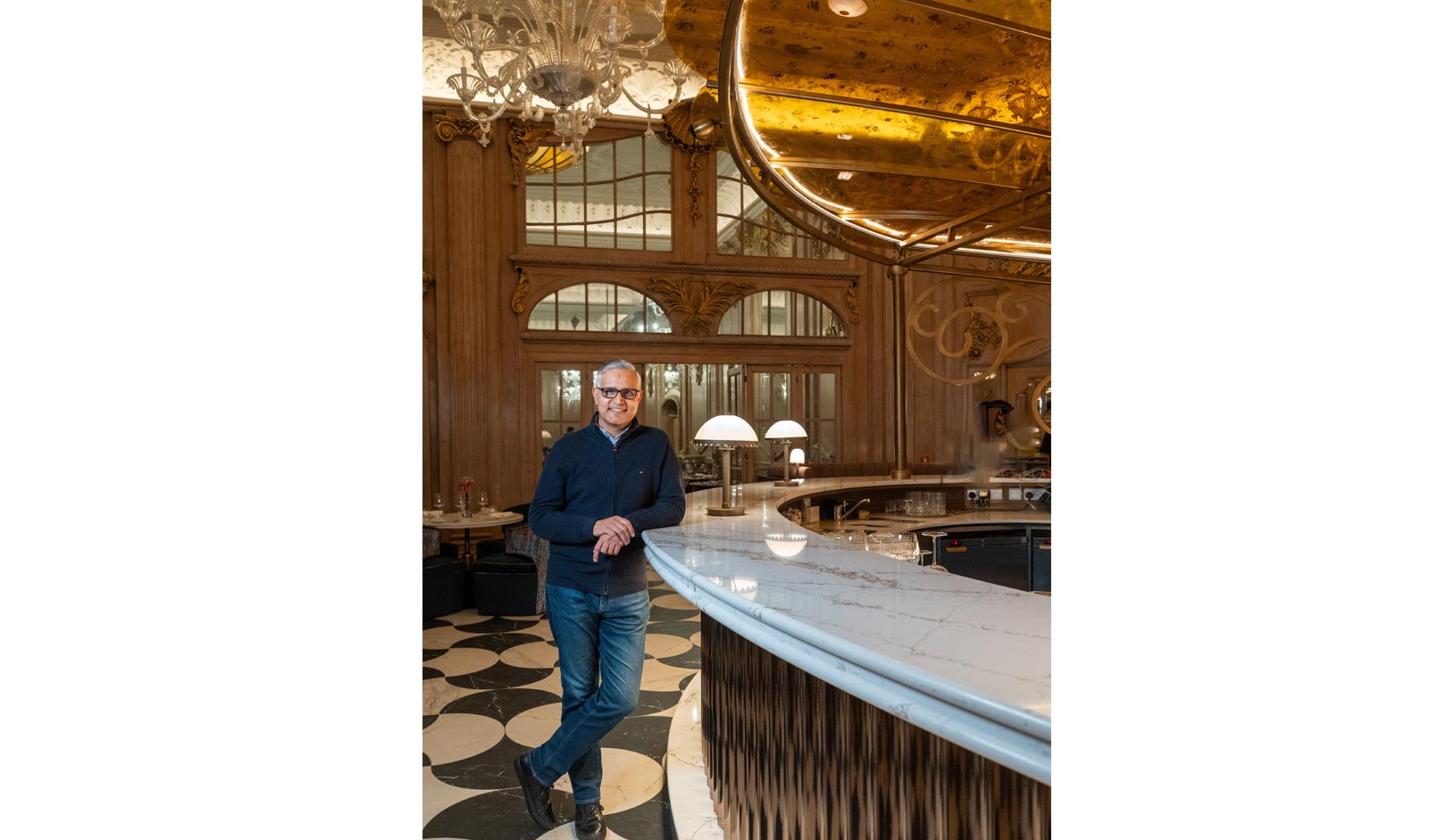
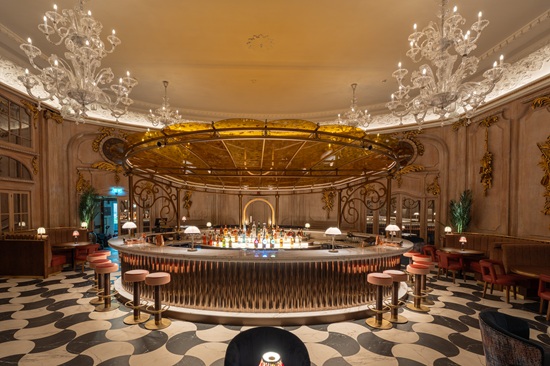
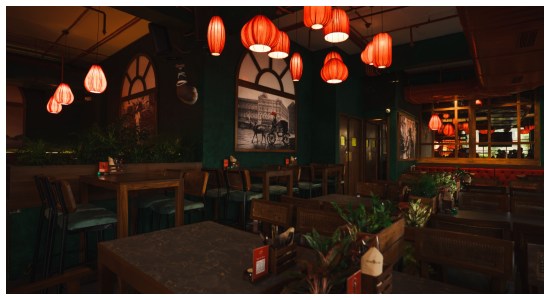
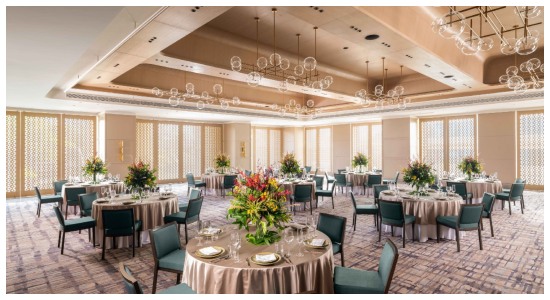
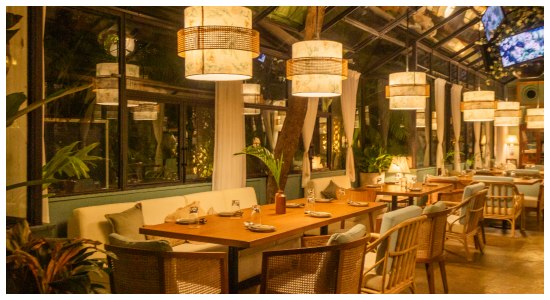
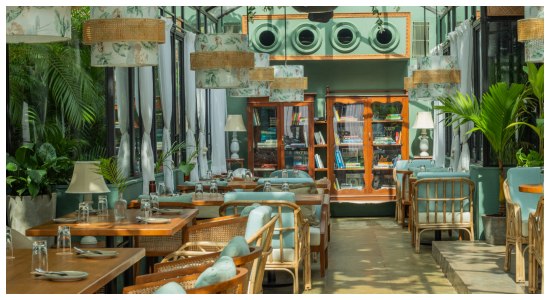
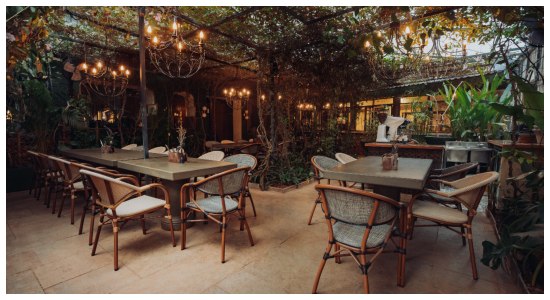
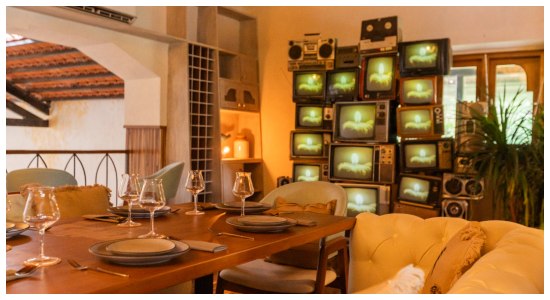
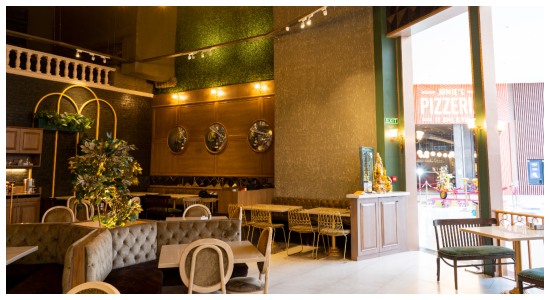
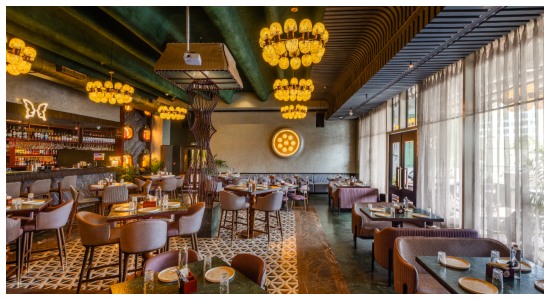
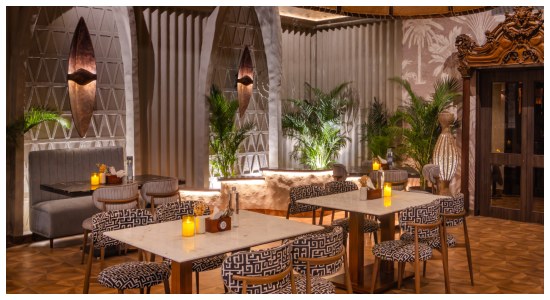
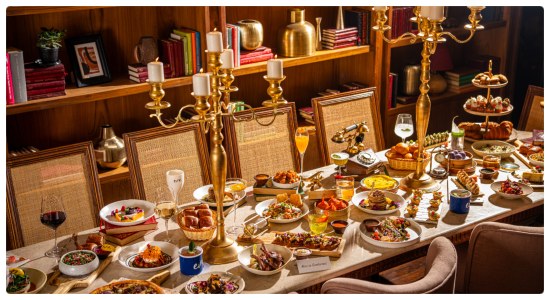
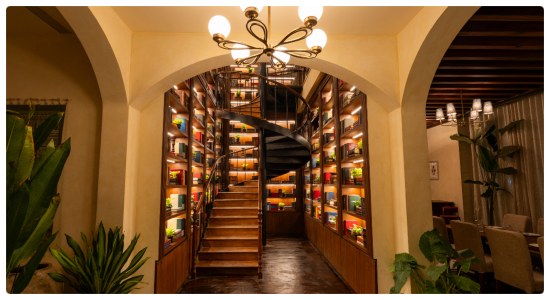
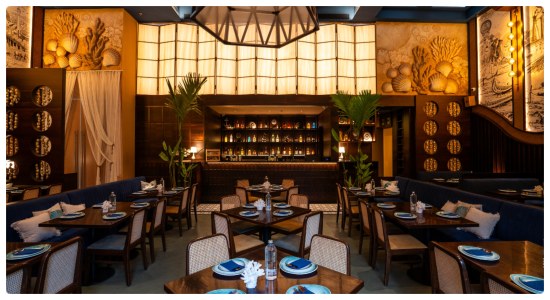
What also shaped our approach was how we wanted to position ourselves within this market. We didn’t want to create just another restaurant in BKC, we wanted to build a space that feels personal and driven by how the space feels. Another key differentiator is the attention to detail. From the way the menu is curated to how the space feels and how the team engages with guests, everything is designed to create a certain mood. The focus is on how the entire guest journey comes together, not just individual elements.
What is the difference between your Borivali and BKC outlets?
The Borivali and Bandra Kurla Complex (BKC) outlets of Downtown29 are built on the same core philosophy, but they’re very different in how that philosophy comes to life.
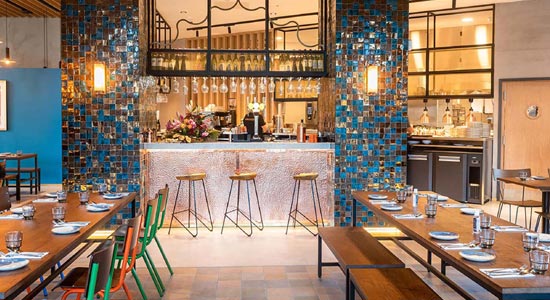
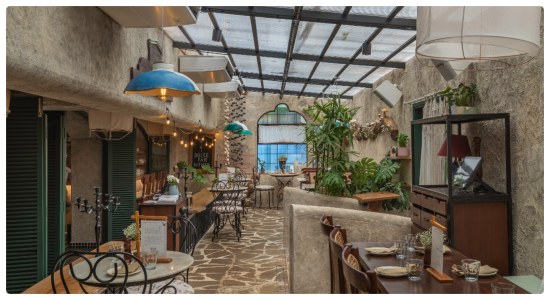
Borivali was our starting point, it’s where the brand found its voice. The space has a more community-driven, high-energy feel. It caters to a loyal, repeat audience that comes in not just for the food, but for the familiarity and comfort the space offers. It’s vibrant, social, and rooted in its neighbourhood.
BKC, on the other hand, is a more evolved expression of Downtown29. The audience here is far more diverse and discerning, so the experience is sharper, more refined, and more detail-oriented. There’s a stronger focus on how every element, from the menu to the overall vibe, comes together in a more elevated way. Another big difference is how the two spaces function through the day. Borivali leans heavily into being a go-to social spot, while BKC has a more dynamic role, it transitions from a business lunch destination during the day to a more experience-driven space in the evening.
For me as a founder, Borivali is where we built the foundation, but BKC is where we’re pushing the brand forward. It’s not about replicating the same format, it’s about adapting Downtown29 to different audiences while staying true to its core identity.
What is your view on small-format (30–40 seater) restaurants and who are your target audience?
Small-format restaurants are definitely gaining traction, and that reflects a shift towards more focused and curated spaces. With Downtown29, we’ve taken a different approach. At 120 covers, the idea was to build scale without losing intent. While smaller spaces naturally feel intimate, the real challenge is delivering that same quality and overall energy at a larger format.
From a business perspective, this also allows us to cater to multiple audience moments, from corporate lunches to more social evenings. Our target audience is a modern, urban consumer, professionals and a socially active crowd that values both quality and atmosphere. For me, it’s not about size, it’s about how well the space is executed and how people engage with it.
What were your biggest learnings from your first outlet?
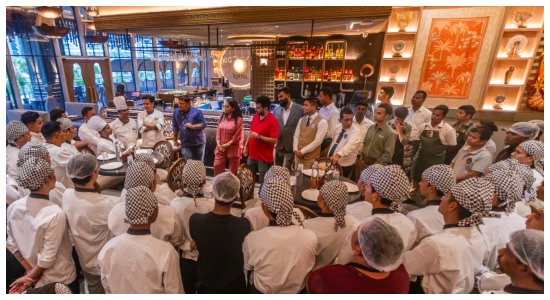
One of the biggest learnings was consistency. It’s not enough to get things right once, you have to deliver the same quality, energy, and experience every single day. That’s what truly builds a brand over time. I also realised very early that the team makes or breaks everything. You can have the best concept or menu, but if your people don’t understand the vision or can’t deliver it, the guest experience falls short. Building the right team and investing in them became a non-negotiable for me.
Another important lesson was to stay close to the customer. Feedback, both good and bad, is invaluable. Some of our best improvements at Downtown29 have come from simply listening and adapting quickly. From a founder’s perspective, I also learned to be hands-on. Especially in the early days, you can’t operate from a distance. You need to understand every aspect, operations, service, guest behaviour, because that’s what helps you make better decisions as you grow. .
Since you were new to the industry, what challenges did you face initially?
Coming into hospitality as a first-time restaurateur, the biggest challenge was the gap between perception and reality. From the outside, it looks exciting and glamorous, but on the inside, it’s a business that demands constant attention to detail and relentless consistency.
One of the initial challenges was understanding operations at a granular level. Everything from kitchen workflows and inventory management to service timing and guest handling, there’s a lot that goes on behind the scenes, and I had to learn that quickly.
Another major challenge was building the right team. In hospitality, people are at the core of the experience. Finding individuals who not only have the skill but also align with your vision and work ethic takes time, and there’s no shortcut to it.
How important is the bar program to your identity? How involved are you in menu and beverage development?
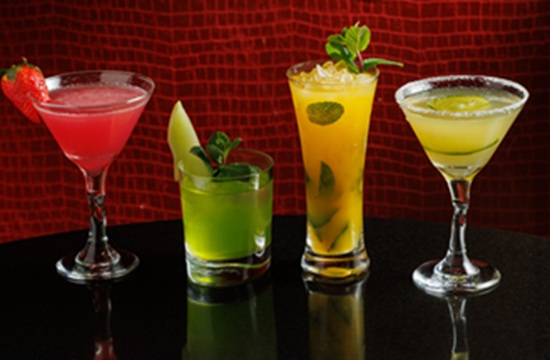
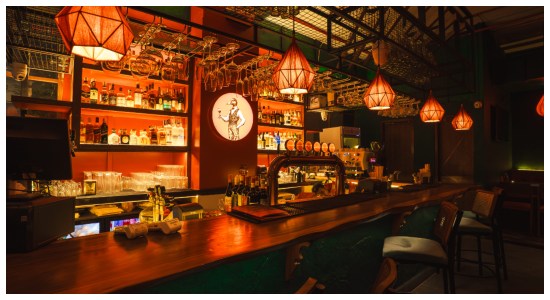
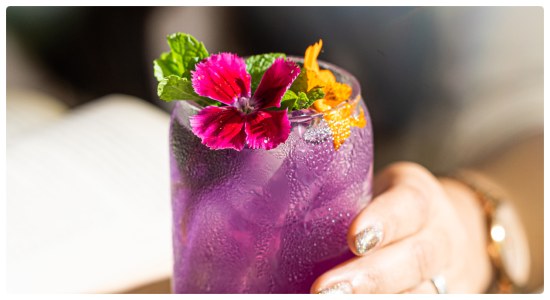
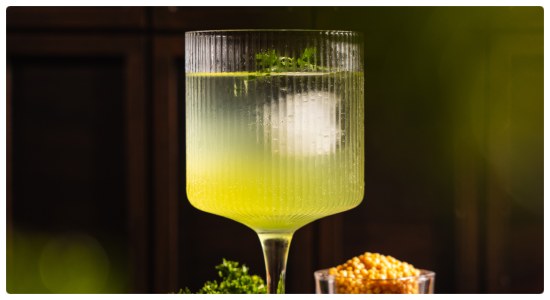
Our cocktail program is curated by some of the top talent in the industry, and the focus is on creating drinks that you won’t typically find elsewhere.
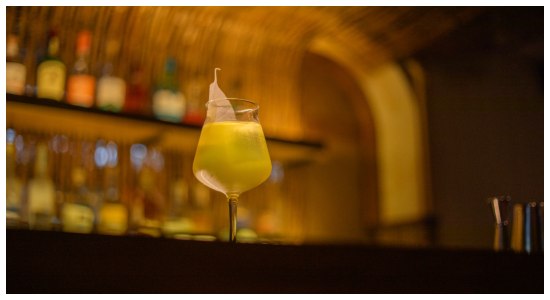
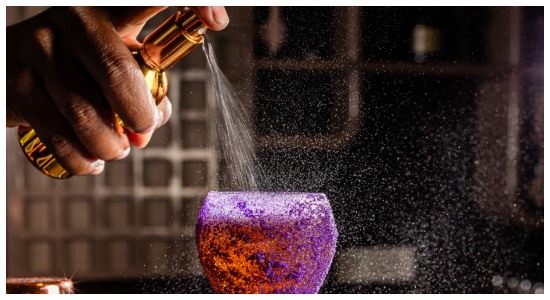
A lot of our cocktails are designed to stand out, not just in taste but visually as well. From crystal-clear drinks to the use of imported ingredients and innovative techniques, there’s a strong emphasis on detail and presentation. It adds a layer of discovery and excitement for guests.
At the same time, we’ve ensured that the menu remains approachable. It’s important that whether someone is coming in casually or looking for something more experimental, they find something that works for them. For me, the bar and the food are part of the same narrative. When both come together seamlessly, that’s what truly defines the overall interaction with the space.
How do you position Downtown—as a bar or a restaurant?
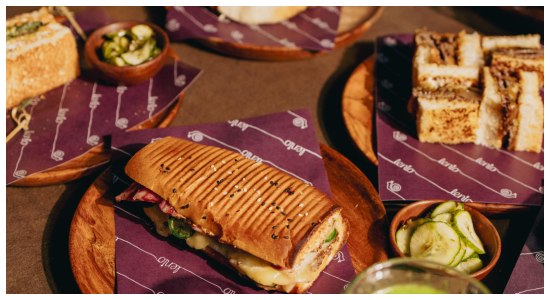
We’ve consciously avoided boxing Downtown29 into one category. It sits right in between, and that’s very intentional. At its core, it’s a dining-first space with a strong bar identity. The food anchors the experience, but the bar elevates it. Both are designed to work together rather than compete for attention.
A lot of places tend to lean heavily into one side, either they become bar-driven or purely food-led. With Downtown29, the idea was to avoid that binary and build something more balanced and adaptable. We’re also a neighbourhood-friendly brand, so accessibility is important to us. Someone should be able to walk in for a meal, a drink, or even just to unwind, and feel equally comfortable. If I had to define it, I’d say Downtown29 is an experience-led dining space where the bar and kitchen carry equal weight. That balance is really what defines us.
What new experiences have you introduced at the BKC outlet?
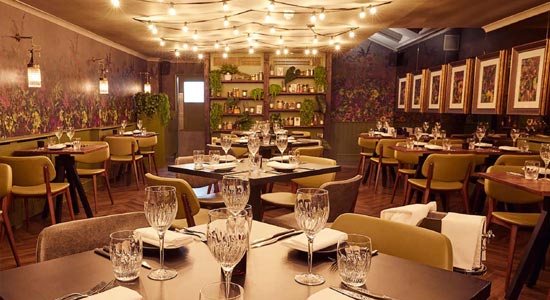
With the BKC outlet, the idea was to take what we built earlier and elevate it into a more refined, detail-driven format for Downtown29. One of the key additions has been how we’ve approached the overall space. It’s designed to offer multiple moods within the same environment, whether it’s a sharper, more focused setting during the day or a more social, high-energy vibe as the evening progresses. That transition is something we’ve been very intentional about.
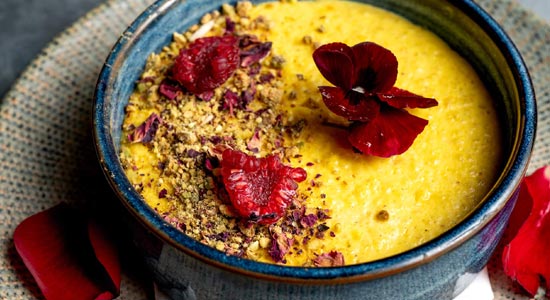
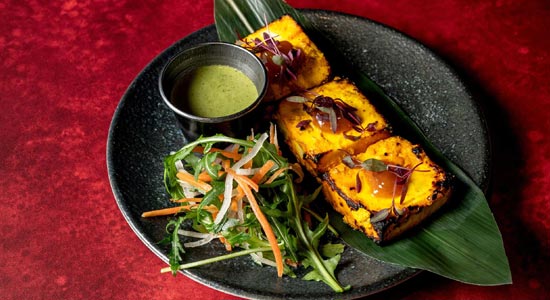
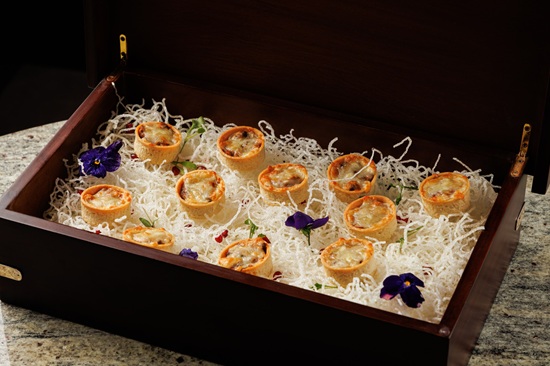
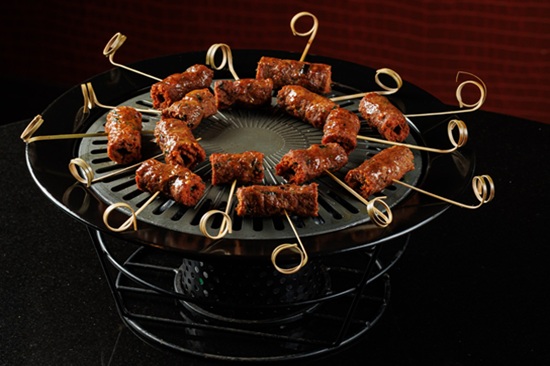
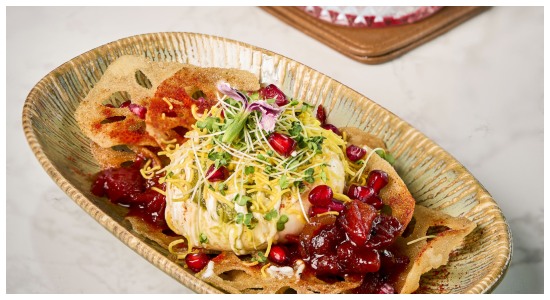
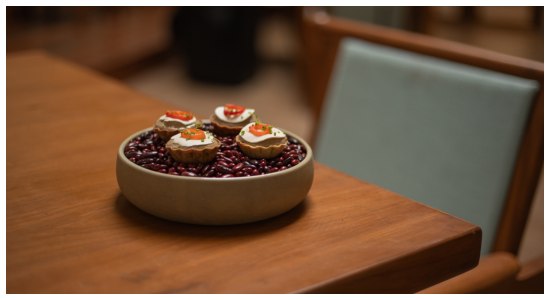
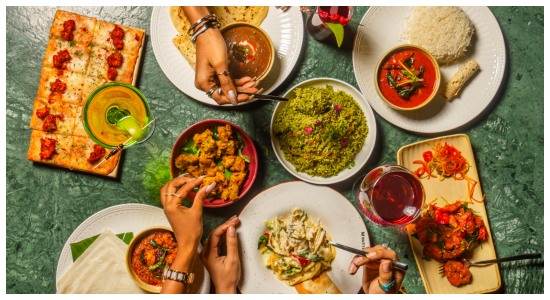
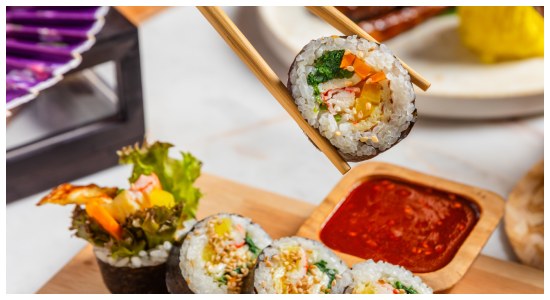
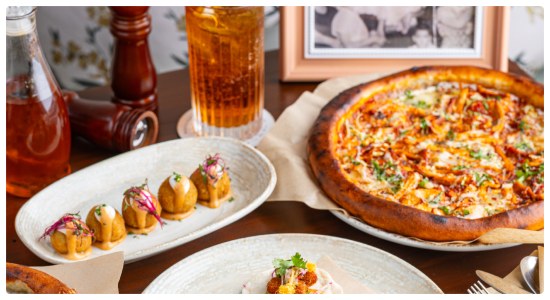
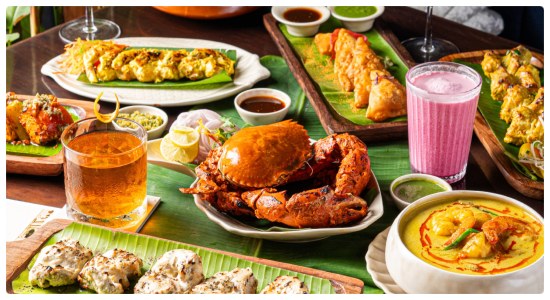
We’ve also introduced a more evolved food and bar program. The menu is tighter and more detail-oriented, and the cocktail offering has been elevated with a stronger focus on presentation, technique, and ingredient quality. It’s not just about what you’re having, but how it’s being served and experienced.
Another important aspect is the attention to finer details, service flow, music, lighting, and overall energy. These are small elements individually, but together they shape how the space feels, and that’s where the real difference comes in. For us, the BKC outlet is not just an expansion, it’s a more evolved version of the brand.
How do you ensure consistency across outlets?
For us, it starts with systems and processes. Whether it’s the kitchen, the bar, or service, everything is documented, trained, and regularly reviewed so that the experience doesn’t depend on chance. At the same time, consistency is not just about SOPs, it’s about people. We invest a lot in training and aligning the team with the brand’s vision, so that the way they engage with guests feels natural but still on-brand across outlets. I also stay closely involved across locations, especially when it comes to tastings, feedback, and overall experience checks. That hands-on approach helps us catch gaps early and keep refining.
Another important factor is feedback loops. We actively listen to what guests are saying and use that to make quick adjustments, whether it’s the menu, service flow, or small details that impact the experience.
Having said that, consistency for us doesn’t mean being identical everywhere. Each outlet adapts to its environment, but the core experience, quality, and intent behind Downtown29 remains the same. That balance is what helps us scale without losing identity.
How do you manage staffing and create a positive work environment?
Staffing starts with hiring the right mindset, attitude over skill. We focus on building a culture of clear communication and continuous training, so the team feels confident and aligned with what we’re creating at Downtown29. It’s also important to stay involved and lead from the front, as that helps build trust within the team. At the end of the day, when people feel valued and motivated, it naturally reflects in how they engage with guests.
What are your expansion plans?
Our focus right now is on strengthening Downtown29 in key markets and building a consistent brand experience. We’re definitely looking at expansion, but in a measured way, choosing locations that align with our positioning rather than scaling too quickly. The idea is to grow sustainably, enter the right neighbourhoods, and ensure every new outlet maintains the same quality and identity. For us, expansion is not just about adding more locations, it’s about building a stronger brand footprint over time.