Savouring Quality Food with Awareness: Why Small Portion is a Big Biz Deal
On an average, restaurants can save 30-40% on total food costs through portioned servings, primarily by reducing wastage and optimizing inventory and this helps in increasing profits.


Over the last few years, there is a significant shift in how diners approach food—it's no longer just about indulgence, but also about balance, variety and experience. Ideas such as "one by two" and "two by three" have their origins in India's dining culture, which is a long-standing custom of sharing meals that invites visitors to try a range of foods and take pleasure in the community dining experience.
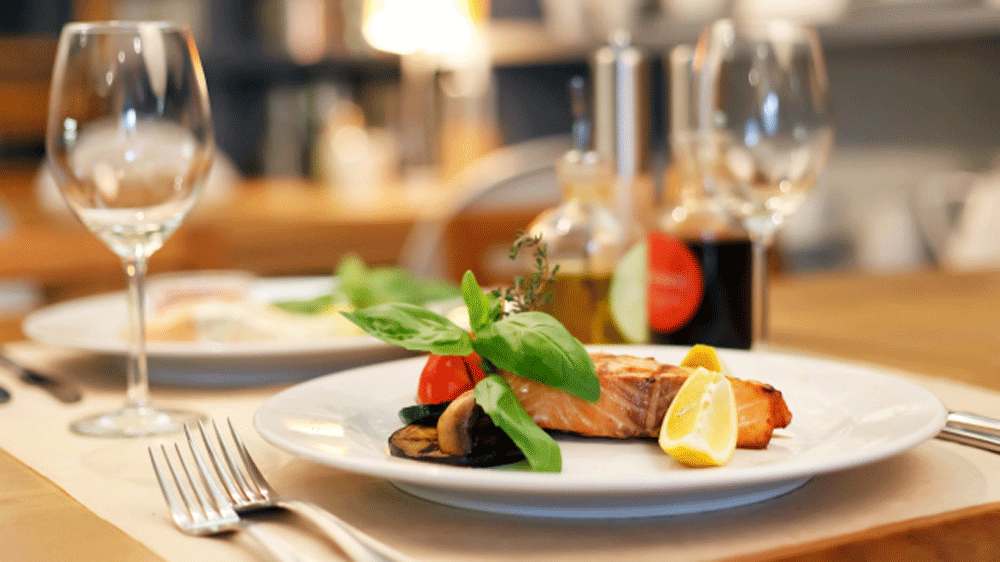
As portion-sized offerings are gaining popularity, they naturally align with these changing preferences. Small plates, tapas-style servings, and curated tasting menus let guests enjoy a diverse range of dishes without feeling overwhelmed.
The Changing Shift of consumer's
There’s a clear shift in how people eat, especially among millennials and Gen Z. This younger crowd is all about healthy living and great experiences—even when it comes to food. They want to try more, waste less, and enjoy variety without messing up their fitness goals. The menu designs, food portions, and even pricing strategies are being impacted by this change in consumer preferences.
Unique Strategies by brands to reduce food wastage through portion control
Restaurants are serving small portion size food to reduce food wastage. Highlighting the unique concept by Ibnii, Sherry Sebastian, Managing Director, The IBNII Coorg explained, “At Ibnii, we observed that every day the food waste was piling up and our composting units were overworked with fourteen large bins collecting food waste. Guests would order food and then a lot of it would go to waste on their plates. This was despite reducing portion sizes and informing them that any number of orders could be placed.”
She added, “We came up with the idea of weighing the waste and charging a fee for the food wasted. This fee would go into a donation box. The funds would be collected and then they would be channeled to a not for profit and utilized to feed underprivileged children. Currently Ibnii is tied up with an orphanage in Madikeri for this initiative.”
The Challenges Faced
One of the main challenges with offering smaller portions is managing the perceived value as guests may expect lower prices that’s not always feasible due to the high quality of ingredients and the time required for preparation. Additionally, it requires operational training for staff to consistently and efficiently serve multiple small dishes.
Pawan Shahri, CEO & Co-Founder Chrome Asia Hospitality said, “We’ve tackled this by investing in systems that support efficient plating and clear storytelling on the menu, so the experience matches the expectation. Portion-sized offerings allow restaurants to present a more diverse menu and reduce food wastage significantly.”
Adding her views, Alisha Mehra, Co-Founder, BOMBA said, “Convincing customers to pay for smaller servings even if they’re healthier and made with better ingredients is a task. Added to that is the backend hurdles like consistent portion control, pricing it right, and adjusting kitchen operations. The key is balance and clear communication letting people know they’re getting quality, freshness, and an experience that values taste and well-being over just quantity.”
How portion-size serving helps?
For restaurants, it often translates into quicker table turnover, better inventory control, and the ability to highlight a wider variety of dishes without inflating food costs. It also fosters a sense of community dining, encouraging sharing, which enhances the overall atmosphere.
“When dishes are designed with precision, it not only minimizes excess but also ensures consistency in plating and quality. We have observed that structured portioning enables better forecasting, reduces spoilage, and streamlines kitchen prep—ultimately improving both profitability and sustainability,” added Shahri.
On an average, restaurants can save 30-40% on total food costs through portioned servings, primarily by reducing wastage and optimizing inventory and this helps in increasing profits.
Portion-sized food is not just a fleeting trend but a reflection of a broader movement toward mindful eating. With the rising health consciousness, increasing food costs, and a focus on sustainability, the move to balanced, intentional servings is a natural progression. It's about savoring quality food with awareness.
Vijetha Iyer
Content Editor
Working as a Content Editor with Restaurant India. I have worked in various sectors like food and beverage sector, chemicals, pharma, nutraceuticals, now specially focusing on restaurant side. But my core knowledge was always on content. Be it writing poems to verses, I always loved writing and have been exploring my career on the same. In Restaurant India, I deliver insightful stories, take interviews of various brands and update the audiences about the newest happenings in the restaurant industry.