
Sattu vs Paneer vs Soyabean: Know the Real Difference
There is no single option that works best for everyone. The right choice depends on a person’s goal, budget, and daily routine. Someone who wants a light and cooling food may find sattu more suitable.

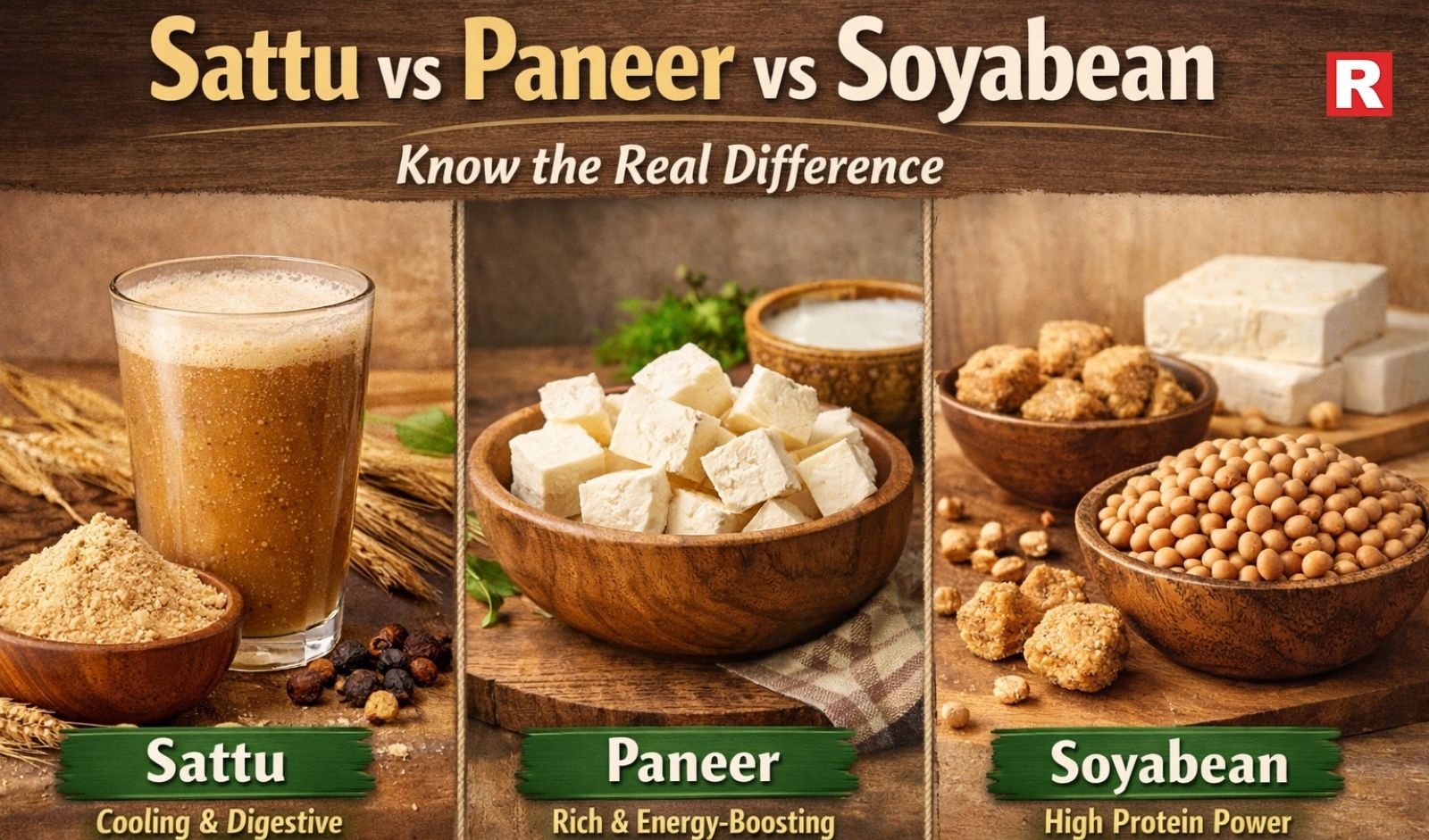
Not all protein foods offer the same benefits. In India, a large number of people depend on vegetarian sources to meet their daily nutrition needs. However, choosing the right option is not always simple. Many foods look healthy on the surface, but their nutritional value can differ a lot. Sattu, paneer, and soyabean are among the most commonly used protein sources in Indian households. Each of them has its own strengths and limitations. Each also suits a different type of diet and lifestyle.
For someone trying to eat better, the choice can feel confusing. A person aiming for weight loss may need something light and filling. Someone focusing on muscle gain may look for higher protein content. At the same time, budget also plays an important role in daily food choices. Not everyone can spend a lot on protein-rich foods every day. This is where a clear comparison becomes useful. Understanding how sattu, paneer, and soyabean differ can help people make better decisions. It allows them to choose what fits their needs, habits, and budget without overthinking.
Why This Comparison Matters Today
India is slowly becoming more protein-aware. Fitness culture is growing. At the same time, many diets are still low in protein. This gap is pushing people to explore simple and affordable options.
Sattu comes from traditional Indian kitchens. Paneer is a staple in daily meals. Soyabean is often seen as a modern, high-protein choice. Understanding how they differ helps you avoid guesswork and eat with purpose.
What Exactly Are These Three?
Sattu: Sattu is made from roasted gram, usually chana. It is ground into a fine flour. It has been used for generations, especially in North India. It is known for its cooling effect and easy digestion.
Paneer: Paneer is a fresh dairy product. It is made by curdling milk. It is soft, rich, and widely used in Indian cooking. From curries to snacks, paneer fits into many dishes.
Soyabean: Soyabean is a plant-based protein source. It is available in many forms like soy chunks, tofu, and soy milk. It is popular among vegetarians who want higher protein intake.
Read more: Why Sattu Is Emerging as India’s Ultimate Summer Superfood
5 Ways to Use Garden Cress Seeds (Halim) for Stronger Hair and Bones
Nutritional Comparison
Here is a simple look at how they compare per 100 grams:
Nutrient | Sattu | Paneer | Soyabean |
|---|---|---|---|
Protein | 20g | 18g | 36g |
Calories | Moderate | High | Moderate |
Fat | Low | High | Moderate |
Fiber | High | Low | High |
Soyabean clearly stands out in protein content. Paneer provides decent protein but comes with high fat. Sattu offers a balanced profile with fiber and moderate protein.
Protein Quality and Absorption
Protein is not just about numbers. Quality matters too.
Soyabean is a complete protein. This means it contains all essential amino acids that your body needs. This makes it one of the best plant-based options available.
Paneer is also a high-quality protein. Since it comes from milk, it is easily absorbed by the body. It supports muscle repair and growth effectively.
Sattu, on the other hand, is not a complete protein. It lacks some essential amino acids. However, when combined with other foods like roti or dal, it becomes more balanced.
Digestibility also plays a role. Paneer is easy to absorb but can feel heavy. Soyabean is dense and may take time to digest. Sattu is light and gut-friendly.
Health Benefits Breakdown
1. Sattu
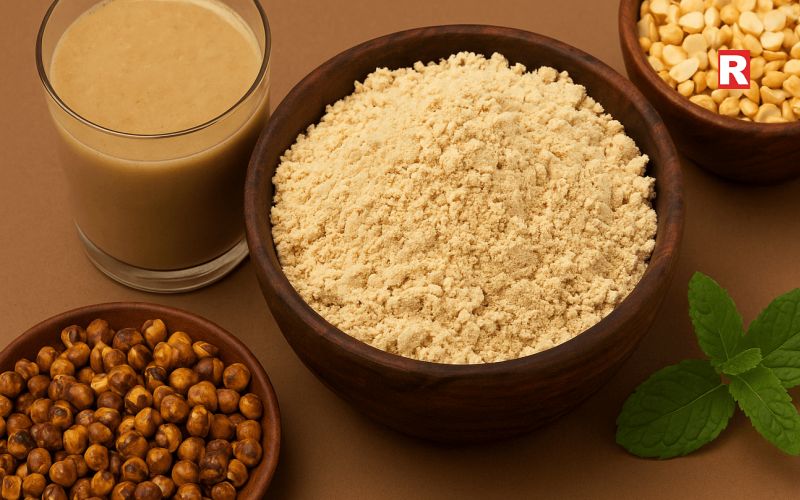
Sattu is often seen as a simple yet powerful food, especially during the summer months. It is known for its natural cooling effect, which helps the body stay comfortable in hot weather. Many people include it in their daily diet because it is light and easy to digest. It does not feel heavy on the stomach and can be consumed at any time of the day. Its high fiber content plays an important role in keeping a person full for longer hours. This reduces frequent hunger and helps in managing weight in a natural way. Sattu also supports better digestion and can be helpful for those who face regular stomach issues. It is quick to prepare and does not require much effort. Because of its affordability and health benefits, it fits well into everyday eating habits without putting pressure on the budget.
Know more: Try Top 6 Smart Sattu Substitutes for a Cooler, Healthier Summer
2. Paneer
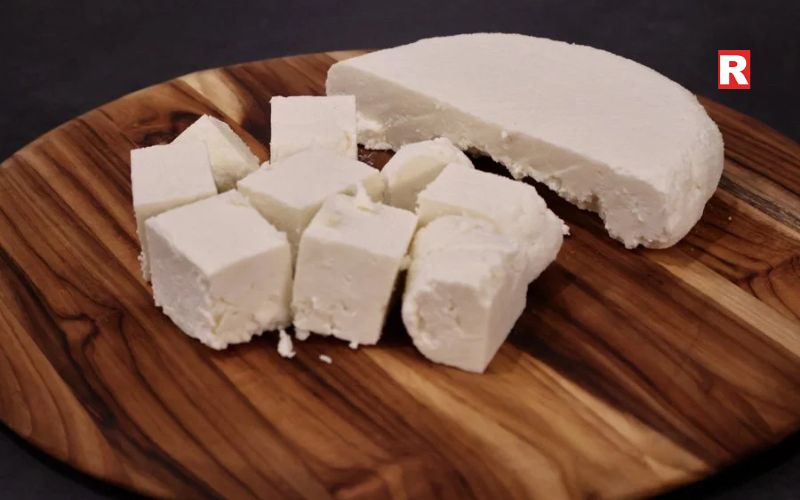
Paneer is a common part of many Indian meals and is often linked with strength and nourishment. It is especially popular among those who want to gain muscle or maintain their body weight. Since it is made from milk, it provides a good amount of calcium, which is important for strong bones and teeth. Paneer also offers steady energy because it contains a higher amount of fat. This makes it a filling option that can keep a person satisfied for longer periods. However, it is important to pay attention to portion size. Eating too much paneer can increase calorie intake quickly. Some people may also find it slightly heavy to digest if consumed in large quantities. When eaten in the right amount, paneer can be a valuable part of a balanced diet and can easily be added to both simple and rich dishes.
3. Soyabean
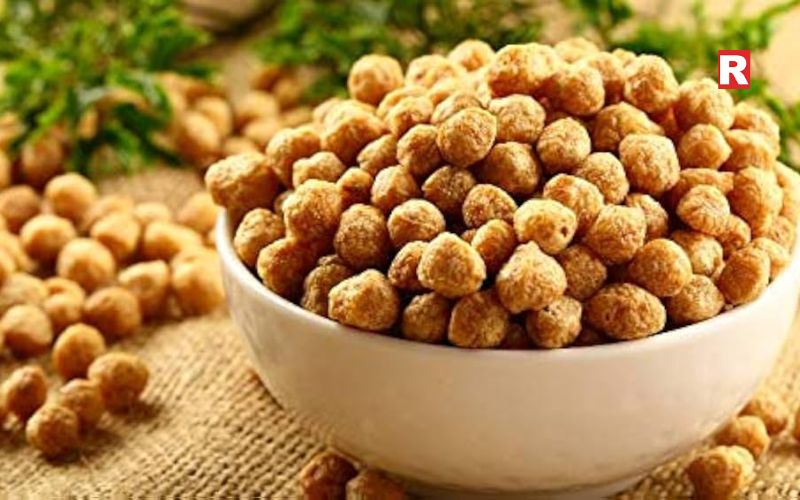
Soyabean is considered one of the strongest plant-based protein sources available. It is widely used by vegetarians who want to increase their protein intake without relying on dairy products. It contains a high amount of protein, which makes it useful for muscle support and overall body strength. Soyabean is also known to support heart health, as it may help in managing cholesterol levels when included in a balanced diet. It is quite filling, which helps control hunger and supports those following high-protein meal plans. For people who avoid milk or dairy products, soyabean serves as a reliable alternative. It can be used in different forms like chunks, tofu, or flour, making it easy to include in everyday cooking. However, it should be consumed in moderate amounts, as excessive intake may lead to digestion issues for some individuals.
Which One is Better for Your Goal?
For Weight Loss: Sattu is a smart choice. It is low in fat and high in fiber. It keeps you full without adding too many calories.
For Muscle Gain: A mix of paneer and soyabean works well. Paneer provides easily absorbable protein. Soyabean boosts overall protein intake.
For Budget Diet: Sattu and soyabean are both affordable. They offer good nutrition without increasing your grocery bill.
For Daily Indian Meals: Paneer fits easily into regular cooking. But it should be eaten in moderation due to its fat content.
Cost Comparison in India
Price often decides what ends up on the plate.
- Sattu is one of the cheapest protein sources. It is widely available and easy to store. A single serving costs very little.
- Soyabean is also budget-friendly. Soy chunks, in particular, offer high protein at a low price.
- Paneer is more expensive. Fresh paneer costs more per kilogram. Regular consumption can increase monthly expenses.
If cost per gram of protein is considered, soyabean gives the best value, followed by sattu.
Also check: Misri in Summer Diet: Traditional Cooling Benefits You Should Know
12 Low-Sugar Summer Drink Ideas for Health-Conscious Diners
Pani Puri Has Different Names in Different Indian States—Know Them All
Digestibility and Side Effects
Not every food suits everyone.
- Paneer can feel heavy, especially for those who are lactose sensitive. Eating large amounts may cause discomfort.
- Soyabean can sometimes lead to bloating or gas. This usually happens when it is not cooked properly or consumed in excess.
- Sattu is generally easy to digest. It is often used as a natural remedy for digestive issues. However, it should be mixed well with water to avoid dryness.
Final Verdict
There is no single option that works best for everyone. The right choice depends on a person’s goal, budget, and daily routine. Someone who wants a light and cooling food may find sattu more suitable. It is easy to digest and fits well into simple meals. For those focusing on muscle gain and higher energy, paneer can be a better fit. It is filling and supports strength when eaten in the right amount. On the other hand, soyabean stands out for those who want more protein without spending too much. It offers high value at a lower cost. In many cases, including all three in the diet gives better results. It adds variety and helps cover different nutrition needs. A balanced approach works better than relying on just one option. The key is to use each food in a way that suits the body and lifestyle.
Saptopriya Ghosal
Feature Writer
I am a dedicated media professional with a bachelor's degree in mass communication from the State University of Calcutta and a postgraduate degree from Amity University. My academic journey has equipped me with a profound understanding of storytelling and communication. Passionate about the dynamic world of media, I continually strive to explore new ways to engage and inform through compelling narratives.



































































































































































