
Reservation-Only: Why These Restaurants Are Getting Smaller, Personalized
Instead of chasing volume or footfalls, these compact formats are taking the opposite route by keeping their covers low, service slots restricted, and menus tightly curated.

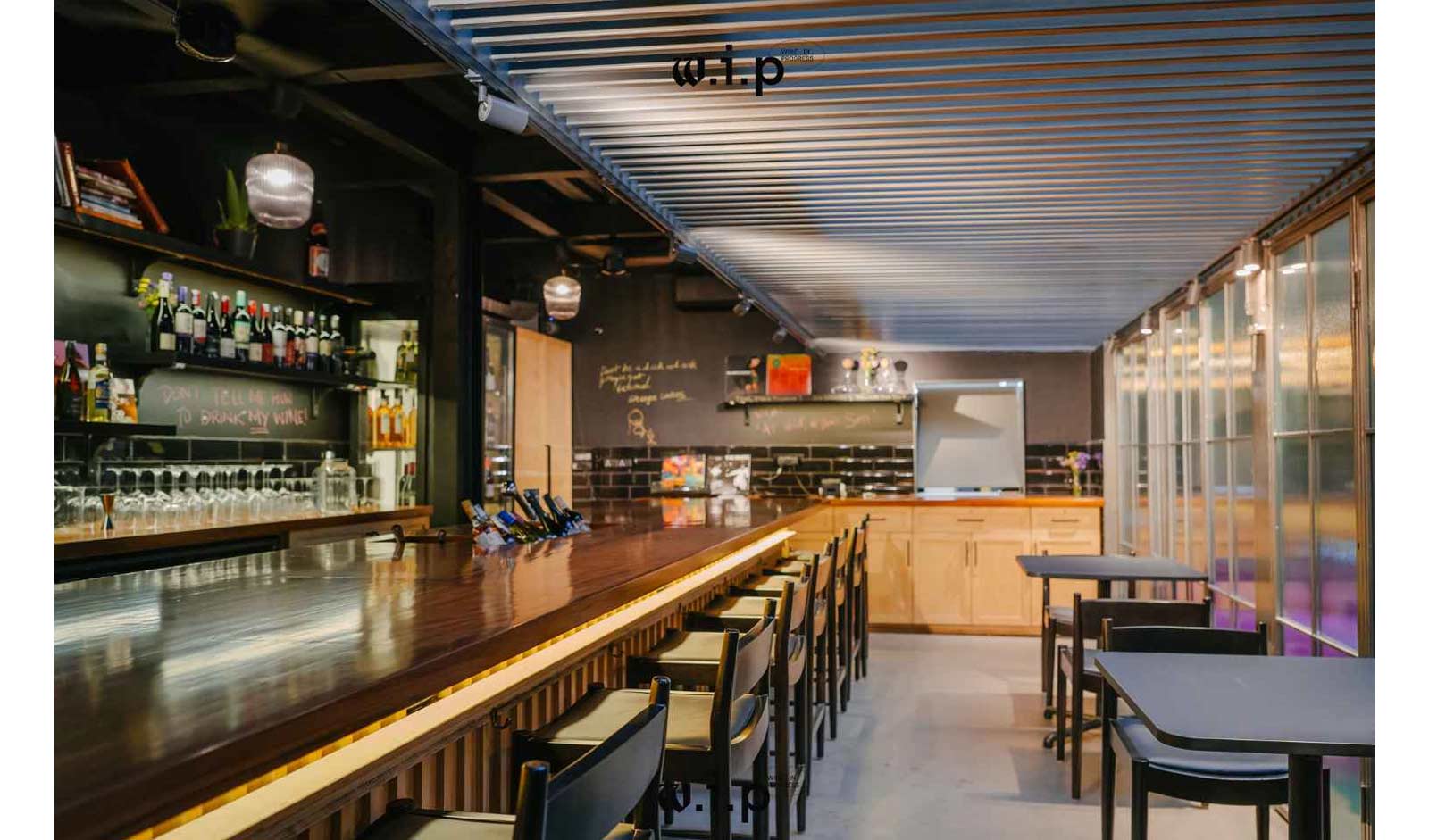
Bigger isn’t always better, or at least that is what a new generation of restaurateurs across India believes. There is a growing popularity of eateries with limited seating, a curated chef-led menu, and a reservation-only model. If you take Bengaluru as an example, small but premium kitchens like NĀVU and Naru Noodle Bar have gained immense popularity, with people booking table weeks in advance just to experience an intimate dining experience.
Instead of chasing volume or footfalls, these compact formats are taking the opposite route by keeping their covers low, service slots restricted, and menus tightly curated. The idea is not to maximize scale, but to deepen connection.
Intimacy Over Volume
For Chef Kavan Kuttappa, founder of Naru Noodle Bar, the inspiration comes from Japan. “I like ramen, and my whole idea was to recreate something I had experienced in Japan. In Japan, ramen restaurants are typically very small, often seating just five or six people. So, I stuck to the same idea and started a small space here,” he says.
What started as an eight-seater space has now expanded to 20 seats, running five reservation slots a day. “We didn’t plan to make it exclusive; it’s just that the shop is small, and when it got really busy, we had to introduce time slots to manage the crowd,” he adds. His kitchen, three times the size of the dining area, flips the conventional ratio: a design that prioritizes precision and control over volume.
At NĀVU, the intimacy is equally deliberate. Co-founder Kanishka Sharma explains, “We prioritized intent over scale. The smaller format allows us to be completely present in what we do. We're part of every plate, every guest, and every service. It breaks down the wall between the kitchen and dining room.”
Across India, chef-led, reservation-only concepts like Masque (48-seater) and Noon (26-seater) in Mumbai, Omo by Sidecar (24-seater) in Delhi, and Farmlore (18-seater) on Bengaluru’s outskirts are embracing smaller, experience-driven formats that prioritize storytelling, ingredient integrity, and personal connection over scale.
At Wine in Progress (WIP), a 14-seater dive wine bar in Bengaluru, co-founder Akhila Srinivas says the concept was designed to make wine feel accessible. “Wine is often seen as an upmarket or ‘snooty’ drink, but we wanted to serve it in a casual, friendly, neighborhood-bar kind of environment. Around wine, there’s always a lot of conversation like where it’s from, why it’s served a certain way, and that’s not possible in a large space.”
Balancing Profits and Personal Touch
The business model behind these spaces is built on precision. “Running a small space with a limited and curated menu actually helps in terms of planning and profitability,” says Kuttappa, adding, “We plan exactly how many dishes we’ll cook for the day, so there’s no over-preparation and very little wastage.”
Naru’s operational logic is echoed at NĀVU and WIP, where smaller spaces allow for tighter forecasting, lower inventory, and reduced spoilage.
These restaurants run with fixed slots per day, ensuring predictable daily revenue. Naru Noodle Bar operates across five reservation slots, NĀVU limits itself to just two dinner slots, and Wine in Progress (WIP) runs three curated seating sessions each day. With average spends ranging somewhere between Rs 2,000-3,500 per head, the numbers add up to a steady business model that prioritizes experience over volume.
Srinivas explains, “All our 14 seats are on reservation. On slower days like Tuesdays, we entertain walk-ins, but from Wednesday onwards, it’s usually full. Our wine menu is intentionally small but keeps changing every week or month, depending on what’s available. That helps us manage profitability and inventory closely.”
For these restaurants, the goal is not scalability or expansion, but precision and personal connection, which could itself be a challenge.
As NĀVU’s Kanishka Sharma explains, “Small doesn’t mean simple; it actually demands more precision. Every seat, every service matters. You don’t have the safety net of scale, so you need a clear point of view and consistency in execution. The numbers work only when the philosophy is strong.”
Future of Small-Format Dining
While large chains continue to dominate Indian metros, small-format, chef-driven spaces are quietly redefining what success looks like. “In Japan, there are a lot of eateries that follow this model. In India, this kind of format is just starting out. Looking ahead, I definitely think there’s space for more such restaurants because people are beginning to enjoy this kind of dining experience,” says Kuttappa.
For Sharma, growth is not about multiplying outlets but evolving ideas. “Growth doesn’t always have to mean more seats or more outlets. For us, it’s about evolving ideas, not expanding footprints,” she says.
Instead of expanding, a lot of these businesses are choosing to stay small intentionally, as a conscious strategy to preserve quality, creativity, and control.
As WIP’s Akhila Srivastava explained, “When a small-format space works really well, there’s always the temptation to expand. But some concepts are meant to stay small. You need the conviction to say, even when demand is high, that you’ll keep it intimate because that’s what makes it special.”
Saumyangi Yadav
Senior Correspondent
Saumyangi is a Senior Reporter with over three years of experience in journalism and a strong passion for writing and storytelling. She covers D2C and consumer brands for Entrepreneur India and contributes to Restaurant India, where she writes about restaurants, cafés, and whatever is new and exciting in the F&B world. She has previously covered education, social, and civic issues, and continues to enjoy exploring new stories in Bengaluru and beyond.









































