
Relearning Mediterranean Food: How This Familiar Yet Global Cuisine is Evolving
Indian diners, once hesitant, are now embracing everything from Yemeni mandi and Levantine salads to Turkish mezze and Greek-style seafood.

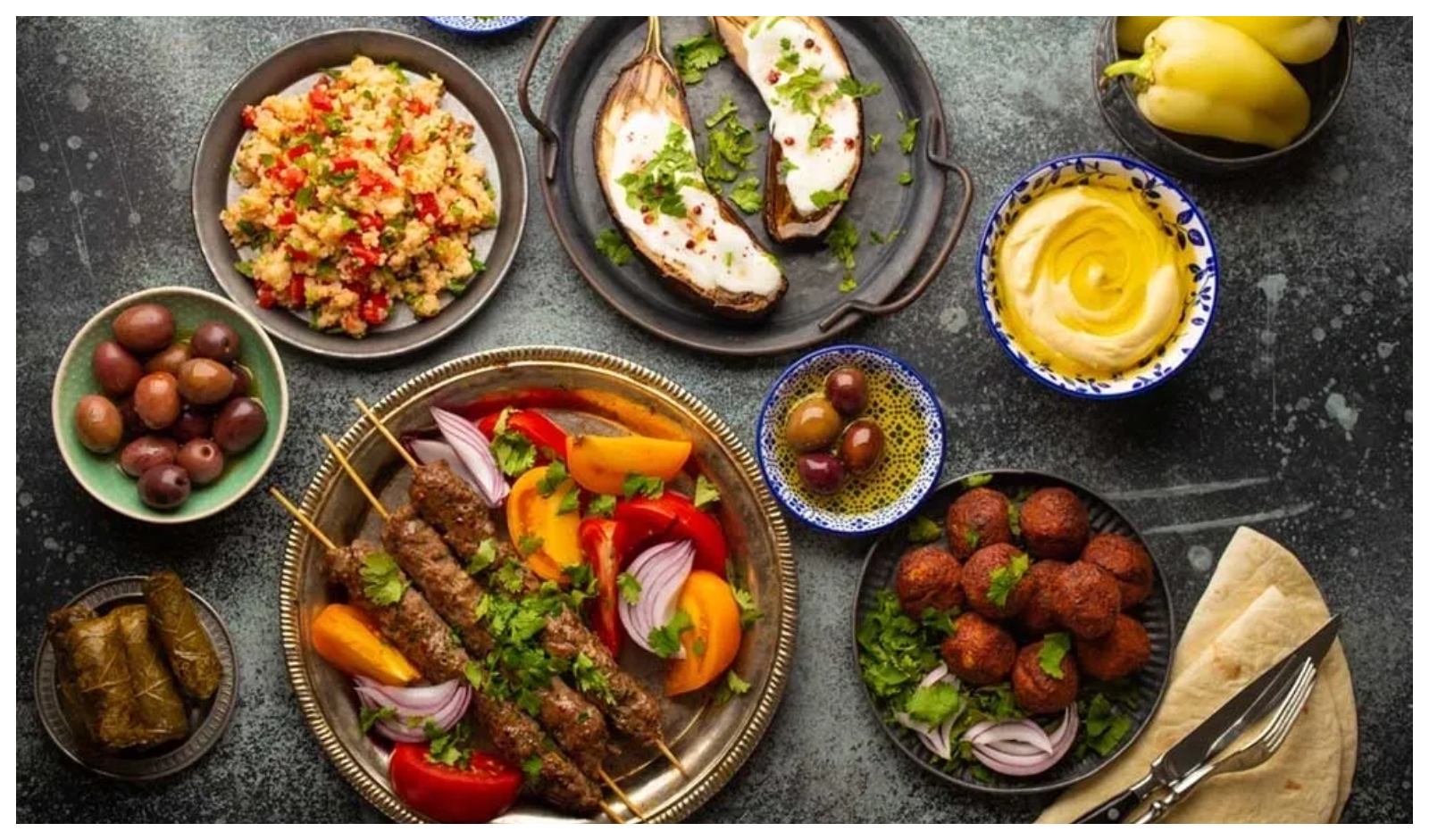
Mediterranean food in India has slowly moved beyond shawarma stalls and Lebanese platters, finding a stronger presence on menus and in diners’ preferences. What started as a handful of familiar dishes has now grown into a broader appreciation of regional fare from across Arabia, Turkey, and the Mediterranean.
According to Zomato’s 2024 Food Trends Snapshot, India’s appetite for global cuisines has expanded significantly, with international categories like Mediterranean, Japanese, and Korean witnessing strong listing growth across metros. Within this, Middle Eastern flavors are emerging as a key “comfort-meets-novelty” category for Indian diners.
Indian diners, once hesitant, are now embracing everything from Yemeni mandi and Levantine salads to Turkish mezze and Greek-style seafood, proof that the flavors of the Middle East have found a natural harmony with India’s own diverse palate.
Vinesh Gupta, General Manager of The Den (home to the Mediterranean restaurant Layla), says this acceptance isn’t surprising. “Our palate is very agreeable to Middle Eastern food, or rather, to certain types of Middle Eastern food,” he explained.
Comfort and Curiosity
The evolution, Gupta believed, is rooted in familiarity. “Popularity grows when a cuisine feels comforting and familiar,” he said, adding, “We first got to know Middle Eastern food through rolls, shawarmas, kibbeh, and kebabs, all of which felt close to Indian tastes.” But diners today are ready for more.
Restaurant analysts note that this shift reflects changing dining habits across urban India. The country’s casual-dining market, valued at over INR 1.7 trillion, is expanding at an annual rate of 10–12 per cent, driven by younger consumers seeking variety and authenticity. With international travel on the rise, food choices are becoming more exploratory,, yet comfort driven.
Chef Umesh Jaiswal, Executive Sous Chef at The Westin Hyderabad Mindspace, agreed that comfort and curiosity go hand in hand. “We aim to stay true to the essence of Middle Eastern cuisine, celebrating its bold spices, slow-cooked preparations, and rich aromas, while thoughtfully adapting to Indian palates. Our focus is on maintaining authenticity in flavors and techniques, yet ensuring that the dining experience feels approachable, balanced, and culturally resonant,” he pointed.
Travel and social media, he added, have played a major role in widening exposure. “Diners who’ve experienced shawarma stalls, mezze platters, and baklava cafés abroad now seek to recreate those flavors at home. Social media further fuels this trend. Ultimately, it’s global comfort food, familiar yet exciting, that appeals most.”
Beyond Shawarma
For years, Mediterranean food in India was largely synonymous with hummus, falafel, and baba ganoush.
“When we started Layla in 2017 as an authentic Mediterranean restaurant, it was quite a challenge. People associated Mediterranean food mostly with Lebanese and Turkish dishes. But that’s not Mediterranean in its entirety,” he recalled.
Industry observers say India’s restaurant openings in the “global cuisine” category have grown by 22 per cent since 2022, led by concepts inspired by Middle Eastern and Mediterranean regions.
What followed, Gupta added, was a slow but steady phase of education, both for diners and for the chefs serving them. “It was about helping people unlearn and relearn the cuisine,” he mentioned.
Chef Jaiswal observes a similar shift today. “Beyond staples like shawarma or kunafa, Indian diners are showing growing interest in diverse Middle Eastern specialties. Dishes such as mandi, tabbouleh and fattoush, refreshing Levantine salads, and baba ganoush, are steadily gaining popularity across restaurants and cafés,” he noted.
Reinvention Through Local Roots
The next phase lies in innovation grounded in authenticity. Gupta’s restaurant developed what he calls ‘Inditerranean’ cuisine, a seamless blend of Indian ingredients and Mediterranean techniques. “We merged local flavors and fresh produce with Mediterranean methods, without compromising authenticity,” he said.
This is especially important for restaurant owners and chefs, as sourcing fresh and authentic ingredients for a global cuisine could often be a challenge.
The rise of local sourcing mirrors a broader shift across India’s F&B sector. As per Technopak Advisors, over 65per cent of premium restaurants now prioritize local and seasonal ingredients, a sharp jump from 42 per cent in 2019. Restaurant owners and chefs are reducing imports to achieve freshness, traceability, and sustainability.
Chef Jaiswal sees this localization trend industry wide. “Middle Eastern cuisine in India is evolving much like Italian or Japanese once did, through adaptation, innovation, and local sourcing. Key trends include a shift from imported to locally cultivated ingredients, collaborative chef training, and restaurant concepts moving beyond quick service to experiential dining rooted in authenticity and storytelling,” he said.
For Gupta, the heart of Middle Eastern dining is storytelling. “Cuisine is all about connection and building a bridge with guests through storytelling. If I can’t help a guest understand what they’re eating, they won’t appreciate it, no matter how good it is,” he pointed.
This narrative-driven dining aligns with a larger pattern: restaurant consumers, especially millennials and Gen Z, increasingly seek experiences over transactions. According to a 2024 NRAI report, nearly 72 per cent of urban diners prefer restaurants that showcase “a sense of story or cultural identity.”
Saumyangi Yadav
Senior Correspondent
Saumyangi is a Senior Reporter with over three years of experience in journalism and a strong passion for writing and storytelling. She covers D2C and consumer brands for Entrepreneur India and contributes to Restaurant India, where she writes about restaurants, cafés, and whatever is new and exciting in the F&B world. She has previously covered education, social, and civic issues, and continues to enjoy exploring new stories in Bengaluru and beyond.









































