
Power-Packed & Plant-Based: Top Vegan High-Protein Foods Trending Today
Protein is a vital part of every diet. Many assume it is difficult to get enough protein from a vegan lifestyle, but this is not true. Foods such as lentils, quinoa, tofu, seitan, and chia seeds show that plants can easily meet protein needs.

Plant-based eating is no longer just a trend. It has become a lifestyle for millions across the world. More people are turning to vegan diets for health, fitness, and sustainability. At the same time, protein has become a buzzword in food conversations. From athletes to office-goers, everyone is aware that protein is vital for energy, muscle repair, and overall wellness.
But here’s the question many still ask: Can vegans get enough protein?
The answer is a strong yes. Vegan foods today are rich in protein and are as powerful as animal-based sources. The rise of new-age plant proteins has made it easy to get nutrition without compromise. Let us explore the top vegan foods that are high in protein, how they work, and why they are in demand today.
Read more: 12 Delicious High-Protein Foods to Eat Daily for a Healthier You
10 Superfoods That Will Supercharge Your Diet & Make You Feel Like a
Why Vegan & Protein-Rich Foods Are Trending
The demand for vegan high-protein foods is driven by three key reasons: health, sustainability, and accessibility.
- Health benefits: Plant-based proteins lower cholesterol, reduce inflammation, and support better digestion. They also help in weight management and provide long-lasting energy.
- Sustainability: Plant proteins use fewer resources than animal proteins. Producing one kilogram of lentils, for example, uses far less water than producing the same amount of beef.
- Accessibility: From supermarket shelves to food delivery apps, vegan protein options are now widely available. Packaged foods, protein powders, and ready-to-cook meals have made it easier for people to choose vegan protein every day.
The global plant-based protein market is booming. According to industry reports, it is expected to cross $23 billion by 2030, growing rapidly each year. This growth shows how demand is shifting worldwide.
Top Vegan High-Protein Foods
Here is a detailed look at the best vegan foods that are rich in protein. Each of these is not only high in nutrition but also versatile in cooking.
1. Lentils
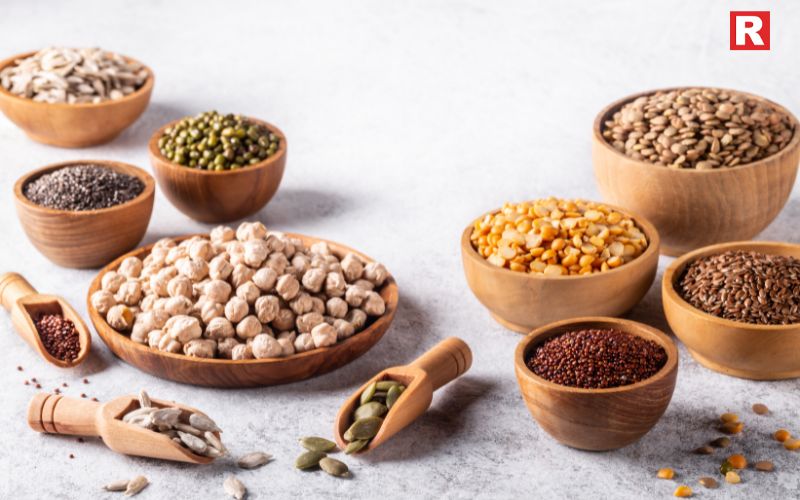
Lentils are among the best plant-based proteins. One cooked cup has about 18 grams of protein. They are also rich in fiber, folate, and iron. These nutrients support digestion and heart health. In India, lentils are eaten daily as dal. They can also be added to soups, curries, or tossed into salads for a filling meal.
- Protein content: About 18 grams per cooked cup.
- Benefits: High in fiber, iron, and folate. They support heart health and aid digestion.
- How to use: Add them to soups, curries, or salads. In India, dal is already a staple, making lentils an easy choice.
2. Chickpeas
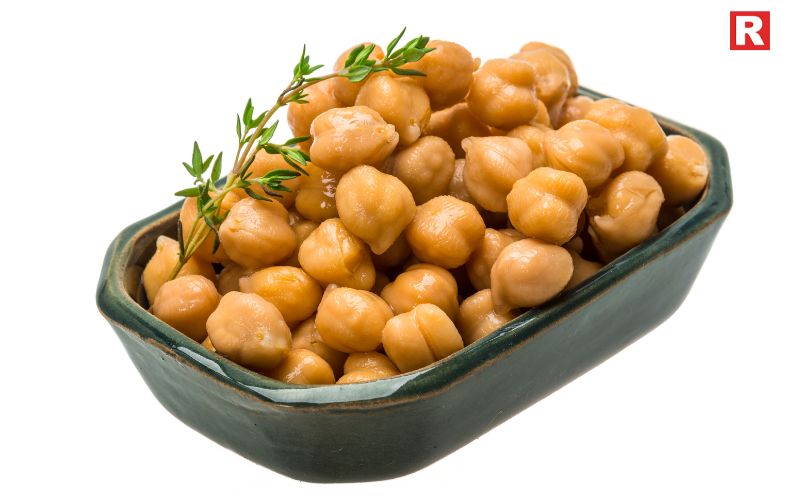
Chickpeas, also called garbanzo beans, are a protein-rich food. A cooked cup provides around 15 grams of protein. They are packed with fiber and manganese, which keep you full and support gut health. Chickpeas are very versatile. They can be blended into hummus, tossed into salads, or added to curries, making them both healthy and tasty.
- Protein content: 15 grams per cooked cup.
- Benefits: Rich in fiber and manganese. They keep you full for longer and support gut health.
- How to use: Blend into hummus, add to curries, or toss into salads.
Know more: Top 10 Health Benefits of Eating Dry Fruits Daily
3. Quinoa
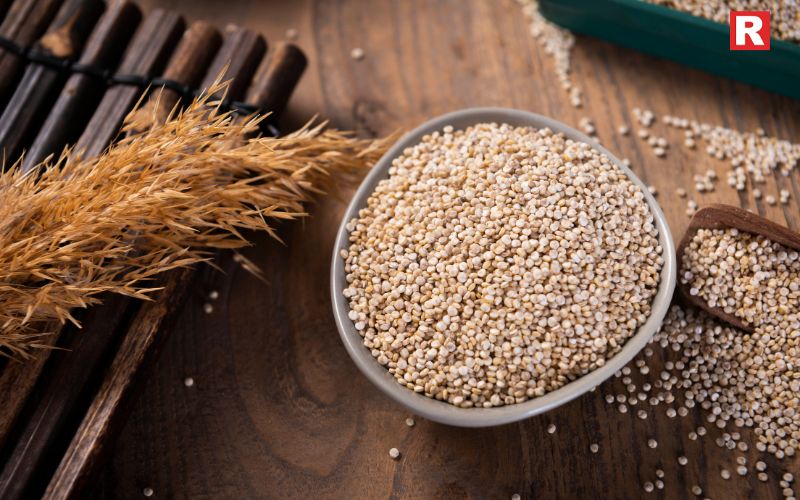
Quinoa is a superfood and a complete protein. One cup of cooked quinoa has 8 grams of protein. It contains all nine essential amino acids, along with magnesium and antioxidants. Gluten-free and light, it is ideal for daily meals. Quinoa works well as a rice substitute, in breakfast bowls, or as a base for fresh salads.
- Protein content: 8 grams per cooked cup.
- Benefits: Gluten-free, rich in magnesium and antioxidants.
- How to use: Cook it as a rice substitute, make breakfast bowls, or use it in salads.
4. Tofu
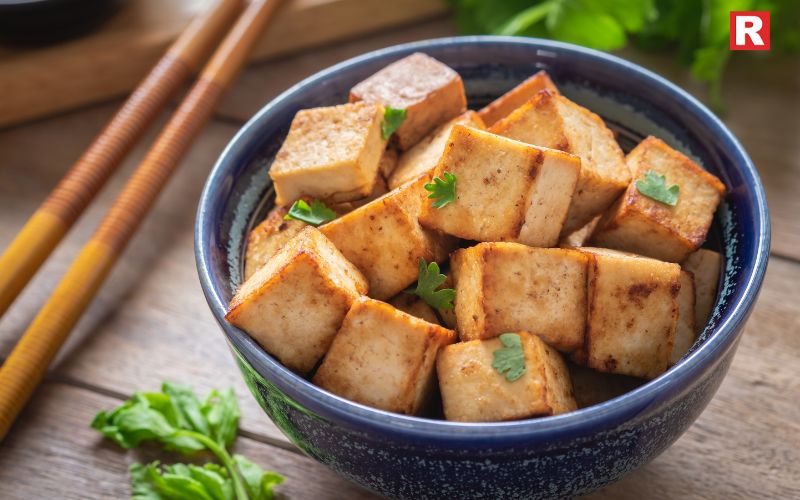
Tofu is made from soybeans and is popular worldwide. A 100-gram serving offers about 10 grams of protein. It is rich in calcium, iron, and amino acids, making it very nutritious. Tofu is known for its soft texture and neutral flavor. It can be grilled, stir-fried, or even blended into smoothies, fitting into many simple recipes.
- Protein content: 10 grams per 100 grams serving.
- Benefits: Contains iron, calcium, and all essential amino acids.
- How to use: Can be grilled, stir-fried, or blended into smoothies. Its neutral taste makes it very versatile.
5. Tempeh
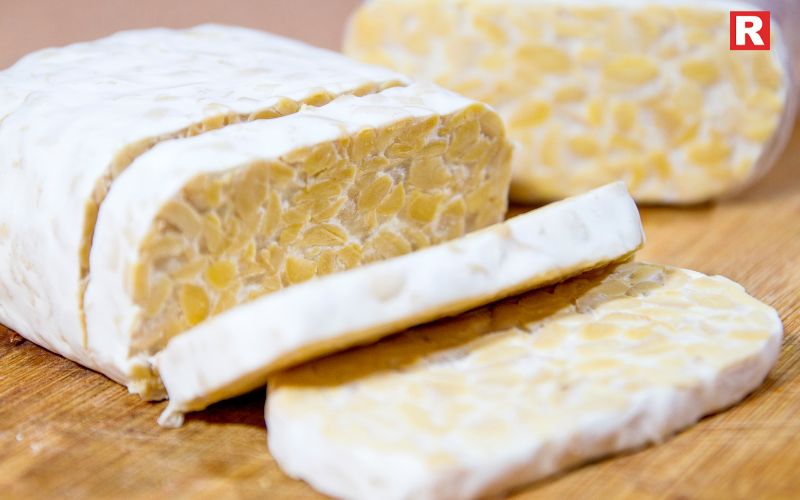
Tempeh is a soy-based food with a firm texture and nutty taste. Every 100 grams has around 19 grams of protein. As a fermented food, it supports gut health while also providing minerals like magnesium and phosphorus. Tempeh is filling, healthy, and versatile. It can be added to stir-fries, sandwiches, or grain bowls for balanced meals.
- Protein content: 19 grams per 100 grams serving.
- Benefits: Fermented, which makes it good for gut health. It is also rich in magnesium and phosphorus.
- How to use: Best used in sandwiches, stir-fries, or grain bowls.
6. Seitan
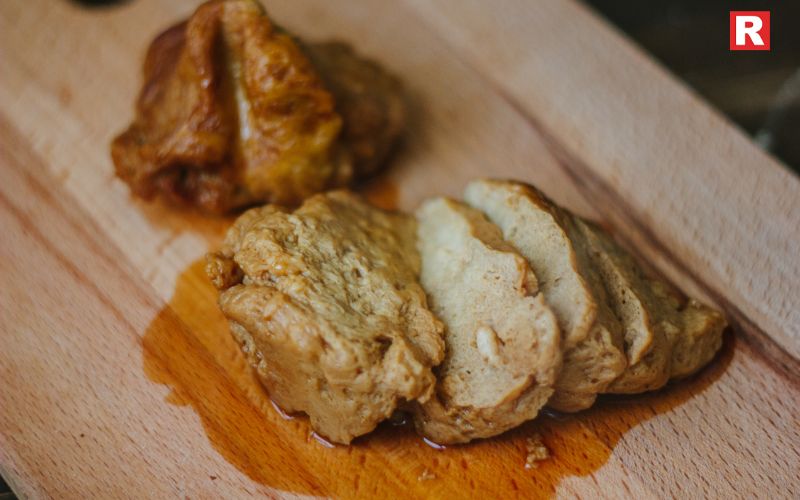
Seitan, often called “wheat meat,” is one of the richest vegan protein foods. A 100-gram serving provides about 25 grams of protein. It is low in fat and has a dense, chewy texture. Seitan works well as a meat substitute. It can be used in curries, wraps, or grilled recipes, making it perfect for hearty meals.
- Protein content: 25 grams per 100 grams.
- Benefits: Dense in protein and low in fat.
- How to use: Works well as a meat substitute in curries, wraps, and even grilled dishes.
7. Edamame
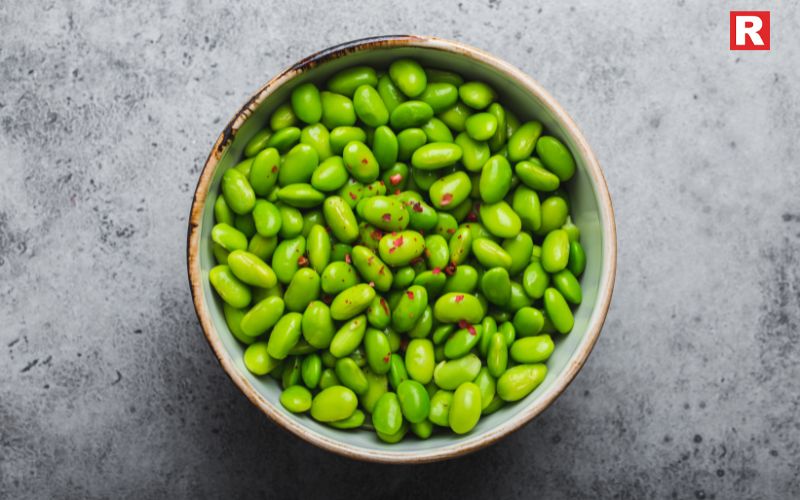
Edamame are young soybeans eaten as a snack or side dish. One cooked cup provides 17 grams of protein. They are rich in iron, vitamin K, and fiber. Edamame is tasty, light, and easy to prepare. Simply boil and season with salt, or add to soups and stir-fries. It is a healthy choice for everyday meals.
- Protein content: 17 grams per cooked cup.
- Benefits: Packed with protein, iron, and vitamin K.
- How to use: Boil and sprinkle with salt, add to stir-fries, or use in soups.
8. Chia Seeds
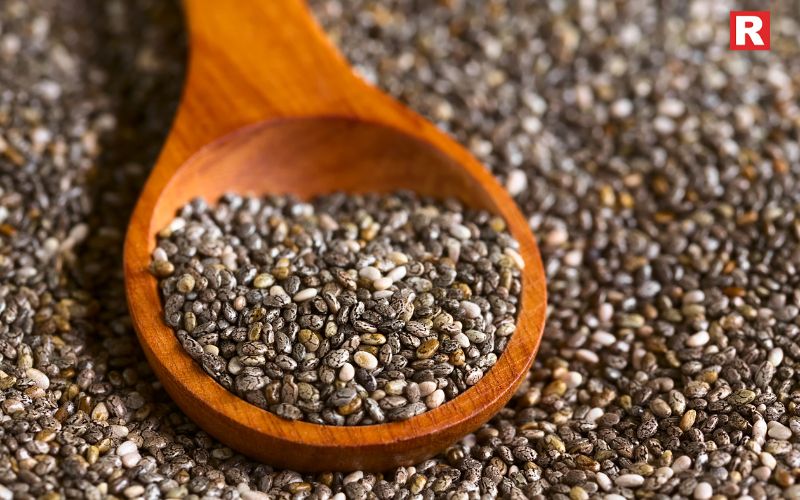
Chia seeds may be small, but they are full of nutrition. Two tablespoons contain about 6 grams of protein. They are also packed with omega-3 fatty acids, calcium, and fiber. Chia seeds help with digestion and provide long-lasting energy. They can be added to smoothies, oats, or made into pudding. Their texture makes them versatile in recipes.
- Protein content: 6 grams per 35 grams (2 tablespoons).
- Benefits: High in omega-3 fatty acids, fiber, and calcium.
- How to use: Add to smoothies, overnight oats, or chia puddings.
Also check: Health Benefits of Quinoa: A Superfood for Every Diet
9. Hemp Seeds
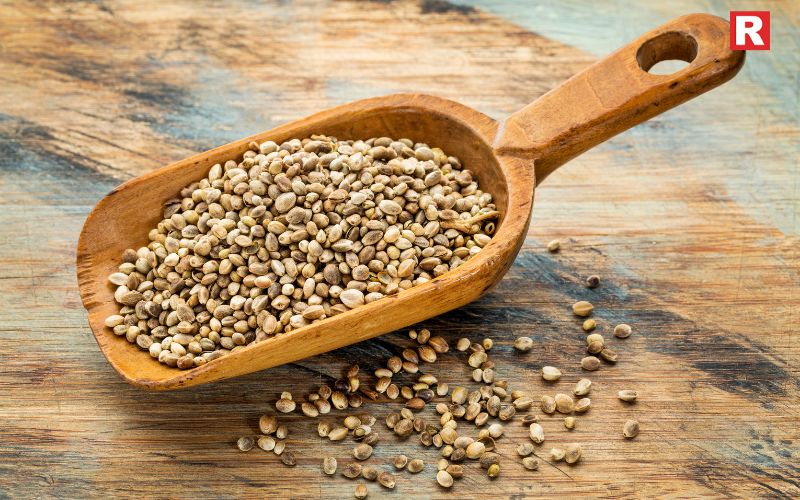
Hemp seeds are gaining attention for their nutrition. Three tablespoons provide about 10 grams of protein. They are a complete protein and contain healthy fats, including omega-3s. Hemp seeds also have essential minerals like magnesium. With their mild, nutty taste, they can be sprinkled on salads, blended into shakes, or added to energy bars and snacks.
- Protein content: 10 grams per 3 tablespoons.
- Benefits: Complete protein with healthy fats and minerals.
- How to use: Sprinkle on salads, blend into shakes, or add to energy bars.
10. Pea Protein Powder
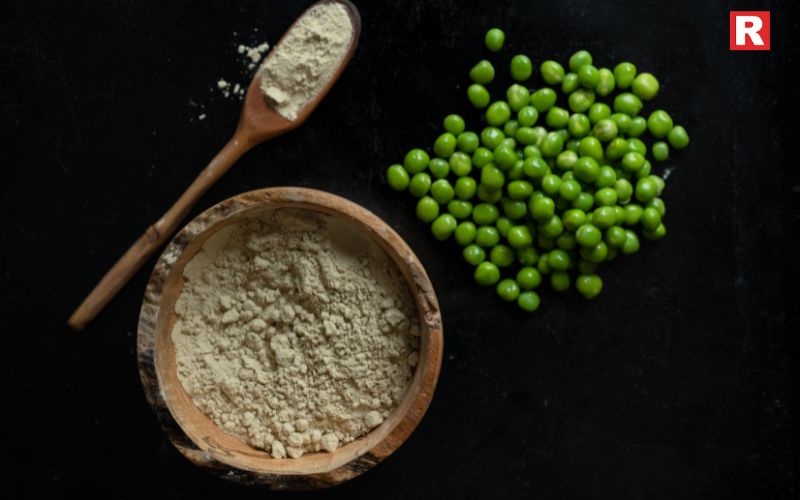
Pea protein powder is now a favorite among fitness lovers. One scoop gives about 20 grams of protein. It is easily digestible, allergen-free, and rich in amino acids. Pea protein is often used in shakes and smoothies after workouts. It can also be added to baking recipes. Simple to use, it is a trusted vegan supplement.
- Protein content: Around 20 grams per scoop.
- Benefits: Easily digestible, allergen-free, and used in vegan protein shakes.
- How to use: Mix with water, add to smoothies, or use in baking.
Easy Ways to Add Vegan Protein
Switching to vegan high-protein foods does not mean complicated cooking. Here are some simple ideas:
- Add lentils or chickpeas to your weekly meal prep.
- Start your day with chia pudding or a quinoa bowl.
- Replace meat with seitan or tempeh in wraps and stir-fries.
- Snack on roasted edamame instead of chips.
- Use pea protein powder for quick shakes after workouts.
Athletes and fitness lovers are increasingly adopting these foods. Plant proteins are easier on digestion, reduce inflammation, and provide long-term health benefits.
Check more: Best International Cuisines You Should Try Once
Best Food Delivery Apps & Quick Commerce Platforms in India
How to Choose the Healthiest Cooking Oil for Your Kitchen
Market & Trend Insights
The rise of vegan high-protein foods is not just about health. It is also about demand and business.
- The global plant-based food market is projected to grow at over 10% every year.
- More brands are introducing high-protein vegan snacks, ready-to-eat bowls, and fortified beverages.
- India is also seeing rapid growth, with urban consumers exploring vegan protein powders, snacks, and traditional pulses in new forms.
This trend is here to stay as more people seek nutrition that is both powerful and sustainable.
Power Pack Meal!
Protein is a vital part of every diet. Many assume it is difficult to get enough protein from a vegan lifestyle, but this is not true. Foods such as lentils, quinoa, tofu, seitan, and chia seeds show that plants can easily meet protein needs. These foods are not limited to athletes or bodybuilders. They are for anyone who wishes to stay healthy, eat clean, and care for the environment. Vegan protein sources are rich, varied, and widely available today. From simple home-cooked meals to modern snacks, there are endless options to choose from. Eating this way supports energy, digestion, and long-term wellness. It also reduces dependence on animal products. Plant-based protein is more than a trend. It is a smart, sustainable choice for the future. Strong, nourishing, and satisfying, it proves that health and taste can go hand in hand.
Saptopriya Ghosal
Feature Writer
I am a dedicated media professional with a bachelor's degree in mass communication from the State University of Calcutta and a postgraduate degree from Amity University. My academic journey has equipped me with a profound understanding of storytelling and communication. Passionate about the dynamic world of media, I continually strive to explore new ways to engage and inform through compelling narratives.



































































































































































