
Pouring the Future: Changing India’s Nightlife Game
India’s restaurant beverage market is projected to cross $500 billion by 2030, fueled by rising incomes, urban lifestyles, and shifting consumer tastes.

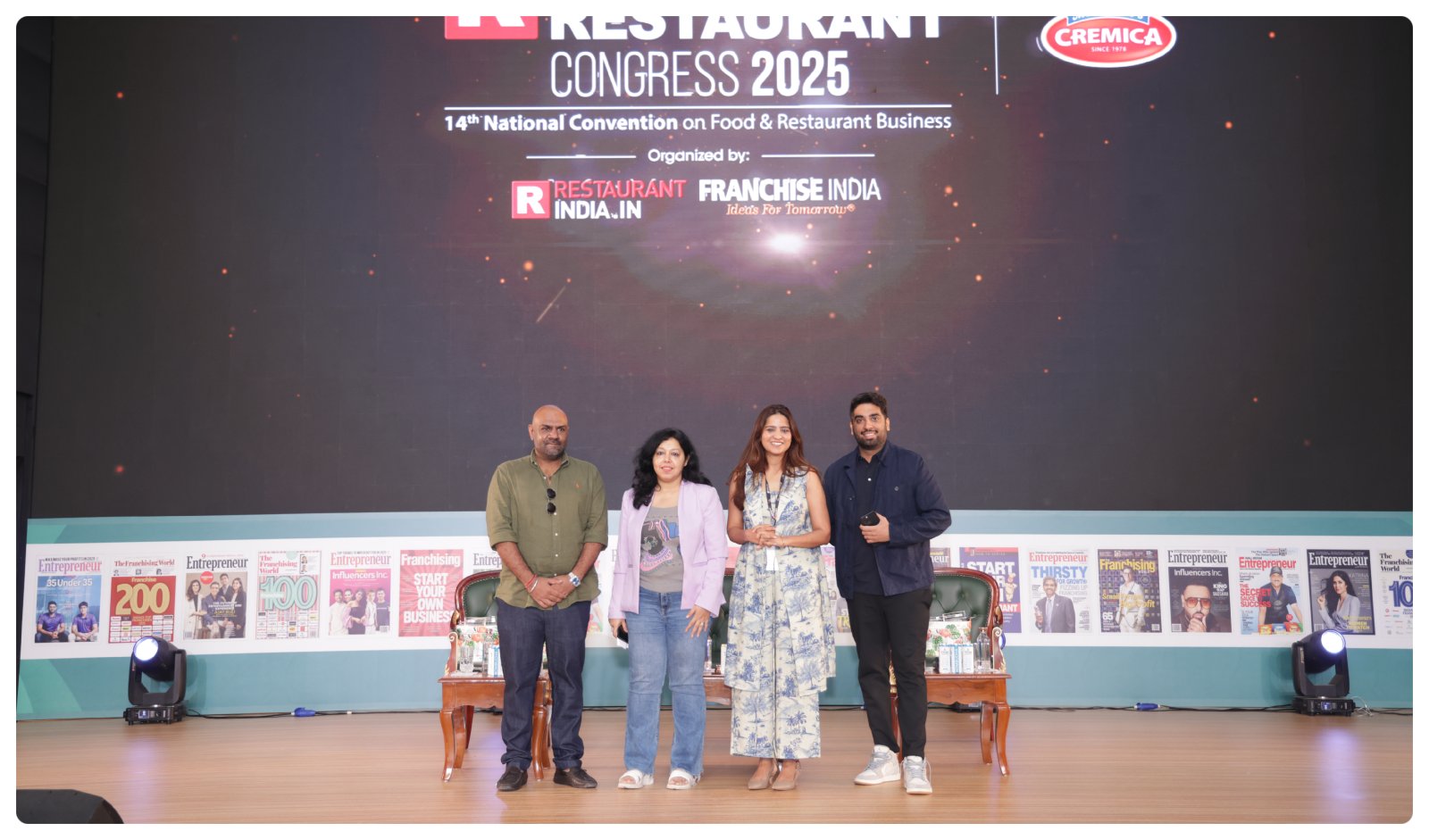
India’s food and nightlife industry has undergone a dramatic transformation over the last decade, moving from a fragmented, trend-driven sector to one defined by global benchmarks and bold concepts.
India’s restaurant beverage market is projected to cross $500 billion by 2030, fueled by rising incomes, urban lifestyles, and shifting consumer tastes. Driven by premium products, the surge in non-alcoholic options, a thriving café culture among youth, and an increasingly dynamic bar scene.
What’s Pushing the Growth
India’s restaurant landscape is bursting with new opening every day, each striving to stand out with a unique identity and experience. Jairaj Singh Solanki, MD & Co-Founder of Naaya Hospitality began his journey in 2012 with Asian House, one of India’s earliest delivery brands that introduced premium packaging and restaurant-quality food to homes. This led to Sushi House, Amma House, and Masala House.
In 2019, he unveiled Lair in New Delhi, launched just before the pandemic; the venture faced daunting challenges, yet survived and flourished. Today, Lair ranks among India’s most celebrated bars, with a coveted place on Asia’s 50 Best Bars list—a testament to Solanki’s conviction in vision, resilience, and team-driven success.
Pawan Shahri, CEO & Founder, Chrome Asia Hospitality started his journey began Mumbai’s nightlife, where he ran Chrome Nightlife as a college student, curating events and bringing in international artists. What started as a side hustle quickly grew into his first real lessons in branding and hospitality.
By graduation, he pivoted to digital, launching Chrome Communications, one of India’s early restaurant marketing agencies. In just four years, it scaled to 45 employees and 80 clients nationwide, eventually paving the way for Chrome Hospitality.
Today, the company operates 10 units across Mumbai and Goa, including a boutique hotel. Its flagship, Late Checkout, embodies Shahri’s evolved vision—intimate, craft-driven, and people-focused.
Shared Values, Distinct Paths
The vision should be clear from design and menus to team building and operations. Solanki emphasizes on persistence: concepts must be seen through even when they go against prevailing trends. Shahri pointed that the industry is no longer about celebrating brands alone but about the individuals who bring them to life.
The Five Pillars of a Successful Venue
1. Concept – a clear and original idea.
2. Location – the right setting to support the concept.
3. Team – people aligned with the vision.
4. Product and Service – consistently strong food, drinks, and hospitality.
5. Business Discipline – a sharp handle on financials and operations.
“The strength of the concept comes first, even before location,” noted Solanki. Shahri added, “Location can make or break a project, no matter how good the idea. Both agree, however, that without a strong team and financial clarity, no vision can last.”
Leading With People
Personal interviews of employees, learning every team member’s name, and creating a family-like culture where individuals feel invested in the company’s growth is important for long run.
“Expansion with discipline is needed, treating each new outlet as a separate responsibility rather than a number on a growth chart. Focusing on nurturing teams with long-term consistency in mind helps,” pointed Shahri.
As India’s dining culture matures, opportunities for bold concepts becomes a new norm. Customers expect international standards, are willing to explore frequently, and actively seek out new experiences.
Vijetha Iyer
Content Editor
Working as a Content Editor with Restaurant India. I have worked in various sectors like food and beverage sector, chemicals, pharma, nutraceuticals, now specially focusing on restaurant side. But my core knowledge was always on content. Be it writing poems to verses, I always loved writing and have been exploring my career on the same. In Restaurant India, I deliver insightful stories, take interviews of various brands and update the audiences about the newest happenings in the restaurant industry.









































