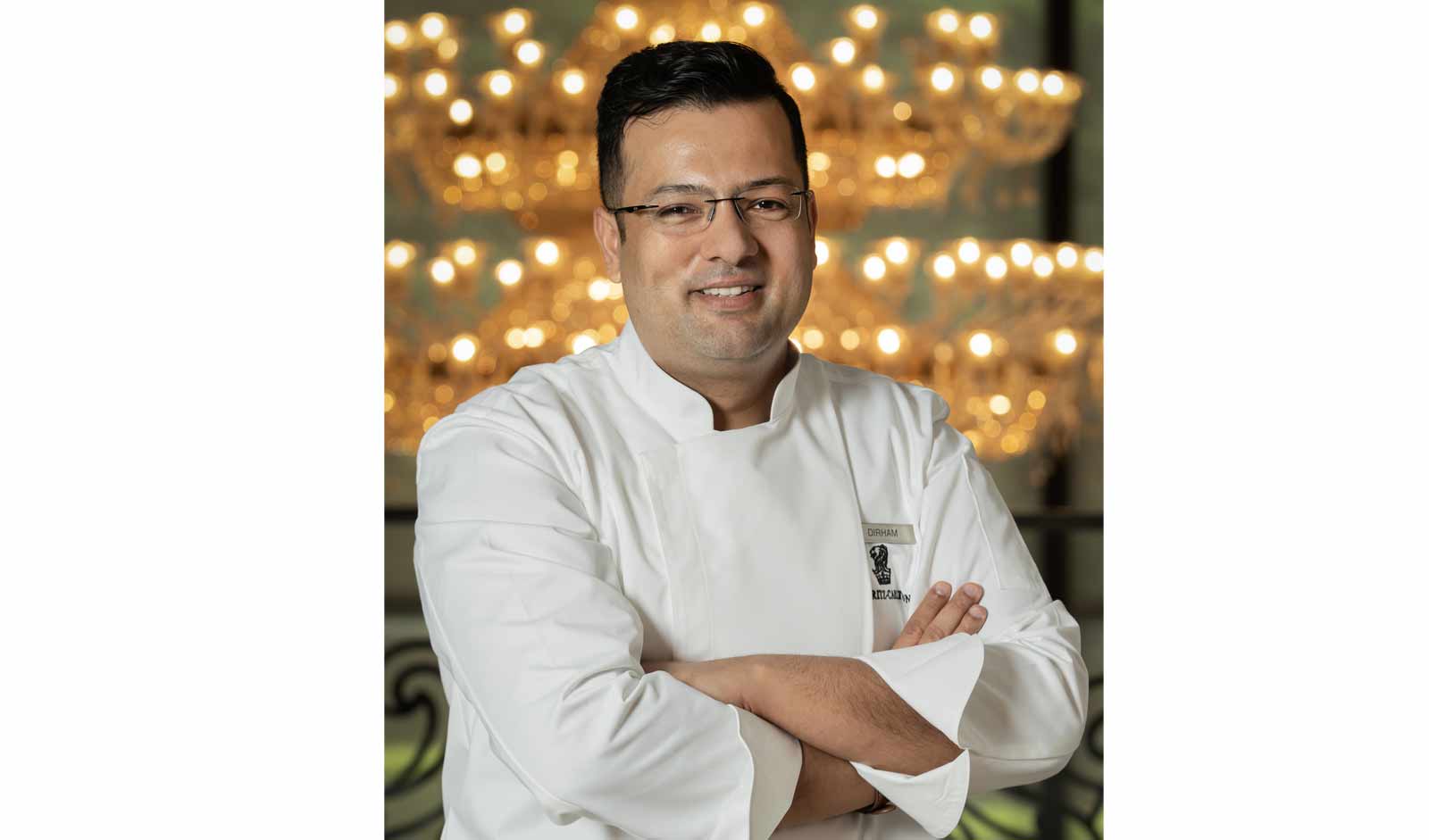
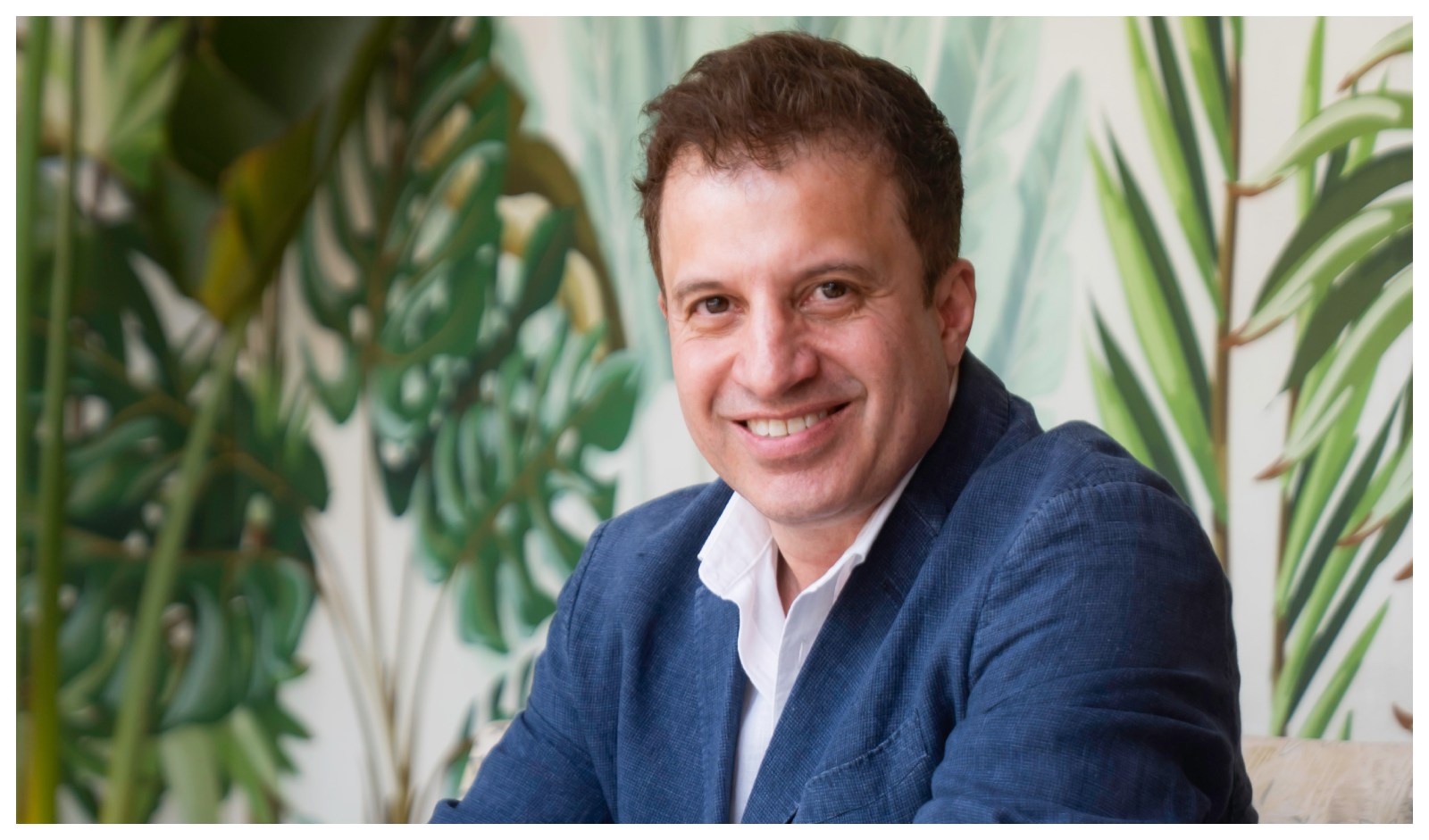
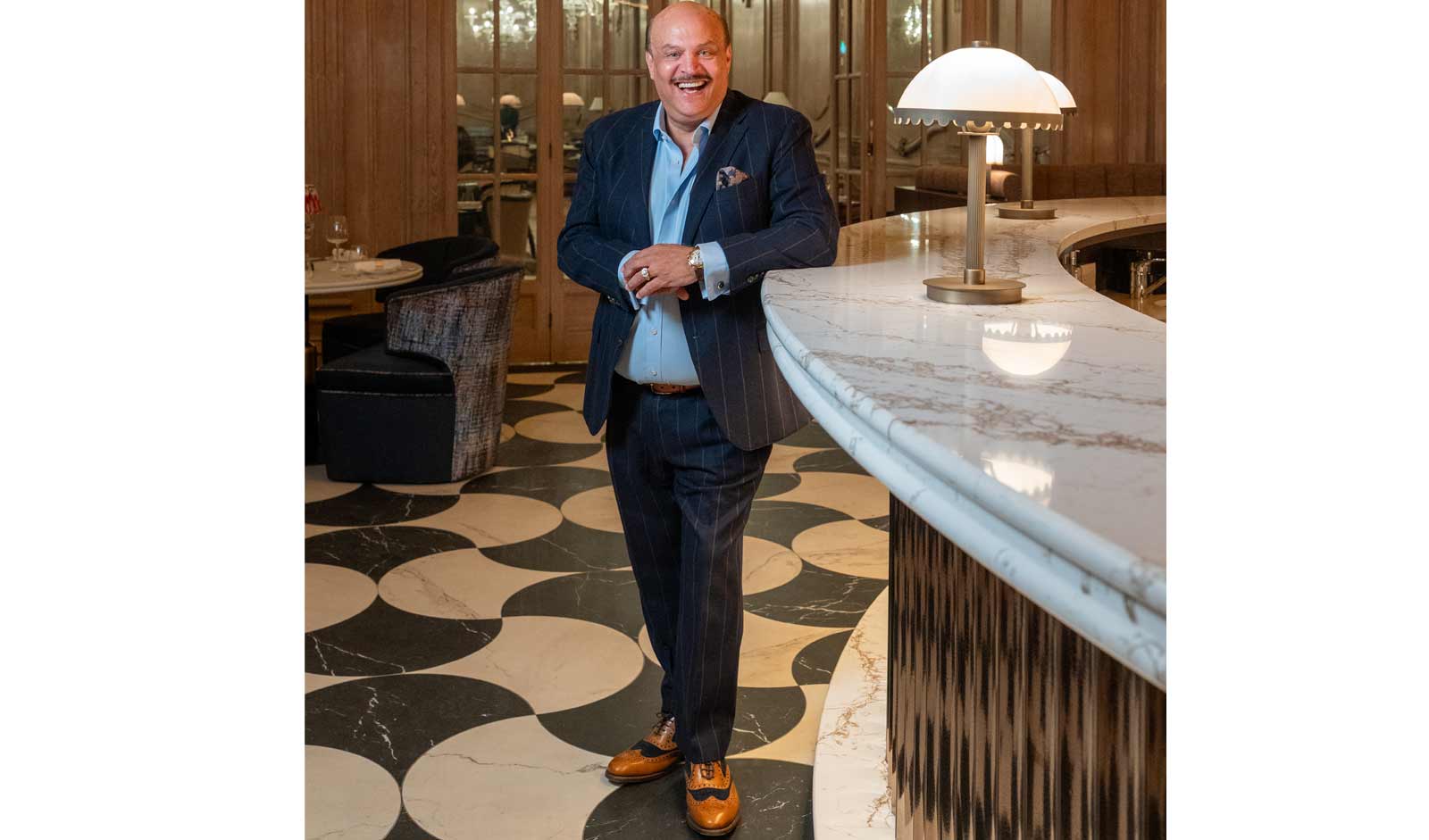
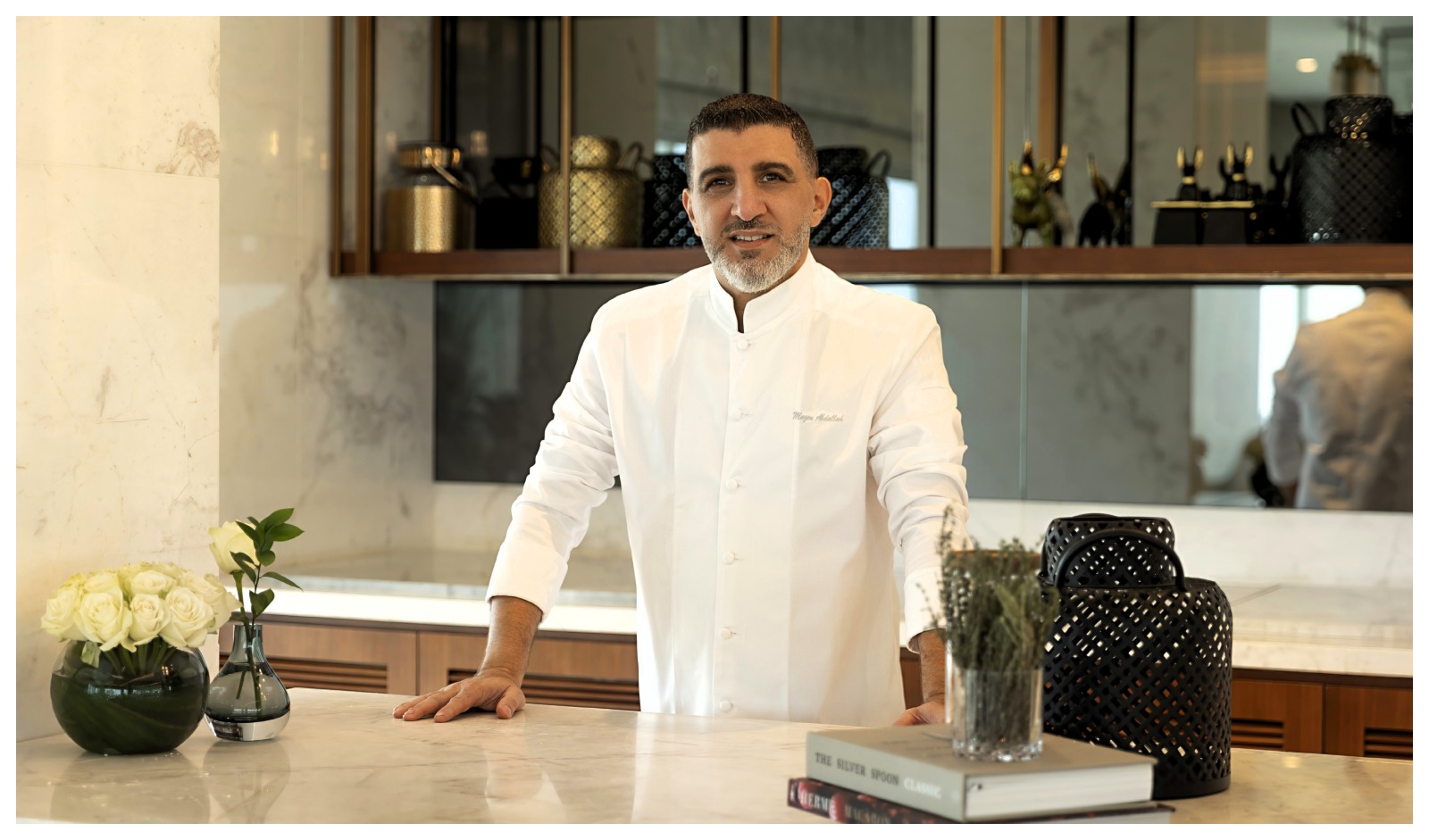
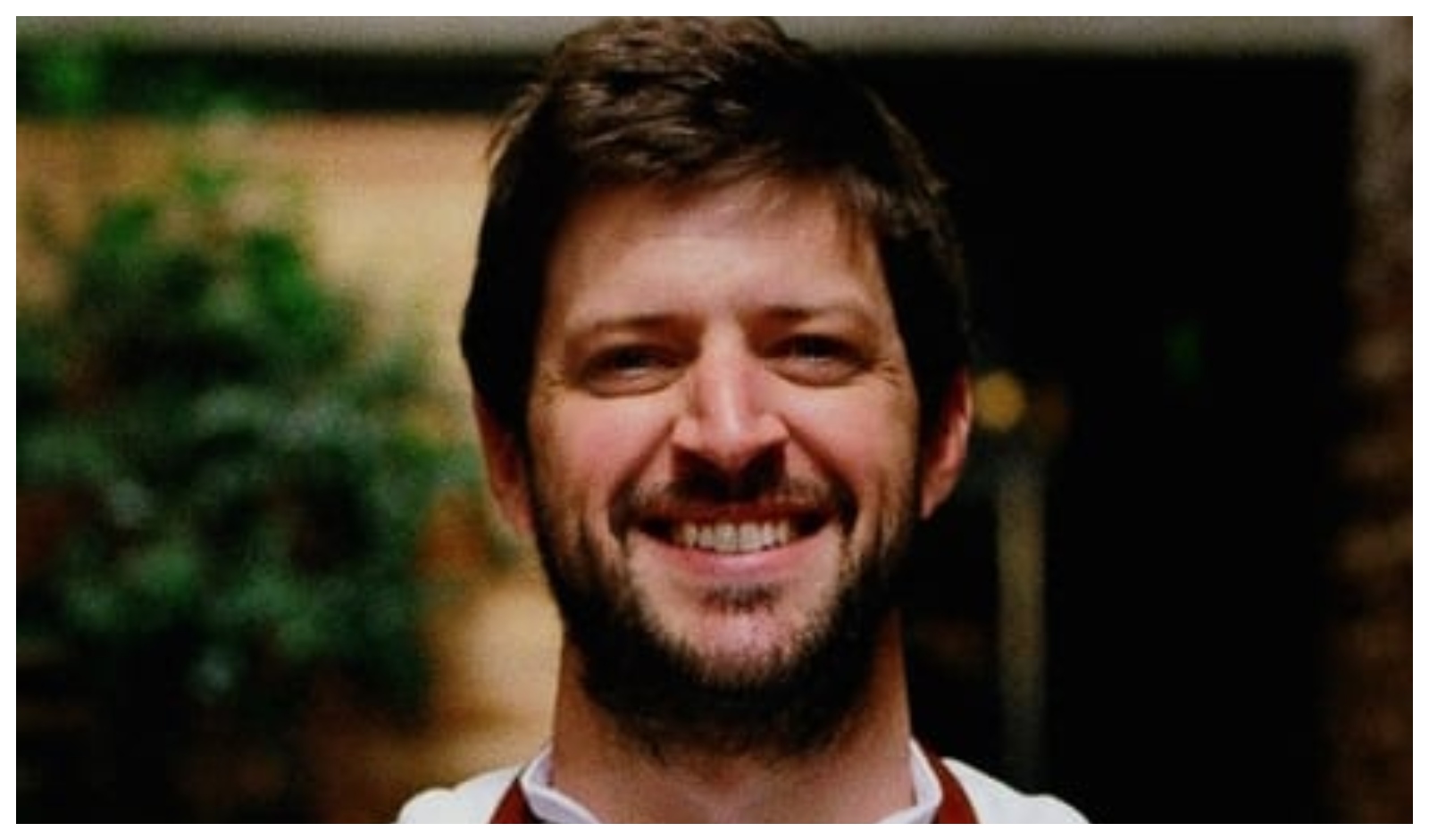
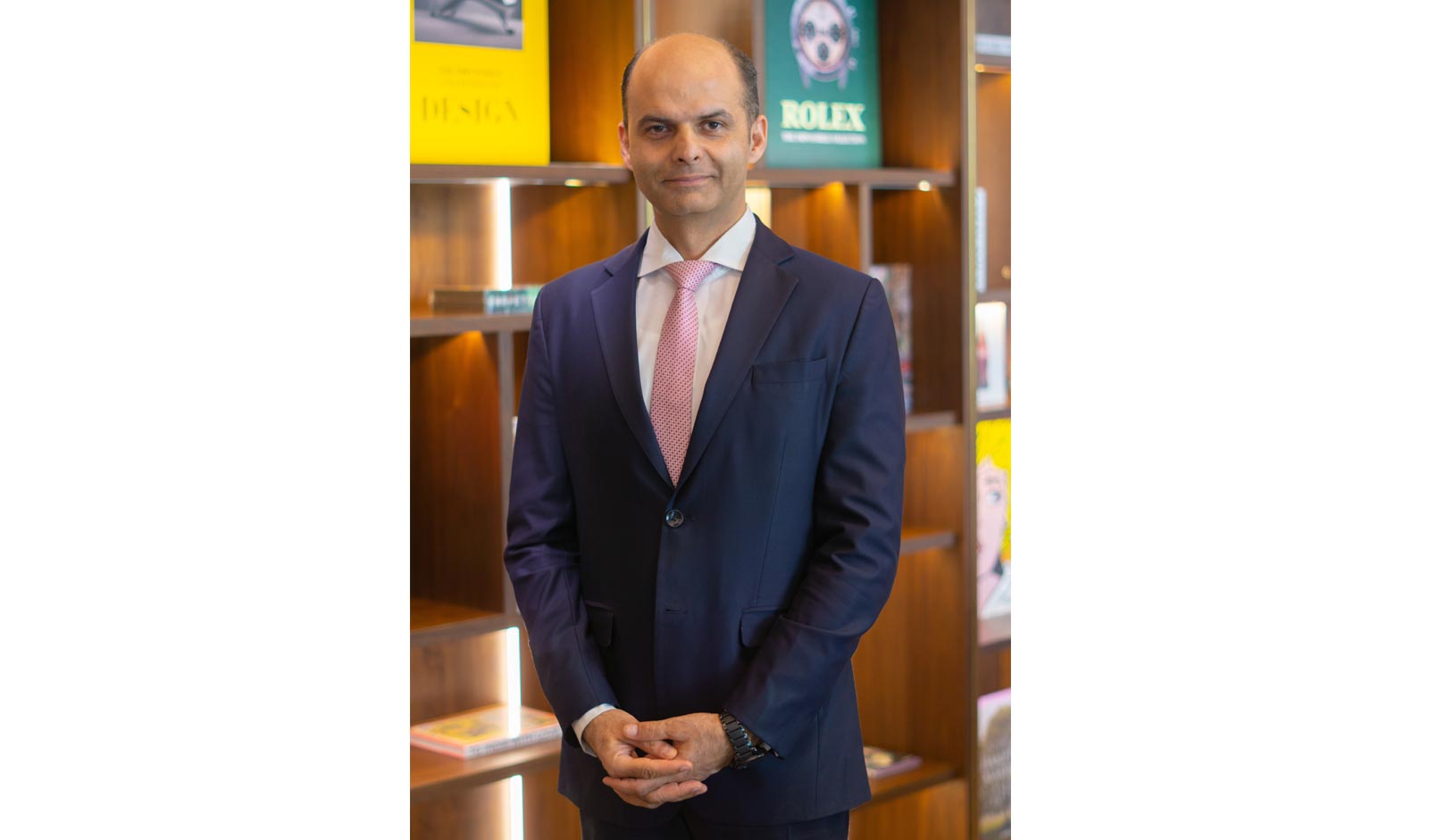
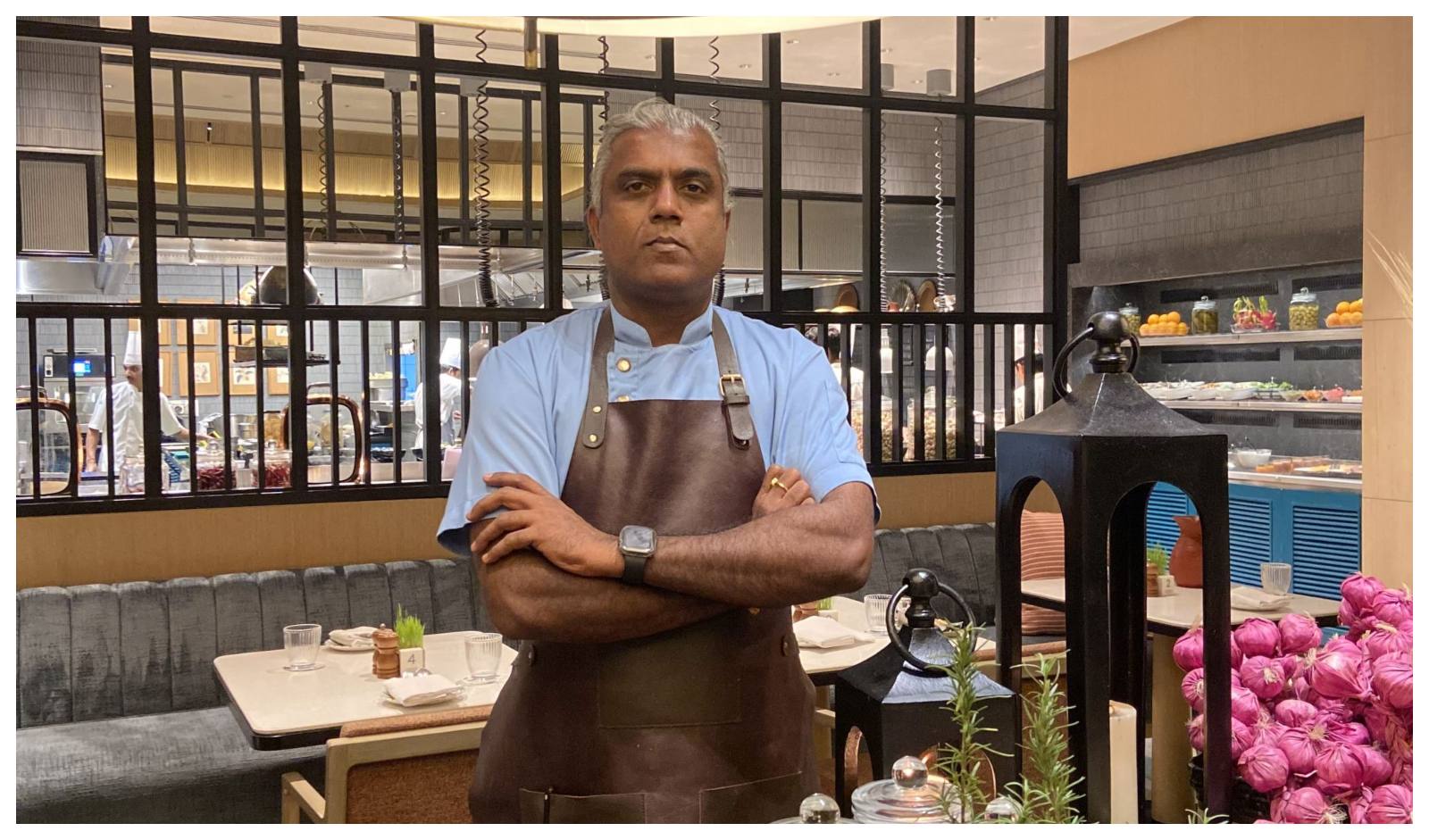
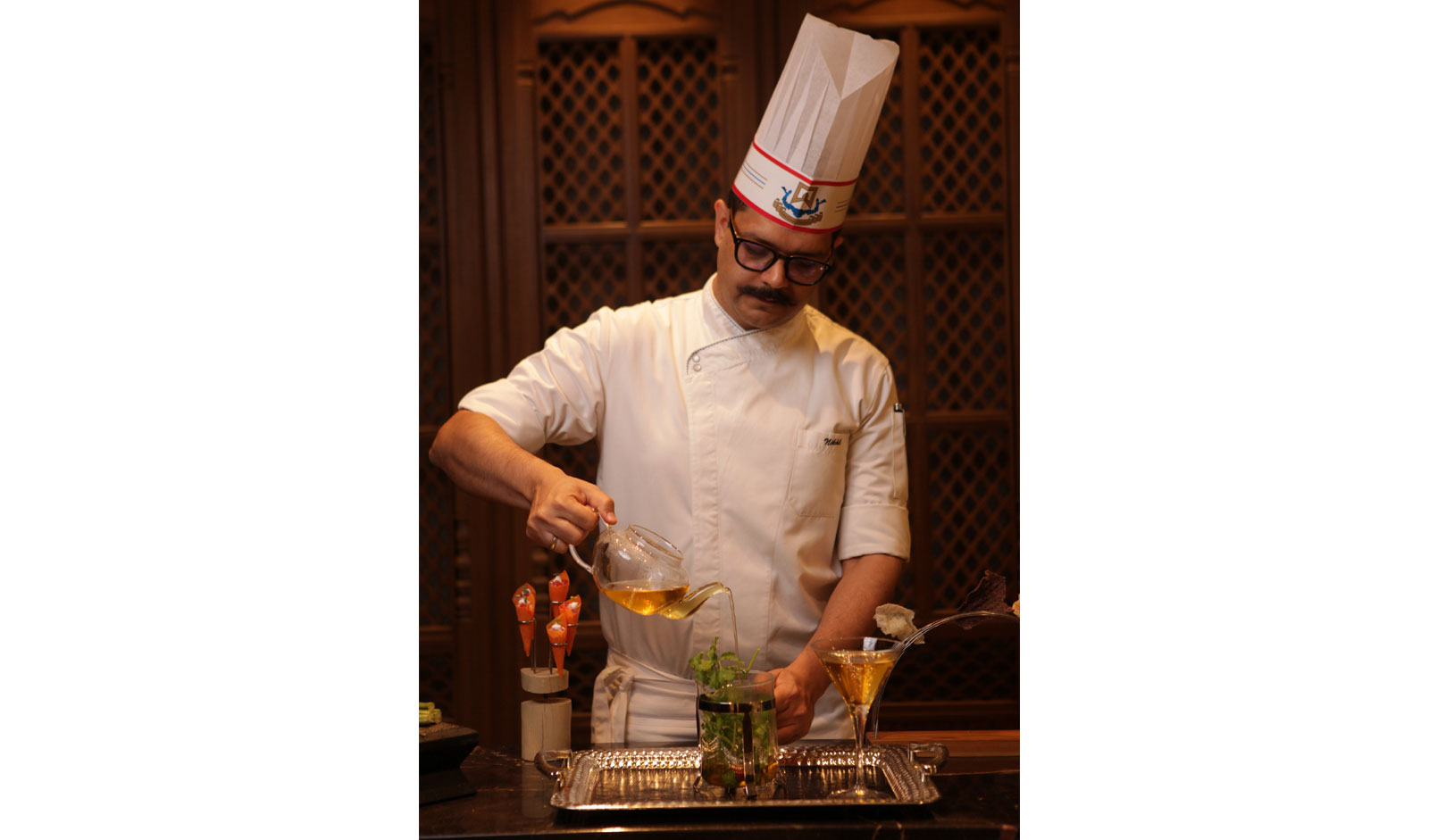
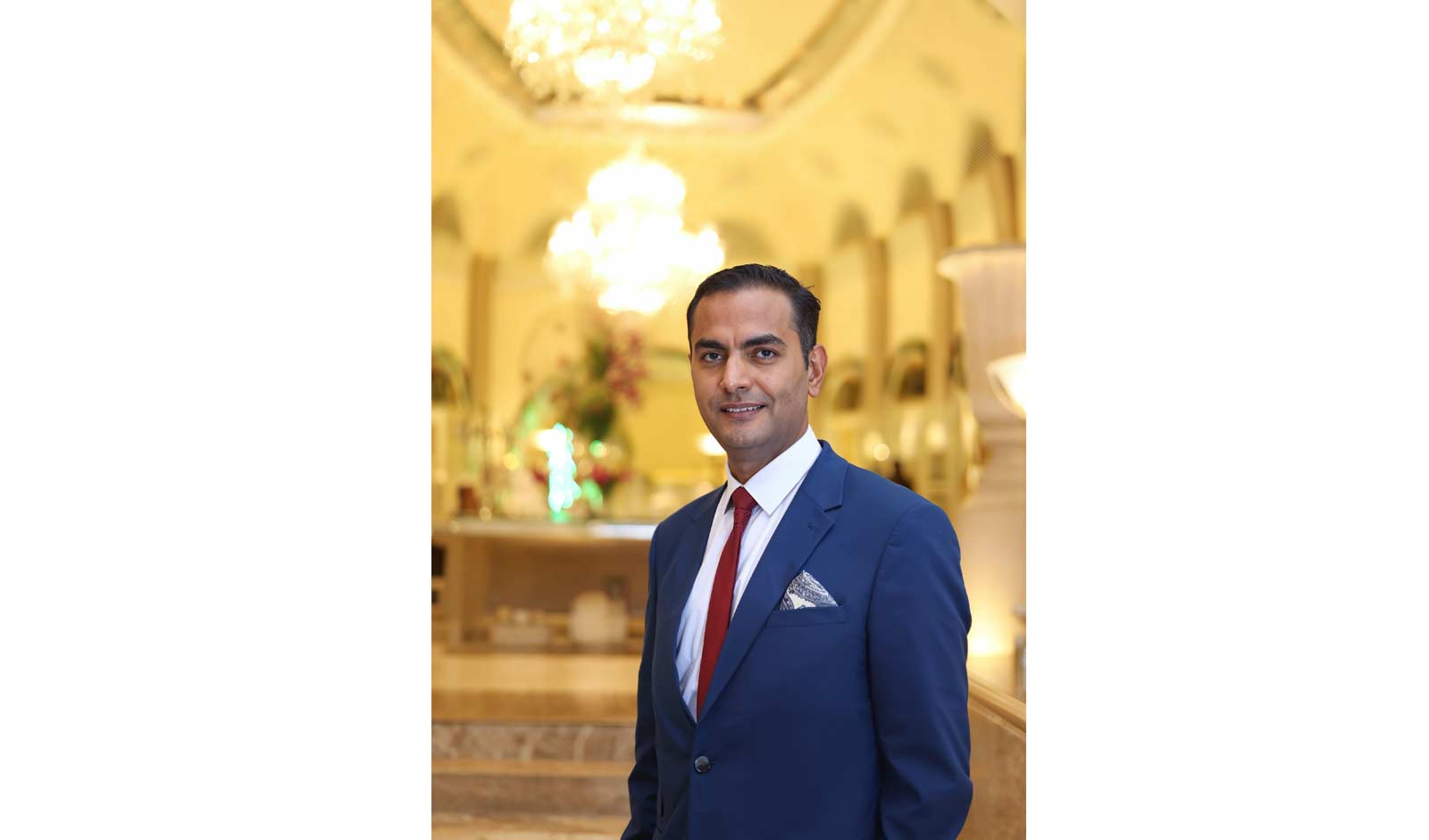
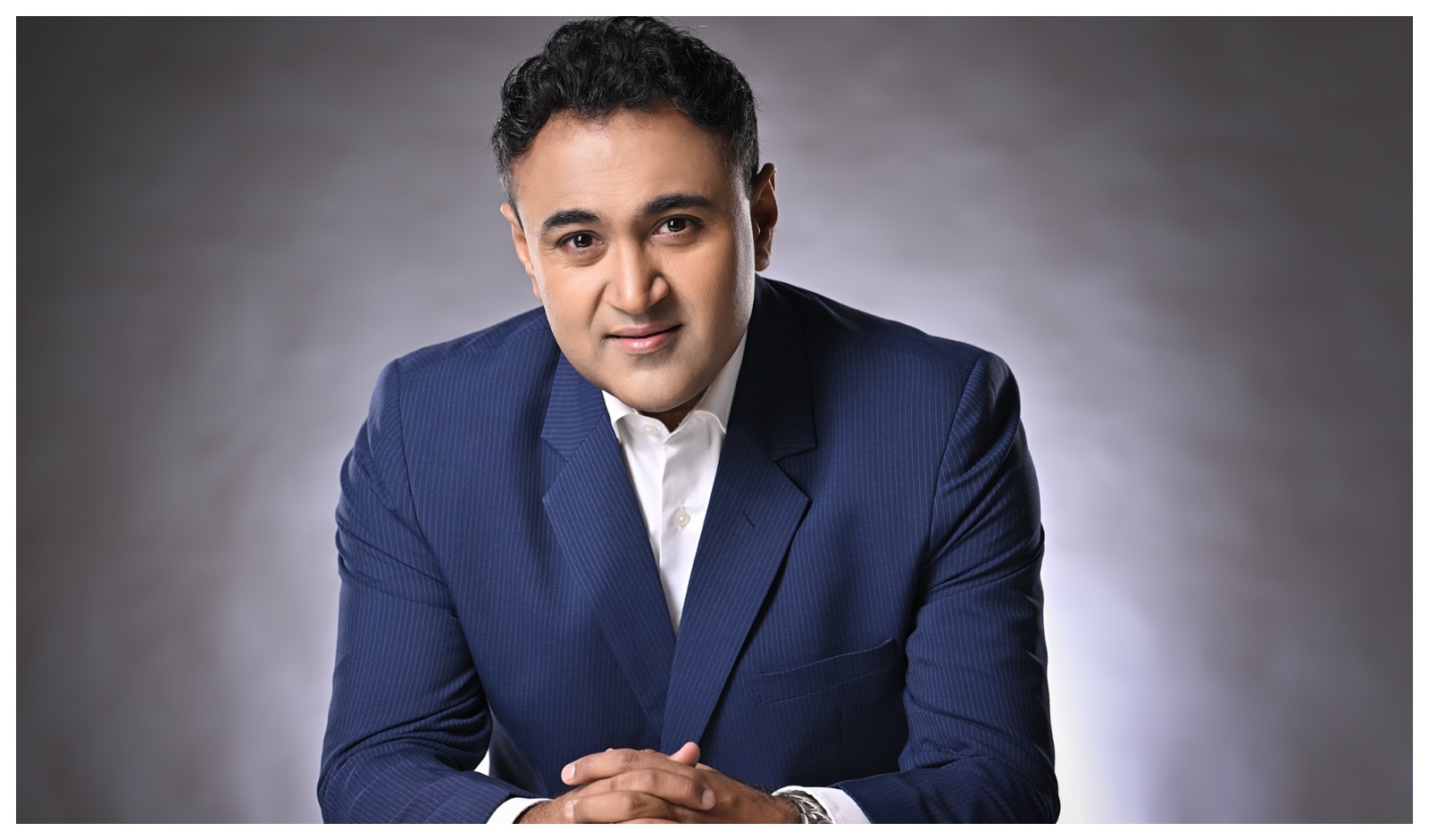
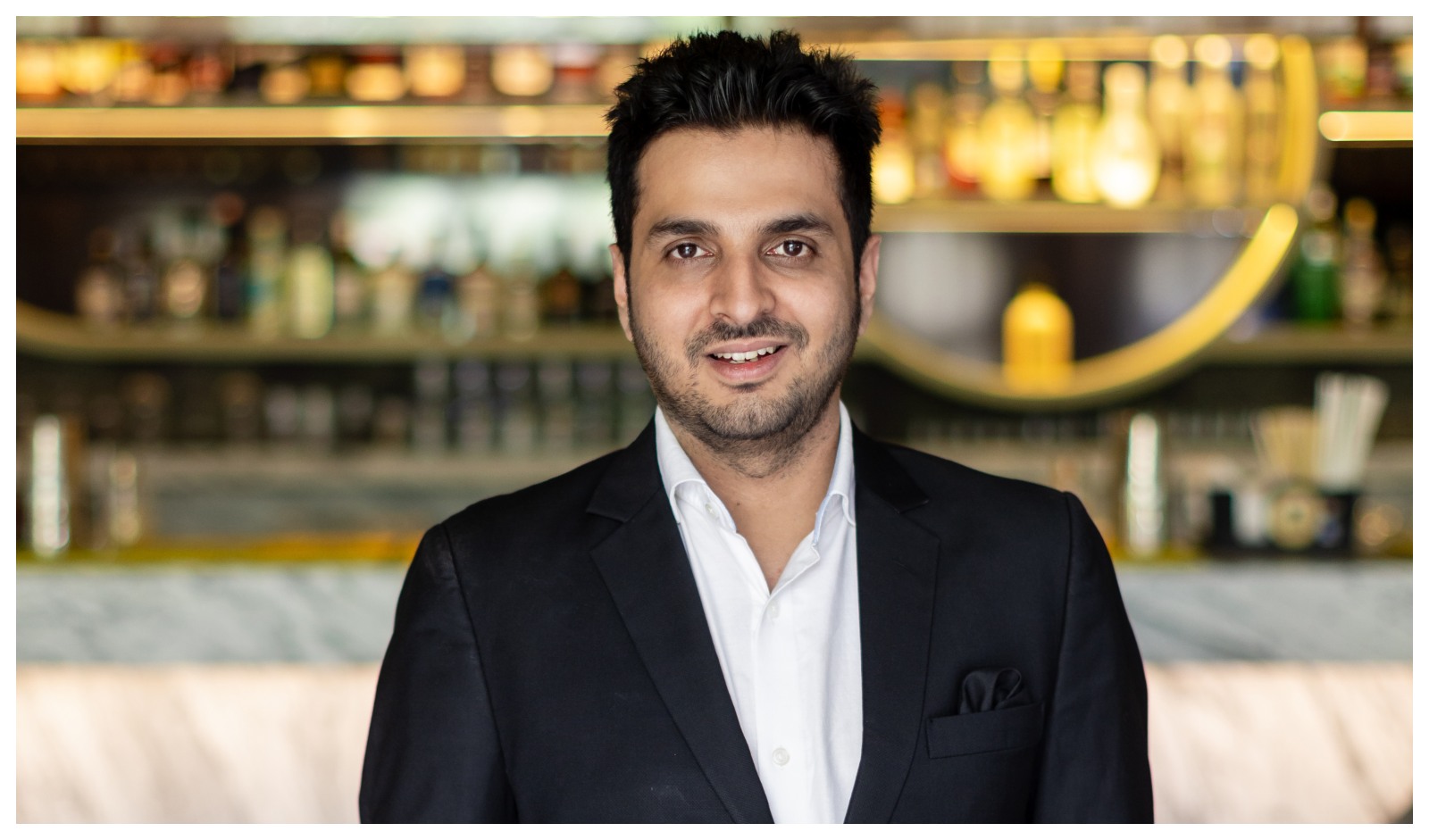
“People are Moving towards Sustainability & Health-conscious dining,” says Kapil Dubey
The chef draws inspiration from Japanese precision, European simplicity, and Indian cuisine. By using locally sourced seasonal ingredients, the chef will refresh the resort’s menus with dishes that celebrate Uttarakhand’s local produce while offering surprising flavors.

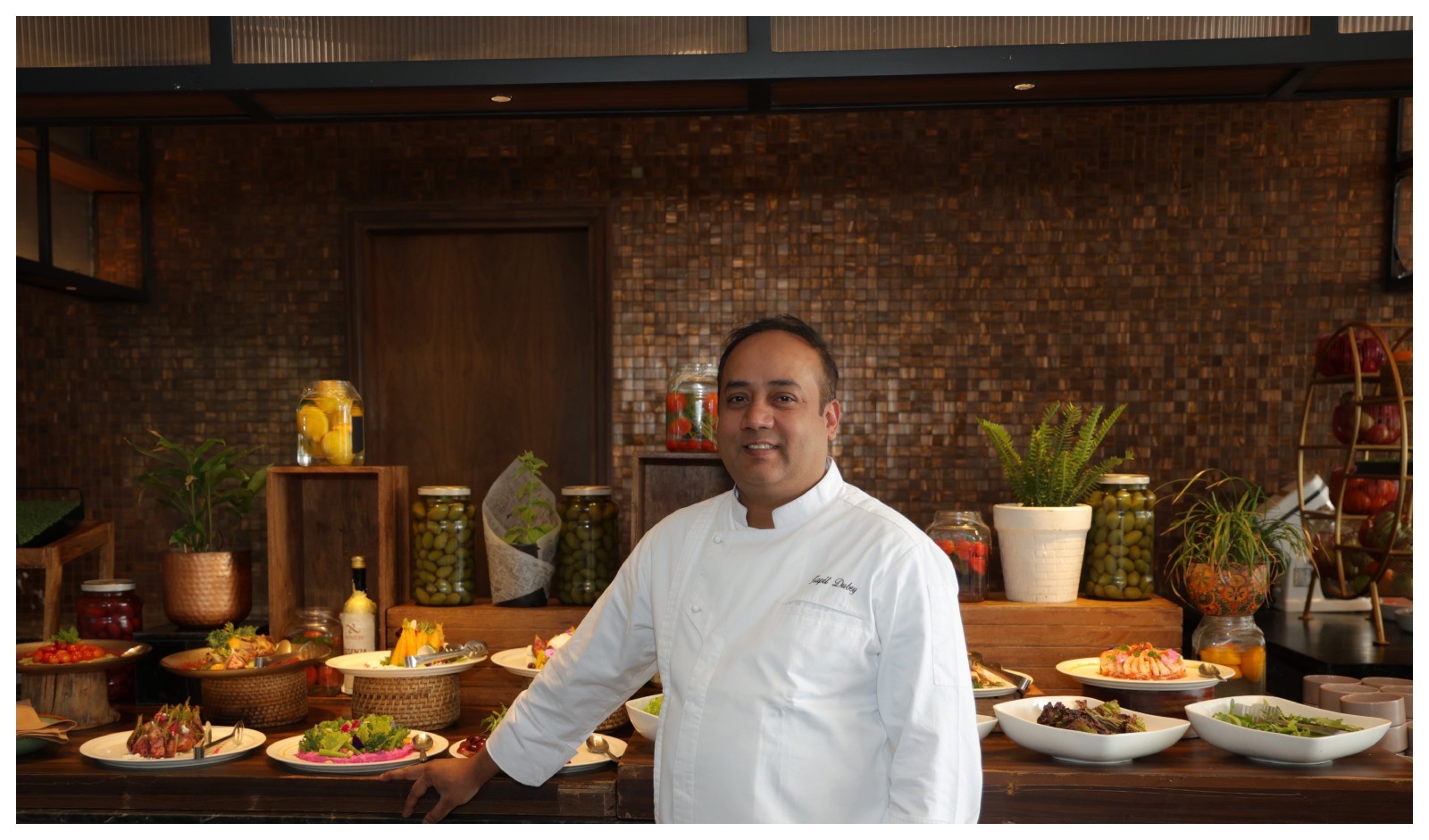
With a distinctive perspective shaped by diverse global influences, Kapil Dubey views the kitchen as an ever-evolving canvas were consistency dances with creativity. He honed his craft at Park Hyatt Goa before expanding his repertoire at renowned establishments such as One&Only Resorts Dubai and Four Seasons Maldives, followed by tenures at JW Marriott and Ritz-Carlton. A graduate from the prestigious Starwood Career ExCom Track Program, he has also led kitchen operations at Sheraton Hyderabad and earned notable recognition as Times Food Awards Chef of the Year during their time at The Leela Gandhinagar.
By using locally sourced seasonal ingredients, the chef will refresh the resort’s menus with dishes that celebrate Uttarakhand’s local produce while offering surprising flavors. In an exclusive interview with Restaurant India, Chef Kapil Dubey, Executive Chef of Hyatt Dehradun focuses on immersive journeys that transport guests through flavors and techniques while maintaining an unwavering commitment to personalized service. Excerpts:
The Innovations
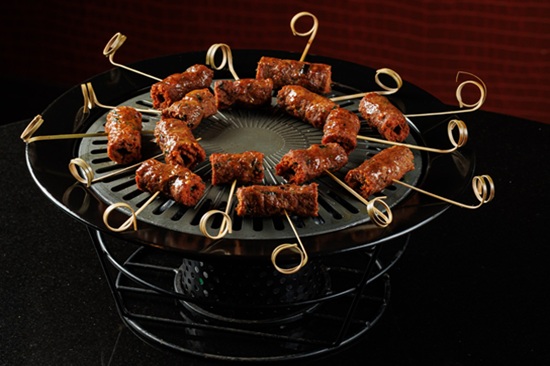
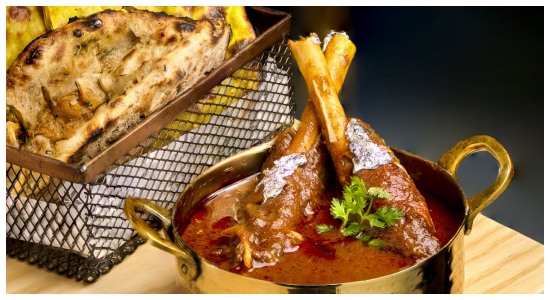
We are doing experiment with local ingredients, millets and prefer using cage-free eggs. We also have home-grown garden and herbs and spices. We cook with guests in mountains to give them unique experiences and prefer vegetarian cooking in mountains. We do lots of live cooking and it’s all about excitement that keeps us going. We are experimenting with Bhang chicken and curry with pahadi salt which gives a unique flavor.
Talking about the sustainability part, Chef Kapil said, “We are helping the local vendors by using local honey, helping the community who does honey farming for us. We don’t use any plastics in kitchen.”
On Kitchen Operations & Innovation
"For me, kitchen operations are at the heart of everything. Whenever we launch a new menu or concept, we invite people to try the dishes, gather their feedback, and discuss flavours in detail. This exchange often sparks fresh ideas and leads to continuous innovation—whether it’s tweaking spice levels, swapping vegetables, or customizing dishes based on guest preferences. People are curious about ingredients, and their inputs help us refine our offerings," pointed Dubey.
On Team Development & Positive Culture
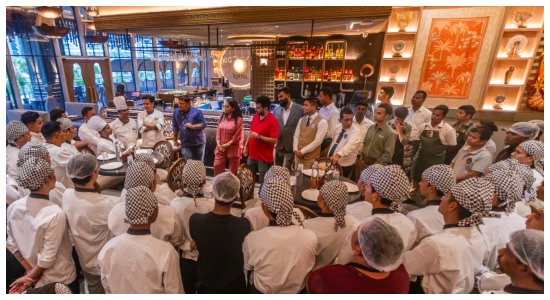
Post-COVID, motivating kitchen staff has become more challenging. Today’s Gen-Z and millennial workforce values a healthy, non-toxic environment over monetary incentives. If the culture feels negative, they’re quick to move on. To retain and inspire them, we focus on flexibility, learning opportunities, and teamwork.
We encourage collaborative cooking, hold brainstorming sessions, and offer cross-training. Team members are sent for pre-openings at other hotels, supported in participating in pop-ups and events, and are exposed to visiting chefs for skill exchange. This approach keeps them engaged, adaptive, and constantly learning—making the kitchen not just a workplace, but a creative hub.
Retaining staff
We keep engaging them and one should not feel stuck. Learning is important and that's how you can retain them now. If someone will move around with a hotel, then they learn a lot. That's what we do by sending them to the different properties to move and see what is happening there and understand the roles and what's new happening around them.
Reducing food wastage
We call it a zero-waste cooking where we use the trimmings of veggies or whatever coming in the kitchen like the roots, peelings which we try to utilize it in other recipes. So that's how we're trying to reduce the wastage. Also, we have a program where we have every kind of wastage from every buffet or any kind of preparation. We try to educate the people and try to do the centralised cooking where we do the bulk cooking. We ensure that the quality is maintained even during portion size cooking.
Challenges in the industry
It’s quite difficult to retain a skilled chef, where people are very much demanding and it’s very difficult to find a very good skilled chef. We try our best to motivate and retain them. I mean, we try to give them learning and growth within the company.
Culinary philosophy
I do a lot of different kind of dishes experimentation, which is one of the parts of our higher values. Also, when you know a lot of things, always being a leader in the market where people follow you.
Approach on Customization & Plating
Customization is really high as people are well traveled and are more aware about the allergence. We have allergen policies in our place. We also have mentioned the allergies in the menus and on the buffet and in the buffet tags we are putting allegeries. So, we always have time to customize, and we have to take top priority and top hygiene precautions for our day-to-day cooking. We are ISO certified, where we are falling with international standards of ISO, and we are taking care of all the allergens and all the dietary preferences from the guest.
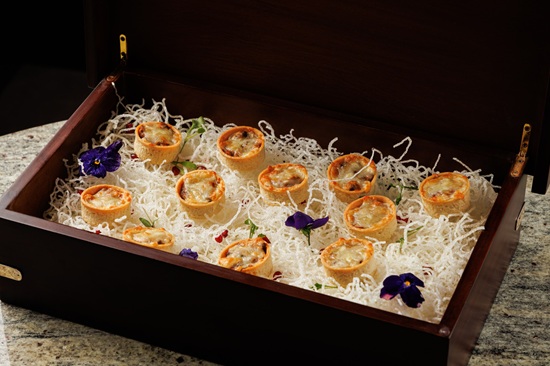
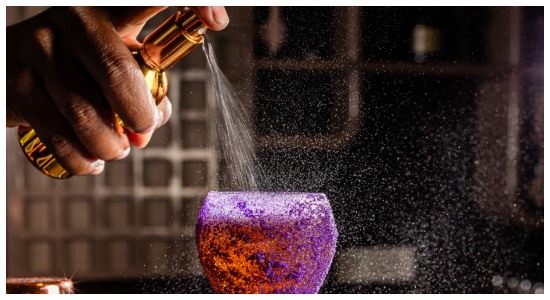
Plating and presentation for me secondary, firstly the quality is very important and taste should be exactly how we want. These days, around 40% of the people eat or try out that particular food for the presentation. There are people who come to try more of a mystical food where we always send some kind of thing or gimmick on the table. People start taking the video and they post on social media platforms, so we are also getting more reach. We have to be very cautious while balancing in terms of the new trend of presentation and the quality.
Three tools in Kitchen
Fire, ladles and spoon
Signature dishes
Bhang Potatoes and Bhang Chicken
Ongoing Trends
- Many are focused on sustainability
- People are exploring the healthier options.
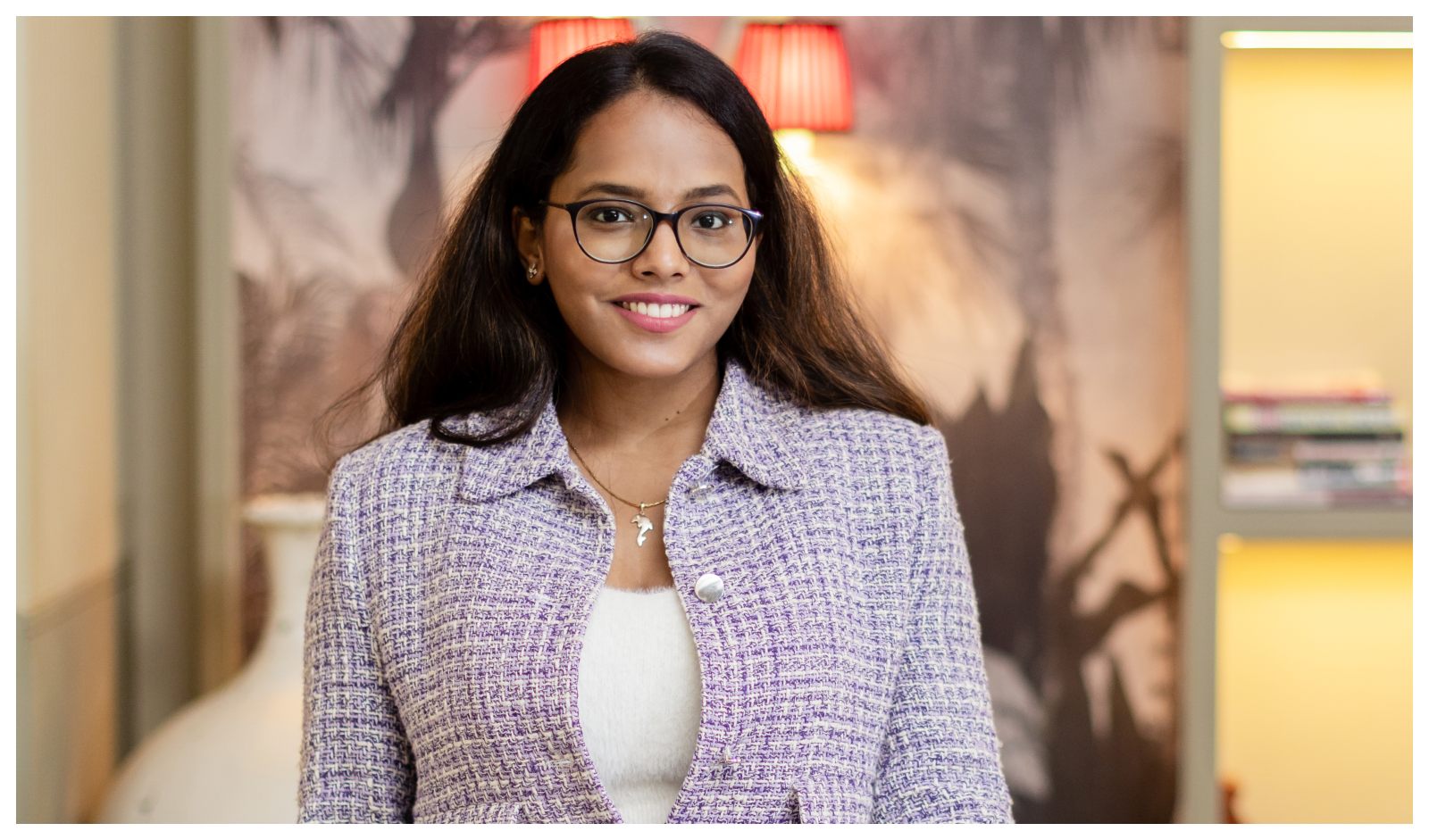
Vijetha Iyer
Content Editor
Working as a Content Editor with Restaurant India. I have worked in various sectors like food and beverage sector, chemicals, pharma, nutraceuticals, now specially focusing on restaurant side. But my core knowledge was always on content. Be it writing poems to verses, I always loved writing and have been exploring my career on the same. In Restaurant India, I deliver insightful stories, take interviews of various brands and update the audiences about the newest happenings in the restaurant industry.