
National Pizza Day: How Pizza is Driving India’s QSR Growth
India’s QSR market is set to reach USD 43.5 billion by 2030 at a CAGR of 9.36%. Health-conscious options, menu customization, diversification, and technology-driven operations are reshaping the pizza segment.

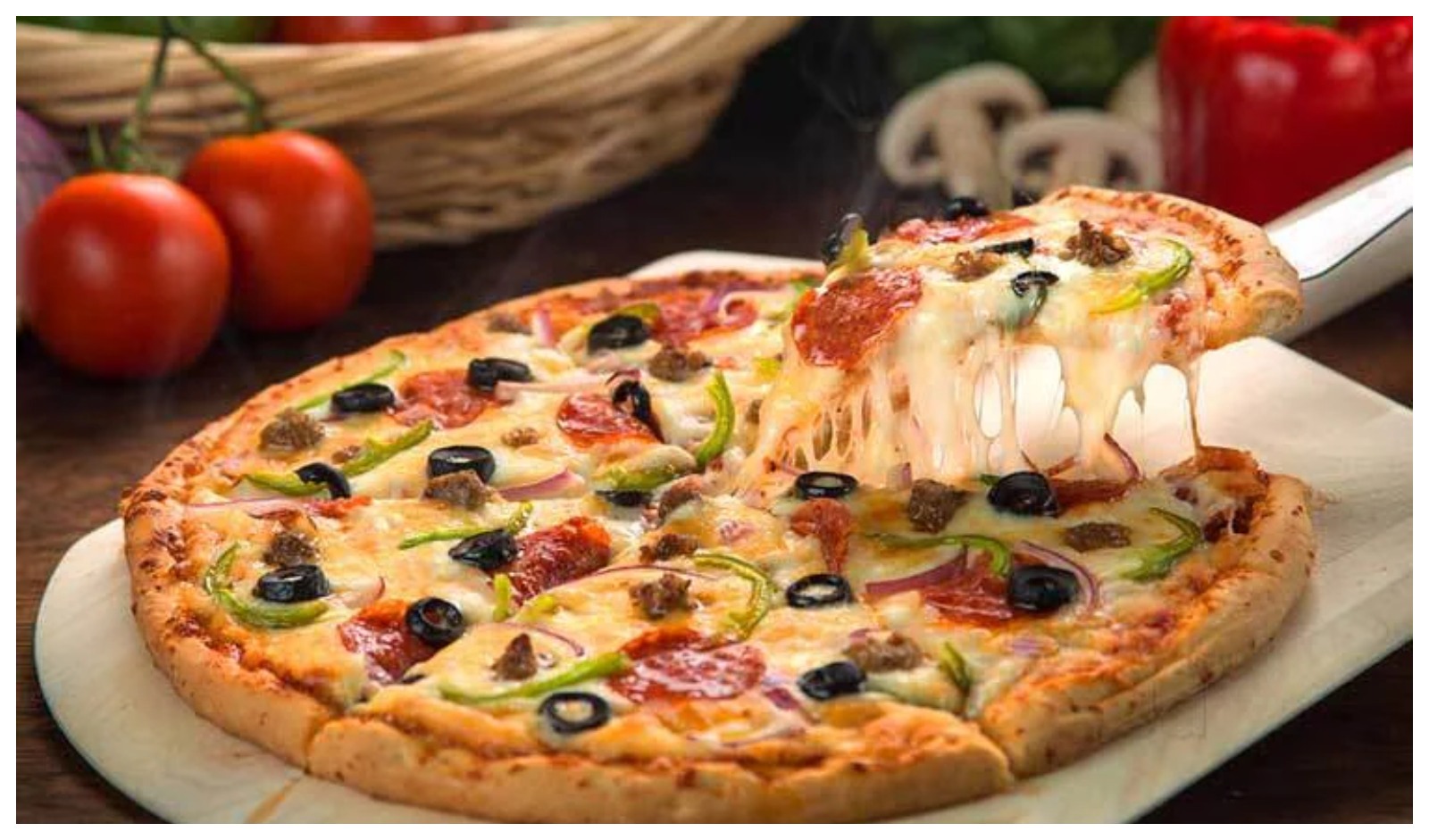
India’s pizza market is heating up—not just as a comfort food, but as a major driver of the quick-service restaurant (QSR) sector. Valued at USD 5.81 billion in 2025, the market is projected to more than double to USD 12.49 billion by 2034, fueled by urban consumption, evolving lifestyles, and digital adoption.
Market Leaders & Consumption Trends
Pizza remains one of the most sellable items on platforms like Zomato and Swiggy. Domino’s leads with 2,000+ outlets across 400 cities, followed by PizzaHut, PizzaExpress, US Pizza, Little Caesar’s, and Chicago Pizza.
India’s QSR market is set to reach USD 43.5 billion by 2030 at a CAGR of 9.36%. Health-conscious options, menu customization, diversification, and technology-driven operations are reshaping the pizza segment.
“Consumer preferences are evolving. There’s growing focus on ingredient transparency, longer fermentation, sourdough bases, better fats, and gut-friendly options. Pizza is being reimagined as lighter, cleaner, and more thoughtful—without losing indulgence,” shared Kabir Moorjani, Chef Founder, Hundo’s Pizza.
Pointing this, Vichita Kumar, Co- Founder and Chef, Pizza No Cap said, “We’re seeing a major shift toward ingredient transparency and quality. It’s not just about what goes ON the pizza anymore - it’s about where those ingredients come from. The pizza becomes a vehicle for showcasing exceptional ingredients rather than hiding mediocre ones under cheese.”
Here’s what’s changed: people still want indulgence, but they don’t want the food coma or the regret the next morning. That’s driving the cold fermentation trend - 72, even 96-hour ferments that break down the gluten structure and make the dough genuinely easier to digest.
“It’s a technical work that most customers won’t see, but they’ll feel it. Or rather, they won’t feel weighed down, and that’s the point,” added Kumar.
Technology & Scalability
Pizza’s delivery-first nature, repeat purchase behavior, and standardized production make it highly scalable. Technology enhances this with smarter demand forecasting, centralized dough production, and data-led menu engineering. Local flavors, spice profiles, and fermentation styles are increasingly city specific.
Delivery accounts for ~65% of sales in metros, while dine-in pizza bars (30–60 seats) maintain strong unit economics.
“Technology has amplified this advantage: smarter demand forecasting, centralised dough production, and data-led menu engineering now drive consistency at scale. Localisation is no longer superficial—successful brands adapt toppings, spice profiles, and even fermentation styles to suit city-level palates,” commented Moorjani.
Global Players Eyeing India
Pizza continues to attract international chains. Recent entrants include Gordon Ramsay Street Pizza and Papa John’s, with brands like PizzaExpress entering QSR formats in Jaipur.
“From an economics lens, pizzas offer strong contribution margins when done right—dough, sauce, and cheese form a predictable cost base, while toppings and portioning allow intelligent upsell,” shared Moorjani.
Pizza continues to be a top choice for global chains entering India, with recent entrants including Gordon Ramsay Street Pizza and Papa John’s.
“For TFS, which operates food courts, quick-service restaurants and lounges across India’s leading airports, the launch of Street Pizza is a milestone. Indian travellers today expect global-quality dining that is fast, expressive and elevated. Bringing Gordon Ramsay Street Pizza to India, and into the airport space for the first time, reflects the shift in what airport dining experiences can and should be,” pointed Varun Kapur, MD & CEO, Travel Food Services Limited (TFS).
Challenges & Path Forward
Rising input costs, discount-driven marketplaces, and brand dilution remain key challenges. Successful expansion requires tight SOPs, selective growth, and owning core processes.
But artisanal pizza scales differently - it scales with people, with training, with maintaining standards. Kumar said, “That’s the challenge we’re navigating: how do you grow without losing what makes the pizza worth eating in the first place?”
Premium brands can scale without compromising margins or identity—if growth is deliberate, balancing craft with systems, and emotion with data. The next phase will be about efficiency, premiumisation, and survival of the smartest formats.
Vijetha Iyer
Content Editor
Working as a Content Editor with Restaurant India. I have worked in various sectors like food and beverage sector, chemicals, pharma, nutraceuticals, now specially focusing on restaurant side. But my core knowledge was always on content. Be it writing poems to verses, I always loved writing and have been exploring my career on the same. In Restaurant India, I deliver insightful stories, take interviews of various brands and update the audiences about the newest happenings in the restaurant industry.









































