
Must-Try 20 Famous Local Foods of Madhya Pradesh That Define the State’s True Flavours
Madhya Pradesh may not shout through its cuisine. It leaves a lasting impression. The taste stays simple. The memory stays strong.

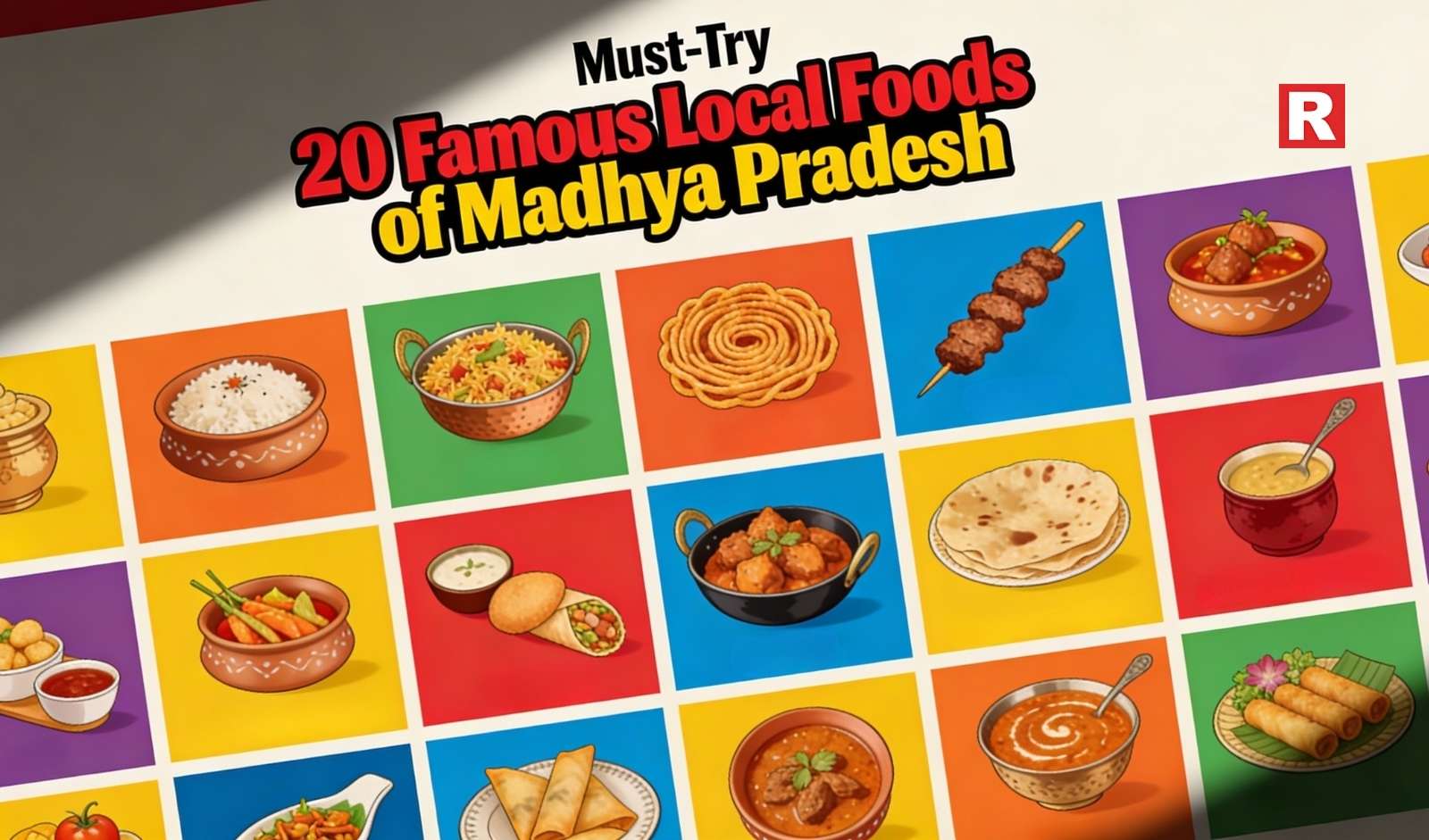
Madhya Pradesh lies at the centre of India. Its food reflects this unique place. The cuisine carries warmth from the north. It absorbs gentle spice from central India. Royal kitchens add richness and depth. Every region shapes its own food habits. Malwa depends on wheat and ghee. Meals are filling and steady. Bundelkhand prefers simple grains and lentils. Cooking here is practical and thoughtful. Bhopal brings a strong Nawabi touch. Meat dishes are slow-cooked. Flavours remain balanced and refined. Tribal regions cook close to nature. Forest greens, roots, and seasonal produce guide their meals. Firewood and patience define the method.
The food of Madhya Pradesh feels honest. Ingredients stay close to daily life. Nothing feels forced or excessive. Spices support the dish, not overpower it. Cooking follows tradition. Recipes pass from one generation to the next. Morning meals are light and comforting. Festive food feels rich but grounded. Street snacks show energy and local taste. Home food shows care and balance. Together, these dishes create a clear food identity. Exploring them reveals the rhythm of the state. Each bite offers a quiet story of land, people, and time.
Find 20 Famous Local Foods of Madhya Pradesh
1. Poha Jalebi – Indore
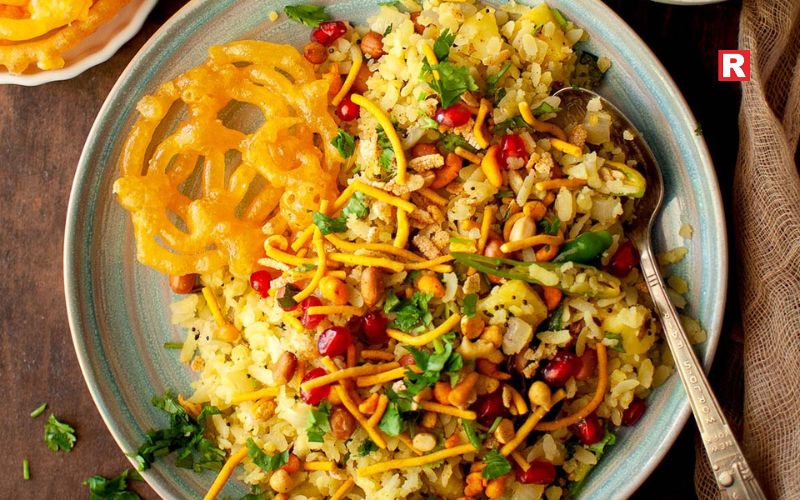
Poha Jalebi is a daily ritual in Indore. It is eaten early in the morning. Light poha is cooked with mustard seeds, curry leaves, onions, and mild spices. It stays soft and fluffy. Hot jalebi is served on the side. The sweet syrup balances the savoury poha. This contrast makes the dish special. It is filling but not heavy. People across all age groups enjoy it. Street shops start serving it before sunrise. Offices, schools, and homes begin the day with this meal. Poha Jalebi reflects Indore’s love for simple food with bold taste. It is more than breakfast. It is part of the city’s identity and daily life.
2. Dal Bafla – Malwa Region
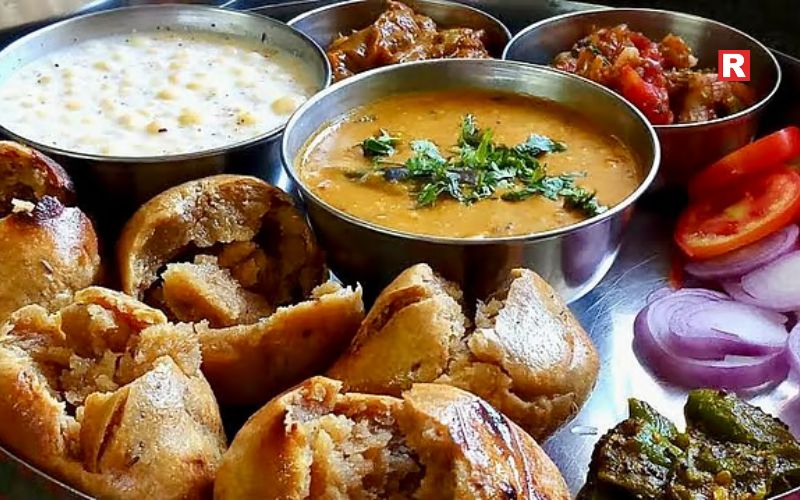
Dal Bafla is a traditional Malwa dish. It is prepared during festivals and family gatherings. The baflas are made from wheat flour. They are first boiled in water. Later, they are baked until firm. Once cooked, they are dipped in ghee. This gives them a rich taste. The dish is served with mixed lentil dal. Chutney and ghee are added on the side. Dal Bafla is heavier than regular meals. It keeps the body full for long hours. The dish reflects Malwa’s farming culture. It shows how simple grains are turned into nourishing food.
Read more: 8 Famous Vegetarian Dishes of Uttar Pradesh and Their Timeless Legacy
5 Cities That Serve the Best Non-Vegetarian Street Food
3. Bhutte Ka Kees – Indore
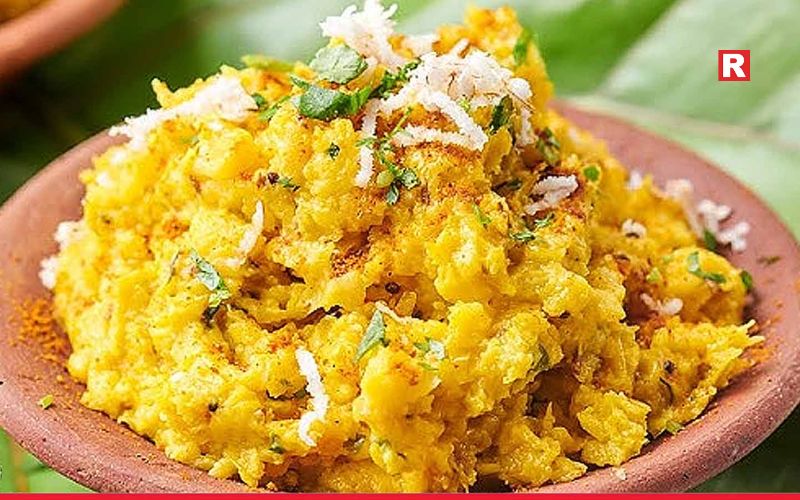
Bhutte ka Kees is a seasonal favourite in Indore. It is made from fresh grated corn. The corn is cooked slowly in milk and ghee. Mild spices are added for flavour. The texture stays soft and creamy. The taste is slightly sweet with a hint of spice. This dish is popular during the rainy season. Street vendors prepare it fresh in large pans. It is served hot and eaten immediately. People prefer it as an evening snack. Bhutte ka Kees highlights Indore’s creative street food culture. It turns a simple grain into a comforting local delicacy.
4. Sabudana Khichdi – Central Madhya Pradesh
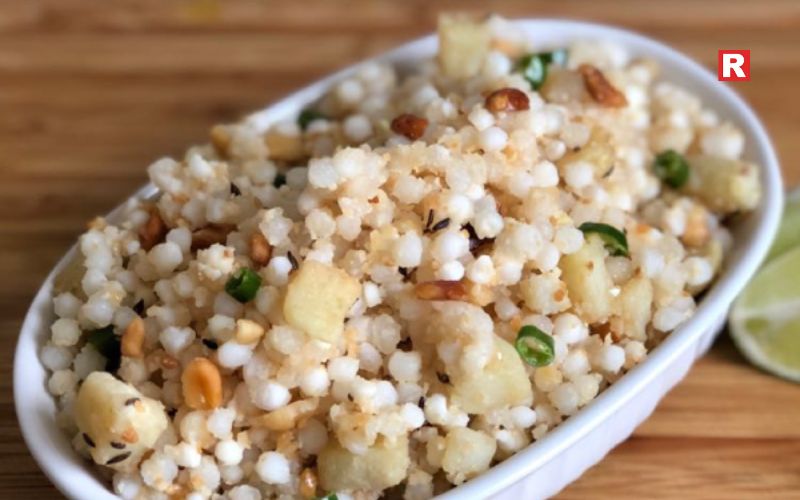
Sabudana Khichdi is a light and soothing dish. It is commonly eaten during fasting days. Tapioca pearls are soaked and cooked gently. Peanuts add crunch and flavour. Mild spices keep the taste balanced. The dish feels soft and warm. It digests easily and gives quick energy. Many homes prepare it in the morning. It is also served at temples and community meals. Sabudana Khichdi suits all age groups. It reflects the state’s preference for simple food. The dish proves that minimal ingredients can still create comfort and nourishment.
5. Mawa Bati – Gwalior
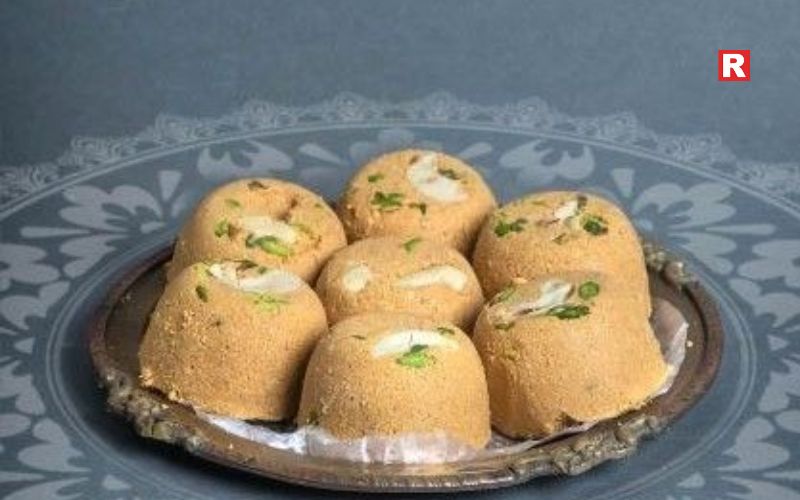
Mawa Bati is a well-known sweet from Gwalior. It is rich and indulgent. The outer layer is soft and slightly crisp. Inside, it is filled with khoya and dry fruits. The bati is deep fried until golden. After frying, it is soaked in sugar syrup. This gives it a moist texture. The sweetness is balanced and not overpowering. Mawa Bati is served during festivals and weddings. Sweet shops in Gwalior are famous for it. The dessert reflects the city’s long-standing sweet-making tradition and royal influence.
6. Chakki Ki Shaak – Rural Madhya Pradesh
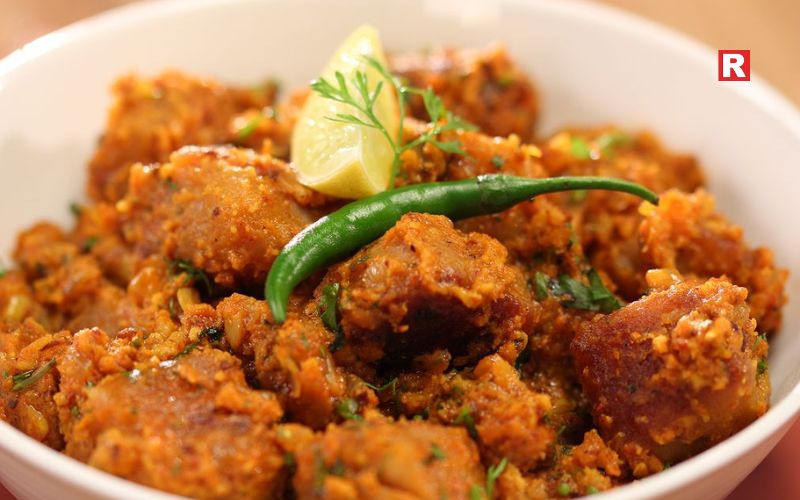
Chakki Ki Shaak is a traditional village dish. It is made using wheat flour dough. The dough is shaped into thick rolls. These rolls are steamed first. Later, they are cut into pieces. The pieces are cooked in a spicy gravy. The gravy uses onion, garlic, and local spices. The texture stays soft and chewy. The dish is filling and wholesome. It is often cooked during family meals. Chakki Ki Shaak shows the rural food habits of Madhya Pradesh. It reflects the heavy use of wheat in daily cooking. The dish is simple, earthy, and deeply rooted in village life.
7. Bhopali Gosht Korma – Bhopal
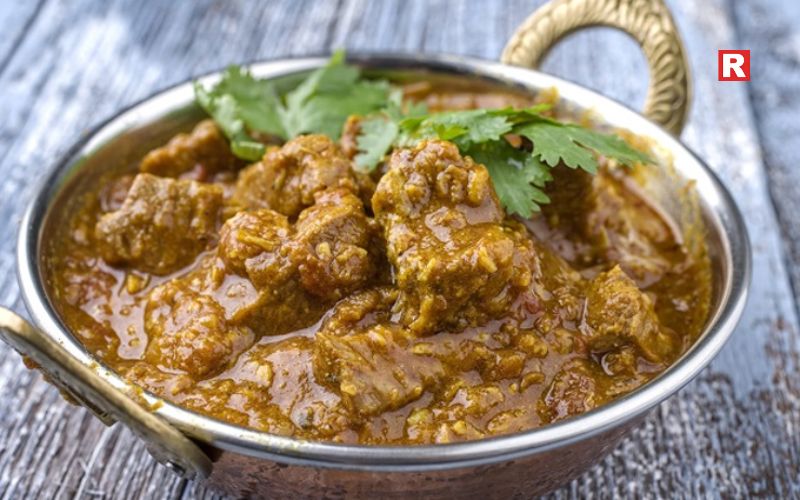
Bhopali Gosht Korma comes from the city’s royal kitchens. It is a slow-cooked mutton dish. The meat is cooked with yogurt and whole spices. The gravy stays thick and aromatic. The spice level remains balanced. It is rich but not overpowering. The dish needs time and patience. It is usually prepared for special occasions. Bhopali families often serve it during gatherings. Gosht Korma is eaten with naan or plain rice. The dish reflects Bhopal’s Mughal and Nawabi food influence. It represents elegance, depth of flavour, and careful cooking techniques.
8. Seekh Kebabs – Bhopal
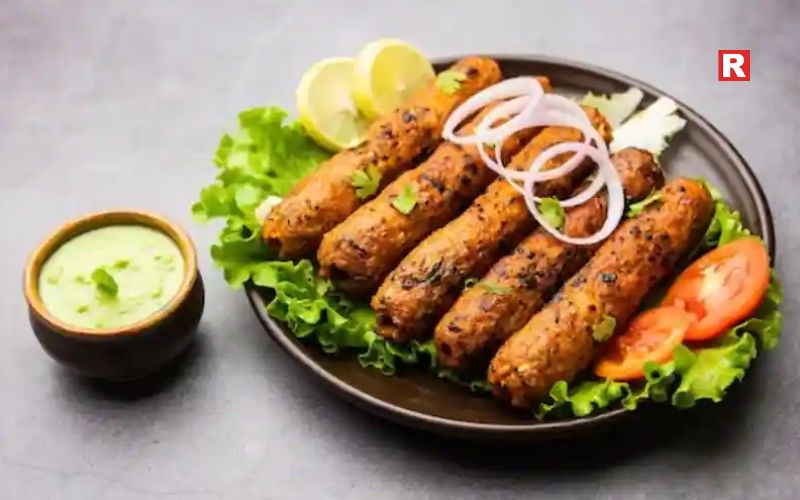
Seekh Kebabs are an important part of Bhopal’s street food culture. Minced meat is mixed with spices and herbs. The mixture is shaped on skewers. It is then grilled over fire. The kebabs turn smoky and soft. They remain juicy inside. Vendors serve them hot. Chutney and sliced onions are added on the side. These kebabs are mostly eaten in the evening. Old Bhopal markets are famous for them. Seekh Kebabs reflect the city’s love for grilled meat. They offer strong flavour without heavy sauces.
9. Rogan Josh – Bhopal Style
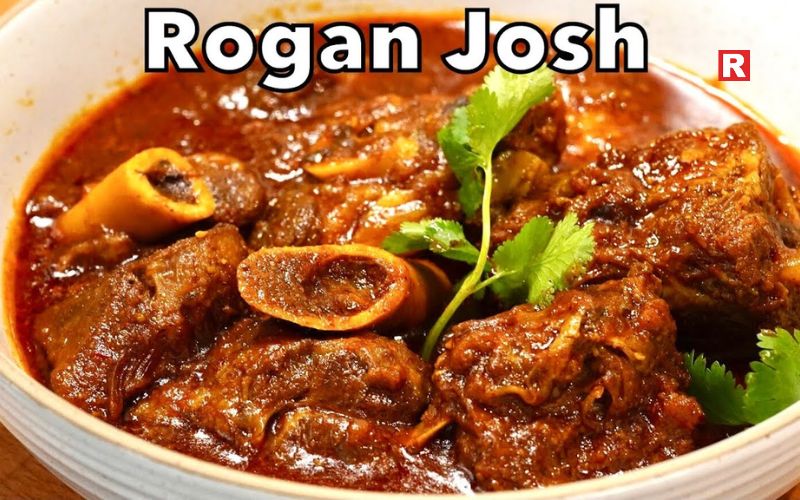
Bhopal-style Rogan Josh is gentle in taste. It is milder than the Kashmiri version. The dish uses tender meat and slow cooking. Whole spices are added carefully. The gravy stays rich and fragrant. Oil floats on top, showing proper cooking. The colour is deep but natural. It is often served during formal meals. Rice or naan pairs well with it. The dish reflects Nawabi food traditions. It focuses on aroma and balance. Bhopali Rogan Josh values depth over heat. It suits people who prefer refined flavours.
Know more: Explore 15 Famous Vegetarian Kerala Dishes for an Authentic Taste
10. Keema Samosa – Bhopal
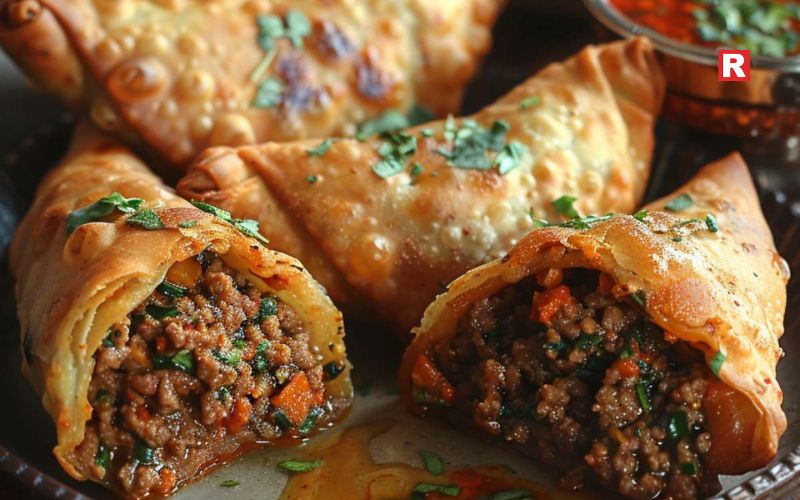
Keema Samosa is a popular snack in old Bhopal. It looks similar to a regular samosa. The filling makes the difference. Spiced minced meat fills the inside. The outer layer stays thin and crisp. Once fried, the samosa turns golden. The filling remains juicy and flavourful. It is often eaten with tea. Local bakeries and stalls sell it fresh. People prefer it in the evenings. Keema Samosa reflects Bhopal’s meat-rich food culture. It blends street food comfort with royal flavours.
11. Bhopali Biryani Pulao – Bhopal
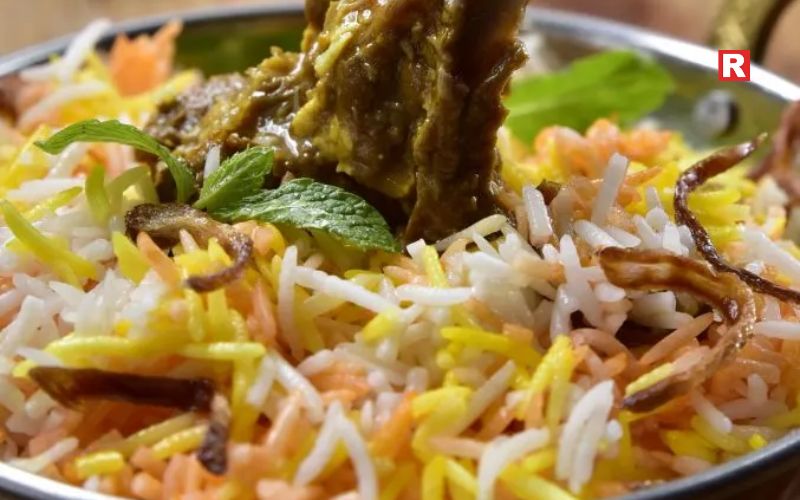
Bhopali Biryani Pulao is gentle in flavour. It is lighter than many Indian biryanis. Long-grain rice is cooked till soft and fragrant. The meat stays tender and juicy. Spices are used with care. There is no overpowering heat. The dish is often cooked in dum style. Steam helps blend flavours slowly. Fried onions and whole spices add aroma. Locals prefer this balanced taste. It feels rich but comfortable. The biryani is served during family meals and gatherings. Bhopali Biryani Pulao reflects the city’s refined food culture. It values patience, harmony, and subtle spice.
12. Baigan Bharta – Malwa
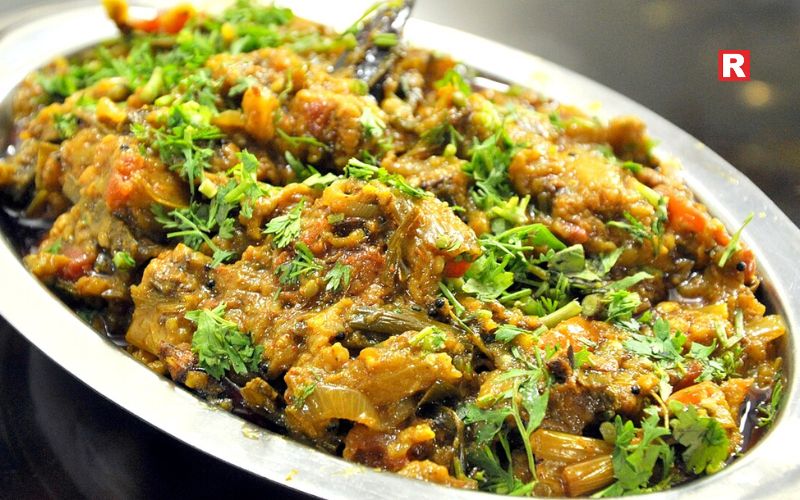
Malwa-style Baigan Bharta is simple and earthy. Brinjals are roasted over open flame. This gives a smoky flavour. The flesh is mashed by hand. Garlic and onions are cooked slowly. Minimal spices are added. The taste remains natural and bold. It is eaten with wheat rotis or bhakri. The dish is common in rural homes. It uses seasonal vegetables. Oil is used carefully. Baigan Bharta reflects Malwa’s love for rustic food. It shows how basic ingredients create strong flavour. The dish feels warm, filling, and rooted in tradition.
13. Kadaknath Chicken – Jhabua Region
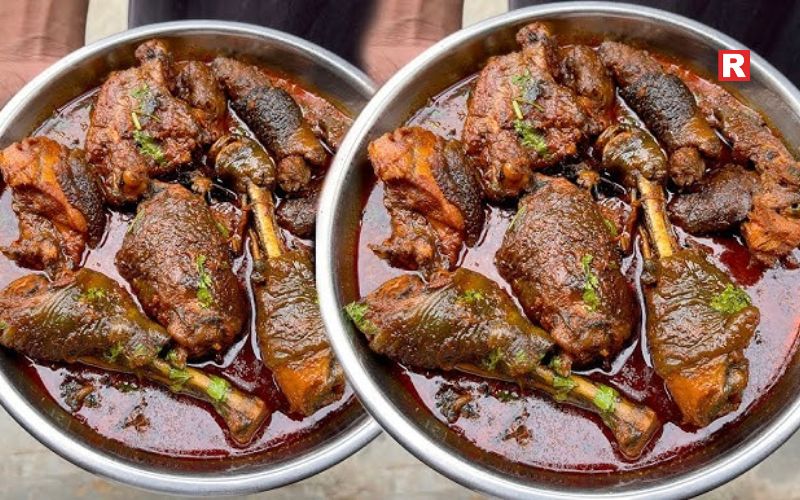
Kadaknath Chicken comes from tribal areas of Jhabua. The bird has black meat. It is high in protein and low in fat. Tribal communities raise it naturally. The chicken is cooked slowly. Spices are kept minimal. Local herbs are often used. The flavour is strong and distinct. The texture stays firm. Kadaknath is believed to be nutritious. It is served during special meals. The dish reflects tribal food wisdom. It focuses on health and simplicity. Kadaknath Chicken stands apart from regular poultry dishes found elsewhere.
14. Tribal Bharta – Tribal Regions of MP
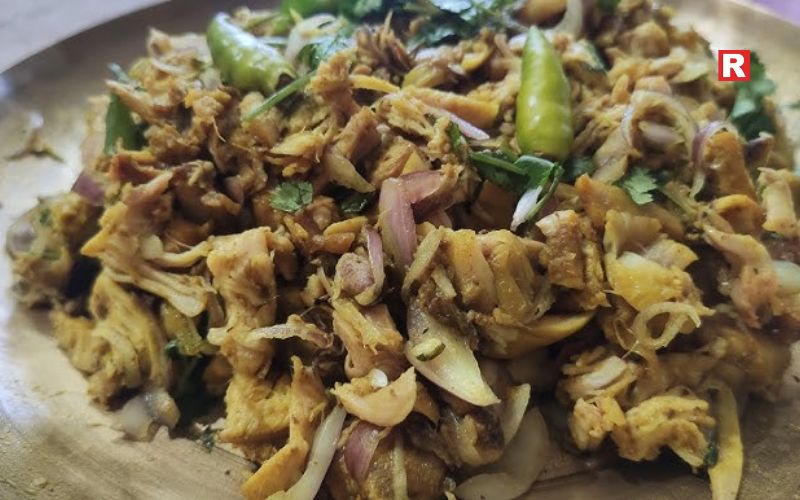
Tribal Bharta is based on availability. Vegetables or leafy greens are used. Cooking happens over firewood. The vegetables are roasted or boiled. They are mashed by hand. Salt and chillies are added lightly. Oil is used sparingly. No heavy spices are added. The flavour stays natural. Each village prepares it differently. The dish changes with seasons. Tribal Bharta reflects a close bond with nature. It shows respect for ingredients. The dish is simple, nourishing, and honest. It represents the everyday food of tribal households.
15. Daal Paniya – Bundelkhand
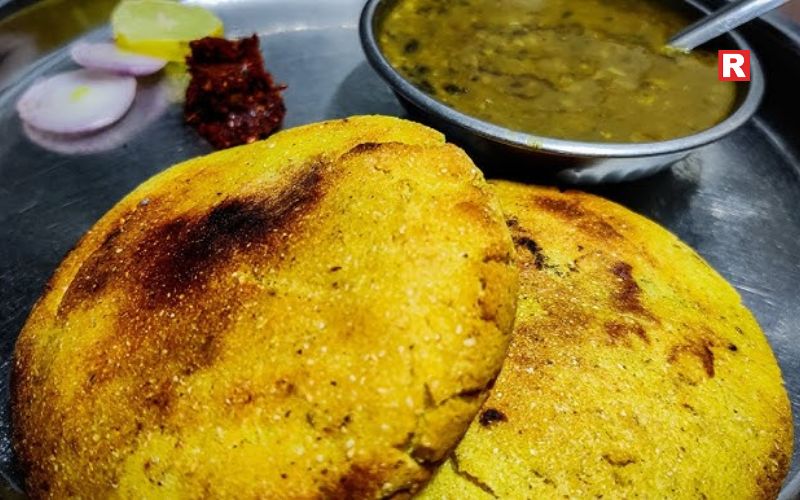
Daal Paniya is a humble Bundelkhand dish. It was created during times of scarcity. Gram flour is shaped into small dumplings. These dumplings are cooked in thin dal gravy. The dish uses very few ingredients. Spices are minimal. Water is used wisely. Despite this, the dish is filling. It is eaten with roti or plain rice. Daal Paniya reflects smart cooking practices. It shows how people adapted to limited resources. The dish highlights survival, simplicity, and local wisdom.
Also check: Top Places to Explore for Authentic Bihar Food
16. Palak Puri – Malwa
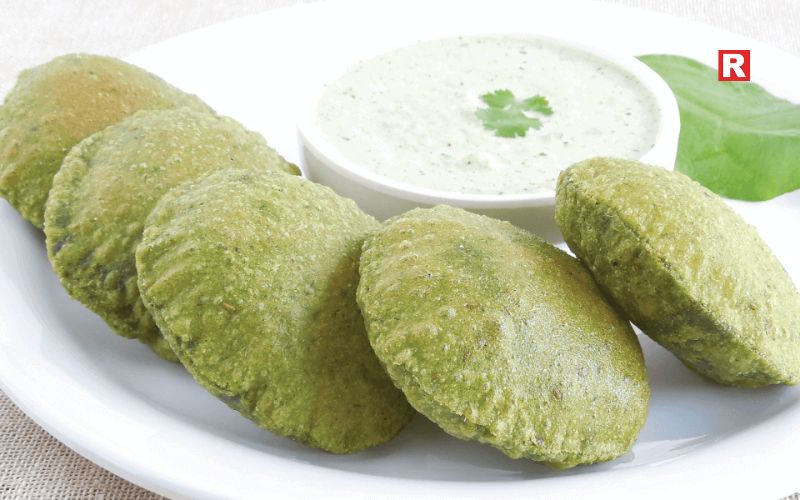
Palak Puri is a popular home-style dish in Malwa. Fresh spinach is cleaned and ground into a smooth paste. This paste is mixed with wheat flour. The dough turns green. Small puris are rolled and deep fried. They puff up and become crisp. The colour stays bright. The taste remains mild and fresh. Palak Puri is often eaten with potato curry or simple dal. It is cooked for regular meals. Children and elders both enjoy it. The dish adds nutrition to daily food. Palak Puri reflects Malwa’s habit of using greens in simple ways.
17. Malpua – Across Madhya Pradesh
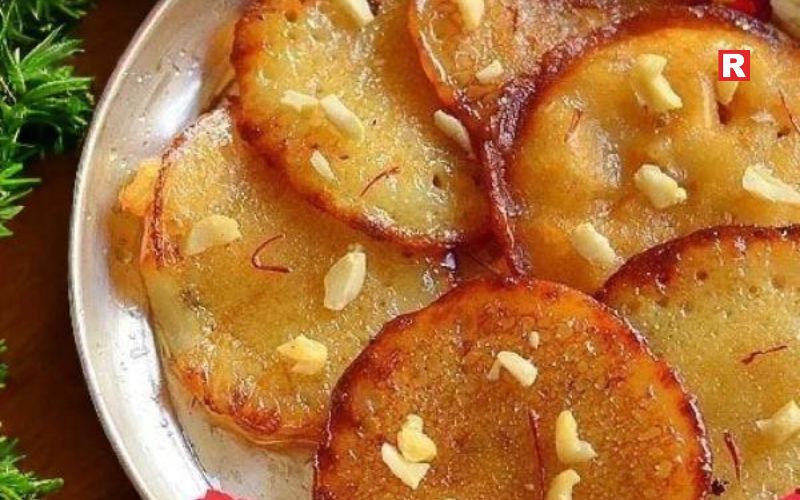
Malpua is a traditional festive sweet across Madhya Pradesh. It is made from a thick batter of flour and milk. The batter is poured into hot oil. The pancake turns golden and soft. It is then soaked in sugar syrup. Some regions add fennel or cardamom. Others add banana or coconut. Malpua is prepared during festivals and weddings. It is also offered at temples. The sweet is served warm. Malpua represents celebration and joy. Every region adds its own touch. Yet the soul of the dish remains the same.
18. Khopra Pak – Malwa
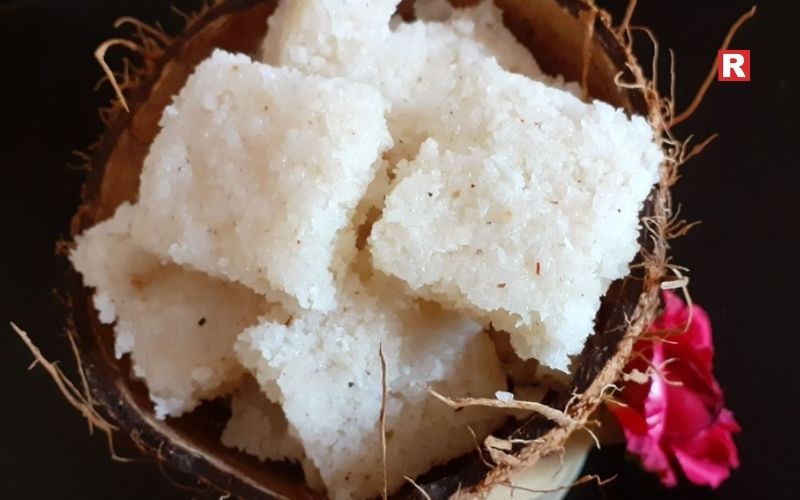
Khopra Pak is a rich sweet from the Malwa region. It is made using grated coconut. Milk and sugar are cooked slowly with it. The mixture thickens over time. Dry fruits are added for texture. The sweet is set and cut into pieces. The texture stays soft and slightly grainy. The flavour is mild and comforting. Khopra Pak is prepared during special occasions. It is often gifted during festivals. The sweet reflects Malwa’s love for dairy-based desserts. It shows patience and careful cooking.
19. Imarti – Gwalior
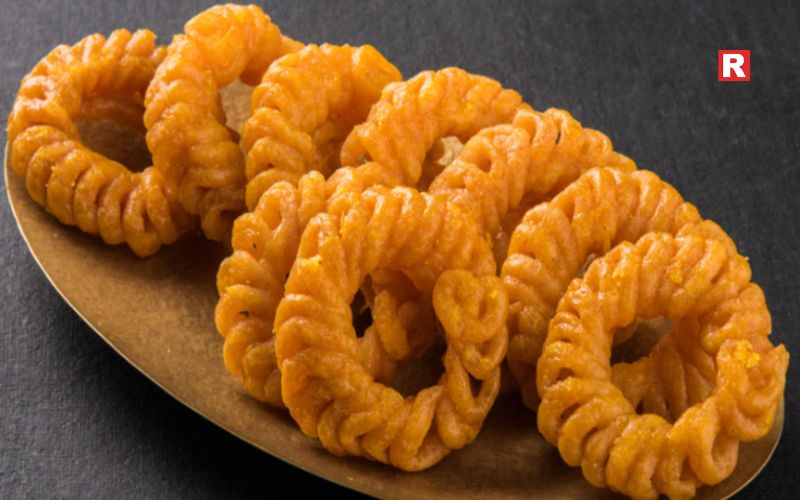
Imarti is a famous sweet from Gwalior. It looks like a thicker version of jalebi. The batter is made from urad dal. It is fermented lightly. The batter is shaped into rings. These are deep fried slowly. The imarti turns crisp outside. It stays soft inside. After frying, it is soaked in sugar syrup. The colour becomes bright orange. Sweet shops in Gwalior are known for it. Imarti is eaten during celebrations. It reflects the city’s strong sweet-making tradition.
20. Makhane Ki Kheer – Temple Towns
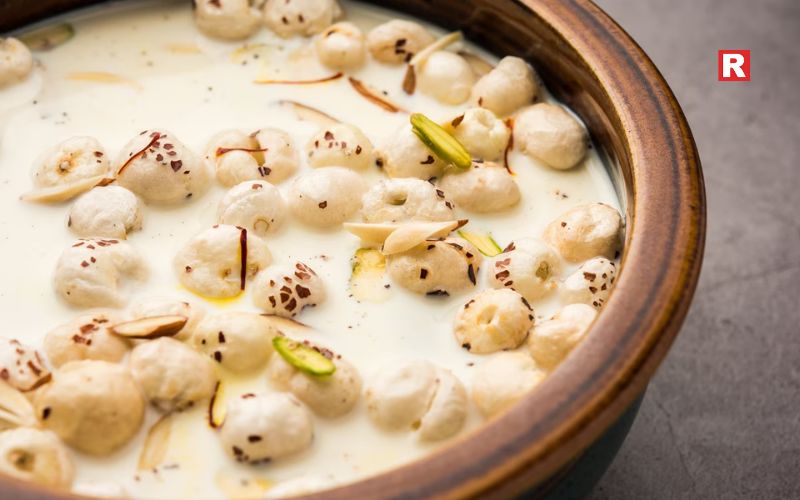
Makhane Ki Kheer is a light and nourishing dessert. Fox nuts are roasted lightly. They are then cooked in milk. Sugar is added for sweetness. Nuts and cardamom enhance flavour. The kheer stays creamy but light. It is often prepared during religious occasions. Many temple towns serve it as prasad. The dish is easy to digest. It suits fasting days. Makhane Ki Kheer reflects simple devotional cooking. It balances taste and nutrition.
Regional Influence on MP Food
Food habits in Madhya Pradesh shift from region to region. Malwa cuisine is wheat driven. Rotis, baflas, and puris appear daily. Ghee adds richness to most meals. Spices remain gentle. The food feels hearty and comforting. Bhopal follows a royal food legacy. Mughal influence is clear. Meat dishes dominate the table. Cooking takes time and care. Gravies are smooth and fragrant. Bundelkhand cuisine is shaped by need. Meals are planned with limited resources. Lentils and grains are used wisely. Nothing is wasted. Tribal regions rely on the forest. Seasonal greens and roots are common. Cooking happens slowly on wood fire. Flavour comes from freshness, not excess spice.
Check more: Top Places to Visit for Authentic Gujarat Food
Top Places to Visit for Authentic Mumbai Taste
Top Maharashtra Famous Veg Food to Explore
Street Food vs Home-Style Food
Street food and home-style food in Madhya Pradesh reflect different sides of daily life. Cities like Indore are known for lively street food culture. Snacks are quick, flavourful, and easy to find. People eat outside often, especially in the evenings. Dishes are served hot and fresh. Taste matters more than portion size. Bhopal’s street food leans towards meat-based items. Kebabs, samosas, and pulao are common. Home-style food follows a slower rhythm. Meals are cooked with care. Ingredients are seasonal and local. Villages depend on what grows nearby. Wheat, lentils, and vegetables form the base. Spices are used lightly. Food is filling and nourishing. Home meals focus on balance and comfort. They suit daily routines and family needs. Both styles reflect the state’s food diversity.
Key Differences:
Street food is fast, bold, and city-driven.
Home food is simple, seasonal, and deeply rooted in tradition.
Happy Eating!
The food of Madhya Pradesh speaks quietly but clearly. It carries the feel of the land and the habits of its people. Each dish is shaped by time, season, and need. Cooking here is not rushed. Flavours develop slowly. Ingredients stay close to the soil. Street food shows energy and daily life. Home meals show care and balance. Royal recipes add depth and grace. Tribal food reflects nature and survival. Wheat, lentils, vegetables, and ghee appear often. Spices are used with restraint. Nothing feels excessive. Every meal has a purpose. Eating local food becomes a way to understand the state. It reveals history without words. It shows how people live, celebrate, and adapt. Madhya Pradesh may not shout through its cuisine. It leaves a lasting impression. The taste stays simple. The memory stays strong.
Saptopriya Ghosal
Feature Writer
I am a dedicated media professional with a bachelor's degree in mass communication from the State University of Calcutta and a postgraduate degree from Amity University. My academic journey has equipped me with a profound understanding of storytelling and communication. Passionate about the dynamic world of media, I continually strive to explore new ways to engage and inform through compelling narratives.



































































































































































