
More Than a Bestseller: What a ‘Signature’ Dish Really Means for Restaurant Biz
Concepts built around strong hero dishes reportedly see 10–20% higher repeat visits than those offering generic, wide-ranging menus—proving that signature-driven identity drives loyalty.

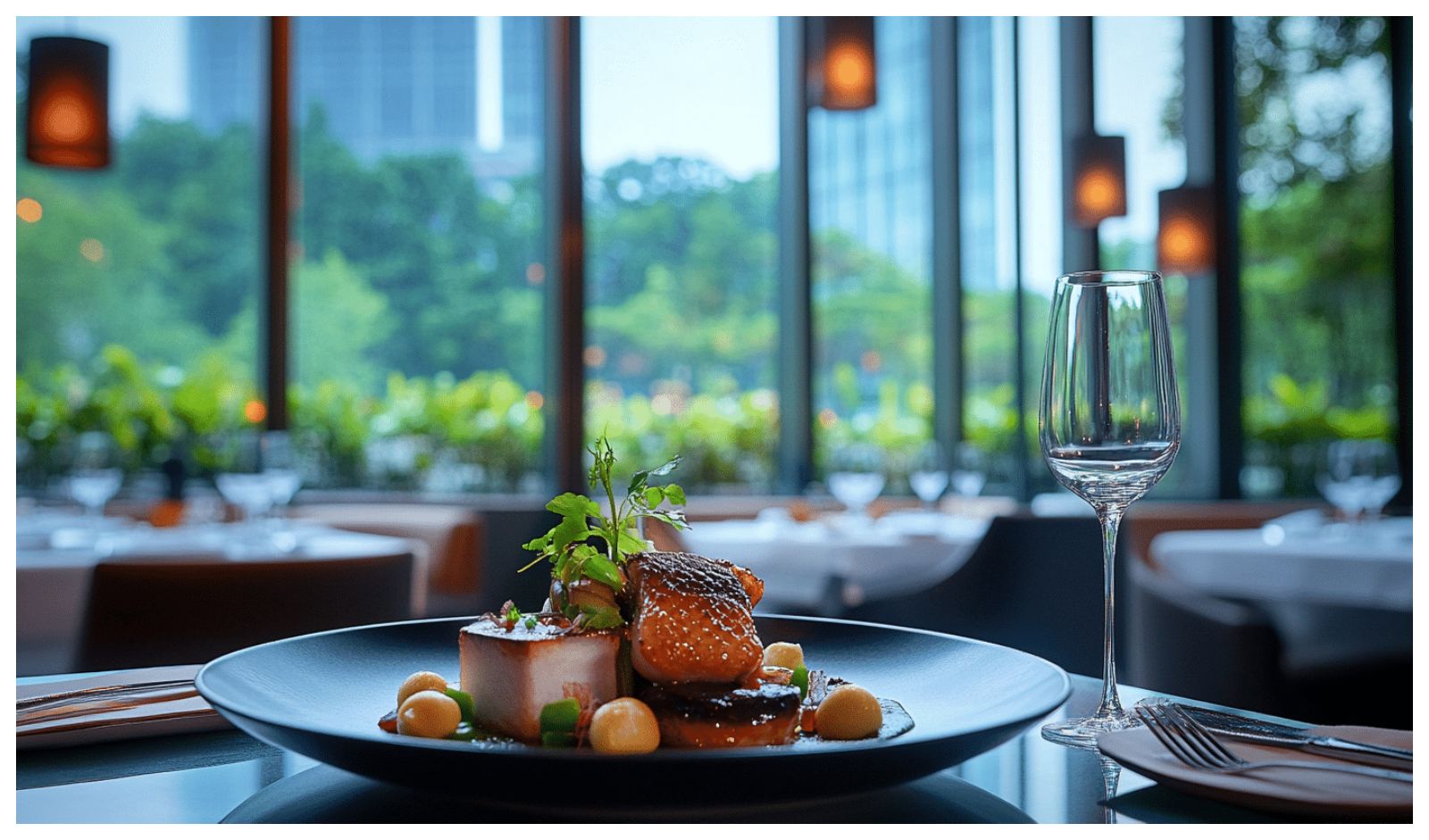
In every restaurant’s journey, there’s a moment when a dish rises above the menu becoming not just food, but a promise. It gives guests a reason to visit, remember and return. In hyper-competitive, high-rent metros like Mumbai, Delhi and Bengaluru, a signature dish isn’t creative indulgence, its strategic capital. That’s the economics behind it.
Signature Dishes as Strategic Assets
As diners step out less frequently but spend more per visit, restaurants must give them a compelling reason to choose their brand. Concepts built around strong hero dishes reportedly see 10–20% higher repeat visits than those offering generic, wide-ranging menus—proving that signature-driven identity drives loyalty.
“For us, it’s about how we connect with our customers and how we build a brand with our signature dishes. We do make promotional signature dishes during festive. The taste note should connect with the people. The food cost should be 25-30% where we take the cost of ingredients like raw materials,” shared Chef Vikas Pathak, VP- Culinary of Stories Brewery, MOAI, Macaw by Stories (India & Dubai).
He pointed out that yields vary for every dish they curate—especially signature dishes—which differ across restaurants. Costing, he emphasised, is critical, as it determines the final selling price. “We conduct extensive R&D and trials before finalising a signature dish. Pricing must be carefully structured to appeal to a wide range of clientele,” he added.
A true signature item lowers customer acquisition costs over time like word-of-mouth drives recall, social media amplifies it. But before profitability what comes is precision.
The True Cost of a Dish
The biggest miscalculation in restaurants is rarely the ingredient cost. Chef Durbar Basu Ray, Executive Chef, The Oterra Hotel shared that the cost of a dish is the silent trio of labour, overhead and inconsistency.
In India, target food cost hovers between 28–35% for casual dining and 22–30% for premium formats. But that is only the starting line. If a plate takes 10 minutes to prepare and a chef’s effective hourly cost is Rs.400, labour quietly adds about Rs.67 per serving. Multiply that across hundreds of covers and complexity quickly becomes expensive. The more technical the dish, the harder it is to scale.
The total overhead can climb to 25–35%. Precision is not optional; it is survival.
Pricing Strategy
Guests pay for narrative, craftsmanship, rarity and social currency as much as for ingredients.
Explaining this, Tushar Malkani, Corporate Chef, Le Sutra Hospitality said, “For us, 60-70% of the sales are from our signature items in all our restaurants. We are not calculating deliveries. The pricing differs from location to location as it depends on food cost and manpower as we remove the base cost first and after that we decide a markup of 20-25%.”
Restaurants that price such dishes on value rather than raw cost often report gross margins that are 5–10 percentage points higher than standard menu items.
“There are many ways to look into how the selling prices are fixed. Successful restaurants blend several pricing models like marking the total cost by a fixed margin or pricing based on what customers will pay for uniqueness and experience,” commented Ray.
Helps in High Margins
Signature dishes carry hidden risks. Imported ingredients face price volatility, complex recipes slow kitchen throughout and if guests order only the hero plate, average spends may not rise as expected.
“If the dish doesn’t consistently deliver quality, guests may be disappointed. Also, signature dishes may have premium ingredients that can cause margins to shrink if supply costs fluctuate. Restaurants risk having only one draw — if the trends shift or customer tastes change, restaurant revenues may be impacted,” pointed Ray.
Done right, it drives repeat visits, supports premium pricing and strengthens the brand. Done poorly, it’s just an expensive vanity project.
“Signature dishes are important to sell; it should be highlighted as it represents brand visibility and identity. 25-35% of customers order signature dishes overall as a whole and they are our repeat customers as well,” added Pathak.
Vijetha Iyer
Content Editor
Working as a Content Editor with Restaurant India. I have worked in various sectors like food and beverage sector, chemicals, pharma, nutraceuticals, now specially focusing on restaurant side. But my core knowledge was always on content. Be it writing poems to verses, I always loved writing and have been exploring my career on the same. In Restaurant India, I deliver insightful stories, take interviews of various brands and update the audiences about the newest happenings in the restaurant industry.









































