
Monsoon Street Food Favourites in India
Choosing freshly prepared dishes from clean vendors or recreating them at home ensures that every bite remains both delicious and safe throughout the monsoon season.

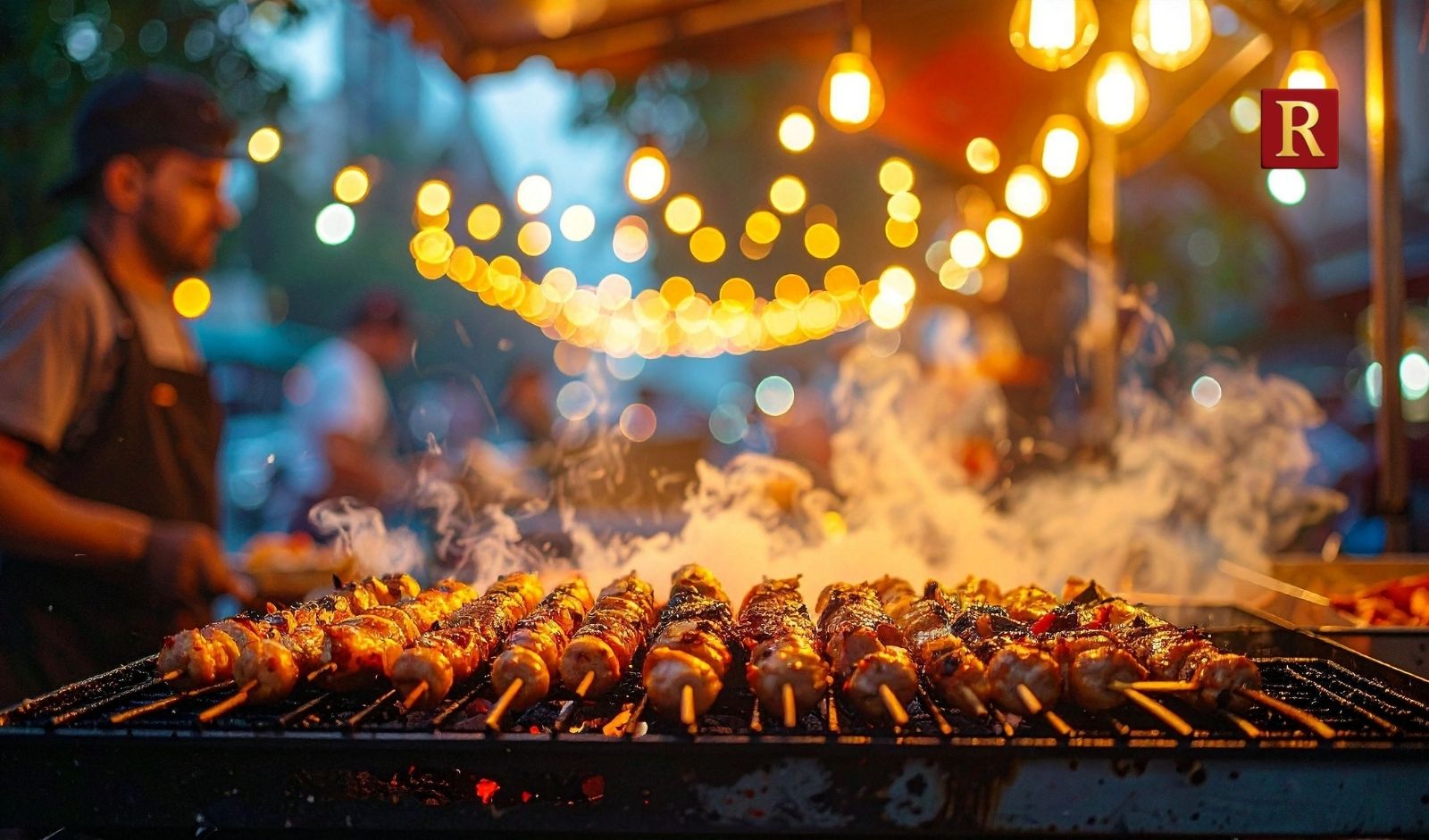
Nothing feels more comforting than watching the rain with a hot cup of tea and a plate of freshly cooked street food. Across India, the arrival of the monsoon brings more than cooler weather. It marks the beginning of a food season filled with crispy fritters, spicy chaats, roasted corn, and steaming snacks that bring families and friends together.
The Indian street food industry serves millions of people every day and is deeply connected to the country's culinary culture. During the rainy season, roadside stalls become even busier as people look for warm, flavourful dishes that perfectly match the weather. From the busy lanes of Delhi to the beaches of Mumbai and the streets of Kolkata, every region has its own rainy-day favourite.
Why Street Food Becomes More Tempting During Monsoon
Rain changes the way people experience food. The cool weather naturally creates a craving for warm meals. The smell of freshly fried pakoras or roasted corn spreads quickly through the air, making it difficult to resist.
Food experts also explain this through science. High humidity helps aroma molecules stay in the air longer, making fried foods smell richer. The crisp texture, spicy flavours, and hot serving temperature create a satisfying eating experience that many people associate with comfort and nostalgia.
What Makes Monsoon Street Food Special?
Most monsoon snacks are cooked fresh at high temperatures. They use simple ingredients but are packed with flavour thanks to spices such as ginger, green chilli, cumin, ajwain, black pepper, turmeric, and coriander.
Many of these spices have traditionally been valued for their warming properties and are commonly used in Indian kitchens during the rainy season. Combined with hot tea, they create one of India's most loved seasonal food traditions.
Explore 15 Monsoon Street Food Favourites in India
1. Pakora
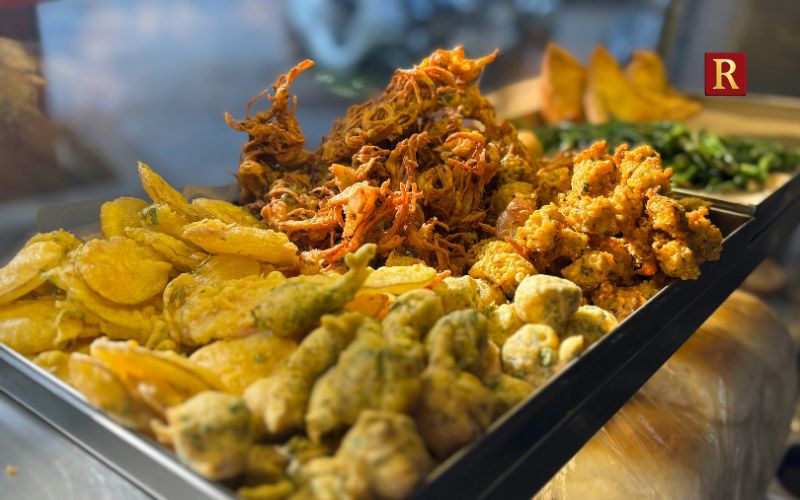
Pakora is one of India's most iconic monsoon snacks and a timeless favourite enjoyed across the country. Made by coating vegetables like onion, potato, spinach, paneer, cauliflower, or even banana flower in a seasoned gram flour batter, the fritters are deep-fried until crisp and golden. Every region has its own version, using local vegetables and spice blends to create unique flavours. The crunchy exterior and soft, flavourful centre make pakoras especially satisfying on rainy days. They are usually served with mint chutney, tamarind sauce, and a steaming cup of masala or ginger tea. Freshly prepared pakoras continue to be the ultimate comfort food during India's monsoon season.
2. Roasted Bhutta
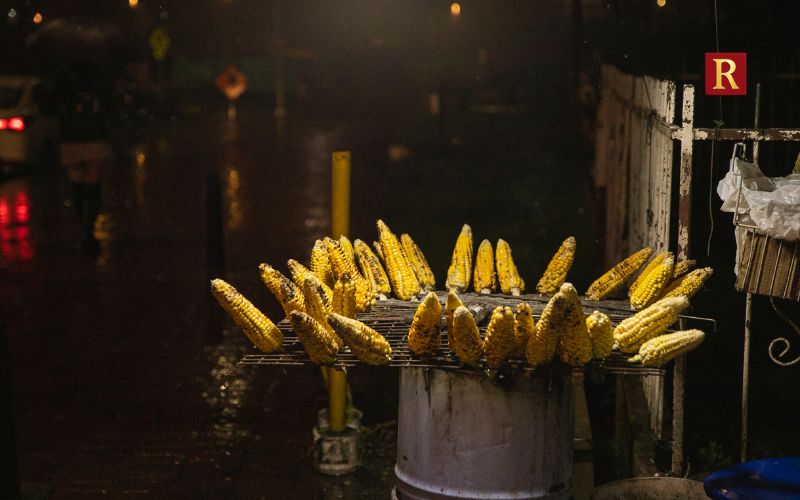
Roasted bhutta is one of the healthiest and most loved monsoon street foods in India. Fresh corn on the cob is slowly roasted over hot charcoal until the kernels become smoky and lightly charred. It is then rubbed with lemon juice, salt, and red chilli powder, creating a perfect balance of sweet, tangy, and spicy flavours. Bhutta is rich in dietary fibre, vitamin C, antioxidants, and essential minerals, making it a lighter alternative to fried snacks. During the rainy season, the aroma of roasting corn fills streets across the country, making it an irresistible treat for people of all ages.
3. Vada Pav
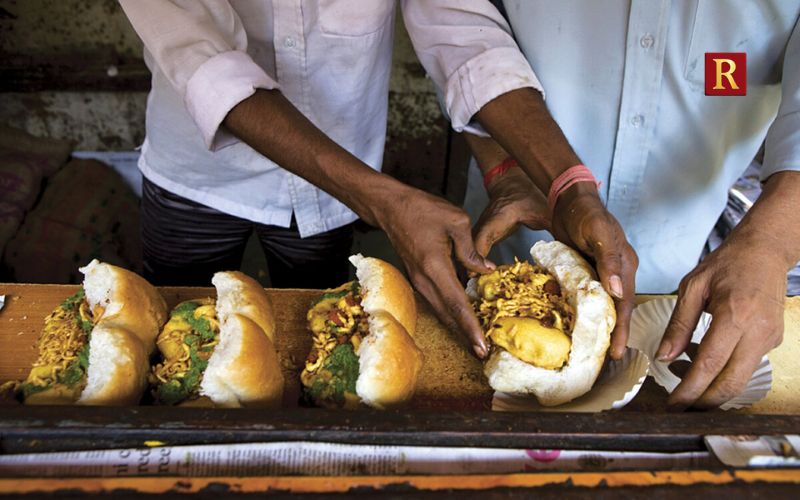
Often called Mumbai's signature street food, vada pav is a delicious combination of a spicy potato fritter placed inside a soft pav bun. The potato filling is prepared with mashed potatoes, mustard seeds, turmeric, garlic, green chillies, and coriander before being coated in gram flour batter and deep fried. It is served with dry garlic chutney, green chutney, and fried green chillies for an extra kick of flavour. Originally introduced as an affordable meal for textile workers during the 1960s, vada pav has become one of India's most popular street foods. It is especially comforting during rainy evenings with a hot cup of cutting chai.
4. Pav Bhaji
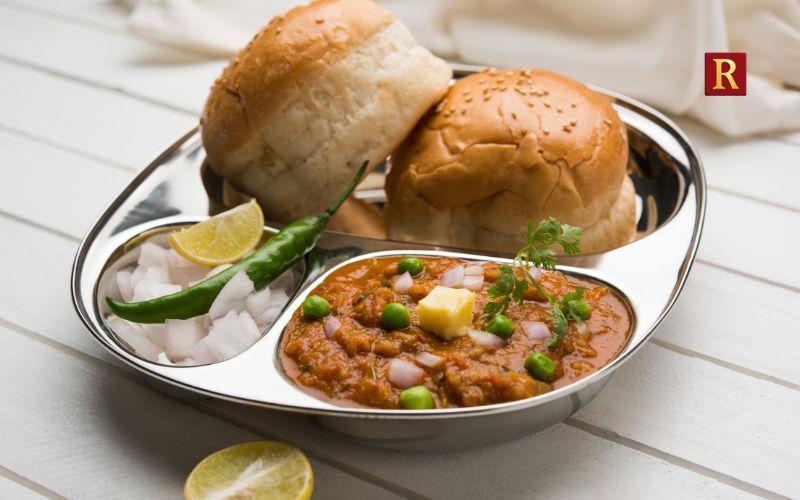
Pav bhaji is a rich and comforting street food that becomes even more enjoyable during the monsoon. The dish features a thick vegetable mash prepared using potatoes, tomatoes, peas, capsicum, onions, and a blend of aromatic spices known as pav bhaji masala. It is cooked with generous amounts of butter until smooth and flavourful. Soft bread rolls are toasted on a hot griddle with butter before being served alongside the bhaji. Fresh onions, coriander leaves, and lemon wedges add freshness to every bite. Originally created as a quick meal for Mumbai's textile workers, pav bhaji is now loved throughout India.
5. Kanda Bhaji
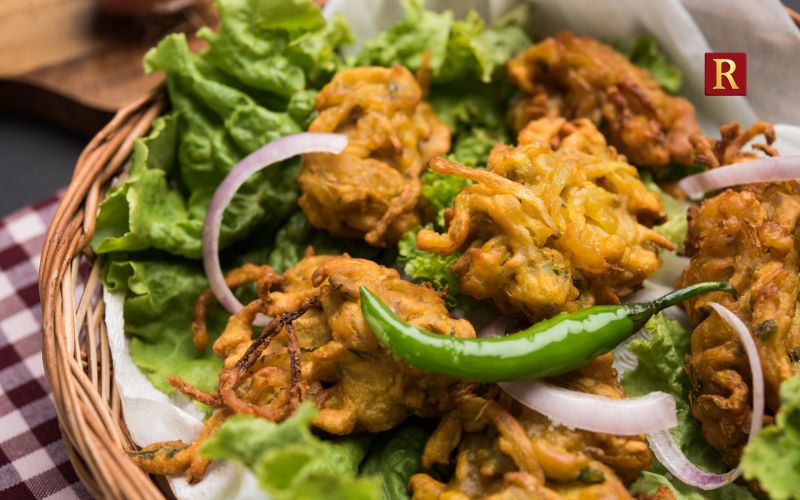
Kanda bhaji is a traditional Maharashtrian snack that holds a special place during the rainy season. Thin slices of onion are mixed with gram flour, green chillies, coriander, turmeric, carom seeds, and spices before being deep-fried into crispy clusters. Unlike regular pakoras, kanda bhaji has a lighter, crunchier texture because the onions naturally release moisture while frying. It is commonly served with spicy green chutney or dry garlic chutney and pairs perfectly with hot ginger tea. During heavy monsoon showers, roadside stalls across Maharashtra witness long queues of people waiting to enjoy this freshly fried seasonal favourite.
6. Momos
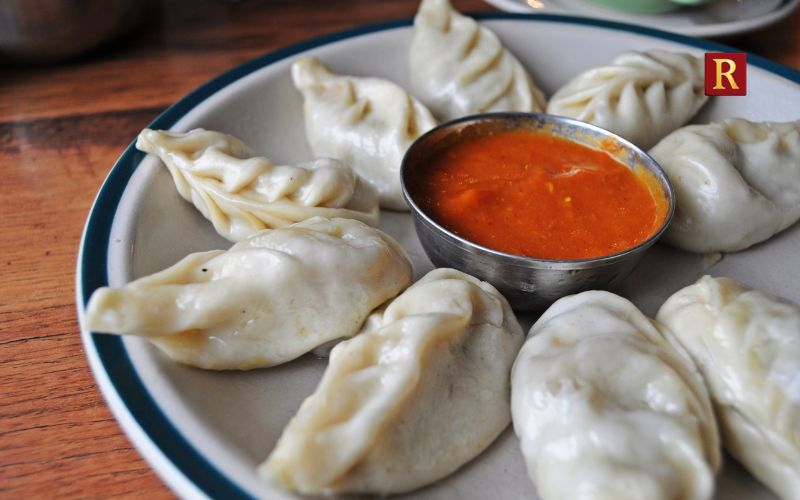
Momos have become one of India's favourite street foods, especially during the monsoon when people crave warm and comforting snacks. Originally from the Himalayan region, these soft dumplings are commonly filled with vegetables, paneer, mushrooms, or a mix of finely chopped ingredients and aromatic seasonings. They are steamed until tender and served with a fiery red chilli-garlic chutney that adds a spicy kick. Fried momos are also popular for those who enjoy a crisp texture. Rich in flavour yet lighter than many deep-fried snacks, momos pair perfectly with cool, rainy evenings and a hot bowl of clear soup.
7. Mirchi Bajji
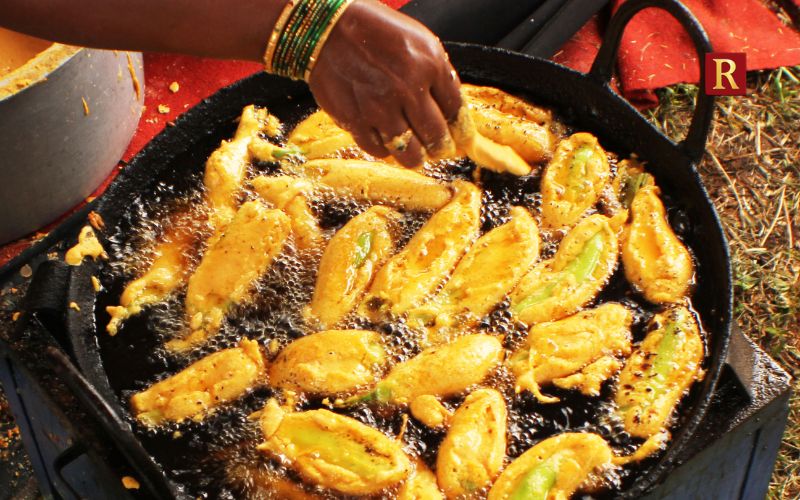
Mirchi bajji is a famous monsoon snack from Telangana and Andhra Pradesh that combines bold flavours with a satisfying crunch. Large, mild green chillies are slit open and often stuffed with a tangy spice mixture before being coated in seasoned gram flour batter and deep-fried until golden. Despite their size, the chillies are usually less spicy than they appear, making the snack enjoyable for many people. Street vendors often top mirchi bajji with chopped onions, fresh coriander, lemon juice, and tangy chutneys to enhance the taste. It is a favourite choice during rainy evenings across southern India.
8. Samosa
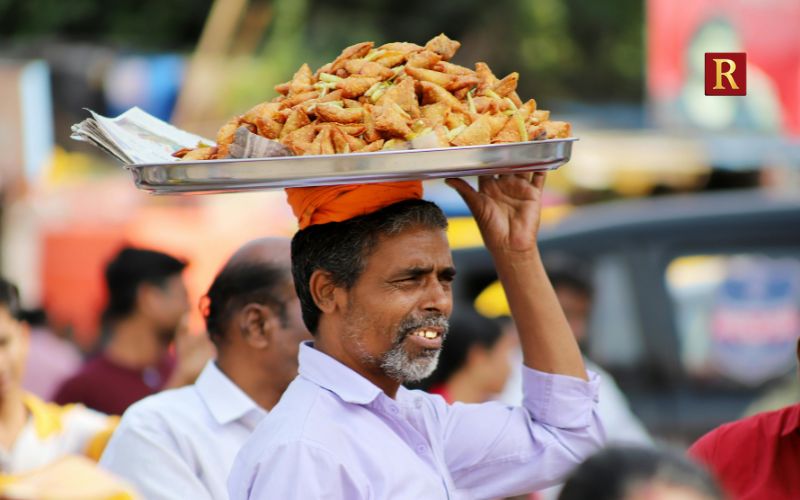
Samosa is one of India's most iconic snacks and remains a favourite during the rainy season. Its crisp, flaky pastry is filled with a delicious mixture of spiced potatoes, green peas, herbs, and aromatic spices before being deep-fried until perfectly golden. Different regions have introduced unique variations, including fillings made with lentils, dry fruits, paneer, noodles, or cheese. Samosas are commonly served with sweet tamarind chutney and spicy mint chutney, creating a balance of sweet, tangy, and spicy flavours. Whether enjoyed at roadside stalls or tea shops, samosas continue to be a timeless comfort food during monsoon.
9. Bread Pakora
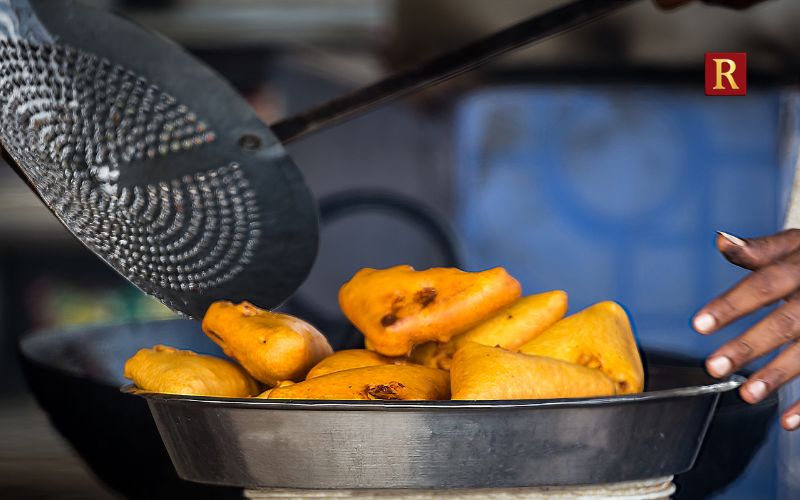
Bread pakora is a filling North Indian street food that becomes especially popular when it rains. Thick slices of bread are stuffed with a spiced mashed potato filling, coated in a seasoned gram flour batter, and deep-fried until crisp and golden. Some versions also include paneer or green chutney inside the bread for added flavour. The crunchy exterior contrasts beautifully with the soft, savoury filling, making every bite satisfying. It is usually served with mint chutney, tamarind sauce, or fried green chillies. A hot cup of masala chai alongside bread pakora creates the perfect rainy-day snack combination.
10. Aloo Tikki
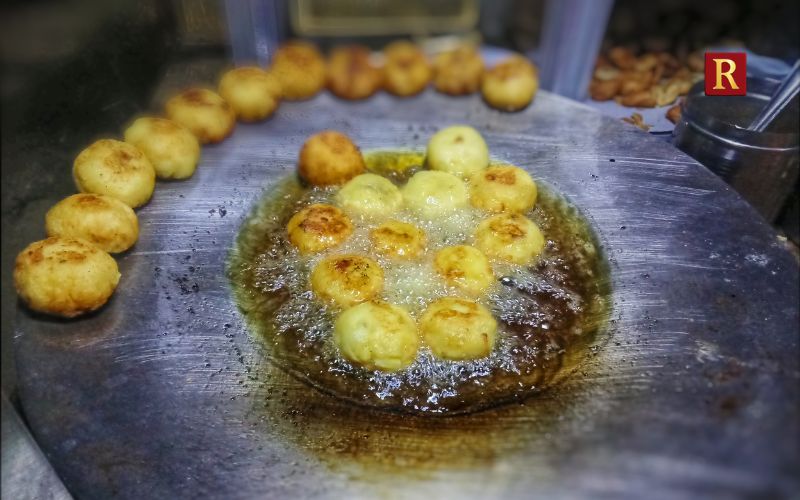
Aloo tikki is one of Delhi's most famous street food dishes and a must-try during the monsoon season. Made from mashed potatoes mixed with spices and herbs, the patties are shallow-fried until they develop a crisp golden crust while remaining soft inside. They are then topped with creamy yoghurt, spicy green chutney, sweet tamarind chutney, chopped onions, fresh coriander, and a sprinkle of chaat masala. Some vendors also add chickpea curry to create an even more filling meal. The combination of crunchy, creamy, tangy, and spicy flavours makes aloo tikki an unforgettable rainy-day favourite.
11. Ram Ladoo
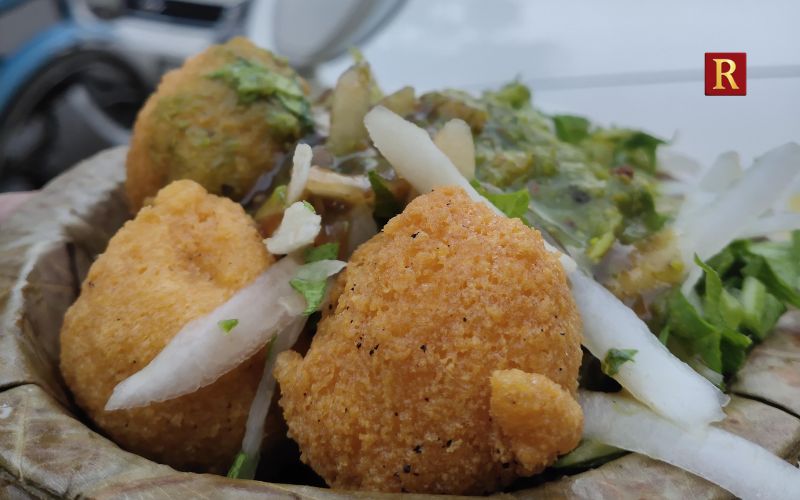
Despite its name, Ram Ladoo is not a sweet dessert but one of Delhi's most iconic street foods. These crispy fritters are made from soaked and ground moong dal and chana dal, which are whipped into a light batter before being deep-fried until golden and crunchy. What makes Ram Ladoo unique is its refreshing topping of grated white radish, fresh coriander, and spicy green chutney. The combination of crispy lentil fritters with crunchy radish creates a delightful contrast of textures. Popular in Delhi's bustling markets, Ram Ladoo is a favourite monsoon snack that offers both flavour and a good source of plant-based protein.
12. Moong Dal Pakodi
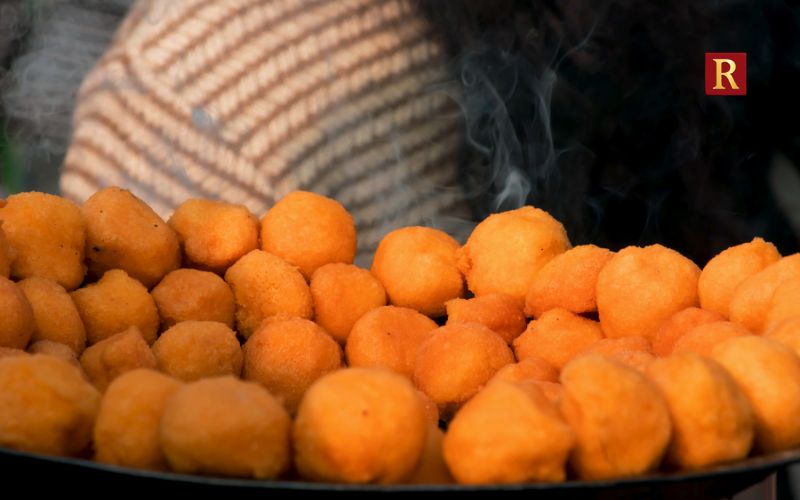
Moong Dal Pakodi is a traditional Rajasthani snack that is especially popular during the rainy season. Prepared using soaked yellow moong dal blended with green chillies, ginger, coriander, cumin, and aromatic spices, the batter is deep-fried into bite-sized fritters until crisp and golden. Unlike potato-based pakoras, these lentil fritters contain more protein and have a rich, nutty flavour. Their crunchy texture and spicy taste make them perfect for enjoying with mint chutney or tangy tamarind sauce. During monsoon evenings, many households and roadside vendors across Rajasthan serve freshly fried moong dal pakodis with hot masala chai.
13. Sabudana Vada
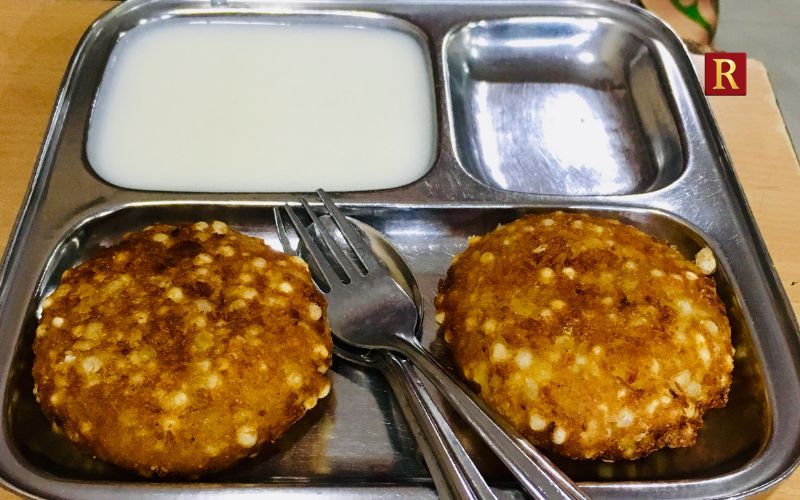
Sabudana Vada is a beloved snack from Maharashtra and Gujarat that is widely enjoyed during the monsoon and festive fasting periods. It is prepared using soaked tapioca pearls mixed with mashed potatoes, roasted peanuts, green chillies, cumin, coriander, and fresh herbs. The mixture is shaped into round patties and deep-fried until the outside becomes perfectly crisp while the centre remains soft and chewy. The roasted peanuts add a delicious crunch and nutty flavour to every bite. Sabudana vada is traditionally served with coconut chutney or yoghurt, making it a satisfying and comforting snack for cool rainy days.
14. Mysore Bonda
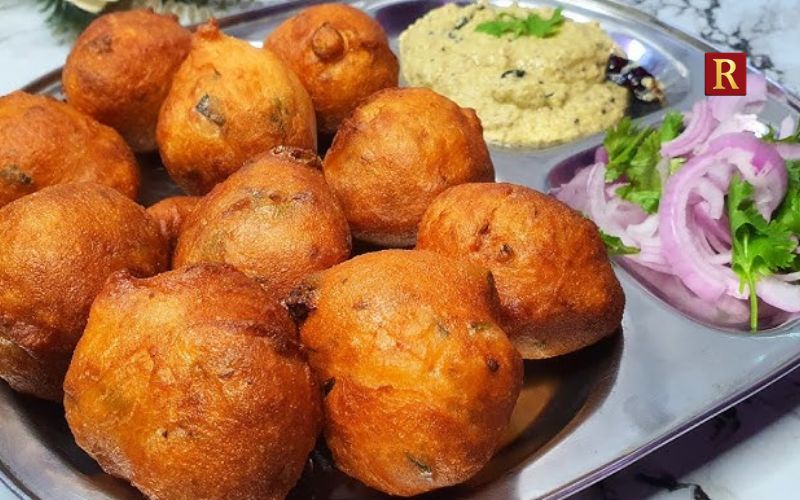
Mysore Bonda is a popular South Indian snack that perfectly complements rainy weather. Made from a batter of refined flour or urad dal, it is flavoured with ginger, green chillies, black pepper, curry leaves, cumin, and sometimes grated coconut. Small portions of the batter are deep-fried until they develop a crispy golden crust while remaining soft, airy, and fluffy inside. The mild spices give the snack a comforting warmth that pairs beautifully with coconut chutney and hot sambar. Served in many restaurants and roadside stalls across Karnataka and neighbouring states, Mysore Bonda is a favourite tea-time treat during monsoon.
15. Jhal Muri
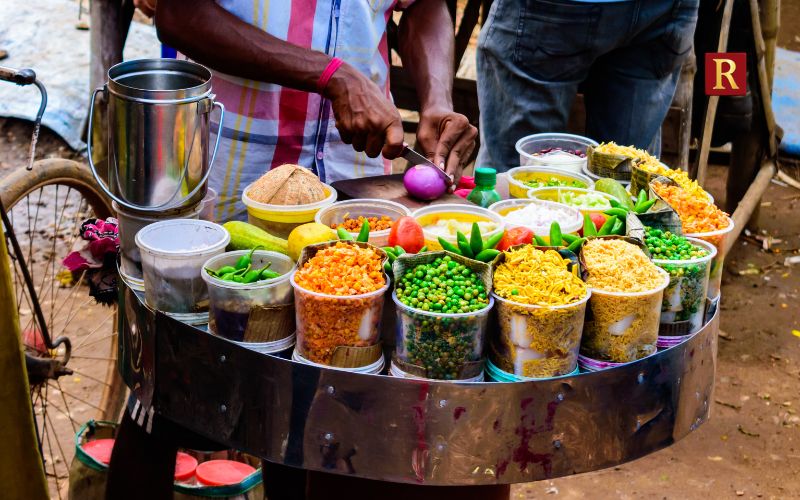
Jhal Muri is Kolkata's famous street snack that proves delicious food does not always need deep frying. It is prepared by mixing puffed rice with roasted peanuts, chopped onions, tomatoes, green chillies, coriander leaves, roasted spices, black salt, and a generous drizzle of pungent mustard oil. Some vendors also add boiled potatoes, coconut pieces, or crunchy sev to enhance the texture. The result is a light yet flavour-packed snack with spicy, tangy, and smoky notes in every bite. Easy to carry and quick to prepare, Jhal Muri remains a favourite monsoon treat for people strolling through Kolkata's busy streets.
The Science Behind Crispy Street Food
The irresistible taste of fried snacks comes from the Maillard reaction. This natural chemical process happens when proteins and sugars react at temperatures between 140°C and 165°C. It creates the golden-brown colour, rich aroma, and savoury flavour found in pakoras, samosas, and bread pakoras. Freshly fried food also releases hundreds of aroma compounds that become more noticeable in cool, humid weather. This explains why street food often smells even more inviting during rainfall.
Nutrition at a Glance
Not all monsoon snacks have the same nutritional value.
Roasted bhutta contains around 100–120 calories and is high in fibre.
Steamed momos provide about 35–45 calories per piece, depending on the filling.
Pakoras usually contain 250–350 calories per serving because of deep frying.
A single vada pav contains approximately 300–350 calories.
Bread pakora can range between 300–400 calories.
Balancing fried snacks with roasted or steamed options helps create a healthier seasonal diet.
Bringing the Street Food Experience Home
Monsoon brings higher humidity, which allows bacteria to multiply faster. Choosing hygienic vendors is just as important as selecting delicious food. Look for stalls that prepare food fresh in front of customers. Eat snacks while they are still hot. Avoid uncovered chutneys, cut fruits, and food that has been left outside for long periods. Drinking clean bottled or filtered water also reduces the risk of seasonal infections.
Many classic monsoon snacks can be recreated in your own kitchen with healthier methods. Air fryers reduce oil without sacrificing crispness. Whole wheat bread works well for bread pakoras, while roasted spices can replace extra salt for more flavour. Homemade mint chutney, tamarind sauce, and masala tea complete the experience and allow families to enjoy favourite rainy-day dishes in a safe environment.
Happy Monsoon!
India's monsoon street food is much more than a collection of snacks. It reflects regional traditions, local ingredients, and the country's love for sharing food during every season. Whether it is the smoky flavour of roasted bhutta, the crisp bite of pakoras, the spice of mirchi bajji, or the comforting taste of pav bhaji, every dish tells a story of culture and community. As the rain begins to fall, these timeless favourites continue to turn ordinary evenings into memorable food experiences. Choosing freshly prepared dishes from clean vendors or recreating them at home ensures that every bite remains both delicious and safe throughout the monsoon season.
Saptopriya Ghosal
Feature Writer
I am a dedicated media professional with a bachelor's degree in mass communication from the State University of Calcutta and a postgraduate degree from Amity University. My academic journey has equipped me with a profound understanding of storytelling and communication. Passionate about the dynamic world of media, I continually strive to explore new ways to engage and inform through compelling narratives.



































































































































































