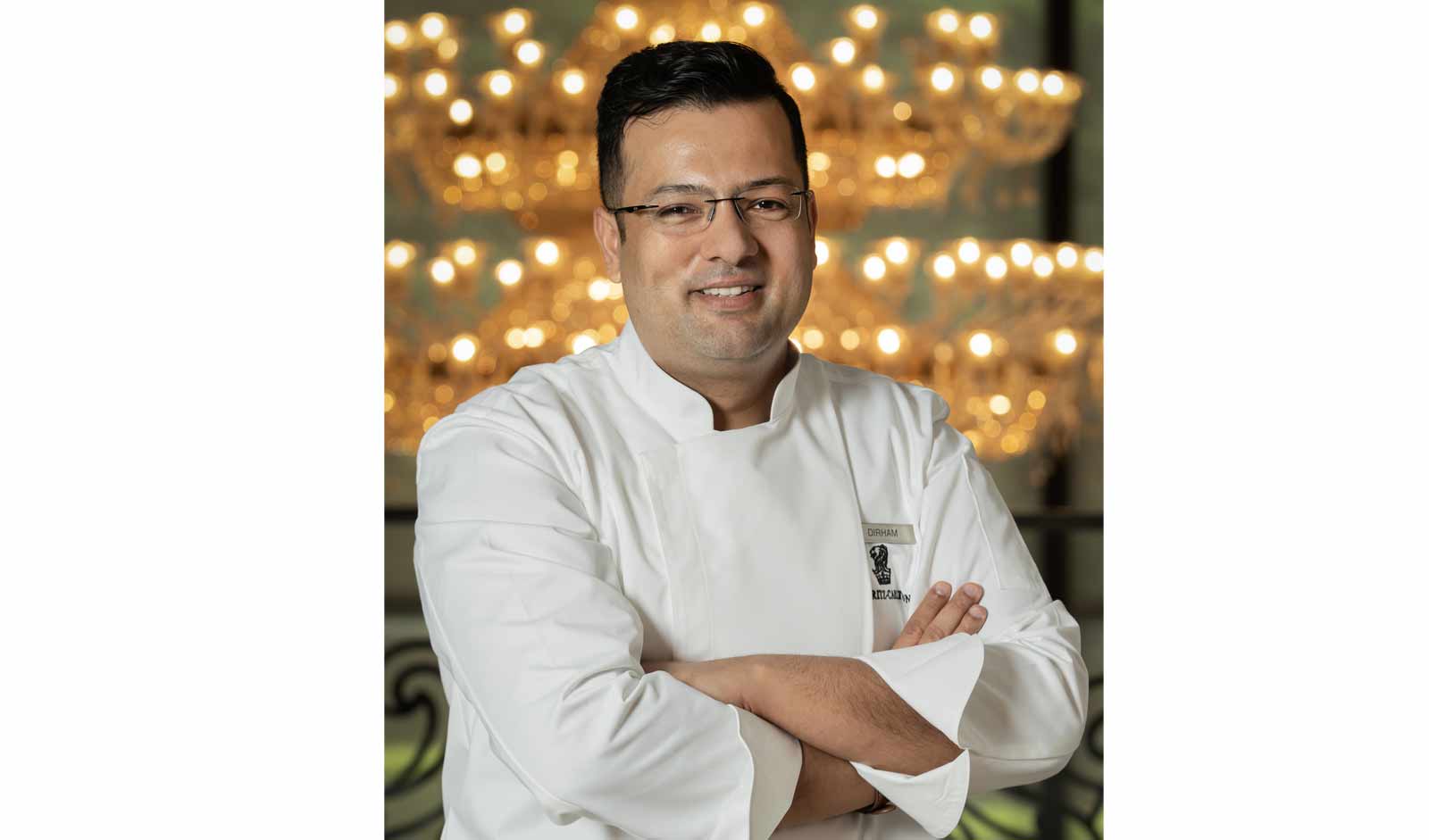
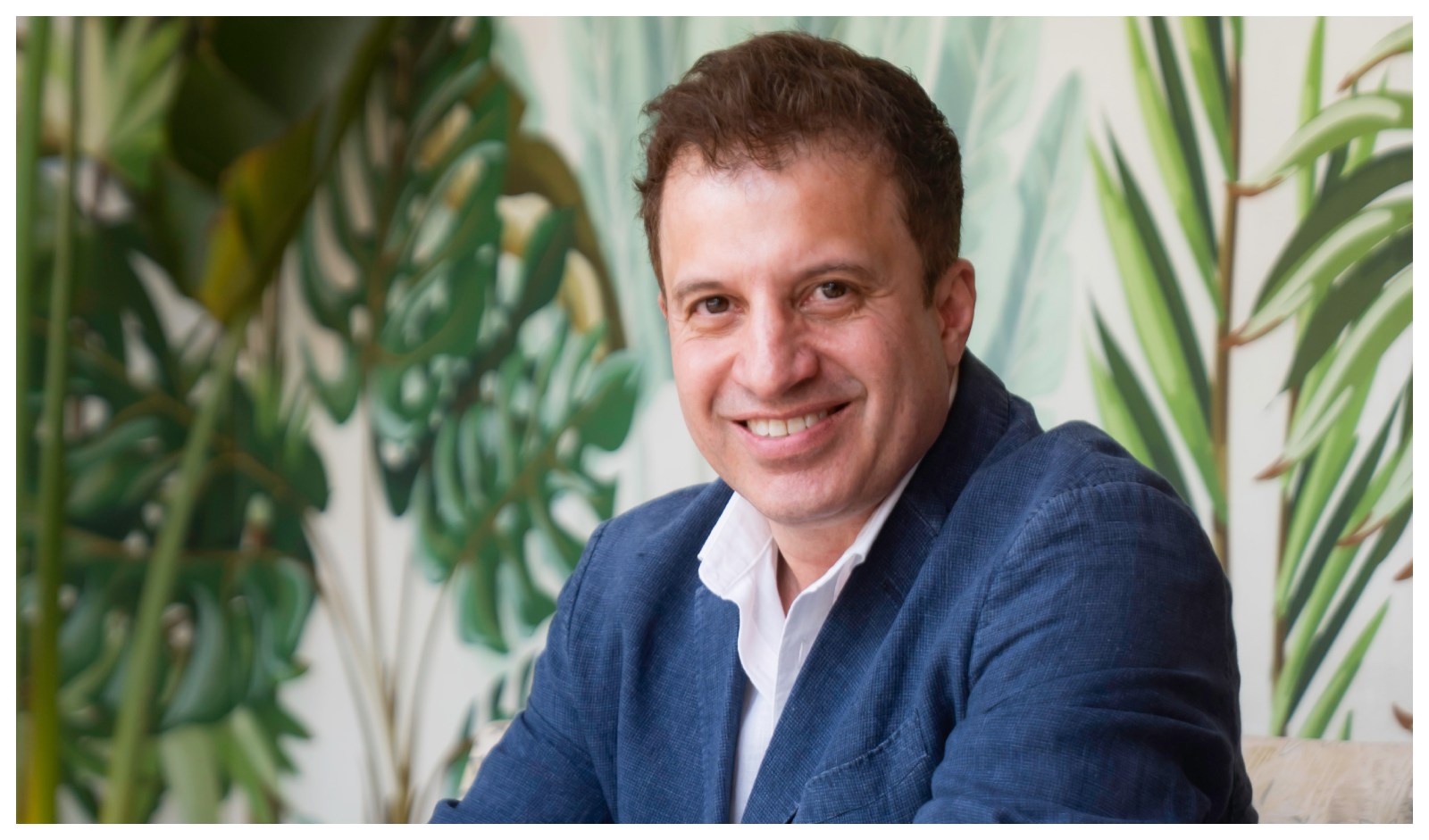
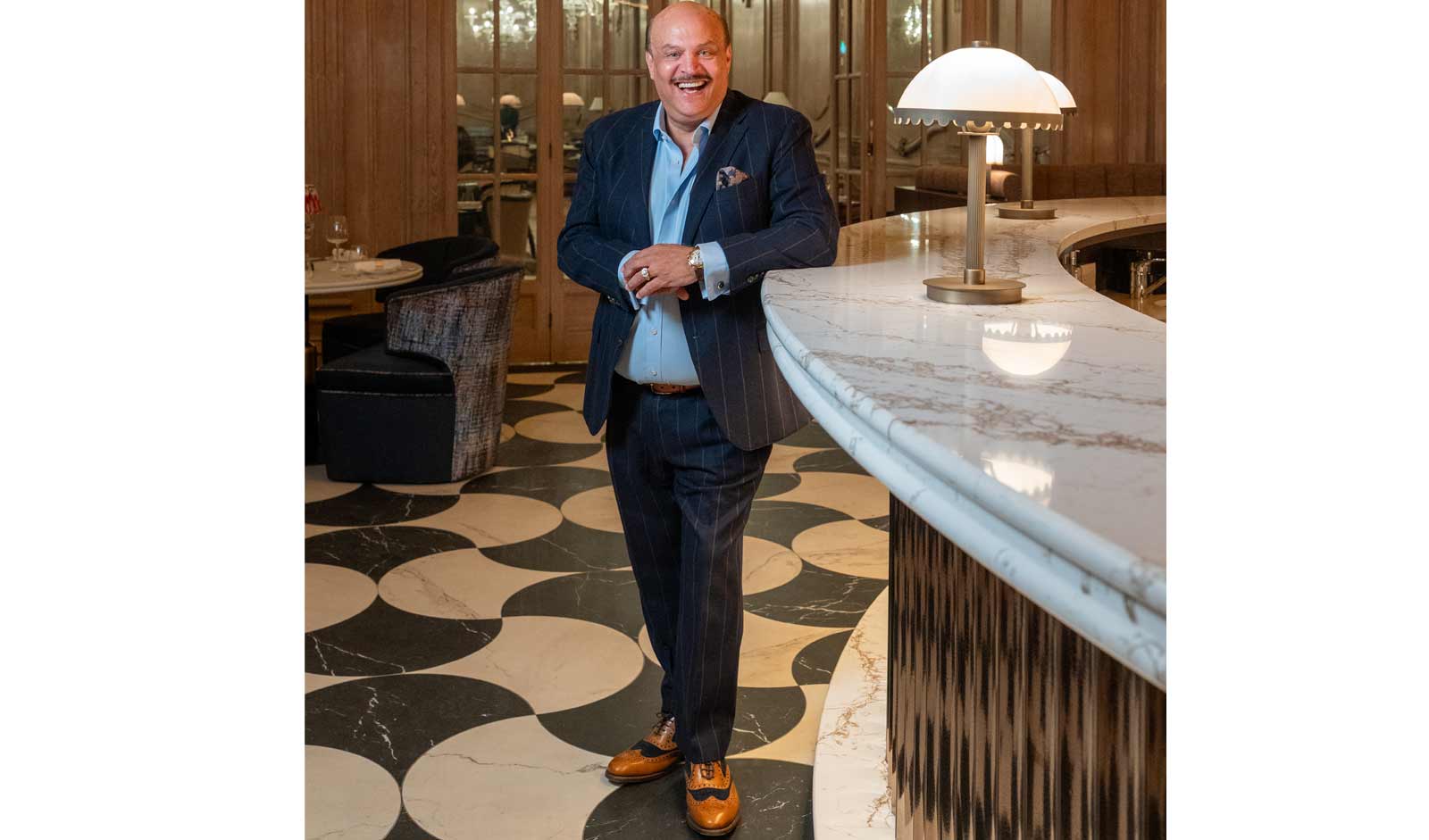
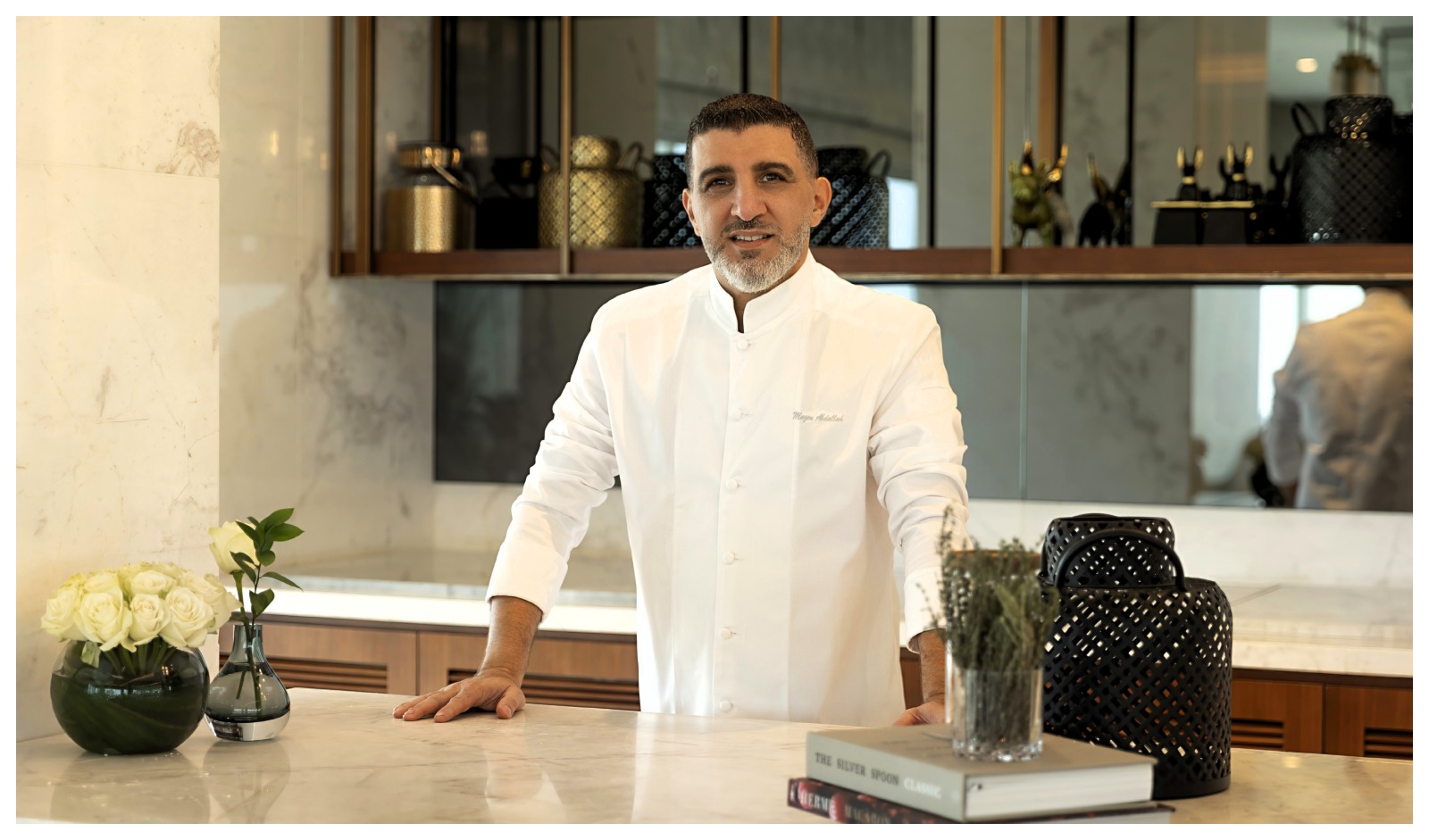
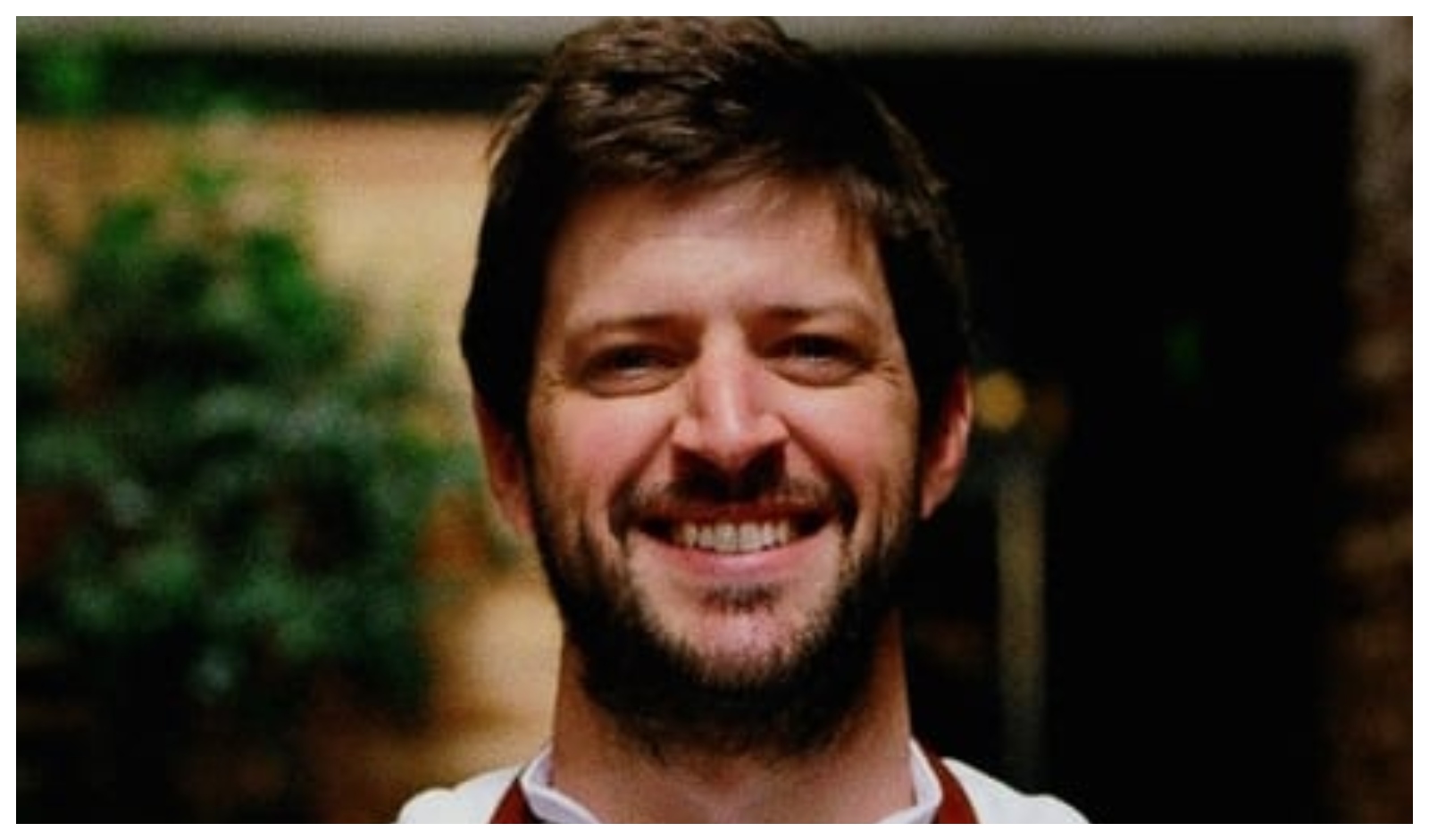
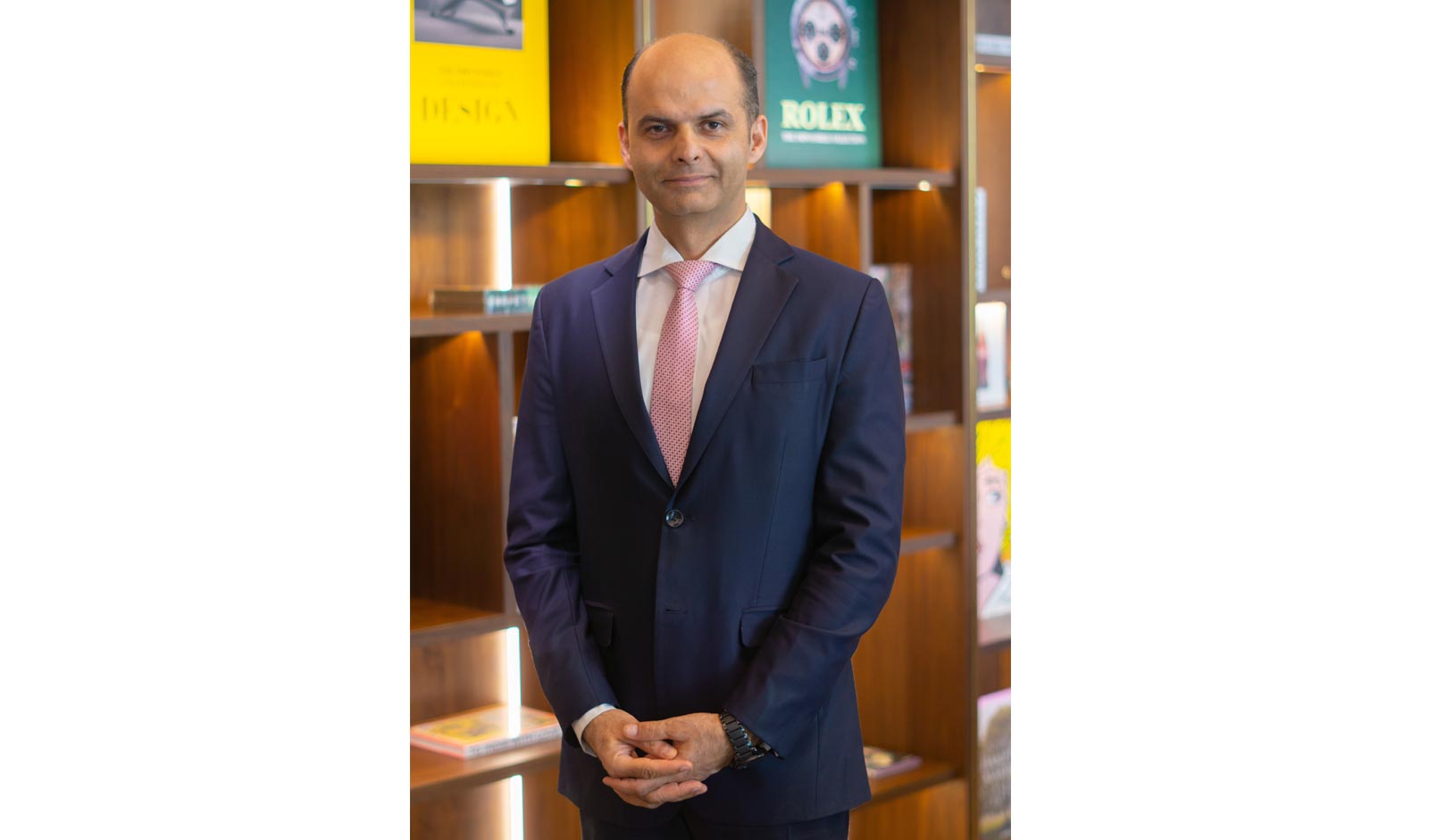
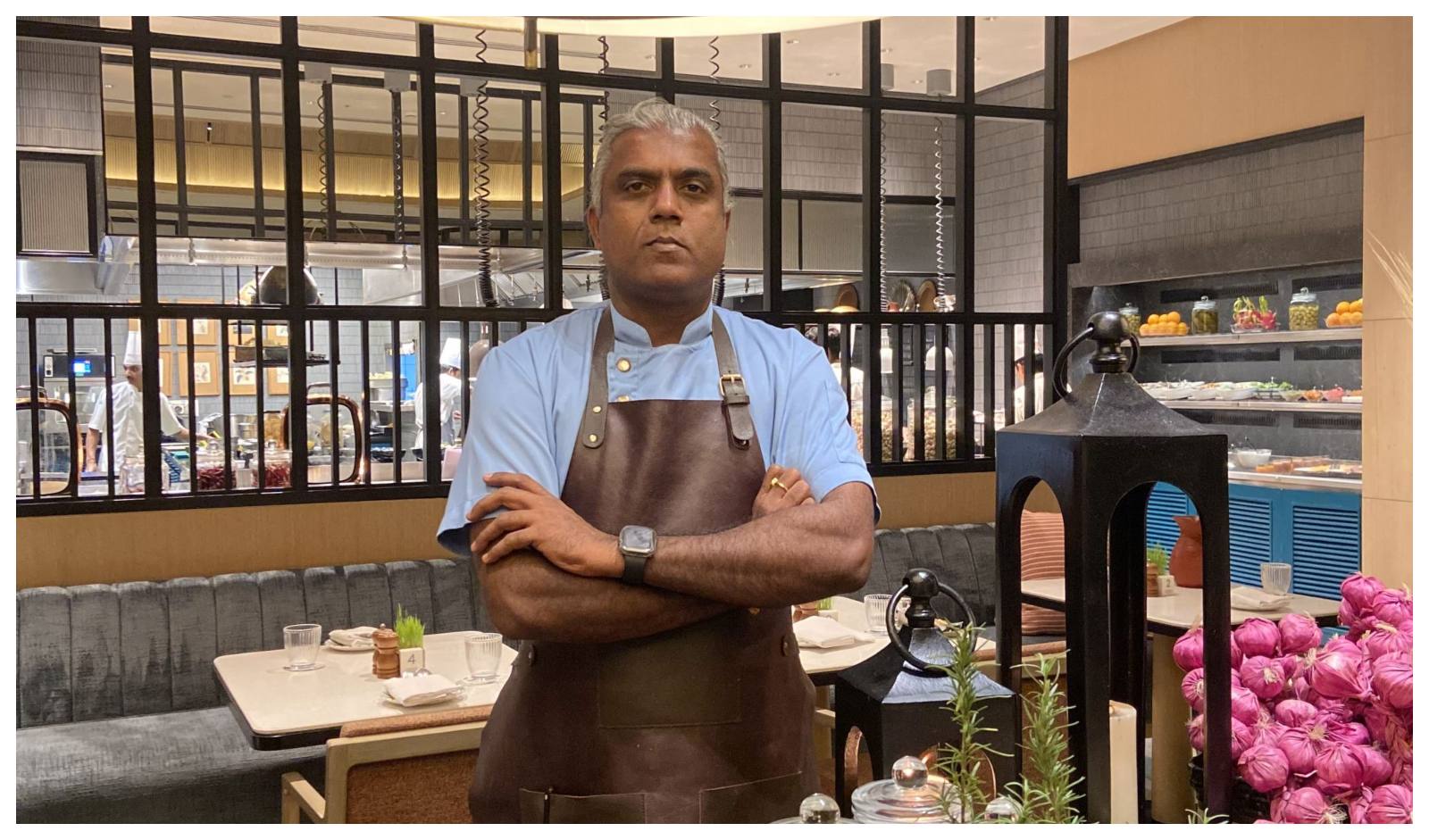
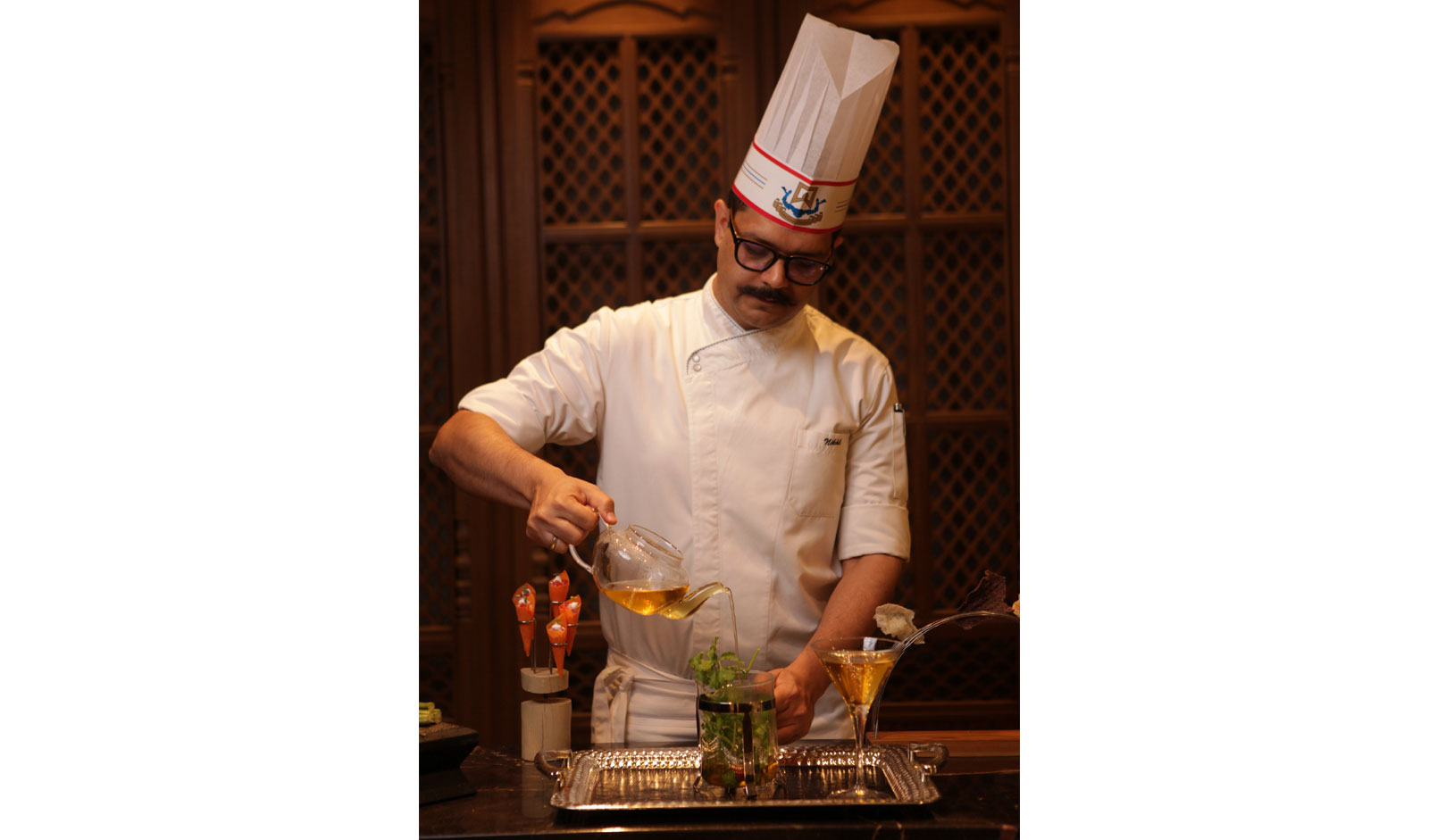
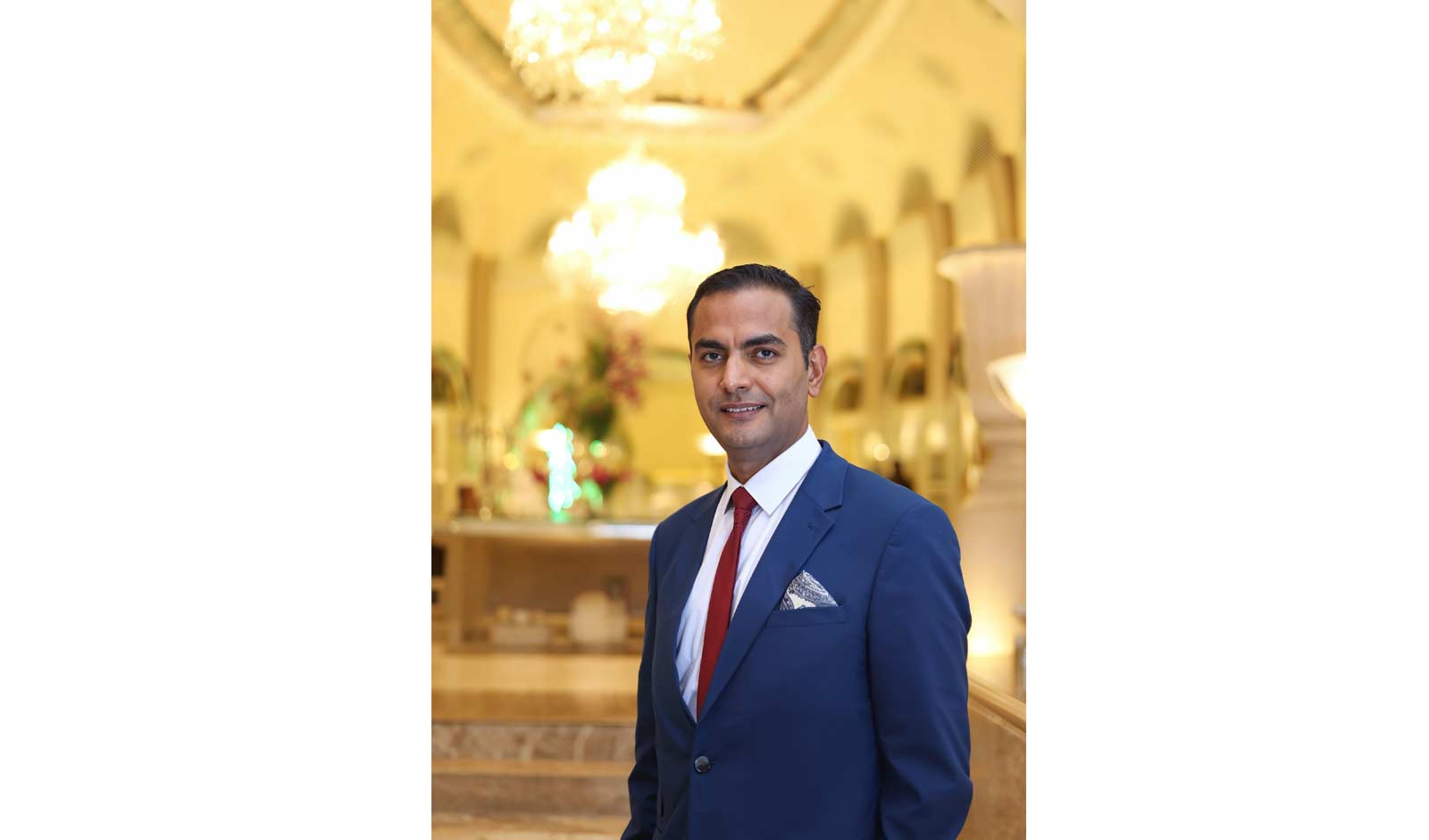
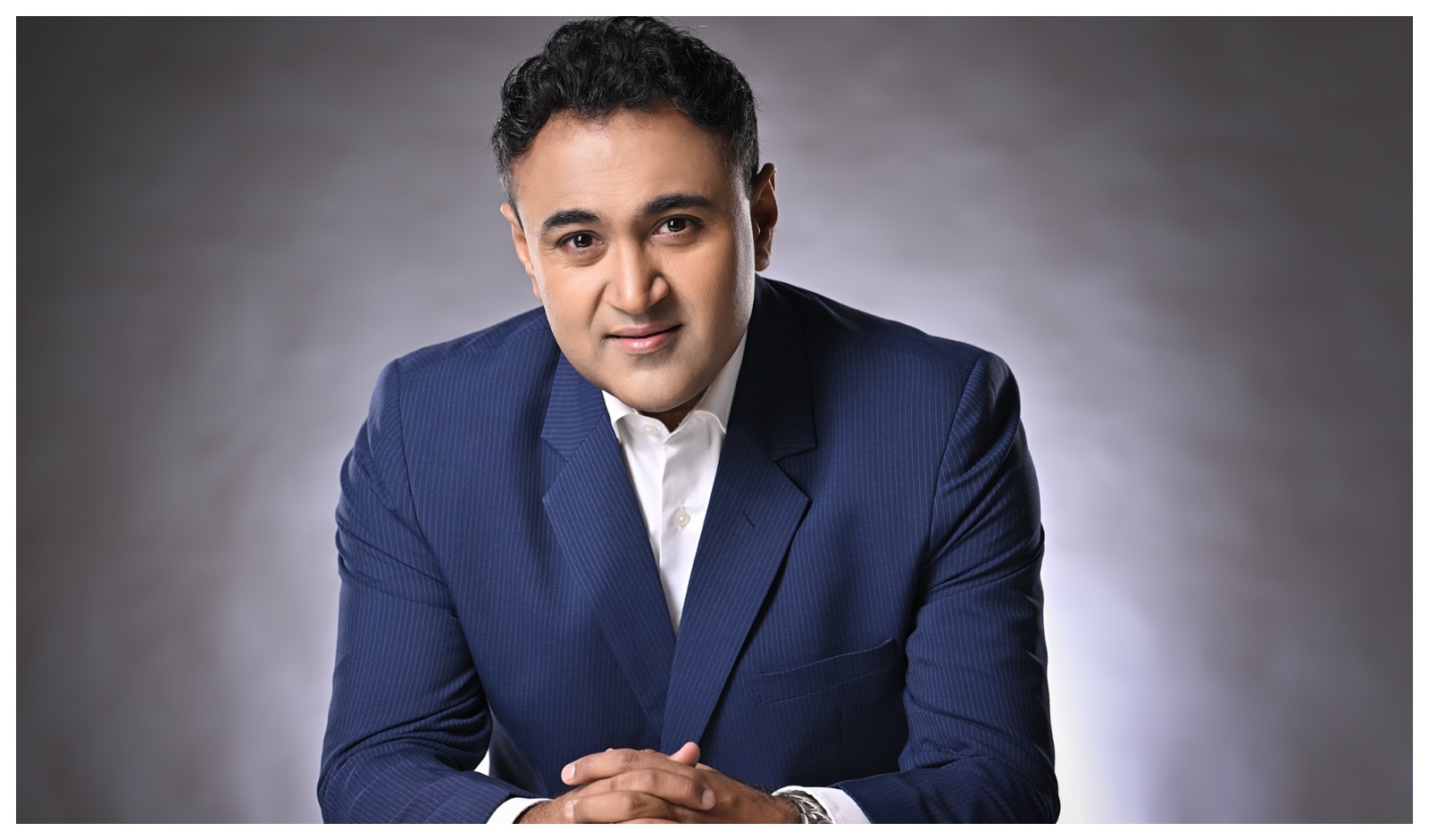
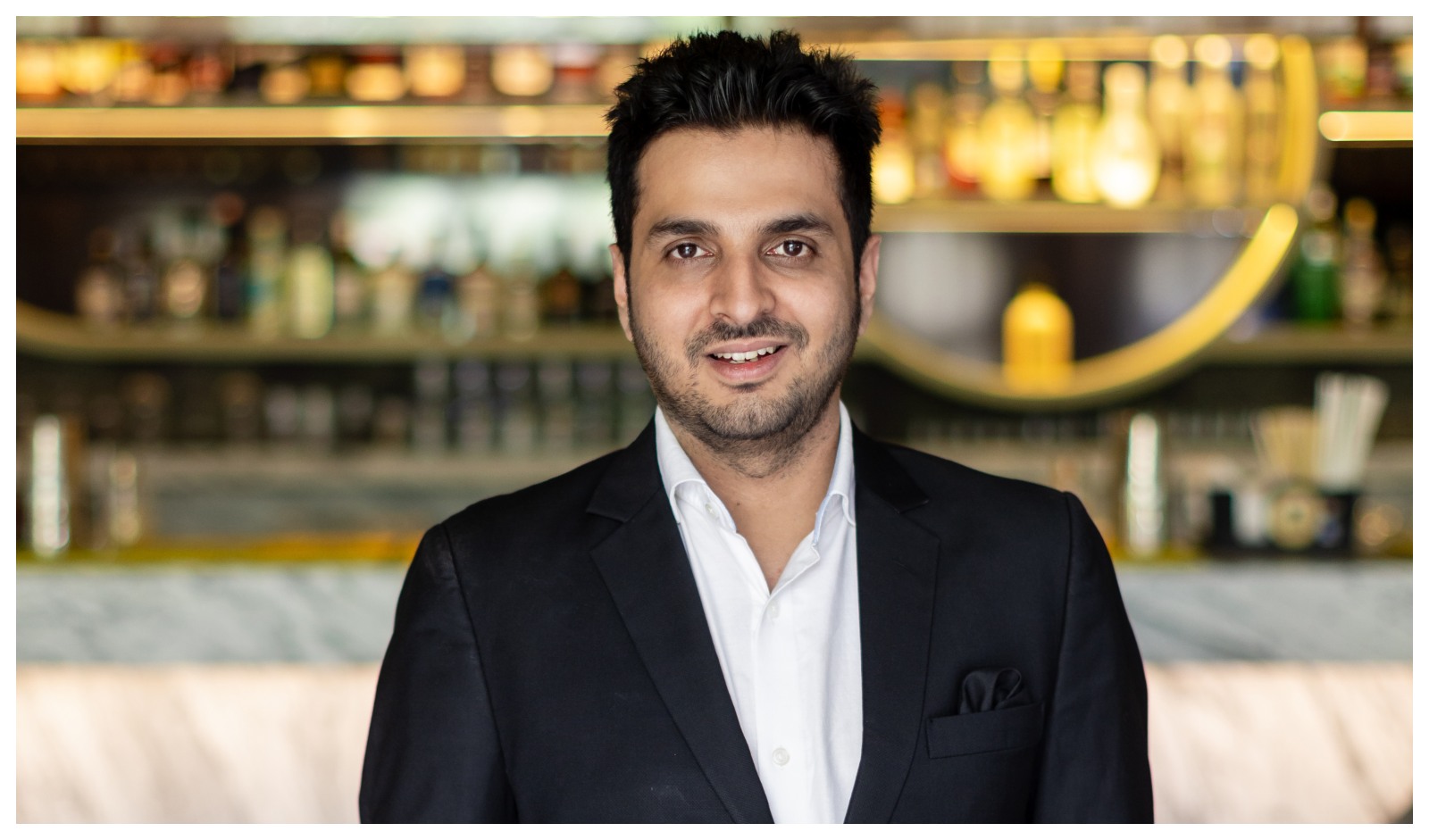
"Modern Indian Cuisine, Japanese, Teppanyaki, and Korean food are Trending," says Chef Amit Dash
An alumnus of IIHM Kolkata, Chef Dash’s illustrious career includes key roles with Taj Hotels, ITC Hotels, Marriott International, and Atmosphere Hotels & Resorts in the Maldives.


With over 20 years of culinary expertise across leading global hospitality brands, Chef Amit Dash has carved a niche in India’s luxury dining scene. As the Multi-Property Executive Chef for The Westin Gurgaon, New Delhi and The Westin Sohna Resort & Spa, he seamlessly blends innovation, wellness-driven cuisine, and operational finesse.
An alumnus of IIHM Kolkata, Chef Dash’s illustrious career includes key roles with Taj Hotels, ITC Hotels, Marriott International, and Atmosphere Hotels & Resorts in the Maldives. His leadership across two distinct properties reflects his strategic vision, commitment to sustainability, and talent for building high-performing teams—continually setting new standards in guest experience and contemporary hospitality cuisine. In an exclusive interview with RestaurantIndia, Dash shared about his culinary journey, technology, authenticity, sustainability and much more.
Consistency and Diverse Cuisine Offerings:
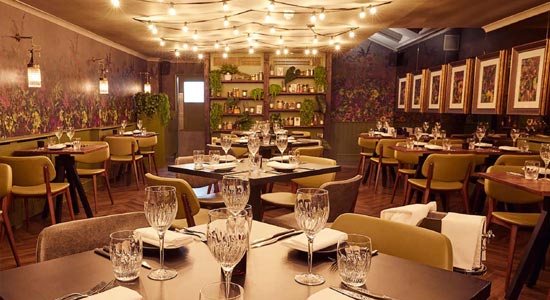
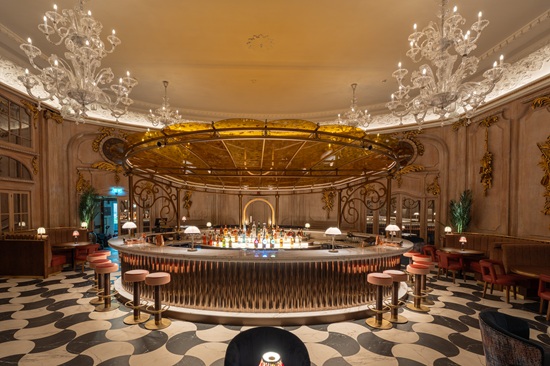
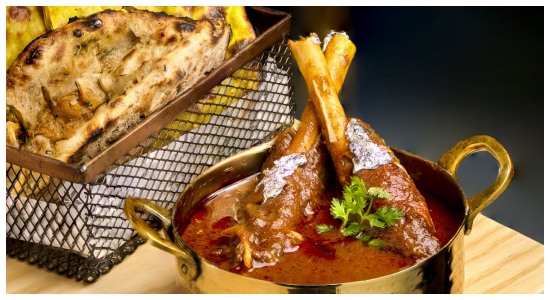
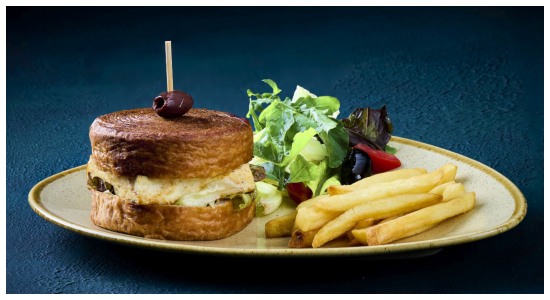
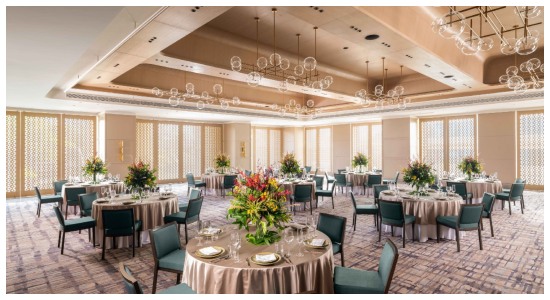
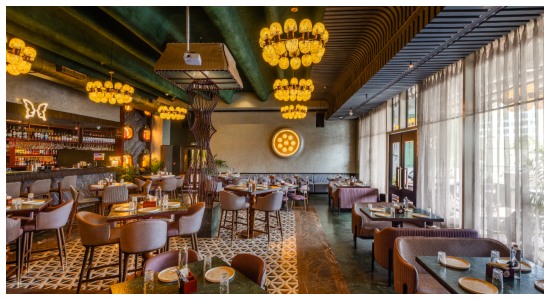
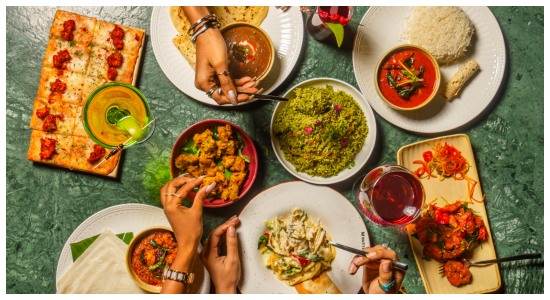
Chef Dash highlighted the diverse culinary offerings across the ten F&B outlets spread between the hotel and resort, each celebrating a unique cuisine. Personally inclined towards Italian and Asian flavours, Chef Dash shared that the hotel features an all-day dining restaurant with global cuisine and wellness-centric options, an Italian restaurant showcasing a seasonal menu crafted by an expat chef, a Pan-Asian restaurant led by another expat chef, a lively bar, and a modern Indian dining space. At the resort, guests can explore a concept-driven Asian restaurant, a multi-cuisine coffee shop, and a bar serving curated small plates.
Zero Waste Cooking Approach:
“We focus on 100% zero waste cooking and are implementing the Vinno system, an AI-based technology to track and reduce food wastage. They also emphasized the following on production charts to control ingredient usage and minimize waste,” noted Dash.
Contribution by Expat Chefs:
Chef Dash explained that the expat chefs collaborate with the team, bringing international experience while adapting to local needs and guest preferences, offering flexibility and customization.
Team Building and Motivation:
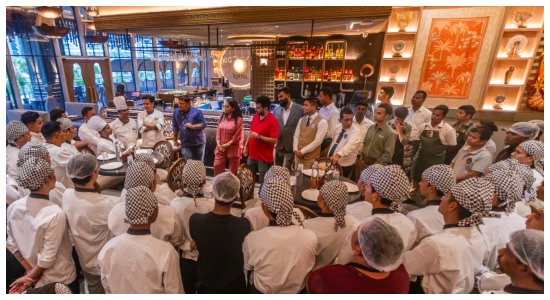
“I have 235 staff reporting to me across both the properties and focus is on frequent interaction, team-building exercises like cooking competitions, involving team members in menu creation, a buddy system for new joiners, regular sessions, and an open-door policy to foster motivation and address concerns,” added Dash.
Meaning of Authenticity in Food:
He stressed on the importance of adhering to the original preparation and taste of dishes, citing butter chicken as an example, while acknowledging some blending of cuisines in specific contexts.
Evolving for Experience-Based Dining:
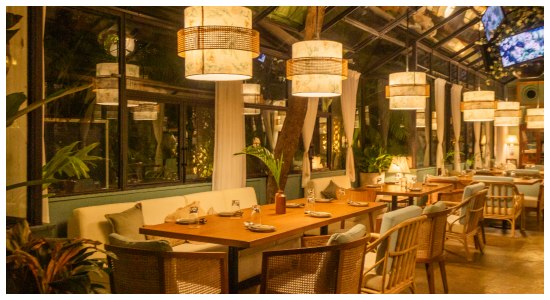
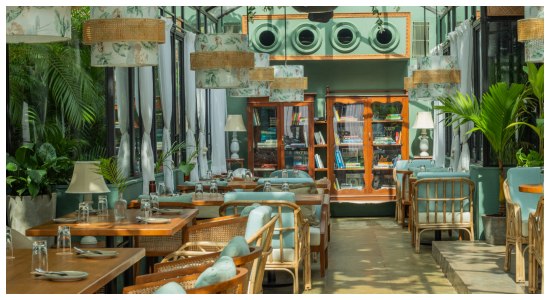
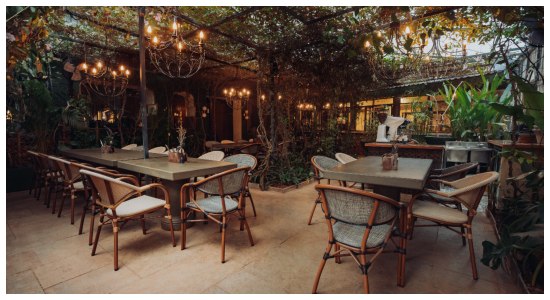
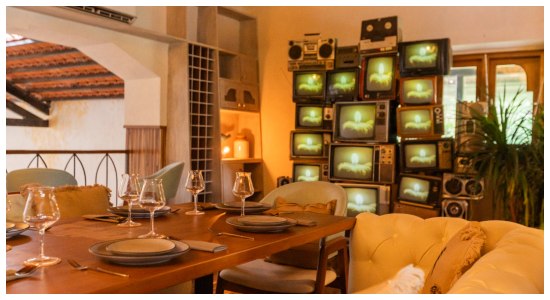
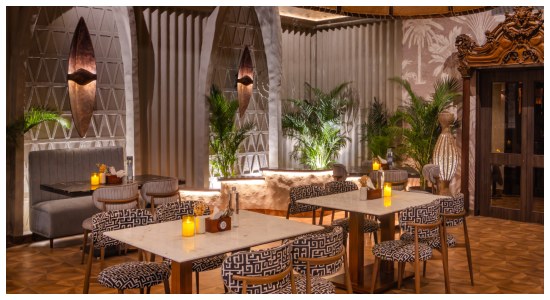
We focus on creating a holistic experience in all restaurants, including decor, service, music, and themed brunches. He elaborated about the authenticity brought by expat chefs, live cooking elements, and the unique ambiance of their open-air restaurant with retro music and modern Indian food, along with pop-up events featuring guest chefs.
Focus on Sustainability:
Chef Dash reiterated their use of the on-site garden and sourcing local seafood and meat within a 50 km radius. He emphasized that their menus in the resort and for in-room dining are largely based on sustainable ingredients, with many dishes having a sustainability-focused story.
Technology in the Culinary:
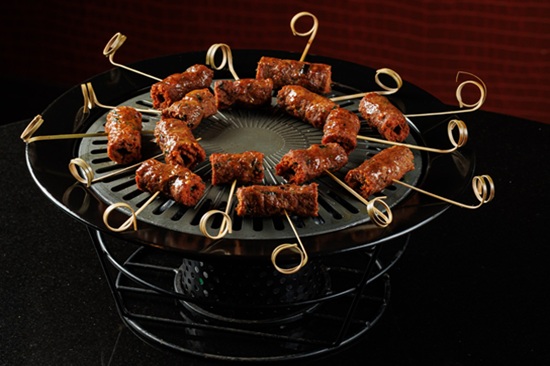
Chef Dash highlighted multi-sensory dining, conscious indulgence with transparent sourcing, and AI-driven smart kitchens with live cooking as key aspects. He mentioned about the recent launch of a teppanyaki grill as an example of live cooking.
Challenges in Managing Multi-Property:
The difficulty of attracting talent in the remote resort location is a challenge. “Our solution involved hiring local villagers, such as two aunties who make parathas, showcasing local talent and authentic cuisine to guests. For the hotel, stewarding manpower was a challenge, addressed by partnering with agencies for sourcing,” commented Dash.
Popular Trends:
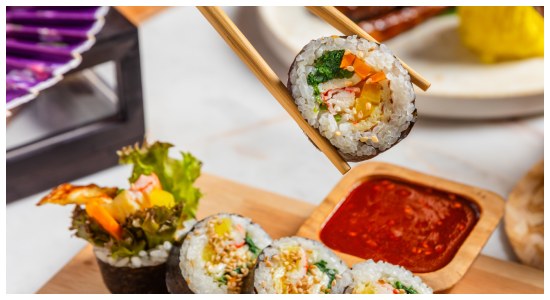
Modern Indian, Modern Japanese, Teppanyaki, and Korean food are the current popular trends.
New Innovations:
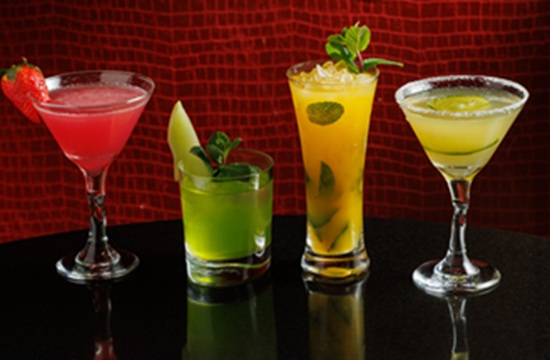
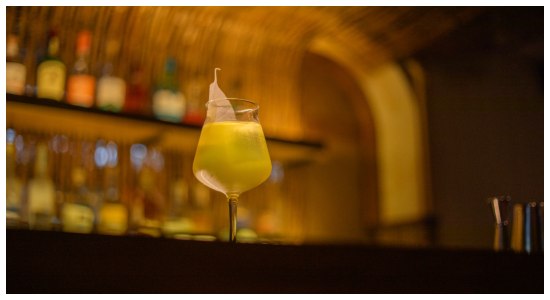
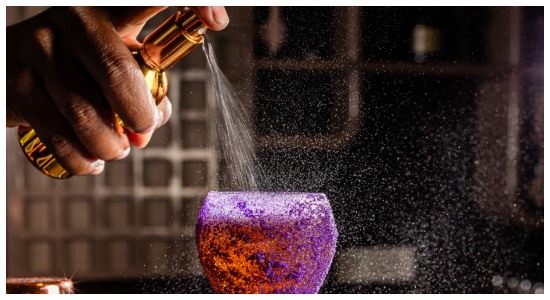
Chef Dash mentioned having a diverse martini menu at the resort and offering zero-sugar cocktails, though they are not highly ordered. Western Gurgaon has a "Western Eat Well" concept featuring pest-free, organic, and vegan dishes.
Balancing Creativity and Presentation:
Creativity plays an important role. Thorough training and trials are conducted before launching a new menu, including identifying appropriate crockery ware which ensures creativity and presentation both.
Menu Development Process:
Specialty restaurant menus are changed bi-annually or tri-annually based on seasonal availability and menu engineering analysis, wherein we consider the popularity and feedback of existing dishes. “We prioritize using seasonal and local ingredients, with approximately 50% of Italian products being imported and the majority of ingredients for the Asian restaurant sourced locally and sustainably,” pointed Dash.
Future of Culinary Industry and Talent Retention:
Chef Dash believes that AI is a significant trend but emphasizes the continued importance of practice and patience for young chefs. He stated, "For talent retention, they are reiterated providing opportunities, guidance, and regular feedback, celebrating milestones, and organizing team outings."
Signature Dish Preferences:
Biryani, making stuffed ravioli and a Kolkata Chinese dish called tanga are my signature dishes.
3 Essential Kitchen Tools:
Knife, a tasting spoon, and mobile phone for staying updated on trends
Vijetha Iyer
Content Editor
Working as a Content Editor with Restaurant India. I have worked in various sectors like food and beverage sector, chemicals, pharma, nutraceuticals, now specially focusing on restaurant side. But my core knowledge was always on content. Be it writing poems to verses, I always loved writing and have been exploring my career on the same. In Restaurant India, I deliver insightful stories, take interviews of various brands and update the audiences about the newest happenings in the restaurant industry.