
Low-Glycemic Street Food: How to Enjoy Mumbai’s Vada Pav Without the Carb Crash
Expensive diets are not always needed. What matters more is awareness. When someone picks up a vada pav, a few small checks can make a big difference. Adding a protein source, like paneer or chana, helps slow glucose absorption.

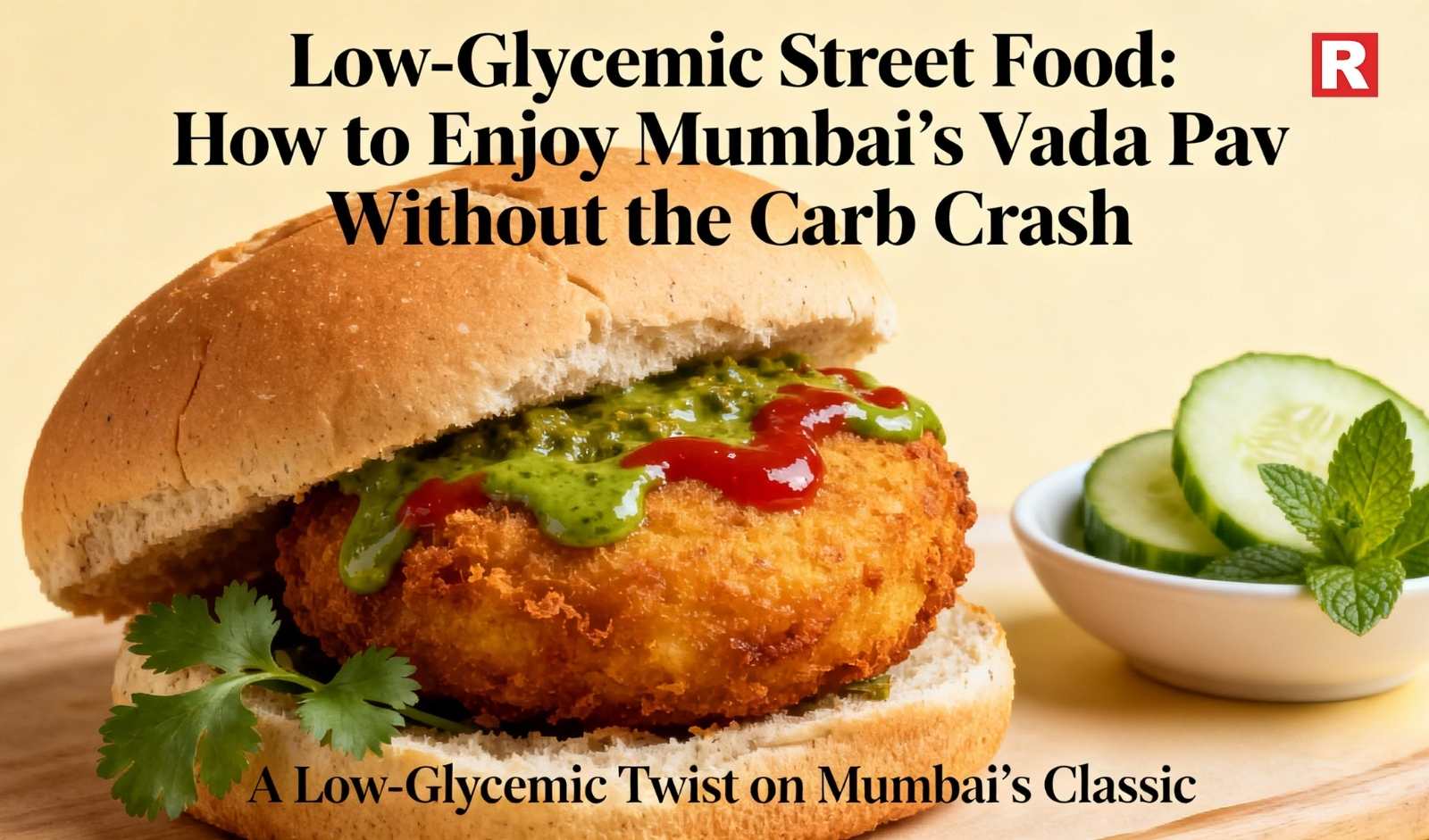
Mumbai runs on vada pav. It is fast, filling, and easy on the pocket. College students grab it between lectures. Office-goers depend on it during busy workdays. Almost everyone has a trusted stall they return to. It fits into daily life without effort. But many people notice a pattern after eating it.
The meal feels satisfying at first. Then comes a sudden drop in energy. There is heaviness, mild sleepiness, and hunger returns sooner than expected. This is known as a carb crash. It happens because the meal is high in refined carbs and low in fiber and protein. The pav, made from white flour, has a high glycemic index. The potato filling adds more fast-digesting carbs. This leads to a quick spike in blood sugar, followed by a sharp fall. For working professionals and fitness-aware consumers, this cycle affects focus and productivity. The solution is not to avoid vada pav. It is to understand how it works in the body and make small, smarter adjustments while eating it.
Why Does Vada Pav Cause a Carb Crash?
To understand this, we need to look at something called the Glycemic Index (GI). It is a scale that shows how fast a food raises your blood sugar. Foods with a high GI raise sugar levels quickly. Foods with a low GI release sugar slowly and steadily.
A typical vada pav is made with:
- White pav (refined flour)
- Deep-fried potato filling
- Sweet and spicy chutneys
All these elements digest quickly. This leads to a rapid spike in blood sugar. Your body releases insulin to control it. Then the sugar drops quickly. That drop is what makes you feel tired, hungry, and low on energy.
What’s Inside a Regular Vada Pav?
Let’s break it down in simple terms.
Pav (bread):
- Made from refined flour (maida)
- Low in fiber
- High glycemic index
Vada (potato filling):
- Mostly mashed potatoes
- Deep fried in oil
- High in carbs and fats
Chutneys:
- Tamarind chutney may contain sugar
- Garlic chutney adds spice but often comes with oil
When you combine all of this, you get a meal that is high in glycemic load. It fills you quickly but does not keep you full for long.
Read more: Crack the Truth: How Eggs Power Your Daily Protein Intake (And When to Skip Them)
What is Kimchi? Top Veg Kimchi You Can Try at Home
How to Enjoy Vada Pav Without the Sugar Spike
1. Upgrade the Pav
The pav is the base of a vada pav, but it is usually made from refined flour. This type of flour digests quickly and can raise blood sugar fast. A better option is to use whole wheat or multigrain pav. These contain more fiber and help slow digestion. Sourdough bread is also a good choice as it is easier on the stomach. Some people remove one side of the pav to reduce carbs. Others turn it into an open sandwich or use lettuce wraps. These changes lower calorie intake and improve balance. Whole grains provide better nutrients and keep one full for longer. However, people with gluten intolerance should avoid all bread options and choose alternatives.
2. Improve the Filling
The vada filling is mainly made from potatoes. Potatoes are high in carbohydrates but low in protein. To improve balance, the filling can be mixed with paneer, boiled chickpeas, or sprouts. Paneer adds protein and calcium. Chickpeas provide fiber and help control hunger. Sprouts improve digestion and add vitamins. This combination slows sugar release in the body and keeps energy stable. It also makes the snack more filling. Such changes add nutritional value without changing taste too much. However, people with kidney issues should limit paneer due to protein load. Those with digestive sensitivity should be careful with sprouts unless they are properly cooked.
3. Change the Cooking Method
The traditional vada is deep fried in hot oil. This adds excess fat and calories. It can also make the food heavy on the stomach. A better option is to air fry or shallow fry the vada. These methods reduce oil while keeping the texture similar. Less oil means lower calorie intake and better heart health. When eating outside, fresh oil quality matters. Dark or reused oil can be harmful. It may contain unhealthy compounds. Choosing cleaner cooking methods improves digestion and reduces health risks. However, even with less oil, fried foods should be eaten in moderation. People with heart disease or high cholesterol should avoid fried versions as much as possible.
4. Add Fiber Through Chutneys
Chutneys play an important role in vada pav. They can either add sugar or improve nutrition. Green chutney made with coriander and mint is a good option. It adds freshness and fiber. Coconut chutney provides healthy fats and mild sweetness. Garlic chutney can be used with less oil for better balance. Adding flaxseed powder at home increases fiber content. Fiber helps slow digestion and manage blood sugar levels. It also supports gut health. These small changes make the snack more balanced. However, people with acidity may need to limit spicy garlic chutney. Coconut chutney should be eaten in moderation by those watching calorie intake.
5. Use the Pairing Strategy
Vada pav is high in carbohydrates. Eating it alone can cause quick energy spikes followed by crashes. Pairing it with protein or healthy fats improves balance. Buttermilk is a good option. It aids digestion and adds probiotics. A handful of peanuts or almonds provides healthy fats and protein. A small salad adds fiber and freshness. These combinations slow sugar absorption and keep energy steady. They also make the meal more filling. This approach improves overall nutritional value without removing the dish. However, people with nut allergies should avoid peanuts and almonds. Those with lactose intolerance should skip buttermilk and choose plant-based options.
Know more: Why Sattu Is Emerging as India’s Ultimate Summer Superfood
Portion Control Still Matters
Even a healthier version of vada pav can cause issues if you overeat. Keep it simple:
- Stick to one vada pav instead of two or three
- Eat slowly
- Avoid eating on a completely empty stomach
When you eat too fast, your body cannot process food properly. Slowing down helps digestion and improves satiety.
Smart Street Food Ordering Tips
You do not always have control over how the food is made. But you can still make better choices. Next time you order, try this:
- Ask for less chutney, especially sweet chutney
- Skip fried green chilies if you have a sensitive stomach
- Request less oil if possible
- Avoid adding sugary drinks like cola
Choose vendors who prepare fresh batches. Fresh food is easier to digest and generally healthier.
Who Should Be More Careful?
Some people need to pay extra attention to high-GI foods like vada pav. This includes:
- People with diabetes or pre-diabetes
- Those dealing with PCOS
- Individuals trying to lose weight
- People with a sedentary lifestyle
If you fall into any of these categories, these small changes are not optional. They are necessary for long-term health.
The Bigger Picture: Balance Over Restriction
Food is not just about nutrition. It is also about culture, comfort, and daily life. Vada pav is a part of Mumbai’s identity. Avoiding it completely is not realistic for most people. What works better is balance.
Follow an 80/20 approach:
- Eat clean and balanced meals most of the time
- Enjoy your favorite street food occasionally, but smartly
Instead of feeling guilty after eating, focus on how you can improve your choices. Over time, these small habits create a big impact.
Also check: Top Egg Brands in India That Crack All the Right Boxes
Sattu vs Paneer vs Soyabean: Know the Real Difference
Top 5 States With the Spiciest Food in India
A Smarter Way to Eat Street Food
Expensive diets are not always needed. What matters more is awareness. When someone picks up a vada pav, a few small checks can make a big difference. Adding a protein source, like paneer or chana, helps slow glucose absorption. Cutting down refined carbs, even by reducing one side of the pav, lowers the glycemic load. Supporting the meal with fiber or healthy fats can further reduce sudden sugar spikes. These small steps improve metabolic response without changing the food completely. For urban professionals and fitness-conscious eaters, this approach is practical and sustainable. It fits into daily routines without extra effort. Vada pav remains a favorite, and it should. The focus is not on removal, but on improvement. With better choices, the same food feels lighter and more balanced. Energy levels stay stable, and the post-meal crash becomes less common. This is how mindful eating works in real life.
Saptopriya Ghosal
Feature Writer
I am a dedicated media professional with a bachelor's degree in mass communication from the State University of Calcutta and a postgraduate degree from Amity University. My academic journey has equipped me with a profound understanding of storytelling and communication. Passionate about the dynamic world of media, I continually strive to explore new ways to engage and inform through compelling narratives.



































































































































































