Low-Foam & Nitrogenated Beers: Why Texture Is the New Luxury in Beer
For breweries, this is a clear differentiation strategy. In a market filled with similar lagers, texture becomes a technical advantage.

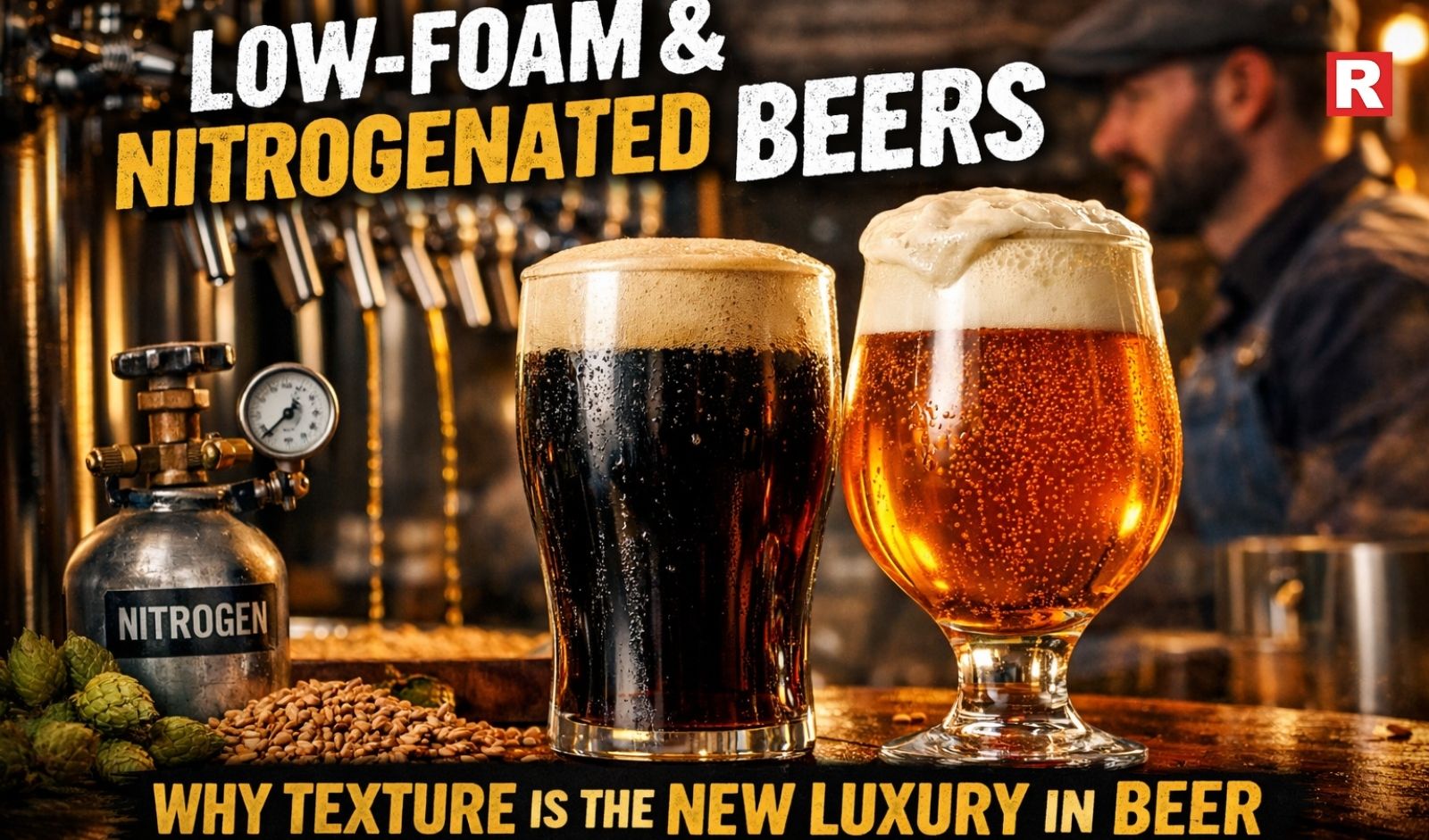
Beer is changing. It is no longer judged only by alcohol percentage or bitterness. Today, texture matters. The way a beer feels in the mouth can define whether it feels basic or premium. Low-foam and nitrogenated beers are leading this shift.
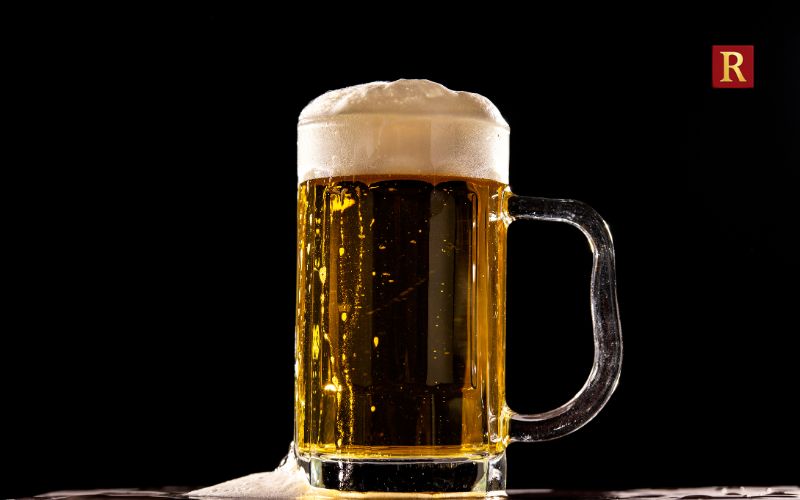
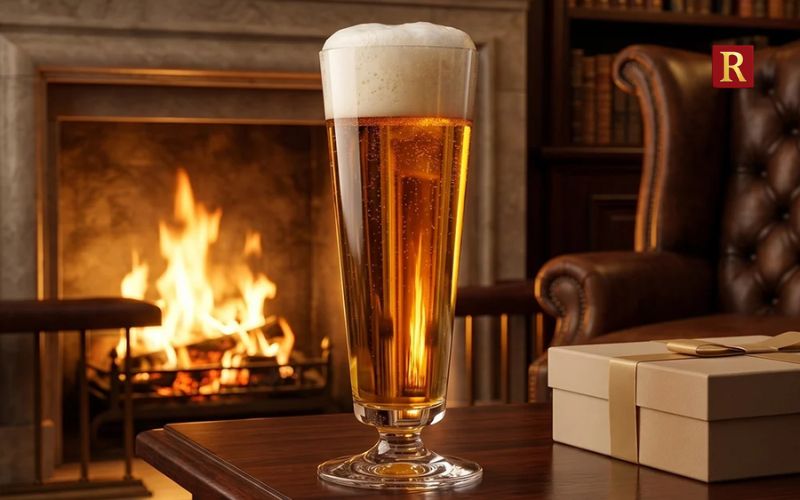
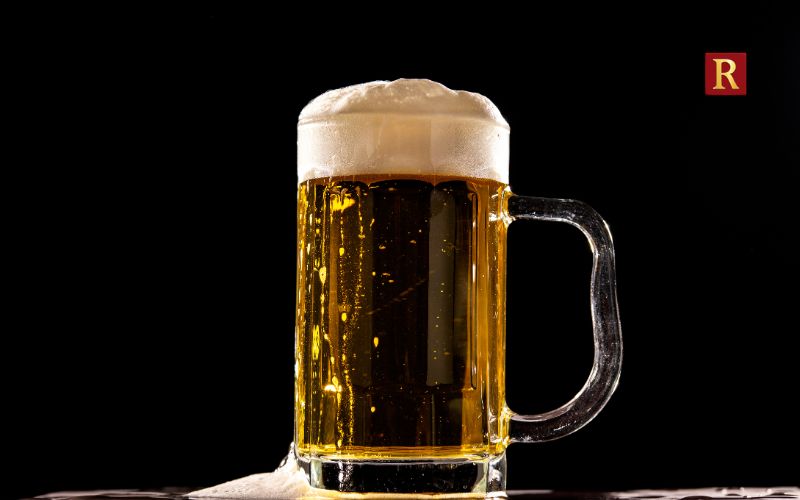
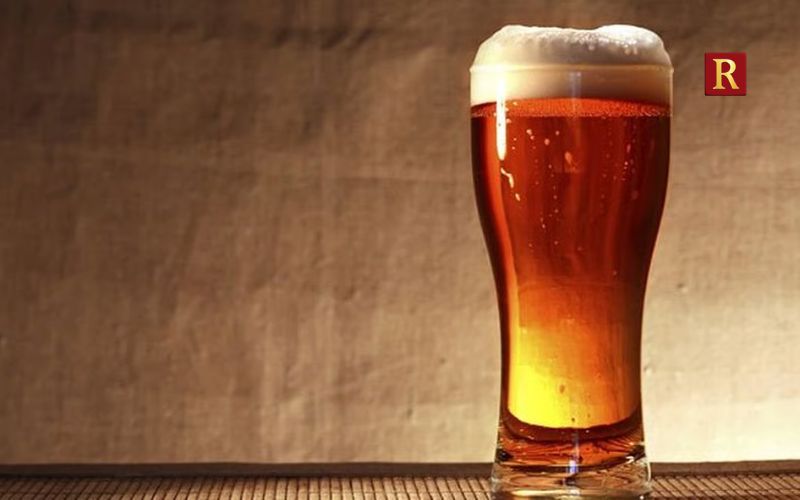
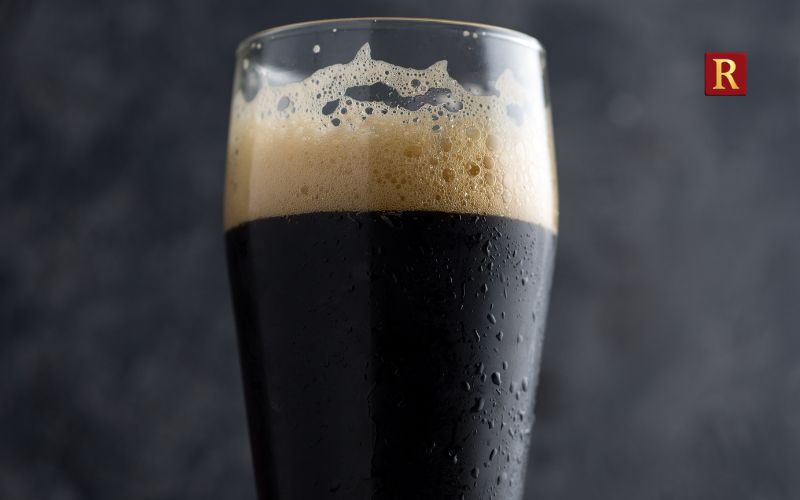
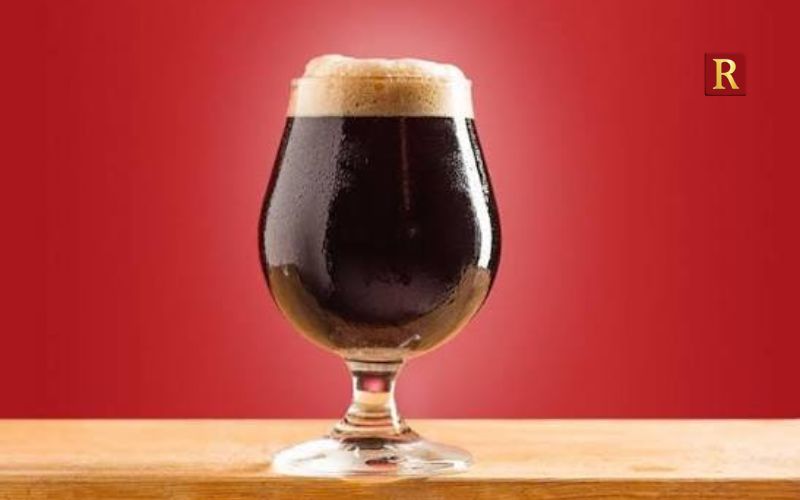
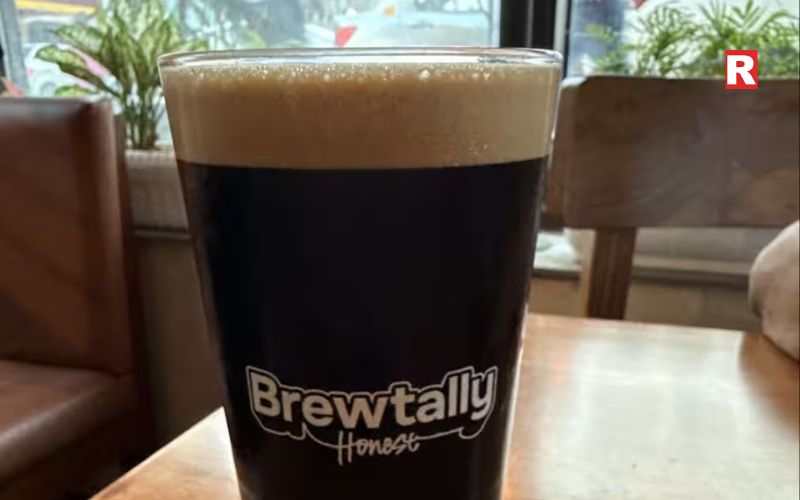
If you have ever watched a pint of Guinness being poured, you know the drama. The dark liquid settles slowly. Tiny bubbles move downward before rising. A thick, creamy head forms on top. It looks smooth even before the first sip. That visual experience is not accidental. It is engineered. Nitrogenated beer is about control. It is about mouthfeel. And for premium consumers in India, it is becoming a new selling point.
Why Foam Is Being Rethought
For years, foam was seen as a sign of quality. In many European styles, a tall head meant freshness. But urban consumers today are looking for something different. They want smoothness. They want less fizz. They want comfort in every sip. High carbonation can create a sharp bite. It can feel acidic. It can cause bloating. Many drinkers now prefer beers that feel softer. Low-foam and nitrogenated beers answer this need.
The shift is also linked to premiumisation. As more Indian consumers move from strong lagers to craft options, they are paying attention to sensory detail. Texture becomes a talking point. Bars and breweries use it to differentiate.
The Science: Nitrogen vs Carbon Dioxide
Most standard beers use carbon dioxide, or CO₂, for carbonation. CO₂ dissolves easily in liquid. This creates larger bubbles and noticeable fizz. It also forms carbonic acid, which gives beer a slightly sharp taste. Nitrogen behaves differently. It has very low solubility in liquid. This means it does not dissolve as easily as CO₂. As a result, it creates much smaller bubbles. These micro-bubbles change everything.
Here is what happens:
- Smaller bubbles feel smoother.
- Lower solubility reduces acidic bite.
- The beer feels creamier.
- The head becomes thick and velvety.
This is linked to a basic principle called Henry’s Law. In simple terms, the amount of gas that dissolves in liquid depends on pressure and solubility. Nitrogen does not dissolve much, even under pressure. So instead of creating heavy fizz, it creates texture. This is why nitrogenated beer feels less sharp and more rounded.
Read more: Top 5 Strong Beer Brands in India: Bold Brews for the Bold Drinker
Top Japanese Beer Brands in India: Crisp, Smooth, and Full of Character
What Makes Nitrogenated Beer Different?
The difference is easy to understand when you compare features.
Feature | CO₂ Beer | Nitrogen Beer |
|---|---|---|
Bubble Size | Larger | Micro-bubbles |
Mouthfeel | Fizzy | Creamy |
Acidity Perception | Higher | Lower |
Head | Light & airy | Thick & velvety |
The most visible feature is the cascade effect. When a nitro beer is poured, bubbles appear to fall downward before settling. This waterfall effect happens because of the interaction between nitrogen bubbles and liquid flow inside the glass. It creates theatre at the bar. For social media-driven consumers, this matters. A visually dramatic pour increases shareability. But beyond the visual appeal, the texture delivers a smoother drinking experience.
Engineering Behind Nitro Beer
Nitrogenated beer is not simple to produce or serve. It requires technical precision. Most nitro draft systems use a mixed gas blend. Typically, it is around 70 percent nitrogen and 30 percent CO₂. The beer is pushed through the tap at higher pressure compared to regular draft systems. Special taps with restrictor plates are used. These plates force the liquid through tiny holes. This creates turbulence and forms micro-bubbles. Without this equipment, the creamy head would not form. Canned nitro beers use widget technology. A small plastic device inside the can releases pressurised nitrogen when opened. This recreates the draft experience at home. Breweries such as Left Hand Brewing Company helped popularise bottled nitro beers globally. Large players like Anheuser-Busch have also expanded into nitrogenated styles.
This equipment increases operational costs. Installation is expensive. Staff training is essential. Pouring takes longer. A proper nitro stout may take up to two minutes to settle. But this slower process adds to the premium feel.
Know more: Top Newly Launched Beer Brands to Replace Your Regular Brew
Beyond Stouts: Nitro Innovation
Nitrogen was first associated with dark stouts. Today, it is used in many styles. Nitro IPAs offer smoother bitterness. Nitro porters enhance chocolate notes. Even nitro cold brew coffee has influenced beverage culture. The focus is always the same. Reduce harshness. Enhance texture. Deliver creaminess without sweetness. This makes nitrogenated beer suitable for drinkers who want flavour without aggressive carbonation.
Is India Ready for Nitro Beer?
India’s beer market is evolving. Craft breweries in Mumbai, Delhi, and Bengaluru have changed consumer expectations. Drinkers are exploring wheat beers, IPAs, and seasonal releases. The next step is sensory refinement. Nitrogenated beer fits well into premium urban taprooms. It appeals to:
- Consumers aged 25 to 40
- Professionals with higher disposable income
- Experience-driven drinkers
- People who prefer sessionable, smoother options
Many Indian consumers complain about bloating from heavily carbonated beers. Nitro options feel lighter on the stomach because of lower perceived carbonation. From a business perspective, nitro taps help bars stand out. In a competitive nightlife market, visual drama attracts attention. A creamy pour becomes part of the bar identity.
Texture as a Premium Strategy
Texture creates emotional memory. When a beer feels silky and balanced, it leaves a lasting impression. This builds brand loyalty. Nitro beer also encourages slower drinking. The creamy mouthfeel promotes sipping rather than fast consumption. For premium venues, this aligns with higher margins.
Operationally, nitro systems cost more. But they allow price premiums. Consumers associate creaminess with sophistication. The controlled foam and smooth body signal craftsmanship. For breweries, this is a clear differentiation strategy. In a market filled with similar lagers, texture becomes a technical advantage.
Also check: Top British Beer Brands in India You Should Try at Least Once
How to Pair Beer with Indian Food: A Desi Guide to Perfect Pints
The Future of Smooth Beer
Low-foam and nitrogenated beers reflect a broader trend. Alcohol consumption is shifting from volume-driven to experience-driven. Drinkers want quality over quantity. They want refinement. Nitrogenated beer proves that innovation in brewing is not only about new ingredients. It is also about gas engineering and sensory design. Texture is no longer accidental. It is calculated. It is measured. It is delivered through precise pressure, controlled gas blends, and specialised taps. In crowded bars and competitive retail shelves, the smoothest pour may capture attention first. And in a premium-focused market like urban India, that creamy finish could become the next big differentiator. Nitrogenated beer is not just a style. It is a statement. It says the brand understands science, sensory psychology, and modern consumer preference. For those who value smoothness, control, and craft, texture is no longer secondary. It is the main event.
Saptopriya Ghosal
Feature Writer
I am a dedicated media professional with a bachelor's degree in mass communication from the State University of Calcutta and a postgraduate degree from Amity University. My academic journey has equipped me with a profound understanding of storytelling and communication. Passionate about the dynamic world of media, I continually strive to explore new ways to engage and inform through compelling narratives.