
Legacy Over Scale: Why Bengaluru’s Iconic Eateries Choose to Stay Small
In the last few decades, Bengaluru has transformed rapidly, with tall buildings and tech parks taking over. Yet, in certain parts of the city, the charm of old Bengaluru still remains

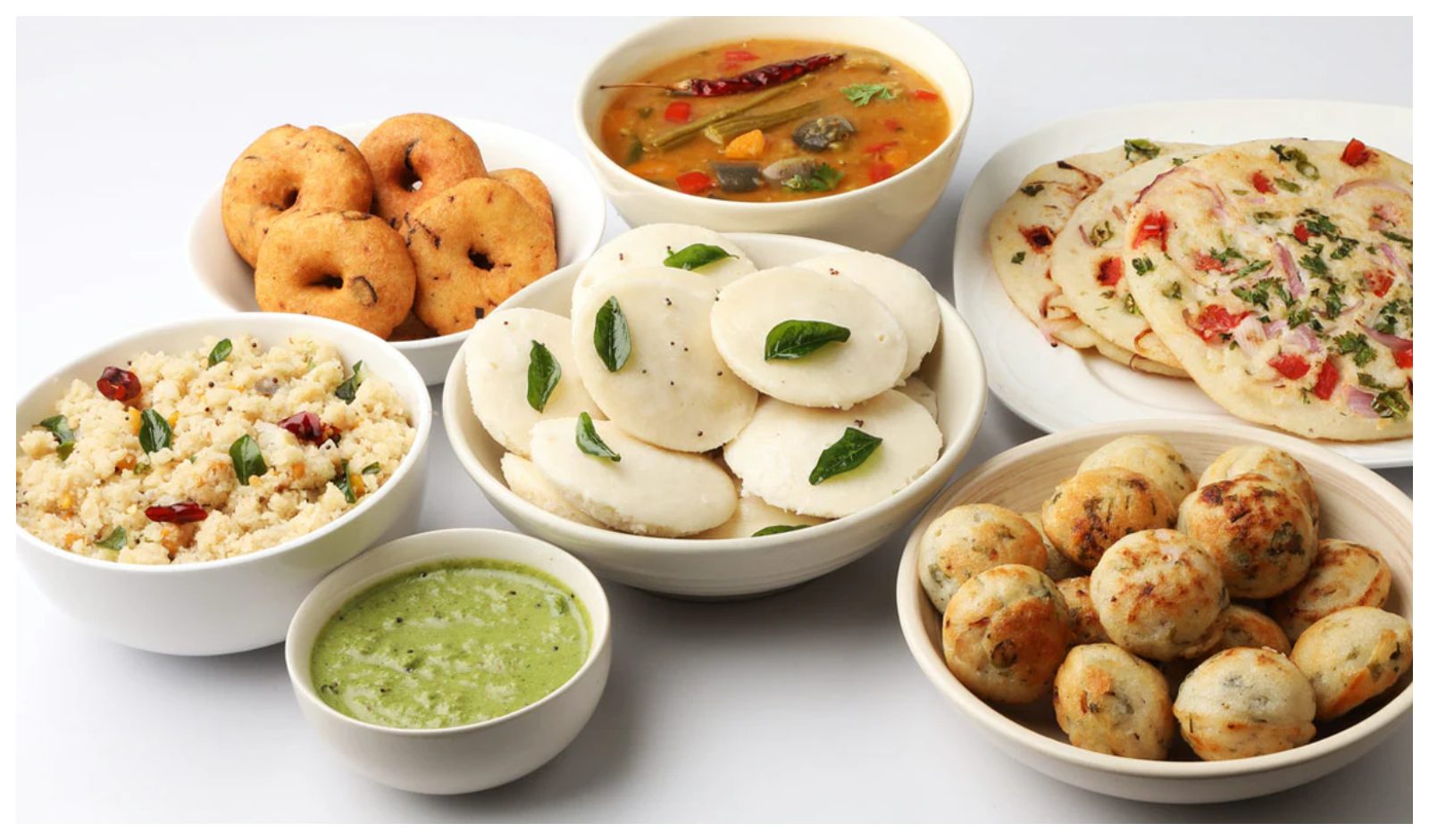
In a city constantly reinventing itself, a handful of restaurants in Bengaluru continue to serve the same dishes in the same spaces to generations of loyal customers
In the last few decades, Bengaluru has transformed rapidly, with tall buildings and tech parks taking over. Yet, in certain parts of the city, the charm of old Bengaluru still remains. Restaurants like Brahmins’ Coffee Bar, Vidyarthi Bhavan, Koshy’s, and Central Tiffin Room (CTR) have remained steadfast in their identities, serving the same dishes in the same spaces to generations of loyal customers. Their success lies not in expansion, but in preserving a legacy.
One such example is Brahmins’ Coffee Bar, where little has changed since 1965, not the menu, nor the crowds that line up outside every morning.
“I was one year old when my father, KV Nagesh Rao, started it on January 27, 1965,” said owner Radhakrishna Adiga, adding, “That was his livelihood. He started in a very small way, and we grew over a period of time. But that was the level of satisfaction for my father. He always used to say, ‘One business, one family, one house is more than enough for a good life.’”
At Vidyarthi Bhavan, the thought process is similar. As second-generation owner Arun Adiga explained, “The decision not to expand or franchise our brand is a conscious one taken after much reflection over the years… what we serve is a wholesome experience. It is deeply rooted in the place, the people, and the surrounding atmosphere.”
For him, replicating Vidyarthi Bhavan outside its original location in Bengaluru’s Gandhi Bazaar would compromise its soul. “Replicating this elsewhere would risk diluting this experience… we could do more business, but it might come at the cost of losing the emotional and cultural essence that defines us.”
Legacy as the Brand
At Vidyarthi Bhavan, an 82-year-old eatery in Bengaluru, the location is just as important to their legacy as their Menu.
“What cannot be replicated is the intangible aura of the place where we are, that is Gandhi Bazaar, the energy of the flower market outside, and the cultural rhythm that has surrounded and enveloped Vidyarthi Bhavan for decades,” Arun added.
He added that no new franchise would be able to recreate this original ‘Vidyarthi Bhavan’ experience.
At Brahmins coffee bar, simplicity is deliberate. With only four items on their menu, they have remained a favourite among local people for over 60 years,
“I have had a customer base for the last six decades. The parents used to bring their children here, and when those children grow up, they start bringing their own friends. So, it has created a sense of connection across generations. It has become so popular that people just say ‘Brahmins.’ It’s a short word. They say, ‘Let’s go to Brahmins,’” recalled the owner.
Vidyarthi Bhavan has a similar emotional footprint. Arun notes that the space has been built “over generations,” where regulars return to relive nostalgia and newcomers experience the charm of a place that has stayed iconic.
For him, the mission is clear: “Our single-location, heritage-first model will remain central to our philosophy… we aim to remain a constant, a space where people can return for nostalgia and for food,” he added.
Adapting Selectively
Despite resisting expansion, these eateries are not rigid. They have evolved with changing technology and customer base.
At Vidyarthi Bhavan, technology is embraced only when it enhances efficiency without altering the core. “Technology… is valuable when it enhances efficiency or convenience. But these things should never come at the cost of the basics or fundamentals of what we do.”
That means token reservation systems and QR-code menus are welcome, but the dosa recipe, the way it is served, and the warmth of the staff remain untouched. “These things have not changed our fundamentals,” he said.
Another legacy eatery in Bengaluru, the Central Tiffin Room (CTR), follows a similar principle when expanding. CTR, after 104 years in a single location, made one significant move this year: opening an outlet at Kempegowda International Airport’s Terminal 2.
Ganesh S Poojary, third-generation owner, explained the delicate balance, “We opened up our first outlet other than the original Malleswaram location… There are challenges, certainly when it comes to expanding a legacy brand, like training a new set of teams, cooks. While expanding to the airport outlet, we had to incorporate some technology… You certainly have to adapt with time.”
By staying small in a city that’s always changing, these eateries stand as quiet reminders of continuity and tradition.
“We have grown alongside Bengaluru, witnessing its transformation while retaining our own essence… we want to ensure that we remain a custodian of memories for generations to come,” said Arun Adiga.
Saumyangi Yadav
Senior Correspondent
Saumyangi is a Senior Reporter with over three years of experience in journalism and a strong passion for writing and storytelling. She covers D2C and consumer brands for Entrepreneur India and contributes to Restaurant India, where she writes about restaurants, cafés, and whatever is new and exciting in the F&B world. She has previously covered education, social, and civic issues, and continues to enjoy exploring new stories in Bengaluru and beyond.









































