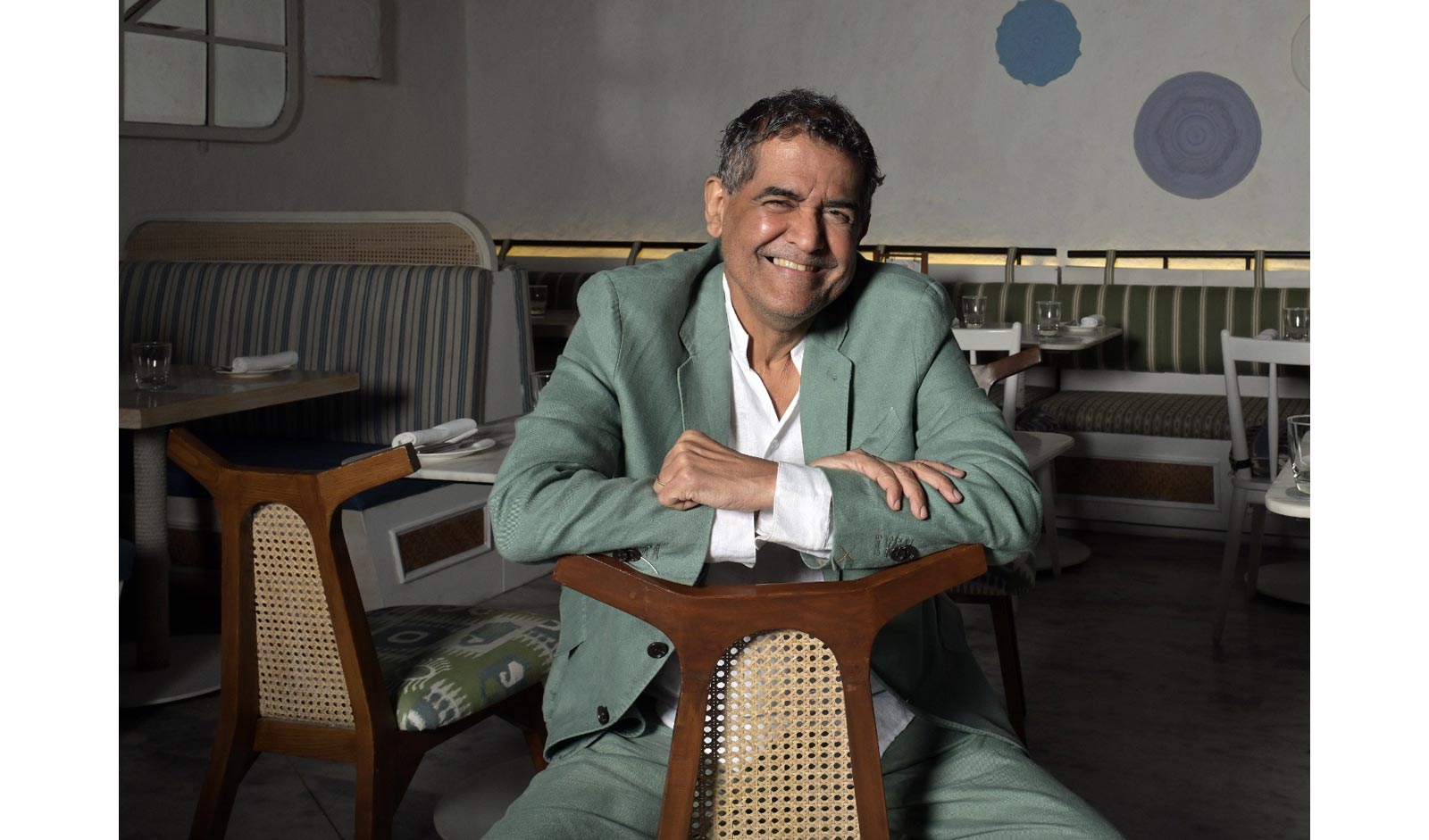
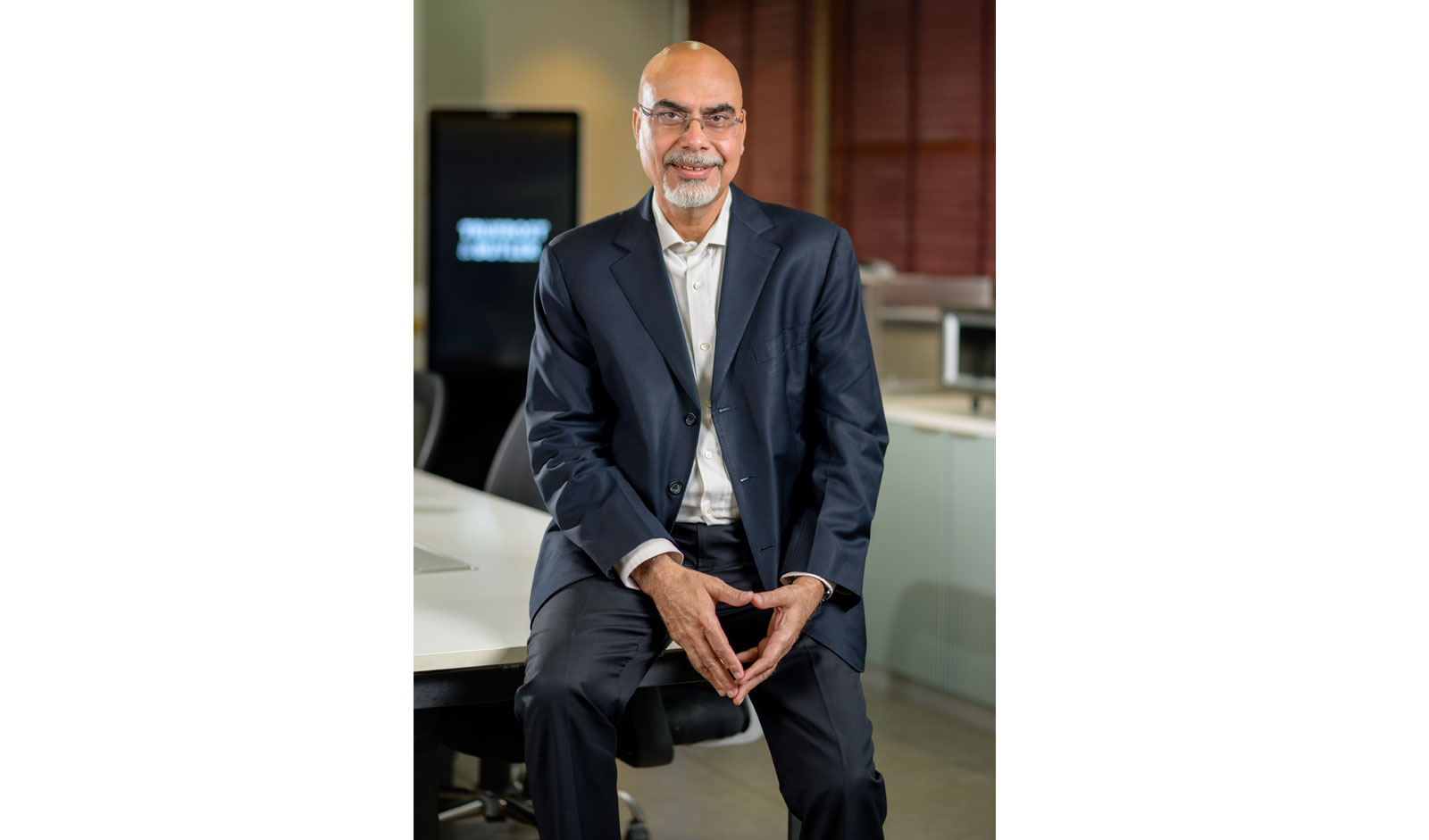
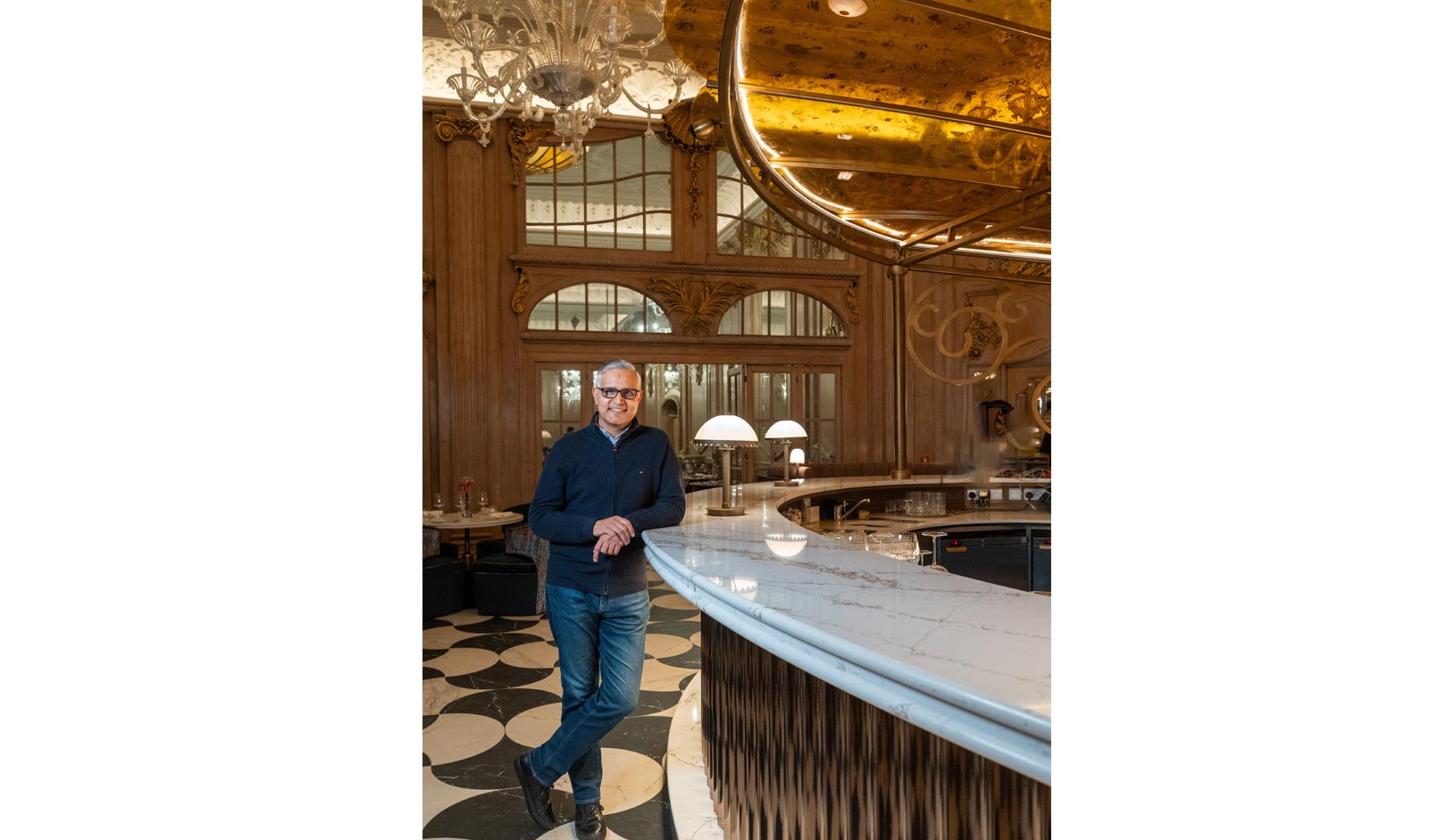
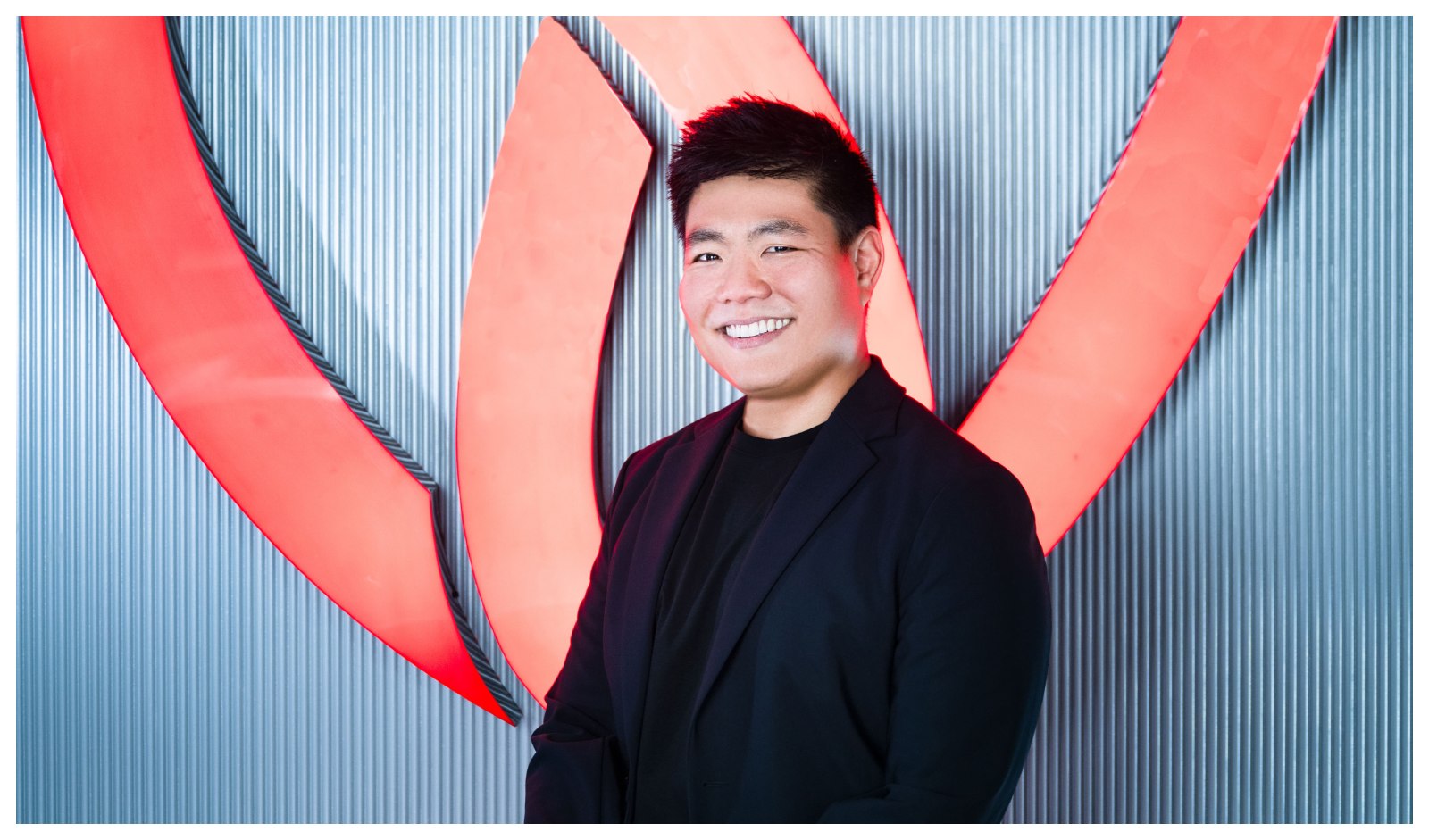
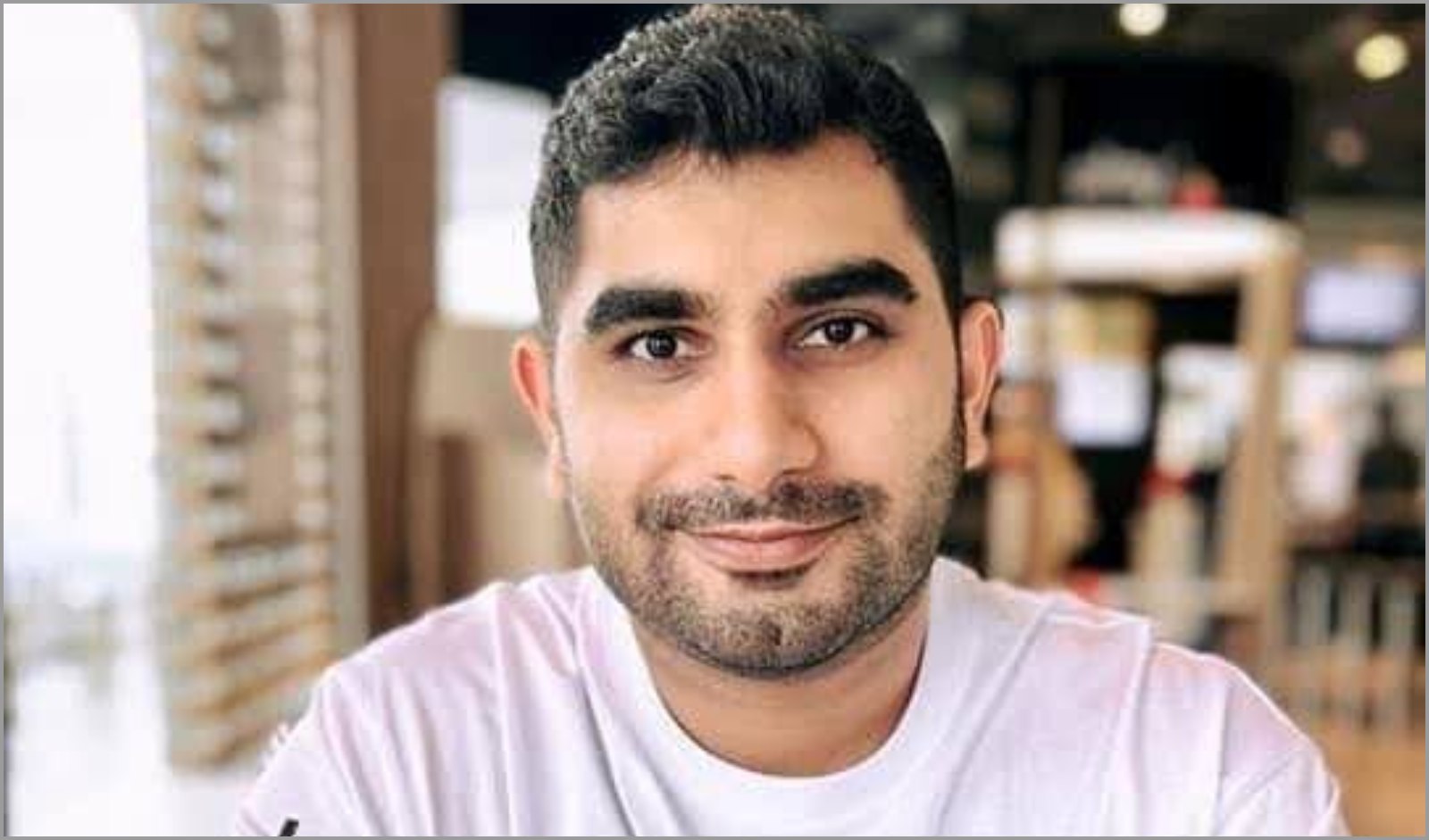
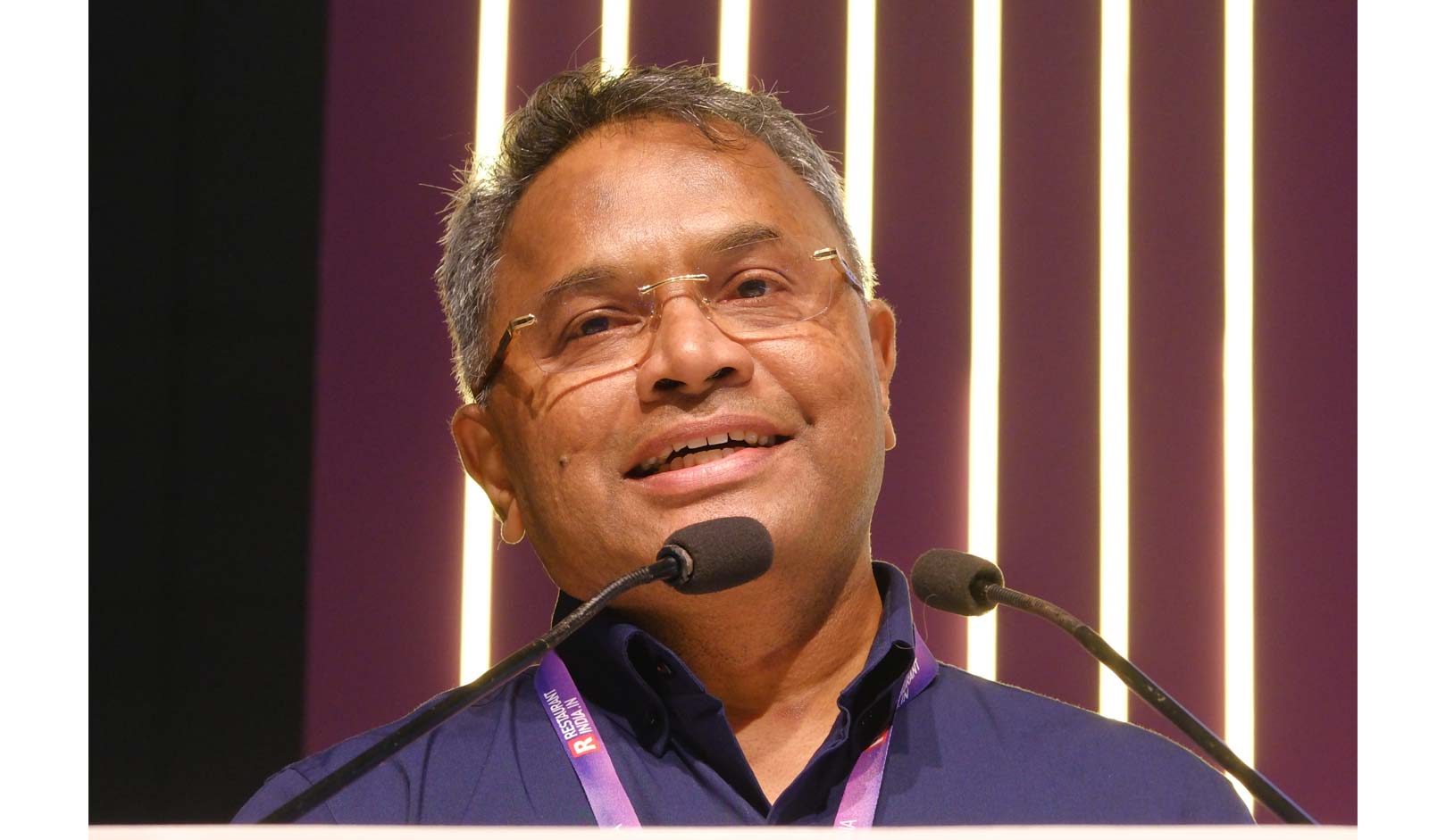
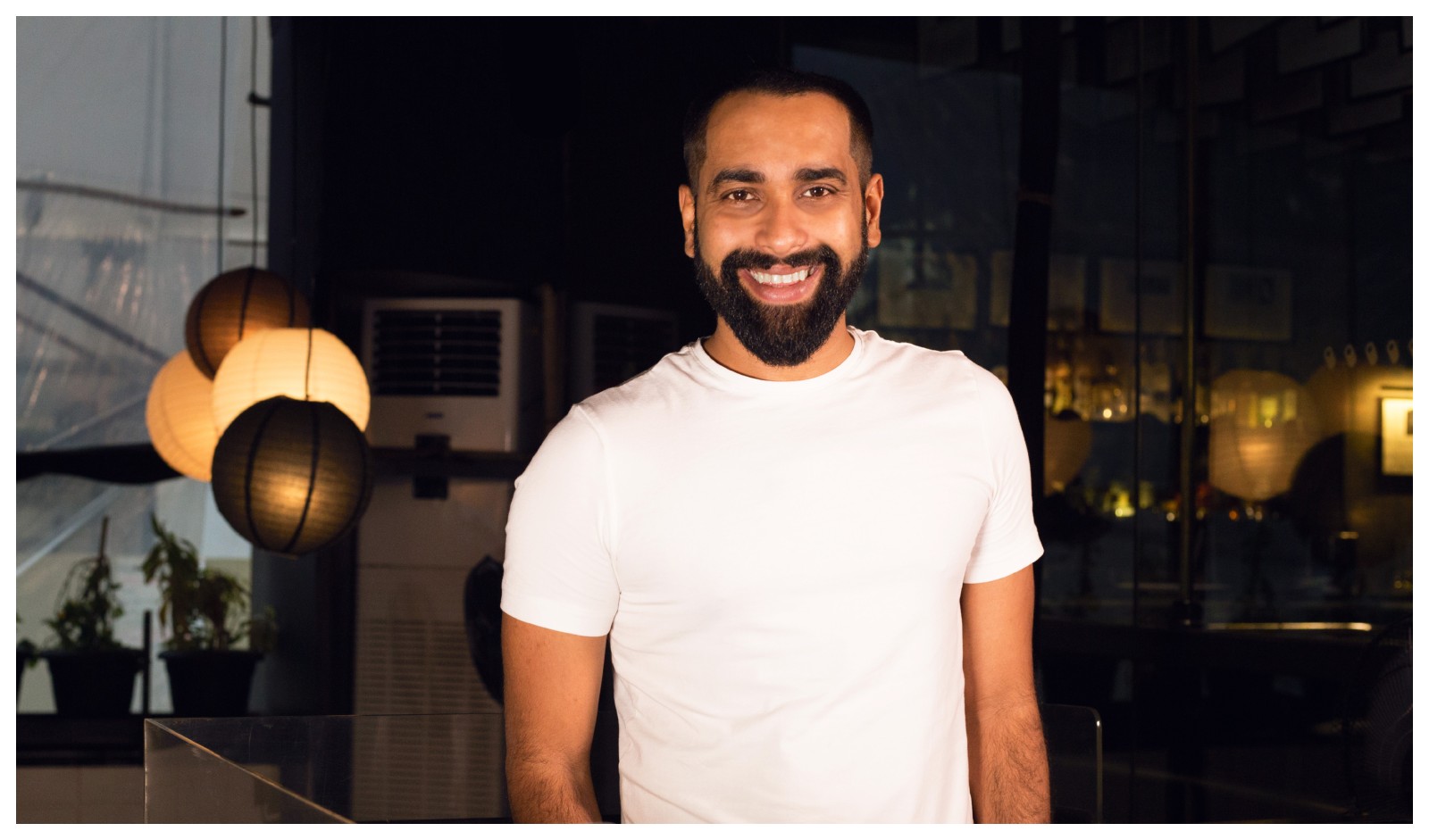
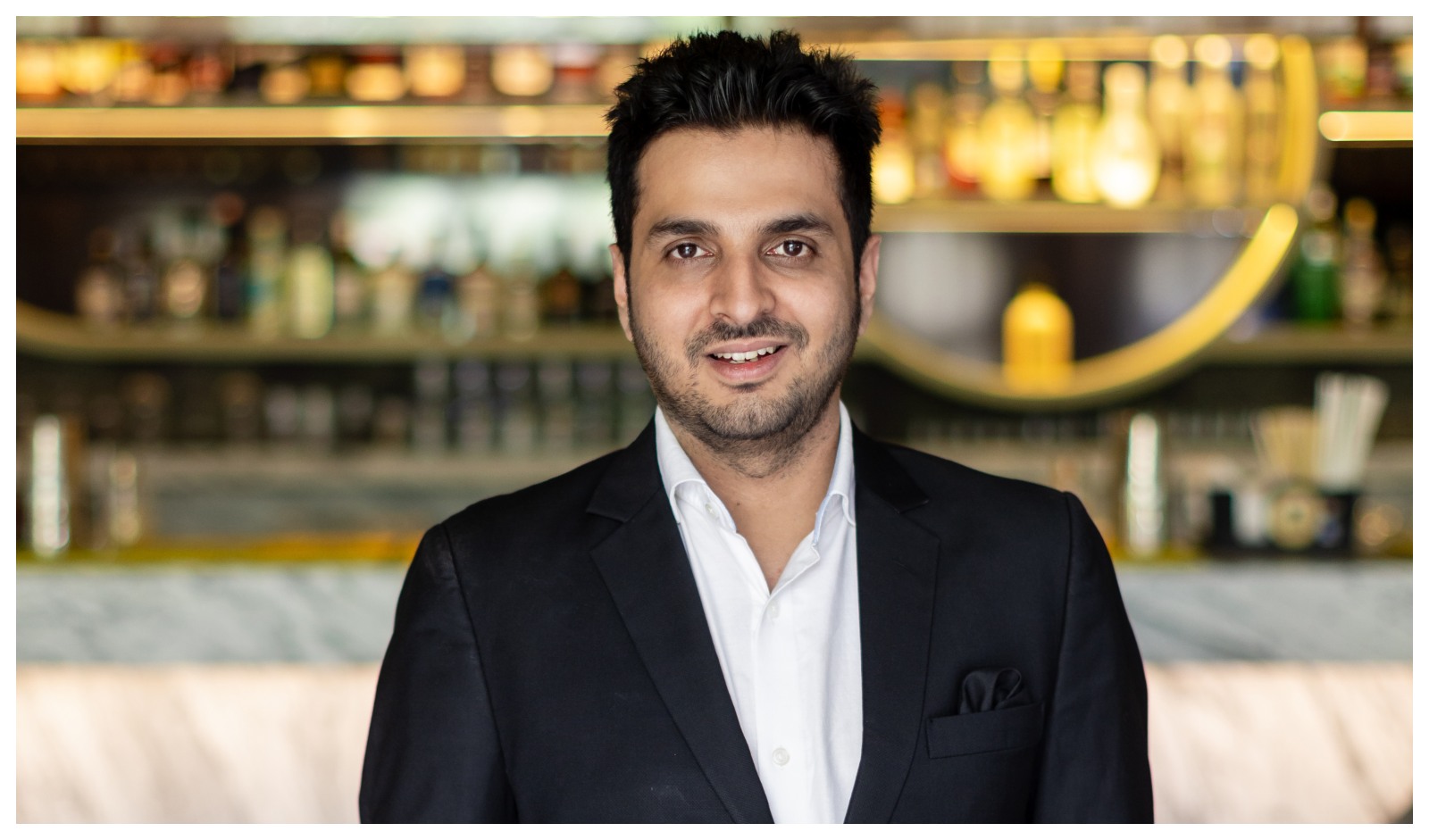
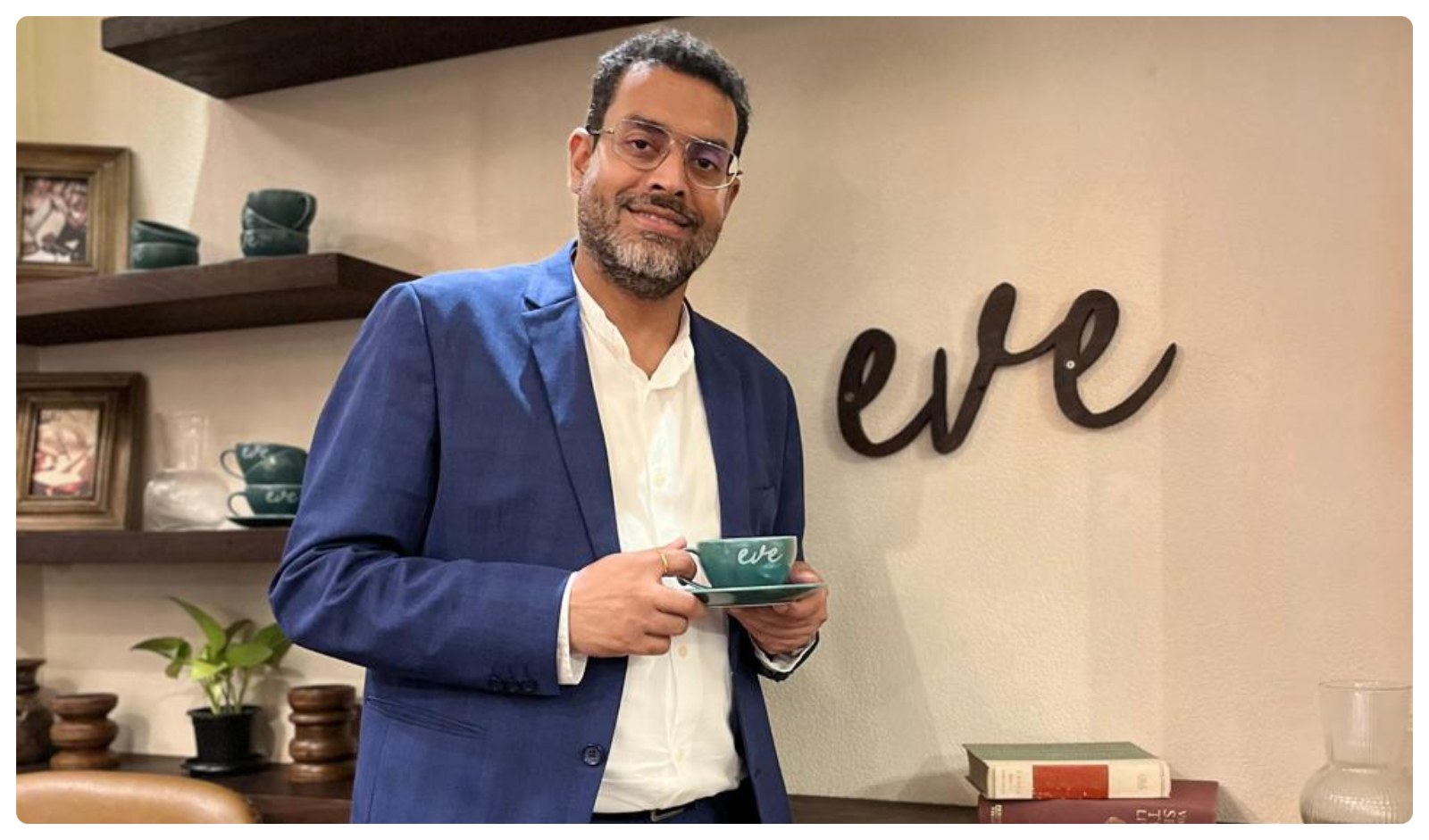
Kush Kapoor on Building a Culture Around the Three E’s: Emotions, Experience, Education
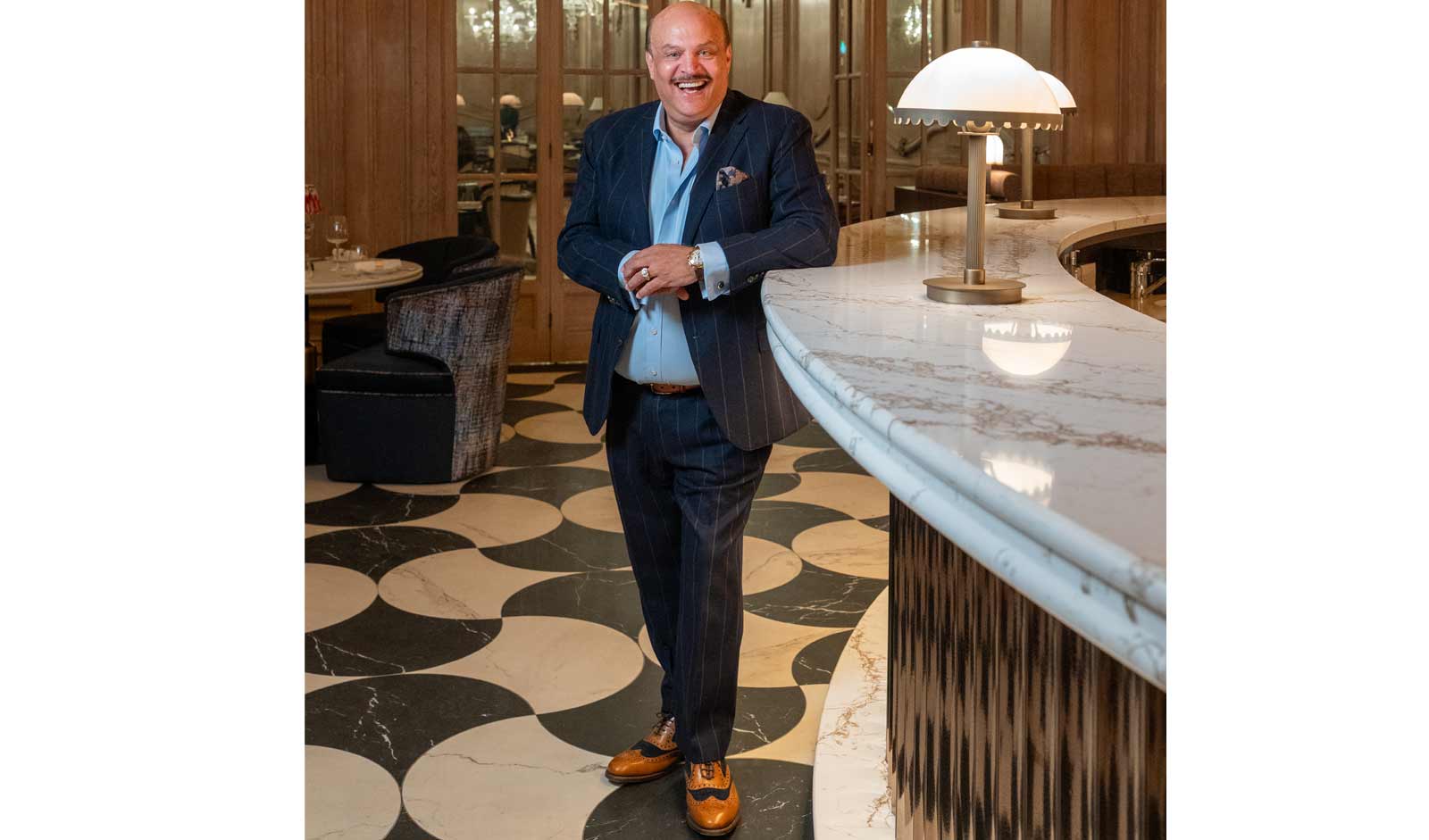
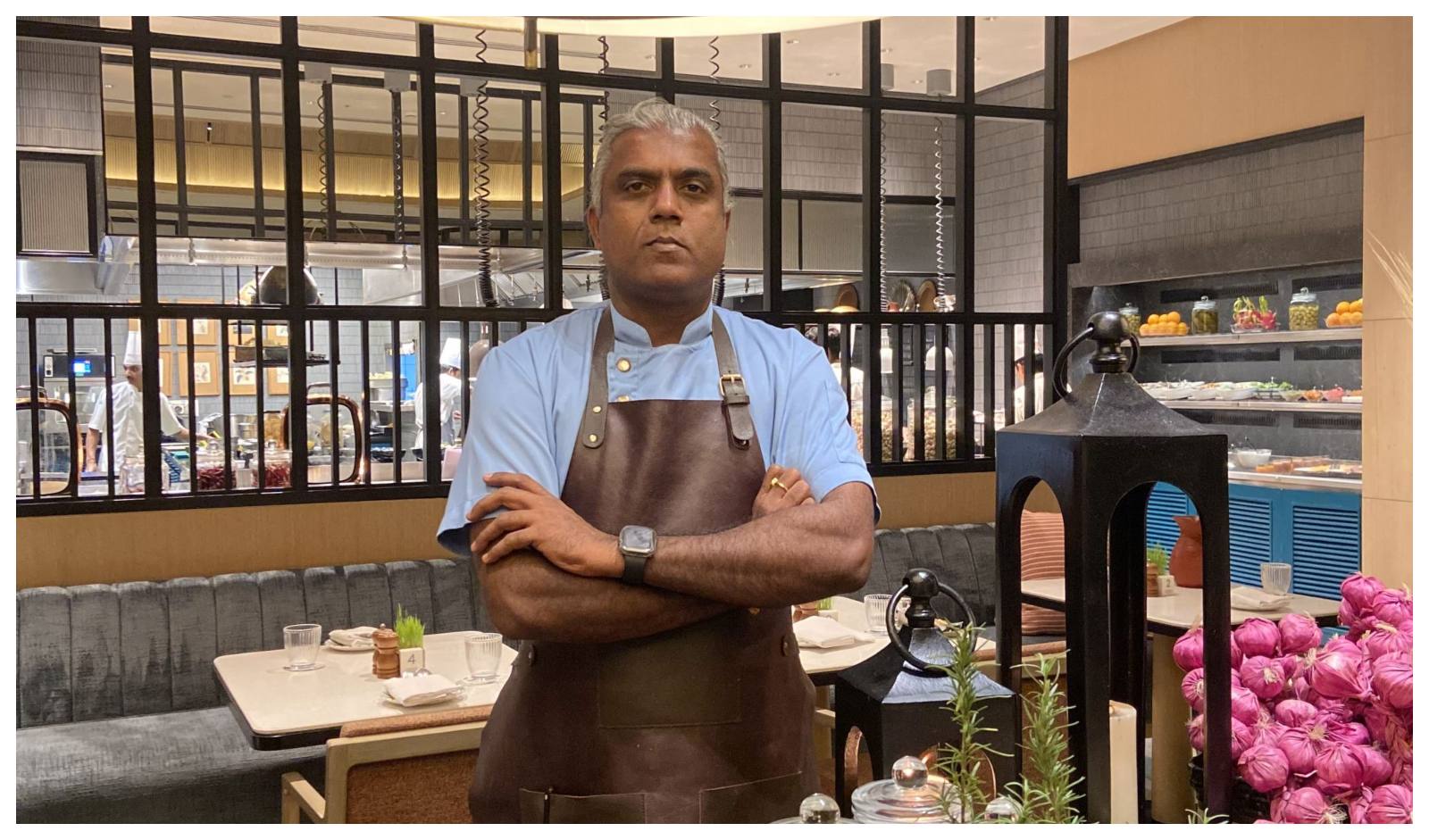
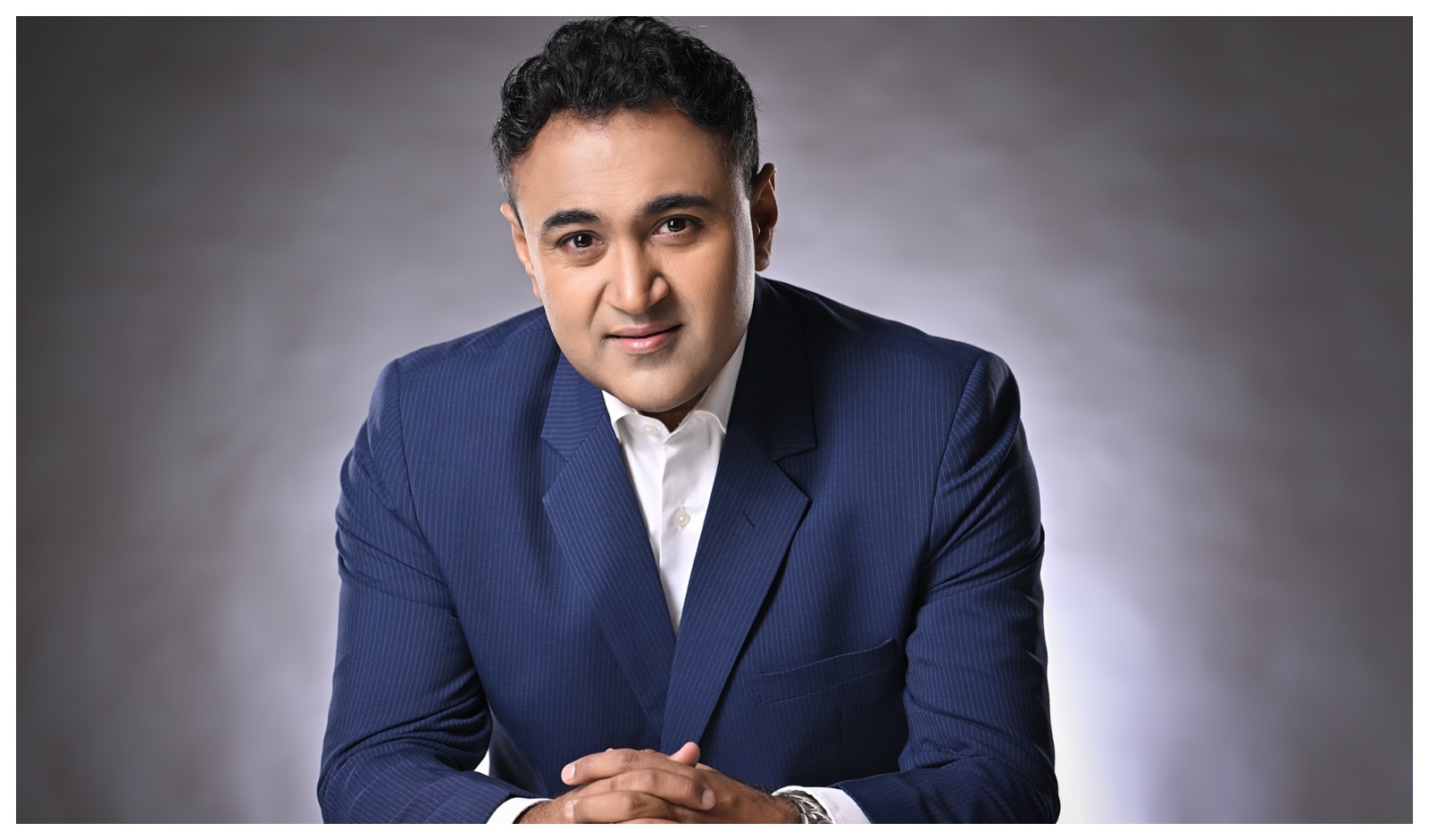
In an exclusive conversation with Restaurant India, Kapoor reflects on his remarkable journey from the hotel floor to the corner office, sharing insights into leadership, growth strategies, and the evolving future of luxury hospitality. Excerpts:

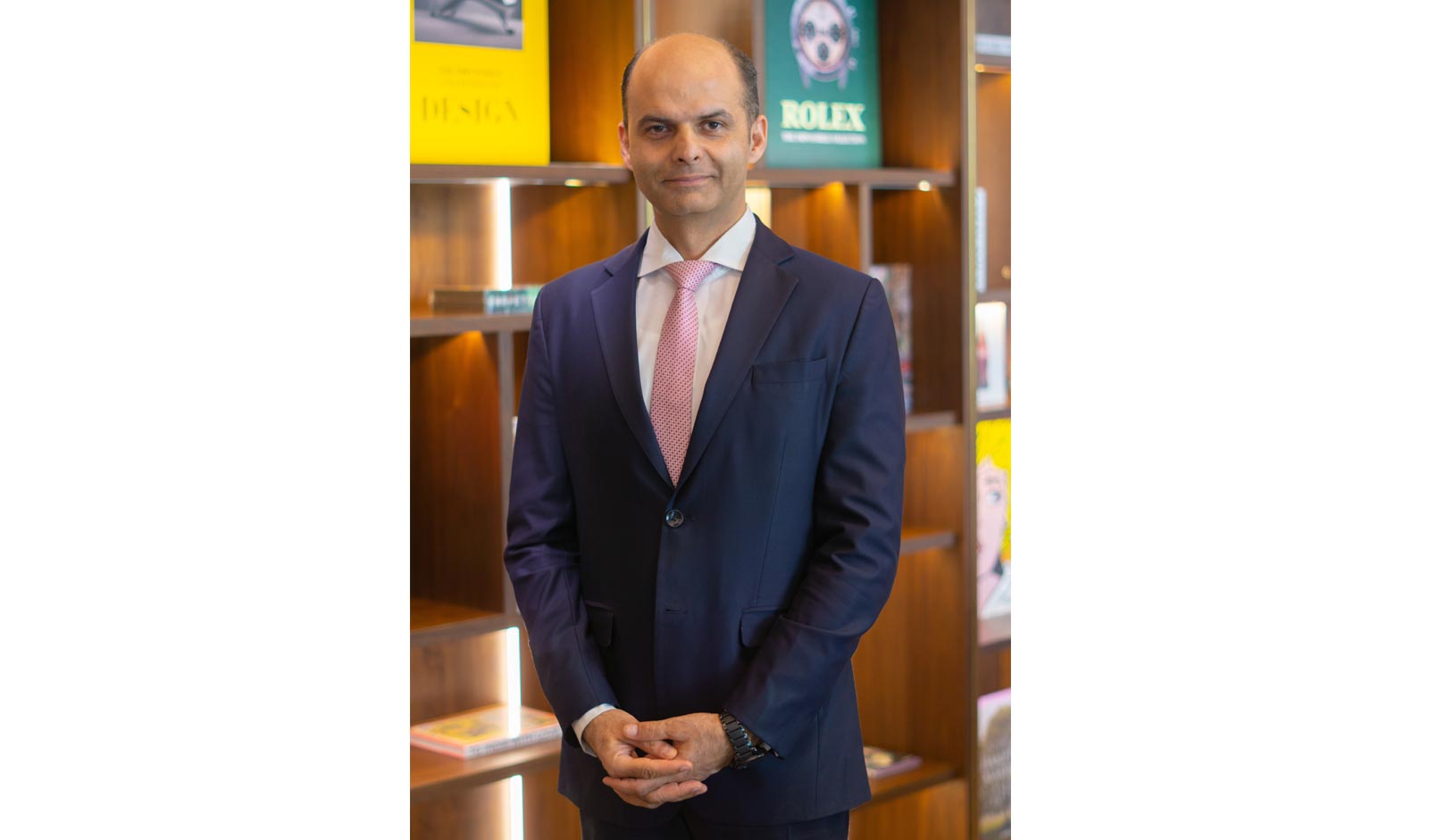
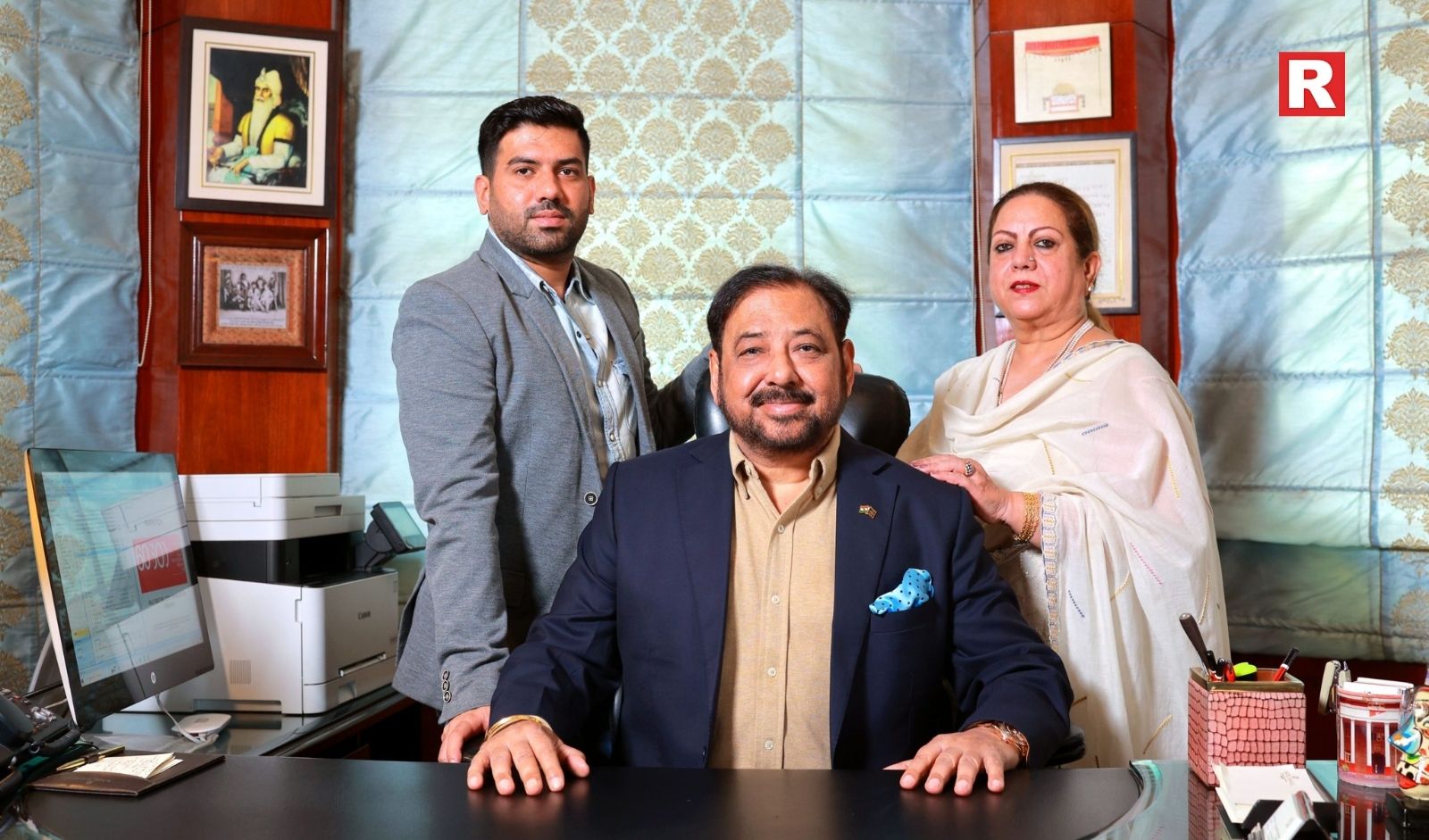
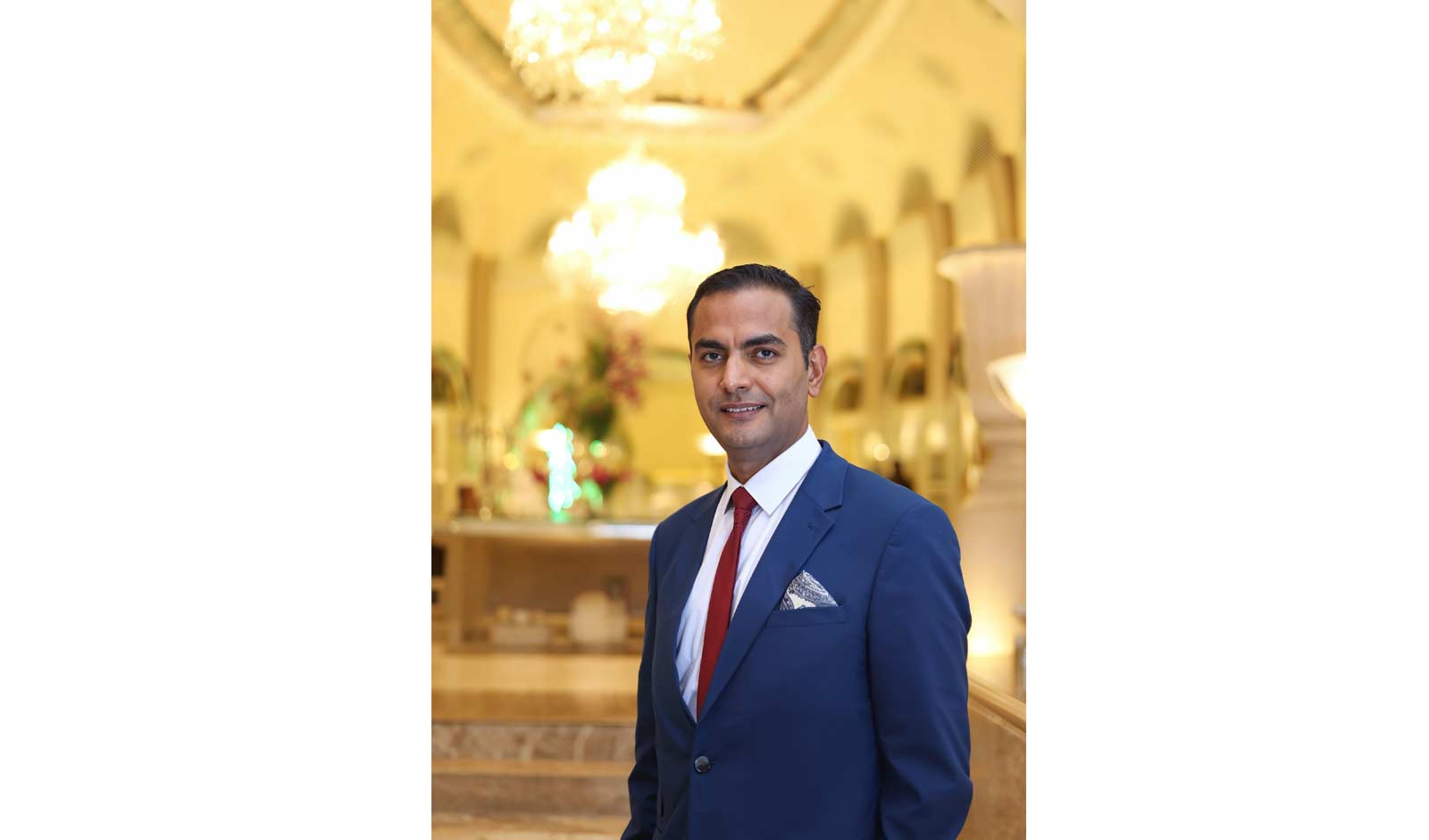
After earning his Hotel Management diploma from IHM Hyderabad, Kush Kapoor began his journey at the very grassroots of hospitality—as a room boy at The Trident Udaipur and Trident Cochin. It was here, on the hotel floors rather than in boardrooms, that he developed a deep understanding of service, discipline, and the finer nuances of luxury hospitality. Over the next 23 years, Kapoor steadily rose through the ranks, shaping his leadership style across some of India’s most iconic hotel brands, including The Oberoi Group, The Taj Group, and The Leela Group. Each role added to his perspective on operational excellence, brand building, and guest experience.
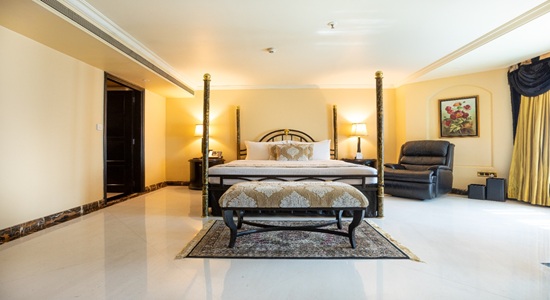
His entrepreneurial vision culminated in the launch of Roseate Hotels & Resorts in India—a brand that has since carved a niche in the country’s luxury hospitality landscape. Today, as CEO, Kapoor leads the group with a strong focus on innovation, expansion, employee engagement, and sustainability.
In an exclusive conversation with Restaurant India, Kapoor reflects on his remarkable journey from the hotel floor to the corner office, sharing insights into leadership, growth strategies, and the evolving future of luxury hospitality. Excerpts:
The Roseate is positioned as a niche luxury brand. How do you define “luxury” today?
Luxury means different things to different people. In hospitality, I believe luxury is about delivering genuine value to the guest. If you are able to provide meaningful returns on what a customer invests in you—whether through service, comfort, or experience that is true luxury.
What is your long-term vision for The Roseate Hotels & Resorts in India and globally?
From the beginning, we were clear that we did not want aggressive expansion. We prefer to remain a mid-sized luxury brand, growing steadily while maintaining exclusivity and uniqueness.
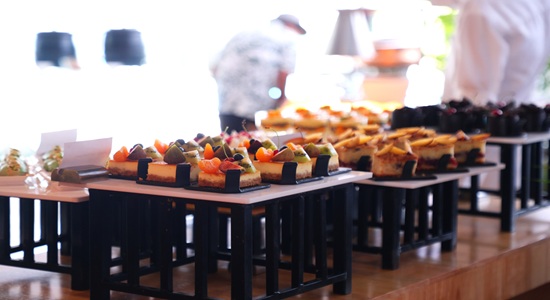
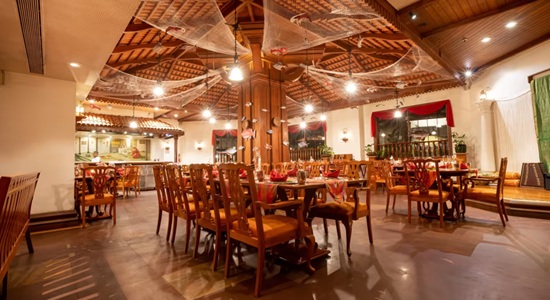
Currently, we own and operate eight five-star luxury hotels across India and the UK. We are in discussions to expand in Dubai and parts of Europe, adding 2-3 hotels annually. Beyond hotels, we are expanding into Ayurvedic spas outside hotel properties and launching experiential mithai boutiques. Every new venture undergoes extensive R&D to ensure long-term uniqueness. The Indian market today is mature and ready to invest in luxury experiences.
How do you balance luxury with changing guest expectations around value, sustainability, and personalisation?
Technology plays a major role but we design it according to our needs. Our proprietary apps and systems are exclusive to Roseate. We use AI-generated calls and structured feedback systems aligned with our brand standards.
Importantly, we do not view technology as a replacement for people. Instead, it is a tool that empowers our teams to spend more time engaging meaningfully with guests. By developing our own systems in-house, we remain agile and can quickly adapt to evolving guest expectations.
How do you evaluate new destinations before entering?
Location is always our first priority. We are currently exploring expansion in key metros like Mumbai and Bengaluru, as well as major pilgrimage destinations such as Ayodhya, Varanasi, and Tirupati. We are open to partnerships in these markets but only with the right collaborators who align with our brand philosophy.
How do you balance cost optimization by maintaining luxury standards and supporting employee welfare within your organisation?
We maintain costs at an optimal level without compromising guest satisfaction or employee well-being. In luxury hospitality, every detail from service to food quality must remain exceptional. For example, we allow employees to purchase groceries once a week from the same vendors who supply to our hotels. They receive premium-quality products at significantly lower prices, helping them save 30–40% monthly on groceries. This initiative supports employee welfare while maintaining supplier consistency.
Roseate has introduced innovative employee engagement initiatives. Could you elaborate?
Employee retention has been a priority. We ensure work-life balance, for example, female employees are not assigned late-night shifts. We provide 24x7 pick-and-drop facilities for employees living beyond a 20 km radius. Work hours are strictly monitored to ensure no one works beyond 9–10 hours a day. This is tracked digitally and considered during appraisals. Training is conducted online, supported by a mobile HRMS system. Feedback mechanisms ensure responses within 24 working hours.
We also conduct a monthly three-day ‘Happiness Program’ in collaboration with Art of Living for 25–30 employees at a time, focusing on emotional well-being.
What kind of leadership culture are you building within the organisation?
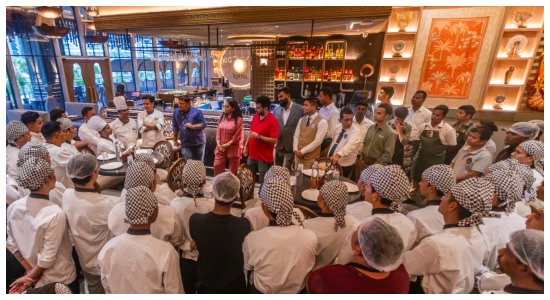
We foster an open culture—no personal cabins for senior management, and employees can approach leadership anytime. Our philosophy centers on the three E’s: Emotions, Experience, and Education, guiding both staff and guests in evolving hospitality standards.
What trends will shape India’s luxury hospitality sector over the next five years?
Experience and transparency will define the future. Today’s customers are well-travelled and informed. If they are paying for luxury, they expect more than standard service. Hotels must avoid taking customers for granted and should clearly communicate what they can and cannot offer. Transparency builds trust and long-term loyalty.
What advice would you give young professionals aspiring to build long-term careers in luxury hospitality?
This is a golden era for India’s hotel industry. Young professionals should focus on innovation, quality, and creativity. Success cannot be measured by a fixed benchmark. If you can improve even slightly from what you did yesterday, that itself is meaningful progress.
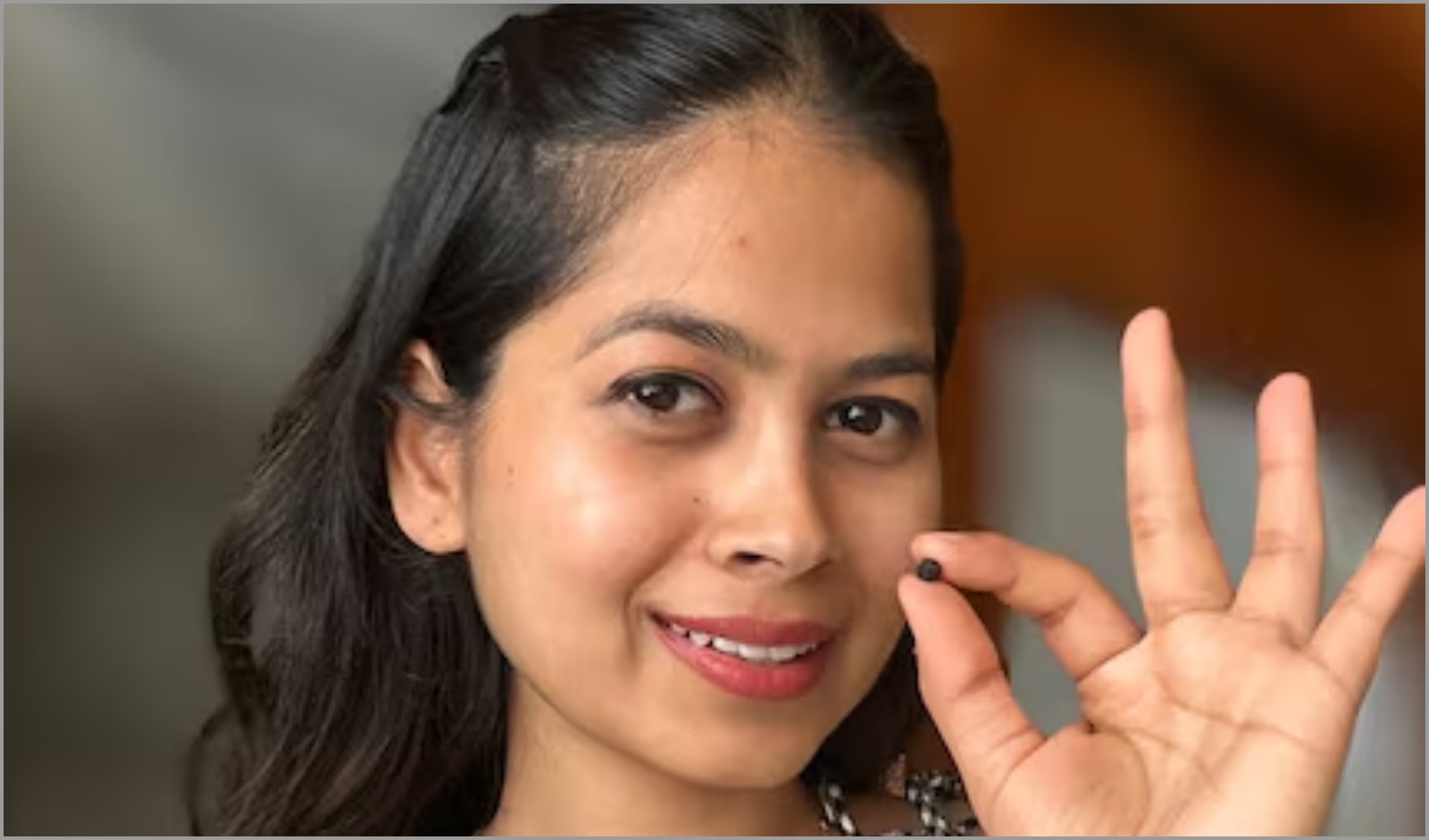
Vijetha Iyer
Content Editor
Working as a Content Editor with Restaurant India. I have worked in various sectors like food and beverage sector, chemicals, pharma, nutraceuticals, now specially focusing on restaurant side. But my core knowledge was always on content. Be it writing poems to verses, I always loved writing and have been exploring my career on the same. In Restaurant India, I deliver insightful stories, take interviews of various brands and update the audiences about the newest happenings in the restaurant industry.