Is All-Day Dining Running Out of Time?
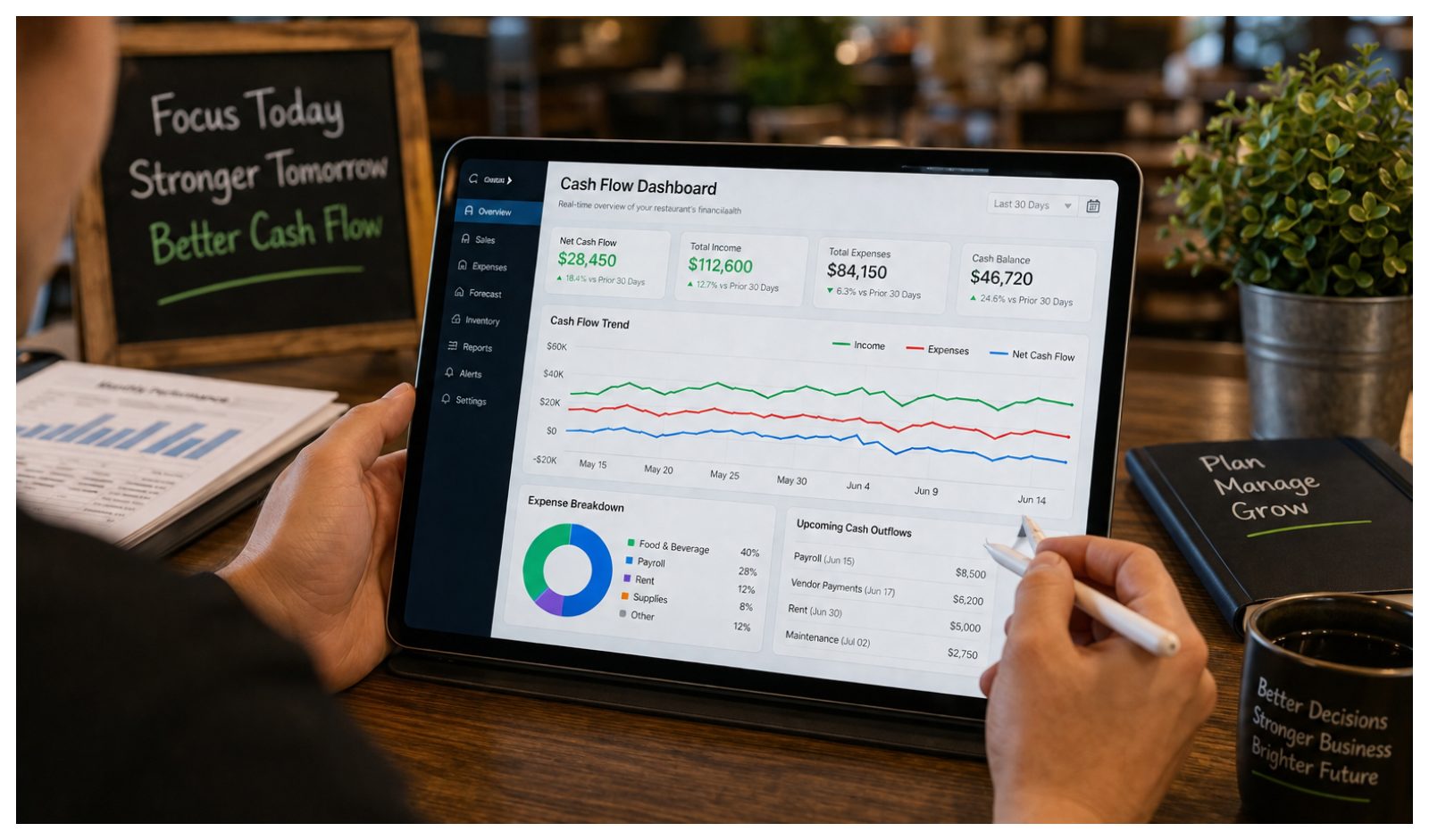
Among hotels facing F&B margin pressure, 31% were focusing on upselling and incremental revenue, while 29% were looking at labour efficiency. The problem, therefore, is not simply a lack of customers. It is whether the revenue generated is enough to justify the cost of keeping the restaurant running.

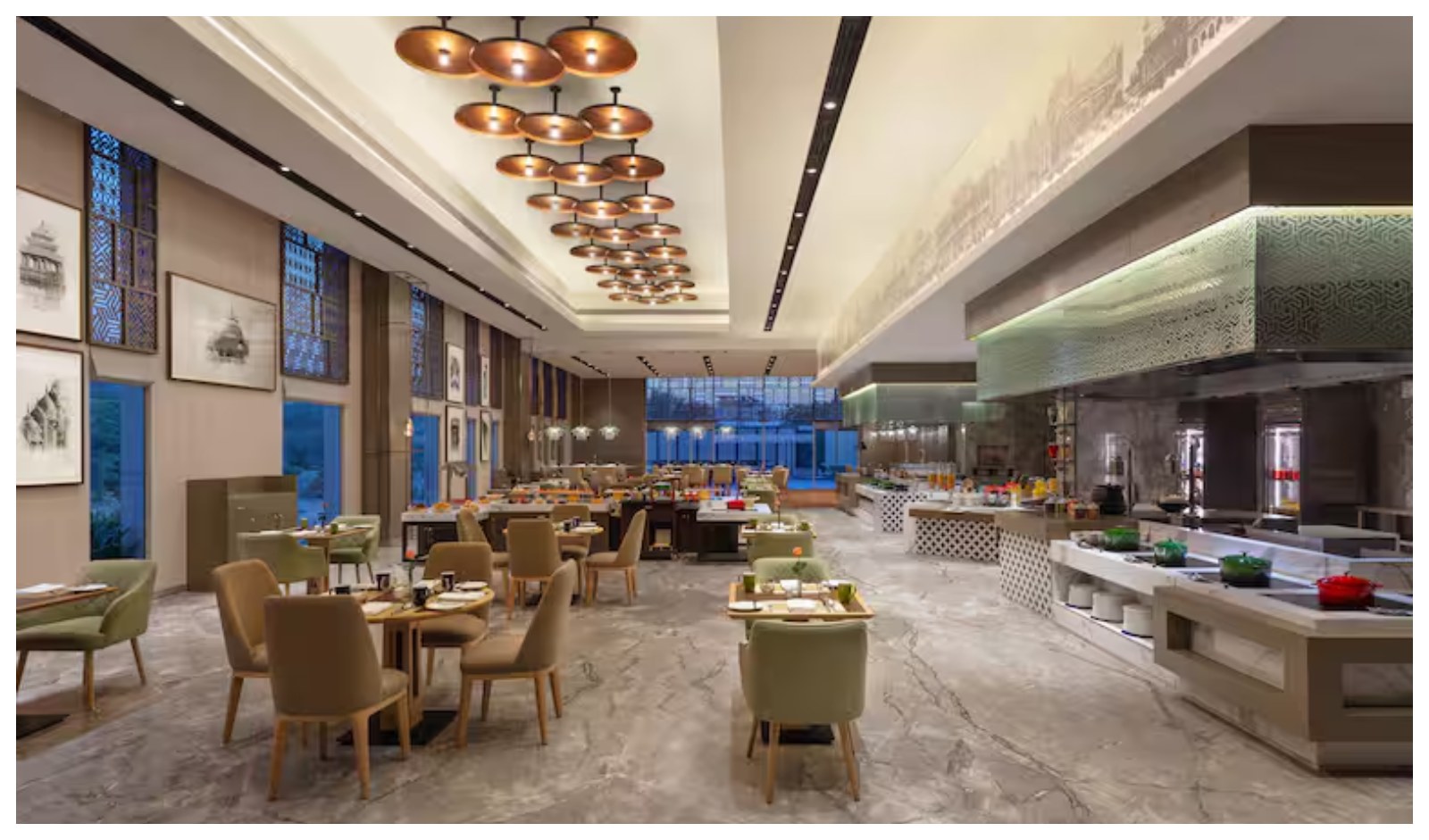
For decades, all-day dining has been a standard feature of full-service hotels. Breakfast, lunch and dinner run through the day, with restaurants often staying open between meals to meet guest expectations. But that model is increasingly being questioned.
The issue is not whether hotels need F&B, they do. The bigger question is whether running a large restaurant for 14–18 hours a day is still the best use of space, labour and kitchen capacity. India’s hotel market remains strong. HVS ANAROCK estimates that hotel occupancy in 2025 stood at 63–65%, with average room rates of ₹8,500–8,700 and RevPAR of ₹5,400–5,600. The year also saw around 64,118 hotel keys signed across 586 properties, reflecting continued confidence in the sector.
Also, NRAI report suggests that India’s foodservice market is projected to reach ₹7.76 lakh crore by 2028, creating a larger and increasingly competitive ecosystem for restaurants and food-led concepts. Against this backdrop, hotels are beginning to ask a more fundamental question: Does an all-day dining restaurant still need to look and operate the way it did 20 years ago? The answer could reshape how hotels think about F&B space and not just as an amenity for in-house guests but as a revenue-generating asset that needs to justify its footprint, manpower and operating hours.
All-Day Dining Model is Under Pressure
As per JLL’s 2025-26 Hotel Operators Sentiment Survey, across Asia Pacific, 59% of hotels reported fewer covers, while 51% saw average check sizes decline. Among hotels facing F&B margin pressure, 31% were focusing on upselling and incremental revenue, while 29% were looking at labour efficiency. The problem, therefore, is not simply a lack of customers. It is whether the revenue generated is enough to justify the cost of keeping the restaurant running.
“JW Café plays a key role in our all-day dining strategy, catering to everything from business lunches and relaxed daytime dining to our signature buffets and Sunday brunches. Our Sunday brunch, in particular, creates a strong weekend occasion by bringing together food, socialising and discovery. It encourages guests to spend more time within the hotel, explore a broader selection of offerings and ultimately drives incremental F&B spend,” shared Varun Suden, Director of Operations, JW Marriott Mumbai Sahar.
Industry data suggests, hotels may need to think less about “all-day dining” and more about “all-day value.” The same space could serve breakfast in the morning; become a coffee and meeting space during the day, shift into a business lunch, then work as a café or social space before becoming a dinner restaurant.
The New ADD Metric
Hotels usually track covers, average cheque, revenue, food cost, labour and EBITDA. But for all-day dining, another number could matter: revenue per available seat-hour. Take a 150-seat restaurant open for 14 hours. That gives the hotel 2,100 available seat-hours a day. At ₹3 lakh in revenue, that works out to about ₹143 per seat-hour.
“The move is towards more efficient and future-ready cooking fuels. “We’ve always cooked in certain ways, like using charcoal tandoors, but the reality is that we have to evolve with time as this helps in businesses,” added Saurabh Tyagi, Director of Culinary at The Ritz-Carlton, Bangalore.
However, for Suden, the approach to F&B is about maximising the potential of every space, rather than simply filling it. By giving each outlet a distinct proposition, creating compelling occasions across the day and continuously responding to guest behavior.
Labour Could Shape the Future of ADD
Labour is one of the biggest costs in hotel F&B. CBRE found that labour accounted for 59.4% of F&B department expenses at 2,669 US full-service, resort and convention hotels in H1 2025.
The problem becomes obvious during slow periods. If an ADD is quiet from 3–5 pm but still carries almost the same staffing, the hotel is paying for capacity it is not using. The answer could be a shift from fixed staffing by operating hours to flexible staffing based on demand. For ADD, the future may depend as much on how efficiently people are deployed as on how many guests walk through the door.
Abhishek Sahai, General Manager, Conrad Pune, sees food and beverage as a core part of the property’s business strategy. “Food and beverage contribute nearly 50 percent of our hotel’s revenue. It is no longer just a service for resident guests, it has become one of the strongest reasons people visit us.”
With seven restaurants under one roof, Conrad Pune offers a broad mix of dining experiences designed to attract both hotel guests and local customers. Sahai believes this focus has also strengthened repeat business and guest loyalty. “People may initially visit us for a meal, but they return for anniversaries, family occasions and often recommend us to friends because of the experience,” he added.
Rise in Asset Productivity
Asset productivity in an all-day dining restaurant is a particularly interesting challenge because the hotel model is fundamentally different from the standalone restaurant model. In smaller standalone restaurants and upscale cocktail bars, table turnover is a key productivity metric. A restaurant may allocate a defined period to a reservation and expect the table to be released after that period.
Anuj Chaudhry, General Manager, DoubleTree by Hilton Bengaluru said, “In a hotel ADD, it is much more difficult to impose the same approach. A hotel guest may spend considerably longer at breakfast, a business traveller may use the restaurant for a meeting over coffee, or a family may want to spend more time over a meal. So, I don’t believe asset productivity in an ADD should be viewed simply as how quickly we can turn a table. It should be viewed more holistically: how much revenue can we generate from the same physical asset across the different periods of the day, while still protecting the guest experience.”
One area where technology can make a significant difference is restaurant revenue management. The hotel industry already uses revenue management extensively in rooms, but there is an opportunity to apply the same data-led thinking to restaurants. For example, buffet pricing does not necessarily have to remain static regardless of demand. If a restaurant is experiencing strong demand and a significant number of covers have already been committed, there is an opportunity to consider dynamic pricing models.
One of the biggest challenges with hotel all-day dining restaurants is in the traditional guest perception of the format, which is that it can be relatively similar from one hotel to another. Guests walk into the all-day dining restaurant of a luxury hotel, a business hotel or an upscale international hotel and find broadly similar formats — breakfast buffets, lunch and dinner buffets, à la carte menus and familiar international offerings.
"There is also an important balance to strike. An ADD has to be familiar enough for a guest to feel comfortable, but distinctive enough to give them a reason to come back. That is where comfort food and local relevance become particularly powerful. Guests recognise the flavours and formats, but they discover them through a different lens," added Chaudhry.
All-day dining, therefore, may not be facing an existential crisis. It is facing a redesign. And the hotels that rethink the concept not as a mandatory amenity, but as a flexible commercial asset, could be the ones that define the next generation of hotel F&B.
Vijetha Iyer
Content Editor
Working as a Content Editor with Restaurant India. I have worked in various sectors like food and beverage sector, chemicals, pharma, nutraceuticals, now specially focusing on restaurant side. But my core knowledge was always on content. Be it writing poems to verses, I always loved writing and have been exploring my career on the same. In Restaurant India, I deliver insightful stories, take interviews of various brands and update the audiences about the newest happenings in the restaurant industry.