
IPA vs. Lager vs. Stout: What Beginners Should Know
Beer appreciation is moving beyond alcohol strength. It now includes aroma, mouthfeel, and brewing method. Once the basics are clear, the menu feels less confusing and more inviting.

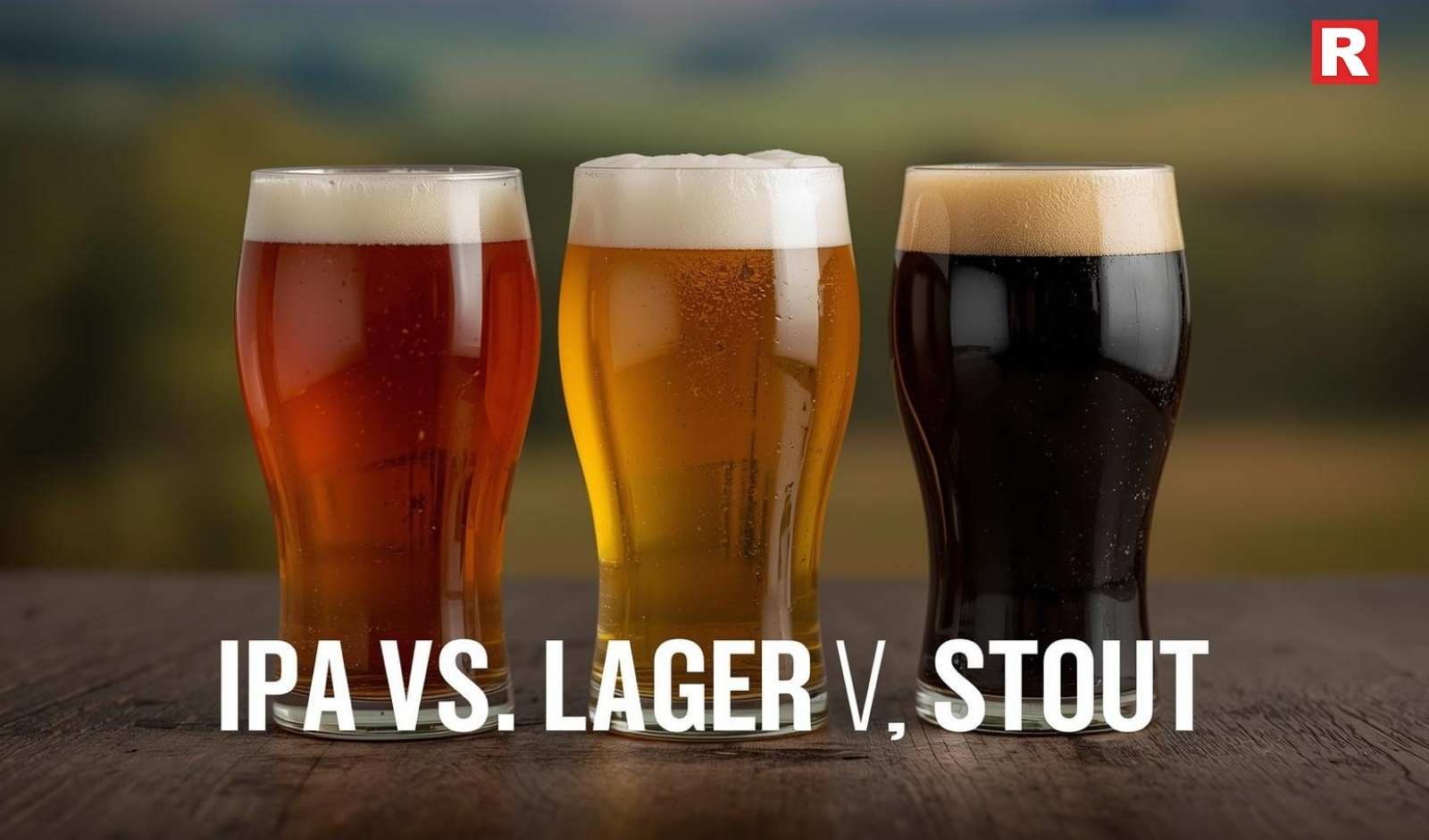
Step into any modern bar in India and three names appear on almost every menu: IPA, Lager, and Stout. For a first-time drinker, the choice can feel overwhelming. Many simply follow a friend’s recommendation. Some play safe with a familiar label. Others assume that higher alcohol means a better experience. That approach often leads to disappointment. Beer is not defined only by strength. It is shaped by yeast, fermentation temperature, malt profile, and hop intensity. Lagers use bottom-fermenting yeast at colder temperatures, which creates a clean and crisp taste. IPAs rely on top-fermenting yeast and higher hop content, leading to stronger aroma and bitterness measured in IBU. Stouts use roasted malts that bring coffee and chocolate notes into the glass. Understanding these basics changes the experience. It helps young urban consumers read menus with clarity. It builds confidence in social settings. Most importantly, it turns beer from a random order into an informed choice based on flavour preference and brewing science.
The Science Behind Beer Styles
All beer is made from four main ingredients: water, malted grains (usually barley), hops, and yeast. The biggest difference between IPA, Lager, and Stout comes from yeast and fermentation style.
There are two main types of yeast used in brewing:
Ales (IPA and most Stouts): Ales use top-fermenting yeast. They ferment at warmer temperatures, usually between 15°C and 24°C. Warm fermentation creates more fruity and complex flavours. That is why IPAs and many stouts feel richer and more expressive.
Lagers: Lagers use bottom-fermenting yeast. They ferment at cooler temperatures, usually between 7°C and 13°C. Cold fermentation produces fewer fruity compounds. The result is a clean, crisp, smooth taste. Lagers also go through a longer conditioning process called “lagering.” This improves clarity and smoothness. Now let us break down each style clearly.
What Is a Lager?
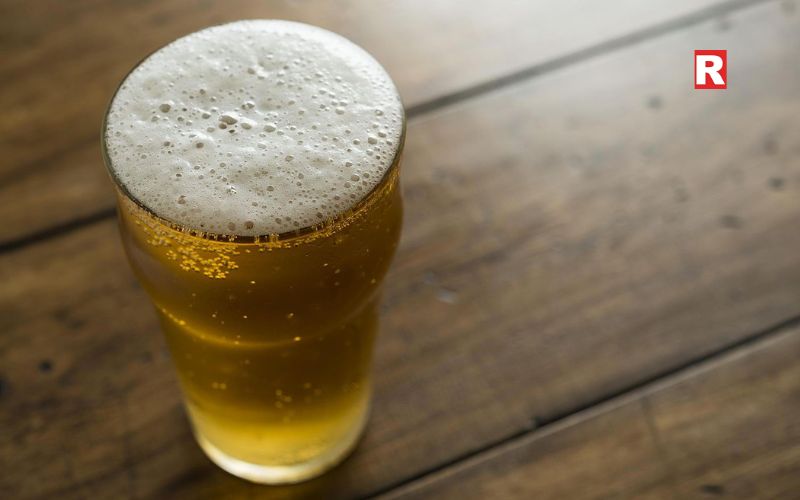
A lager is usually the most beginner-friendly beer style. It is light in colour. It is smooth. It is refreshing. Most lagers have an alcohol content between 4% and 5% ABV (Alcohol by Volume). Because they are not heavy or overly bitter, lagers are easy to drink in warm climates like India. Popular global examples include Heineken and Budweiser. In India, Kingfisher is widely recognized as a classic lager option.
Taste Profile
- Clean and crisp
- Mild bitterness
- Low fruity flavour
- Light body
Why Beginners Like Lagers
If you are new to beer, you may prefer something that does not taste too bitter or intense. Lagers offer that comfort. They are ideal with spicy Indian snacks, fried starters, and grilled dishes. The clean finish balances heat and oil very well. However, some people find lagers too mild once their taste develops.
Read more: What is Lager Beer? Discover the Top 5 Lager Beer Brands in India You Must Try
How to Pair Beer with Indian Food: A Desi Guide to Perfect Pints
What Is an IPA?
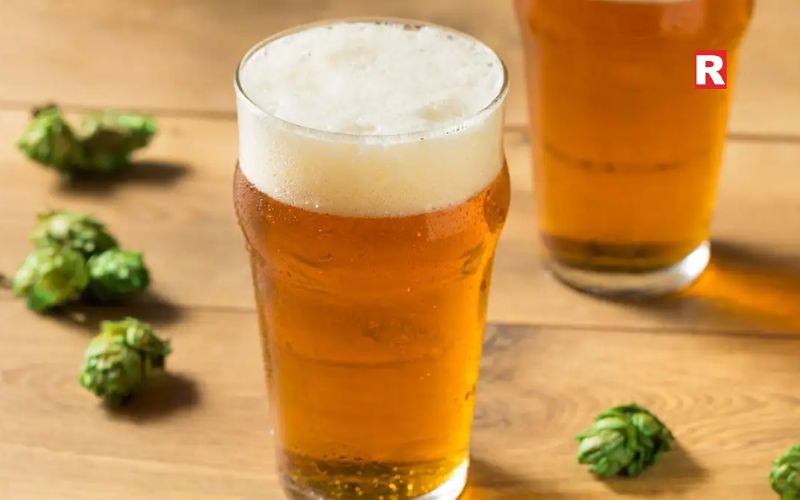
IPA stands for India Pale Ale. The name has historical roots. British brewers increased hops in pale ale to preserve beer during long sea journeys to India. Over time, this became a distinct style. Today, IPA is known for one thing: hops. Hops are flowers that add bitterness and aroma to beer. They can create citrus, pine, tropical fruit, or floral notes. Bitterness is measured in IBU (International Bitterness Units). IPAs usually have higher IBU levels than lagers. Alcohol content is typically between 5.5% and 7.5% ABV, sometimes even higher in Double IPAs. Well-known craft examples include beers from Sierra Nevada Brewing Co.. In India, brands like Bira 91 have introduced IPA styles to urban consumers.
Taste Profile
- Strong hop aroma
- Noticeable bitterness
- Medium body
- Sometimes fruity or juicy
Types of IPA
- West Coast IPA: Clear, dry, bitter
- New England IPA: Hazy, juicy, less sharp bitterness
- Double IPA: Stronger alcohol and hop intensity
Who Should Try IPA?
If you enjoy bold flavours, citrus fruits, or slightly bitter drinks like strong coffee or tonic water, IPA may suit you. IPAs pair well with burgers, barbecue, and spicy Asian food. The bitterness cuts through rich and oily flavours. For many beginners, IPA can feel intense at first. But it often becomes a favourite over time.
What Is a Stout?
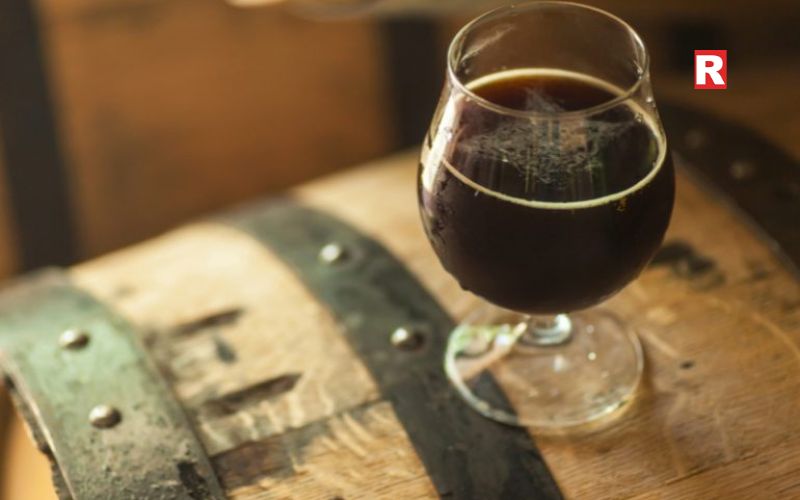
A stout is a dark beer. But dark does not always mean stronger. Stouts are made using roasted barley or heavily roasted malts. This gives them their deep brown or black colour. Alcohol content usually ranges from 4% to 8% ABV. One of the most famous examples worldwide is Guinness. Some stouts use nitrogen instead of carbon dioxide for carbonation. Nitrogen creates smaller bubbles. This gives the beer a smoother, creamier mouthfeel.
Taste Profile
- Roasted flavour
- Notes of coffee and chocolate
- Creamy texture
- Medium to full body
Types of Stout
- Dry Stout: Light body, roasted bitterness
- Milk Stout: Slight sweetness from lactose
- Imperial Stout: Higher alcohol, intense flavour
Who Should Try a Stout?
If you enjoy coffee, dark chocolate, or rich desserts, stout can surprise you in a good way. It pairs beautifully with chocolate desserts, red meats, and even rich Indian curries. Many beginners avoid stouts because of the dark colour. But in reality, some stouts have lower alcohol than IPAs.
Know more: Top 5 Strong Beer Brands in India: Bold Brews for the Bold Drinker
Quick Comparison
For beginners, understanding the core difference between lager, IPA, and stout makes ordering much easier. A lager is clean, crisp, and light. It feels smooth on the palate. It uses bottom-fermenting yeast, scientifically known as Saccharomyces pastorianus. Fermentation happens at colder temperatures, usually between 7°C and 13°C. This process reduces fruity esters and keeps the flavour neutral.
An IPA is bold and hop-forward. It is aromatic and noticeably bitter. It uses top-fermenting yeast, Saccharomyces cerevisiae, at warmer temperatures between 15°C and 24°C. Higher hop content increases IBU, which explains the sharper bitterness. A stout is dark and roasted. It also uses top fermentation. Roasted barley gives it coffee and chocolate notes. The bitterness comes more from roasted malt than hops. For urban consumers exploring craft menus, this clarity builds confidence.
Style | Fermentation | Temp Range | Key Taste | Bitterness Level |
|---|---|---|---|---|
Lager | Bottom | 7–13°C | Clean, crisp | Low |
IPA | Top | 15–24°C | Hoppy, bold | High |
Stout | Top | 15–24°C | Roasted, creamy | Moderate |
How to Choose Your First Beer
Choosing your first beer should be simple.
If you prefer mild and refreshing drinks, start with a lager.
If you enjoy citrus flavours or bold taste, try an IPA.
If you like coffee or chocolate, experiment with a stout.
You can also ask for a tasting flight. This allows you to try small portions of different styles before committing. Pay attention to ABV if you want to control alcohol intake. Check IBU if you want to manage bitterness. Over time, your taste will evolve.
Also check: Top Japanese Beer Brands in India: Crisp, Smooth, and Full of Character
Top Newly Launched Beer Brands to Replace Your Regular Brew
Top British Beer Brands in India You Should Try at Least Once
Make Your Informed Decision
India’s urban bar culture is evolving at a steady pace. Craft beer taprooms are expanding across cities such as Bengaluru, Mumbai, and Delhi. Menus today list multiple beer styles instead of a single “strong” option. This shift reflects a more informed consumer base. Young professionals are beginning to ask about hop levels, fermentation styles, and alcohol percentage before ordering. Understanding the difference between IPA, lager, and stout builds that confidence. It helps consumers match flavour intensity with food and occasion. A hop-forward IPA may suit grilled dishes. A clean lager may pair better with spicy snacks. A roasted stout can complement desserts. Technical awareness, such as knowing ABV or IBU, turns ordering into a thoughtful decision. Beer appreciation is moving beyond alcohol strength. It now includes aroma, mouthfeel, and brewing method. Once the basics are clear, the menu feels less confusing and more inviting. That is when the experience becomes truly enjoyable.
Saptopriya Ghosal
Feature Writer
I am a dedicated media professional with a bachelor's degree in mass communication from the State University of Calcutta and a postgraduate degree from Amity University. My academic journey has equipped me with a profound understanding of storytelling and communication. Passionate about the dynamic world of media, I continually strive to explore new ways to engage and inform through compelling narratives.






















































































































































