
India’s Dessert Boom: From After-Meal Treat to All-Day Craving
As consumption becomes more intentional, desserts are no longer a secondary offering. In many cafés today, they are increasingly the primary reason consumers visit or place an order.

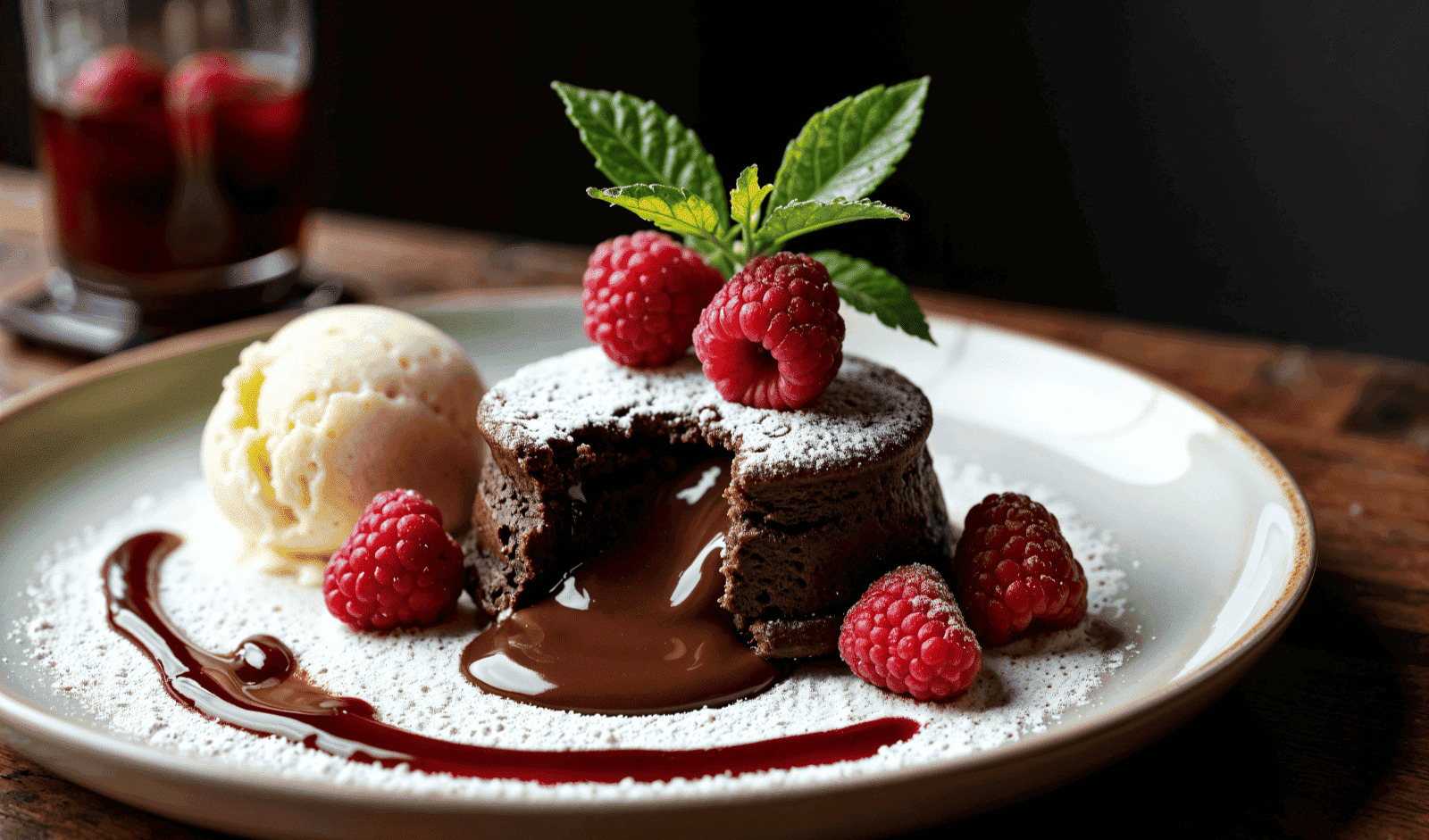
For consumers today, desserts are no longer a footnote on the menu. Dessert-only formats, including bakeries, ice-cream parlours and sweet-focused cafés, are now among the fastest-growing segments in India’s organised food services market, expanding at 14-16 per cent, even as they account for just about 3 per cent of total market share.
High growth on a relatively small base suggests the category is still in an early phase of expansion. What was once an occasional indulgence is increasingly becoming a standalone consumption category, driven by late-night demand, delivery-led impulse ordering and changing ideas of everyday indulgence.
From Post-Meal Indulgence To All-Day Treat
Dessert consumption is no longer limited to celebrations or the end of a meal. Orders now span the entire day, from midday pick-me-ups and post-work rewards to late-night comfort cravings. Data from Swiggy’s How India Eats 2025 report shows that late-night consumption between 11 pm and 6 am is the fastest-growing food occasion, expanding nearly 2.8 times faster than dinner, with cakes and desserts outperforming even staple categories during these hours.
Gouri Koushik, Founder of Bengaluru-based Pibbles, sees this shift as structural rather than cyclical. “Desserts have always been comforting, something people look forward to at the end of a meal, or even as an emotional reward. What has changed is consumer awareness,” she shared, adding, “People are rethinking what dessert actually means to them. It’s no longer just about indulgence, but something that can be enjoyed more regularly when made with thoughtful ingredients.”
Dietary consciousness is also shaping this change. Growing demand for plant-based and lactose-free options, driven by intolerance and lifestyle choices, is pushing brands to innovate beyond traditional formats.
Gen Z, Quick Commerce and Impulse Behaviour
Beyond consumption patterns, desserts are proving to be structurally attractive from a business perspective. Compared to hot food, dessert components often have longer shelf lives, reducing wastage and improving predictability.
“From a business-model perspective, desserts are more viable because many of the components used have longer shelf lives compared to hot food,” shared Koushik. “The process is methodical and precise, which builds consumer trust and leads to higher repeat orders.”
Delivery and quick commerce have further amplified dessert demand, especially as food delivery now operates 24/7 across more than 700 cities. Desserts, particularly ice cream, are well suited to impulse and ultra-fast ordering, with brands in this segment seeing 4–6 percentage points higher monthly customer retention than platform averages.
Gen Z has been central to this shift, driving discovery and experimentation through social platforms despite having lower purchasing power. At Poetry by Love & Cheesecake, Co-Founder Ruchyeta Bhatia sees this play out in real time. Formats designed around texture and experience, such as molten-core cheesecakes, have resonated strongly because they translate instantly on screen. Desserts today, she noted, are often “experienced visually before they’re tasted,” with viral formats driving impulse orders and consistency determining long-term loyalty.
The shift is visible even in luxury hospitality. At Ganache, The Ritz-Carlton Bangalore’s gourmet patisserie and dessert café, Director of Food and Beverage Pattabi Raman shared expectations around desserts have changed sharply. “A dessert today needs to taste good, look good, and feel relevant, often all at once.”
The implications extend beyond menu design. Even in premium settings, Raman added, value must be justified through experience and storytelling, with consistency between digital promise and on-ground delivery becoming non-negotiable.
And, as India’s food services sector is projected to cross USD 120-125 billion by 2030, with organised segment growing faster than unorganised players. Within this landscape, desserts are increasingly positioned not as accompaniments, but as core drivers of café footfall, delivery growth and repeat engagement.
“Going forward, consistency will be one of the biggest differentiators,” pointed Koushik, adding, “Brands that understand their audience and focus on long-term relationships are far more likely to scale sustainably.”
As consumption becomes more intentional, desserts are no longer a secondary offering. In many cafés today, they are increasingly the primary reason consumers visit or place an order.
Saumyangi Yadav
Senior Correspondent
Saumyangi is a Senior Reporter with over three years of experience in journalism and a strong passion for writing and storytelling. She covers D2C and consumer brands for Entrepreneur India and contributes to Restaurant India, where she writes about restaurants, cafés, and whatever is new and exciting in the F&B world. She has previously covered education, social, and civic issues, and continues to enjoy exploring new stories in Bengaluru and beyond.









































