
India’s Coffee Rise: Brewing a Global Identity
From personalization to make your own brew, café business is going through the biggest innovation these days.

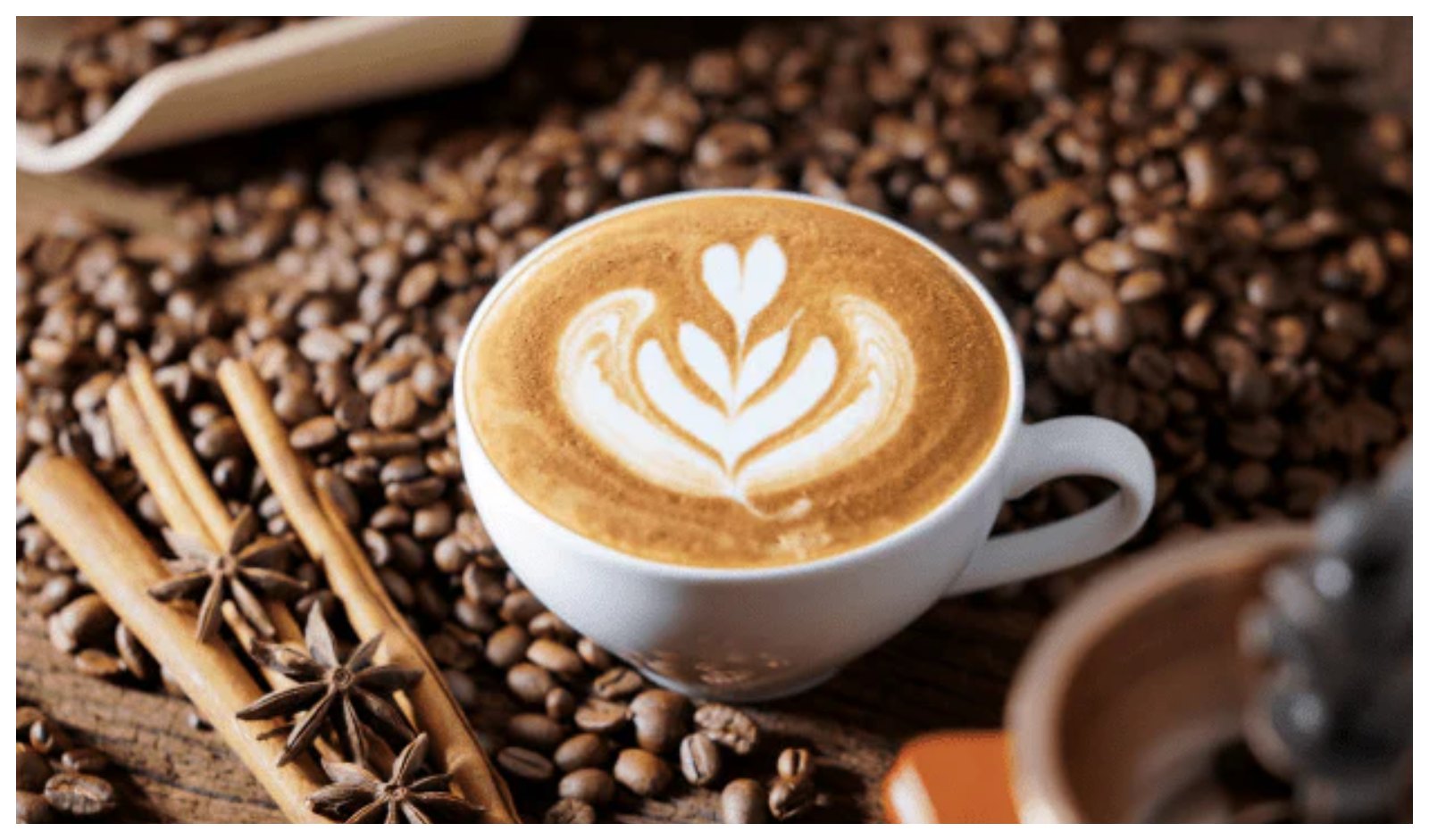
The Indian coffee market has witnessed rapid growth in the last few years, driven by evolving consumer preferences, increased exposure to global café culture, and the rise of specialty coffee.
Brewing Innovation
Coffee in India has grown from its traditional roots into a daily habit and a symbol of community, craftsmanship, and curiosity.
“At Barista, innovation continues to be our core strength. We have been introducing new beverages, desserts, fresh food offering, zero sugar coffee range and formats that cater to diverse palates,” shared Rajat Agarwal, CEO, Barista Coffee.
From personalization to make your own brew, café business is going through the biggest innovation these days.
Expressing his views, Rajat Luthra, CEO, Third Wave Coffee said, “We celebrate more than just a beverage; we celebrate a culture that is constantly evolving. Over the years, we’ve seen consumers move towards specialty coffee, embracing newer formats, brewing methods, and café experiences that reflect their changing lifestyles.”
The Experience Generation
Gen Z and millennials are experience seekers who want more than just a cup of coffee. “We engage them through three focus areas innovative products like bubble tea and tiramisu iced lattes, digital-first storytelling on social platforms, and experiential formats such as live events and brand collaborations. These initiatives ensure Barista stays relevant and aspirational for the new-age consumer,” pointed Agarwal.
Adding to the same, Luthra mentioned, “our journey from the coffee estates to vibrant cafés across the country has been about keeping pace with this transformation. With India’s youth leading the trend, we believe the industry is set to expand exponentially, driven by innovation, experiential spaces and a growing appetite for distinctive brews.”
Beyond Metros
Tier 2 and 3 cities are driving the next wave of coffee consumption in India. The key demographic here are young professionals, students, and families who view cafés as lifestyle destinations. All the top coffee giants like Starbucks, Barista, Cafe Coffee Day, Blue Tokai Roasters, Third Wave Coffee and Nothing Before Coffee are targeting this market as growing segment.
“Unlike global coffee giants, NBC focuses on localization and accessibility. Our major expansion is into Tier 2, 3, and 4 cities, where we connect directly with customers, understand their preferences, and deliver what they want at an affordable price point. This community-first approach sets us apart,” added Akshay Kedia, Co-founder, Nothing Before Coffee.
However, Barista represents a modern social space—whether it’s for work, celebrations, or simply enjoying a premium coffee experience. And, for them too, these markets will drive the next way of coffee consumption.
Luring Customers
New-age customers want convenience, innovation, and authenticity simultaneously. The challenge is staying relevant without losing identity. The rising costs and supply chain challenges are due to weather, labour shortages and transportation/logistics costs.
“We overcome this by refreshing our menu regularly, introducing seasonal drinks, and listening to customer feedback; ensuring innovation is constant but true to our brand,” mentioned Kedia.
Coffee Raves are emerging as a refreshing social trend in India, shifting the focus from late-night partying to early or evening gatherings centered on coffee, music, and community.
Agarwal said, “Barista has already organized a few coffee raves in the past, and this World Coffee Day, we collaborated with Libas to host a Coffee Rave party outside our café. It’s a unique way to celebrate coffee while giving guests a premium cultural and social experience.”
Sustainable Practices
Coffee growers and brands are investing in water-efficient practices, renewable energy on farms, and compostable or reduced-waste packaging. Transparency across the supply chain is emerging as a key differentiator as consumers are eager to know what’s in their cup but also how it got there.
Elaborating further, Kedia said, “We use paper cups, plates, and cutlery to cut down on plastic. We also ensure that perishable goods are used in free tastings or discounted offers, reducing waste while letting customers discover new products. Sustainability is embedded in how we serve and innovate.”
As consumer expectations evolve, the future of coffee looks more premium, more responsible, and more connected than ever before.
Vijetha Iyer
Content Editor
Working as a Content Editor with Restaurant India. I have worked in various sectors like food and beverage sector, chemicals, pharma, nutraceuticals, now specially focusing on restaurant side. But my core knowledge was always on content. Be it writing poems to verses, I always loved writing and have been exploring my career on the same. In Restaurant India, I deliver insightful stories, take interviews of various brands and update the audiences about the newest happenings in the restaurant industry.









































