
Hyderabadi vs Lucknowi Biryani: What Makes Them So Different?
Instead of choosing one over the other, the real joy lies in experiencing both. Together, they tell the remarkable story of India's diverse culinary heritage—one fragrant grain of rice at a time.

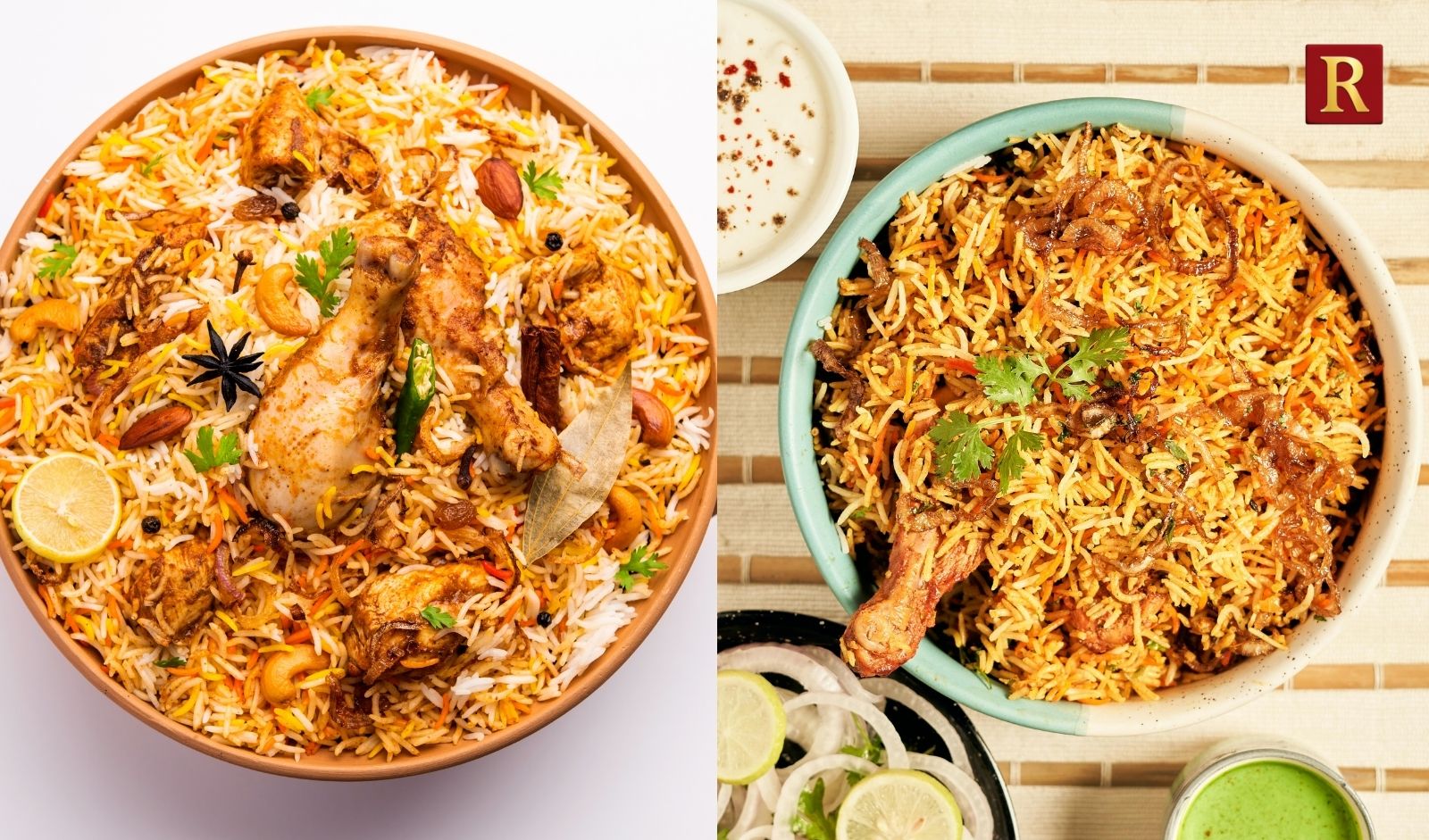
India's love for biryani has no boundaries. From Kolkata to Malabar, almost every region has its own version. Yet, two styles continue to dominate conversations among food lovers—Hyderabadi biryani and Lucknowi biryani. While both originated in royal kitchens and feature fragrant basmati rice, tender meat, and slow cooking, they offer completely different experiences on the plate. According to industry estimates, India's organised biryani market is worth more than ₹30,000 crore, and biryani remains one of the most ordered dishes on food delivery platforms year after year. This popularity has also sparked curiosity about what truly separates these two legendary recipes. If you have ever wondered why one biryani is fiery while the other is delicate, here is everything you need to know.
The Royal Story Behind Two Legendary Biryanis
Both biryanis were born in royal kitchens but under different rulers and culinary traditions.
Hyderabadi biryani traces its roots to the kitchens of the Nizams of Hyderabad. Influenced by Persian, Turkish, and Mughlai cooking, it gradually evolved by incorporating local Deccan spices, green chillies, and herbs. The result was a bold, rich, and aromatic biryani that became the city's culinary identity.
Lucknowi biryani, also known as Awadhi biryani, originated in the royal kitchens of the Nawabs of Awadh. The chefs focused on elegance rather than intensity. Every ingredient was carefully balanced to create subtle flavours and refined aromas, making it one of the finest examples of dum pukht cooking.
Hyderabadi vs Lucknowi Biryani at a Glance
Feature | Hyderabadi Biryani | Lucknowi Biryani |
|---|---|---|
Origin | Hyderabad | Lucknow |
Cooking Method | Kacchi Dum | Pakki Dum |
Spice Level | High | Mild |
Meat | Raw marinated | Pre-cooked |
Rice | Richly coated with masala | Light and fluffy |
Aroma | Mint, fried onions, spices | Kewra, saffron, rose water |
Taste | Bold and spicy | Delicate and balanced |
The Biggest Difference Starts in the Kitchen
The cooking method is what truly separates these two biryanis.
Hyderabadi Biryani Uses the Kacchi Dum Technique
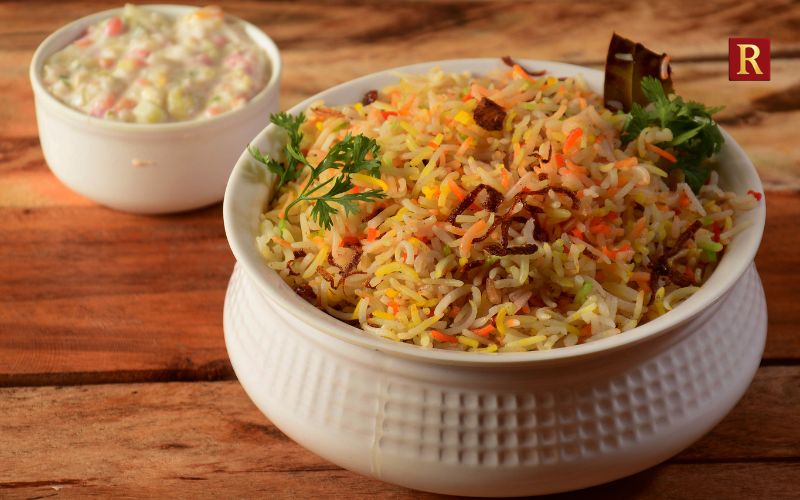
In this traditional method, raw meat is marinated for several hours using yogurt, ginger, garlic, spices, mint, coriander, and fried onions. The marinated meat is placed at the bottom of a heavy pot, while partially cooked basmati rice is layered on top. The pot is sealed with dough and cooked slowly over low heat for nearly an hour. During this process, steam cooks both the meat and rice together. The rice absorbs the juices released by the meat, creating deep layers of flavour. This technique demands precision. If the temperature is too high, the rice can become mushy before the meat is fully cooked. If the heat is too low, the meat may remain undercooked. That is why authentic Hyderabadi biryani is often considered one of India's most technically challenging rice dishes.
Lucknowi Biryani Follows the Pakki Dum Method
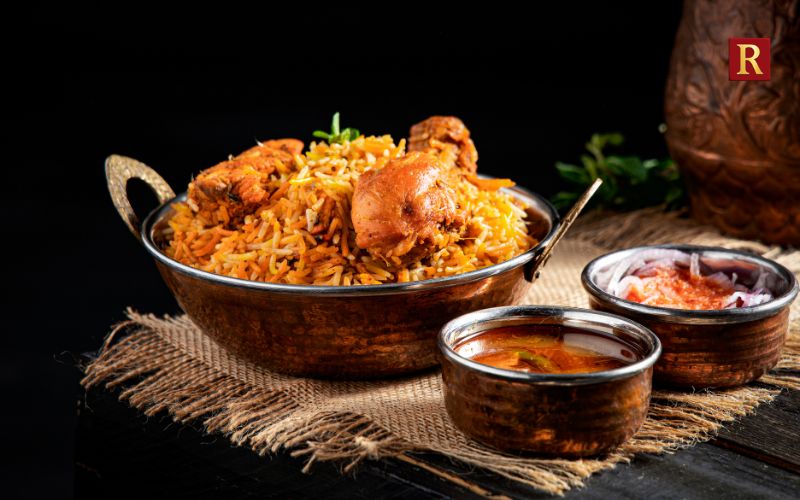
Lucknowi biryani takes a different approach. The meat is first cooked separately in a fragrant stock known as yakhni. This stock contains whole spices such as cinnamon, cloves, cardamom, bay leaves, and black pepper. Once the meat becomes tender, it is layered with almost fully cooked basmati rice. Saffron milk, kewra water, and sometimes rose water are added before sealing the pot for a final round of slow steaming. Since both the meat and rice are already nearly cooked, the final dum stage focuses on blending aromas rather than cooking the ingredients from scratch.
A Tale of Two Spice Profiles
The flavour difference begins with the spice selection.
Hyderabadi biryani is known for its generous use of green chillies, black pepper, red chilli powder, mint, coriander leaves, fried onions, yogurt, garam masala, and saffron. Every bite delivers bold, spicy, and slightly tangy notes that linger on the palate.
Lucknowi biryani takes a softer route. Instead of relying on heat, it highlights fragrant spices such as green cardamom, cinnamon, cloves, mace, nutmeg, and bay leaves. The addition of kewra water and rose water gives it a floral aroma without overpowering the natural flavour of the meat.
Why the Rice Tastes Completely Different
Although both recipes use long-grain basmati rice, the cooking process creates distinct textures. In Hyderabadi biryani, the rice cooks directly over the marinated meat. It absorbs meat juices, spices, and ghee, resulting in colourful grains coated with rich masala. Every spoonful offers a combination of rice and intense seasoning.
Lucknowi biryani presents a lighter appearance. Since the rice is cooked separately before layering, each grain remains fluffy and distinct. The flavours are evenly distributed through the aromatic stock rather than heavy spices. This difference is one reason why many chefs describe Hyderabadi biryani as bold and Lucknowi biryani as elegant.
The Science Behind Tender Meat
The tenderness of the meat depends on two different techniques.
In Hyderabadi biryani, yoghurt acts as a natural tenderiser. Its mild acidity breaks down muscle fibres, allowing the meat to cook slowly while retaining moisture. The long dum process also melts collagen into gelatin, making the meat juicy and soft.
Lucknowi biryani achieves tenderness by simmering the meat in yakhni for an extended period before layering. This controlled cooking allows the fibres to soften without exposing the meat to excessive heat during the final steaming stage.
Although both methods produce succulent meat, the texture feels noticeably different on the palate.
Aroma Is Half the Experience
Scientists estimate that nearly 80 percent of what people perceive as flavour comes from aroma. That explains why both biryanis pay special attention to fragrant ingredients. Hyderabadi biryani builds its aroma using caramelised onions, fresh mint, coriander leaves, saffron, ghee, and whole spices. Lucknowi biryani relies on saffron, kewra water, rose water, cardamom, and the rich fragrance of yakhni. The result is softer, floral, and more refined. Even before the first bite, the aroma tells you which biryani is on the table.
Which One Is More Difficult to Master?
Professional chefs often debate this question.
Hyderabadi biryani demands precise timing because raw meat and rice cook together. A small mistake in temperature or moisture can affect the final result.
Lucknowi biryani requires exceptional skill in preparing the perfect yakhni. The stock must extract maximum flavour from the meat and spices without becoming cloudy or overpowering. Layering and aroma balance also play a crucial role.
Rather than one being harder than the other, both showcase different forms of culinary expertise developed over centuries.
Which Biryani Should You Choose?
The answer depends on your personal taste.
Choose Hyderabadi biryani if you enjoy bold spices, rich masala, smoky aromas, and a stronger chilli kick. It is ideal for those who prefer intense flavours and hearty meals.
Choose Lucknowi biryani if you appreciate subtle seasoning, fragrant rice, tender meat, and balanced flavours. It suits diners who enjoy refined dishes where every ingredient complements the other.
Many food enthusiasts recommend trying both because each represents a different chapter in India's culinary history.
Did You Know?
- India has more than 30 recognised regional varieties of biryani.
- Hyderabadi biryani is among the country's most internationally recognised biryani styles.
- Traditional dum cooking seals the cooking pot with dough, trapping steam and preserving moisture naturally.
- Lucknowi biryani influenced the development of Kolkata biryani after Nawab Wajid Ali Shah moved to Kolkata in the 19th century.
- Authentic Hyderabadi biryani often takes over four hours to prepare when marination and dum cooking are included.
Happy Eating!
The Hyderabadi versus Lucknowi biryani debate has continued for generations, and perhaps it should never have a single winner. These dishes were created under different royal dynasties, shaped by distinct cultures, and perfected using unique cooking philosophies. Hyderabadi biryani celebrates bold spices, rich layers, and powerful flavours born from the Deccan. Lucknowi biryani showcases finesse, fragrance, and balance inspired by the royal courts of Awadh. Instead of choosing one over the other, the real joy lies in experiencing both. Together, they tell the remarkable story of India's diverse culinary heritage—one fragrant grain of rice at a time.
Saptopriya Ghosal
Feature Writer
I am a dedicated media professional with a bachelor's degree in mass communication from the State University of Calcutta and a postgraduate degree from Amity University. My academic journey has equipped me with a profound understanding of storytelling and communication. Passionate about the dynamic world of media, I continually strive to explore new ways to engage and inform through compelling narratives.



































































































































































