How Women Are Influencing Premium Alcohol Buying Trends
Women are reshaping the premium alcohol landscape in meaningful ways. Their influence extends from spending power to brand perception. They value authenticity, quality, and experience.

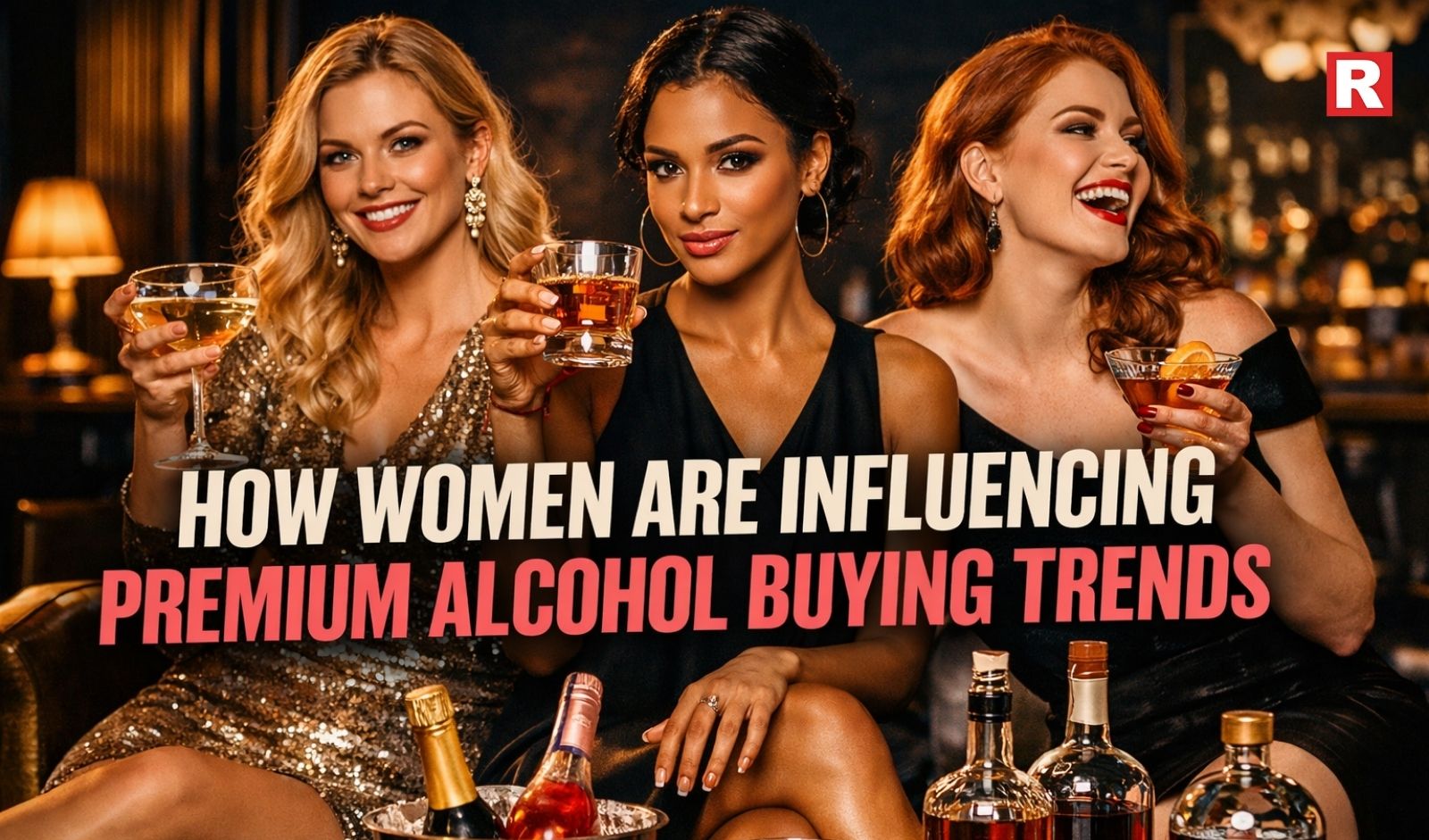
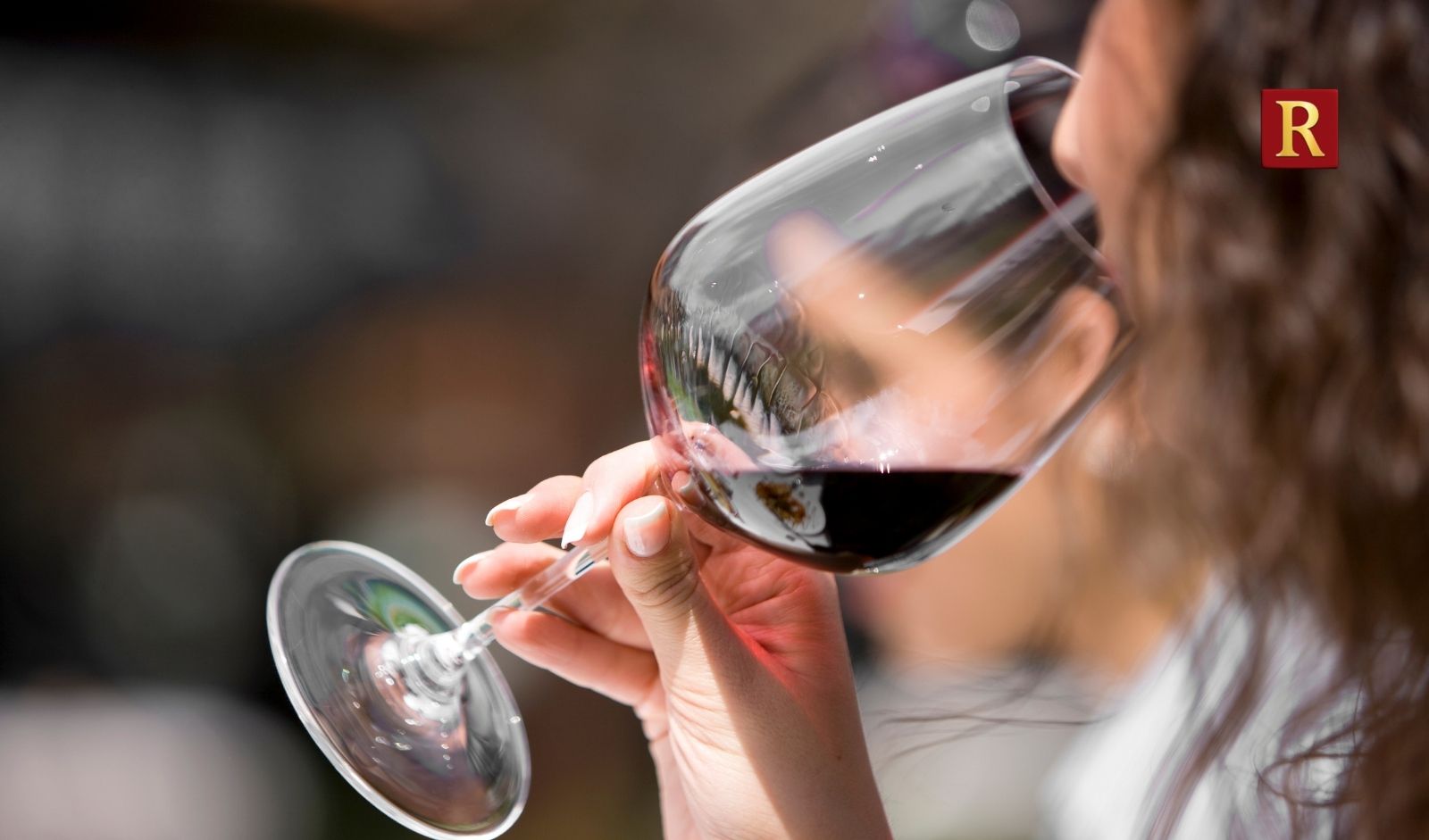
The premium alcohol market is changing fast. One of the biggest drivers behind this shift is women. Today, women are not just participating in the drinks industry. They are influencing what gets produced, how it is marketed, and which brands succeed in the premium segment. Across global markets, women are contributing more to luxury spending than ever before. With rising disposable income and greater financial independence, female consumers are making confident choices in categories once seen as male-dominated. Premium alcohol is one of them.
This shift is not about volume. It is about value. Women are choosing quality over quantity. They are willing to pay more for craftsmanship, better ingredients, refined taste, and strong brand stories. For premium alcohol brands, this is not a trend to observe. It is a strategic opportunity to act on.
The Rise of Women in Premium Alcohol Spending
Premiumisation is a strong theme in the global beverage industry. According to data from organisations such as the International Wine and Spirits Research (IWSR), consumers worldwide are trading up to higher-quality spirits and wines. Within this shift, female consumers are playing a significant role. Women today are more informed about alcohol categories. They understand the difference between single malt and blended whisky. They know the taste profile of a craft gin versus a mass-market one. They are exploring boutique wines, limited editions, and small-batch releases.
The purchase decision is no longer impulse-driven. It is researched. Many women read reviews, follow sommeliers on social media, and attend tasting events. This behaviour signals high involvement. High involvement leads to higher spending per bottle. For brands, this means the female consumer is not a niche segment. She is a core premium buyer.
Read more: Top Premium Whisky Brands in India: Finest Indian Whiskies Worth Trying
Top Tennessee Whiskeys in India You Must Try in 2025
Changing Consumption Patterns
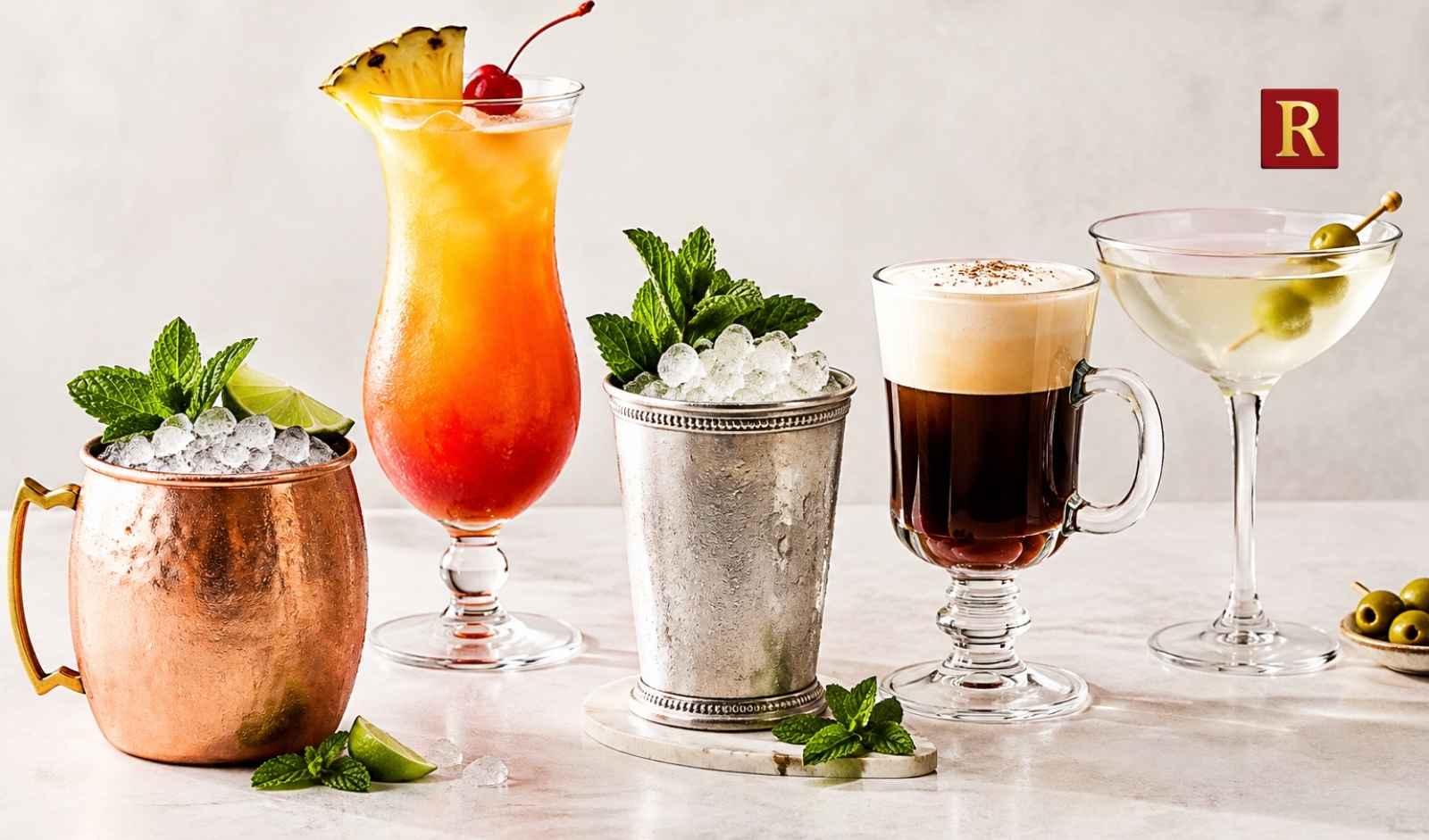
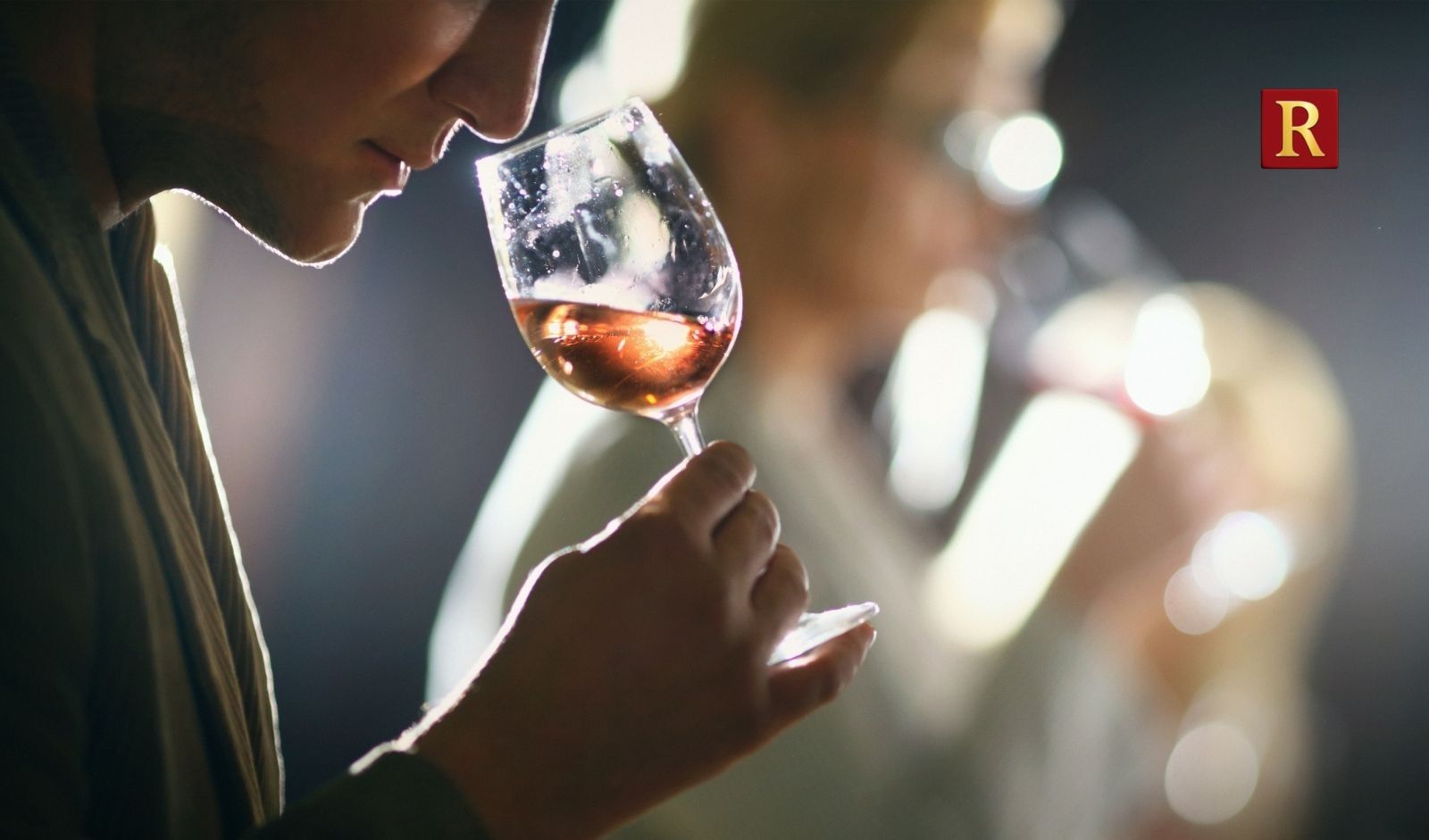
Women are also redefining how premium alcohol is consumed. Traditional bar culture often revolved around male social groups. Today, premium drinking is becoming more experience-focused and inclusive. Many women prefer curated experiences. This includes private tastings, pairing dinners, and mixology workshops. The focus is on learning and enjoyment rather than excess. Home entertaining has also grown. Women are investing in better glassware, cocktail tools, and premium spirits for small gatherings. The rise of premium Ready-to-Drink cocktails and craft spirits supports this lifestyle shift. These products offer convenience without compromising quality. Another strong pattern is mindful drinking. Women are exploring low-ABV and balanced options. They look for drinks that offer flavour without heaviness. This has pushed innovation in lighter wines, botanical spirits, and sophisticated non-alcoholic alternatives.
The Story Behind the Bottle Matters
Premium alcohol is no longer just about taste. It is about narrative. Women often connect strongly with brand authenticity. They want to know where the ingredients come from. They care about sustainability. They appreciate heritage and craftsmanship. A whisky that shares its aging process or a gin that highlights its local botanicals builds trust. Research from institutions such as Nielsen shows that women are more likely to support brands aligned with their values. Ethical sourcing, environmental responsibility, and inclusive marketing influence purchase decisions. This means packaging, communication, and storytelling must go beyond surface appeal. Transparent messaging adds long-term value.
Categories Women Are Redefining
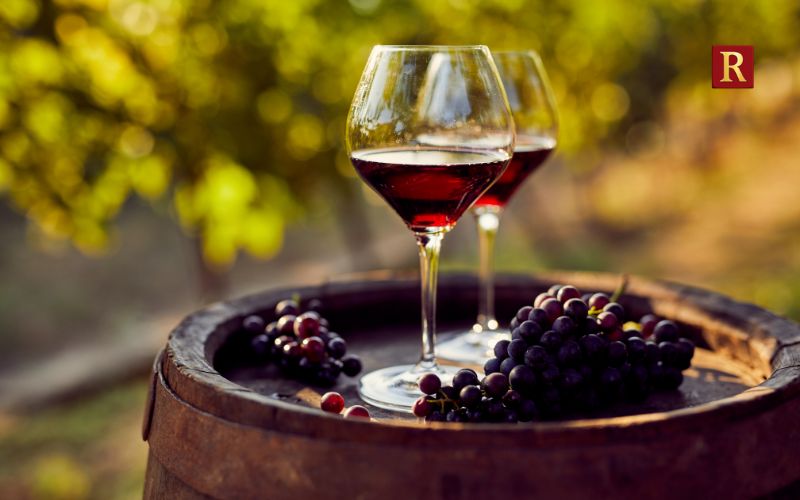
Certain premium alcohol categories are seeing strong female influence. Rosé wine has moved from seasonal to year-round consumption. Boutique labels are investing in premium positioning rather than treating it as a casual option.
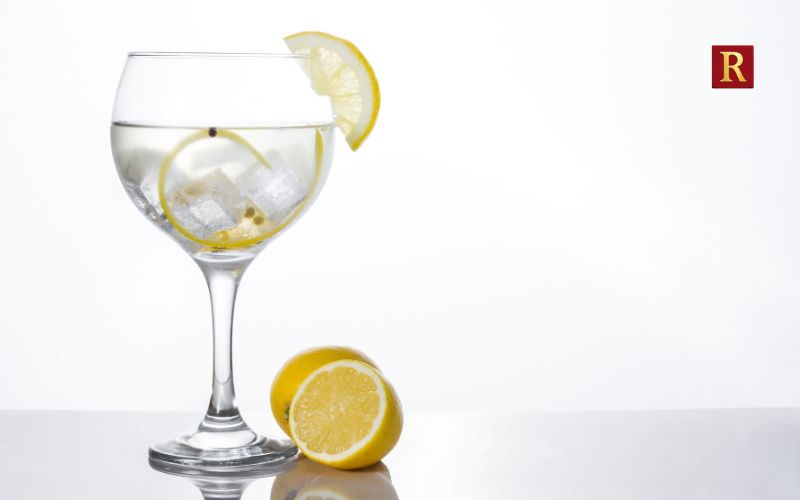
Craft gin has also seen a surge. The botanical complexity appeals to consumers who enjoy layered flavours. Women are experimenting with garnishes and tonic pairings, turning gin into a creative home ritual. Premium sparkling wines are another area of growth. They are increasingly consumed for personal celebrations, not just formal events.
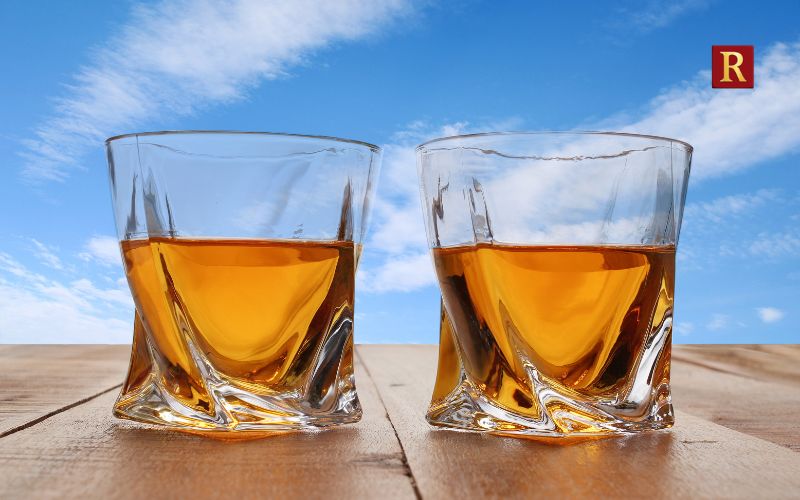
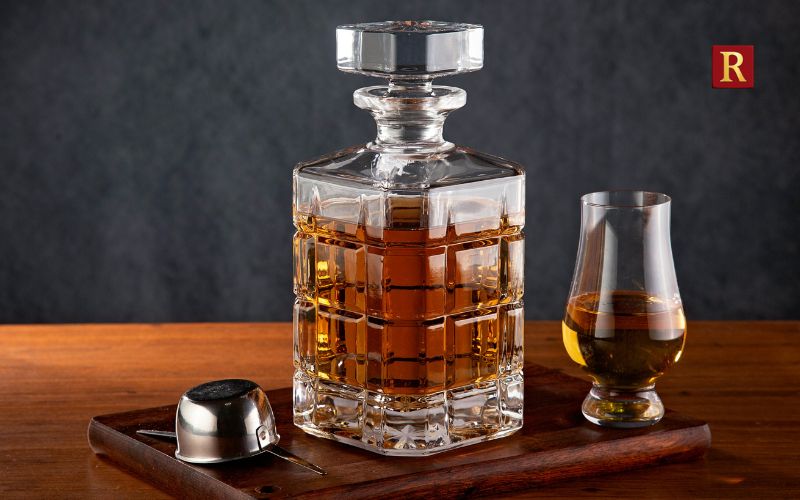
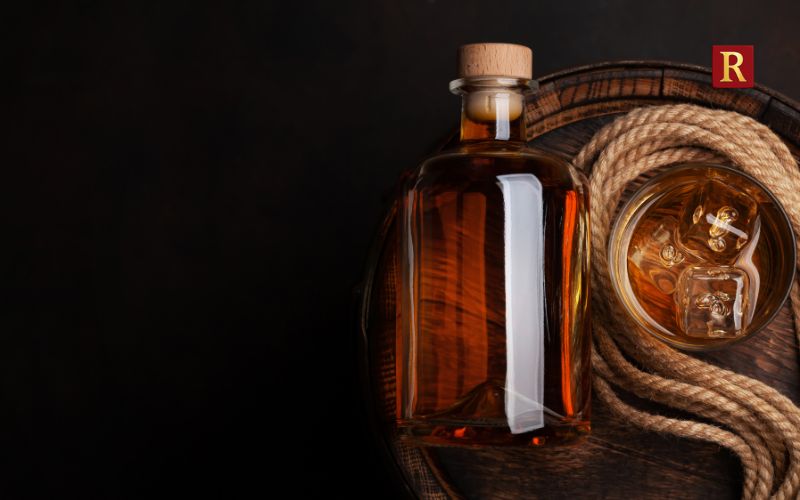
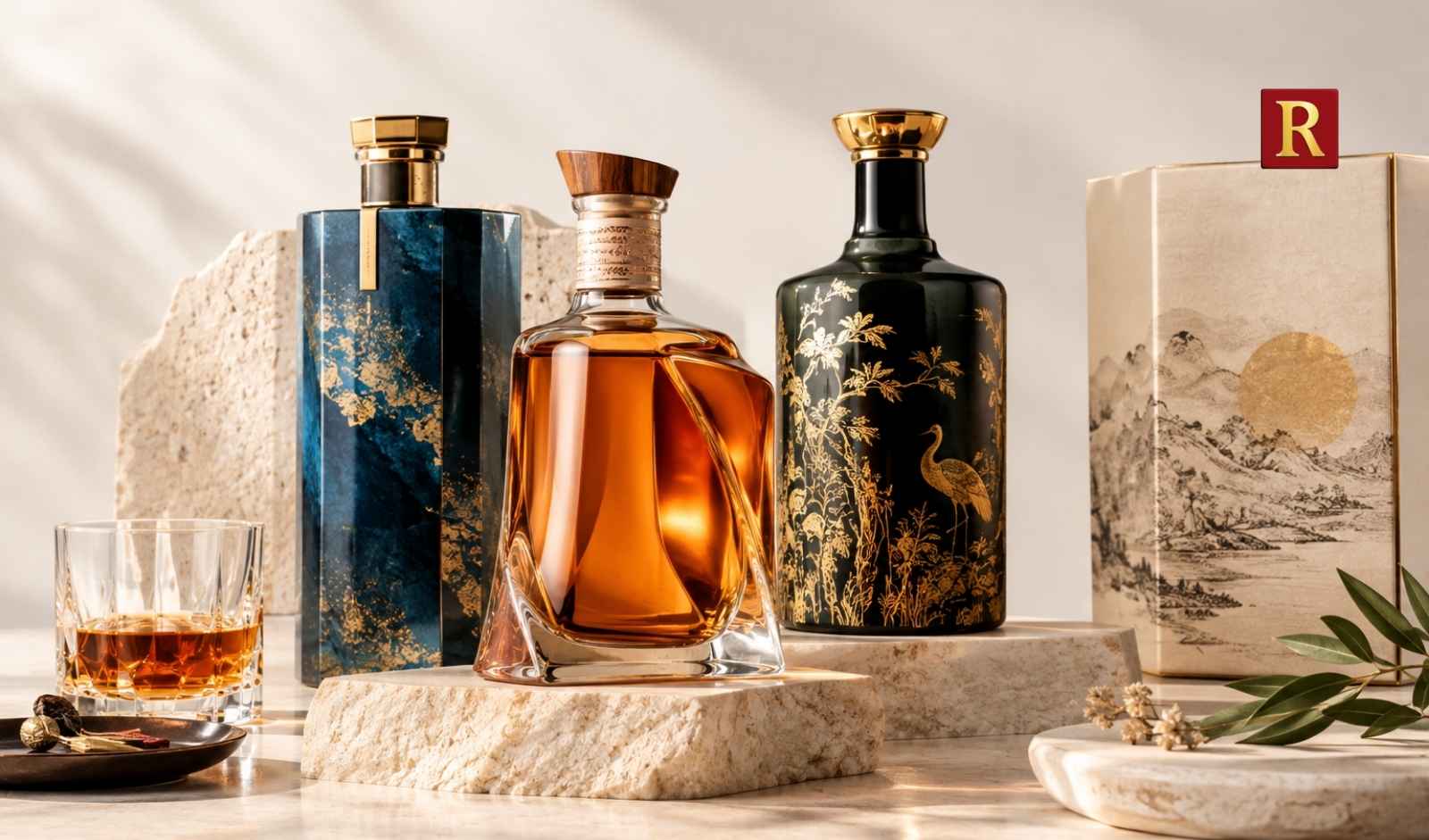
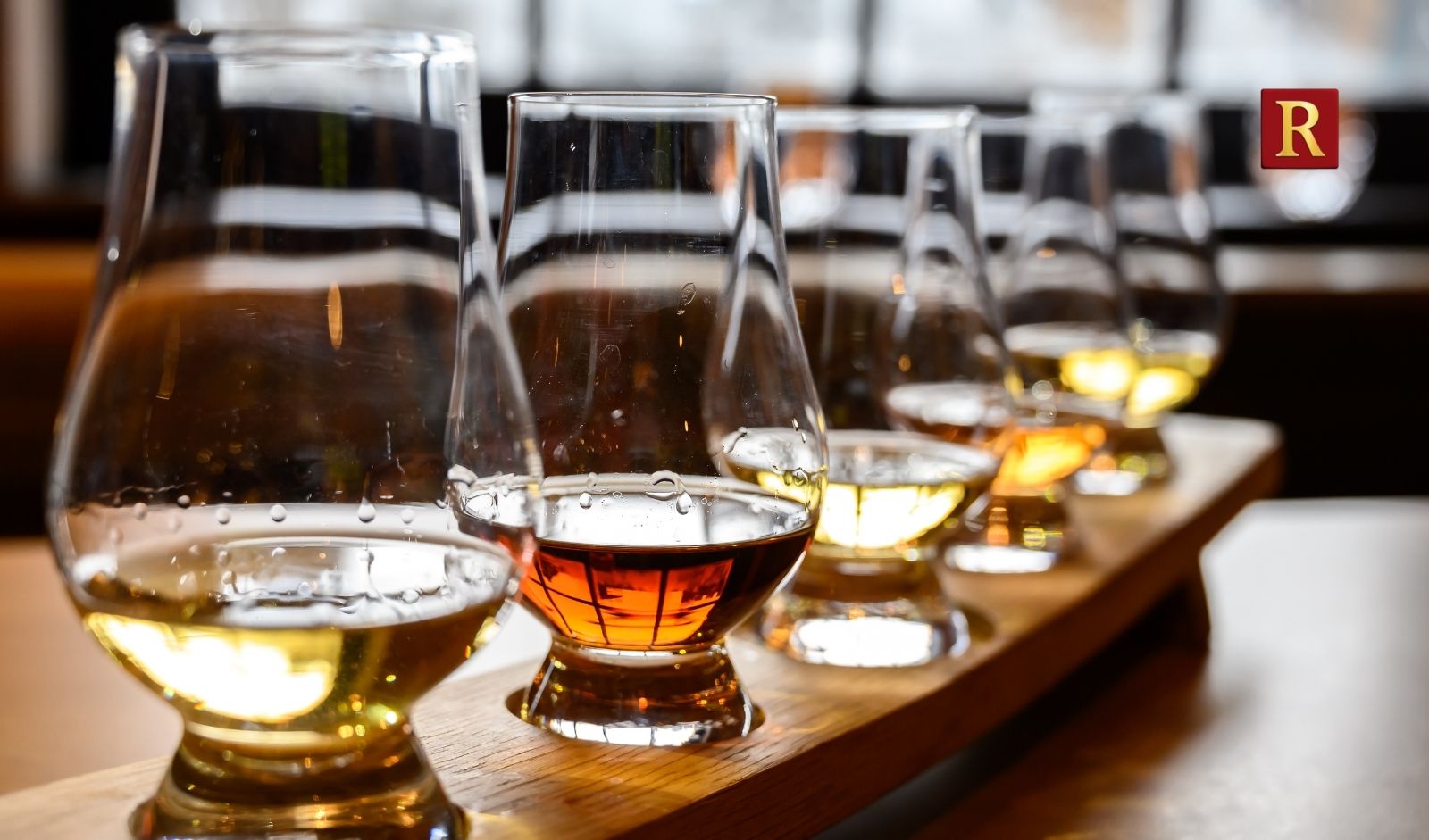
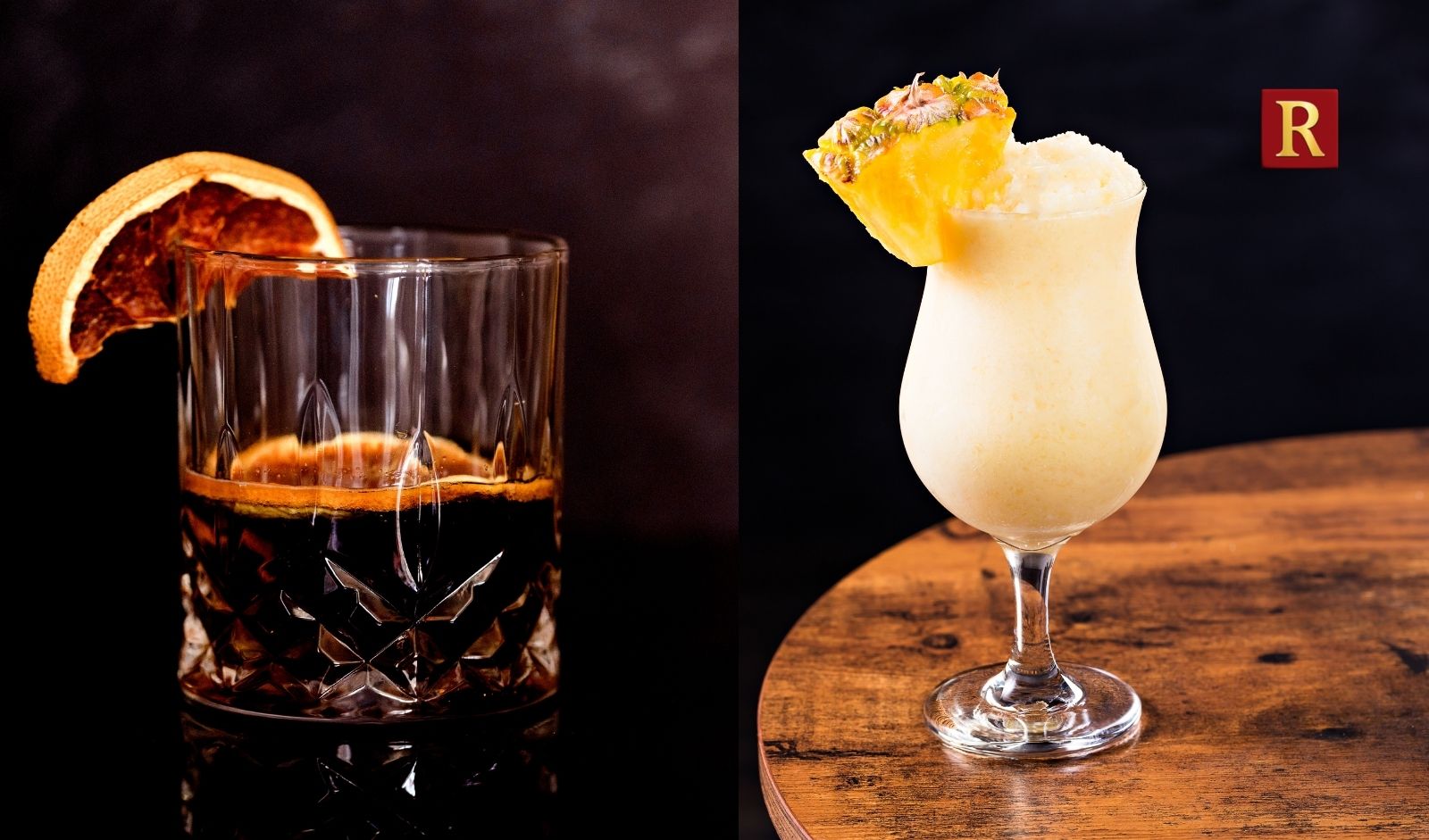
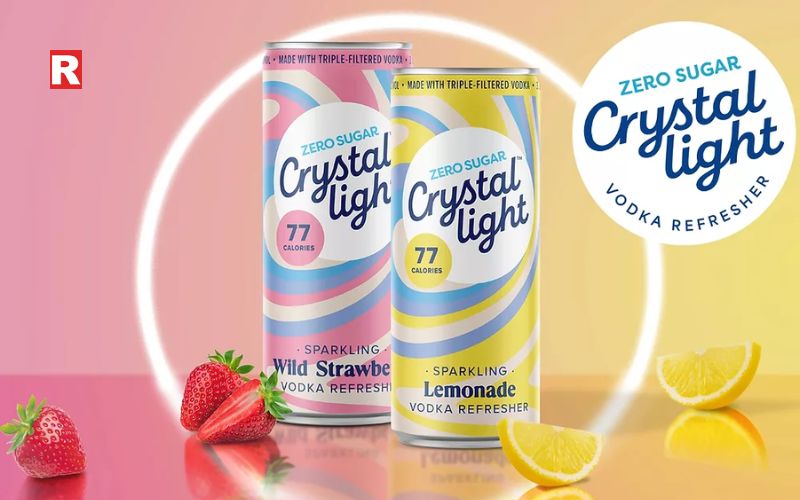
In the whisky segment, more women are entering tasting communities. This challenges old stereotypes. Brands are noticing that women appreciate depth, smokiness, and aged expressions just as much as men do. The Ready-to-Drink segment deserves attention as well. Premium RTDs with clean labels and refined flavours are attracting female professionals who value convenience with quality.
Know more: 10 Fastest-Growing Alcohol Brands in India’s HoReCa Sector
Impact on Marketing and Branding
The rise of women in premium alcohol buying is forcing brands to rethink communication. Old advertising often relied on masculine themes such as ruggedness or dominance. Today, marketing is shifting toward sophistication, craftsmanship, and shared experiences.
Visual language has become more balanced. Campaigns highlight gatherings, culture, and creativity rather than exclusivity. Digital platforms play a major role. Women are active on social media, where they discover new brands and share recommendations. Influencer collaborations, tasting reviews, and behind-the-scenes production videos help build credibility. Luxury masterclasses and curated events are becoming important touchpoints. Brands are creating spaces where women can explore products comfortably and confidently.
Technical Perspective: Understanding the Consumer Shift
From a consumer behaviour standpoint, several frameworks explain this trend.
Lifestyle segmentation shows that modern female consumers integrate premium alcohol into broader identity expression. It reflects taste, social circle, and personal standards.
Perceived value theory highlights that women assess more than price. They evaluate packaging design, brand ethics, product quality, and experiential benefits.
Premium buyers often display high brand loyalty. Once trust is built, repeat purchases are common. This increases lifetime customer value for brands that engage effectively.
Data interpretation also suggests that premium alcohol growth is more stable than entry-level segments. Women contributing to this segment strengthens resilience in economic fluctuations because premium purchases are often tied to experience and gifting rather than impulse consumption.
Influence Beyond Consumption
Women are not only buyers. They are entering the industry itself. More female sommeliers, distillers, and brand managers are shaping product development. This representation influences flavour innovation and communication tone. Products are designed with broader palates in mind. Packaging avoids stereotypes. Campaigns become more inclusive. Community-building is another important factor. Women-led tasting groups and networking events create word-of-mouth influence. Peer recommendations are powerful drivers in premium categories.
What This Means for Brands
For premium alcohol brands, ignoring this shift can lead to missed growth.
First, invest in research. Understand female consumer insights at a deeper level. Surveys, focus groups, and digital analytics can reveal motivations beyond demographics.
Second, refine storytelling. Highlight craftsmanship, origin, and sustainability with clarity.
Third, create experiences. Host tasting events, educational sessions, and curated launches that encourage exploration.
Fourth, ensure representation. Campaign visuals, ambassadors, and partnerships should reflect real diversity.
Finally, focus on long-term brand building. Women entering the premium alcohol category today will influence future purchasing trends for years.
Also check: Top Feni Brands in India: Taste the Goan Creation
10 Imported Whisky Brands Indians Are Choosing in 2025
Top Chilling Beer Brands for Holi Celebration in India
Final Thought
Women are reshaping the premium alcohol landscape in meaningful ways. Their influence extends from spending power to brand perception. They value authenticity, quality, and experience. They research before buying. They share recommendations. They expect transparency. Premium alcohol brands that understand this dynamic are seeing growth not only in revenue but also in brand equity. This transformation is not temporary. It reflects broader economic and social shifts. As women continue to gain financial strength and cultural influence, their role in premium alcohol buying trends will only expand. For industry players, the message is clear. The future of premium alcohol is inclusive, experience-driven, and shaped strongly by women who know exactly what they want in their glass.
Saptopriya Ghosal
Feature Writer
I am a dedicated media professional with a bachelor's degree in mass communication from the State University of Calcutta and a postgraduate degree from Amity University. My academic journey has equipped me with a profound understanding of storytelling and communication. Passionate about the dynamic world of media, I continually strive to explore new ways to engage and inform through compelling narratives.