
How Wellness Resorts are Transforming Luxury Hospitality
According to Grand View Research, the global wellness tourism market is expected to reach US$2.4 trillion by 2035, growing at a 9.3% CAGR. IMARC Group also projects strong growth, estimating the market will expand US$1.72 trillion by 2034, supported by personalised wellness, AI-driven experiences and sustainable tourism.

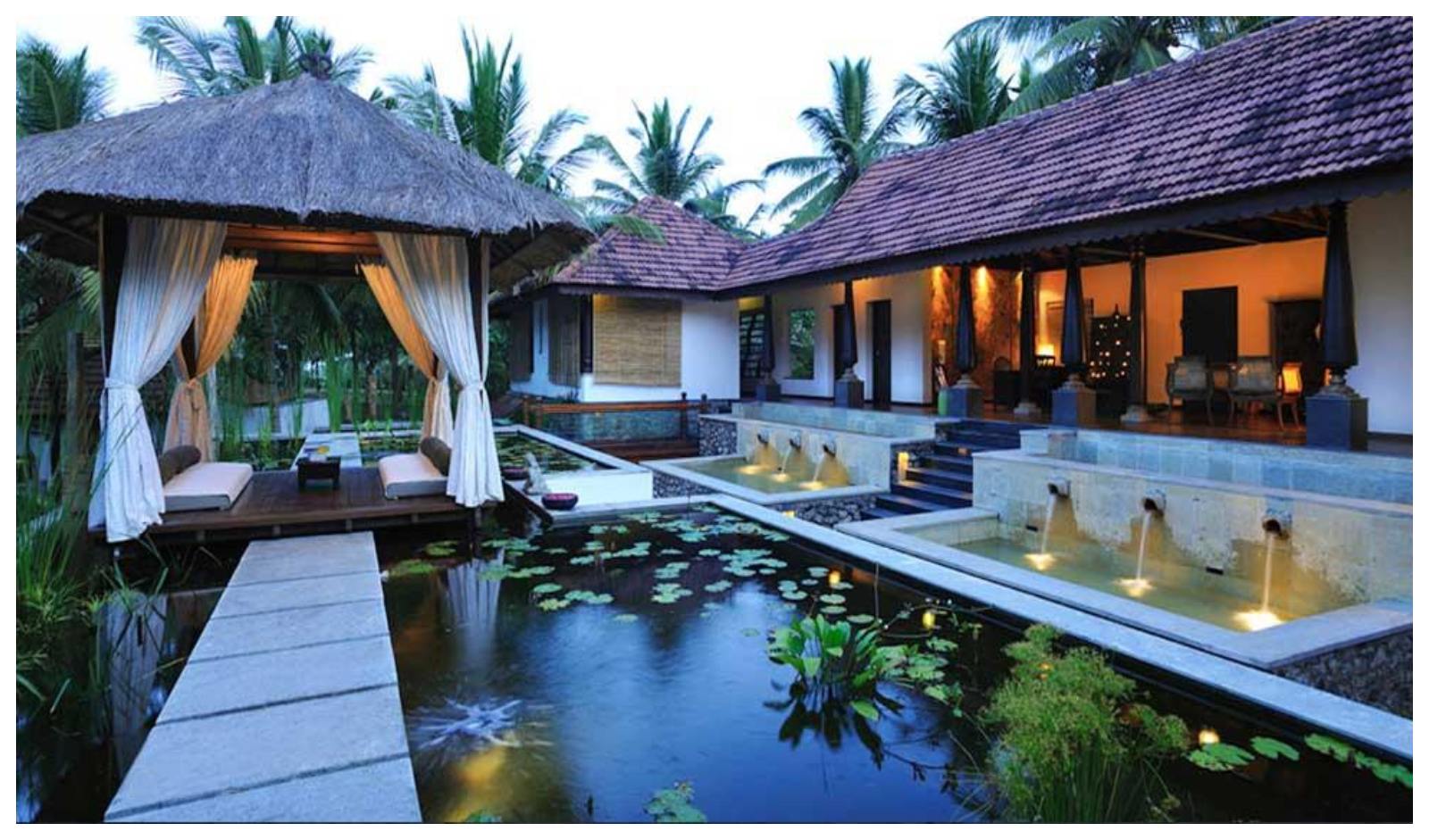
Luxury hospitality is being redefined by a growing focus on well-being. Today, true luxury is measured not just by lavish amenities but by how a stay enhances a guest's physical, mental and emotional health. As a result, wellness resorts have evolved from niche retreats into one of hospitality's fastest-growing segments.
According to Grand View Research, the global wellness tourism market is expected to reach US$2.4 trillion by 2035, growing at a 9.3% CAGR. IMARC Group also projects strong growth, estimating the market will expand US$1.72 trillion by 2034, supported by personalised wellness, AI-driven experiences and sustainable tourism.
Gen Z and Millennials Redefining Luxury Travel
Younger travellers are redefining luxury by placing greater value on authenticity, purpose and experiences over material indulgence. They are drawn to destinations that reflect their values, whether that's sustainability, wellness, local culture or conservation.
“We find that many guests are just as interested in understanding our restoration journey and biodiversity as they are in enjoying the comforts of the resort. They want travel to feel meaningful, and increasingly, the memories they take home matter more than the amenities they leave behind,” commented Tanishq Tripathi, Director, Aahana Resort and Spa.
Explaining further, Abhilash K Ramesh, Executive Director Kairali Ayurvedic Group said, “Gen Z and Millennials today prioritise authenticity, purpose, sustainability, and memorable experiences over material indulgence. They seek personalised journeys, local cultural immersion, wellness, adventure, and environmentally responsible destinations. Their preference for meaningful travel is encouraging luxury resorts to focus on experiences, community engagement, and conscious hospitality rather than traditional displays of opulence.”
Making Wellness a Core Investment
Luxury hotels are increasingly investing in wellness as evolving traveller preferences redefine the meaning of luxury. Affluent guests today are placing greater value on experiences that enhance their overall quality of life rather than material indulgence.
Adding to this, Vamsi Sai, CEO, Himalia Prime Assets said, “Travelers aren't just looking for comfort anymore they want to leave feeling genuinely better than when they arrived, and that's changing what a resort has to be. We're not talking about add-on treatments anymore; we're talking about destinations built around preventive health, mindfulness, movement, and nutrition all working together, not sitting in silos so making a core investment in this is very much important going further.”
According to the latest Wellness Real Estate Report by RLA Global and HotStats, insights from over 11,000 hotels across the globe highlight the growing pace at which the hospitality industry is embracing wellness-focused investments as a key part of its business strategy.
Sustainability & Wellness
Sustainability and wellness are becoming inseparable in luxury hospitality, as travellers increasingly expect resorts to care for both personal well-being and the environment. Hotels are responding with farm-to-table dining using locally grown organic produce, biophilic design that incorporates natural light and greenery, chemical-free spa therapies featuring herbal and Ayurvedic ingredients, and sustainable practices such as solar energy, rainwater harvesting, and waste reduction.
While, Mehardeep Singh, General Manager, Corporate Affairs, Rubystone Hospitality feels that sustainable practices also help to support and enhance the overall sustainability of hotels and their guests’ well-being by utilizing green building materials, using organic foods and beverages wherever possible, and offering nature-based activities as part of wellness experiences.
However, Sai stated that when your design is eco-conscious, your food is locally sourced, and your experiences are rooted in nature, that's not a separate initiative.
Technology is Personalising Wellness
Technology is enabling luxury hotels to deliver highly personalised wellness experiences. Smart rooms with circadian lighting, air purification, temperature controls, and sleep-enhancing features further improve guest wellbeing. Many resorts also extend wellness beyond the stay through digital health platforms and virtual consultations, creating a seamless, personalised wellness journey.
“Technological advances will continue to improve personalization opportunities based on guest's health-related behaviours and preferences through the use of artificial intelligence (AI) to evaluate guests' health habits, provide wearable devices, and implement individualized nutrition and complete fitness plans,” shared Singh. Industry estimates indicate that hospitality businesses are increasing their technology investments by approximately 8% to 15% each year.
Future Revenue Model for luxury resorts
The future of luxury hospitality will be built less around selling rooms and more around creating destinations that guests want to experience more deeply.
“We've seen travellers stay longer because they come for more than accommodation. They come to reconnect with nature, spend time with family, enjoy wellness experiences and immerse themselves in the landscape,” mentioned Tripathi who further added that as expectations evolve, revenue growth will increasingly come from creating memorable experiences.
Luxury hotels in India typically operate with EBITDA margins of 30% to 40%, while leading premium brands can achieve margins of 40% to 55% during periods of robust travel demand and strong occupancy.
Further to this, Ramesh said, "Luxury resorts are generating income through wellness consultations, preventive healthcare programs, longevity retreats, memberships, branded wellness products, medical tourism partnerships, destination weddings, corporate wellness retreats, and curated experiential activities. Diversified revenue streams increase profitability while fostering stronger guest loyalty and repeat visits.”
While one major thing is that luxury wellness resorts face challenges including high capital investment, maintaining skilled wellness professionals, proving measurable health outcomes, managing seasonality, and meeting evolving guest expectations.
These can be addressed by investing in staff training, integrating technology for personalised wellness tracking, building year-round retreat calendars, forming partnerships with healthcare and wellness experts, and creating flexible packages that cater to diverse traveller segments. So, wellness is no longer limited to spa treatments, it has become a core pillar of luxury hospitality, shaping guest experiences and driving the future of the industry.
Vijetha Iyer
Content Editor
Working as a Content Editor with Restaurant India. I have worked in various sectors like food and beverage sector, chemicals, pharma, nutraceuticals, now specially focusing on restaurant side. But my core knowledge was always on content. Be it writing poems to verses, I always loved writing and have been exploring my career on the same. In Restaurant India, I deliver insightful stories, take interviews of various brands and update the audiences about the newest happenings in the restaurant industry.









































