How Tribal Ingredients Are Influencing Modern Indian Menus
The growing popularity of hyperlocal dining suggests that tribal ingredients will continue to influence restaurant menus in the coming years.

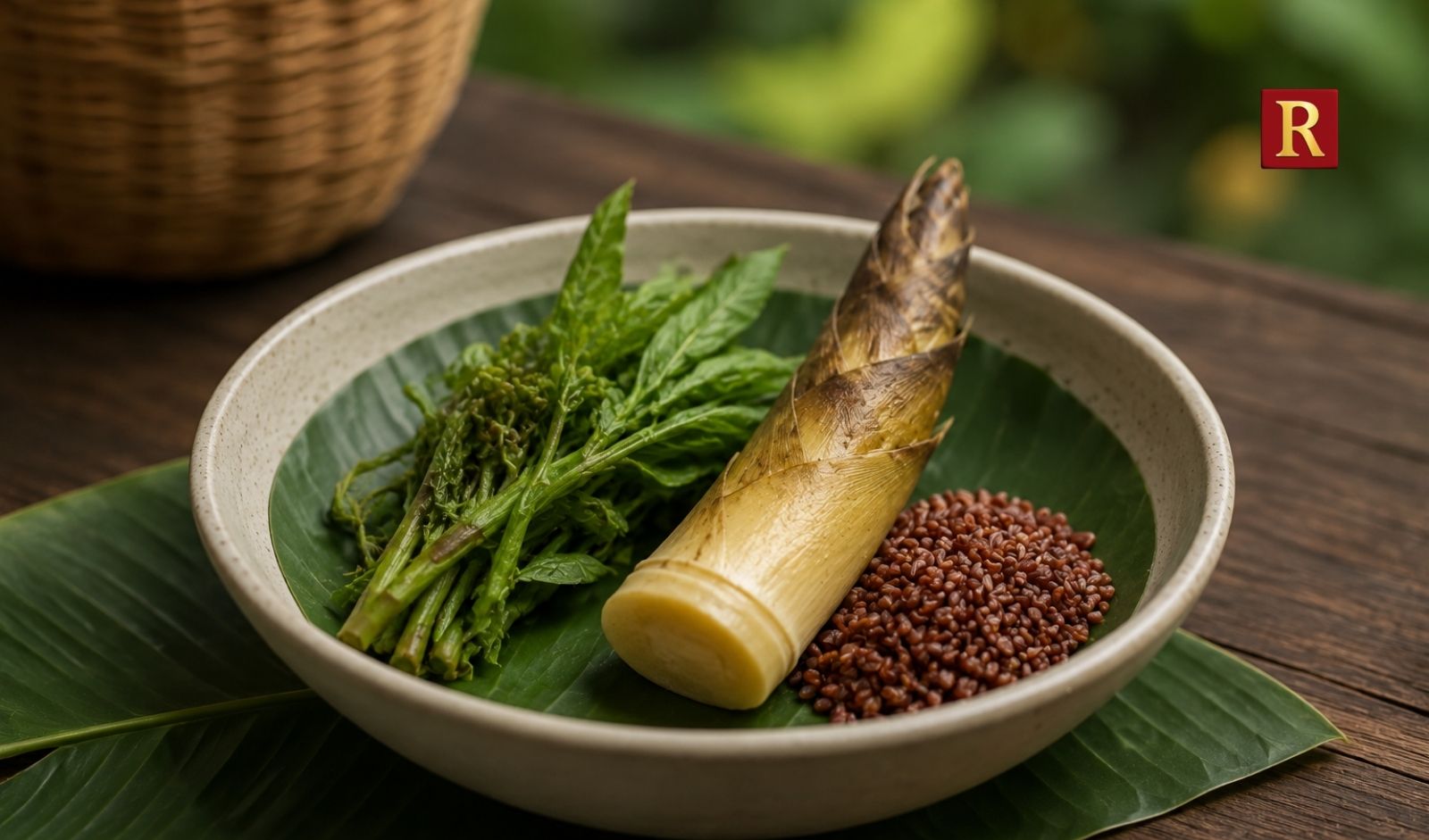
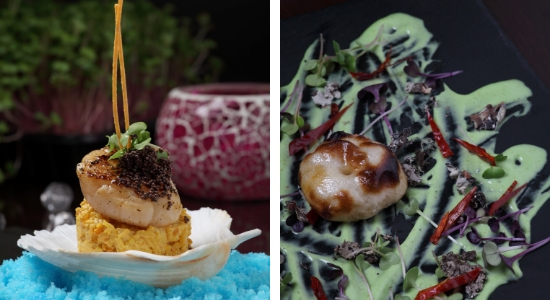
India's restaurant industry is looking closer to home for inspiration. Instead of relying only on imported ingredients or familiar regional staples, many chefs are exploring the country's tribal food traditions. Ingredients once used mainly by indigenous communities are now appearing in tasting menus, seasonal specials, desserts, cocktails, and fine dining dishes.
This change is driven by more than curiosity. Restaurants want ingredients with a strong local identity, consumers are interested in authentic food stories, and chefs are searching for flavours that reflect India's rich biodiversity. Tribal ingredients offer all three while also supporting sustainable sourcing and preserving traditional knowledge.
Why Tribal Ingredients Are Gaining Attention
India is home to more than 700 Scheduled Tribes, according to the Ministry of Tribal Affairs. These communities have developed food systems over centuries by using local grains, forest produce, wild herbs, edible flowers, and natural preservation methods suited to their environment. For years, many of these ingredients remained outside mainstream restaurants. Today, they are attracting attention because diners are increasingly interested in regional flavours, seasonal menus, and foods with a clear origin. The National Restaurant Association of India (NRAI) has also highlighted growing consumer demand for authentic dining experiences rather than standardised menus. This has encouraged chefs to rediscover India's indigenous food heritage and present it in new ways.
From Forest to Fine Dining
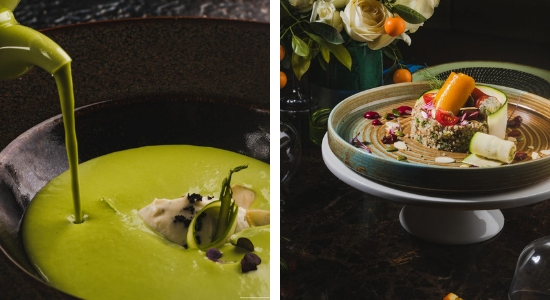
Modern Indian restaurants are not simply copying tribal recipes. Instead, they are adapting traditional ingredients into contemporary dishes while respecting their origins. A seasonal tasting menu may feature smoked bamboo shoots with grilled fish. A dessert could include naturally sweet mahua flowers. Heritage millets may replace imported grains in risottos, salads, or artisan breads. These changes allow chefs to introduce unfamiliar ingredients in ways that today's diners can easily enjoy. The focus is on preserving the ingredient's identity while presenting it through modern cooking techniques.
Tribal Ingredients Finding a Place on Restaurant Menus
1. Mahua Flowers
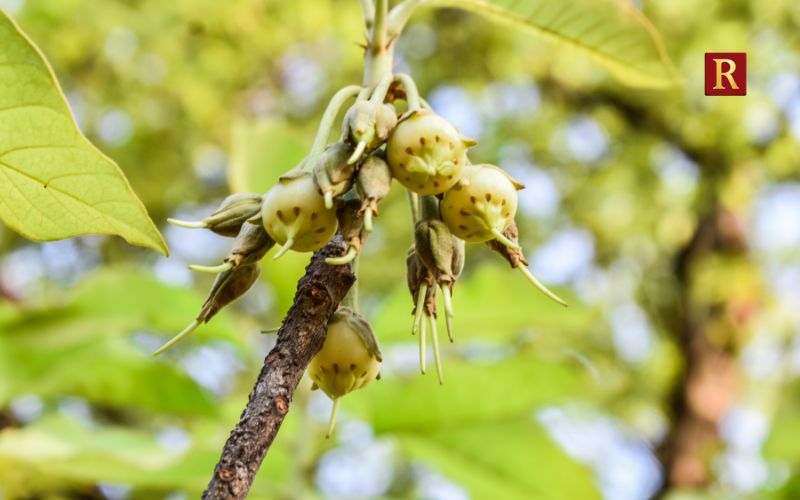
Mahua flowers have long been used by tribal communities across Madhya Pradesh, Chhattisgarh, Jharkhand, and Odisha. Naturally rich in sugars, they are traditionally dried and used in beverages and local recipes. Today, chefs use mahua to prepare syrups, ice creams, panna cotta, desserts, cocktails, and fermented drinks. Its floral sweetness offers an alternative to refined sugar while adding a unique regional character.
2. Bamboo Shoots
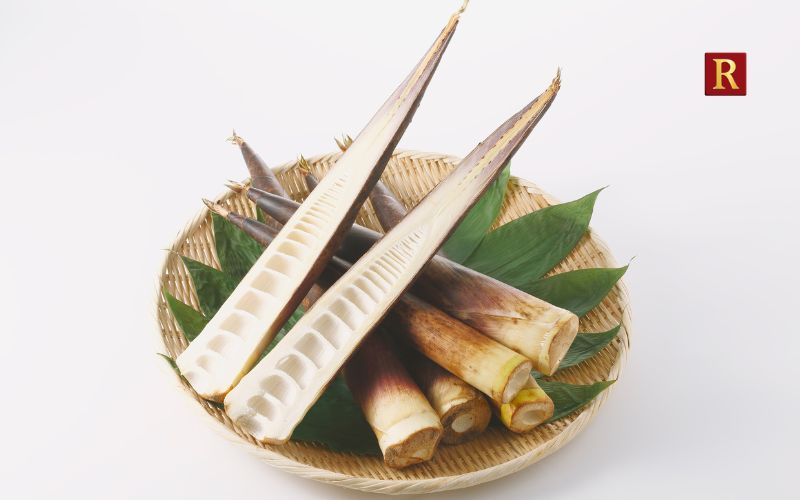
Fresh, smoked, and fermented bamboo shoots are widely used in the cuisines of Nagaland, Mizoram, Meghalaya, Arunachal Pradesh, and Assam. Their slightly tangy flavour works well in soups, dumplings, stir-fries, rice bowls, and curries. Bamboo is also one of the world's fastest-growing plants, making it an environmentally sustainable crop when harvested responsibly.
3. Indigenous Millets
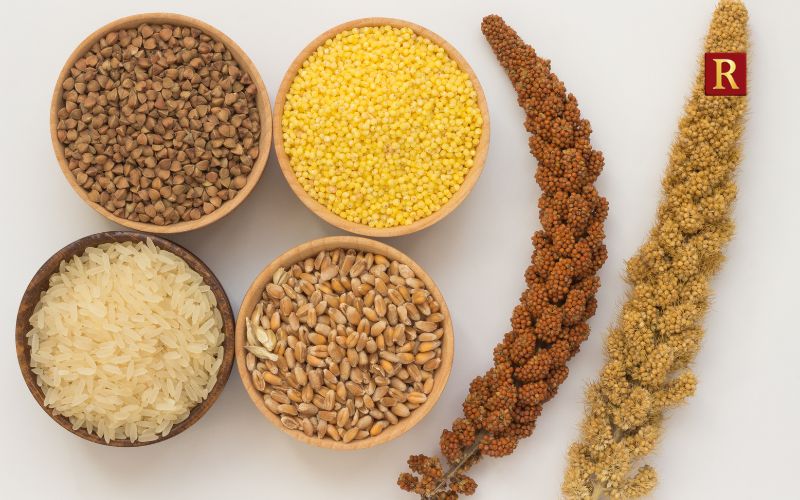
India celebrated the International Year of Millets in 2023, bringing renewed attention to traditional grains such as:
- Kodo millet
- Little millet
- Barnyard millet
- Foxtail millet
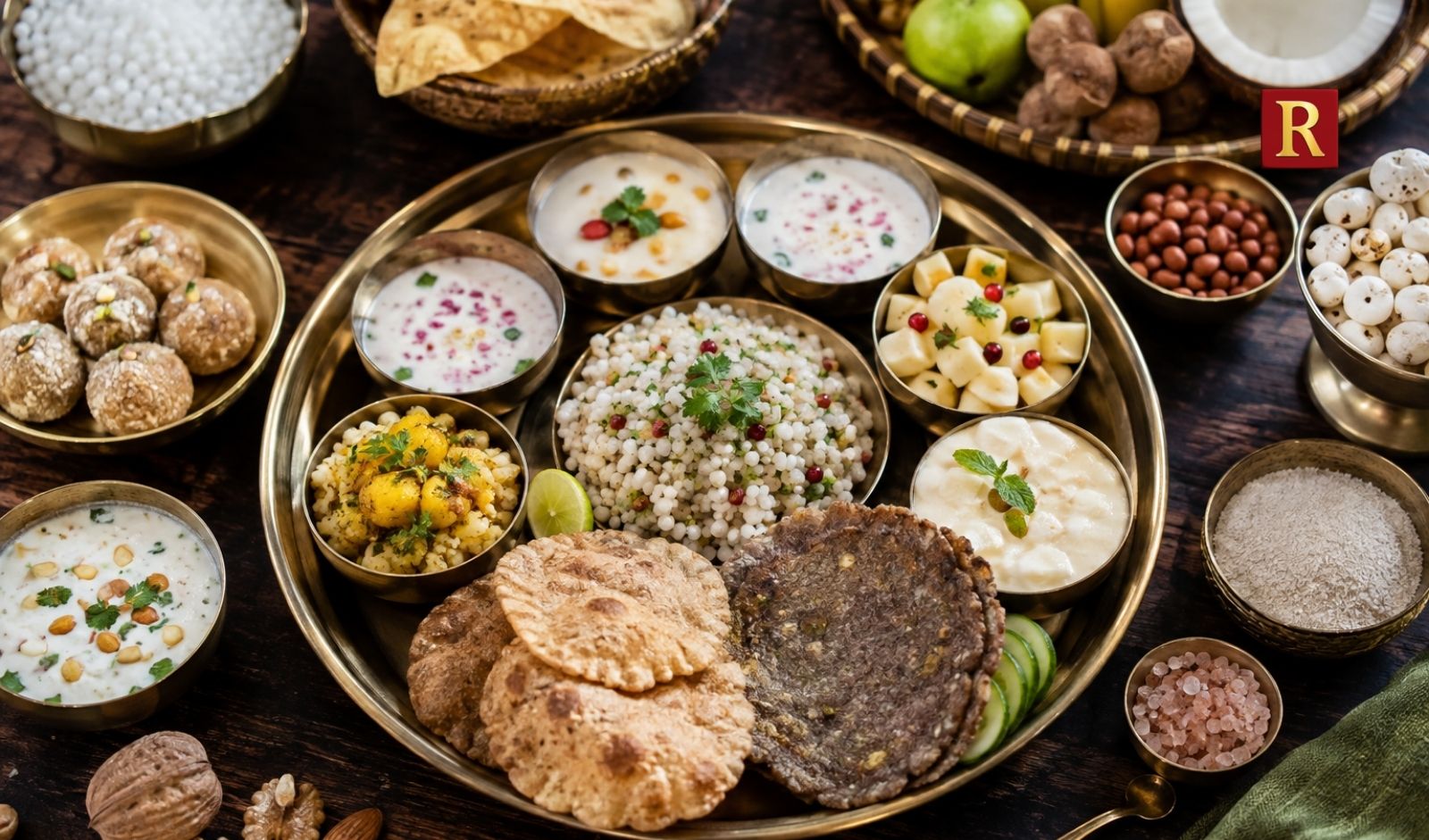
These grains have been cultivated by tribal communities for generations. Compared with many conventional crops, several millet varieties require less water and can grow in difficult climatic conditions. Restaurants are now using them in khichdi, pilaf, breakfast bowls, breads, salads, and desserts. Their nutty flavour and nutritional profile also appeal to health-conscious customers.
4. Wild Mushrooms
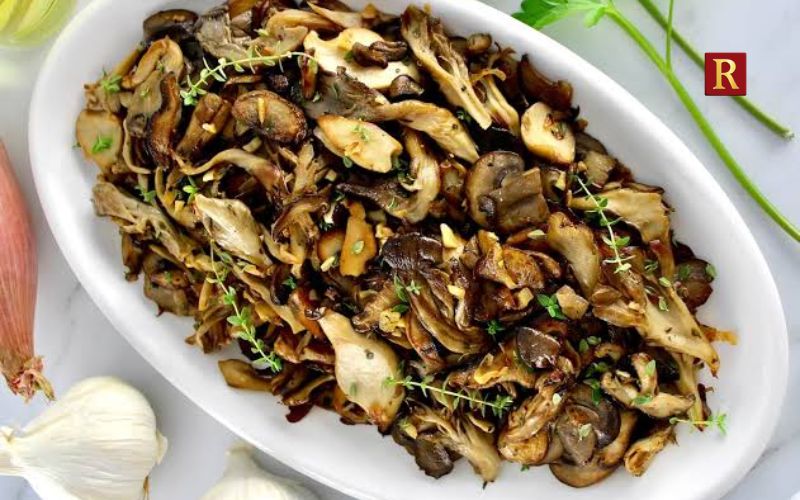
During the monsoon season, tribal communities in Jharkhand, Chhattisgarh, and Odisha collect a variety of edible wild mushrooms. Chefs are incorporating seasonal mushrooms into soups, smoked appetisers, pasta fillings, and rich Indian gravies. Since availability depends on weather conditions, these dishes often become limited-time menu offerings.
5. Forest Honey

Unlike commercially blended honey, forest honey reflects the flowers available in a specific region and season. Restaurants use it to glaze roasted vegetables, prepare desserts, balance salad dressings, and create signature beverages. Its changing flavour profile also allows chefs to refresh menus throughout the year.
6. Heritage Rice Varieties
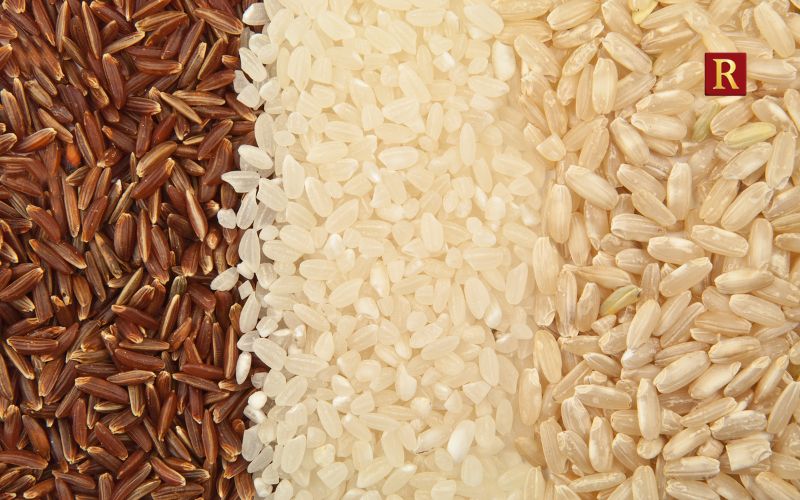
India grows thousands of traditional rice varieties, many of which remain closely linked to indigenous farming communities.
Restaurants are increasingly using varieties such as:
- Black rice from Manipur
- Joha rice from Assam
- Red rice from Kerala
- Gobindobhog rice from West Bengal
Each variety offers a different aroma, texture, and cooking quality, helping restaurants create distinctive regional dishes.
Traditional Cooking Techniques Are Also Returning
The influence of tribal cuisine goes beyond ingredients. Many restaurants are also learning from traditional cooking methods that have been used for generations.
Some of these include:
- Open-fire roasting
- Bamboo tube cooking
- Leaf wrapping
- Natural fermentation
- Stone grinding
- Smoking over wood
- Sun drying
These techniques often enhance flavour without relying heavily on processed ingredients or artificial seasonings. They also create textures and aromas that modern kitchens sometimes struggle to achieve using standard equipment.
Why Diners Appreciate These Ingredients
Consumer preferences have changed significantly over the last few years. Many people now want to know where their food comes from, how it was grown, and who produced it. Tribal ingredients meet several of these expectations.
They introduce flavours that are difficult to find elsewhere while offering genuine regional stories. Many are naturally seasonal, encouraging restaurants to update menus throughout the year instead of serving the same dishes continuously. There is also growing interest in foods that support dietary diversity. Indigenous grains, forest greens, and traditional fermented ingredients often contain fibre, vitamins, minerals, and beneficial plant compounds, making them attractive additions to balanced meals.
Business Advantages for Restaurants
Using tribal ingredients is not only a culinary decision but also a business strategy.
Restaurants can:
- Differentiate their menus from competitors.
- Build stronger regional identities.
- Create limited-time seasonal experiences.
- Reduce dependence on imported specialty ingredients.
- Strengthen relationships with local farmers and producer groups.
Unique ingredients also encourage conversation. Diners are more likely to remember a meal that introduces them to an unfamiliar ingredient with a meaningful story behind it.
Challenges That Need Careful Attention
Despite growing interest, using tribal ingredients responsibly requires planning.
Supply chains are often small and seasonal. Some ingredients may not be available throughout the year, making menu planning more complex.
Restaurants must also ensure ethical sourcing. Tribal communities should receive fair compensation, and their traditional knowledge should be acknowledged rather than treated simply as a marketing opportunity.
Food safety standards, ingredient consistency, and proper documentation are equally important when introducing wild or lesser-known foods into commercial kitchens.
Long-term partnerships with tribal cooperatives and local producers can help create reliable supply chains while supporting rural livelihoods.
Tribal Ingredients in India
The growing popularity of hyperlocal dining suggests that tribal ingredients will continue to influence restaurant menus in the coming years. Chefs are expected to experiment further with indigenous grains, forest fruits, wild herbs, fermented foods, and traditional beverages. More collaborations with tribal farmers, producer organisations, and culinary researchers are also likely to improve ingredient availability and documentation. As climate concerns reshape agriculture, resilient native crops such as millets and other indigenous grains may play an even larger role in restaurant kitchens. Their ability to grow under challenging conditions makes them increasingly relevant for sustainable food systems.
Looking Ahead!
Tribal ingredients are giving modern Indian cuisine a deeper connection to the country's diverse landscapes and food traditions. Mahua flowers, bamboo shoots, heritage rice, forest honey, wild mushrooms, and indigenous millets are helping chefs create menus that are rooted in local culture while meeting contemporary dining expectations. This movement is about more than introducing new flavours. It reflects a broader appreciation for India's indigenous knowledge, biodiversity, and regional identities. When restaurants source these ingredients responsibly and tell their stories accurately, they not only create memorable dining experiences but also help preserve culinary traditions that have been passed down through generations.
Saptopriya Ghosal
Feature Writer
I am a dedicated media professional with a bachelor's degree in mass communication from the State University of Calcutta and a postgraduate degree from Amity University. My academic journey has equipped me with a profound understanding of storytelling and communication. Passionate about the dynamic world of media, I continually strive to explore new ways to engage and inform through compelling narratives.