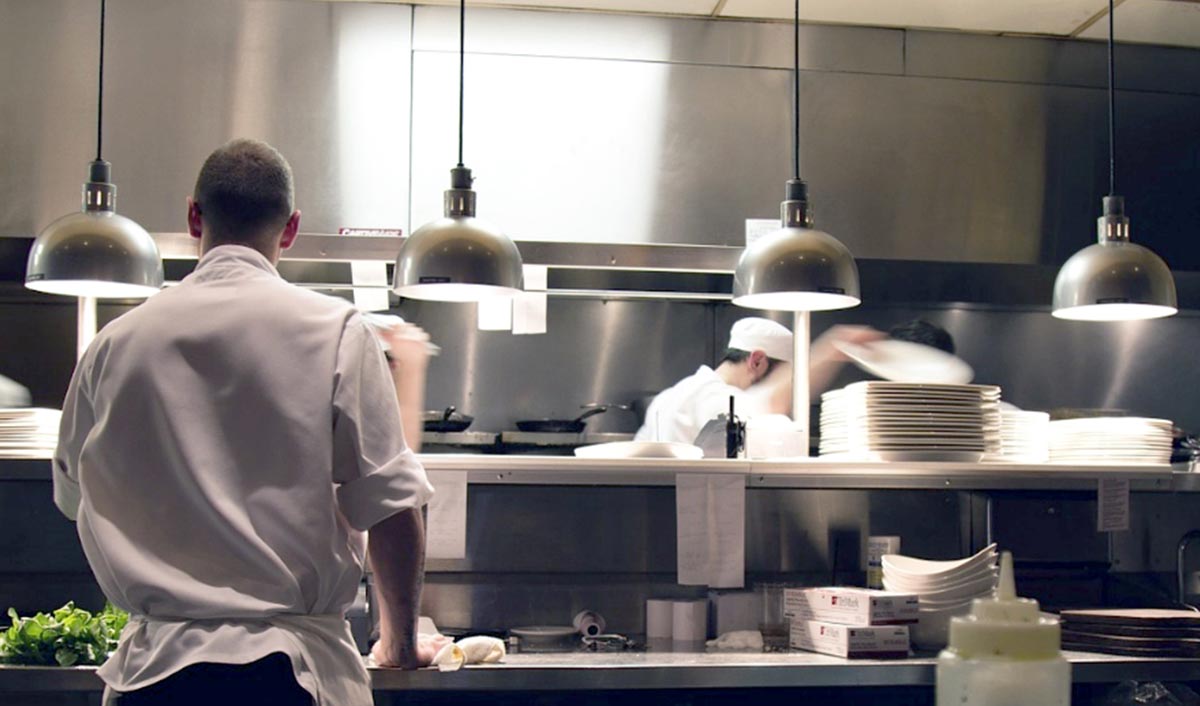
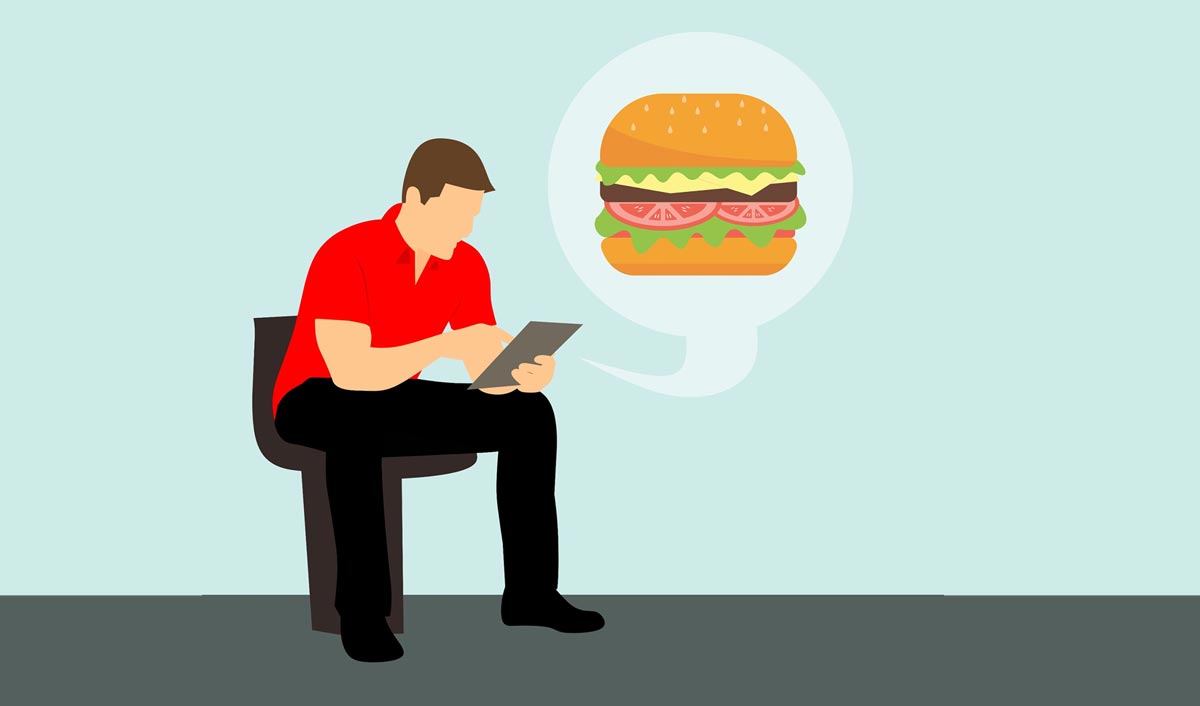
Are you dreaming of starting your own food business without the hefty investment of a traditional restaurant? Cloud kitchens might be the perfect solution for you! Also known as ghost kitchens or virtual restaurants, these delivery-only food businesses have revolutionized the Indian food industry, especially since the pandemic accelerated the demand for food delivery services.
In this comprehensive guide, I'll walk you through everything you need to know about starting a successful cloud kitchen from your home in India. Let's explore how you can turn your culinary passion into a profitable business!
What Is a Cloud Kitchen and Why Is It Popular in India?
A cloud kitchen is a food preparation facility that exclusively caters to online delivery orders without a dine-in option. Unlike traditional restaurants, cloud kitchens focus solely on food production and delivery, eliminating the costs associated with front-of-house operations.
This business model has gained tremendous popularity in the Indian market for several compelling reasons:
- Lower Initial Investment: Starting a cloud kitchen requires significantly less capital compared to a traditional restaurant—typically between ₹1.5-3 lakhs for a home setup versus ₹15-20 lakhs for a small dine-in restaurant. You'll save on expensive interiors, furniture, signage, and front-of-house equipment that traditional restaurants require.
- Reduced Operational Costs: Without a dining area, you'll benefit from lower rent requirements (40-60% less than restaurants), fewer staff members (saving approximately ₹25,000-40,000 monthly in salary costs), and reduced utility expenses (typically 30-50% less than traditional restaurants).
- Flexibility in Location: You can operate from residential areas with lower commercial rents, focusing purely on kitchen functionality rather than customer accessibility or street visibility. This allows you to save 30-50% on real estate costs while choosing locations with better delivery access.
- Scalability Advantages: The cloud kitchen model makes it easier to expand or pivot your menu based on customer feedback, with the ability to launch new brands from the same kitchen or expand to new locations with minimal additional investment. Many successful cloud kitchens have scaled to multiple locations within 1-2 years of operation.
- Growing Delivery Market: India's food delivery sector is experiencing explosive growth, projected to reach ₹498 billion by 2025, with annual growth rates exceeding 30%. Nearly 40% of urban Indians now order food online at least once a week, creating abundant opportunities for cloud kitchen entrepreneurs.
Step-by-Step Guide to Starting Your Home-Based Cloud Kitchen in India
Research and Planning
Market Research
Before diving into the cloud kitchen business, thoroughly understand the food delivery landscape in your locality:
Identify market gaps: Conduct surveys with 50-100 potential customers in your delivery radius to determine underserved cuisines, meal types, or price points. Look for opportunities like authentic regional cuisine, healthy meal options, specialized diet-friendly food, or unique fusion concepts that aren't currently available.
Analyze competitor landscape: Study at least 5-10 competing cloud kitchens in your area through their listings on delivery platforms, examining their menus, pricing strategies, packaging, delivery times, and customer reviews. Note their bestsellers, pricing ranges, promotions, and areas where customers express dissatisfaction.
Study customer preferences: Use delivery platforms' publicly available data to identify peak ordering times, popular cuisines, average order values, and delivery distance preferences in your area. This helps you design your operational schedule and menu to match local demand patterns.
Evaluate delivery platforms: Compare commission structures (ranging from 18-30%), onboarding requirements, merchant support services, and customer reach across major platforms like Zomato, Swiggy, and others operating in your region. Consider which platforms align best with your business model and target customers.
Business Planning
Unique selling proposition (USP): Define what makes your cloud kitchen different—specialized cuisine expertise, health-focused meals, innovative fusion dishes, exceptional value for money, or superior packaging that maintains food quality during delivery.
Target audience profile: Develop detailed personas of your ideal customers, including their age ranges, income levels, food preferences, ordering frequency, price sensitivity, and peak ordering times. This helps tailor both your menu and marketing approach.
Comprehensive menu planning: Design a menu that balances profitability (30-40% food cost targets), preparation complexity (keeping prep times under 20-30 minutes per order), delivery durability (foods that maintain quality for 30+ minutes after packaging), and packaging requirements.
Financial projections: Create detailed spreadsheets covering setup costs, monthly operational expenses, platform commissions, ingredient costs, packaging expenses, and revenue projections based on realistic order estimates. Include break-even analysis showing the number of daily orders needed to cover costs.
Marketing strategy: Outline specific tactics for customer acquisition and retention, including platform optimization methods, social media marketing approaches, promotional offers, and loyalty programs. Include budget allocations and expected customer acquisition costs.
Legal Requirements and Registrations
FSSAI License: Mandatory for all food businesses, with three categories—Basic Registration (for small operations with annual turnover below ₹12 lakhs), State License (for medium operations), and Central License (for large operations). For home kitchens, Basic Registration typically costs ₹100-₹2,000 depending on your scale. The application requires identity proof, address proof, business details, and photographs of your premises. This license needs annual renewal.
GST Registration: Required if your annual turnover exceeds ₹20 lakhs (₹10 lakhs in special category states). Registration involves submitting business details, identity documentation, and address proof through the GST portal to receive your GSTIN. Even smaller operations benefit from voluntary registration as it builds credibility with platforms and suppliers.
Shop and Establishment License: Obtained from your local municipal corporation, this license legitimizes your premises for commercial use. Application requirements include proof of property ownership or rental agreement, NOC from the property owner (if rented), identity documents, and business details. Costs range from ₹1,000-₹5,000 depending on your locality.
Health Trade License: Required in many cities specifically for food businesses, involving inspection of your premises for hygiene and food safety standards. The application includes business details, FSSAI certification, property documents, and fire safety compliance. Annual fees typically range from ₹2,000-₹10,000 based on your area and scale.
Fire Safety Certificate: May be required depending on your kitchen setup and equipment, particularly if using commercial-grade equipment. Requirements include floor plans, equipment details, and safety measures implemented. Inspection fees range from ₹3,000-₹8,000.
Residential Zoning Compliance: Check with local authorities about specific permits needed for home-based food businesses, as regulations vary significantly between municipalities and residential zones. Some residential associations may require additional NOCs or have restrictions on commercial activities.
Setting Up Your Home Kitchen
Kitchen Infrastructure
Space organization: Dedicate at least 100-150 square feet exclusively for your cloud kitchen operations, with clear separation from your family's food preparation area. Design workflow patterns that minimize cross-movement and maximize efficiency, with separate zones for preparation, cooking, packaging, and storage.
Equipment investment: Budget ₹50,000-₹1,50,000 for commercial-grade equipment appropriate for your menu and expected order volume. Essential items include high-BTU gas ranges or commercial induction cooktops (₹10,000-₹30,000), professional mixing equipment (₹5,000-₹15,000), durable cookware sets (₹8,000-₹20,000), and reliable refrigeration (₹15,000-₹40,000).
Storage solutions: Implement stainless steel shelving systems (₹8,000-₹20,000) with designated areas for raw ingredients, packaging materials, and prepared food components. Use color-coded containers and clear labeling systems to prevent cross-contamination and improve inventory management.
Ventilation systems: Install commercial-grade exhaust systems with proper filters (₹12,000-₹30,000) to manage heat, smoke, and odors, particularly if preparing foods with strong aromas or using high-heat cooking methods. This improves working conditions and prevents odor transfer to the food.
Sanitation stations: Set up dedicated handwashing and sanitization areas accessible to anyone handling food, equipped with foot-operated sinks, sensor-based soap dispensers, sanitizer stations, and disposable towel systems. Budget ₹5,000-₹15,000 for these essential hygiene infrastructure components.
Food Safety and Hygiene
FSSAI compliance: Implement comprehensive food safety management systems following FSSAI's guidelines, including documentation of processes, regular staff training, and periodic self-audits. Display your FSSAI license prominently and maintain a food safety manual covering all operational procedures
Zone designation: Create clearly marked areas for different food categories with color-coded cutting boards, utensils, and containers—green for vegetarian, red for non-vegetarian, yellow for allergen-containing ingredients, and white for ready-to-eat items. This systematic approach prevents cross-contamination and allergen transfer.
Pest control protocols: Install pest-proof screens on windows, scheduled professional pest control services (quarterly), daily cleaning routines, and proper waste management to ensure your facility remains pest-free. Document all pest control measures for compliance requirements.
Waste management systems: Implement segregated waste collection with covered, foot-operated bins for different waste types, regular disposal schedules (minimum twice daily), and proper storage away from food preparation areas. Contract with waste management services for regular collection.
Staff hygiene protocols: Develop comprehensive training covering handwashing procedures (before handling food, after breaks, after touching raw ingredients), proper uniform requirements (hairnets, face masks, gloves, clean aprons), and health reporting systems ensuring staff don't handle food when experiencing symptoms of illness.
Menu Development
Delivery-optimized dishes: Focus on foods that maintain quality for at least 30-45 minutes after packaging—avoiding items that become soggy (like tempura), lose texture (like crispy dosas), or deteriorate quickly. Modify traditional recipes by adjusting ingredients, cooking techniques, or assembly methods to improve delivery performance.
Strategic packaging considerations: Test different packaging solutions for each menu item, considering factors like steam retention (using vented containers for fried items), temperature maintenance (insulated packaging for hot items), and leak prevention (sealed containers for liquid-heavy dishes). Budget ₹5-15 per order for quality packaging.
Delivery time testing: Conduct at least 10-15 simulated deliveries at various distances (1km, 3km, 5km) to understand how your food performs under real-world conditions. Measure temperature changes, texture alterations, and visual appeal after typical delivery timeframes, making adjustments to recipes or packaging as needed.
Profit-centered pricing: Calculate your menu prices using food cost percentages (aim for 25-35% of selling price), labor requirements, packaging expenses (typically ₹15-25 per order), platform commissions (20-30%), and delivery fees. Ensure your pricing remains competitive while maintaining 15-20% net profit margins after all expenses.
Signature dish development: Create 3-5 distinctive signature items that differentiate your kitchen from competitors through unique recipes, special techniques, or innovative flavor combinations. These should have high perceived value, strong visual appeal, and exceptional taste profiles to become your marketing centerpieces.
Technology and Equipment
Essential Equipment
Cooking equipment: Select commercial-grade stoves, ovens, or induction systems that can handle continuous cooking during peak hours (typically 3-4 hours daily). Budget ₹20,000-₹50,000 for primary cooking equipment that offers reliability, energy efficiency, and appropriate capacity for your estimated order volume.
Food storage solutions: Install separate refrigeration systems for raw ingredients, semi-prepared components, and finished products awaiting delivery. Commercial refrigerators (₹20,000-₹40,000) should maintain consistent temperatures between 1-4°C, with freezers (-18°C or below) for longer-term storage.
Preparation tools: Invest in high-quality cutting boards (separate for vegetarian/non-vegetarian), professional knife sets, measuring tools, thermometers, and food processors appropriate for your cuisine. Budget ₹15,000-₹30,000 for these essential tools, prioritizing durability and ease of sanitization.
Packaging station: Create a dedicated area with heat sealers (₹3,000-₹8,000), label printers (₹5,000-₹12,000), stapling tools, tamper-evident seals, and organized storage for different packaging containers. This station should be positioned at the end of your production flow for efficient order completion.
Temperature monitoring systems: Install digital thermometers (probe and infrared types) for checking cooking temperatures, holding temperatures, and final serving temperatures. Document temperature logs for all high-risk items as part of your food safety protocol.
Technology Solutions
Order management system: Use platforms like Petpooja, UrbanPiper, or OrderStack (₹2,000-₹5,000 monthly) that integrate with multiple delivery apps, consolidating orders from different sources into a single dashboard. These systems reduce order management time by 50-70% and minimize errors from manual entry.
Inventory management software: Implement digital inventory tracking through apps like Restraunt, Gofrugal, or simple spreadsheet systems to monitor ingredient usage, costs, and stock levels. These systems help prevent shortages, reduce waste through accurate purchasing, and track food costs continuously.
POS integration: Select point-of-sale systems compatible with your delivery platforms that automate financial tracking, sales reporting, and tax documentation. These systems typically cost ₹1,500-₹3,000 monthly but save 5-10 hours weekly on administrative tasks.
Kitchen display systems: Consider digital ticket systems that organize orders by preparation time, special instructions, and delivery priorities. These systems (₹3,000-₹8,000 setup) improve kitchen communication, reduce order fulfillment times, and minimize errors during peak periods.
Packaging Solutions
Performance-focused containers: Select packaging that addresses specific needs of different menu items—leak-proof containers with steam vents for moisture-rich foods, compartmentalized boxes for items that should remain separate until consumption, insulated packaging for temperature-sensitive dishes, and sturdy containers that withstand transportation without damage.
Eco-friendly materials: Invest in sustainability through biodegradable containers (made from bagasse, bamboo, or recycled paper), plant-based bioplastics that decompose within 90-180 days, or reusable packaging systems with incentives for customer returns. These options typically cost 15-30% more than conventional packaging but significantly enhance brand perception.
Food safety features: Implement tamper-evident seals, safety stickers, or secure packaging methods that reassure customers about food handling during delivery. Include temperature-maintenance solutions like thermal bags or packaging materials with insulating properties for hot or cold items.
Brand-focused design: Customize packaging with your logo, brand colors, and contact information (₹3-5 per unit for custom printing at scale). Include QR codes linking to your direct ordering channels, social media profiles, or customer feedback forms to build direct relationships outside delivery platforms.
Customer experience enhancements: Include menu cards showcasing complementary items, special offer flyers for future orders, recipe cards for popular dishes, or personalized thank you notes to create memorable experiences that drive repeat orders. These additions cost ₹2-5 per order but can increase customer retention by 15-25%.
Partnerships with Food Delivery Platforms
Platform selection strategy: Evaluate major platforms like Zomato and Swiggy (which control approximately 80% of the market), alongside emerging options like EatSure and Amazon Food (in select cities). Consider their commission structures (ranging from 18-30%), customer demographics, geographical coverage in your area, and promotional opportunities before selecting your primary partners.
Registration process details: The onboarding process typically takes 2-4 weeks and involves submitting comprehensive documentation (FSSAI license, GST certificate, menu with high-quality images, business identity proof, bank account details), followed by kitchen inspection for compliance with platform-specific standards for hygiene, food safety, and operational capability.
Commission management strategies: Platforms typically charge 20-30% of order value, significantly impacting your margins. Negotiate based on exclusivity arrangements, order volume commitments, or participation in platform promotions. Some platforms offer tiered commission structures (starting at 18-20% for high-volume partners) or special rates for new restaurant partners.
Platform optimization techniques: Maximize visibility through high-quality food photography (invest ₹5,000-₹10,000 for professional photos), compelling menu descriptions using keywords that match search patterns, strategic pricing that encourages larger order values, and participation in platform-sponsored promotions that boost ranking algorithms.
Multi-platform management: Implement systems for handling orders across multiple platforms simultaneously, including standardized procedures for accepting orders, managing preparation times during peak hours, coordinating with different delivery partners, and maintaining consistent quality regardless of the ordering platform.
Marketing Your Cloud Kitchen
Brand identity development: Create a distinctive brand with a memorable name, professionally designed logo (₹5,000-₹15,000), consistent color scheme, and compelling brand story that resonates with your target audience. Your brand should communicate your cuisine specialization, quality standards, and value proposition clearly.
Digital presence establishment: Build a professional website (₹10,000-₹30,000) showcasing your menu, ordering information, and brand values. Develop active social media profiles focusing primarily on Instagram and Facebook for food businesses, posting 3-5 times weekly with high-quality content that showcases your dishes, preparation processes, and behind-the-scenes glimpses.
Visual content investment: Professional food photography (₹10,000-₹20,000 for an initial session covering 15-20 dishes) significantly impacts ordering decisions, with quality images increasing conversion rates by 30-40% on delivery platforms. Video content showcasing preparation methods or special ingredients can further differentiate your brand.
Targeted digital promotions: Allocate ₹5,000-₹15,000 monthly to social media advertising, using demographic and location-based targeting to reach potential customers within your delivery radius. Focus on conversion-oriented campaigns offering first-order discounts, special bundles, or limited-time menu items to drive trial.
Customer retention programs: Implement structured loyalty initiatives offering escalating benefits (5-15% discounts, free items, early access to new menu items) for regular customers. Direct ordering incentives (offering 10-15% discounts for orders placed through your own channels) help reduce platform dependency and increase margins.
Managing Operations Efficiently
Staff Management
Core team composition: Start with a lean team including 1-2 skilled cooks who can execute your menu consistently (₹12,000-₹20,000 monthly per cook), one helper for preparation, cleaning, and basic tasks (₹8,000-₹12,000 monthly), and one person managing orders, packaging, and coordination (₹10,000-₹15,000 monthly).
Training protocols: Develop comprehensive training programs covering food safety, portion control, recipe standardization, packaging procedures, and customer service. Document standard operating procedures for all kitchen processes with visual guides, ensuring consistency even with staff changes
Performance management: Implement clear metrics for evaluating staff performance, including order preparation time (targeting under 20 minutes), food quality consistency, hygiene compliance, and customer feedback scores. Provide regular feedback and incentives tied to these performance indicators.
Scheduling efficiency: Create staff schedules aligned with order pattern analysis, ensuring adequate coverage during peak hours (typically 12-2pm and 7-10pm) while minimizing staffing during slower periods. Build flexibility into scheduling to accommodate unexpected volume spikes or staff absences
Team scaling plan: Develop a structured approach for adding staff as order volume grows, with clear triggers based on daily order thresholds (typically adding staff when consistently exceeding 30-40 orders daily) and specific role definitions for new team members.
Inventory Management
Supplier relationships: Establish partnerships with 2-3 reliable suppliers for each major ingredient category, negotiating favorable terms based on order volume, payment schedules, and delivery frequency. Develop backup supplier relationships for critical ingredients to prevent stockouts.
FIFO implementation: Maintain strict first-in, first-out inventory systems through date labeling, organized storage arrangements, and daily inventory checks. This approach reduces waste by 15-20% and ensures consistent ingredient quality.
Usage tracking systems: Implement digital or manual systems monitoring ingredient consumption patterns, correlating usage with sales data to identify discrepancies, waste sources, or potential theft. Set par levels for each ingredient based on usage patterns and supplier lead times.
Just-in-time purchasing: Develop ordering schedules balancing freshness requirements with operational efficiency, typically ordering high-turnover perishables 2-3 times weekly and shelf-stable items bi-weekly or monthly. This approach optimizes storage space while maintaining ingredient freshness.
Waste reduction protocols: Implement specific procedures for minimizing waste, including cross-utilization of ingredients across multiple menu items, creative repurposing of excess ingredients, portion control standards, and regular analysis of waste sources to identify improvement opportunities.
Scaling Your Home-Based Cloud Kitchen
Menu expansion strategies: Develop new offerings based on customer feedback and order pattern analysis, introducing 2-3 new items quarterly while retiring underperforming dishes. Expand into complementary categories that utilize existing ingredients and equipment to maximize operational efficiency.
Multi-brand development: Create distinct brand concepts operating from the same kitchen, each targeting different cuisine preferences or price points. This approach can increase order volume by 40-70% without proportional increases in operational costs, maximizing kitchen utilization.
Infrastructure scaling: When order volume consistently exceeds your home kitchen's capacity (typically 40-60 orders daily), explore dedicated commercial kitchen spaces (₹25,000-₹50,000 monthly rent) or cloud kitchen hubs offering ready infrastructure with shared services.
Geographic expansion: Establish satellite kitchens in new delivery areas after analyzing demand patterns and competition in target neighborhoods. Each new location typically requires ₹5-7 lakhs investment but can access entirely new customer bases.
Direct ordering channels: Develop your own ordering website or WhatsApp business system to reduce platform dependency, offering 10-15% discounts for direct orders while still maintaining higher margins than platform-based orders. This approach typically reduces commission expenses by 20-30% for established brands with loyal customers.
Financial Breakdown: Starting a Home-Based Cloud Kitchen in India
| Expense Category |
Estimated Cost (₹) |
Details |
| Kitchen Equipment |
50,000 - 1,50,000 |
Commercial stoves, refrigeration, preparation tools, packaging equipment |
| Initial Inventory |
20,000 - 40,000 |
Opening stock of ingredients, packaging materials, cleaning supplies |
| Packaging Materials |
10,000 - 20,000 |
Containers, bags, branding materials, tamper-evident seals |
| FSSAI License |
100 - 2,000 |
Depending on scale of operation and registration category |
| Other Licenses |
5,000 - 10,000 |
Shop establishment, health trade, local permits |
| Kitchen Modifications |
20,000 - 50,000 |
Ventilation, storage solutions, sanitation stations, surface upgrades |
| Technology Setup |
10,000 - 30,000 |
Order management systems, POS, inventory software, digital tools |
| Initial Marketing |
15,000 - 30,000 |
Brand development, photography, website, launch promotions |
| Total Initial Investment |
1,30,100 - 3,32,000 |
Comprehensive startup costs for home-based operation |
Monthly Operating Expenses:
- Ingredients: ₹40,000-₹1,00,000 depending on order volume, with food costs targeting 30-35% of revenue
- Packaging: ₹10,000-₹30,000 for quality, branded packaging solutions (averaging ₹15-25 per order)
- Utilities: ₹5,000-₹10,000 for increased electricity, water, and gas consumption
- Platform Commissions: 20-30% of order value, typically ₹30,000-₹80,000 monthly for established operations
- Staff Salaries: ₹20,000-₹50,000 for initial team configuration
- Marketing: ₹5,000-₹15,000 for ongoing promotional activities and customer acquisition
Potential Monthly Revenue:
- 20-30 orders per day at average order value of ₹300-400 generates monthly revenue of ₹1,80,000-₹3,60,000
- Typical profit margins range from 15-25% after all expenses for well-managed operations
- Most home-based cloud kitchens break even within 6-8 months with proper management and marketing
Conclusion
Starting a cloud kitchen from home in India offers an exciting opportunity to enter the food business with relatively low investment. The growing food delivery market, changing consumer habits, and technological advancements have created the perfect environment for cloud kitchens to thrive.
By following this guide and adapting to the unique challenges and opportunities of your local market, you can build a successful cloud kitchen operation right from your home. Remember that consistency, quality, and customer satisfaction are the foundations of a sustainable food business.
Are you ready to transform your home kitchen into a profitable cloud kitchen business? The journey may be challenging, but with passion, planning, and perseverance, your culinary dreams can become a profitable reality!