How to Drink Whisky the Right Way: A Beginner's Guide
Whisky appreciation is about quality rather than quantity. Drink slowly, stay hydrated, and eat before consuming alcohol. Always be aware of the whisky's alcohol strength, especially when trying cask-strength expressions.


Whisky is more than just an alcoholic drink. It is a spirit shaped by years of craftsmanship, careful ageing, and centuries of tradition. Whether it is a smoky Scotch, a smooth Irish whiskey, a sweet bourbon, or a refined Japanese whisky, every bottle tells a unique story.
Yet, many people are unsure about the best way to enjoy whisky. Should it be served neat? Is adding water acceptable? Does ice ruin the flavour? The truth is that there is no single rule that suits everyone. However, learning the basics of whisky tasting helps you appreciate its aromas, flavours, and character before deciding how you personally enjoy it. According to industry estimates, the global whisky market is expected to exceed USD 100 billion by 2030, driven by growing demand for premium spirits and craft distilleries. As more consumers explore high-quality whiskies, understanding how to drink them properly has become an essential part of the experience.
Why Whisky Is Meant to Be Sipped
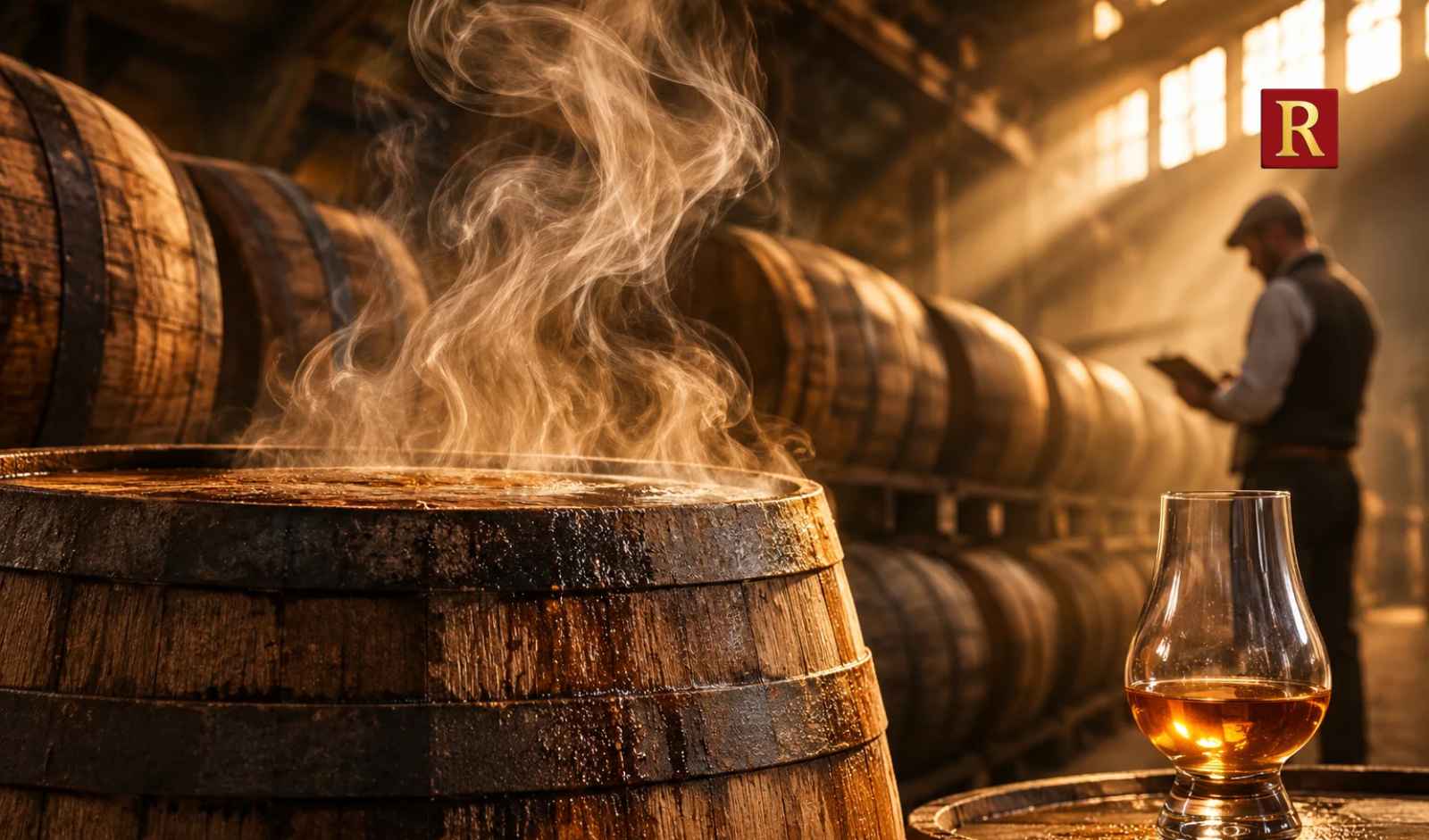
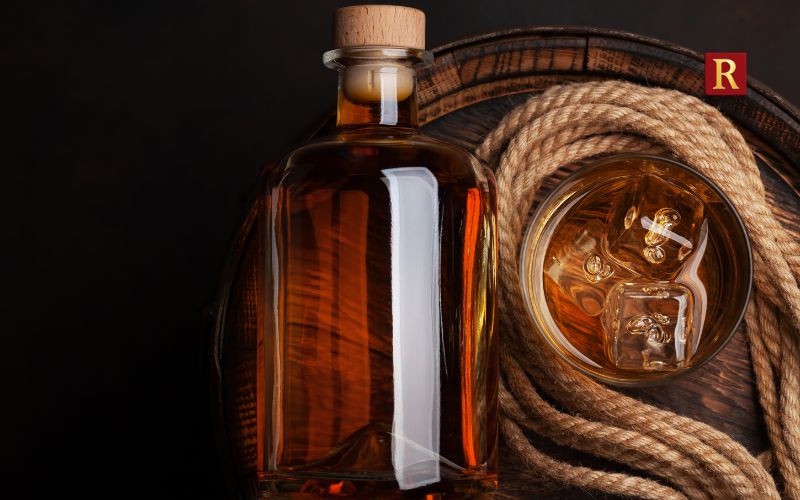
Unlike many other alcoholic drinks, whisky is created to be enjoyed slowly. Most whiskies contain 40% to 46% alcohol by volume (ABV), while cask-strength expressions can exceed 60% ABV. Drinking it like a shot masks the layers of flavour developed during years of maturation. Premium whiskies often spend 10 to 25 years inside oak barrels. During this time, the spirit absorbs flavours from the wood, including vanilla, caramel, spice, dried fruit, and toasted nuts. Distillers also lose around 2% of the liquid each year through evaporation, a natural process known as the Angel's Share. This long ageing process makes every sip worth slowing down for.
Know Your Whisky Before You Pour
Understanding the style of whisky in your glass helps set your expectations.
Scotch Whisky is produced in Scotland and aged for at least three years. Depending on the region, it may offer smoky, peaty, fruity, or floral notes.
Irish Whiskey is generally triple distilled, making it smoother and lighter. It is often recommended for beginners because of its approachable flavour.
Bourbon, made mainly from corn in the United States, delivers rich notes of vanilla, honey, caramel, and oak.
Rye Whiskey contains a higher percentage of rye grain, giving it a peppery, spicy finish.
Japanese Whisky focuses on balance and elegance. Many expressions feature delicate fruit, floral aromas, and subtle oak influence.
Knowing these differences allows you to appreciate each whisky on its own terms rather than comparing them unfairly.
Pick the Right Glass

The choice of glass can influence how much aroma reaches your nose.
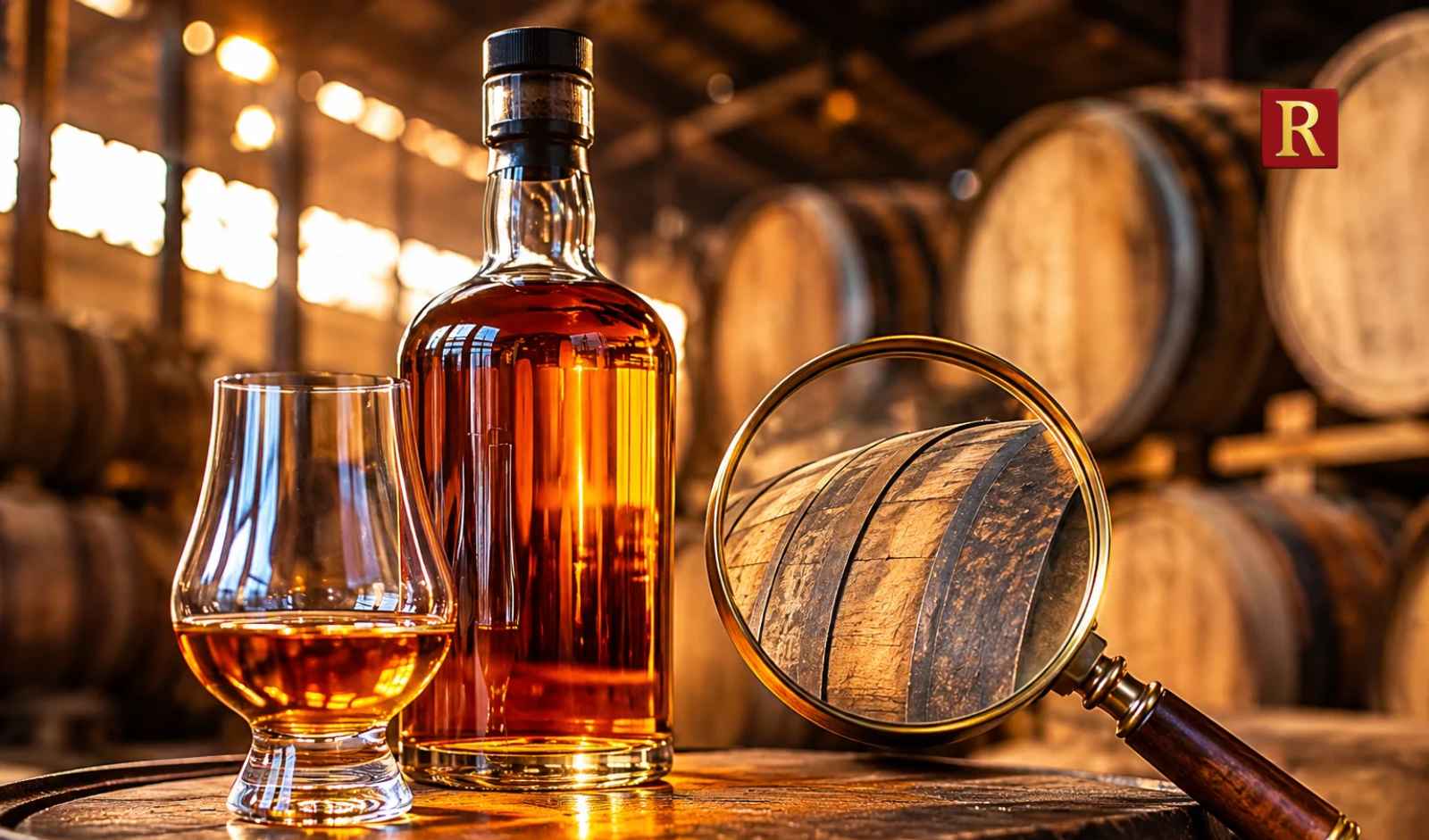
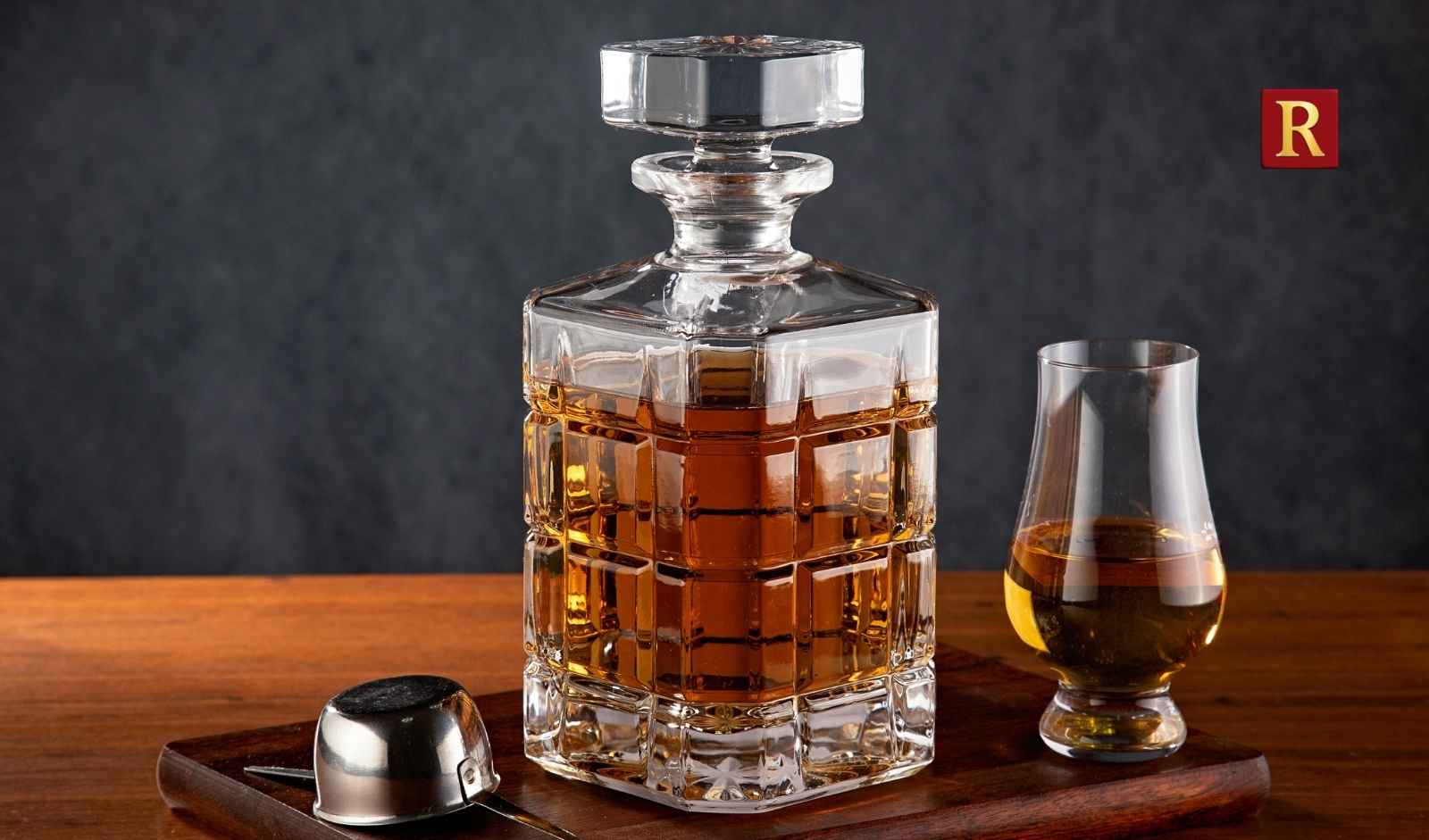
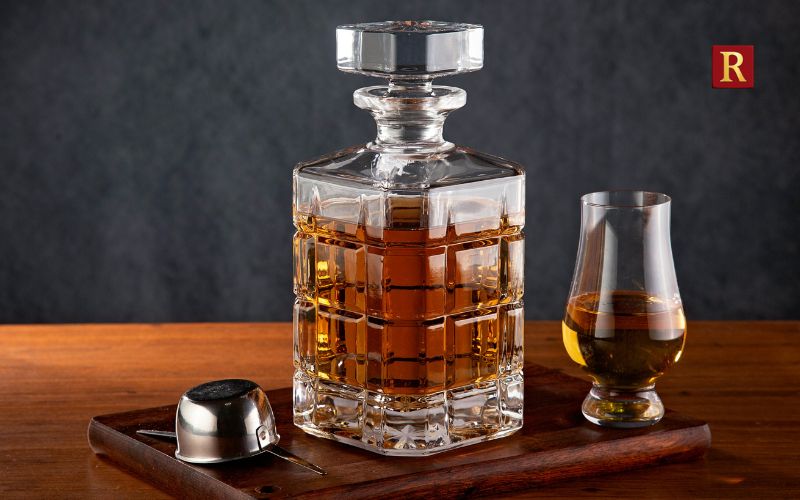
A Glencairn glass or tulip-shaped tasting glass is widely considered the best option. Its narrow opening traps aromatic compounds, allowing you to detect more flavours.
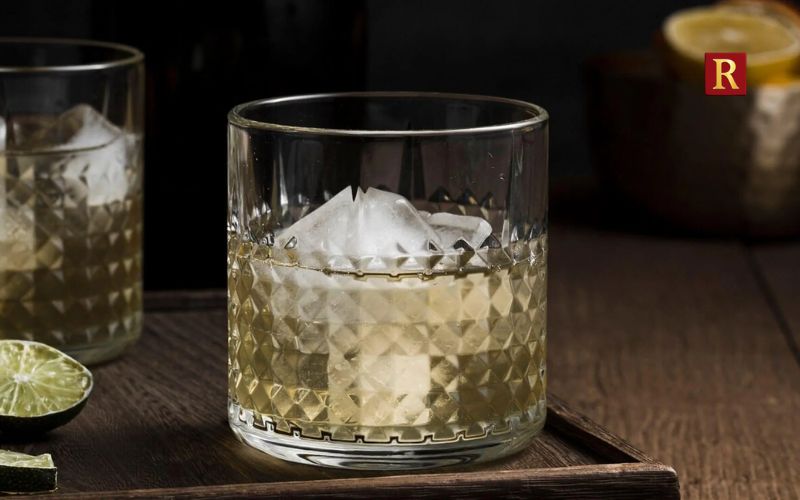
A classic tumbler works well for casual drinking or whisky served with ice, but its wide mouth lets aromas escape more quickly.
Professional whisky judges almost always use tulip-shaped glasses because aroma contributes to more than 80% of what we perceive as flavour.
Serve Whisky at the Right Temperature
Whisky is best enjoyed at 18°C to 21°C, close to room temperature. Serving it too cold suppresses volatile aroma compounds, making the drink taste flatter. Chilling also reduces the release of esters and congeners, which are responsible for many fruity, floral, and spicy notes. Avoid storing whisky in the refrigerator or freezer unless you specifically prefer a colder drink.
Learn the Five Steps of Whisky Tasting
Drinking whisky becomes much more enjoyable when you slow down and pay attention.
1. Observe the Colour
Before taking your first sip, hold the whisky glass against a white background or under natural light. Its colour can reveal clues about the cask used during maturation. Pale gold often indicates bourbon barrel ageing, while deep amber or mahogany shades may suggest sherry casks or longer ageing. Keep in mind that some distilleries add caramel colouring to maintain consistency across batches.
2. Swirl Gently
Give the whisky a slow, gentle swirl to coat the inside of the glass. This releases aromatic compounds and helps you observe the "legs" or "tears" that flow down the sides. Thicker, slower-moving legs may indicate a richer texture or higher alcohol content. Swirling also allows oxygen to interact with the whisky, helping subtle aromas emerge before tasting.
3. Nose the Whisky
Bring the glass close to your nose and take short, gentle sniffs instead of one deep inhale. Keeping your mouth slightly open helps reduce the sharpness of alcohol vapours and makes it easier to detect delicate aromas. Try identifying scents like vanilla, caramel, honey, apple, citrus, dried fruit, chocolate, oak, leather, smoke, or warm spices. Nosing is one of the most important parts of whisky appreciation.
4. Take a Small Sip
Take a small sip and allow the whisky to slowly coat your tongue before swallowing. Notice how the flavours evolve across different parts of your palate. Many whiskies start with sweet notes such as honey or vanilla before revealing layers of fruit, spice, toasted oak, pepper, or smoke. Drinking slowly helps you experience the whisky's complexity and balance.
5. Pay Attention to the Finish
After swallowing, focus on the flavours that remain in your mouth. This lingering aftertaste is known as the finish and is an important indicator of a whisky's quality. A short finish fades within seconds, while premium whiskies often deliver a long, smooth finish with evolving notes of spice, oak, chocolate, dried fruit, or gentle smoke that stay with you.
Should You Drink Whisky Neat?
Many experts recommend tasting whisky neat first.This gives you the purest understanding of its original character. It is especially suitable for single malts, limited editions, and aged whiskies where the distiller intended every flavour to be experienced without dilution. After tasting it neat, you can decide whether any adjustments improve your experience.
Why Adding Water Can Improve Whisky
Contrary to popular belief, adding a few drops of water is not considered a mistake. Water changes the chemistry of the whisky by reducing ethanol concentration. This allows aromatic compounds trapped beneath the alcohol to rise more easily.
For whiskies bottled at higher strengths, adding 2 to 5 drops of water often reveals hidden notes of fruit, spice, honey, or oak. The key is moderation. Add water gradually, taste after each addition, and stop once the balance feels right.
Ice: When It Works and When It Doesn't
Ice makes whisky cooler and easier to drink, but it also changes the flavour. Large ice cubes or whisky stones melt more slowly than small cubes, reducing rapid dilution. They are suitable for casual drinking or enjoying bourbon during warm weather. However, very cold whisky loses much of its aroma. If you want to study a premium single malt, tasting it without ice usually provides a richer experience.
Explore Different Ways to Enjoy Whisky
Neat whisky highlights craftsmanship.
- Adding a little water opens new flavours.
- Whisky served on the rocks offers a refreshing style.
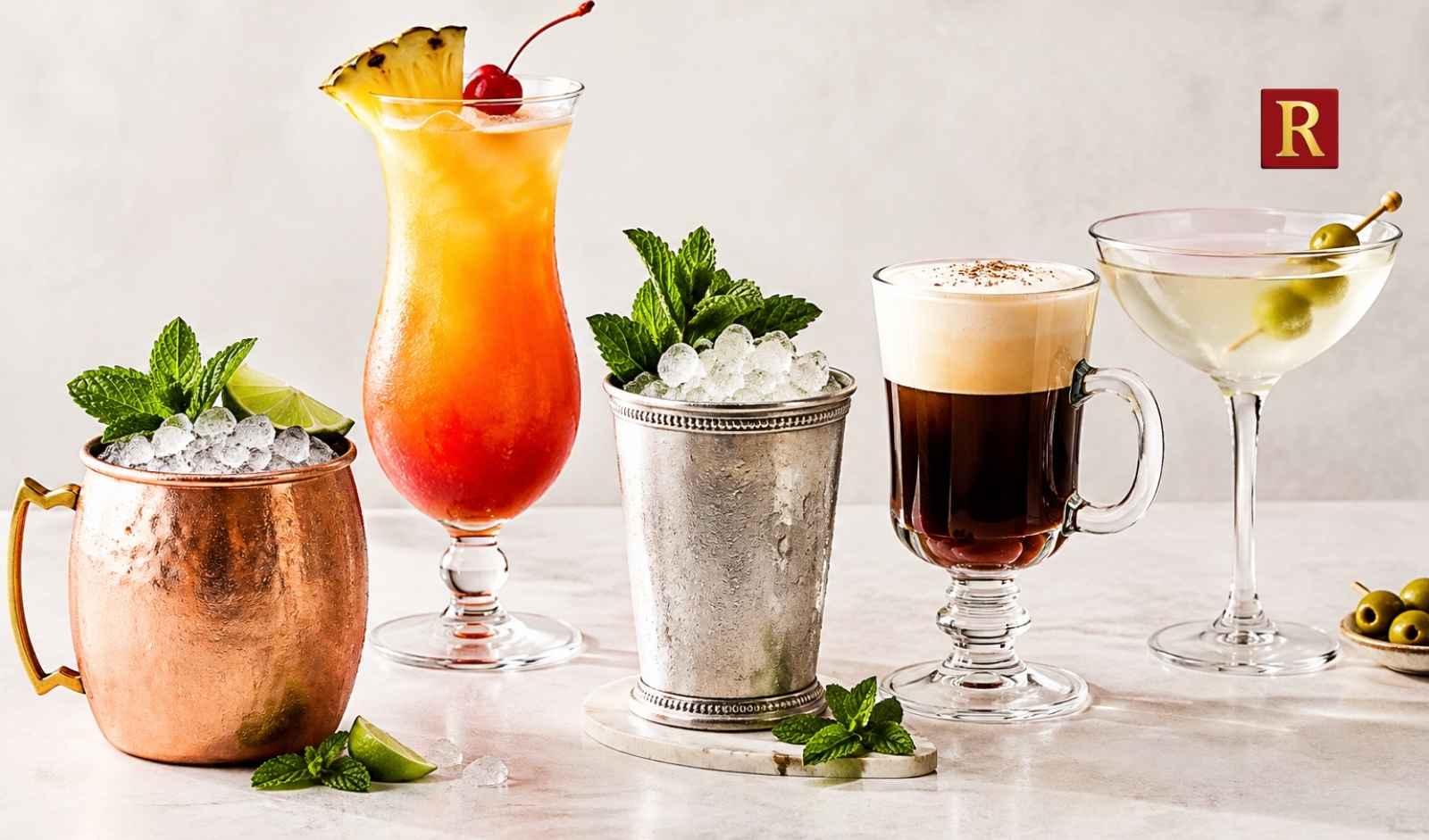
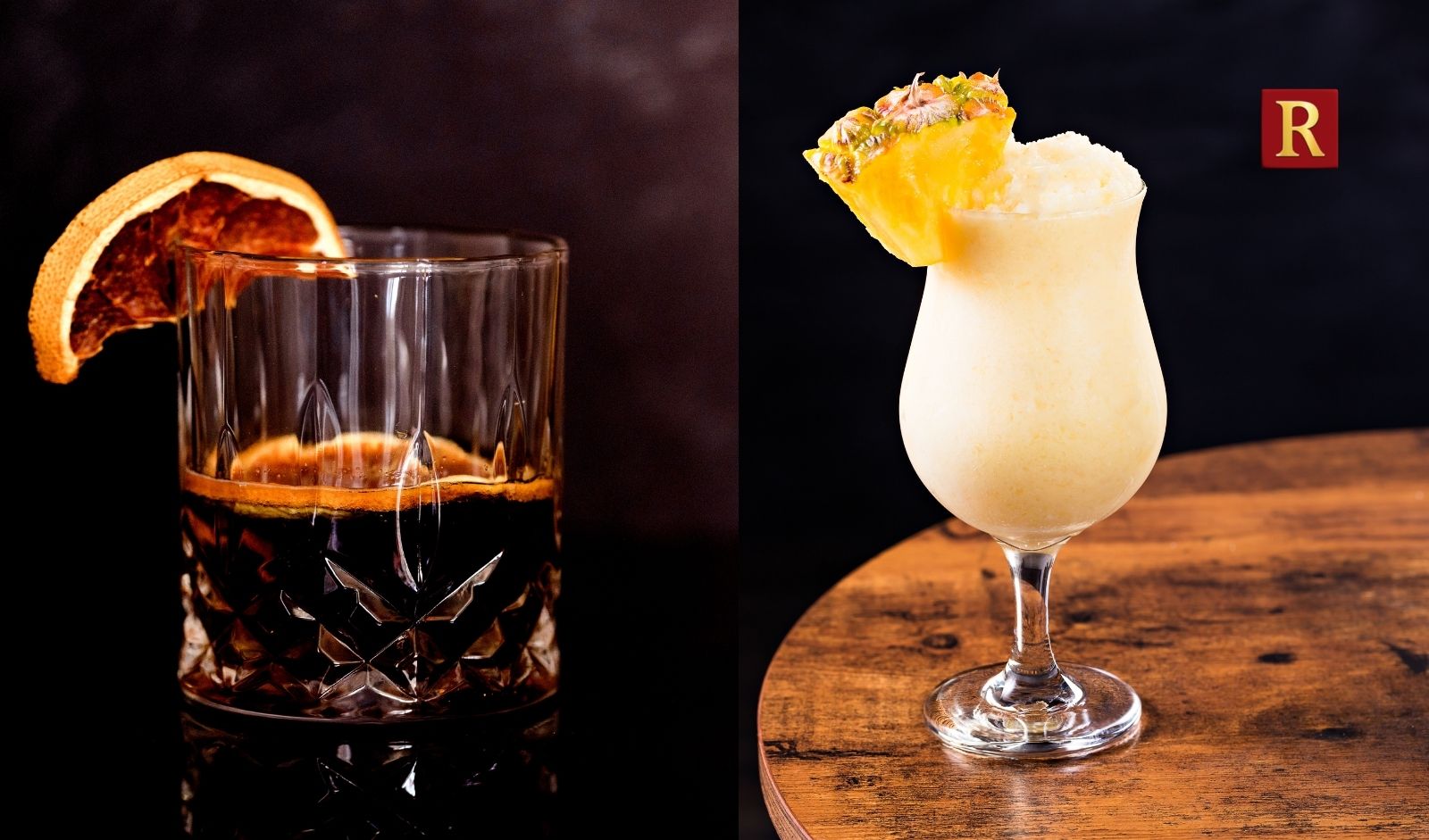
- Cocktails like the Old Fashioned, Whisky Sour, Manhattan, and the light Whisky Highball introduce whisky to those who prefer mixed drinks without completely masking its character.
Each style has its place depending on the occasion and personal taste.
Common Mistakes That Reduce the Experience
Many beginners unknowingly miss the best parts of whisky. Common mistakes include drinking too quickly, filling the glass too much, using shot glasses, adding excessive ice, mixing expensive whisky with soft drinks immediately, or ignoring the aroma before taking the first sip. A smaller pour of around 30 to 45 ml allows better control and appreciation of the whisky.
Pair Whisky with the Right Food
Good food can enhance whisky's flavours.
- Smoky Scotch pairs beautifully with grilled meats and aged cheese.
- Bourbon complements barbecue, glazed ribs, and roasted nuts.
- Irish whiskey matches creamy cheeses and seafood.
- Japanese whisky works well with sushi, grilled fish, and lightly seasoned dishes.
- Rye whiskey creates an excellent contrast with dark chocolate and cured meats.
The goal is to choose foods that either complement or gently contrast the whisky without overpowering it.
Think Like a Professional Taster
Professional whisky reviewers follow a structured process. They evaluate the appearance, aroma, palate, mouthfeel, finish, balance, and overall complexity. They also consider technical factors such as cask influence, oxidation, ethanol volatility, and retronasal aroma—the flavours perceived after swallowing through the back of the nose. Learning these techniques does not require expensive bottles. Even an affordable whisky becomes more enjoyable when you pay close attention to its details.
Drink Responsibly and Enjoy the Journey
Whisky appreciation is about quality rather than quantity. Drink slowly, stay hydrated, and eat before consuming alcohol. Always be aware of the whisky's alcohol strength, especially when trying cask-strength expressions. Never drink and drive, and remember that enjoying one well-made dram often provides more satisfaction than several hurried pours.
Final Sip!
The right way to drink whisky begins with curiosity. Start by choosing the proper glass, serving the whisky at room temperature, and taking time to observe its colour, aroma, flavour, and finish. Taste it neat first, then experiment with a few drops of water or a large ice cube to discover what suits your palate. Every bottle reflects years of patience, skilled distillation, and careful ageing. By slowing down and understanding the science behind aroma, flavour, and maturation, you turn an ordinary drink into a memorable tasting experience. Whether you are enjoying your first glass or expanding an established collection, appreciating whisky is ultimately about discovering the style that brings you the greatest enjoyment.
Saptopriya Ghosal
Feature Writer
I am a dedicated media professional with a bachelor's degree in mass communication from the State University of Calcutta and a postgraduate degree from Amity University. My academic journey has equipped me with a profound understanding of storytelling and communication. Passionate about the dynamic world of media, I continually strive to explore new ways to engage and inform through compelling narratives.