
How Temple Cuisine Is Inspiring Modern Vegetarian Cooking
Rather than reinventing vegetarian food from scratch, many modern kitchens are finding fresh ideas by learning from traditions that have quietly flourished for hundreds of years.

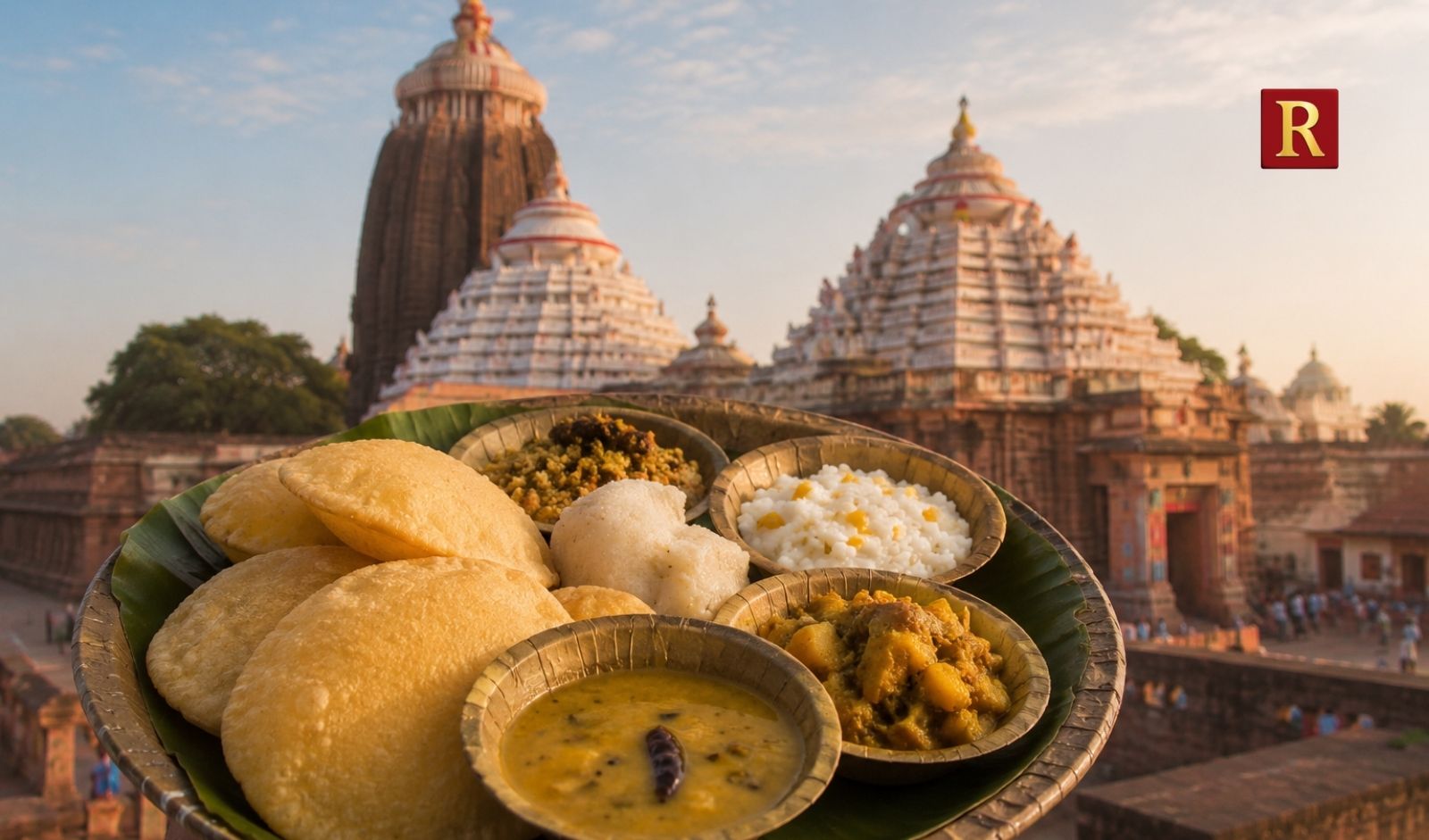
India's temple kitchens have preserved vegetarian cooking traditions for centuries. Today, many of these practices are inspiring modern restaurants, chefs, and home cooks. From seasonal ingredients and mindful cooking to sustainable food preparation, temple cuisine offers ideas that fit today's growing interest in healthy and plant-based meals. While cooking styles differ across regions, the common focus on simplicity, freshness, and community continues to influence how vegetarian food is prepared and enjoyed.
Across India, temples have long served more than just places of worship. Many are also home to some of the world's oldest continuously operating kitchens. Every day, thousands of devotees receive meals prepared using traditional methods that have remained largely unchanged for generations. These kitchens preserve regional recipes, local ingredients, and cooking techniques that are increasingly finding a place in modern vegetarian dining.
What Is Temple Cuisine?
Temple cuisine refers to the vegetarian food prepared in Hindu, Jain, Buddhist, and other religious institutions as part of rituals and community meals. The food is first offered as prasadam, or a sacred offering, before being distributed to devotees.
Unlike commercial cooking, temple cuisine follows established traditions that often emphasize fresh ingredients, seasonal produce, and careful preparation. Recipes vary from one temple to another because they reflect local agriculture, climate, and cultural practices. For example, the food served at the Jagannath Temple in Odisha differs greatly from the meals prepared at Udupi temples in Karnataka or Guruvayur Temple in Kerala. Yet all of them celebrate regional ingredients and traditional vegetarian cooking.
Ancient Kitchens That Still Feed Thousands
Some of India's temple kitchens operate on an extraordinary scale. The Jagannath Temple in Puri is home to one of the largest temple kitchens in the world. Every day, food is cooked in hundreds of earthen pots stacked over wood-fired stoves. The unique steaming method allows multiple pots to cook simultaneously, creating meals for tens of thousands of devotees daily during regular days, with numbers rising significantly during major festivals.
Similarly, the Golden Temple in Amritsar, through its community kitchen or langar, serves free vegetarian meals to around 100,000 people every day, with the number increasing during festivals and weekends. Although the langar follows Sikh traditions rather than temple cuisine in the Hindu sense, it demonstrates how community dining and simple vegetarian food can nourish large populations efficiently. These kitchens prove that traditional cooking methods can remain practical even on a massive scale.
Simplicity Is the Secret Ingredient
One reason temple cuisine continues to inspire chefs is its simplicity.
Most dishes rely on ingredients that are easy to find:
- Rice
- Lentils
- Seasonal vegetables
- Millets
- Coconut
- Ghee
- Jaggery
- Fresh herbs and spices
Instead of using expensive ingredients or complicated techniques, temple cooks focus on bringing out natural flavours. The recipes often involve slow cooking, steaming, roasting, or gentle tempering that enhances taste without overwhelming the ingredients. This approach aligns closely with today's preference for minimally processed and wholesome food.
Seasonal Cooking Long Before It Became a Trend
Seasonal eating is often presented as a modern food movement, but temple kitchens have followed this principle for centuries. Menus naturally change throughout the year depending on harvests and festivals. Summer meals may include cooling ingredients, while winter dishes often feature warming grains, sesame seeds, or jaggery.
Using locally available produce helps ensure freshness while reducing dependence on long-distance transportation. It also supports nearby farmers and preserves regional food traditions. Many restaurants today are adopting seasonal menus for the same reasons, offering dishes that reflect what is naturally available rather than relying on imported ingredients throughout the year.
Sustainability Is Built Into Temple Cooking
Modern food businesses are paying greater attention to sustainability, but many temple kitchens have practiced resource-efficient cooking for generations.
Several traditional methods help reduce waste:
- Cooking in large batches to improve fuel efficiency
- Using locally grown ingredients
- Preparing fresh meals every day
- Making full use of vegetables and grains
- Minimising processed ingredients and packaging
Traditional cooking vessels made from clay, brass, or copper are still used in many temple kitchens. These utensils are durable and can last for decades when maintained properly. As restaurants search for environmentally responsible practices, these time-tested methods offer valuable lessons.
Temple Cuisine Is Influencing Restaurant Menus
Across India, chefs are rediscovering forgotten regional recipes inspired by temple traditions. Rather than copying temple food directly, many restaurants reinterpret these dishes using contemporary presentation while preserving traditional flavours.
Several trends reflect this influence:
- Plant-forward menus: Vegetables are no longer side dishes. Seasonal produce has become the centre of many restaurant menus.
- Traditional grains: Millets, red rice, barley, and heritage rice varieties are making a strong comeback after the United Nations declared 2023 as the International Year of Millets, highlighting their nutritional and environmental benefits.
- Local sourcing: Restaurants increasingly partner with nearby farmers to obtain fresh ingredients, reducing food miles while supporting local agriculture.
- Heritage recipes: Chefs are reviving recipes that have been passed down through temple kitchens and regional communities for generations.
This combination of tradition and innovation appeals to diners seeking authentic vegetarian experiences.
Temple Foods That Continue to Inspire Modern Cooking
India's temple traditions have introduced many dishes that remain popular today.
- Jagannath Temple, Odisha: The famous Mahaprasad includes rice, dal, vegetable curries, khichdi, sweet dishes, and traditional cakes prepared using earthen-pot cooking.
- Udupi Temples, Karnataka: Udupi cuisine has become internationally recognised for dishes like sambar, kosambari, vegetable curries, and coconut-based preparations. Today, Udupi restaurants can be found across India and abroad.
- Tirumala Temple, Andhra Pradesh: The iconic Tirupati Laddu has become one of India's most recognised temple offerings. Alongside it, dishes such as pongal and tamarind rice continue to inspire vegetarian menus.
- Guruvayur Temple, Kerala: The temple's creamy Pal Payasam remains one of Kerala's most celebrated traditional desserts.
Each of these examples shows how temple food has influenced everyday Indian cooking beyond religious settings.
Traditional Cooking Techniques Are Returning
Modern chefs are also embracing techniques once common in temple kitchens.
These include:
- Stone grinding spices
- Slow cooking over wood fire
- Clay-pot cooking
- Steaming instead of deep frying
- Hand-pounded grains
- Natural fermentation for selected regional dishes
These methods often produce richer flavours and better textures while preserving culinary traditions. Although modern kitchens use advanced equipment, many chefs believe traditional techniques add depth that machines cannot easily replicate.
What Home Cooks Can Learn
Temple cuisine is not only for professional chefs. Many of its principles are easy to adopt at home.
Simple changes include:
- Buying seasonal vegetables
- Cooking fresh meals more often
- Choosing local grains and pulses
- Reducing food waste through better meal planning
- Preparing balanced meals with cereals, legumes, and vegetables
- Exploring regional recipes instead of relying on heavily processed foods
These habits can make everyday cooking more varied while supporting local food systems.
A Heritage That Continues to Shape the Future
Temple cuisine is more than a collection of old recipes. It represents centuries of knowledge about seasonal eating, community dining, sustainable cooking, and regional food traditions. As vegetarian dining evolves, chefs and consumers are looking beyond modern food trends and rediscovering practices that have stood the test of time. India's temple kitchens demonstrate that simple ingredients, thoughtful preparation, and respect for local produce can create meals that are both nourishing and memorable. In an era where diners increasingly value authenticity, sustainability, and plant-based cooking, temple cuisine offers a meaningful source of inspiration. Rather than reinventing vegetarian food from scratch, many modern kitchens are finding fresh ideas by learning from traditions that have quietly flourished for hundreds of years.
Saptopriya Ghosal
Feature Writer
I am a dedicated media professional with a bachelor's degree in mass communication from the State University of Calcutta and a postgraduate degree from Amity University. My academic journey has equipped me with a profound understanding of storytelling and communication. Passionate about the dynamic world of media, I continually strive to explore new ways to engage and inform through compelling narratives.



































































































































































