How Talent Churn Is Redesigning the Indian Kitchen
National Restaurant Association of India reported that attrition rates range between 10–40% per month in food service sector, with nearly 75% of QSR employees staying less than three years in a role. In the QSR space, 36% of staff stays only 1–2 years and total turnover is often above 40% monthly.

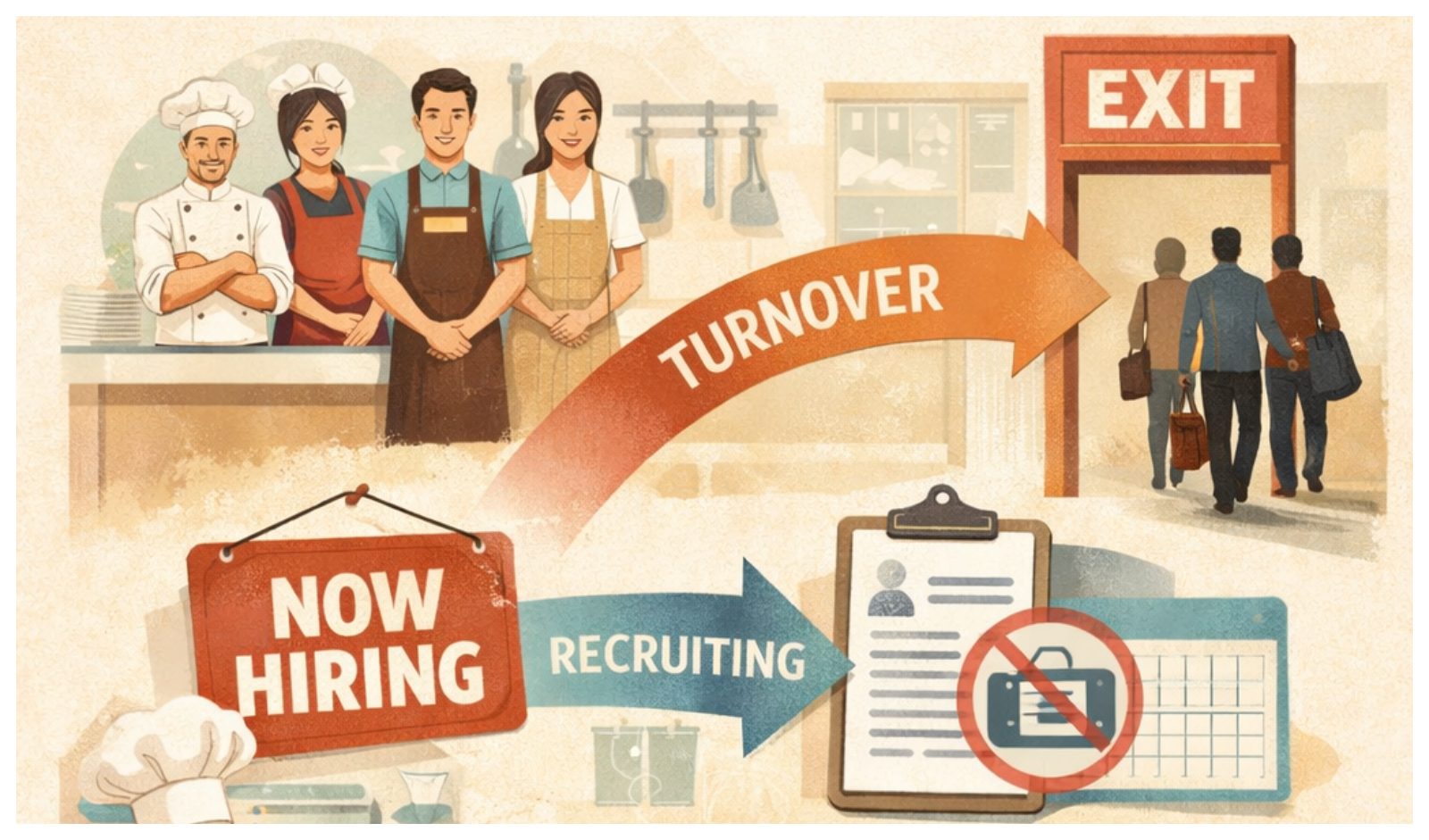
High attrition is driven by persistent staff turnover, talent migration, and ongoing labour shortages. This is no longer a temporary disruption for the restaurant industry. It has become a structural challenge that is fundamentally reshaping menu design, service models, team structures, and technology adoption. What began as a post-pandemic staffing crisis has evolved into a new operational reality, forcing operators to rethink the core mechanics of how restaurants function.
Designing Kitchen for Faster Training
Globally, workforce turnover in restaurants often exceeds 60–70% annually, depending on the segment and market. In India, the challenge is particularly sharp.
National Restaurant Association of India reported that attrition rates range between 10–40% per month in food service sector, with nearly 75% of QSR employees staying less than three years in a role. In the QSR space, 36% of staff stays only 1–2 years and total turnover is often above 40% monthly.
Pointing this, Deepak Chhabra, Director, SILQ said, “High attrition has pushed us to rethink how we design our menu. Earlier menus were often dependent on specific chefs or specialised skills. Today, we focus on creating dishes that are consistent even when teams change. We design menus that respect craftsmanship but are also structured and process driven.”
“Indian kitchens are leaning heavily into modular formats 2–3 core mother gravies powering multiple mains, standardised marinades for tikkas and kebabs, pre-portioned spice blends, and clearly defined SOPs making execution easier even when new cooks join. At the same time, high-skill live cooking, complex plating, and labour-intensive formats are being scaled back in favour of batchable items like biryanis and gravies, cross-utilised prep across multiple dishes, and pre-batched elements finished at the pass. The result is a menu engineered not just for flavour and margin, but for staffing realities, faster training cycles, lower wastage, and smoother delivery peaks,” commented Anil Kumar, Co-Founder of Singh Sahib.
Where Process Replaces Memory
India’s hospitality sector sees over 50% annual turnover, with hourly staff attrition often exceeding 70%, far higher than most industries.
With labour instability now the norm, restaurants are redesigning operations to function seamlessly even with junior or temporary hires. Roles are simplified, tasks are modular, and menus have become operational tools rather than expansive culinary statements.
“Operational resilience now matters just as much as culinary excellence. Pre-batching and prep work have become essential, with less reliance on chef memory and more focus on repeatable systems rather than recipe-learning tactics,” pointed Shantanu Yadav, Co-Founder, Atmanam.
Kumar noted, “Kitchen layouts are also being streamlined around flow and resilience, with central prep stations handling sauces, spice blends, and bulk cuts, and pull-forward finishing stations near the pass to manage peak hours.”
Importance of Menu Simplification
Restaurants are simplifying menus not just for efficiency, but for survival in an environment where staff instability and rising costs are very real. When teams change frequently, complex recipes break down, consistency suffers, and training becomes repetitive and expensive making simplified menus essential to reduce skill dependency, speed up onboarding, and minimize execution errors.
As per data, many restaurant employees said that they feel overworked and stressed, with about 34% reporting heavy workloads and 37% identifying stress as a major concern.
“At the same time, large menus mean more SKUs, higher perishability, greater waste, and increased COGS, a risky equation in markets like Delhi-NCR where rentals and GST pressures already squeeze margins. Tighter menus reduce storage needs, improve stock rotation, strengthen purchasing leverage, and ultimately protect profitability,” highlighted Kumar.
Tech is no longer Optional
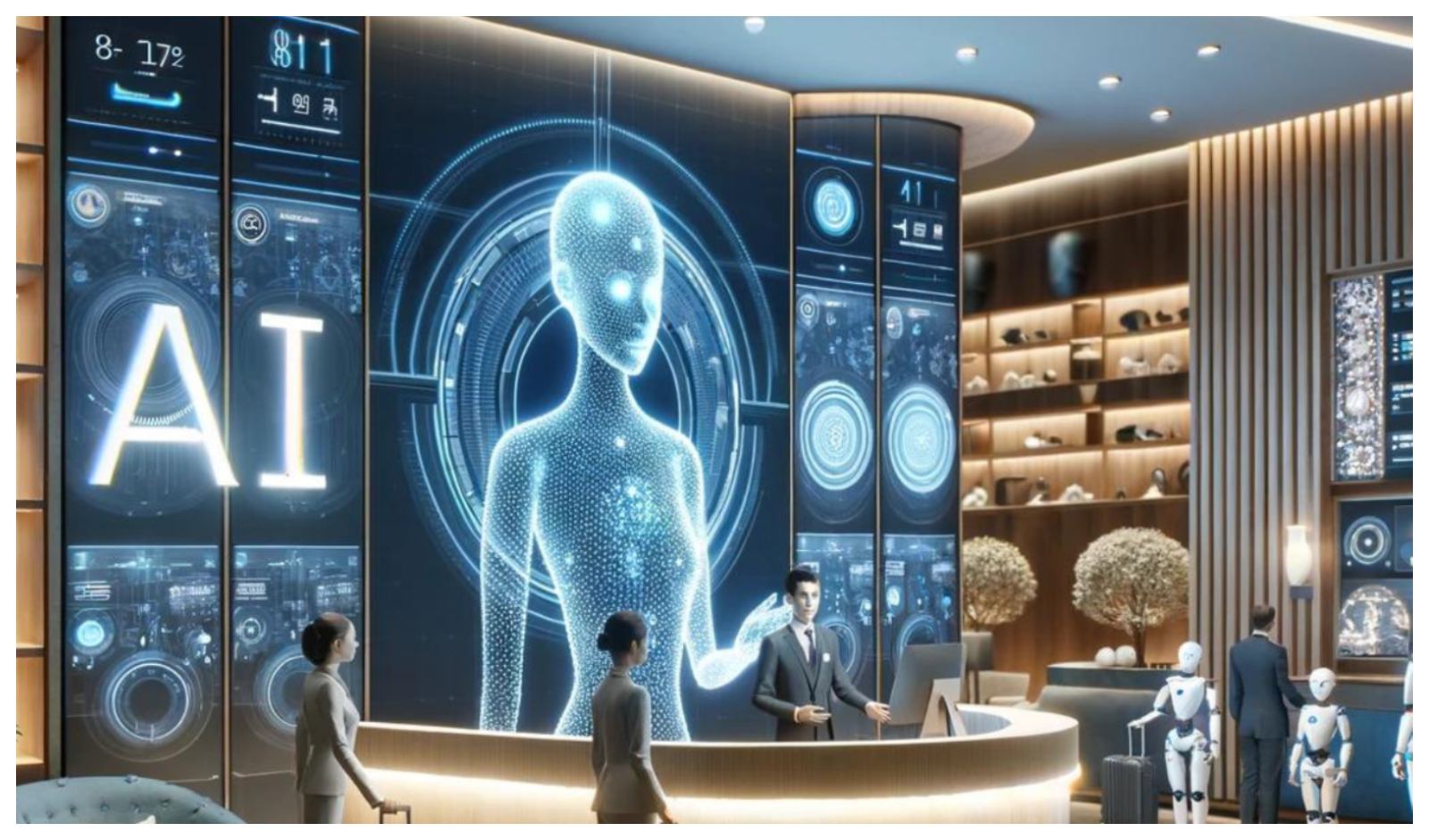
Technology is no longer a support system; it is part of the strategy. As per reports, 81% of restaurateurs pointed that technology helped them in retaining the employees. While 61% acknowledged that tech helped them in coping up with the staffing challenges, 42% restaurateurs use digital solutions to improve retention.
“From reservations to inventory to guest data everything is connected. At SILQ we use technology to understand guest preferences manage costs better and ensure smoother service. It helps us reduce wastage improve planning and personalise experiences. In today’s world if you are not using tech wisely you are already behind,” shared Chhabra.
It was also stated that 58% restaurateurs/brands are using tech to alleviate labor shortage is a primary strategy. Yadav added that data will drive targeted guest and regional marketing while guiding decisions based on demand and trends. “Technology will strengthen training for new team members, support staff growth, improve revenue projections, and increase profitability through smarter planning. Most importantly, these systems allow restaurants to deliver a consistent guest experience and scale without compromising operational standards.”
Importance of Labour-smart production systems
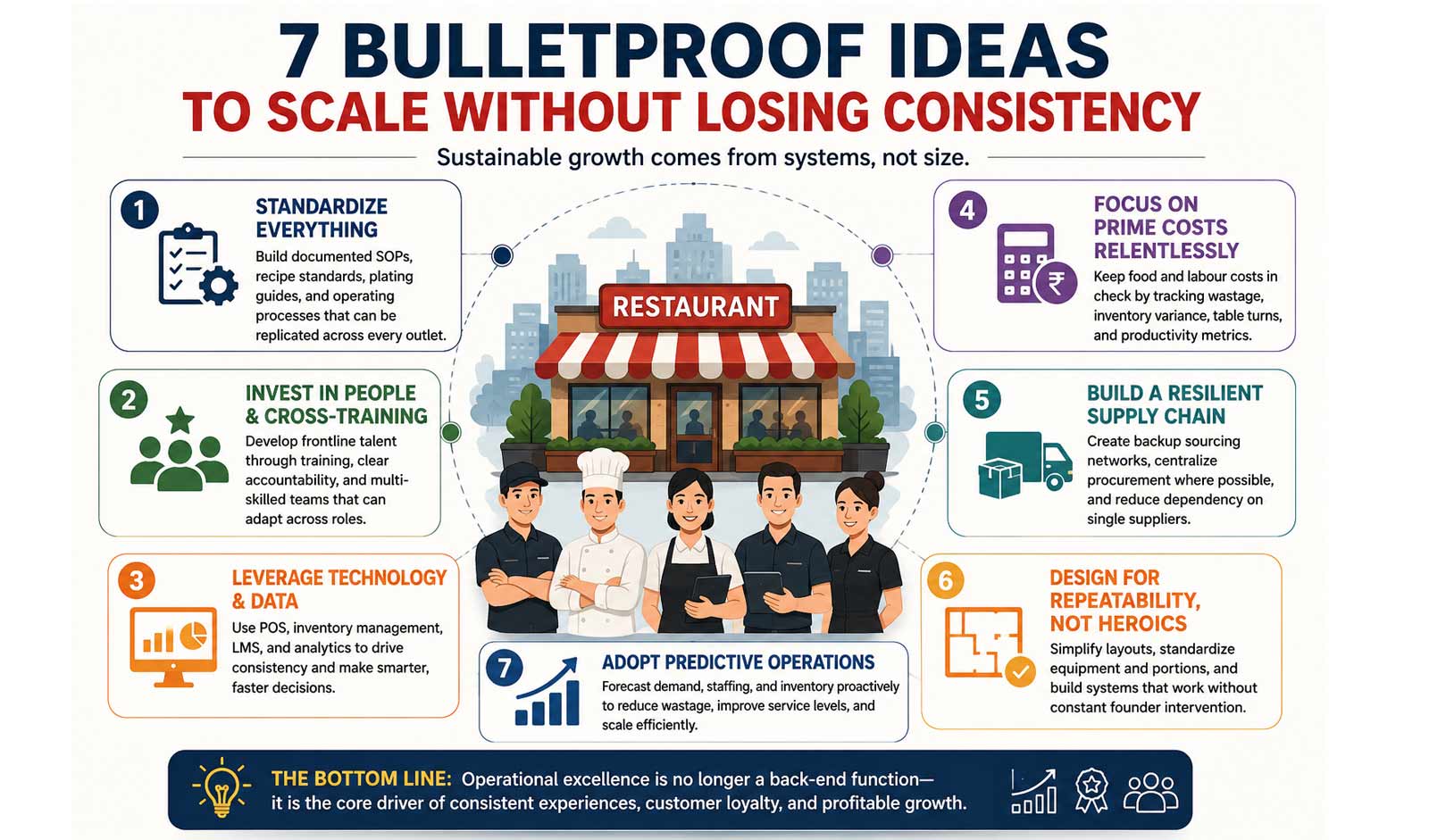
Labour-smart production systems are becoming essential for restaurants aiming to stay consistent and scalable in high-turnover markets. By breaking dishes into modular, repeatable steps, brands reduce skill dependency and enable even junior staff to execute confidently ensuring operations remain stable even when key team members exit.
These systems can cut manual labour dependency in repetitive tasks by 50–60% and reduce labour management time by up to 80%. More importantly, they unlock scalability—whether for a second outlet, cloud kitchen, or delivery expansion—by making SOPs, training modules, and production logic easily replicable.
The business impact is clear: stronger cost control, sharper data-led decisions, and improved guest loyalty. The rulebook is being rewritten—and those who adapt will lead.
Vijetha Iyer
Content Editor
Working as a Content Editor with Restaurant India. I have worked in various sectors like food and beverage sector, chemicals, pharma, nutraceuticals, now specially focusing on restaurant side. But my core knowledge was always on content. Be it writing poems to verses, I always loved writing and have been exploring my career on the same. In Restaurant India, I deliver insightful stories, take interviews of various brands and update the audiences about the newest happenings in the restaurant industry.