
How Street Food Is Getting a Gourmet Upgrade
Even traditional chaat dishes are being plated like fine dining creations. Street food is moving from roadside stalls to premium dining spaces without losing its emotional connection with customers.

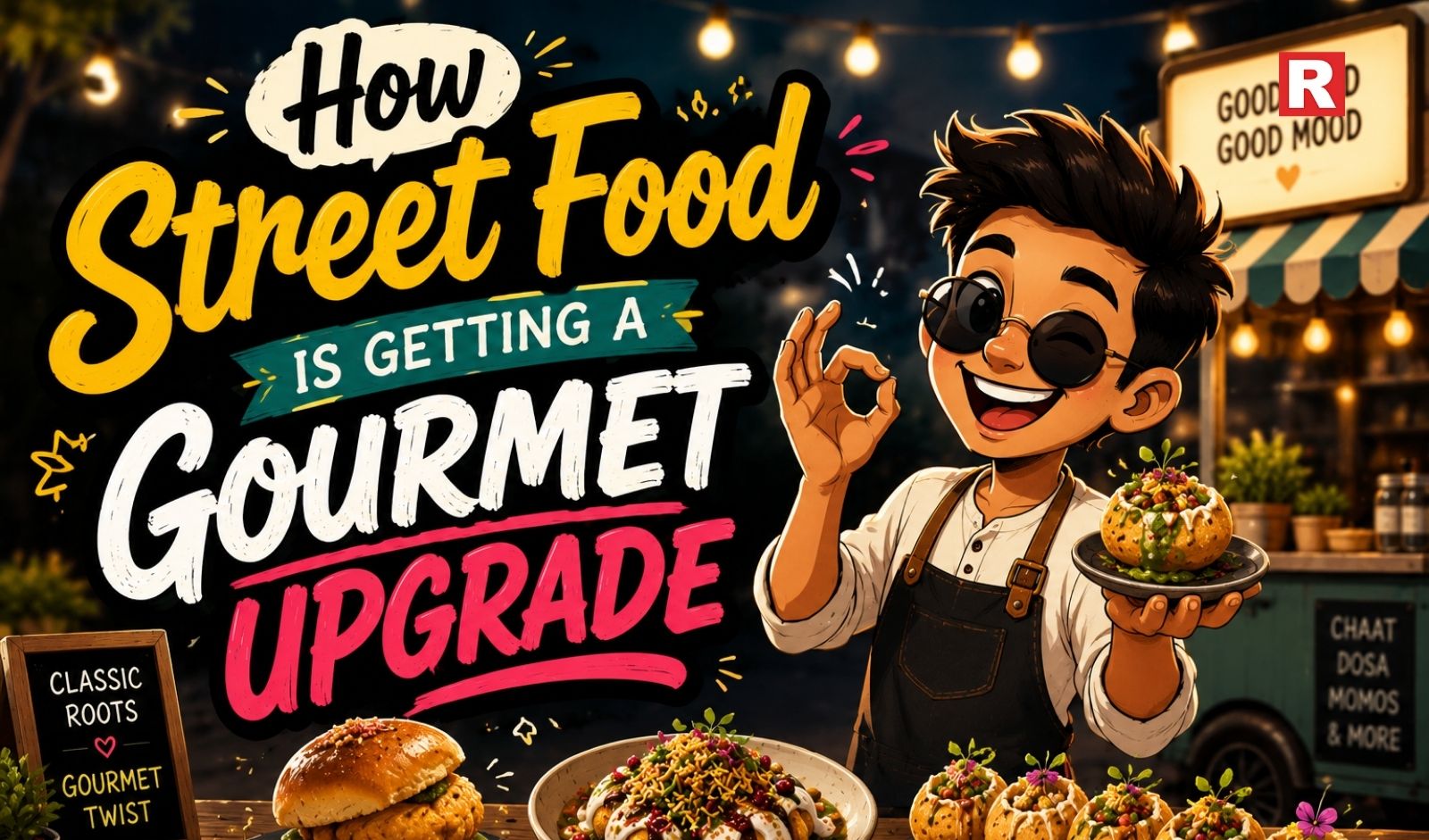
Indian street food has always been more than just quick snacks. It is deeply connected to culture, memories, and everyday life. From spicy pani puri outside schools to hot vada pav near railway stations, street food has shaped the eating habits of millions across the country. But today, the same roadside favourites are entering premium cafés, stylish food trucks, luxury restaurants, and curated dining menus. Street food is no longer seen as “cheap food.” It is becoming a modern culinary experience.
Across Indian cities, traditional snacks are getting gourmet upgrades through premium ingredients, creative presentation, better hygiene, and global flavours. Consumers are now willing to spend more for familiar dishes that offer quality, comfort, and an exciting dining experience.
The Rise of Gourmet Street Food in India
The food industry in India has changed rapidly over the last few years. Younger consumers are driving this transformation. Millennials and Gen Z diners are constantly looking for unique food experiences that combine taste with visual appeal. This shift has created strong demand for gourmet street food.
Today’s consumers want:
- cleaner dining spaces
- premium ingredients
- modern presentation
- fusion flavours
- Instagram-worthy dishes
- authentic regional taste
As a result, many restaurants and food entrepreneurs are reinventing classic Indian snacks in creative ways. Pani puri is now served with avocado filling and flavoured water shots. Vada pav comes inside buttery brioche buns. Momos are paired with smoked chilli sauces and exotic fillings. Even traditional chaat dishes are being plated like fine dining creations. Street food is moving from roadside stalls to premium dining spaces without losing its emotional connection with customers.
Social Media Is Changing Food Culture
One of the biggest reasons behind the gourmet street food trend is social media. Platforms like Instagram and YouTube have changed how people discover food. Diners no longer choose restaurants only for taste. Presentation and visual appeal matter equally.
Food businesses now focus heavily on:
- dramatic plating
- colourful presentation
- fusion concepts
- live counters
- unique serving styles
A simple dish can go viral overnight if it looks visually exciting.
This is why many gourmet street food brands are introducing:
- flaming chaats
- giant golgappas
- cheese-loaded momos
- Korean-style Indian snacks
- truffle-infused street food
For younger audiences, food has become a lifestyle experience. Eating out is also about creating content, sharing experiences, and exploring new trends.
Hygiene and Standardisation Are Driving Growth
Traditional street food in India has always been popular for its bold flavours and affordability, but concerns around hygiene, water quality, and food handling often made many consumers hesitant to eat regularly from roadside stalls. Modern gourmet street food brands are changing this perception by introducing cleaner and more organised dining experiences. Many premium street food cafés now operate with open kitchens, filtered water systems, branded packaging, digital payment options, and standardised recipes to maintain consistency in taste and hygiene. Air-conditioned seating spaces and better food presentation also make consumers feel more confident about spending extra on familiar dishes. This transformation has helped street food expand beyond local markets into malls, airports, food courts, and high-street cafés. Food trucks and cloud kitchens have further accelerated this growth by offering scalable operations, controlled quality, and faster delivery services while preserving the flavours people already love.
Fine Dining Restaurants Are Taking Inspiration
Indian street food is increasingly influencing fine dining menus across India as chefs reinterpret local favourites with premium ingredients and modern cooking techniques. Many luxury restaurants are introducing tasting menus inspired by regional street flavours to offer diners a mix of nostalgia and sophistication. Instead of changing the essence of the dishes, chefs are refining presentation, texture, and ingredient quality while keeping the original taste familiar. This reflects a larger trend where traditional comfort food is becoming part of upscale dining culture. Dishes such as truffle pani puri, butter chicken kulcha sliders, sushi-style chaat, burrata pav bhaji, artisanal dosa platters, and molecular dahi bhalla are becoming popular among urban consumers. The growing appeal lies in the balance between innovation and authenticity, as customers still seek the emotional connection and bold flavours associated with India’s traditional street food culture.
Fusion Street Food Is Becoming More Creative
Fusion food is not new in India. However, the current wave of gourmet street food is becoming more thoughtful and refined. Earlier, fusion dishes were often made only for novelty. Today, chefs are paying more attention to flavour balance, texture, and ingredient compatibility. Global flavours are blending with Indian street food because younger consumers are becoming more experimental with food choices. Travel exposure, food delivery apps, and international content have also influenced dining preferences in urban India.
Popular fusion trends include:
- Korean momos
- ramen dosa
- peri-peri fries chaat
- butter chicken tacos
- tandoori pizza pockets
- sushi pani puri
Consumers Are Paying for Affordable Luxury
The success of gourmet street food is closely connected to the idea of affordable luxury. Many people may not visit luxury restaurants regularly, but they are comfortable spending slightly more on upgraded comfort food. A plate of gourmet chaat feels premium without being too expensive.
This creates the perfect balance between:
- affordability
- indulgence
- familiarity
- aspiration
Premium ingredients are also adding value to everyday dishes. Many brands are now using:
- imported cheese
- sourdough bread
- organic vegetables
- handcrafted sauces
- exotic seasonings
- artisanal toppings
Consumers enjoy the feeling of trying something luxurious while still eating familiar Indian flavours.
Technology Is Transforming Street Food Businesses
Technology has transformed street food businesses by helping even small vendors and startups reach a larger audience through food delivery platforms and social media visibility.
Online delivery apps such as Zomato and Swiggy have made gourmet street food easily accessible beyond local markets, increasing sales and customer reach.
QR-code menus and UPI payments have improved convenience and reduced waiting time, especially among younger urban consumers who prefer cashless transactions.
Customer reviews, food bloggers, and influencers now play a major role in shaping brand popularity and driving viral food trends online.
Cloud kitchens have accelerated the growth of gourmet street food because they operate with lower rental and staffing costs compared to traditional dine-in restaurants.
Many food startups also use customer data and ordering trends to quickly launch new flavours, seasonal menus, and fusion dishes based on changing consumer preferences.
Challenges Behind the Gourmet Upgrade
While gourmet street food is growing rapidly, the trend also comes with challenges.
One major concern is authenticity: Many food lovers feel that premium versions sometimes lose the simplicity and soul of original street food. Traditional vendors often rely on generations of experience and local flavour knowledge that cannot always be recreated in luxury settings.
Pricing is another issue: Street food has historically been affordable for everyone. However, gourmet upgrades can make simple snacks expensive and less accessible.
There is also growing concern about “over-fusion,” where dishes become too experimental and disconnected from their roots. Finding the right balance between innovation and authenticity will remain important for brands in the coming years.
The Road Ahead
Indian street food is entering a new era. It is no longer limited to roadside stalls or local markets. It is becoming part of modern dining culture. Consumers today want more than just good taste. They look for storytelling, presentation, hygiene, creativity, and emotional connection. This is why gourmet street food continues to grow across cafés, food trucks, premium restaurants, and cloud kitchens. At its core, the trend reflects how Indian food culture is evolving with changing lifestyles and consumer expectations. Even as techniques and presentation become more modern, the heart of Indian street food remains the same — bold flavours, comfort, nostalgia, and community.
Saptopriya Ghosal
Feature Writer
I am a dedicated media professional with a bachelor's degree in mass communication from the State University of Calcutta and a postgraduate degree from Amity University. My academic journey has equipped me with a profound understanding of storytelling and communication. Passionate about the dynamic world of media, I continually strive to explore new ways to engage and inform through compelling narratives.



































































































































































