How Smart Scheduling and AI Are Transforming Restaurant Labor Management
Rising wages, talent shortages, increasing employee turnover, flexible scheduling expectations, longer operating hours, and the rapid growth of delivery channels are all putting pressure on labour costs.


While food costs have traditionally dominated conversations around restaurant profitability, labour has emerged as an equally critical factor. Typically accounting for 25–35% of sales, labour is now one of the largest controllable expenses for restaurant operators.
Rising wages, talent shortages, increasing employee turnover, flexible scheduling expectations, longer operating hours, and the rapid growth of delivery channels are all putting pressure on labour costs. As a result, workforce efficiency and smart scheduling have become essential for maintaining profitability without compromising guest experience.
Understanding Labour Cost
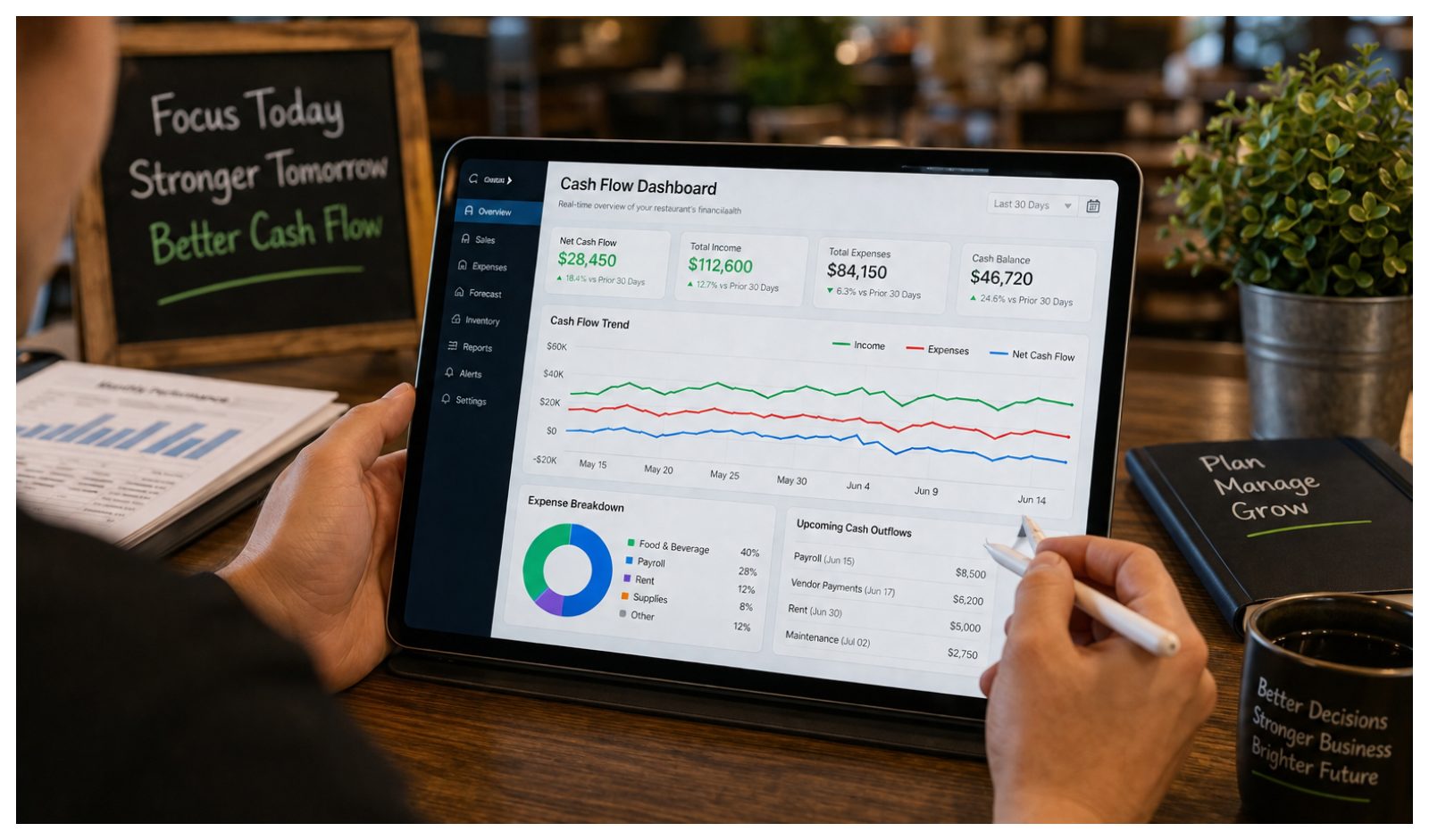
Labour cost percentage remains one of the most important metrics for measuring workforce efficiency. It represents the share of total revenue spent on employee-related expenses, including wages, salaries, overtime, payroll taxes, benefits, incentives, and service staff compensation. For example, a restaurant generating ₹50 lakh in monthly sales and spending ₹15 lakh on labor would have a labor cost percentage of 30%.
Benchmarks vary across formats, ranging from 22–30% for QSRs and 25–32% for fast-casual concepts to 28–35% for casual dining, 30–38% for fine dining, and 20–28% for delivery-only kitchens. However, leading operators increasingly look beyond this single metric to assess overall workforce effectiveness.
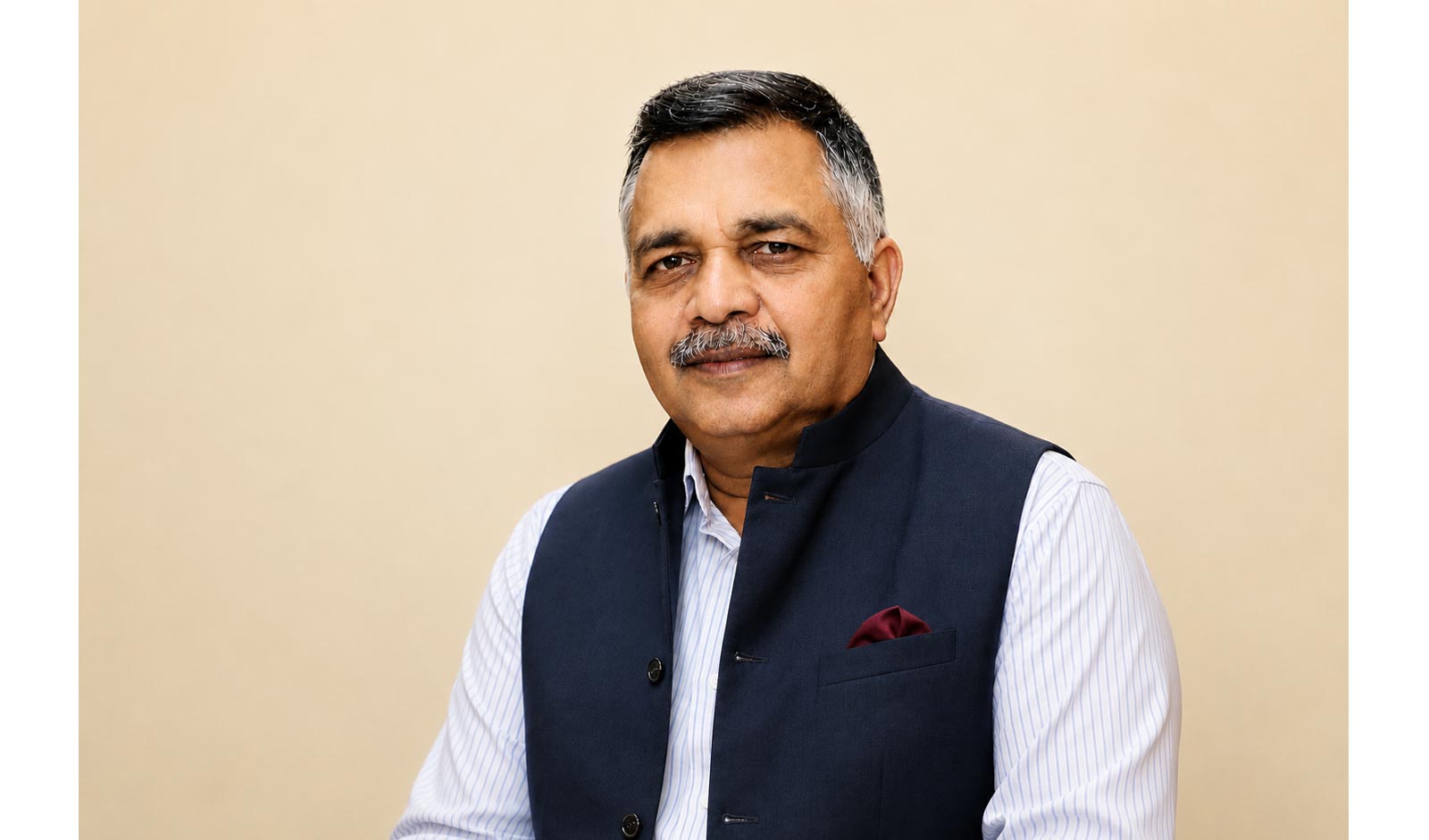
“Labour management is undergoing a significant transformation as restaurants increasingly move from intuition-based decision-making to data-led workforce planning. Accurate forecasting today involves analysing historical sales patterns, reservation trends, local demand drivers, seasonality and day-part performance to align staffing levels with anticipated business volumes,” said Gaurav Dua, Founder, Rampushp Hospitality and Franchise Partner, Dhaba Estd. 1986 Delhi.
Yash Bhatia, Founder, Mai Mai, believes labour should not be viewed purely as an expense. “In hospitality, labor is actually the engine that drives and delivers the guest experience. The question is not how to reduce people, but how to improve productivity without compromising hospitality,” he said.
According to Bhatia, investments in structured training, cross-functional skill development, and standardized operating systems help teams perform more efficiently while maintaining service quality.
How Restaurants Forecast Labour Demand
Modern labour forecasting is increasingly driven by data rather than fixed schedules or managerial intuition. Restaurants analyze historical sales trends, peak operating hours, reservation volumes, party sizes, event bookings, and seasonal demand patterns to predict staffing requirements more accurately.
Many operators are also leveraging insights from delivery platforms, online ordering channels, and loyalty programs to identify demand spikes and deploy labour more effectively.
“We believe that predictable schedules, fair workload distribution, and opportunities for growth contribute significantly to reducing attrition,” said Atul Garg, Owner, Zyxx Restaurant & Bar, Urbana Premium. “By combining technology with a people-centric approach, we are creating a workplace culture that supports both operational excellence and employee well-being.”
Progressive restaurant brands now evaluate labour performance alongside broader business metrics such as sales productivity, guest satisfaction, repeat visits, employee retention, and profitability.
Why Smart Scheduling Is the Biggest Cost Lever
Smart scheduling has become one of the most effective tools for controlling labour expenses. Unlike traditional roster planning, which often relies on experience and intuition, modern scheduling systems use demand forecasts to align staffing levels with expected customer traffic. This approach helps reduce overstaffing during slower periods, prevent understaffing during peak hours, and minimize overtime costs while maintaining service standards.
“Smart scheduling has become one of the most effective operational levers available to restaurant operators. When manpower is deployed in line with demand, businesses can improve productivity, reduce overtime, minimize inefficiencies and maintain service standards without overburdening teams,” Dua noted.
In addition to improving labour productivity, smart scheduling tools offer features such as flexible shifts, shift-swapping options, and advance roster visibility, all of which contribute to higher employee satisfaction and retention.
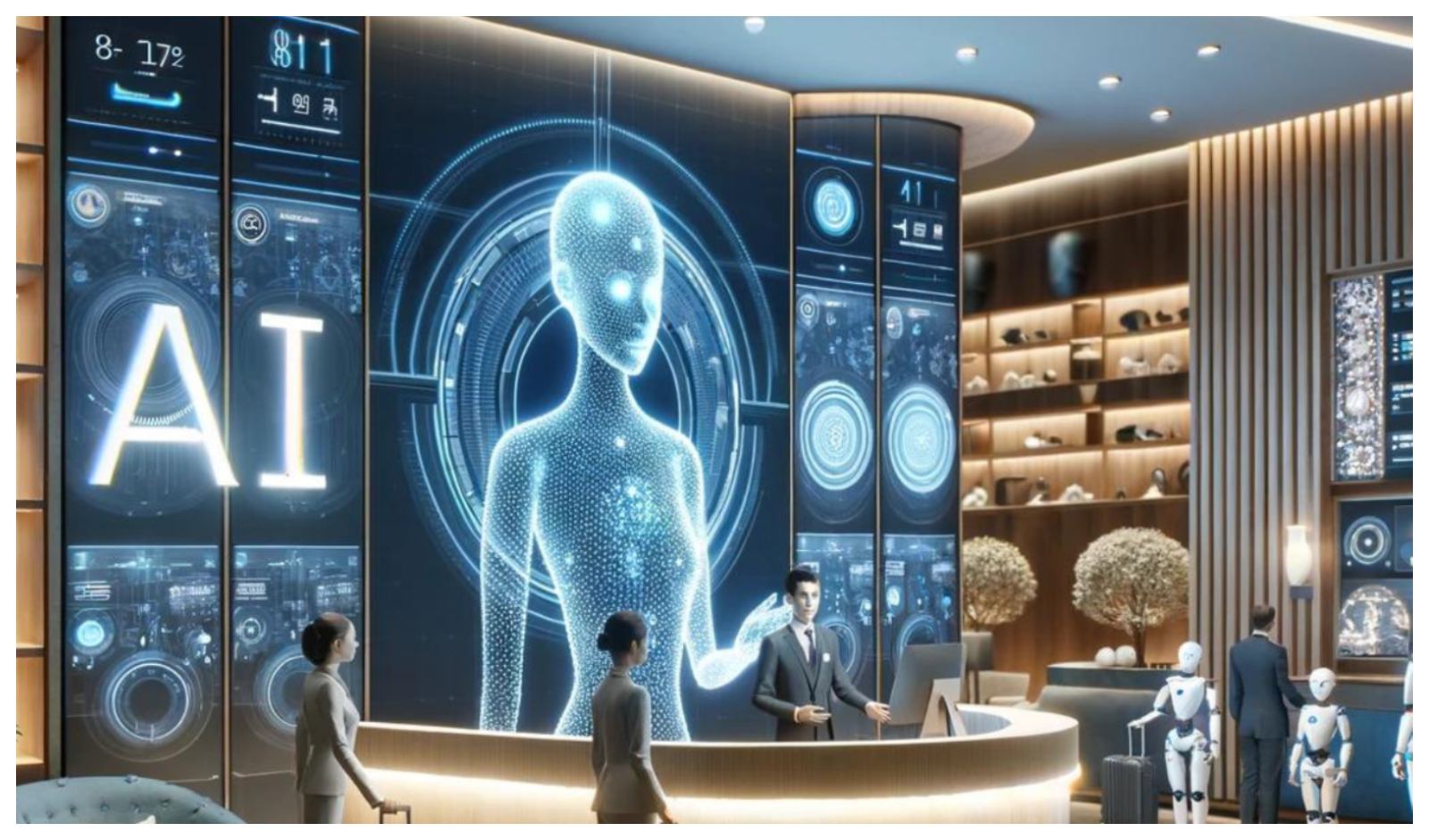
How Technology and AI Are Reshaping Labor Management
Technology is increasingly helping restaurants automate routine operational tasks and improve workforce efficiency. Automated scheduling systems, digital attendance tracking, inventory forecasting, and smart kitchen equipment are reducing manual effort and minimizing operational errors. These tools allow managers and frontline staff to focus more on guest engagement and service delivery rather than administrative tasks.
“We are leveraging technology to automate repetitive tasks such as attendance tracking, shift planning, and performance monitoring, enabling managers to spend more time focusing on team engagement and guest experience,” said Garg. “AI-powered insights and data-driven workforce planning help us make informed staffing decisions while maintaining productivity and service consistency.”
Artificial intelligence is taking labor management a step further by forecasting demand, optimizing schedules, predicting labor costs, and recommending staffing levels based on sales trends, weather conditions, local events, and promotional campaigns.
As labor challenges continue to evolve, restaurants that successfully balance technology-driven efficiency with the human element of hospitality will be best positioned to improve profitability, retain talent, and deliver consistently exceptional guest experiences.
Vijetha Iyer
Content Editor
Working as a Content Editor with Restaurant India. I have worked in various sectors like food and beverage sector, chemicals, pharma, nutraceuticals, now specially focusing on restaurant side. But my core knowledge was always on content. Be it writing poems to verses, I always loved writing and have been exploring my career on the same. In Restaurant India, I deliver insightful stories, take interviews of various brands and update the audiences about the newest happenings in the restaurant industry.