
How Seasonal Menus Are Reshaping India’s Restaurant Business
With India’s foodservice market valued at over ₹5.7 lakh crore in 2025 and projected to exceed ₹7.7 lakh crore by 2028, restaurants are under pressure to manage tightening margins.

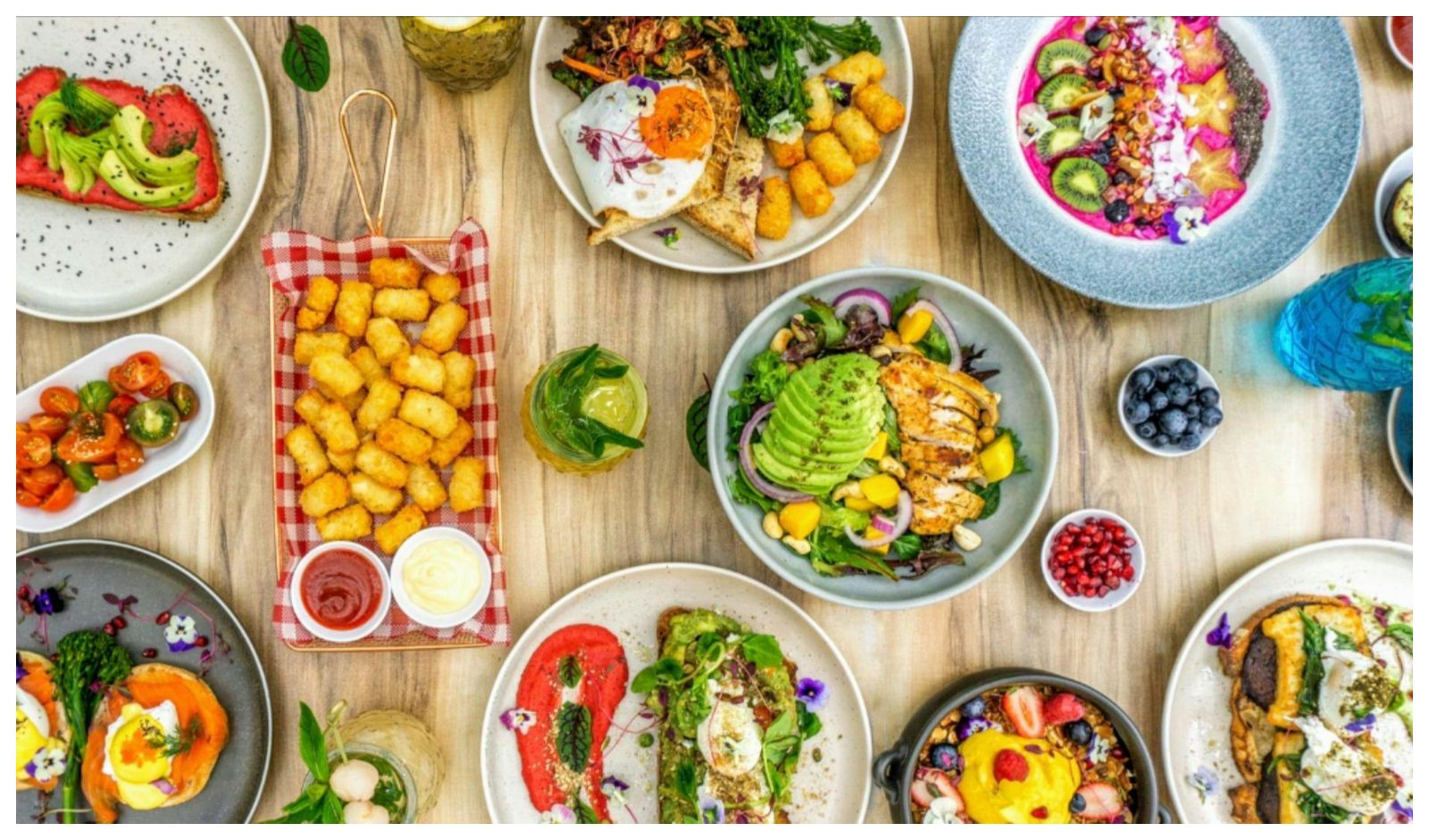
India’s restaurant industry is entering a phase where profitability, sustainability, and customer experience are becoming closely linked. Seasonal menus, once associated mainly with luxury hotels and chef-led concepts, are now evolving into a practical business strategy for restaurants, cafés, bars, and cloud kitchens alike.
With India’s foodservice market valued at over ₹5.7 lakh crore in 2025 and projected to exceed ₹7.7 lakh crore by 2028, restaurants are under pressure to manage tightening margins. Since most establishments continue to operate at net margins of just 3–10 percent, optimizing food costs has become essential for long-term sustainability.
Helps in Reducing Food Costs
Seasonal ingredients are more widely available during harvest periods, making them fresher, more affordable, and easier to source locally. Restaurants that build menus around seasonal produce often benefit from lower sourcing and transportation costs, reduced storage needs, better ingredient quality, and less spoilage.
Food costs typically account for 28–35 percent of restaurant revenue, making efficiency critical for profitability. Reports suggests Indian restaurants waste nearly 15–20 percent of purchased food due to spoilage and inaccurate forecasting. Seasonal menu planning and better inventory management can help reduce food waste by up to 20–30 percent.
The Profit Potential of Seasonal Menus
Seasonal menus are increasingly proving to be profitable for restaurants operating on tight 5–10 percent margins. By reducing food waste, improving menu planning, increasing average spend through limited-time dishes, and lowering reliance on imported ingredients, restaurants can strengthen overall profitability.
Payal Thakkar, Chef and Founder of Munchbox Thali said, “For us, seasonality is not a trend, it is something that has always been part of Indian food culture. Growing up, every season had its own flavours and memories, and that is what we try to bring into The Munchbox Thali as well. During summers, people naturally look forward to aamras, mango shrikhand or comforting dishes like fajeto, and serving these feels very personal to us.”
As per reports, better menu engineering and waste management can improve margins by 2–5 percentage points annually. For a restaurant with ₹2 crore in annual revenue, even a 3 percent margin increase could add nearly ₹6 lakh in profits.
Focusing on this, Vardaan Marwah, Chef Partner, Farro shared, “In most well run restaurants, a strong seasonal approach can lift profitability by around 5% to 15% through lower waste and higher perceived value.”
Seasonal Cocktails are Redefining Bar Programs
Bars are increasingly using regional ingredients like kokum, jamun, gondhoraj lime, curry leaves, tamarind, raw mango, turmeric, toddy, and native herbs to create distinctive beverage programs. This hyperlocal approach is helping bars lower ingredient costs while building stronger brand identities.
“Cocktails such as the Mango Picante reflect this approach, where ripe seasonal mango is paired with tequila, lime, agave, chilli and jalapeño to create a drink that captures the brightness and intensity of summer in a balanced and expressive form,” mentioned Ajay Shetty, Co-Founder of Nova House.
As per reports, well-structured zero-waste cocktail programs can reduce ingredient waste by 20–30 percent.
Educate Diners with Seasonality
Seasonal education changes the way guests read a menu. Explaining his views, Marwah said, “When we explain why a dish is on the table right now because the harvest is at its best, the weather supports it and the ingredient tastes the way it should, diners stop asking why something is missing and start asking what is special today. Younger diners are also far more comfortable with this shift. They care about where food comes from and they like limited runs, chef specials and small batch thinking.”
“At the same time, I feel diners today are becoming more curious about seasonal food, but many still don’t fully understand the thought behind it. Luxury dining does not always have to mean imported ingredients or complicated food. Sometimes, a simple seasonal dish made with care can create a much stronger emotional connection,” noted Thakkar.
Tech is Promoting Seasonality
Technology is helping restaurants make seasonal dining more efficient and commercially viable. From sourcing to customer engagement, digital tools are enabling smarter menu planning while educating diners about seasonality. Restaurants are increasingly using POS analytics, inventory software, AI-driven menu planning, procurement platforms, CRM tools, and digital storytelling to optimize operations.
For Marwah, the challenge is guest expectation for repeat favourites and the answer is communication and staff training. Let the team explain what changed and what replaced it.
Despite growing interest in seasonal dining, restaurants in India still face several challenges, including customer preference for fixed menus, unstable supply chains, fluctuating produce prices, limited staff awareness, and the operational complexity of frequent menu changes.
However, many restaurants are overcoming these hurdles through gradual seasonal additions, hybrid menus, stronger supplier partnerships, staff training, and digital storytelling. Seasonality is no longer limited to kitchens; it is now becoming a defining force in modern mixology across India.
Vijetha Iyer
Content Editor
Working as a Content Editor with Restaurant India. I have worked in various sectors like food and beverage sector, chemicals, pharma, nutraceuticals, now specially focusing on restaurant side. But my core knowledge was always on content. Be it writing poems to verses, I always loved writing and have been exploring my career on the same. In Restaurant India, I deliver insightful stories, take interviews of various brands and update the audiences about the newest happenings in the restaurant industry.









































