How Quick Commerce Is Changing India’s F&B Landscape
As brands expand across multiple platforms, growth alone is no longer enough. Managing customer acquisition costs, protecting margins and identifying the right channels have become critical to building sustainable businesses.

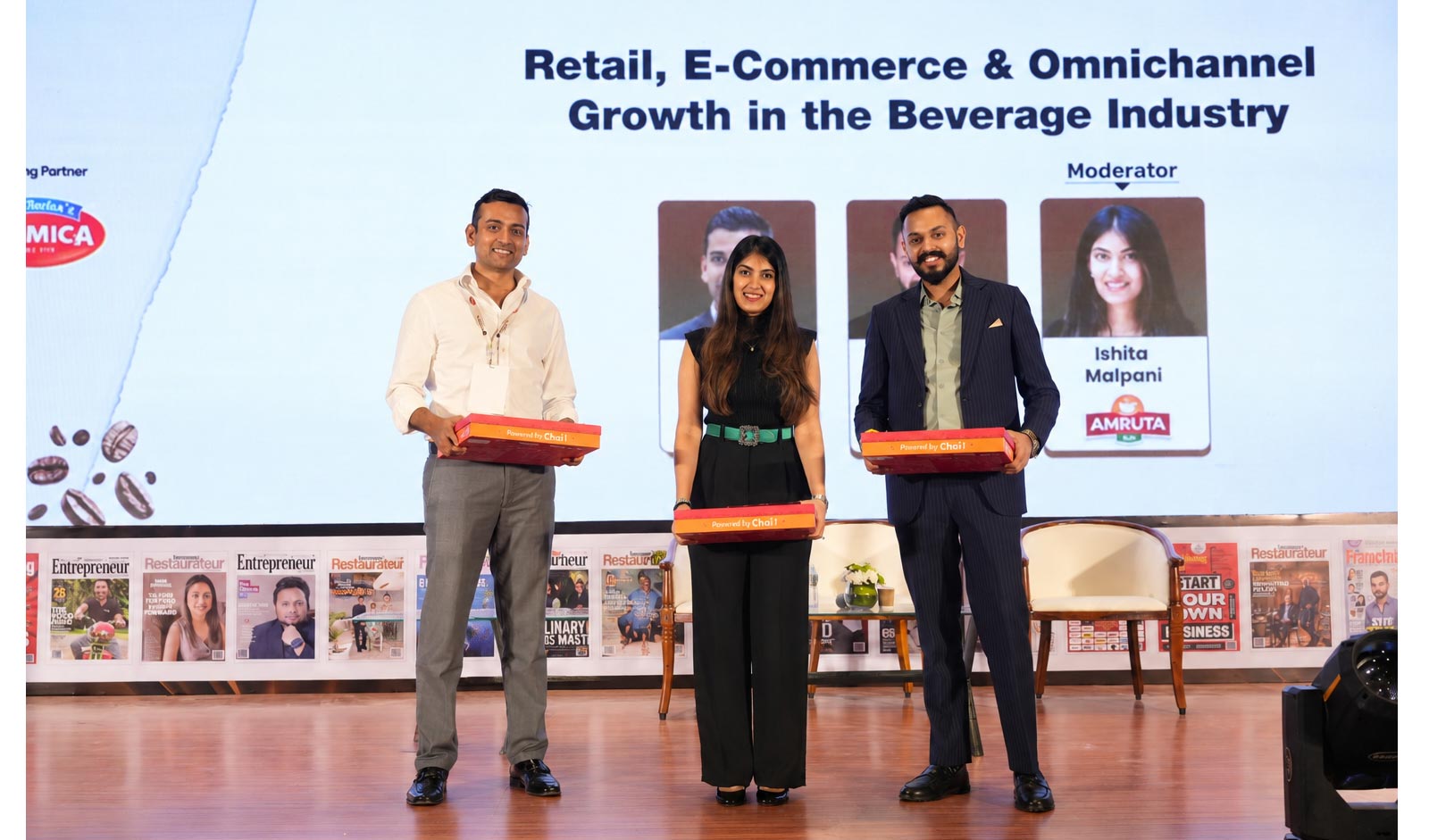
For decades, success in India’s FMCG sector was built on distribution strength, retailer relationships and the ability to put products within consumers’ reach. Today, that formula is evolving. Quick commerce, e-commerce and emerging retail formats are changing how consumers discover brands, compare products and make purchasing decisions, creating new opportunities for both established businesses and digital-first players.
For traditional companies, the challenge is to modernise without losing the strengths that have sustained them for generations. For newer brands, the opportunity lies in using these emerging channels to build visibility and compete with established players. But as the number of platforms grows, so does the need for sharper channel selection, differentiated products and sustainable unit economics.
Entering Digital-First Era
For legacy FMCG businesses, the transition to digital channels is not about abandoning general trade but expanding beyond it. Kanav Bansal, Director, Ginni Tea, whose family business has built a strong presence in North India over five decades, highlighted the importance of combining established distribution networks with newer retail formats.
“Distribution is the key to your product. Product quality should be there, but distribution is a major factor,” he said, reflecting on the transition from traditional retail to e-commerce, quick commerce and the HoReCa segment.
Having spent the last seven to eight years expanding the business into newer channels, Kanav sees quick commerce as a significant turning point for FMCG brands. While traditional retail remains fundamental, digital platforms are changing how brands reach consumers and compete for attention.
The shift is equally significant for new-age businesses. According to Laukik Bothara, Founder & CEO, Colombian Brew Coffee, Didier & Frank Chocolates, and Christopher Cocoa, India's quick commerce ecosystem has created opportunities that have been difficult to replicate in several other markets. With consumers able to access a wider assortment of products, established brands no longer enjoy the same advantage simply because of their distribution reach.
“Fundamentally, what changed in India was that quick commerce actually worked,” Bothara said. “The customer was choosing established brands in retail because there wasn't much choice. But when given a choice, which quick commerce is providing, a lot of new-age brands are flourishing and distribution is completely democratised.”
Bothara's own brands, launched in 2018, have expanded across quick commerce and built a presence in the aviation sector, with their coffee and hot chocolate served by airlines including IndiGo and Akasa Air. Their journey illustrates how brands can use specialised distribution channels to reach consumers beyond conventional retail.
For businesses such as Amruta Tea, which has a legacy of more than 35 years within Malpani Group's century-old FMCG operations, the opportunity also lies in bringing modern systems and processes into an established business. Ishita Malpani, Managing Director and CEO of Amruta Tea described modernising a traditional operation as a key part of her journey, highlighting the role of technology and data in driving organisational change.
Writing New Story
As brands expand across multiple platforms, growth alone is no longer enough. Managing customer acquisition costs, protecting margins and identifying the right channels have become critical to building sustainable businesses.
Bothara believes profitability begins with sound unit economics rather than excessive spending to acquire customers.
“If your price structure already includes all your margins and schemes, and your advertising spend is under control, every SKU will make money,” he said. “In the tea and coffee or food and beverage space, acquiring a customer once and paying a five-to-ten-times premium to acquire them can lead to bad unit economics in the future.”
For Kanav, product differentiation offers another way to improve customer acquisition and retention without relying entirely on discounts and promotions. His business has introduced flavoured tea variants, including masala, rose and cardamom, to give consumers a distinct reason to try the products.
“If I am investing in marketing, the customer may try my product once. But if the product offers something different, such as masala tea with additional spices or cardamom tea with actual cardamom, there is a stronger reason for the customer to return,” he explained.
The strategy underscores an important distinction: while discounts may encourage a first purchase, a differentiated product can help build repeat consumption and brand loyalty. Channel selection is equally important. Rather than spreading investments across every available platform, Bothara recommends understanding the size, growth trajectory and consumer relevance of each channel before allocating capital.
“Understanding which of your channels are top-performing is one of the most critical things,” he said, pointing to the importance of identifying where future demand is likely to emerge.
He also highlighted the potential of the aviation channel, where airline fleet expansion can create longer-term opportunities for suppliers. For brands, such partnerships demonstrate why distribution planning must consider not only present sales but also the future growth of the channels they serve.
Ultimately, India's evolving retail landscape is creating a more competitive but also more accessible FMCG market. Legacy businesses bring established distribution networks and consumer trust, while new-age brands bring agility, differentiated products and an appetite for emerging channels. The brands best positioned to succeed will be those that combine these strengths with disciplined spending, data-led decisions and a clear understanding of where their consumers are headed.
Nusra
Consultant Associate Editor
A seasoned journalist with more than a decade experience in restaurant and retail business. I eat, drink, breathe and sense food as a source of my living and lifestyle. A foodie by birth and a journalist by choice. I started my career with Hindustan Times doing hard news, moving into features and finally landing myself in a food coma. Love to talk, hear and publish all food stories that makes anyone happy and hearty for more than a decade now. Apart from food, I love reading fiction, helping others and finding joy in little things...