How Probiotics and Fermented Foods Can Boost Gut Health
A healthy gut indicates that your digestive system is performing well. It is an essential component of our body's general wellness. A healthy stomach can boost your immunity, so you won't get ill as often. It also affects our mental health and overall well-being.


As of 2025, people are becoming more health-conscious and looking for innovative ways to improve their health. Going to the gym to burn calories, practicing yoga for mental and physical health, and food planning for a balanced, calorie-free diet. People are doing everything necessary to stay in excellent health. However, in the midst of all of this, we sometimes overlook one critical aspect of becoming healthy. That is, our gastrointestinal health. A healthy gut indicates that your digestive system is performing well. It is an essential component of our body's general wellness. A healthy stomach can boost your immunity, so you won't get ill as often. It also affects our mental health and overall well-being.
So, how can we improve our gut health? Scientists all over the world have discovered that probiotic-rich meals, often known as fermented foods, have a significant impact on gut health. They not only aid in improving our gut health, but they can also help to reverse it. But why can probiotics and fermented foods improve gut health? If you don't know, don't worry; in this article, we'll go over why probiotic and fermented foods are beneficial to gut health, as well as which foods contain these traits.
What's new: How to design a menu card for your restaurant
What Exactly is Gut Health?
Before we move further, let’s take a look at what a preferred gut health is. Your gut is home to many kinds of microorganisms, collectively known as the gut microbiome. This community consists of both good bacteria (Probiotics) and bad bacteria. A healthy gut is characterised by a wide variety of different microorganisms. But there should be more beneficial bacteria than the bad ones. Also, the gut barrier, which is a lining on stomach walls that protects undigested food particles and toxins from entering the bloodstream, should be intact.
Sometimes the balance of a healthy gut is disrupted due to various reasons, like stress, poor diet, antibiotics, or environmental toxins. In such a situation, the harmful bacteria start to flourish, and it leads to a situation called Dysbiosis. This situation is linked to various health issues like:
- Digestive problems
- Mood disorders
- Weakened immune system
- Skin conditions
- Metabolic issues
- Chronic inflammation
Read more: The Best Bar POS Systems: 10 Must-Have Features (2025)
What are Probiotics?

The World Health Organization (WHO) defines probiotics as "live microorganisms that, when administered in adequate amounts, confer a health benefit on the host." These microorganisms are mostly yeast and bacteria and are referred to as good or beneficial bacteria. Once an adequate amount of probiotics is consumed, they fight for space with the bad bacteria and take control of the gut. Once there is an adequate amount of good bacteria in your gut, your stomach automatically becomes stable. Probiotics are mostly found in fermented foods and some supplements.
Key characteristics of probiotics:
- Live and Active: When consumed, they must be alive and able to survive the stomach's severe acidic environment before reaching the bowels.
- Specific Strains: Different strains (such as Lactobacillus acidophilus and Bifidobacterium bifidum) have different benefits.
- Adequate Amounts: To be effective, they must be taken in large enough numbers (measured in Colony Forming Units or CFUs).
Read more: Why You Should Consume 1 Coconut Daily During Summer
What are Fermented Foods?
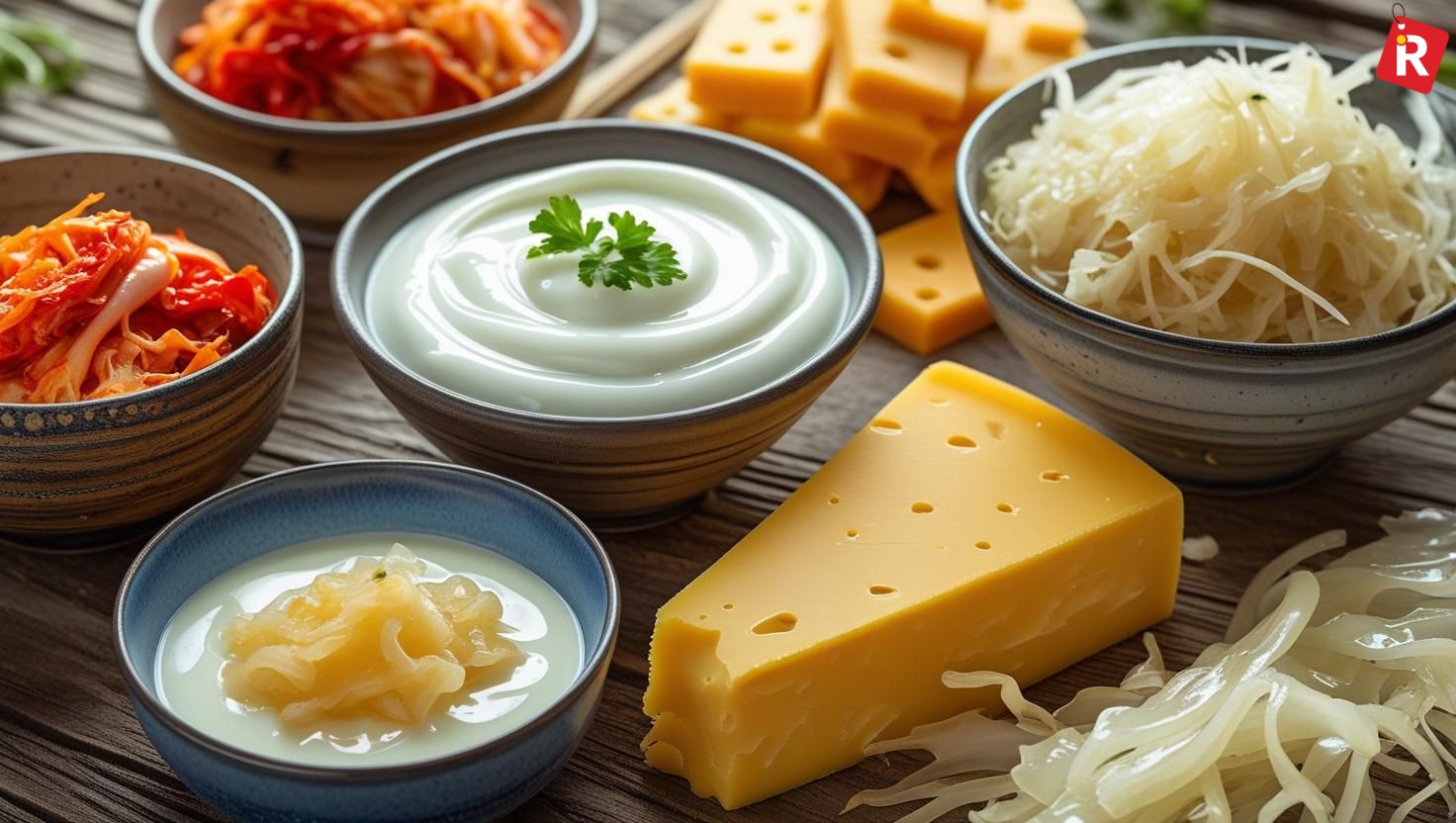
Fermented foods are products of regulated microbial development in which beneficial bacteria, yeasts, or molds transform carbohydrates into alcohol, gases, or organic acids. This technique not only preserves the food, but it also improves its flavor, digestibility, and nutritional value.
Key characteristics of fermented foods:
- Naturally Rich in Microbes: They include a wide range of live microorganisms, albeit the specific strains and amounts can differ greatly.
- Enhanced Nutrition: Fermentation can boost nutrient bioavailability, create new vitamins (such as B vitamins and K2), and degrade antinutrients.
- Improved Digestibility: Microbes predigest part of the complex carbs and proteins, making the food simpler on your system.
- Flavor Development: Fermentation produces distinct, often tangy or umami flavors.
While many fermented foods include probiotics, not all of them are probiotic-rich. For a fermented product to be considered a substantial source of probiotics, the microorganisms must be alive and present in sufficient quantities when consumed.
What's new: 10 Benefits of Turmeric in Your Daily Life and Top Brands to Pick
History of Fermented Foods
Fermented foods may have been around from the beginning of humanity. Fermentation is distinguished by its ability to be preserved for extended periods. So, humans all around the world have employed various fermentation techniques to store products such as wheat, vegetables, and dairy.
The first fermented foods were most likely discovered purely by chance. Consider early humans preserving surplus milk in animal bladders or leaving fruit in simple containers. Over time, naturally occurring yeasts and bacteria would start to act on the sugars and change them. The "spoiled" milk may have become acidic and thick (like early yogurt), or the abandoned fruit juice may have bubbled into an intoxicating brew.
These serendipitous findings would have been revolutionary. Not only did these new substances have distinct aromas and textures, but they also lasted longer than their fresh equivalents. In a world without refrigeration, this preservation capability was nothing short of miraculous, assuring food security and allowing early societies to stockpile provisions for tough times.
How Probiotics & Fermented Foods Work Their Magic in Your Gut
The processes by which these beneficial bacteria contribute to gut health are complex and amazing:
- Balancing the Microbiome: They compete with harmful bacteria for space and nutrients, which helps to create a healthy balance and suppress the growth of pathogens.
- Strengthening the Gut Barrier: Probiotics help to repair the intestinal wall, preventing “leaky gut” and reducing the entry of toxins and undigested food into the bloodstream. This is a crucial process for overall immune health.
- Producing Beneficial Compounds: They create short-chain fatty acids (SCFAs), such as butyrate, acetate, and propionate. Butyrate, in particular, is the primary fuel source for gut cells, helping to reduce inflammation and maintain gut integrity.
- Aiding Digestion: They assist in breaking down complex carbohydrates, fibers, and even lactose. This process helps in improving nutrient absorption and reducing digestive problems like bloating and gas.
- Boosting the Immune System: The gut contains a large amount of your immune system. Probiotics work directly with immune cells, regulating immunological responses and improving the body's ability to fight infections.
- Synthesizing Vitamins: Certain probiotic strains can create critical vitamins, including B vitamins (B12, folate) and vitamin K2, which are required for a variety of biological processes.
- Influencing Mood & Cognition (Gut-Brain Axis): The gut and brain can communicate via the vagus nerve and various neurotransmitters. Probiotics influence the production of neurotransmitters like serotonin (a large percentage of which is produced in the gut) and GABA, potentially impacting mood, stress levels, and cognitive function.
Read more: How to design a menu card for a Hotel: 10 Things not to Skip
Top Probiotic and Fermented Food Sources for Optimal Gut Health
Various food products are rich in probiotics, and a wide variety of fermented food products are available across the world. Let’s take a look at them.
Dairy-based delights:
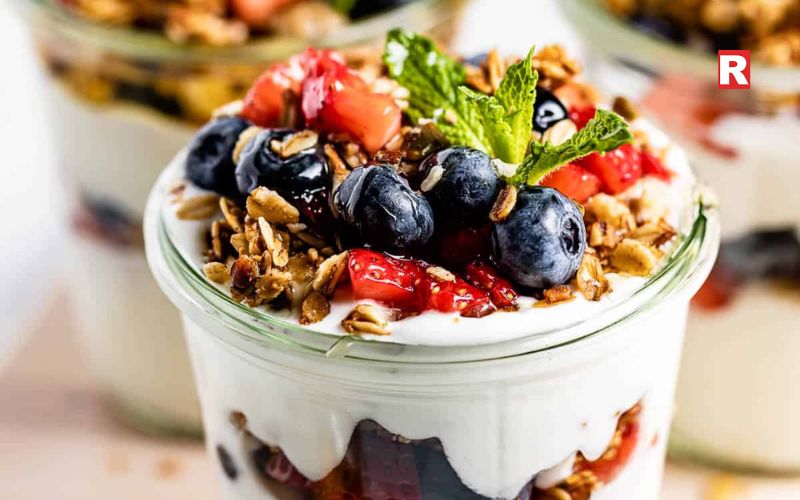
- Yogurt (Dahi) is the most frequent and accessible source. Look for yogurts branded as "live and active cultures" or "probiotic." Homemade dahi is good because it includes a lot of living germs. In India, dahi is a staple and an excellent daily source.
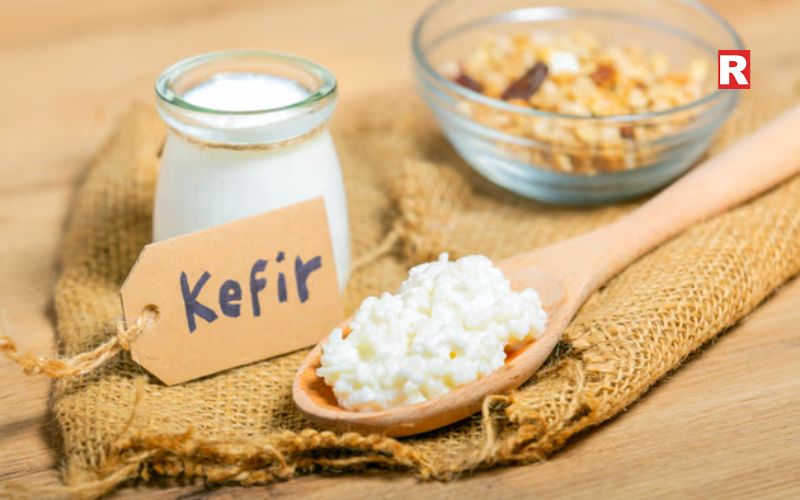
- Kefir is a fermented milk drink that is thinner in consistency than yogurt and contains a greater range of bacteria and yeasts. It has a tart, slightly fizzy flavor.
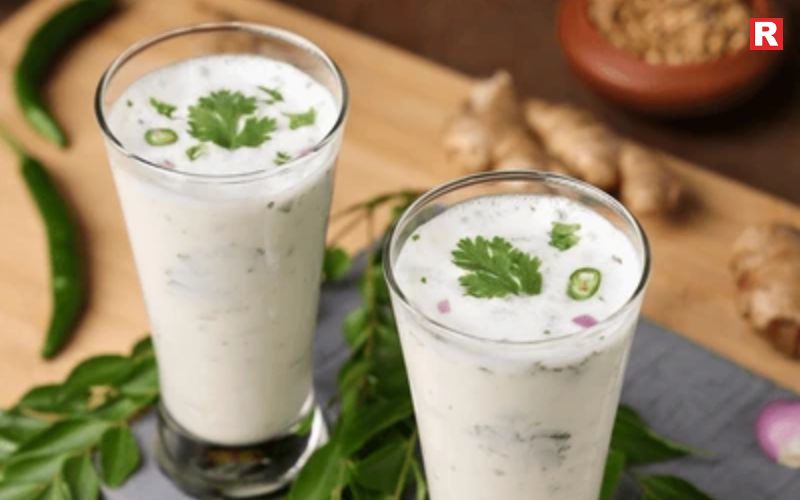
- Buttermilk (Chaas/Lassi): Traditional Indian chaas (savory buttermilk) and lassi (sweet or savory yogurt drinks) are delicious fermented choices, especially when made with freshly cultured dahi.
Vegetable & Grain Ferments:
- Kimchi is a typical Korean side dish made from fermented vegetables, including Napa cabbage and Korean radish, with various flavors. Known for its fiery, acidic flavor and high probiotic content.
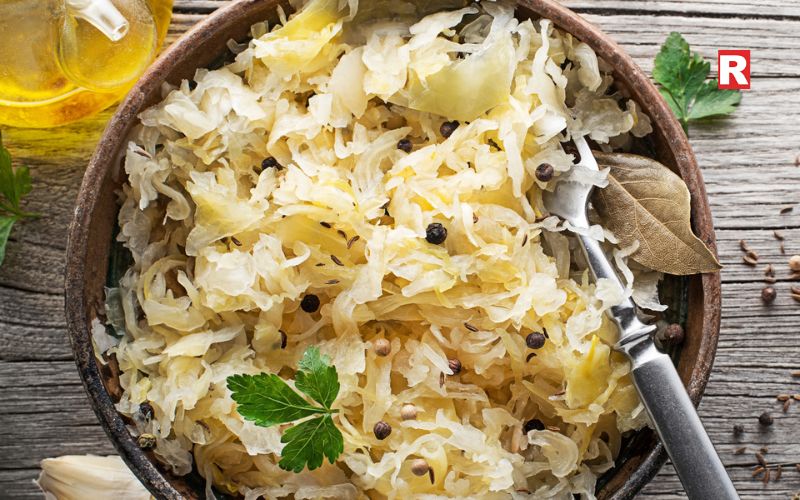
- Sauerkraut is fermented cabbage that is a mainstay in Central European cuisine. Simple to prepare at home with only cabbage and salt.
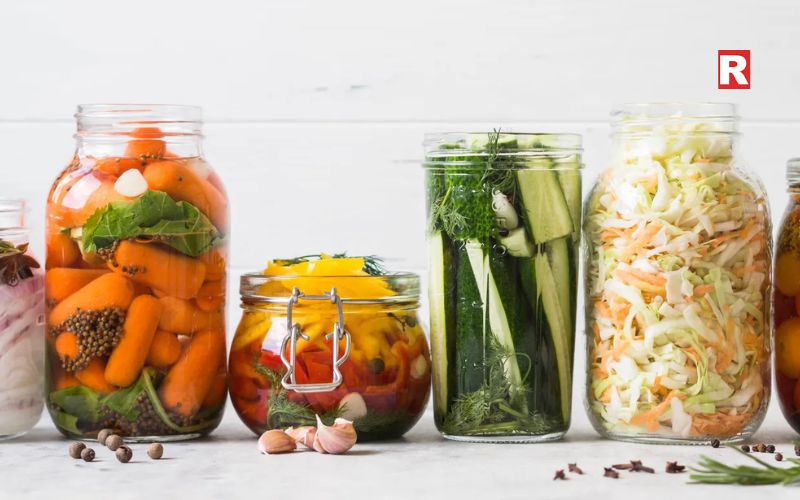
- Pickles (Naturally Fermented): Not all pickles undergo fermentation. Look for "lacto-fermented" pickles (prepared with salt and water rather than vinegar) that are kept refrigerated. Many traditional Indian achaar (pickles) were previously lacto-fermented, but modern commercial variations frequently employ vinegar, which does not contain living microorganisms.
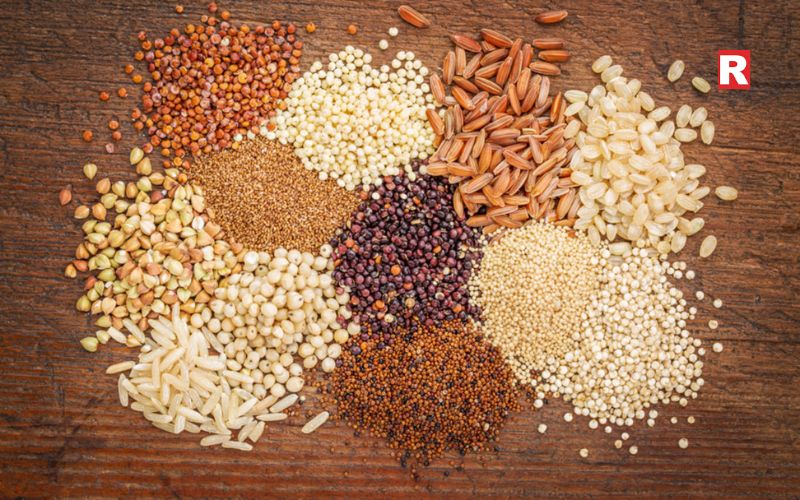
- The fermented rice and lentil batter used in the classic South Indian meals like Idli and Dosa contains a high concentration of beneficial microorganisms, notably Lactobacillus species. An authentic Indian probiotic powerhouse.
- Like idli/dosa, the fermentation process of Appam/Dhokla batters (appam, a lacy rice pancake, and dhokla, a savory steamed cake) contributes healthy bacteria.
- Kanji, a traditional North Indian fermented drink prepared with black carrots, mustard seeds, and spices that is popular throughout the winter. A unique Indian fermented beverage.
Beverage Ferments:
- Kombucha, a sweetened tea fermented with a SCOBY (Symbiotic Culture of Bacteria and Yeast), is a sour and slightly effervescent beverage. Flavors can vary greatly.
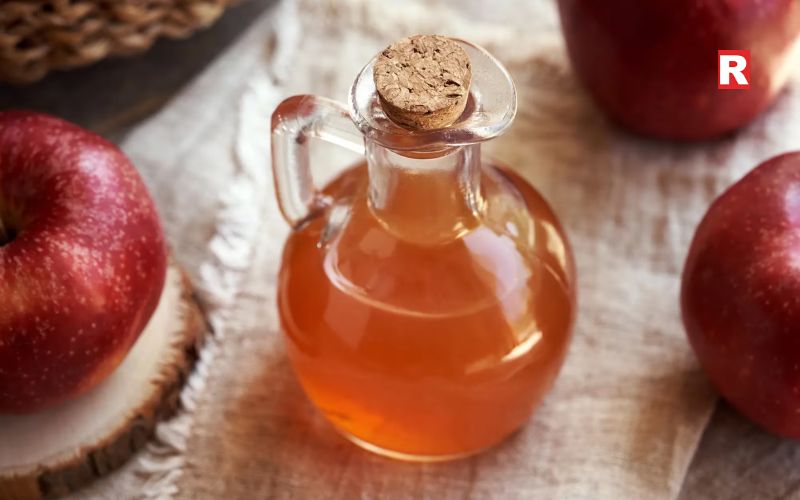
- Apple Cider Vinegar (with "The Mother"), while not as high in probiotics as yogurt, ACV with the hazy "mother" has some helpful bacteria and enzymes that can help with digestion and create a more friendly gut environment.
Taking Care of Your Inner Health
The gut is frequently where the path to optimal health starts. In June 2025, the research is clearer than ever: fermented foods and probiotics are scientifically proven allies in promoting a healthy and balanced gut microbiota, not just passing health trends. Including these living foods in your daily routine gives a tasty and convenient method to improve digestion, immunity, mood, and general vigor. You can enjoy the soothing warmth of homemade dahi or the tart zest of a new kombucha flavor.
Start growing your inner garden now by embracing the age-old wisdom that is being guided by contemporary science. Your entire body, including your gut, will appreciate it.
Mahak Sharma
Content Writer
Mahak Sharma is a passionate content writer with 2 years of experience crafting compelling content across various niches, tailoring her writing to suit different audiences and platforms. She is dedicated to producing engaging content for readers so that they can understand and enjoy the articles. Her strengths lie in crafting SEO-friendly, well-structured articles that drive visibility and engagement.