
How Passion-Driven Restaurants can Deliver Measurable Outcomes
Sustainability is now part of the operating model. Kitchens designed to reduce waste, bars that recycle, and partnerships with local producers improve efficiency and signal responsibility.

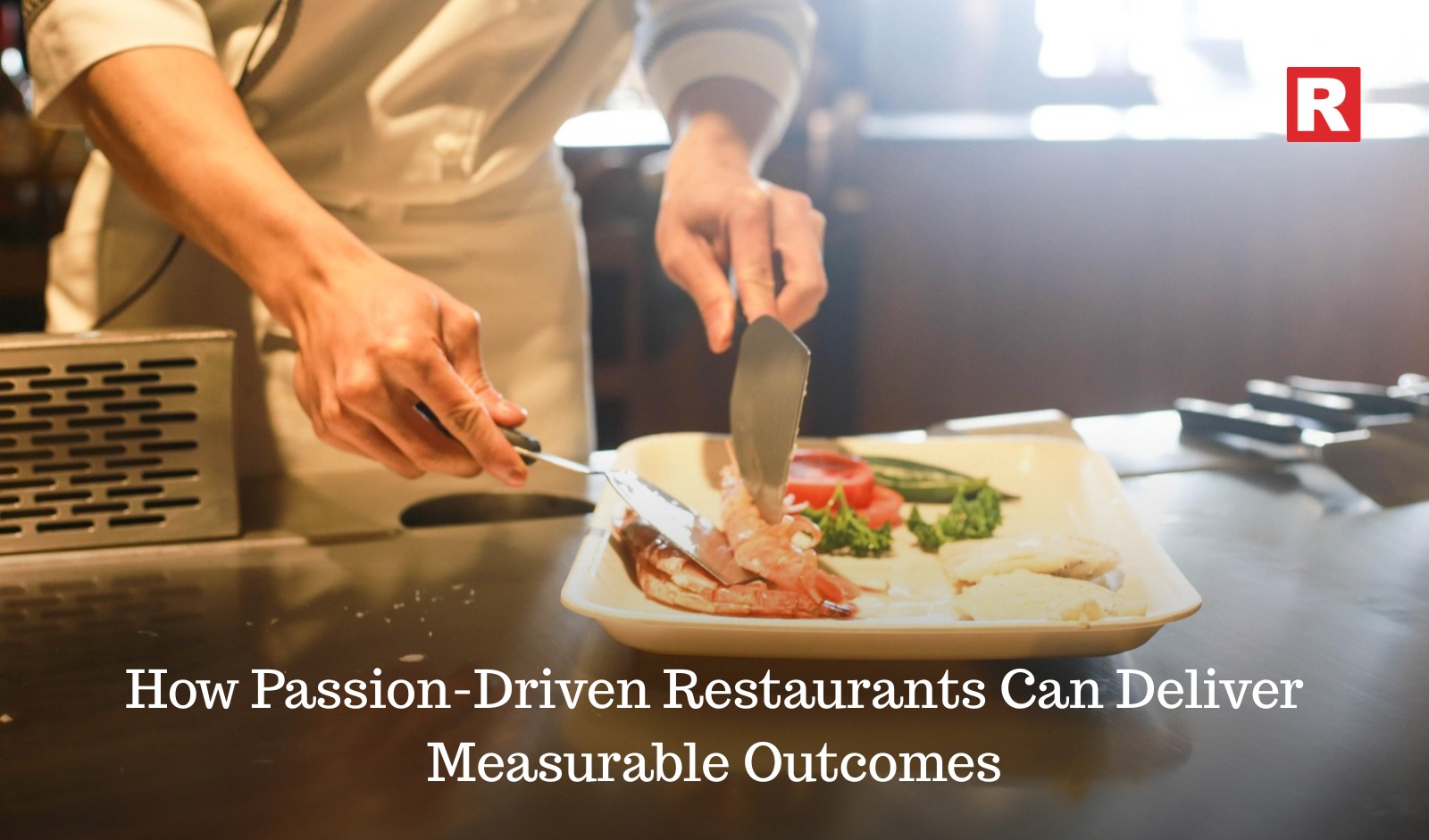
Opening a restaurant rarely begins with fanfare. Long before guests arrive, kitchens drill recipes, teams rehearse pacing, playlists are tested, and managers time the sequence of courses. Passion may spark the idea, but what determines survival is how that energy gets converted into systems. When enthusiasm is organised into daily routines, the results appear in ways operators can measure: occupancy rates, sales figures, staff retention, and reputation.
Building loyalty and service excellence
Patrons respond to sincerity. Menus that respect culinary roots, kitchens that stick to sourcing principles, and drinks programmes that connect to a clear story earn trust. That confidence translates into steady mid-week covers, guests who return without promotional nudges, and review scores that sustain credibility. Over time, enduring goodwill cushions revenue against fluctuations in demand.
Static offerings fade quickly. Restaurants that rotate seasonal specials, introduce festival menus, or refresh cocktail cards create anticipation among diners. These ideas are tested for feasibility; whether a new dish can survive a Saturday rush or a cocktail can be made reliably across bartenders. When imagination is matched with execution, average bills rise, premium pours gain traction, and specials generate coverage that money can’t always buy.
Performance on the floor depends on preparation. Mock service days, role-play sessions, and dry runs allow staff to practise guest interaction, table management, and recovery during peak hours. Bartenders refine measures, servers rehearse pacing, and kitchens align ticket timing.
Customers may not see the run-throughs, but they feel the effect when operations run without hesitation. Outcomes are tangible: higher satisfaction ratings, healthier tips, and reduced attrition.
Crafting memorable experiences and strong teams
Ambience plays a decisive role in memory. Lighting tuned for different hours, music that evolves through the evening, and seating arranged to avoid bottlenecks all influence how long people stay and whether they return. Operators who test these variables in advance often notice longer dwell times and a higher proportion of celebratory bookings. Such occasions lift per-head spending and anchor repeat visits.
Restaurants with a defined purpose stand out faster. A house known for its regional spread, a venue recognised for craft cocktails, or a space that signals design innovation gives diners clarity on what to expect. Online, this focus strengthens engagement and lowers acquisition costs. For owners, a clear identity makes expansion less risky, because the brand voice carries across formats.
High turnover, on the other hand, undermines both efficiency and profitability. Constant recruitment disrupts teams and unsettles returning patrons. Ventures that build culture through mentorship, tastings, and recognition keep employees longer. Stable crews preserve uniformity on the floor and in the kitchen. For management, the savings on hiring and training are concrete; for customers, familiarity breeds assurance.
Adapting to change and looking ahead
Stories spread faster than campaigns. A dish that surprises, a bartender who suggests something off-menu, or a gesture of attention that feels genuine often becomes material for conversations and social media posts. Referrals show up directly in booking sheets, and word-of-mouth builds community without additional advertising spend.
Hospitality also lives with volatility: crop shortages, rule changes, seasonal dips. Ventures guided by conviction adapt by trimming menus, switching layouts, or experimenting with delivery formats such as bottled cocktails. Continuity during downturns and quicker recovery afterward are the clearest measures of durability.
Sustainability is now part of the operating model. Kitchens designed to reduce waste, bars that recycle, and partnerships with local producers improve efficiency and signal responsibility. Guests reward such practices with repeat visits, and regulators view them favourably. Over time, operational costs fall and reputational value grows.
The coming years will see restaurants lean harder on data and technology. Reservation systems, delivery platforms, and POS analytics are already shaping decisions on staffing, pricing, and line-ups. Investors are showing greater interest in ventures where operational discipline is visible, because it indicates lower risk. Growth is also shifting to smaller cities, where consumers expect the same quality and consistency as metros. For operators, the opportunity lies in using these tools and markets to extend the reach of their ideas while keeping the conviction that sparked them.
Angad Chachra
Founder, The Bar Consultants









































