How Outdoor Seating is Transforming Restaurant Economics
As per reports, 55 percent of diners prefer outdoor seating in pleasant weather, while nearly 70 percent are willing to wait longer for an outdoor table.


Outdoor dining has transformed from a seasonal feature into a powerful long-term growth strategy for restaurants globally. Initially driven by pandemic-era safety needs, open-air dining is now firmly tied to changing consumer behavior, particularly among Gen Z and millennials who increasingly value experience-led hospitality.
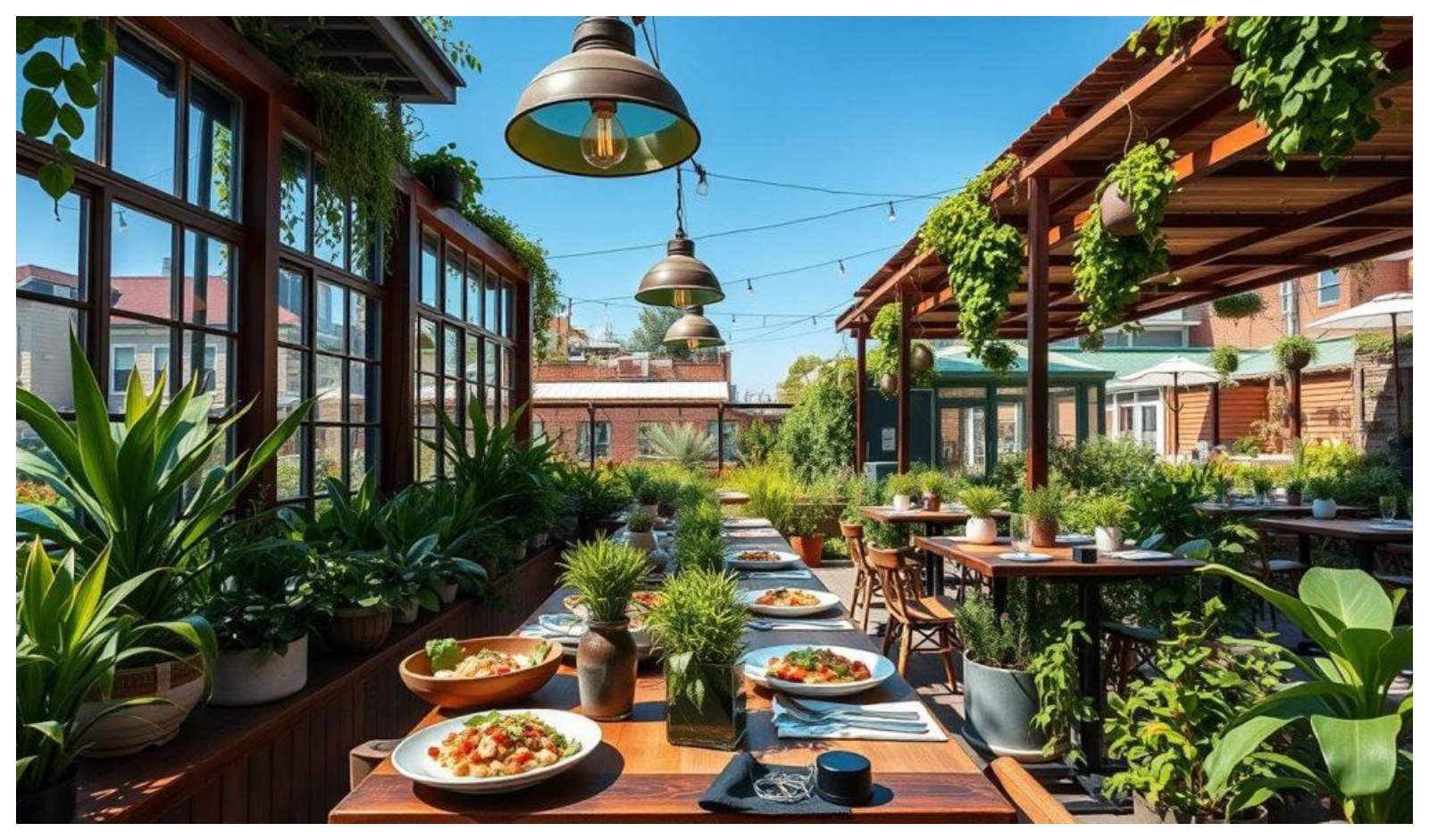
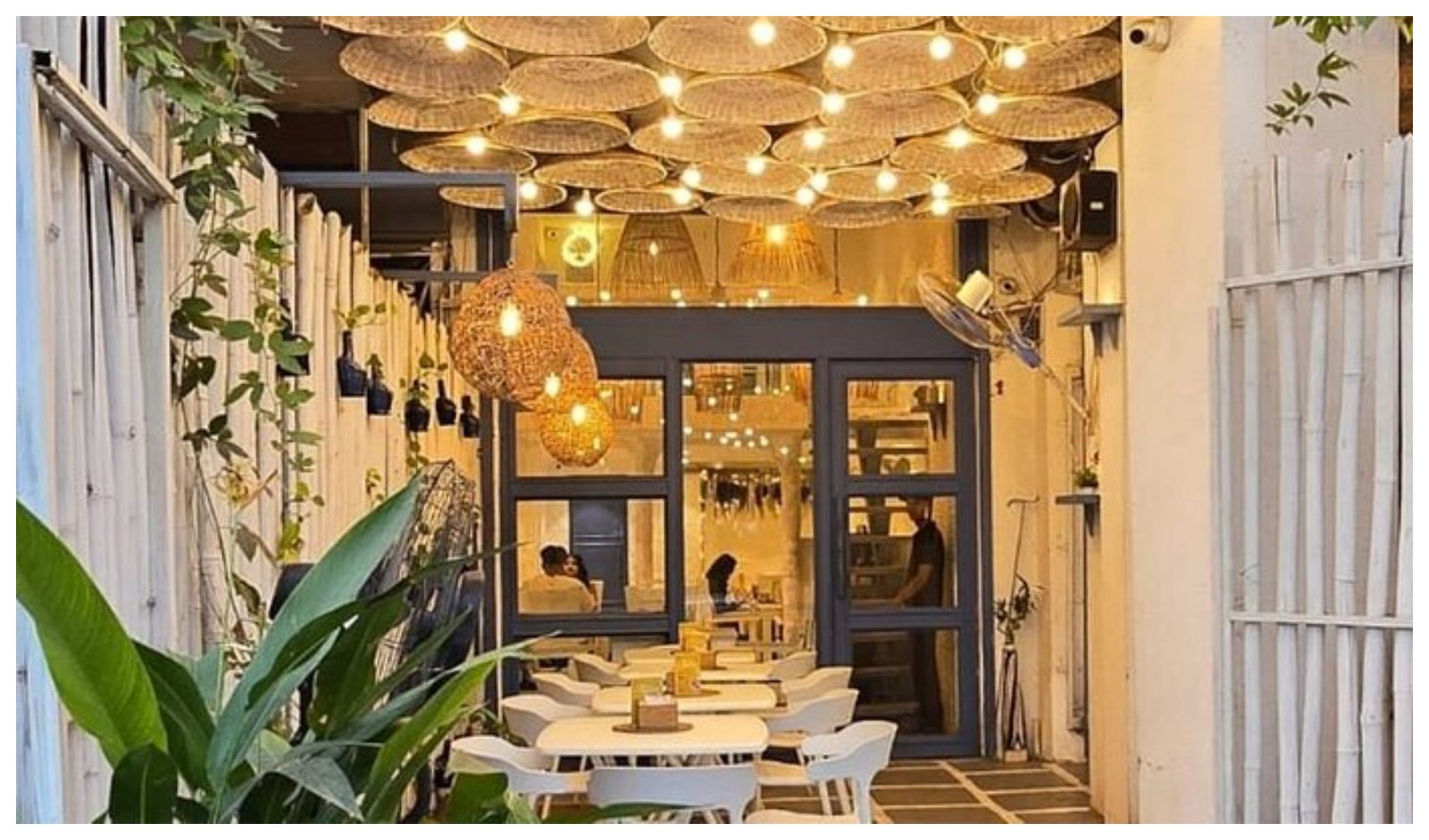
From rooftop bars and garden cafés to sidewalk patios and open-air taprooms, restaurants are investing heavily in outdoor spaces to boost seating capacity, enhance visibility, increase revenues, and strengthen customer engagement. As per reports, 55 percent of diners prefer outdoor seating in pleasant weather, while nearly 70 percent are willing to wait longer for an outdoor table.
Increases Revenue Capacity
Outdoor seating can increase restaurant seating capacity by 25 to 50 percent depending on layout and format. Expressing her views, Priyanka Jain, Director at Prasuk Jain Hospitality said, “Outdoor seating allows restaurants to maximize their usable space and accommodate more guests, especially during peak hours and weekends. It also enhances the overall dining experience by offering a more relaxed and open environment, which often encourages guests to stay longer and spend more.”
“From a commercial standpoint, outdoor space is often more cost-effective on a per square foot basis, allowing restaurants to increase seating capacity and revenue without significantly increasing rental costs. It is an efficient way to improve returns from a location,” added Virat Kapoor, Brand Owner of Sammy Sosa.
Expanding Outdoors/Rooftops
Rooftop hospitality has grown rapidly because consumers are increasingly looking for immersive and elevated experiences beyond traditional dining.
Rooftop venues can expand restaurant seating capacity by 25–40%. Outdoor patios in casual dining formats can increase guest capacity by 25–50%. Covered terrace spaces can contribute to a 15–35% rise in annual table turnover and revenue generation.
Eesha Sukhi, Founder of The Bluebop Cafe said, “Elements such as greenery, warm lighting, comfortable seating, seasonal décor, open-air layouts, music, and aesthetically designed corners significantly enhance the outdoor dining experience and encourage guests to spend more time at a restaurant while also driving social media visibility.”
"Pink Thursday on the terrace changed something for us. There's no other way to say it, watching that community gather outside openly in a city like Delhi, that felt liberating in a way that went beyond hospitality. And what we found was that Delhi, for all its harshness, actually hungers for open-air experiences precisely because they are rare here. When you get it right, the city rewards you for it," mentioned Vikas Narula, Founder, Depot48.
Jain pointed that post-pandemic, guests have shown a strong preference for open-air concepts that feel spacious, experiential, and lifestyle-driven.
Visually Appealing Outdoors
Visual dining has also become incredibly important in the social media era. Guests are drawn to spaces that feel experiential and aesthetically memorable.
Saeed Khan, Founder of Tikitii Goa said, “A beachfront setting with open skies and uninterrupted ocean views creates a strong emotional connection, which often translates into organic digital visibility through guest-generated content and online discovery. Adapting outdoor dining across seasons comes down to thoughtful design and flexibility.”
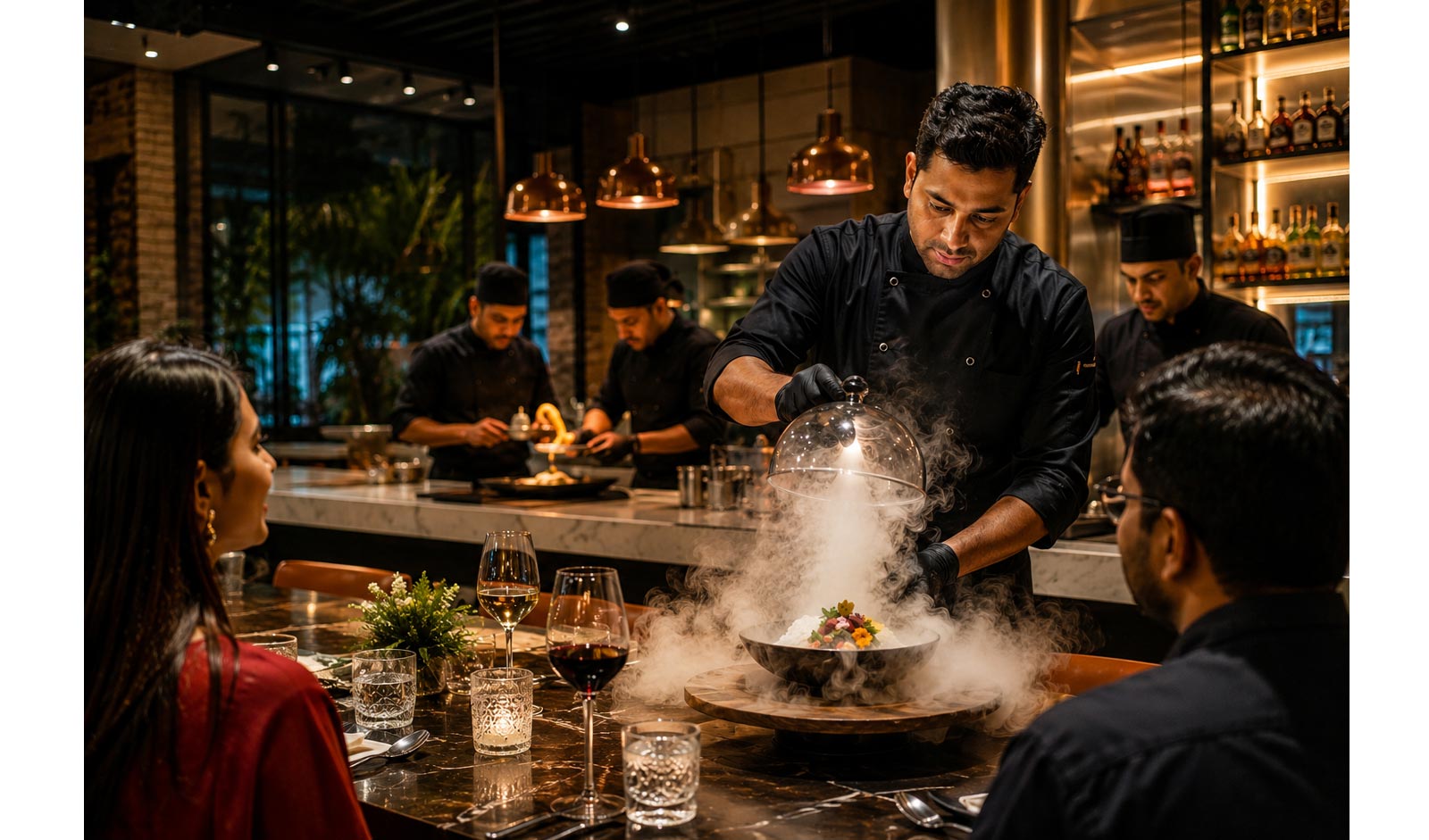
Other than outdoors on a food perspective, Fazar Qureshi, Founder & MD, F&F Hospitality said, “When it comes to food, people eat with their eyes first. The expectation theory suggests that without even tasting a dish, we are able to anticipate how it would taste based on how it looks.”
Reduce Restaurant Marketing Costs
Outdoor dining has become one of the most effective forms of low-cost restaurant marketing. A busy outdoor section acts as live advertising, signaling popularity, energy, and social credibility to passersby. Nearly 70% of diners choose restaurants based on Instagram-worthy aesthetics, while over 75% of Gen Z consumers discover new dining places through social media content. Nearly 90% of Gen Z diners prefer communal and social dining environments. Open-air spaces encourage group dining, conversations, and longer stays.
Adapting Outdoors Across Seasons
Restaurants adapt outdoor spaces across seasons by swapping elements for weather control—deploying retractable awnings and misting systems in summer, and insulated yurts, heavy curtains, and outdoor heaters in winter. It was also stated that diners stay 5% longer in outdoors, 10% more on spending revenue.
“Outdoor dining has officially evolved from a seasonal perk into a core element of modern restaurant strategy. Driven by consumer demand for relaxed, open-air experiences and biophilic design, new restaurant blueprints heavily prioritize patios, rooftop spaces, and seamless indoor-outdoor transitions as standard,” commented Qureshi.
Jain added, “Outdoor dining is no longer seen as an add-on but as an essential part of modern hospitality design so restaurants plan in advance to adapt to various seasons.”
Supports Economic Slowdown
Outdoor seating can expand a restaurant’s revenue-generating capacity by 25–50% without the cost of adding indoor infrastructure. Most restaurants continue to operate on thin net margins of just 3–6%, making lower-cost outdoor expansion financially attractive during slowdowns.
During periods of economic uncertainty, restaurants across markets have reported traffic declines between 20–40%, increasing the importance of experience-driven dining formats that attract discretionary spending. Beverage-led categories such as cocktails, beer, and brunch continue to remain critical profit drivers for restaurants, especially in outdoor and social dining environments.
The key challenges include regulatory ambiguity around licenses, weather conditions, humidity, pollution, and pests such as mosquitoes and flies. “These can be addressed through clear policies, mist fans, adequate cooling, and effective pest control. When executed well, outdoor dining enhances guest experience, brand visibility, and profitability,” highlighted Kapoor.
From a business perspective, outdoor seating helps optimise revenue capacity by increasing usable covers without significantly altering the indoor layout. As consumer preferences continue shifting toward experiential and open-air environments, outdoor dining is likely to become a standard feature in future restaurant planning and development.
Vijetha Iyer
Content Editor
Working as a Content Editor with Restaurant India. I have worked in various sectors like food and beverage sector, chemicals, pharma, nutraceuticals, now specially focusing on restaurant side. But my core knowledge was always on content. Be it writing poems to verses, I always loved writing and have been exploring my career on the same. In Restaurant India, I deliver insightful stories, take interviews of various brands and update the audiences about the newest happenings in the restaurant industry.