How New-Age Alcohol Brands Are Changing Drinking Habits
India’s alcohol market is now seeing strong growth in premium spirits, RTDs, craft beverages, and low-ABV products, especially among Gen Z and millennials.

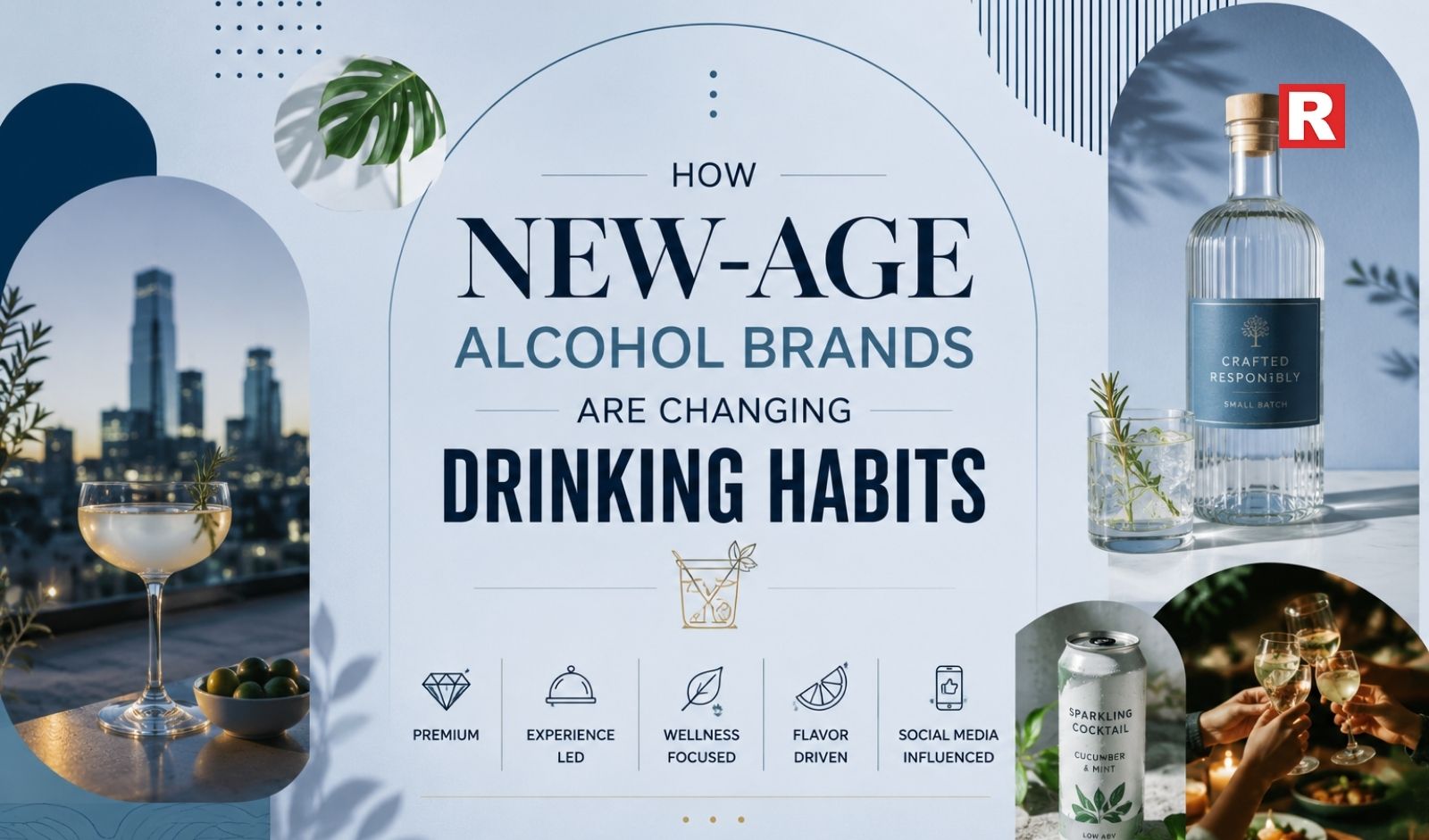
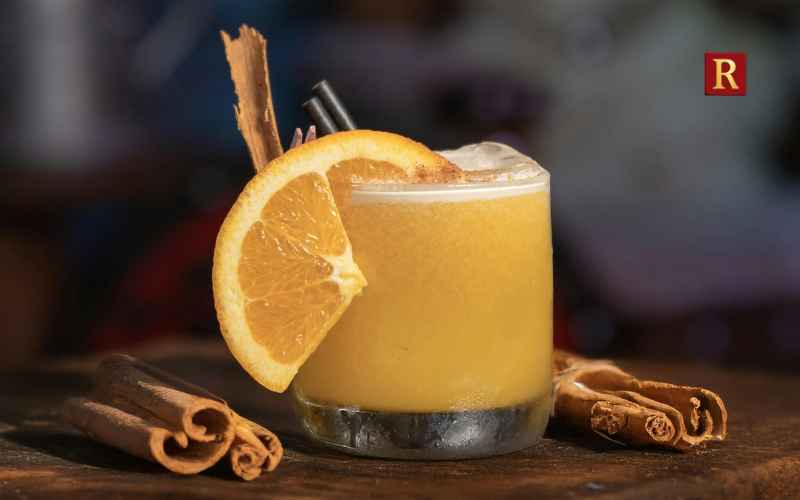
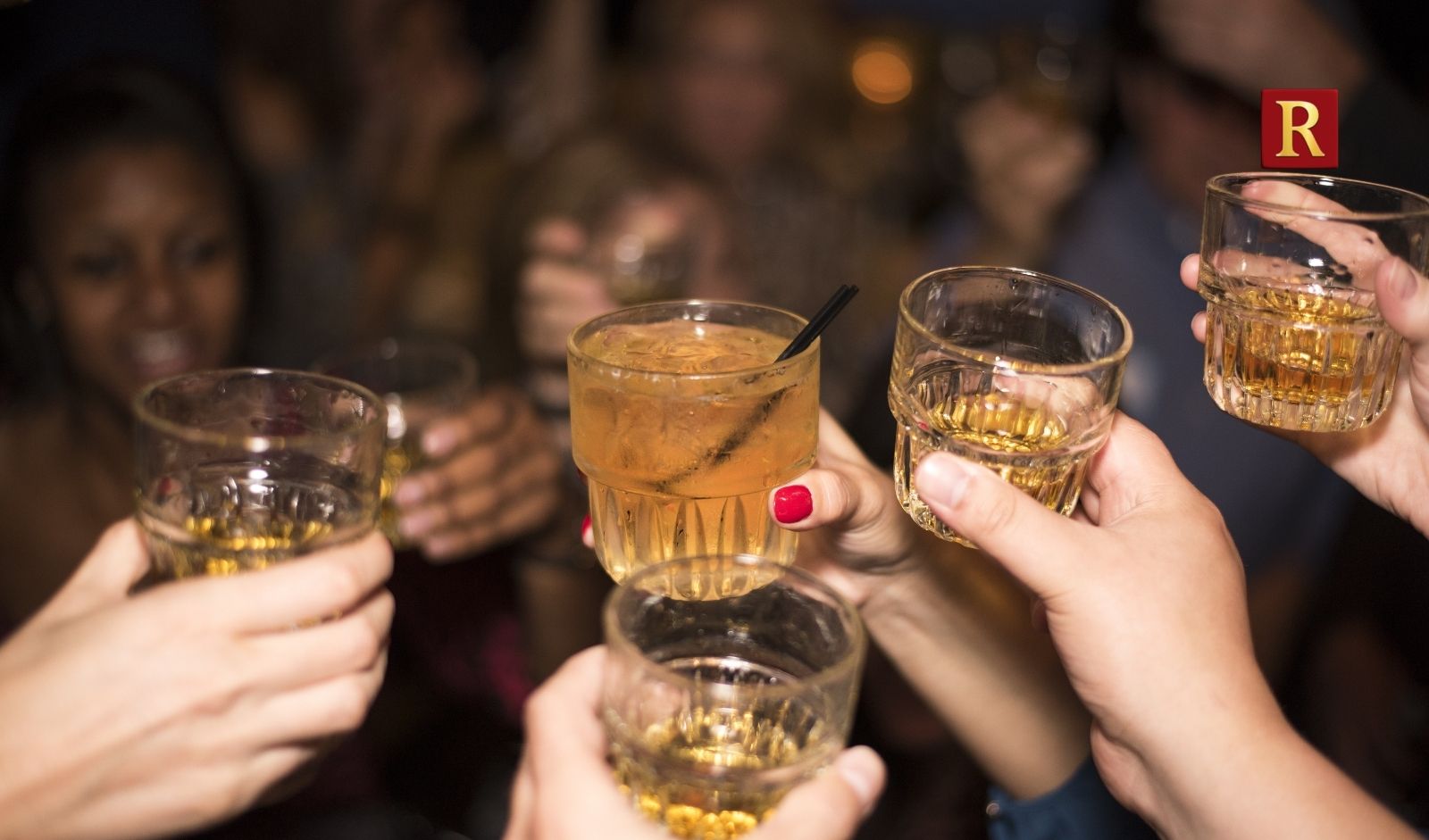
Alcohol culture is changing fast. The biggest shift is not that people have stopped drinking. It is that they are drinking differently. Younger consumers today are more selective about what they drink, where they drink, and why they drink. The focus is slowly moving away from quantity and moving toward experience, quality, wellness, and social identity. A few years ago, drinking was mostly associated with loud parties, heavy pours, and familiar labels. Today, things look very different. Consumers are ordering craft cocktails, trying canned drinks, exploring botanical spirits, and even alternating alcoholic drinks with non-alcoholic ones during the same evening.
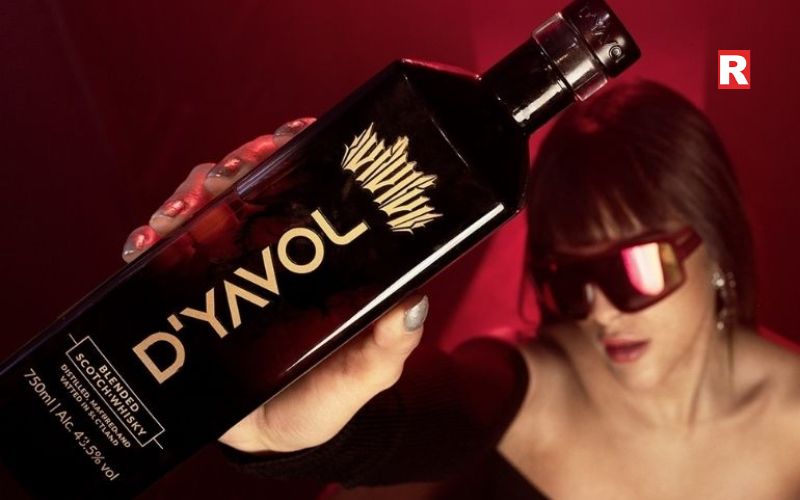
New-age alcohol brands are leading this shift. They are not just selling beverages anymore. They are selling experiences, aesthetics, communities, and lifestyles. India’s alcohol market is now seeing strong growth in premium spirits, RTDs, craft beverages, and low-ABV products, especially among Gen Z and millennials.
Drinking Is Becoming More Intentional
One of the biggest changes is intentional drinking. People are no longer drinking just because everyone around them is drinking. Consumers now think more carefully about what suits their mood, health goals, social setting, and personal image. For many young consumers, drinking has become occasion-based rather than routine-based.
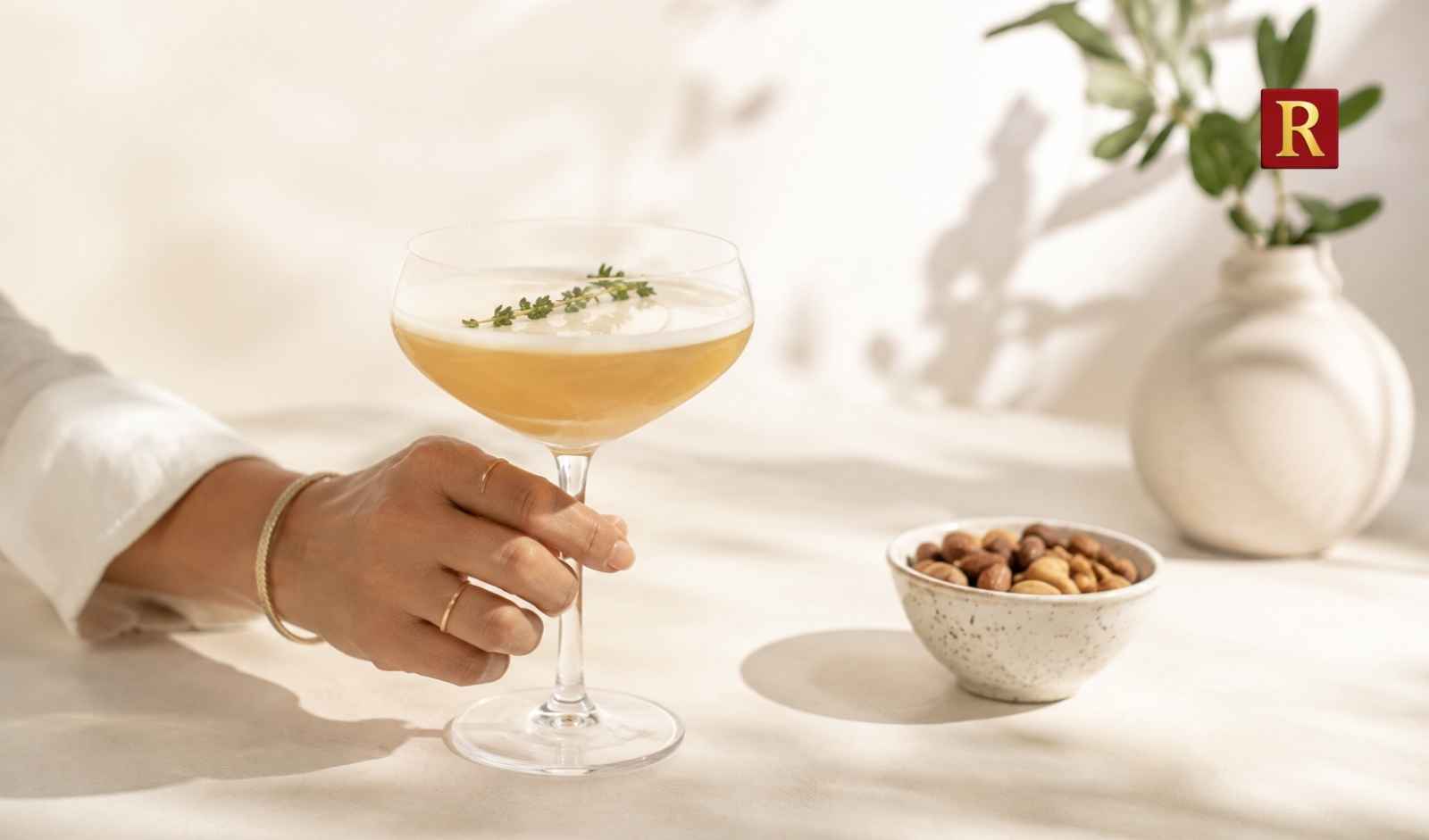
Instead of five random drinks at a club, many now prefer one well-made cocktail with premium ingredients. The idea is simple: better drinks, better experiences. Industry reports show that Gen Z consumers are shifting from “volume to value.” This shift is especially visible in urban India. Consumers are reading labels, exploring ingredients, and becoming more aware of flavors and craftsmanship. Today, ordering a drink has become part of self-expression.
Premiumization Is Reshaping the Industry
Premium alcohol is growing faster than regular mass-market categories.
Consumers are showing strong interest in:
- Craft gin
- Single malts
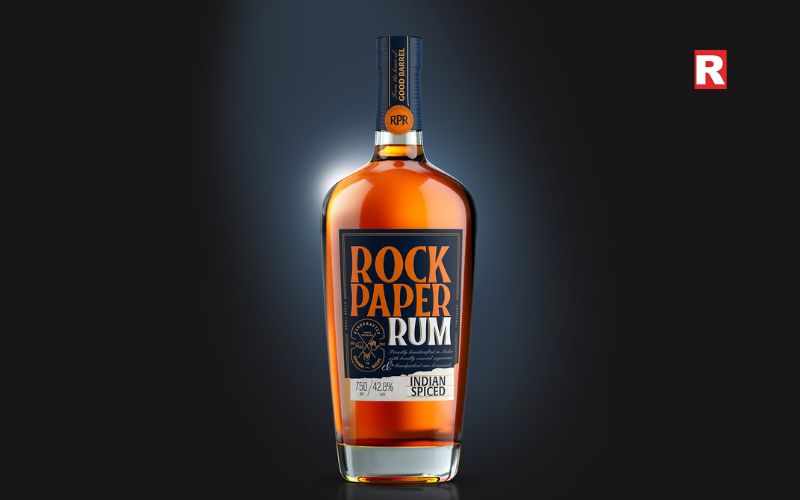
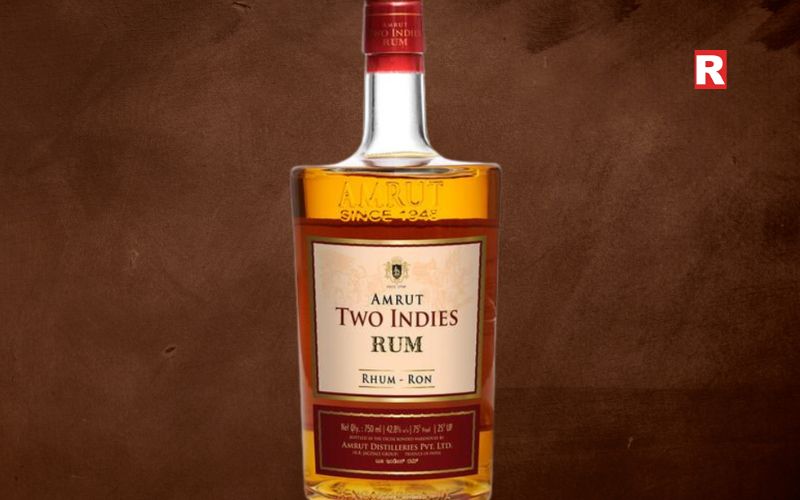
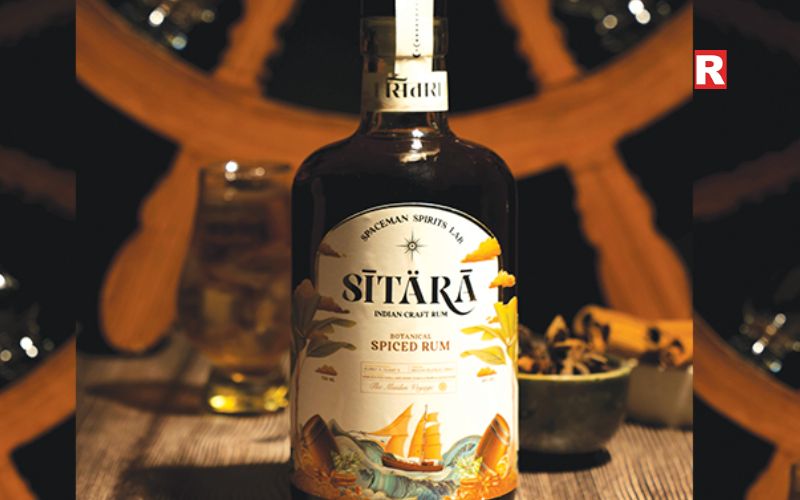
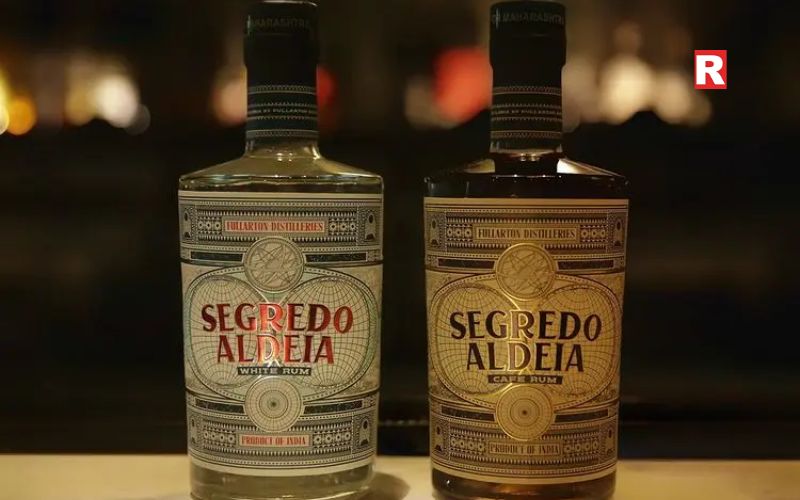
- Artisanal rum
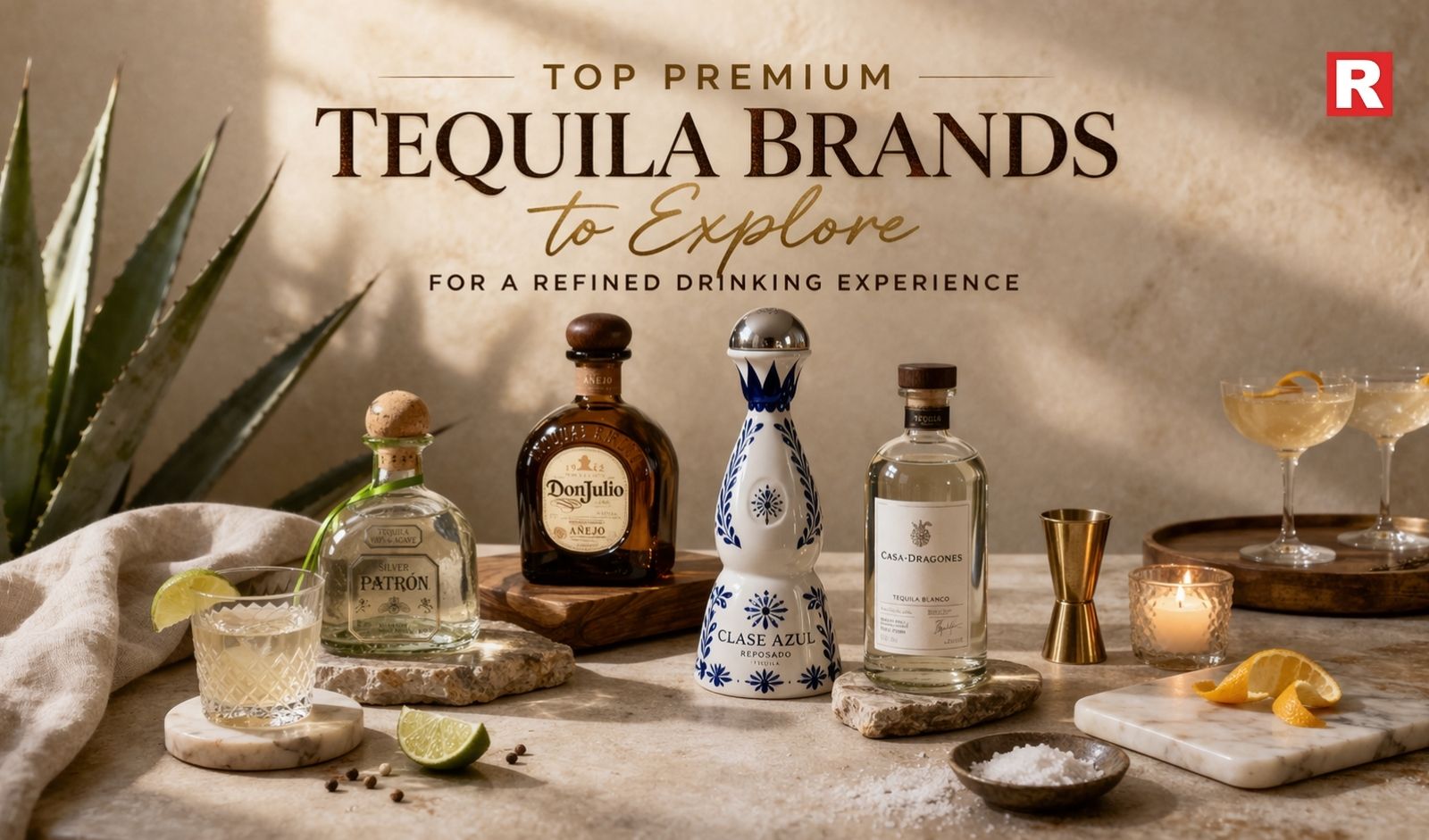
- Tequila
- Cocktail-focused spirits
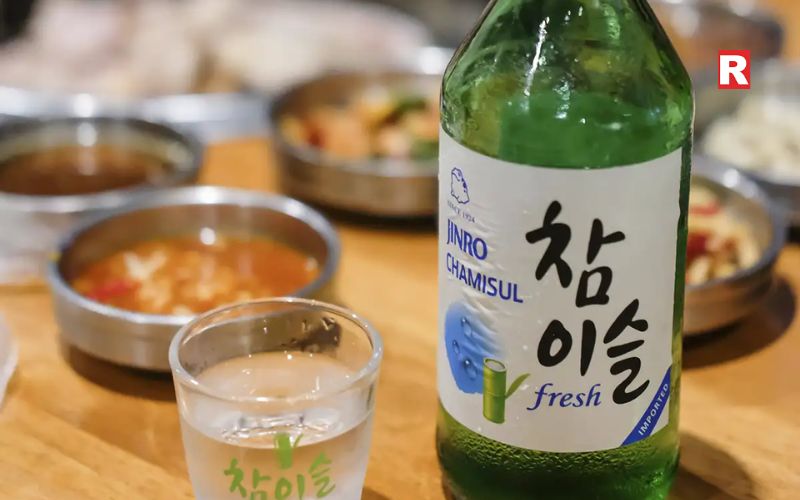
- Imported beverages
This trend is called premiumization. But premium today does not simply mean expensive.
Consumers now connect premium products with:
- Authenticity
- Better ingredients
- Storytelling
- Limited batches
- Regional flavors
- Better packaging
- Cultural identity
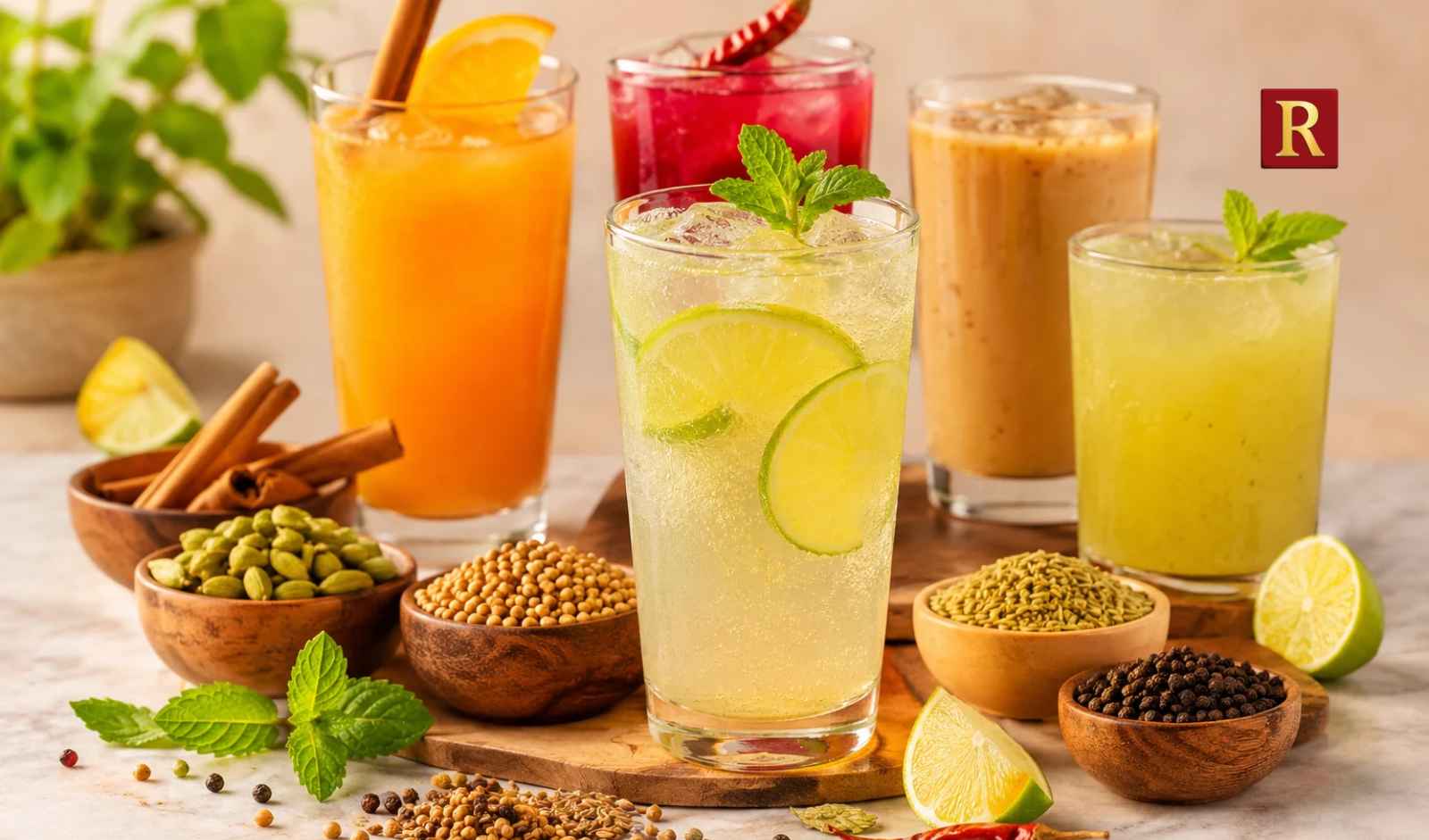
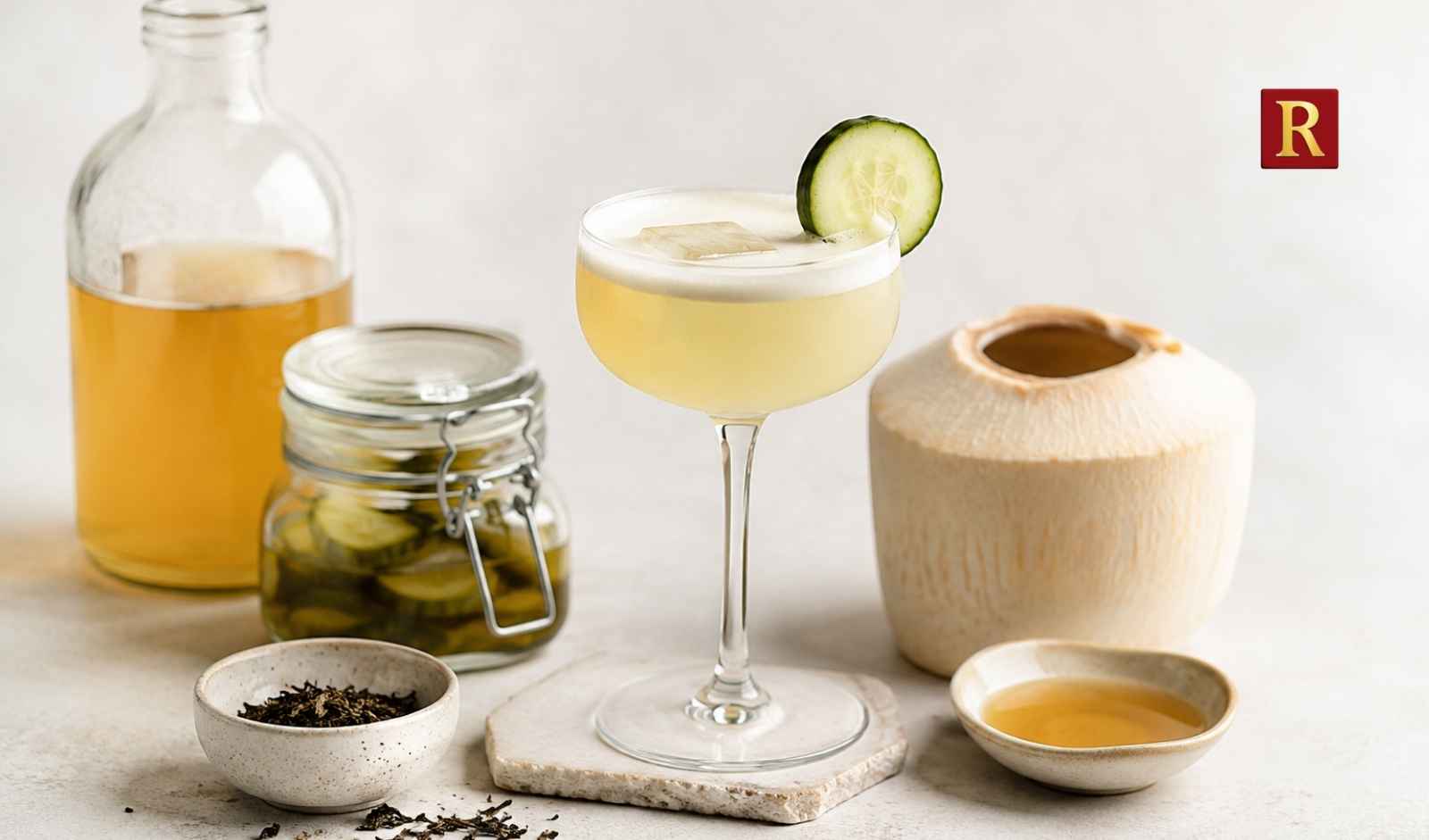
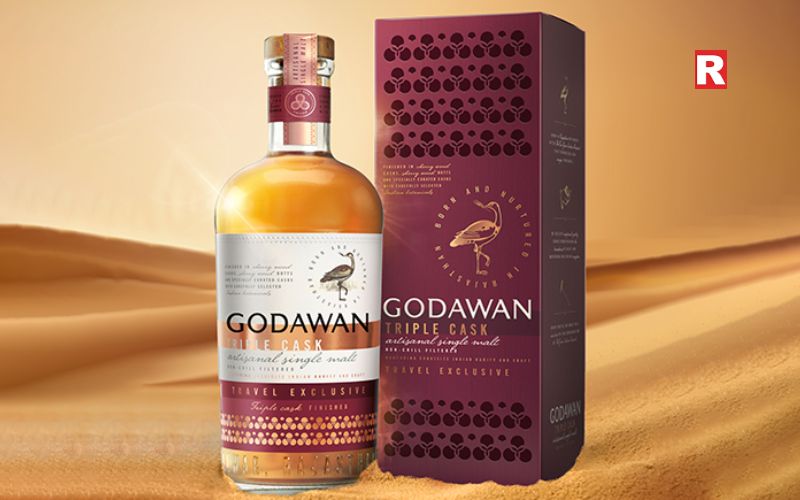
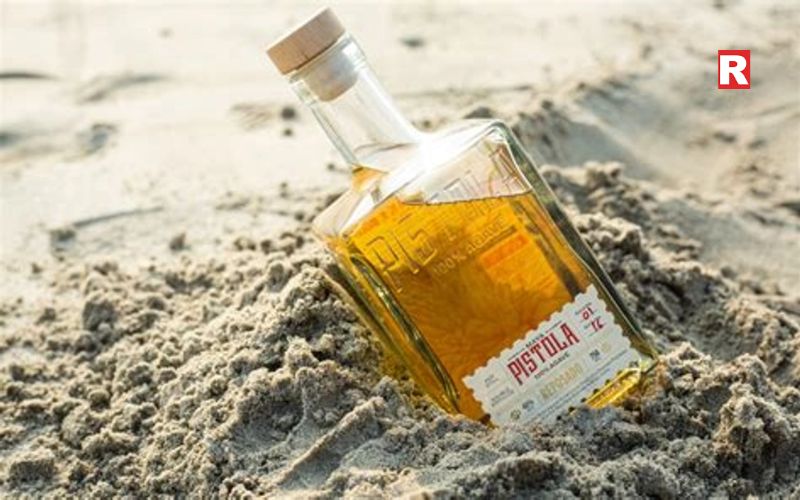
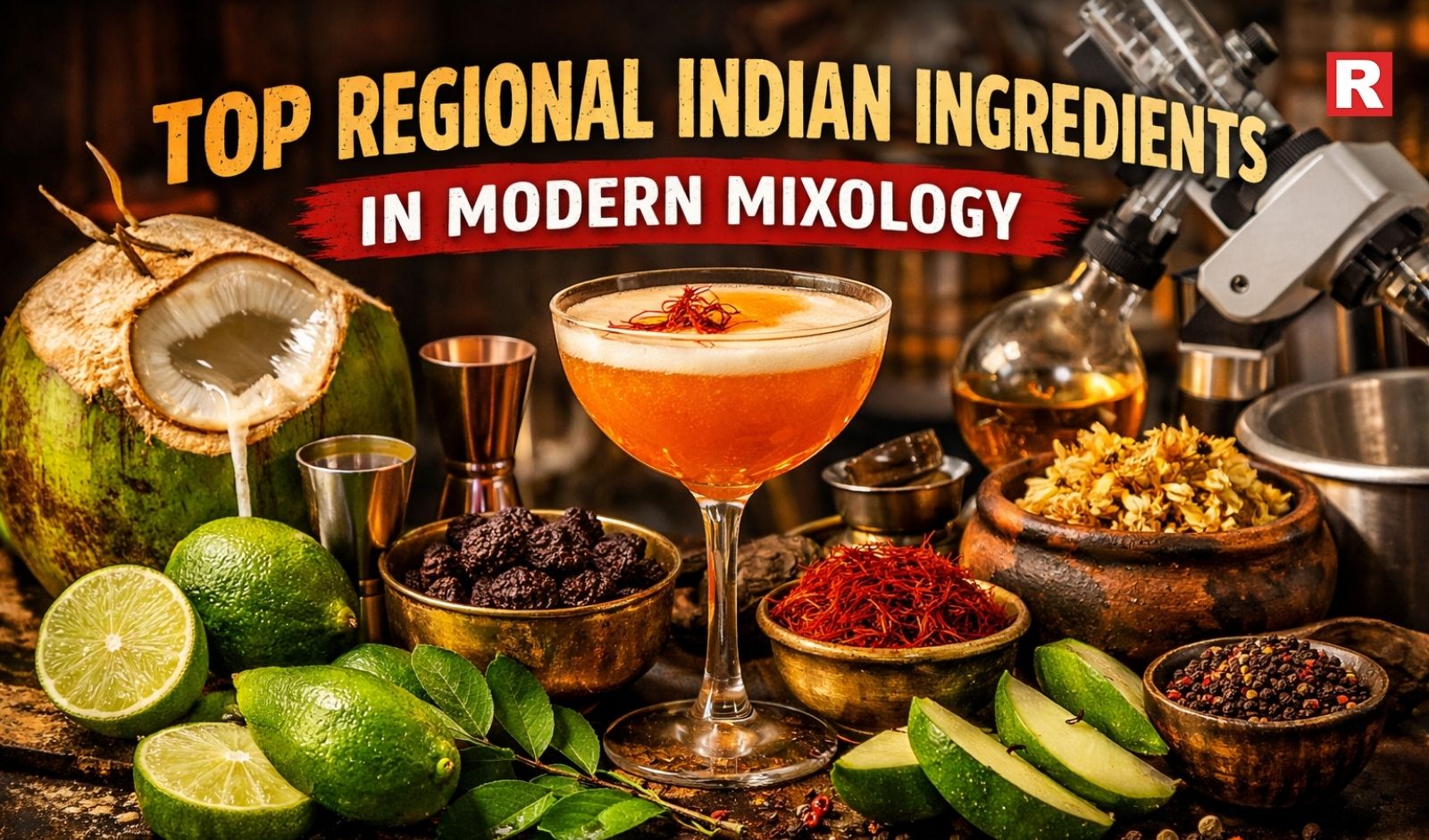
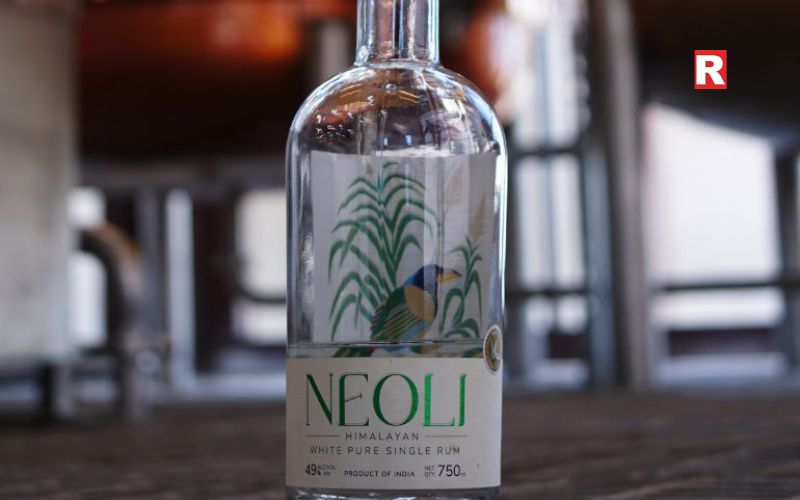
Many new-age brands are using Indian ingredients like kokum, Himalayan botanicals, spices, coffee, and local fruits to create products that feel fresh and rooted at the same time. Craft spirits are also becoming social status symbols among younger consumers. In many social circles, people now discuss tasting notes, cocktail recipes, and ingredients the same way coffee lovers discuss beans and brewing methods.
Ready-to-Drink Beverages Are Becoming Extremely Popular
One of the fastest-growing segments today is ready-to-drink beverages, also known as RTDs.
These include:
- Hard seltzers
- Vodka sodas
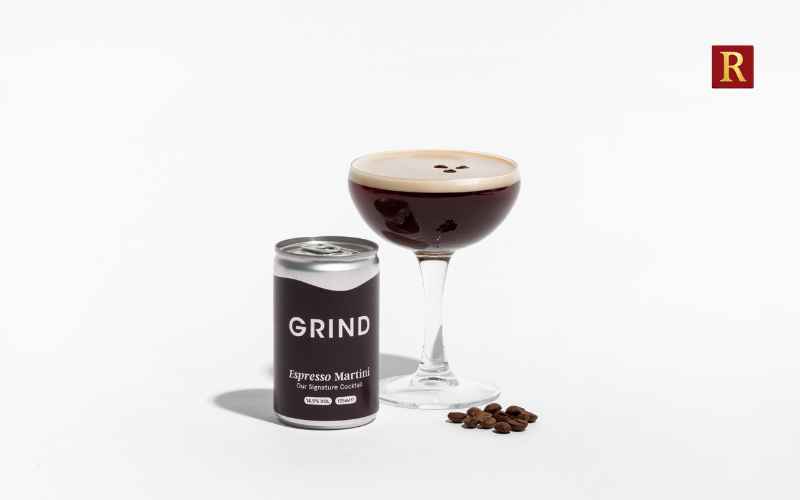
- Canned cocktails
- Spritzers
- Pre-mixed drinks
RTDs are changing drinking habits because they are simple, portable, and easy to consume.
Consumers like them because they offer:
- Portion control
- Lower alcohol levels
- Convenience
- Consistent taste
- Easy social drinking
Reports show RTDs are growing rapidly among younger drinkers globally and in India.
This category works especially well for:
- House parties
- Music festivals
- Brunches
- Travel
- Outdoor events
- Casual gatherings
The growth of RTDs also reflects another important shift. Consumers want drinks that fit naturally into their lifestyle instead of forcing special drinking occasions.
The Rise of Mindful Drinking
Moderation is becoming one of the biggest shifts in modern drinking culture, especially among Gen Z and millennials. Many young consumers are not completely giving up alcohol, but they are becoming far more conscious about how much and how often they drink. Trends like “zebra striping,” where people alternate alcoholic drinks with water, mocktails, or non-alcoholic beverages during social events, are becoming increasingly common.
Health and wellness are major factors behind this behavior, as consumers now pay closer attention to sleep quality, calorie intake, sugar consumption, mental well-being, and next-day productivity. This has created strong demand for low-ABV beverages, hard seltzers, and lighter cocktails that allow people to socialize without feeling overly intoxicated. Interestingly, consumers are still actively participating in nightlife and social gatherings, but they are choosing quality over quantity. Many Gen Z drinkers now consume alcohol less frequently while spending more on premium, experience-driven beverages.
Social Media Is Changing Alcohol Consumption
Social media has completely transformed alcohol branding. Earlier, alcohol marketing focused mainly on celebrity endorsements and nightlife. Today, aesthetics and storytelling matter just as much as the drink itself.
Modern consumers are attracted to:
- Minimal packaging
- Instagram-friendly cocktails
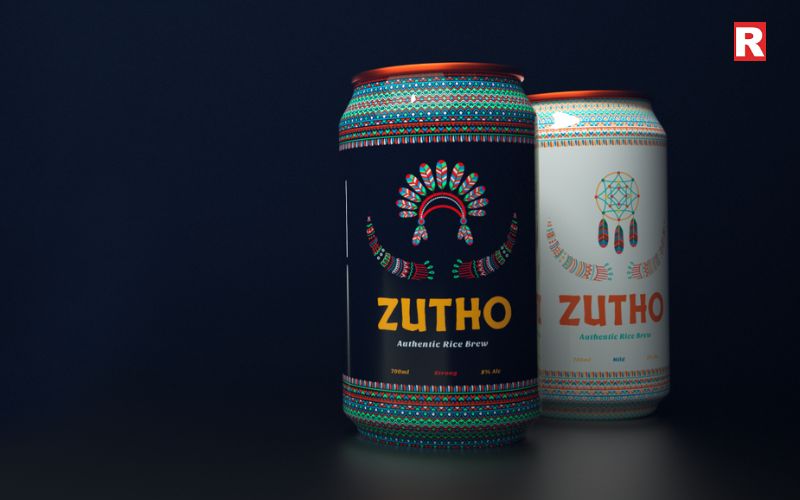
- Stylish cans and bottles
- Curated bar experiences
- Festival collaborations
- Influencer-driven recommendations
Alcohol brands are now behaving more like fashion and lifestyle brands. Many bars and beverage companies are designing drinks specifically for social sharing. Presentation matters almost as much as taste. This shift is influencing how consumers discover and choose products. A drink today is often part of someone’s online identity.
Drinking Occasions Are Also Changing
Traditional late-night drinking culture is slowly shifting toward more relaxed and occasion-based social experiences. Consumers today are increasingly choosing brunch cocktails, daytime parties, house gatherings, casual dinners, and weekend meetups over crowded nightclubs and heavy drinking sessions. This change is strongly influenced by wellness awareness, flexible work lifestyles, and the growing preference for meaningful social interactions. The rise of “daycap” culture reflects how younger consumers now prefer intentional drinking during the day rather than excessive late-night consumption. As a result, lighter beverages such as spritzers, canned cocktails, hard seltzers, and low-ABV drinks are becoming more popular because they feel smoother, refreshing, and suitable for longer social occasions. Alcohol brands are adapting by creating products designed specifically for brunches, outdoor events, intimate gatherings, and casual celebrations, showing how drinking habits are becoming more experience-driven and lifestyle-focused rather than centered only around nightlife.
Indian Consumers Are Supporting Homegrown Brands
Indian consumers are also showing stronger support for local craft alcohol brands.
Homegrown brands are gaining popularity because they offer:
- Regional storytelling
- Indian ingredients
- Experimental flavors
- Small-batch production
- Strong cultural identity
Consumers are increasingly curious about products that feel unique and rooted in Indian culture.
This trend is especially visible in:
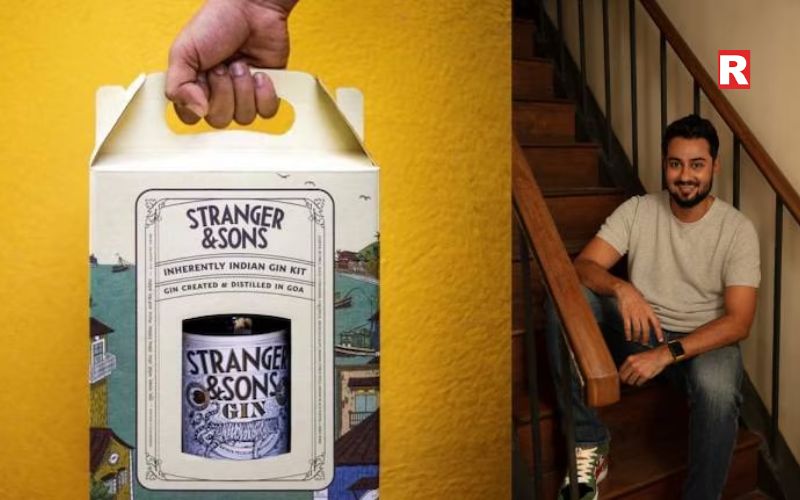
- Craft gin
- Boutique breweries
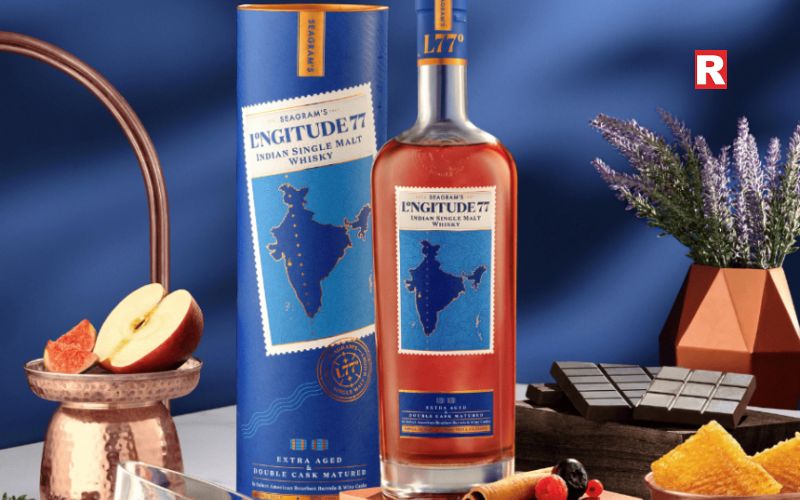
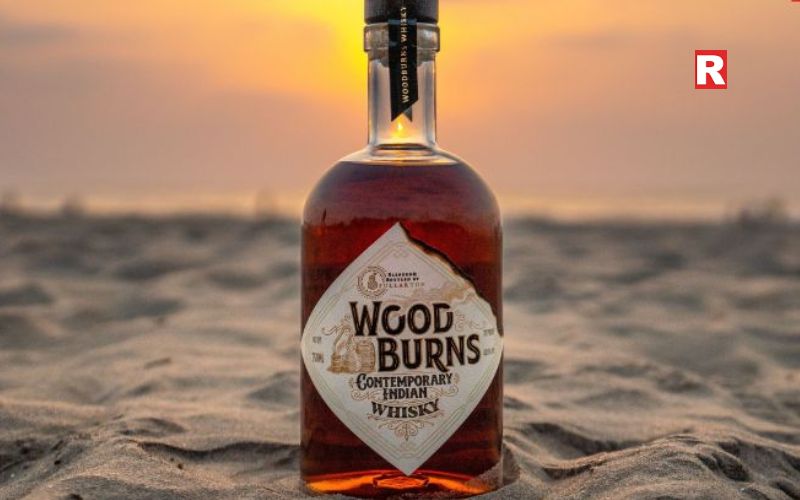
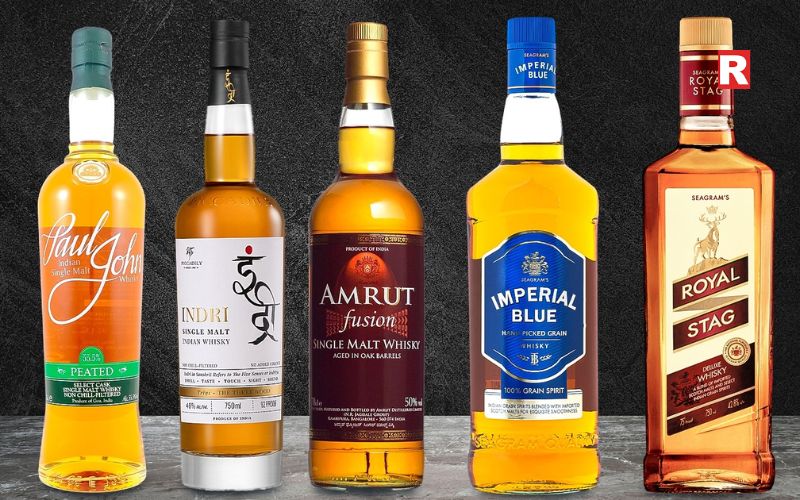
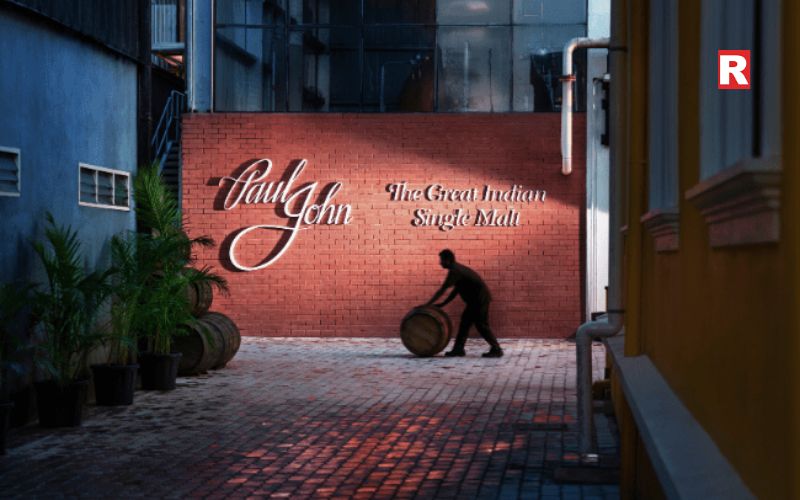
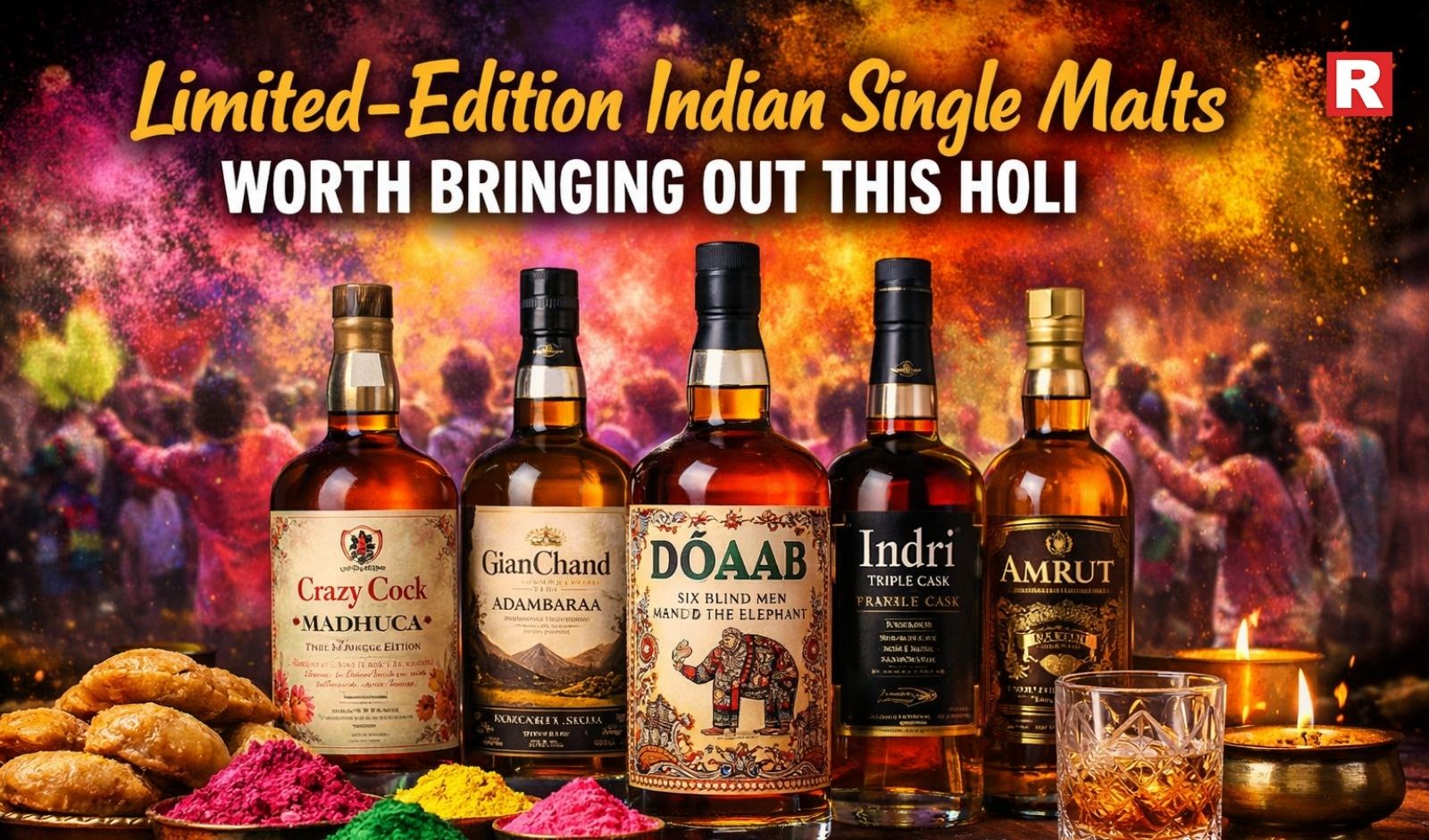
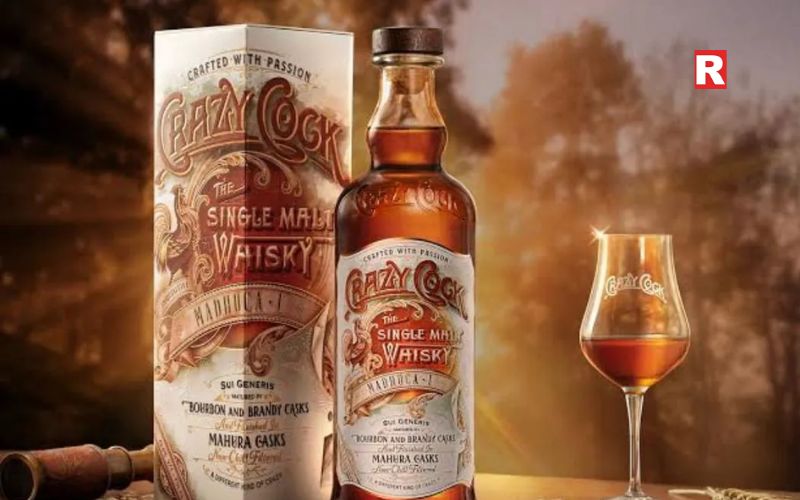
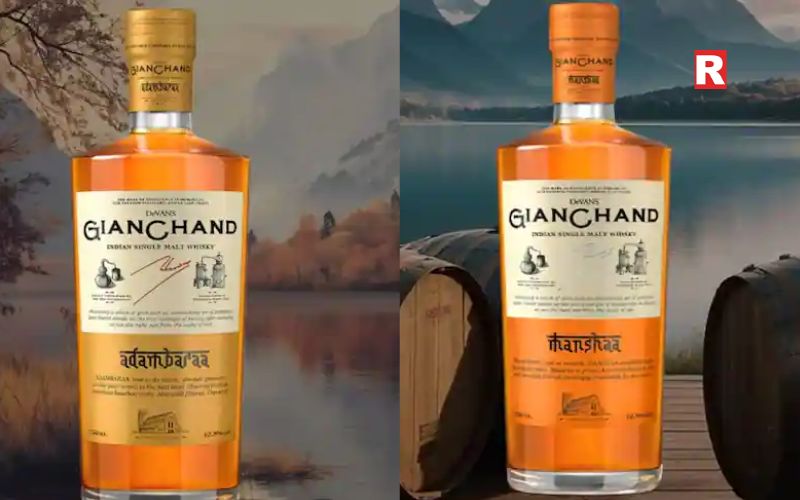
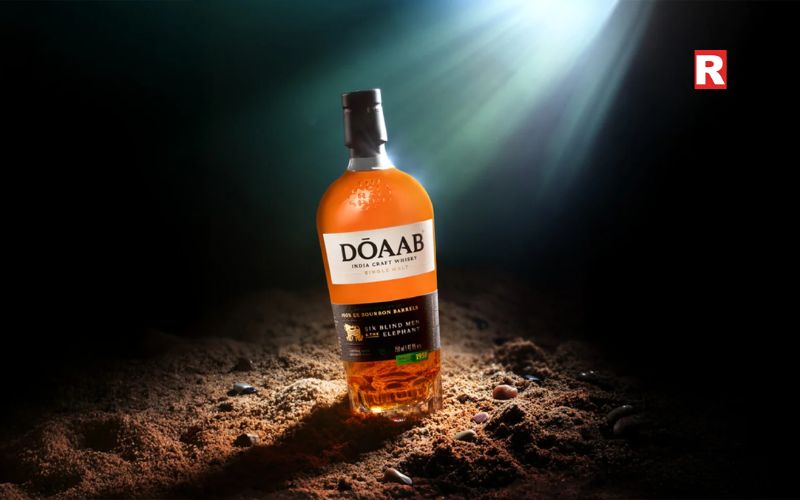
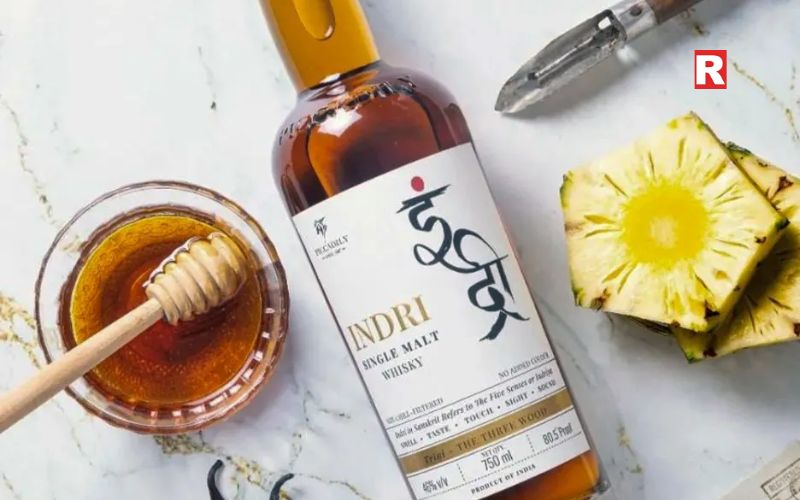
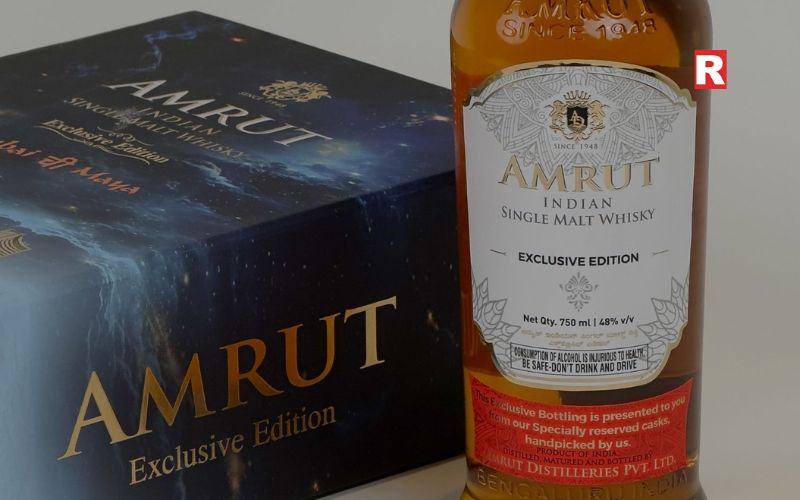
- Indian single malts
- Artisanal cocktails
Many younger consumers now actively seek brands that feel authentic rather than overly commercial.
The Future of Drinking Looks Very Different
The future of drinking culture is becoming more premium, experience-led, and wellness-focused as consumers grow more conscious about what they drink and why they drink it. Younger consumers, especially Gen Z and millennials, are moving away from heavy drinking habits and choosing curated experiences built around craft cocktails, premium spirits, low-ABV beverages, and unique flavor combinations. Social media has also changed how alcohol is consumed, with aesthetics, storytelling, and lifestyle positioning influencing purchasing decisions. Brands are responding by introducing botanical ingredients, sustainable packaging, ready-to-drink cocktails, and health-conscious options with lower sugar and calorie content. Drinking today is increasingly linked with social connection, personal identity, and occasion-based consumption rather than volume alone. This shift is pushing alcohol companies to focus more on innovation, authenticity, and community-driven experiences, which is rapidly transforming the global alcohol industry.
Saptopriya Ghosal
Feature Writer
I am a dedicated media professional with a bachelor's degree in mass communication from the State University of Calcutta and a postgraduate degree from Amity University. My academic journey has equipped me with a profound understanding of storytelling and communication. Passionate about the dynamic world of media, I continually strive to explore new ways to engage and inform through compelling narratives.