How Much Investment Is Needed to Open a Cafe in India? A Low-Budget Guide
A thoughtfully planned neighbourhood café can often be launched with a budget of Rs 8 lakh to Rs 15 lakh, while larger concepts naturally demand more capital.

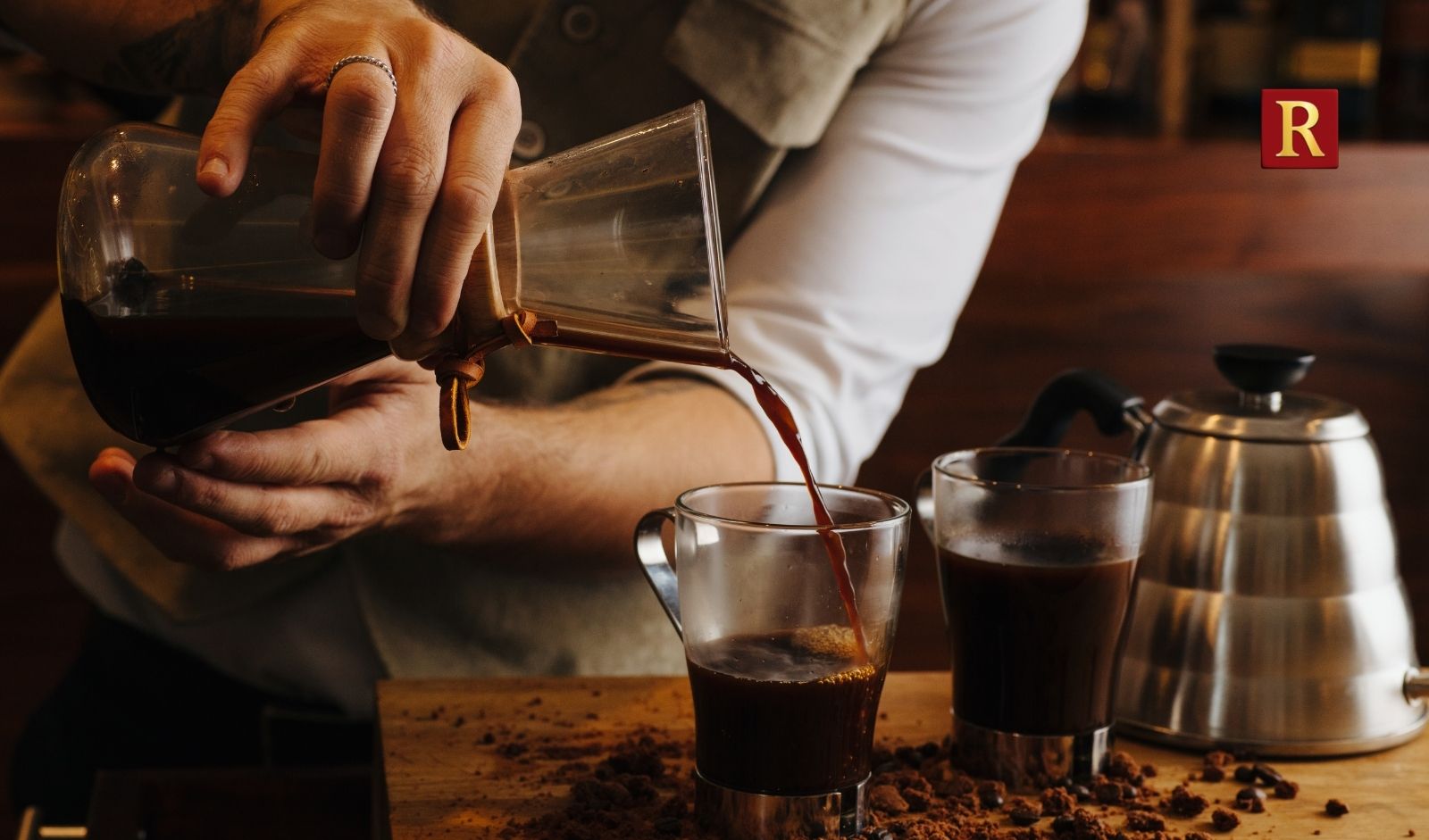
Opening a café is a dream for many coffee lovers and aspiring entrepreneurs. While premium cafés in prime locations may require investments of Rs 30 lakh or more, a small and well-planned café can often be launched with a much lower budget. The total investment depends on factors such as location, size, menu, equipment, interiors, and staffing. For entrepreneurs starting their first food business, careful planning matters more than a large budget. Understanding where the money goes can help avoid unnecessary spending and improve the chances of building a profitable café over time.
How Much Does It Cost to Open a Cafe in India?
The investment varies depending on the type of café you plan to open.
Cafe Type | Estimated Investment |
Coffee kiosk | Rs 3 lakh–Rs 5 lakh |
Small café (200–400 sq. ft.) | Rs 8 lakh–Rs 15 lakh |
Mid-sized café | Rs 15 lakh–Rs 30 lakh |
Premium café | Rs 30 lakh–Rs 1 crore+ |
A neighbourhood café with limited seating, a focused menu, and efficient operations can often start with an investment between Rs 8 lakh and Rs 12 lakh. On the other hand, cafés in malls or premium commercial areas usually require significantly higher capital due to rent, interior design, and larger teams.
Where Does Your Investment Go?
Knowing the major expenses before signing a lease can help you create a realistic budget.
1. Rent and Security Deposit
Rent is one of the biggest recurring costs. A small café in a Tier-2 city may cost between Rs 20,000 and Rs 50,000 per month, while similar spaces in metro cities like Delhi, Mumbai, Bengaluru, or Hyderabad can range from Rs 60,000 to over Rs 2 lakh per month depending on the location. Most landlords also ask for a security deposit equivalent to two to six months' rent, making this one of the first major expenses before operations begin. Choosing a location with consistent footfall near colleges, office complexes, residential communities, or transit hubs often delivers better long-term value than simply selecting the busiest market.
2. Interiors and Furniture
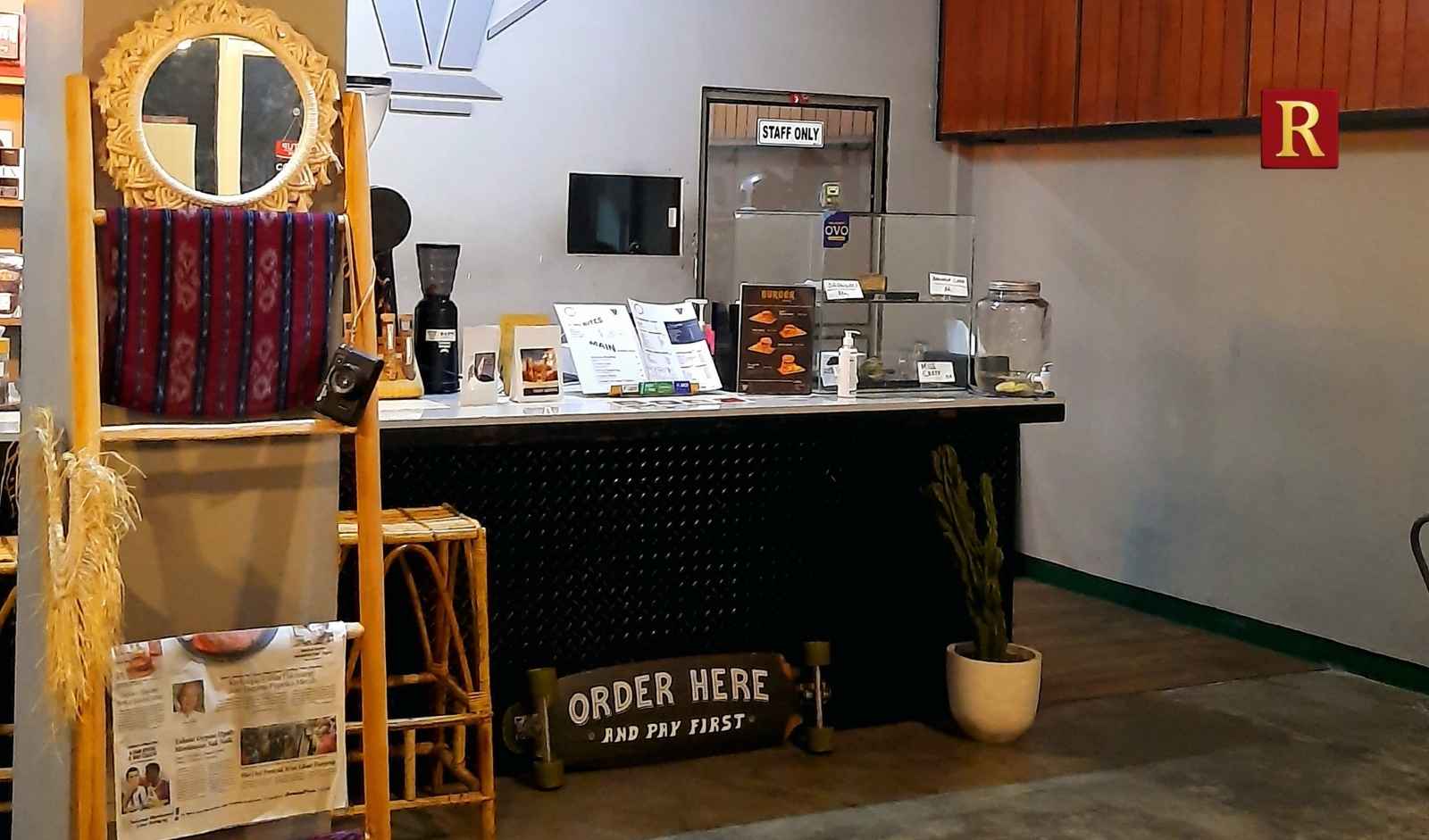
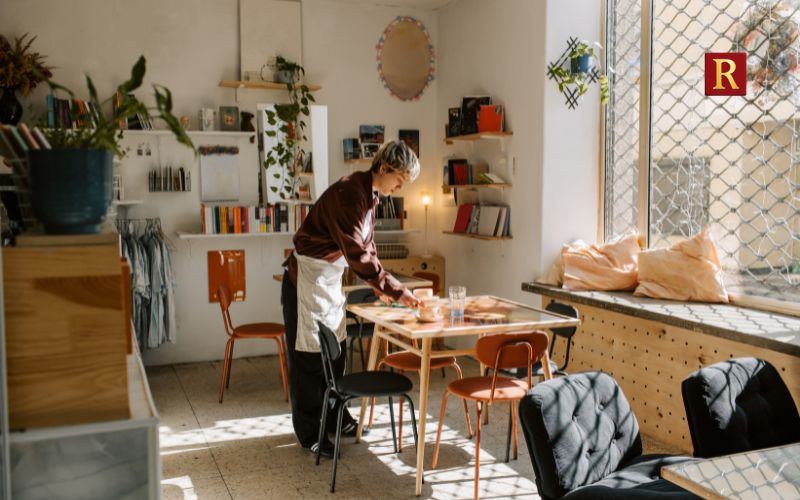
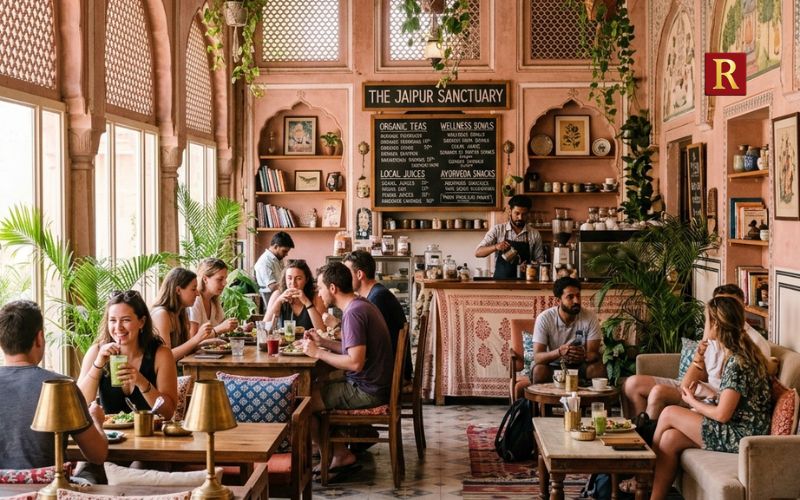
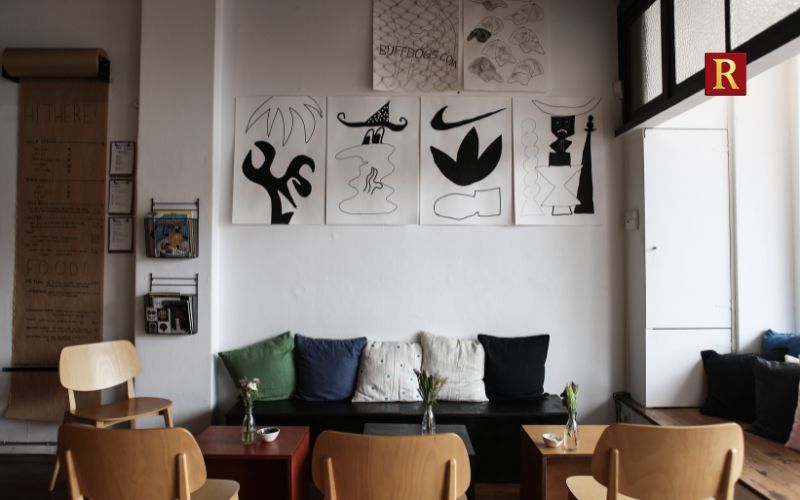
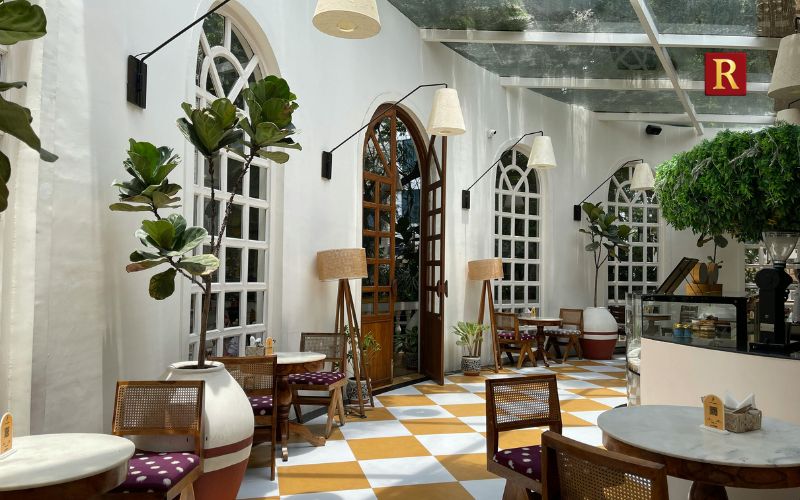
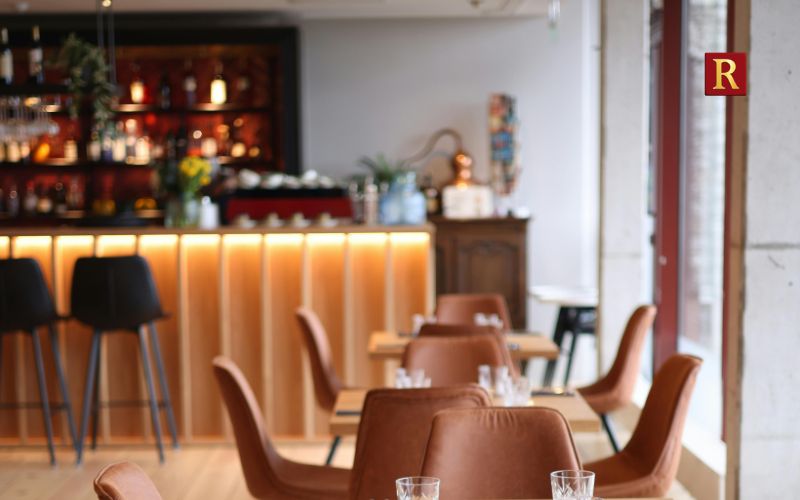
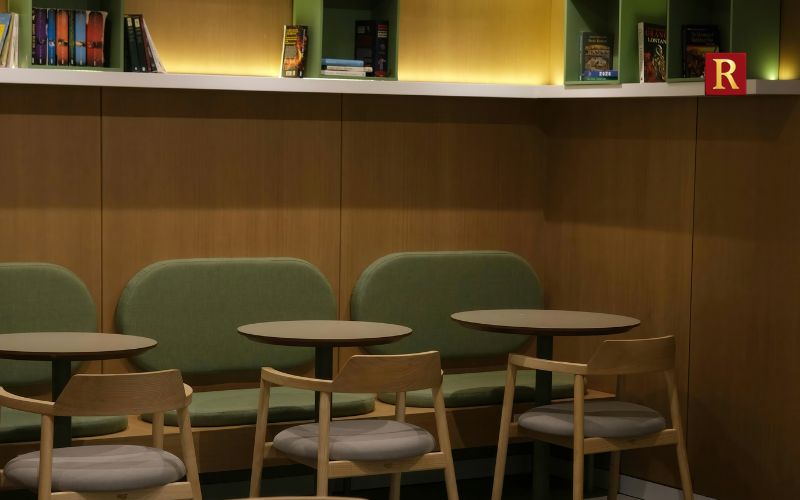
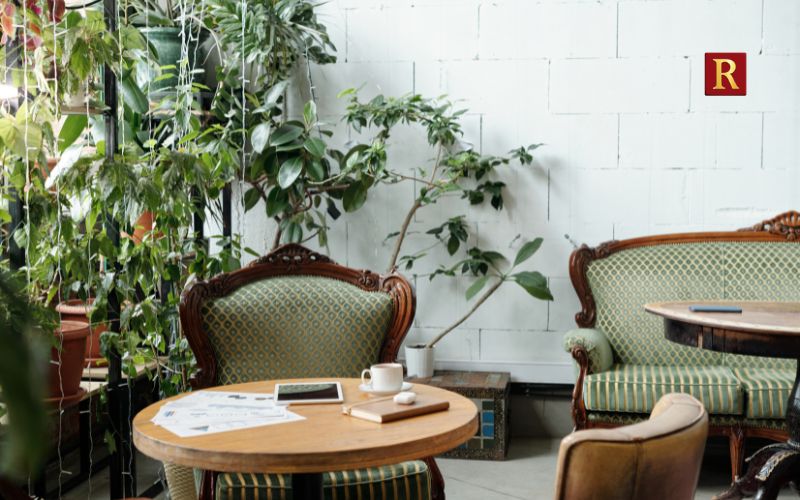
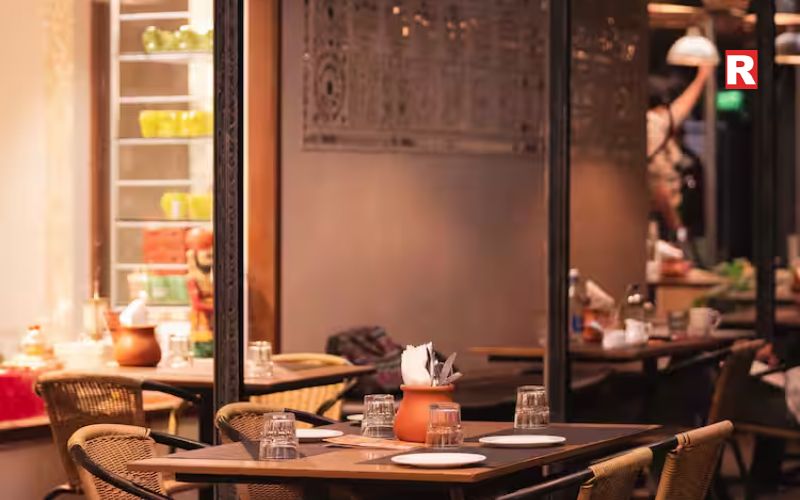
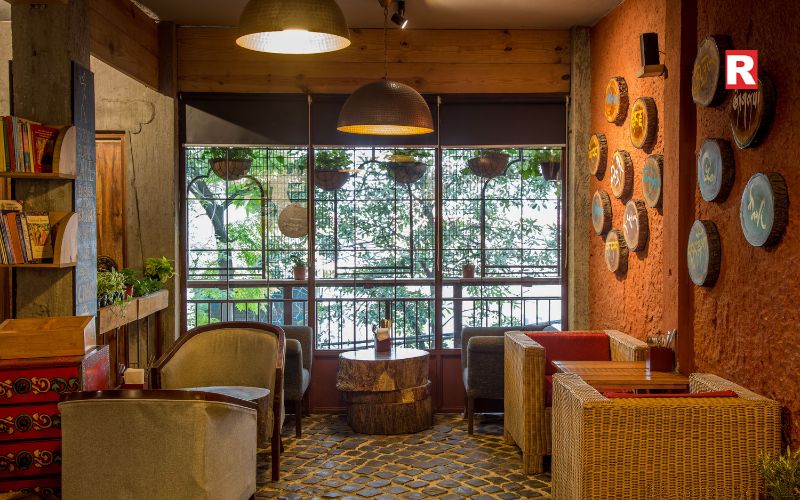
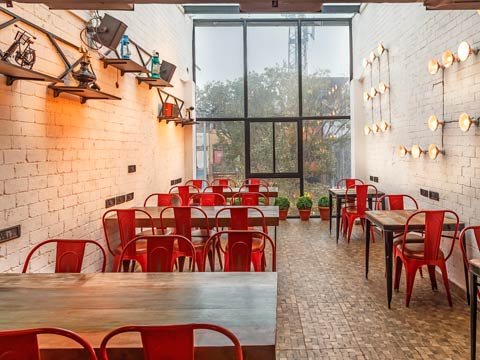
Customers visit cafés for more than coffee. Comfortable seating, lighting, and ambience influence how long they stay and whether they return. A simple but attractive interior typically costs between Rs 1.5 lakh and Rs 5 lakh.
This budget generally includes:
- Tables and chairs
- Service counter
- Lighting
- Paint and décor
- Menu display
- Branding elements
- Electrical work
Instead of investing heavily in luxury interiors, many successful cafés focus on clean layouts, natural lighting, and functional furniture that creates a welcoming atmosphere.
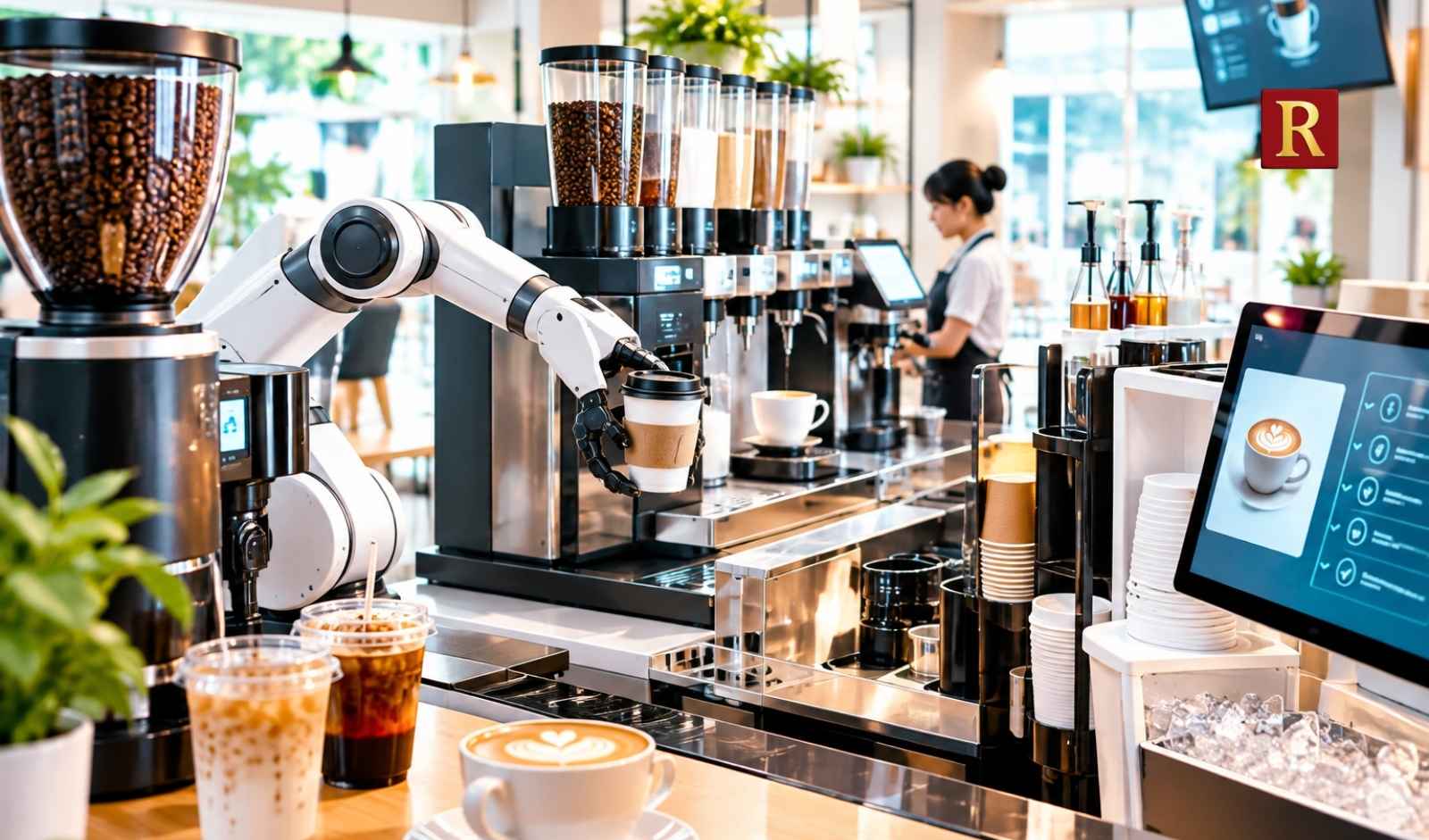
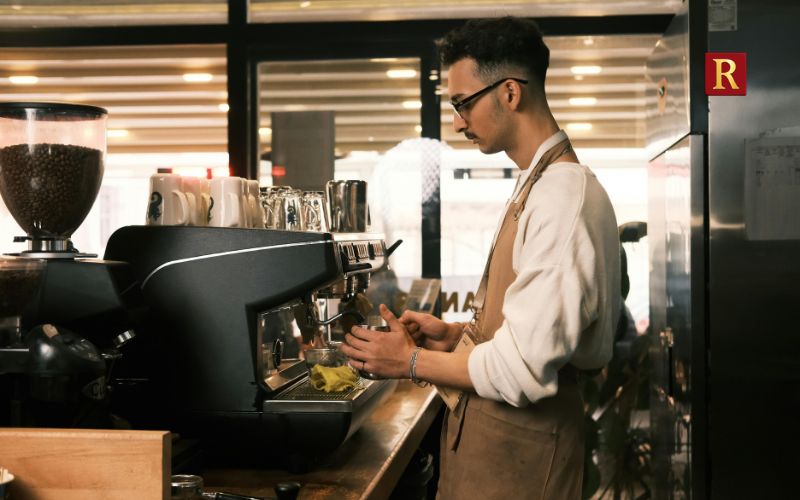
3. Coffee Machines and Kitchen Equipment
The quality of your coffee depends heavily on the equipment you choose.
A typical equipment list includes:
- Espresso machine
- Coffee grinder
- Refrigerator
- Blender
- Water purifier
- Microwave or oven
- Induction cooktop
- Display refrigerator
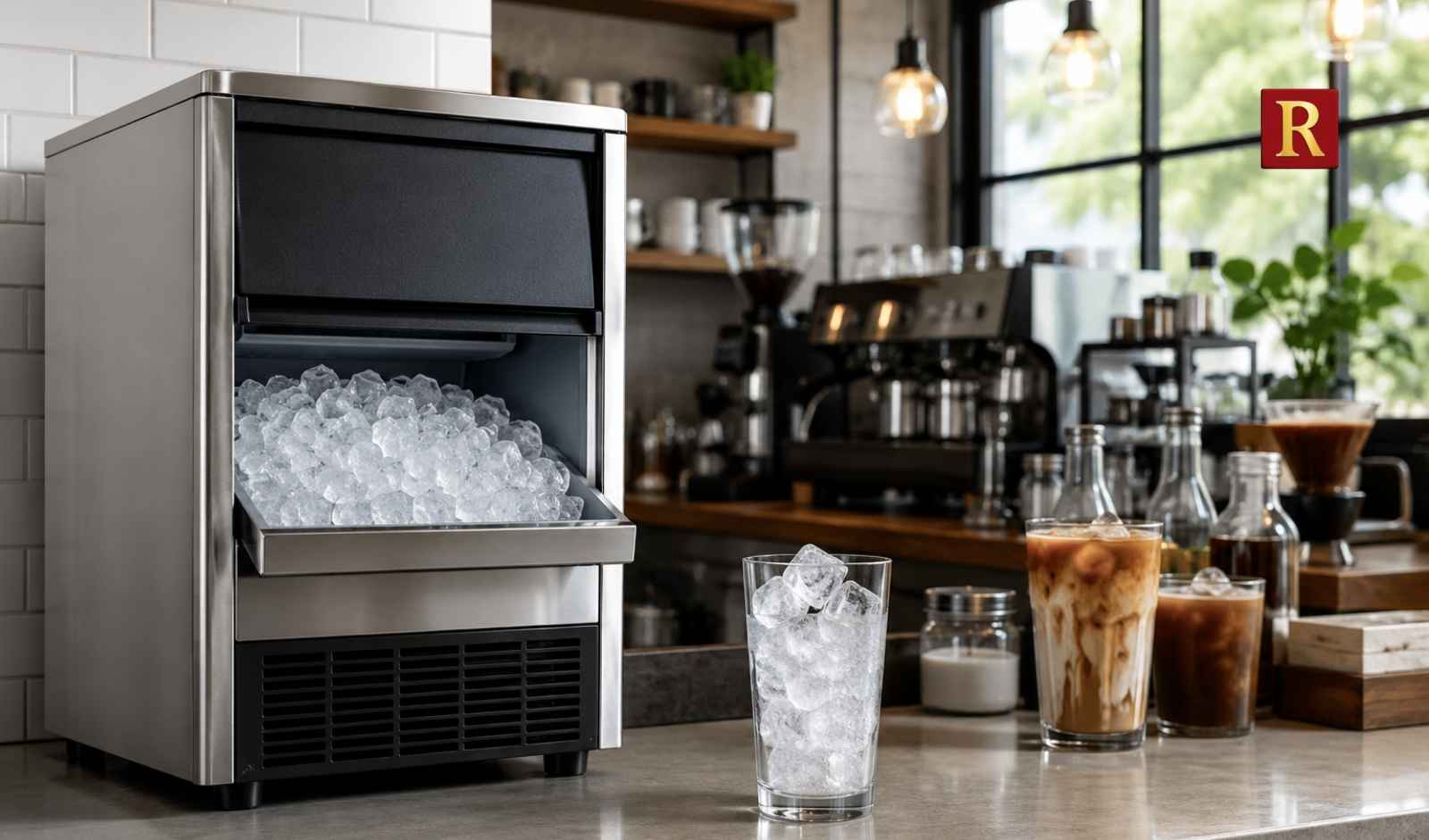
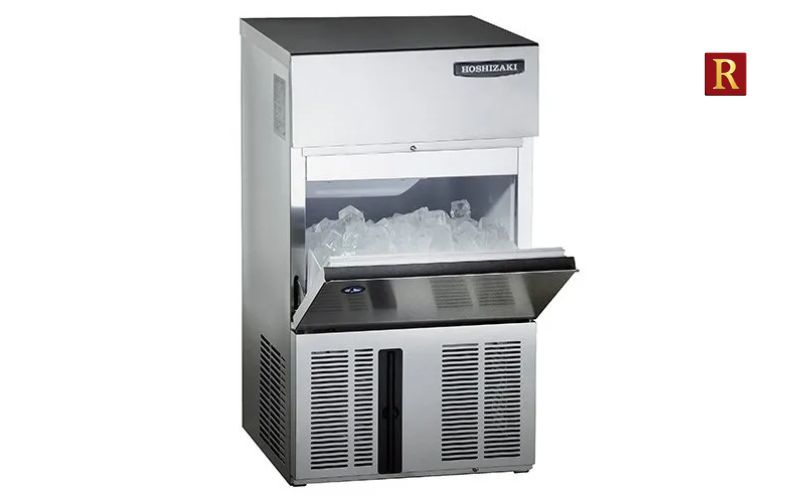
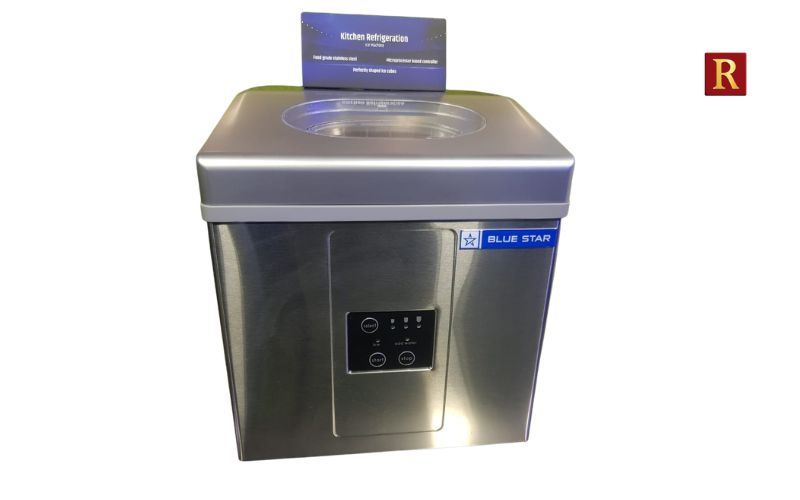
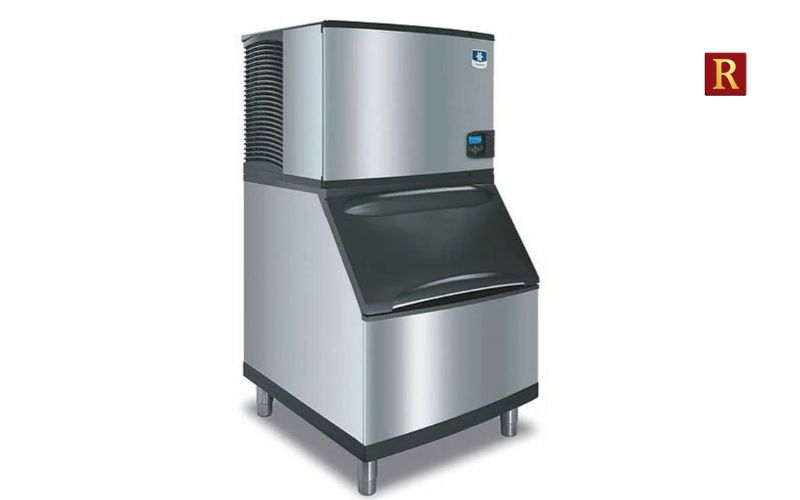
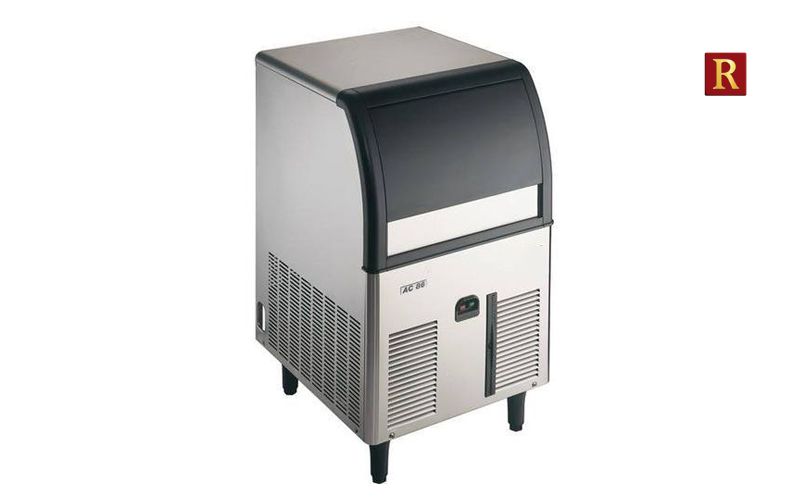
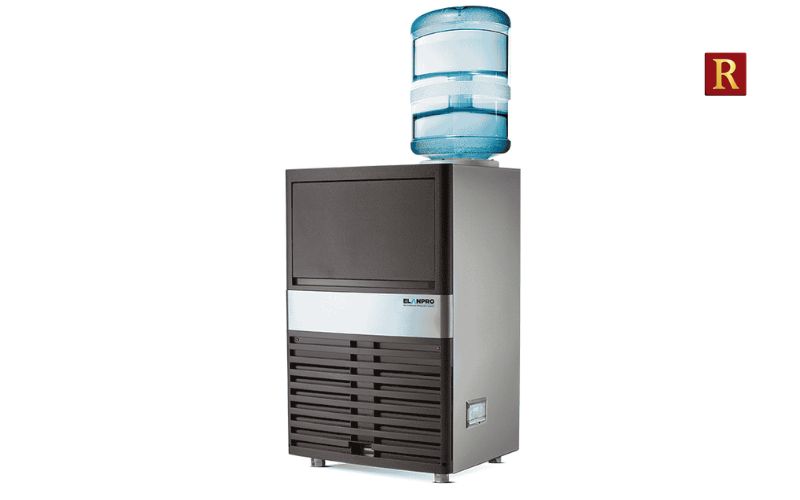
- Ice machine (optional)
- POS billing system
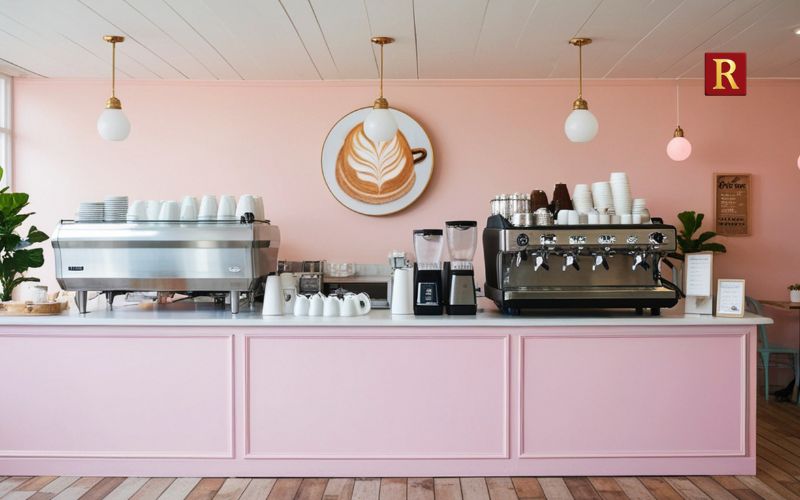
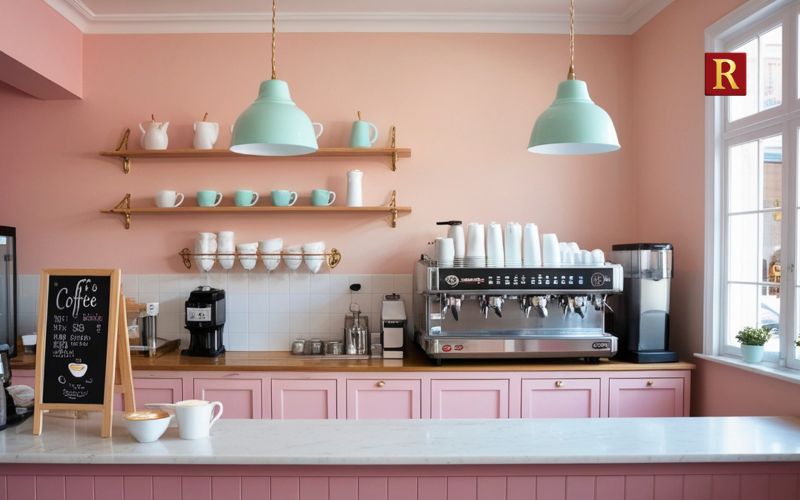
Equipment costs generally range from Rs 2 lakh to Rs 10 lakh. Commercial espresso machines alone can cost anywhere from Rs 80,000 to over Rs 5 lakh, depending on capacity and features. Buying reliable equipment reduces maintenance costs and ensures consistent beverage quality.
4. Licenses and Registrations
Every café must comply with food safety and local business regulations. Common registrations include:
- FSSAI Registration or License
- Shop and Establishment Registration
- GST Registration (where applicable)
- Fire safety approval (if required)
- Local municipal permissions
These registrations generally cost between Rs 35,000 and Rs 1.5 lakh, depending on the café's size and location. Completing these formalities before launch helps avoid legal issues and builds customer confidence.
5. Initial Inventory
Opening day requires more than coffee beans. Your first inventory may include:
- Coffee beans
- Milk
- Tea
- Chocolate powder
- Syrups
- Sugar
- Bakery products
- Snacks
- Packaging materials
- Disposable cups
- Cleaning supplies
Most small cafés spend Rs 50,000 to Rs 1 lakh on their initial inventory. Ordering smaller quantities during the early weeks helps reduce wastage while allowing you to understand customer preferences.
6. Staff Salaries
A compact café usually operates with a small team. Typical monthly salaries may include:
- Barista: Rs 18,000–Rs 30,000
- Cook: Rs 18,000–Rs 28,000
- Helper: Rs 12,000–Rs 18,000
- Cashier or service executive: Rs 15,000–Rs 25,000
Many first-time owners also manage operations themselves during the initial months to reduce labour costs and better understand daily business activities.
7. Marketing Before and After Launch
A good café needs visibility as much as good coffee. Your marketing budget should cover:
- Professional photography
- Google Business Profile setup
- Instagram content
- Launch offers
- Local influencer collaborations
- Food delivery platform promotions
A budget of Rs 25,000 to Rs 75,000 can help create awareness before opening and attract the first wave of customers. Since many customers search online before visiting a café, maintaining updated photos, reviews, and business information is essential.
8. Working Capital
One of the most overlooked expenses is working capital. Experts generally recommend keeping enough funds to cover three to six months of operating expenses.
This reserve should include:
- Rent
- Staff salaries
- Electricity
- Internet
- Inventory purchases
- Maintenance
- Marketing
Working capital gives new cafés enough time to build a loyal customer base without facing immediate financial pressure.
A Sample Budget for a Rs 12 Lakh Cafe
Here's how a typical investment could look.
Expense | Approximate Cost |
Rent and deposit | Rs 2.2 lakh |
Interiors | Rs 2 lakh |
Coffee equipment | Rs 3 lakh |
Furniture | Rs 1 lakh |
Licenses | Rs 60,000 |
Initial inventory | Rs 80,000 |
POS system | Rs 40,000 |
Marketing | Rs 50,000 |
Working capital | Rs 1.5 lakh |
This budget is only an example. Actual costs vary based on city, concept, and business model.
Can You Open a Cafe Under Rs 10 Lakh?
Yes, but it requires careful planning.
Many entrepreneurs begin with a smaller café by making practical choices such as:
- Renting a compact space
- Offering a focused menu
- Buying refurbished equipment
- Using simple interiors
- Hiring a lean team
- Expanding only after customer demand grows
Several successful independent cafés in India started with limited budgets before adding more seating, menu options, and premium equipment over time.
Smart Ways to Reduce Your Startup Costs
Keeping costs under control from the beginning improves financial stability.
Some practical strategies include:
- Lease expensive coffee machines instead of purchasing them outright.
- Start with 15–20 carefully selected menu items rather than an extensive menu.
- Purchase second-hand commercial equipment from trusted suppliers.
- Source ingredients from local vendors to reduce logistics costs.
- Negotiate rent-free fit-out periods with landlords.
- Invest first in equipment that directly affects product quality instead of decorative elements.
Every rupee saved during setup can strengthen your working capital.
Common Budgeting Mistakes
Many new café owners overspend before serving their first customer.
Some common mistakes include:
- Spending excessively on interiors
- Buying equipment that is rarely used
- Ignoring working capital
- Hiring too many employees too early
- Creating an oversized menu that increases inventory waste
- Underestimating electricity and maintenance expenses
Careful budgeting and regular cost monitoring help maintain healthy profit margins.
Focus on Profit, Not Just Sales
Launching a café is only the first milestone. Long-term success depends on managing costs and improving efficiency. Many café operators monitor their break-even point, which is the monthly sales required to cover fixed expenses such as rent, salaries, and utilities. They also use menu engineering to promote beverages and snacks with higher profit margins while removing slow-selling items. Modern point-of-sale systems can track inventory, monitor daily sales, reduce wastage, and generate reports that help owners make better business decisions. With India's organised café market continuing to expand alongside rising coffee consumption, entrepreneurs who combine disciplined financial planning with a clear customer experience are better positioned to grow sustainably.
Final Thoughts
Opening a café in India does not always require a massive investment. A thoughtfully planned neighbourhood café can often be launched with a budget of Rs 8 lakh to Rs 15 lakh, while larger concepts naturally demand more capital. The key is to invest where it matters most—quality equipment, food safety compliance, efficient operations, and a memorable customer experience. By starting with a realistic budget, maintaining adequate working capital, and expanding only after demand is proven, aspiring café owners can build a business that is financially sustainable and ready for long-term growth.
Saptopriya Ghosal
Feature Writer
I am a dedicated media professional with a bachelor's degree in mass communication from the State University of Calcutta and a postgraduate degree from Amity University. My academic journey has equipped me with a profound understanding of storytelling and communication. Passionate about the dynamic world of media, I continually strive to explore new ways to engage and inform through compelling narratives.