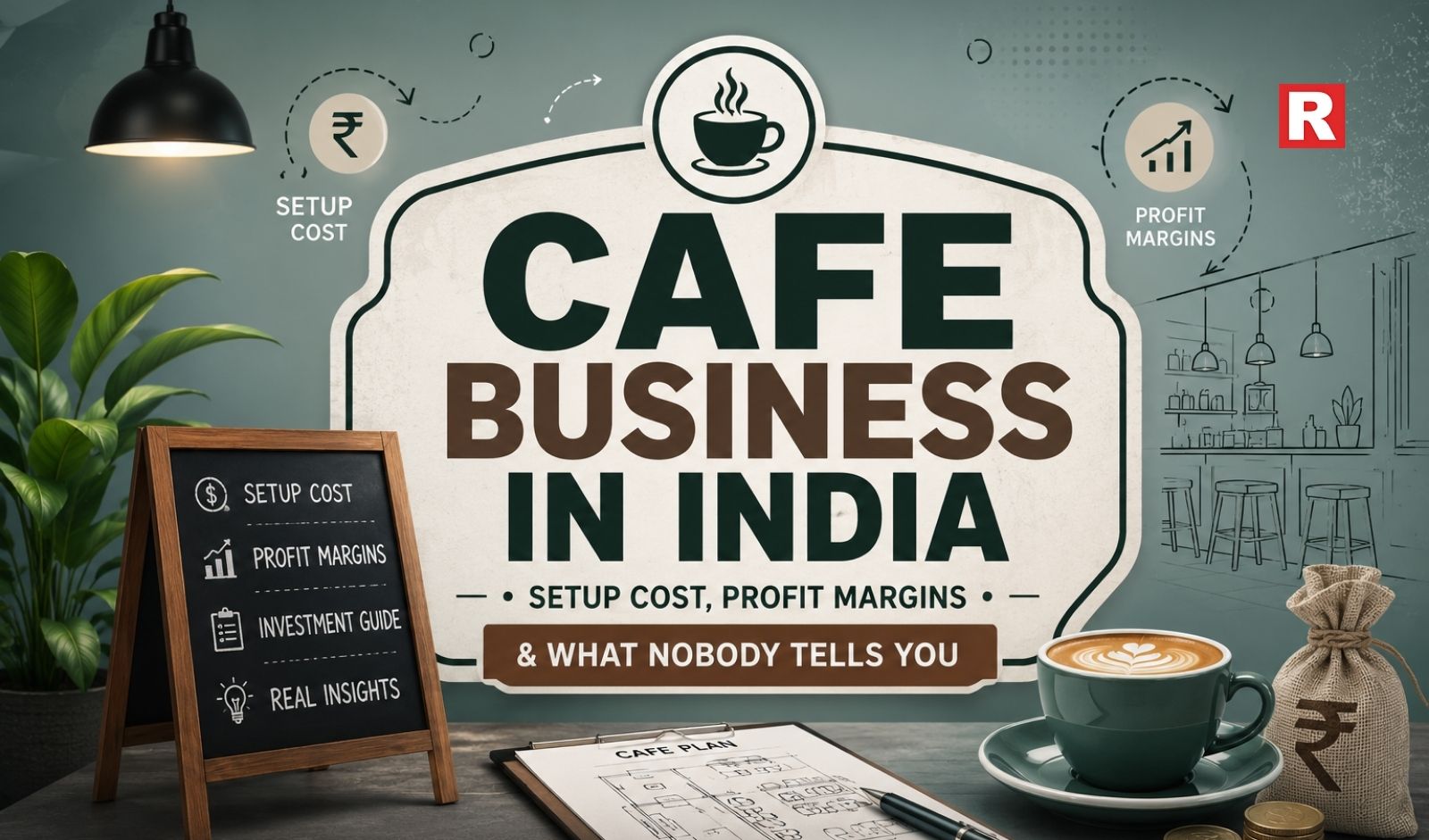
How Much Investment Is Needed to Open a Café in India? A Low-Budget Guide
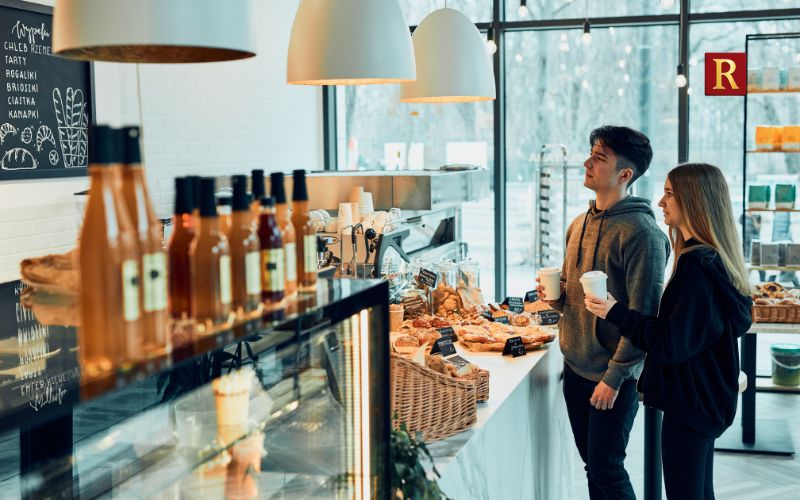
The best cafés are not always the biggest ones. They are the ones that understand their customers and deliver a consistent experience every single day.

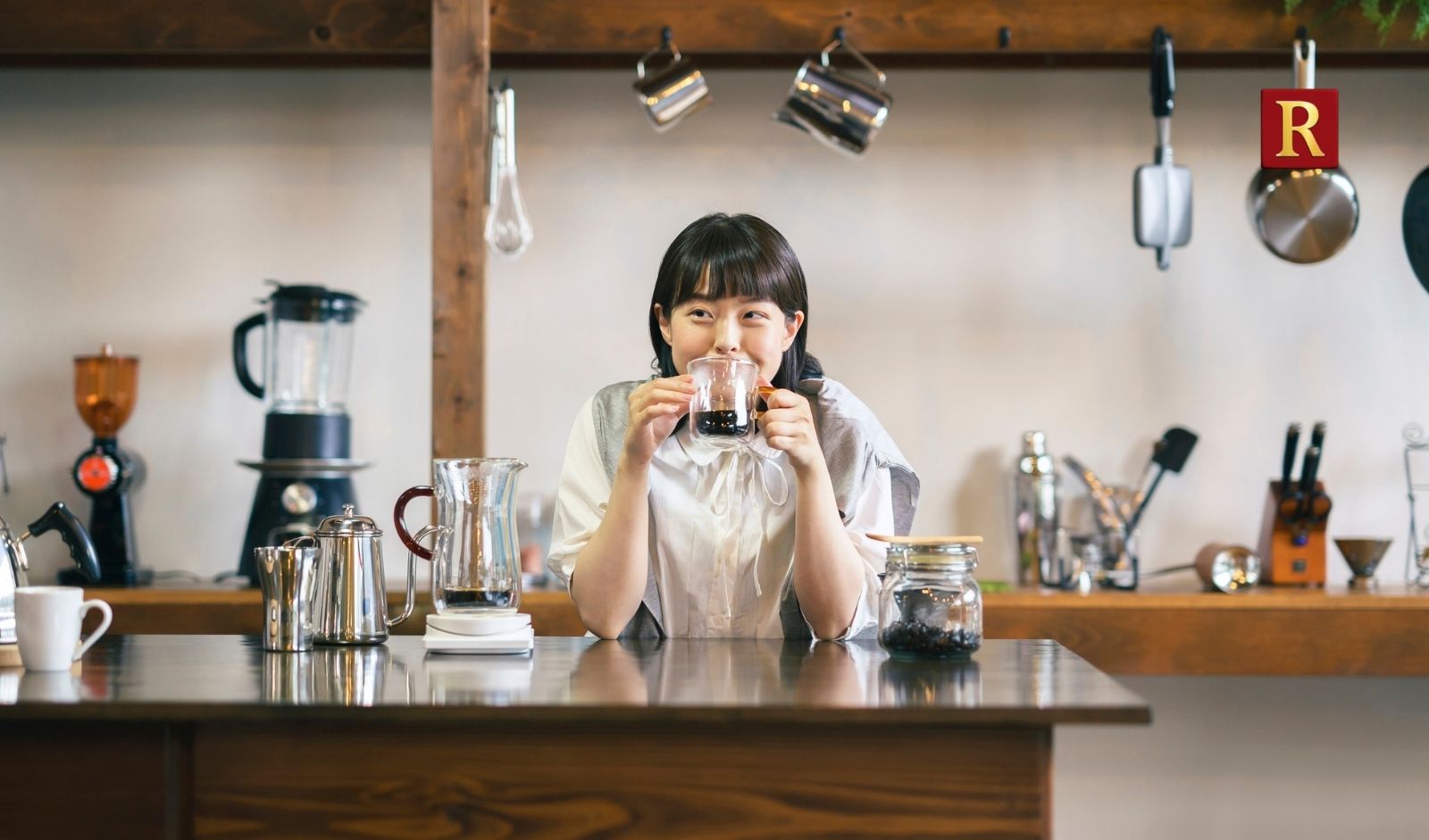
India's café culture is growing rapidly. Cafés are no longer limited to metro cities. Consumers in cities like Jaipur, Lucknow, Chandigarh, Indore, Kochi, and Pune are increasingly spending on specialty coffee, desserts, and casual dining experiences. Many first-time entrepreneurs assume that opening a café requires an investment of Rs 30 lakh or more. In reality, a small and well-planned café can be started with a much lower budget.
The actual investment depends on factors such as location, café size, menu, equipment, and operating costs. If planned carefully, a low-budget café in India can be launched for around Rs 8 lakh to Rs 15 lakh. This guide explains where your money goes and how to invest wisely.
What Is the Minimum Investment Needed to Open a Café in India?
The cost of opening a café varies according to its format.
Café Type | Estimated Investment |
Coffee Kiosk | Rs 3 lakh to Rs 5 lakh |
Small Café (200-400 sq. ft.) | Rs 8 lakh to Rs 15 lakh |
Mid-Sized Café | Rs 15 lakh to Rs 30 lakh |
Premium Café | Rs 30 lakh to Rs 1 crore or more |
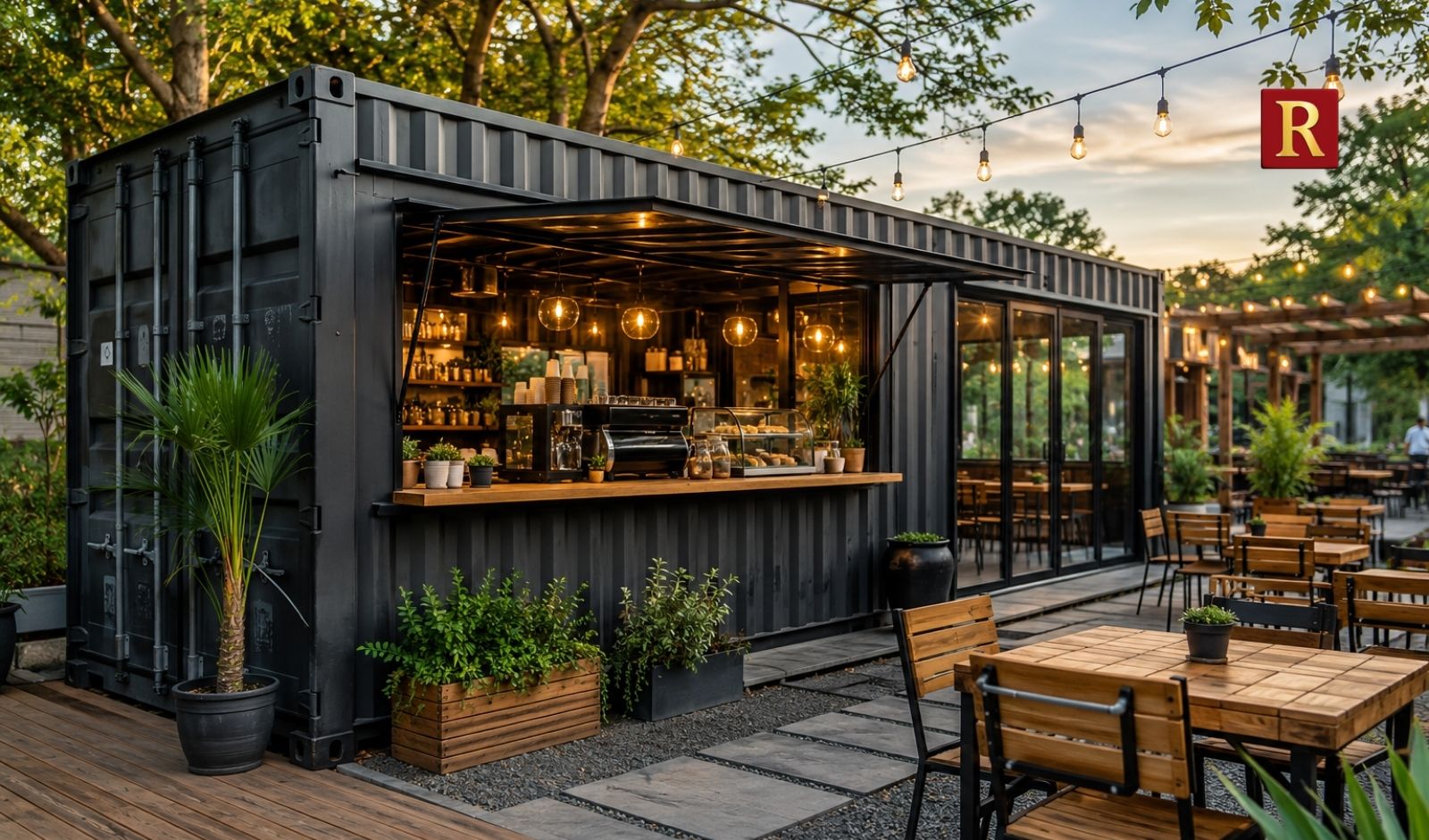
For first-time founders, a small café is often the most practical option. It requires less staff, lower rental costs, and simpler operations. Many successful café businesses started with a limited menu and expanded later based on customer demand.
Where Will Your Investment Go?
Before renting a space or buying equipment, it is important to understand the major expenses involved.
1. Rent and Security Deposit
Rent is usually one of the biggest costs when opening a café.
Estimated cost:
- Tier-2 cities: Rs 20,000 to Rs 50,000 per month
- Metro cities: Rs 50,000 to Rs 2 lakh or more per month
- Security deposit: Two to six months' rent
A café in a premium high street location may attract more footfall, but it also comes with higher operating costs. New entrepreneurs can consider neighbourhood markets, commercial complexes, or college areas to reduce expenses.
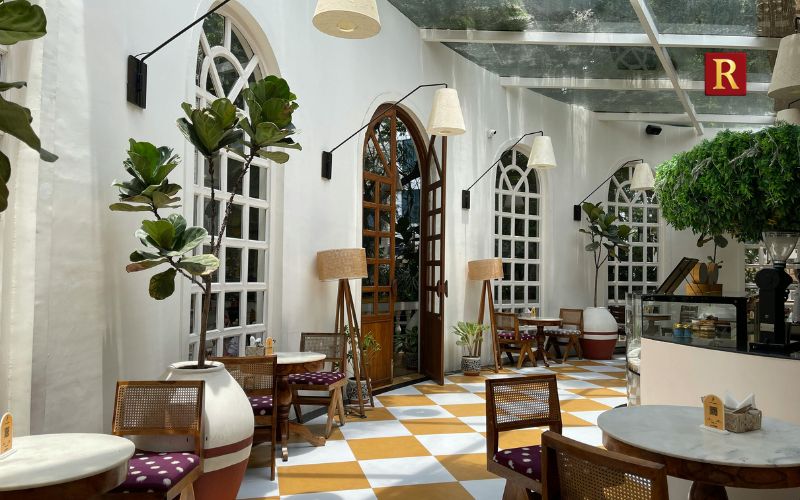
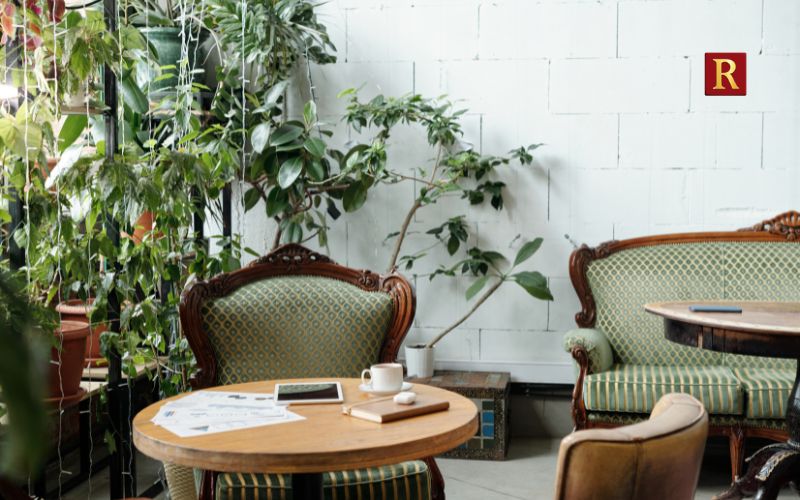
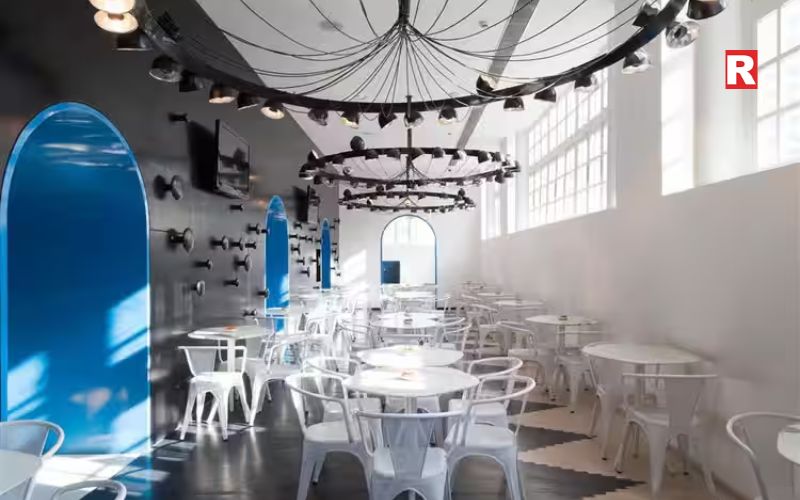
2. Café Interiors and Furniture
Estimated investment: Rs 1.5 lakh to Rs 5 lakh
This includes:
- Tables and chairs
- Lighting
- Counter design
- Paint and décor
- Wall elements
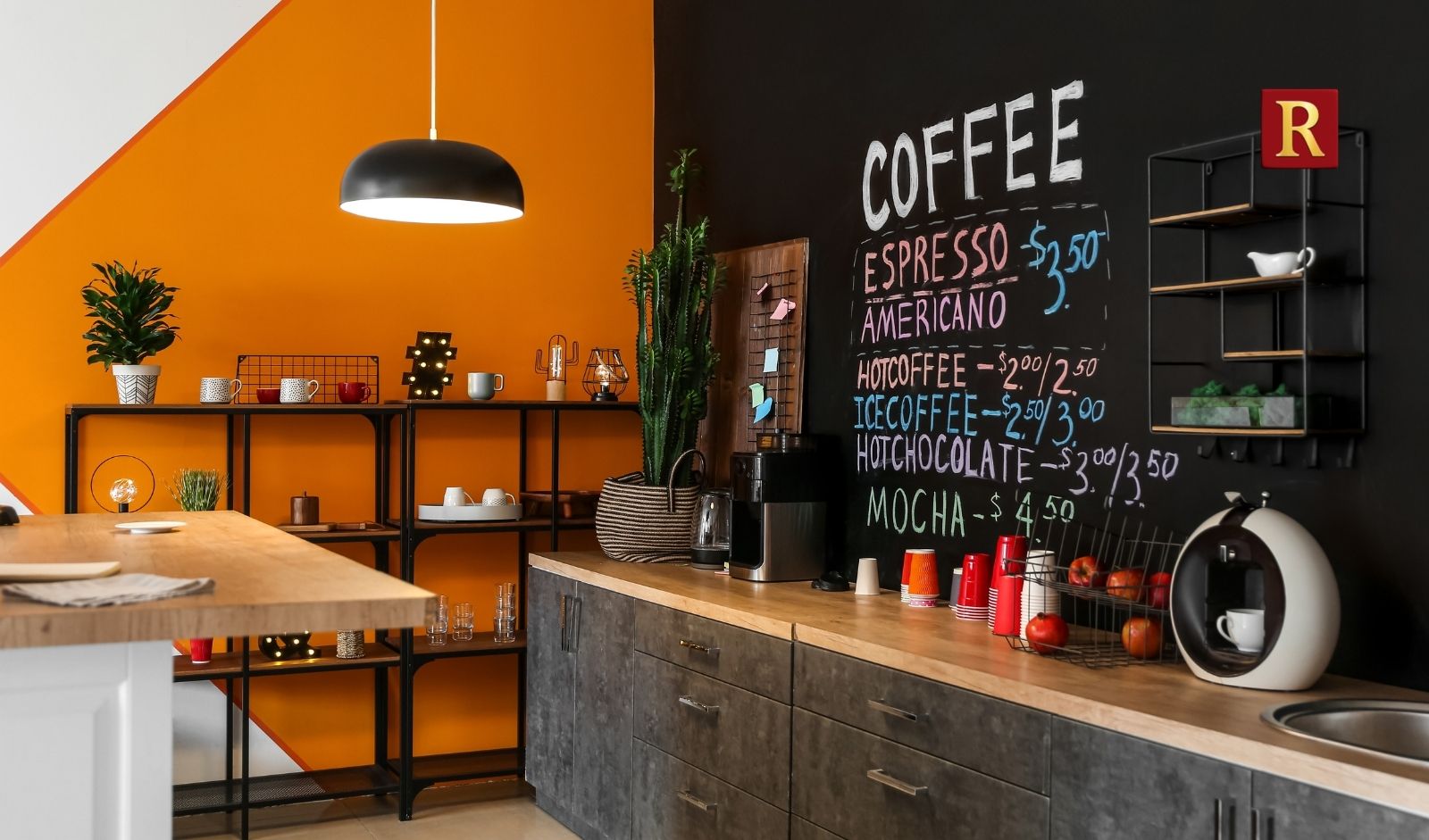
- Menu boards
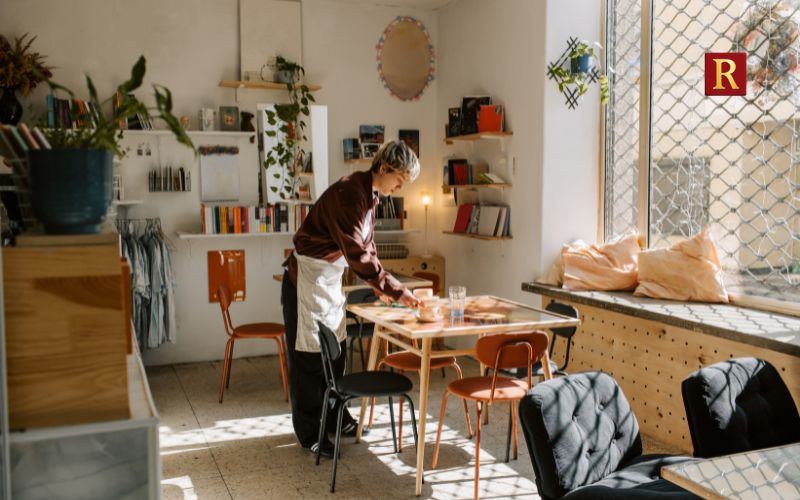
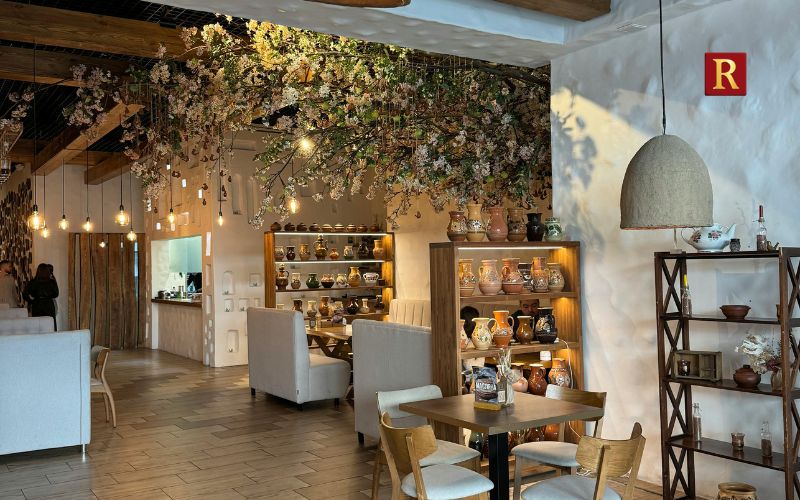
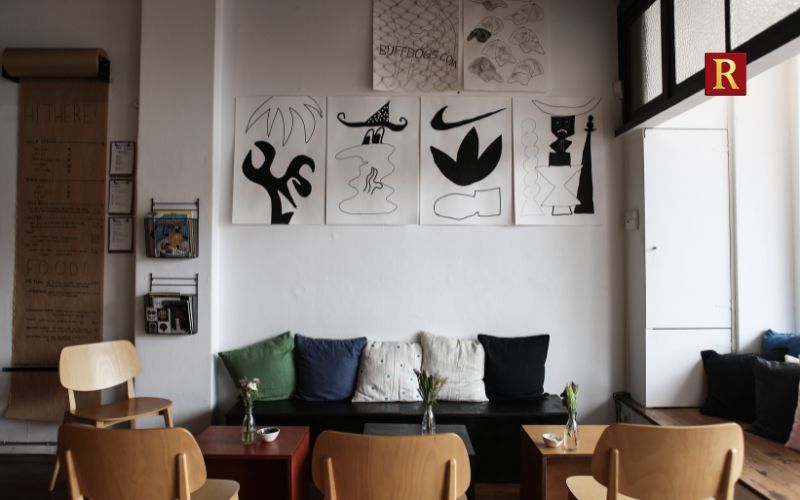
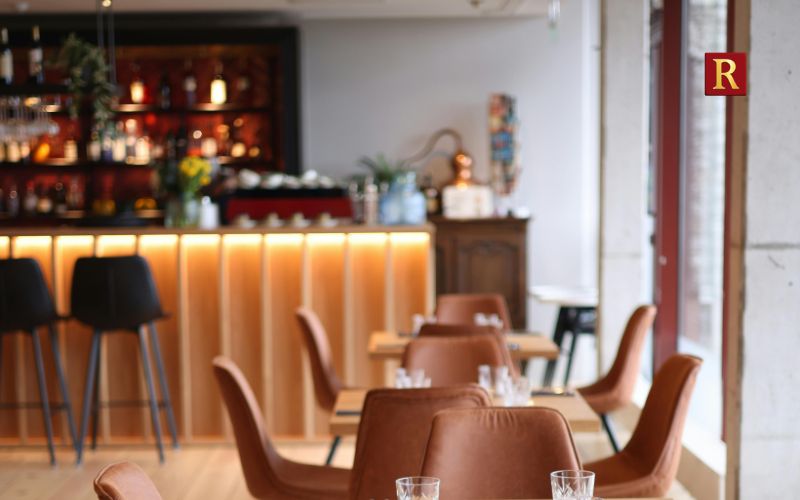
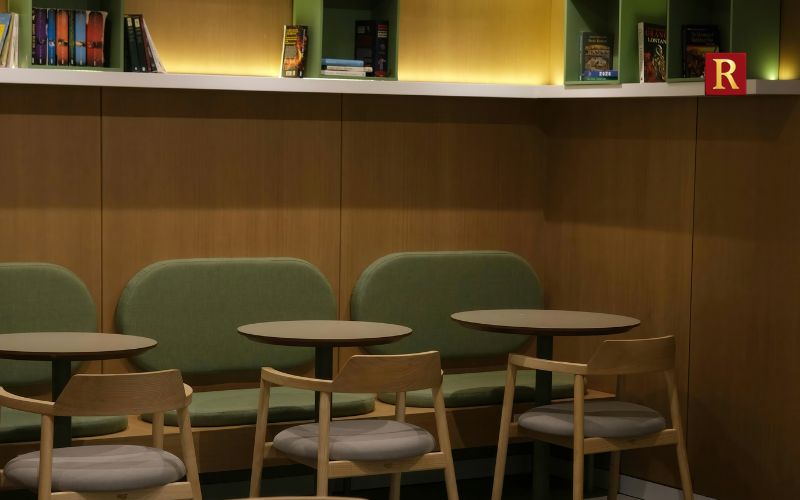
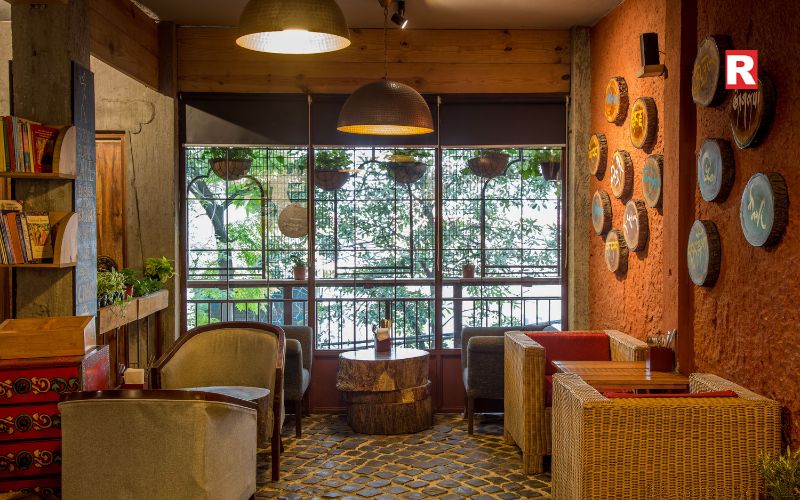
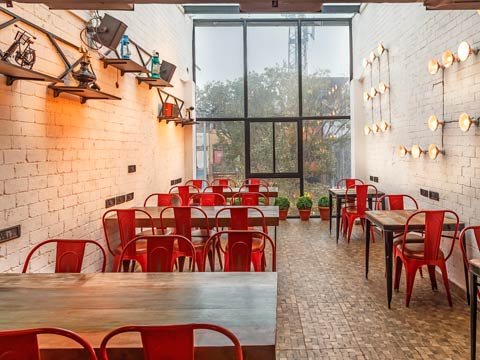
Customers today appreciate simple and comfortable spaces. Minimalist interiors often perform well because they are cost-effective and easy to maintain. A good café experience is created through comfortable seating, proper lighting, and cleanliness rather than expensive décor.
Coffee Machines and Equipment Costs
Your equipment directly impacts product quality and customer experience.
Estimated costs include:
Equipment | Estimated Cost |
Coffee Machine | Rs 40,000 to Rs 3 lakh+ |
Coffee Grinder | Rs 20,000 to Rs 80,000 |
Refrigerator | Rs 20,000 to Rs 50,000 |
Microwave Oven | Rs 5,000 to Rs 15,000 |
Blender | Rs 3,000 to Rs 10,000 |
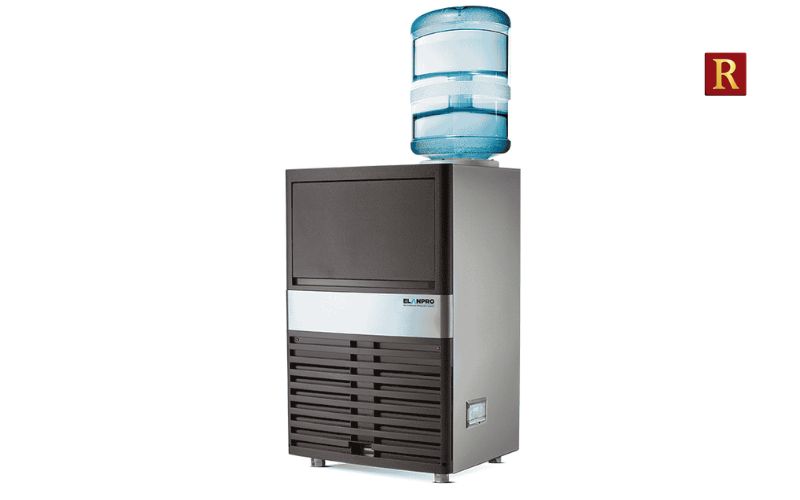
Water Purifier | Rs 8,000 to Rs 20,000 |
Sandwich Grill | Rs 8,000 to Rs 20,000 |
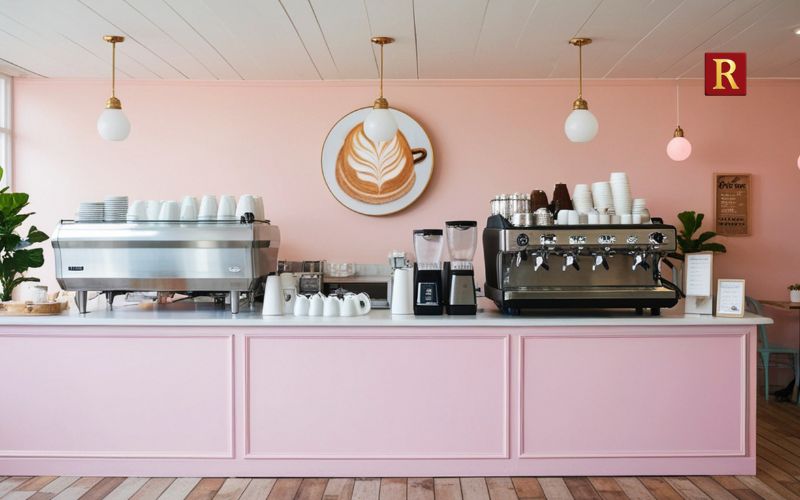
One common mistake new café owners make is buying household appliances instead of commercial equipment. Commercial machines are designed to handle higher volumes and provide better consistency. They may cost more initially, but they reduce maintenance issues in the long run. If your café plans to sell specialty coffee, investing in a good coffee machine should be a priority.
Kitchen Setup Costs
- Estimated investment: Rs 50,000 to Rs 2 lakh
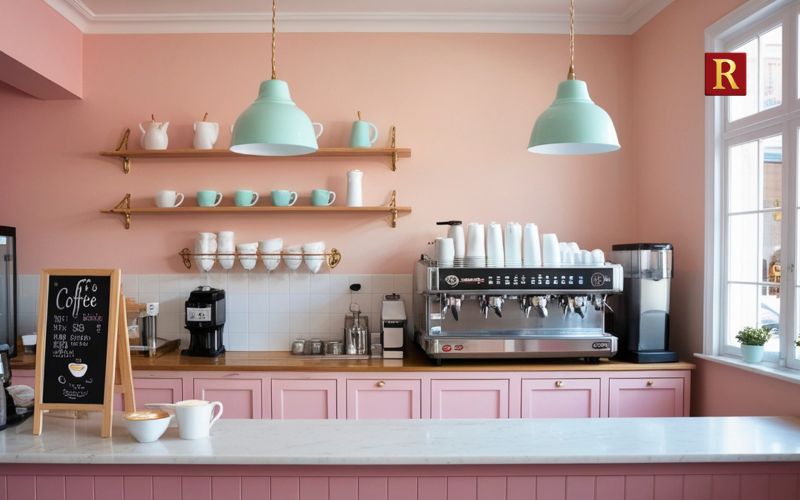
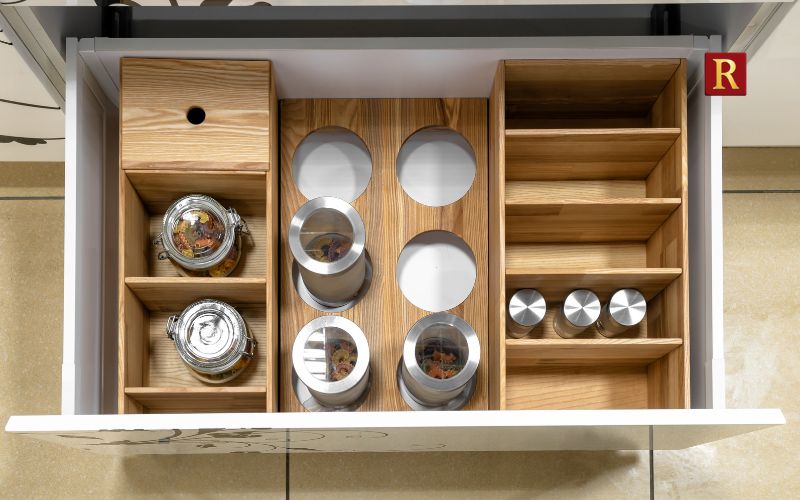
The cost of setting up a café kitchen largely depends on what you plan to serve. A café that focuses on coffee, desserts, and light snacks will require fewer appliances and a smaller kitchen area than a full-service café offering breakfast platters, pizzas, or hot meals. If you are opening a low-budget café, it is advisable to start with a simple menu and invest only in essential equipment. This not only reduces your initial investment but also helps lower maintenance costs and simplifies daily operations. Many successful cafés begin with a limited offering and gradually expand their menu after understanding customer preferences. A small café kitchen can typically include a coffee machine, grinder, refrigerator, microwave oven, sandwich grill, blender, storage shelves, and basic utensils. Depending on your concept, you may also need a water purifier and induction cooktops.
Basic Kitchen Equipment Costs
- Coffee machine: Rs 40,000 to Rs 3 lakh or more
- Coffee grinder: Rs 20,000 to Rs 80,000
- Refrigerator: Rs 20,000 to Rs 50,000
- Microwave oven: Rs 5,000 to Rs 15,000
- Sandwich grill: Rs 8,000 to Rs 20,000
- Blender: Rs 3,000 to Rs 10,000
- Water purifier: Rs 8,000 to Rs 20,000
- Storage racks and utensils: Rs 10,000 to Rs 30,000
Low-Budget Menu Ideas for Better Profit Margins
- Cold coffee
- Cappuccino
- Iced tea
- Cookies
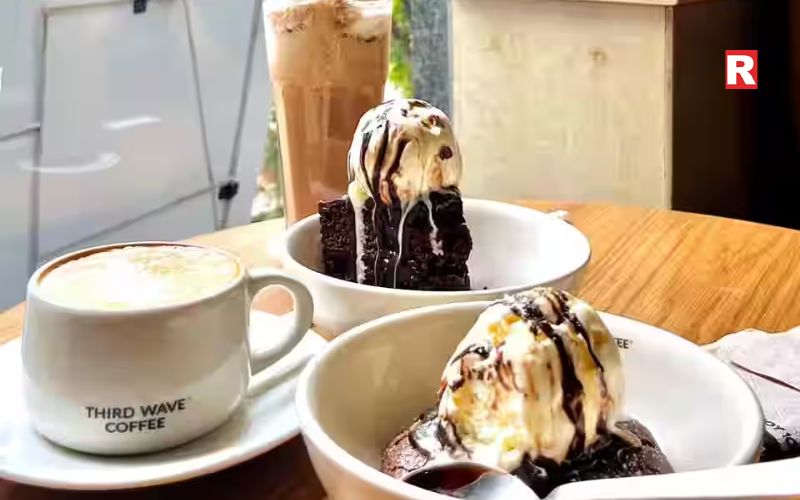
- Brownies
- Sandwiches
- French fries
- Mocktails
These items require relatively low preparation time and can offer attractive profit margins. Beverages, in particular, tend to generate higher margins because their ingredient costs are often lower than elaborate food preparations.
Ways to Save on Kitchen Setup Costs
- Start with a compact menu.
- Buy only commercial-grade equipment that is essential.
- Avoid investing in large ovens or heavy kitchen machinery initially.
- Partner with local bakeries for desserts instead of setting up an in-house baking unit.
- Choose multifunctional appliances to reduce equipment costs.
- Expand your kitchen setup only when customer demand increases.
Keeping your menu simple during the first few months can significantly improve operational efficiency and help manage costs more effectively.
Licenses Required to Open a Café
Every café business in India must comply with certain legal and regulatory requirements before commencing operations. Obtaining the necessary licenses ensures that your business operates legally and builds customer trust. The overall licensing cost can range from approximately Rs 5,000 to Rs 50,000 or more, depending on factors such as your café's size, annual turnover, and local government requirements.
Essential Licenses and Registrations
1. FSSAI Registration or License
The Food Safety and Standards Authority of India (FSSAI) registration is mandatory for all food businesses.
You may require:
- Basic Registration for small businesses.
- State License for medium-sized establishments.
- Central License for larger businesses operating across multiple states or with higher turnover.
The type of license required depends on your annual turnover and business operations.
2. GST Registration
GST registration becomes necessary if your business exceeds the prescribed turnover limits or if your business model requires it.
Benefits include:
- Claiming input tax credits.
- Supplying through food delivery platforms where applicable.
- Maintaining proper financial records.
Consulting a chartered accountant can help determine whether GST registration is applicable to your café.
3. Shop and Establishment License
This license regulates the working conditions of employees and is generally required for commercial establishments across various states in India.
It may cover:
- Employee working hours
- Leave policies
- Wage compliance
- Business registration requirements
4. Trade License
Issued by local municipal authorities, a trade license allows businesses to legally operate within a particular jurisdiction. This license helps ensure that your café complies with local regulations related to public health and safety.
5. Fire Safety Clearance
If your café occupies a larger commercial space or includes kitchen equipment that presents fire hazards, you may be required to obtain a fire safety certificate from the relevant authorities.
Fire safety requirements may include:
- Fire extinguishers
- Emergency exits
- Proper electrical wiring
- Compliance with local fire safety norms
Additional Expenses to Consider
Apart from licensing fees, café owners should also account for:
- Professional consultation charges
- Documentation expenses
- License renewal fees
- Local municipal compliance charges
Obtaining all required licenses before launching your café can help avoid legal complications, fines, or operational disruptions. Keeping your registrations updated is equally important as your business grows.
Hidden Costs You Should Not Ignore
Many first-time café owners only calculate setup costs and forget operating expenses.
Staff Salaries
Staff salaries are one of the biggest recurring expenses when running a café. The amount you spend depends on the size of your business, operating hours, and menu offerings. For a small café, you may only need a barista and one helper in the beginning, while larger cafés may require chefs, cashiers, and floor staff. On average, a barista earns between Rs 15,000 and Rs 25,000 per month, while kitchen helpers typically earn Rs 10,000 to Rs 18,000. Chefs can cost anywhere between Rs 20,000 and Rs 35,000 or more, depending on their experience and specialization. Cashiers or floor staff usually earn Rs 12,000 to Rs 20,000 per month. Hiring the right team can improve customer experience and help maintain smooth day-to-day operations.
Utility Bills
Utility expenses are often underestimated when calculating café operating costs. These monthly expenses can significantly impact your overall budget, especially if your café operates for long hours. Electricity bills are usually the highest utility cost, as commercial coffee machines, refrigerators, air conditioners, and lighting consume considerable power. Water charges, internet connection costs, and commercial LPG expenses for kitchen operations also need to be considered. Additionally, regular maintenance costs for equipment and minor repairs should be factored into your monthly budget. Depending on the size of your café, utility expenses can vary substantially. Keeping track of these costs from the beginning can help you plan your finances better and avoid unexpected expenses later.
Packaging Costs
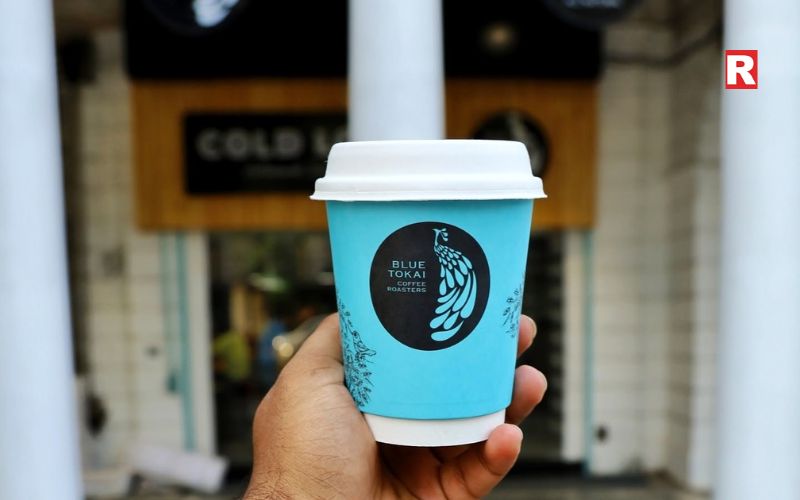
If you plan to offer takeaway services or partner with food delivery platforms, packaging costs should be included in your investment plan. Customers today expect attractive, durable, and hygienic packaging that preserves food and beverage quality during delivery. Common packaging expenses include coffee cups, delivery boxes, tissue papers, stickers, carry bags, lids, and sleeves for hot beverages. Customised packaging with your café's logo can also help strengthen brand recall and improve the customer experience. While packaging costs may seem small individually, they can add up over time and directly affect your profit margins. Investing in good-quality packaging can also encourage repeat orders and contribute positively to your café's overall brand image.
Marketing Costs
Marketing plays an important role in attracting customers, especially during the initial months after launching your café. A well-planned marketing budget can help increase visibility and build a loyal customer base. New café owners should allocate funds for social media advertisements, local influencer collaborations, search visibility initiatives, promotional campaigns, and customer loyalty programmes. Digital platforms are particularly useful for showcasing menu items, interiors, and special offers. Marketing efforts during the first six months can significantly influence customer footfall and online engagement. Even a modest monthly budget can generate meaningful results when used consistently. Building a strong online presence early can help establish your café as a preferred destination in your local market.
Can You Open a Café Under Rs 10 Lakh?
Yes, it is possible. Here is a sample budget.
Expense | Estimated Cost |
Rent and Deposit | Rs 2 lakh |
Interiors | Rs 2 lakh |
Equipment | Rs 2 lakh |
Licenses | Rs 50,000 |
Initial Inventory | Rs 50,000 |
Marketing | Rs 50,000 |
Working Capital | Rs 2 lakh |
Miscellaneous | Rs 50,000 |
Total Estimated Investment: Rs 10 lakh. This budget is ideal for a small café in a Tier-2 city or a compact neighbourhood location.
Smart Ways to Reduce Investment
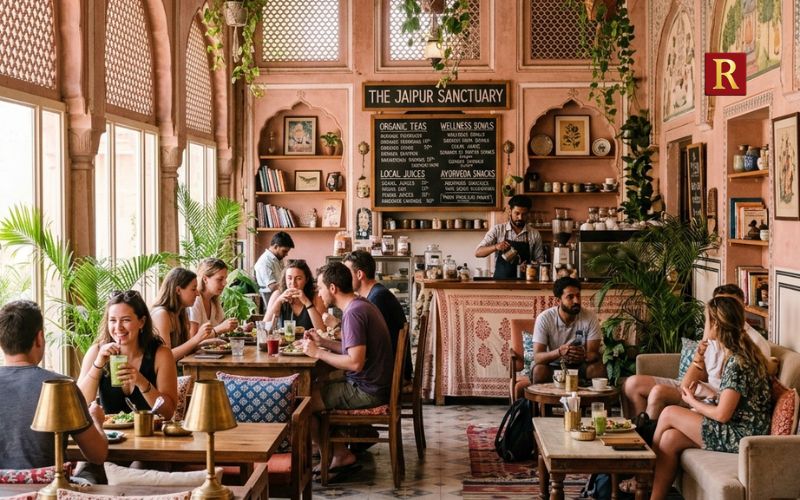
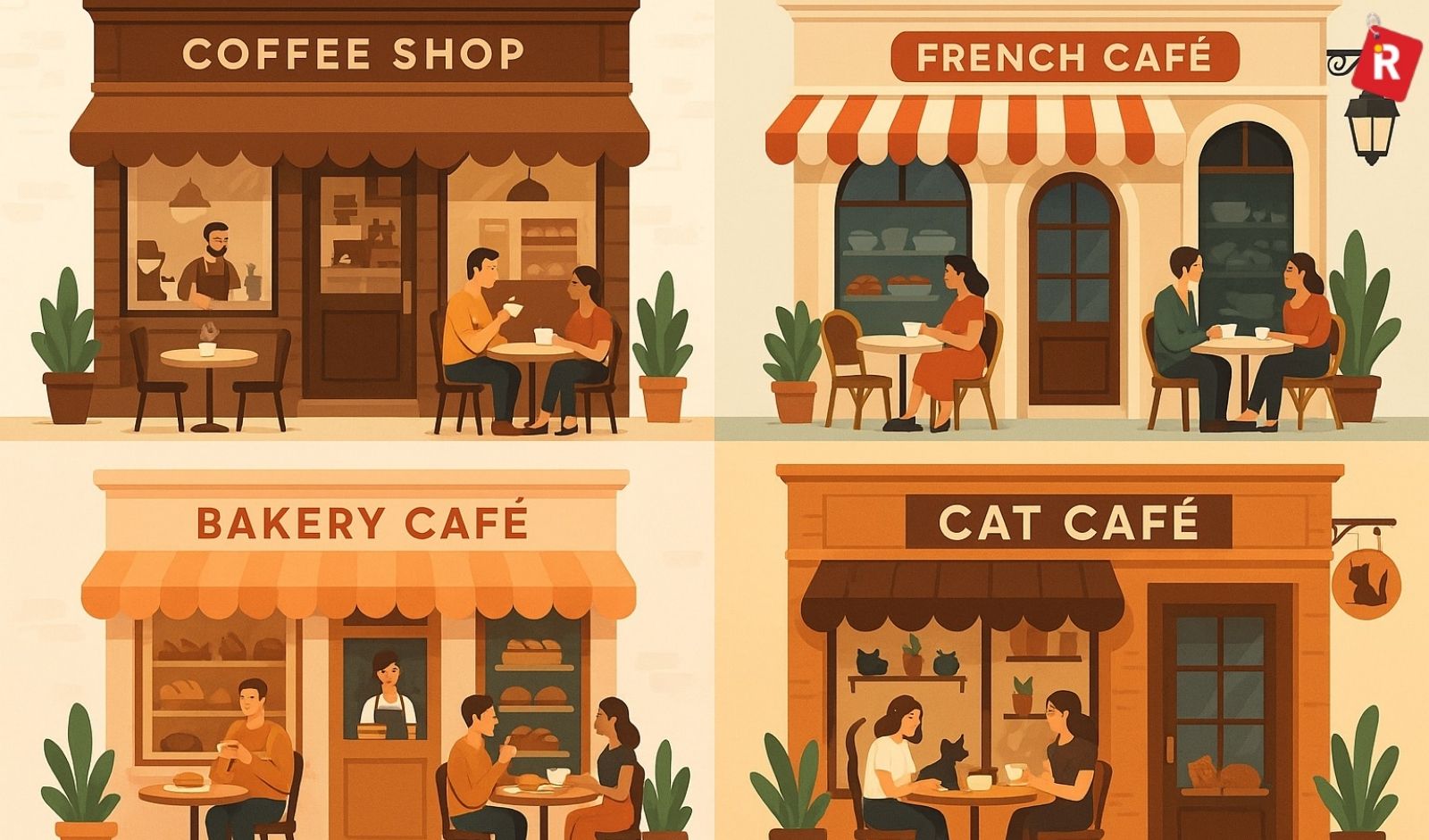
Knowing different types of cafes can help your way through cutting the budget. Opening a café does not mean spending heavily from the beginning.
You can reduce costs by:
- Starting with a limited menu.
- Leasing expensive coffee machines.
- Choosing smaller spaces.
- Buying second-hand commercial furniture.
- Partnering with local bakeries for desserts.
- Keeping staff requirements minimal.
- Expanding only after understanding customer preferences.
A lean business model gives entrepreneurs more flexibility during the first year.
Common Mistakes First-Time Café Owners Make
Avoiding a few common mistakes can save both time and money.
These include:
- Spending excessively on interiors.
- Choosing expensive locations without research.
- Offering too many menu items.
- Ignoring working capital requirements.
- Hiring more staff than necessary.
- Underpricing products.
- Neglecting digital marketing efforts.
Many café businesses struggle not because of poor products but because of poor financial planning.
The Road Ahead!
Opening a café in India does not require an enormous investment if you plan carefully. A small café can comfortably be launched within a budget of Rs 8 lakh to Rs 15 lakh, while compact coffee kiosks can be started with even less. Instead of focusing only on aesthetics, invest in the factors that matter most—good coffee, efficient equipment, smart menu planning, and sufficient working capital. Starting small allows you to test your concept, understand your customers, and grow sustainably over time. The best cafés are not always the biggest ones. They are the ones that understand their customers and deliver a consistent experience every single day.
Saptopriya Ghosal
Feature Writer
I am a dedicated media professional with a bachelor's degree in mass communication from the State University of Calcutta and a postgraduate degree from Amity University. My academic journey has equipped me with a profound understanding of storytelling and communication. Passionate about the dynamic world of media, I continually strive to explore new ways to engage and inform through compelling narratives.