
How Microbreweries Are Redefining India’s Drinking Culture?
The brewery market is projected to reach Rs 2,500 crores by 2026 with an annual growth rate of 20-25%.

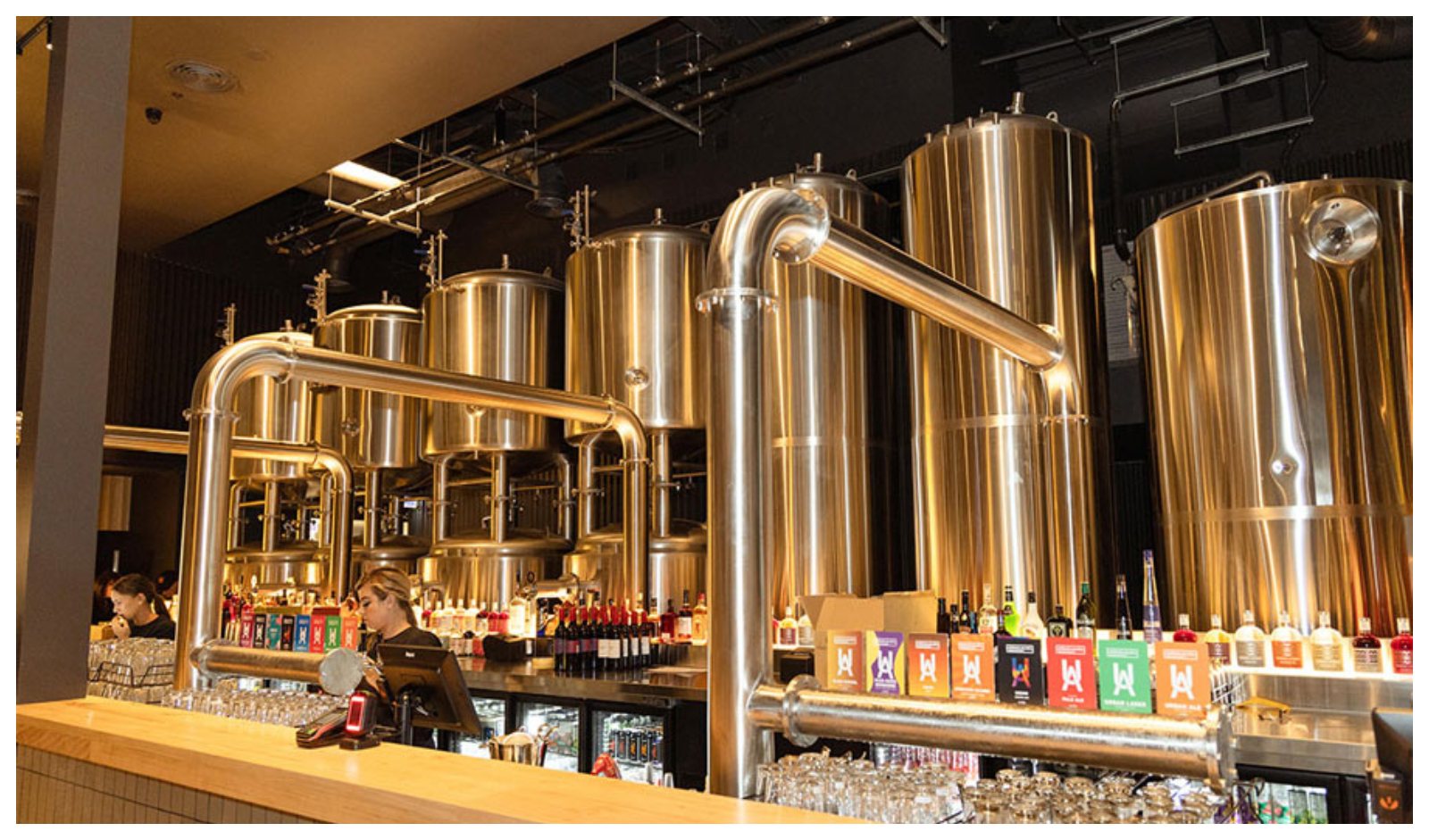
The rise of microbreweries in India is a reflection of changing consumer preferences towards unique, locally brewed beers over mass-produced options. Cities like Bengaluru, Mumbai, and Pune have become hub for craft beer culture. Microbreweries offer more than just beer; they provide an experience with local flavors, creative menus, and community spaces. The brewery market is projected to reach Rs 2,500 crores by 2026 with an annual growth rate of 20-25%.
Change in Consumer Shift
Consumer preferences in India are shifting towards more personalized, authentic experiences, driving the growth of microbreweries. Younger consumers are increasingly seeking unique craft beers that offer distinct flavors and imported ingredients, moving away from mass-produced options.
Pointing his views, Prasanna Kumar, Co-Founder, BLR Brewing Co shared, “The shift from mass-produced beer to small-batch, flavour-forward brews reflects a broader change in consumer preferences—particularly among millennials and Gen Z—who seek quality, authenticity, and unique drinking experiences.”
Commenting on this, Teja Chekuri, Founder of Fullstack Ventures & Global Entrepreneur said, “From a history of just 3-4 major beer companies to the emergence of the first microbrewery in 2008 and the issuance of the first licenses, there has been a huge increase in microbreweries over the past decade.”
“Social media, travel, and better awareness around craft beer are all fueling it. It’s not a phase—it’s a shift in how Indians drink and what they expect,” shared Aniket Patil, Head Chef & Founder, Berlin Brew Beer Garden.
The Key Trends
The microbrewery industry in India is growing, driven by trends like unique, craft beers and sustainable practices. Anirudh Khanna, Managing Director, Independence Brewing Company said, “Consumers are also seeking more experiential dining, with breweries offering social spaces and local flavors.”
Kumar said, “Key trends include the rise of experimental flavours using indigenous ingredients (kokum, mango, coffee), a growing “sober curious” movement that’s increasing demand for craft mocktails, and a focus on sustainability in brewing processes.
There is a rising popularity of beer styles such as IPAs, stouts, wheat beers, and fruit-infused ales. “Sustainable brewing practices, locally sourced ingredients, and beer-and-food pairings are also becoming more popular. Events like beer festivals and tap takeovers help educate consumers and foster community engagement,” pointed Chekuri.
Why Bengaluru is a preferred location?
Bengaluru has emerged as the epicentre of microbreweries. With its cosmopolitan crowd, thriving startup culture, and pleasant weather that supports open-air brewing spaces, the city has the highest concentration of microbreweries in India. As per the reports, there are 300 microbreweries approx. in India and Bengaluru alone has over 100 breweries as on 2025.
Focus on local flavours
When brands focus on local flavours, it tells a unique story. “We at BLR Brewing Co. have leveraged this shift by offering thematic spaces, such as building one of the largest indoor waterfalls at one of our largest outlets, which can seat 1,200 guests together. We also feature locally inspired brews and a strong focus on storytelling and community,” pointed Kumar
“We design our breweries like living spaces open to sky feel, community seating, good music, live events, and karaoke. On the beer side, we’re not chasing gimmicks; we’re serving flavour stories that feel Indian. And our food matches that energy, regional, bold, and always designed to pair well with what’s on tap,” added Patil.
The Foreseen Challenges
Licensing is the big one. “Every state play by its own rulebook, and it can be a mess. Then there’s infrastructure—importing equipment, water consistency, getting skilled brewmasters. Not easy,” added Patil.
While, Khanna mentioned, “The challenges like inconsistent licensing regulations, consumer education, and high setup costs remain.
Patil highlighted that good local partners, a solid legal setup, and patience, can be of good help. “Also, don’t compromise on quality just to save a few bucks. And since not everyone knows craft beer yet, you’ve got to educate them: beer tastings, events, brewery tours, all of that makes a difference.”
The Opportunities
Opportunities lie in expanding beyond major cities, tapping into tier 1 and 2 markets, and innovating with regional flavors. As the craft beer scene matures, there’s potential for export and further market diversification.
“On a personal note, I think these hurdles act as "barriers to entry" for those not serious about the business, so there is a silver lining in this policy cloud. Opportunities are growing due to rising disposable incomes, increased tourism, and a changing consumer view that favors quality and flavor over quantity,” added Chekuri.
As India continues to embrace craft culture, the microbrewery industry is poised for exponential growth.
Vijetha Iyer
Content Editor
Working as a Content Editor with Restaurant India. I have worked in various sectors like food and beverage sector, chemicals, pharma, nutraceuticals, now specially focusing on restaurant side. But my core knowledge was always on content. Be it writing poems to verses, I always loved writing and have been exploring my career on the same. In Restaurant India, I deliver insightful stories, take interviews of various brands and update the audiences about the newest happenings in the restaurant industry.









































