How Korean Street Food Is Being Rebuilt for Indian QSRs
India's Korean food market is developing through several layers. Some brands focus closely on Korean recipes and techniques. Others use Korean flavours in familiar Indian QSR formats.

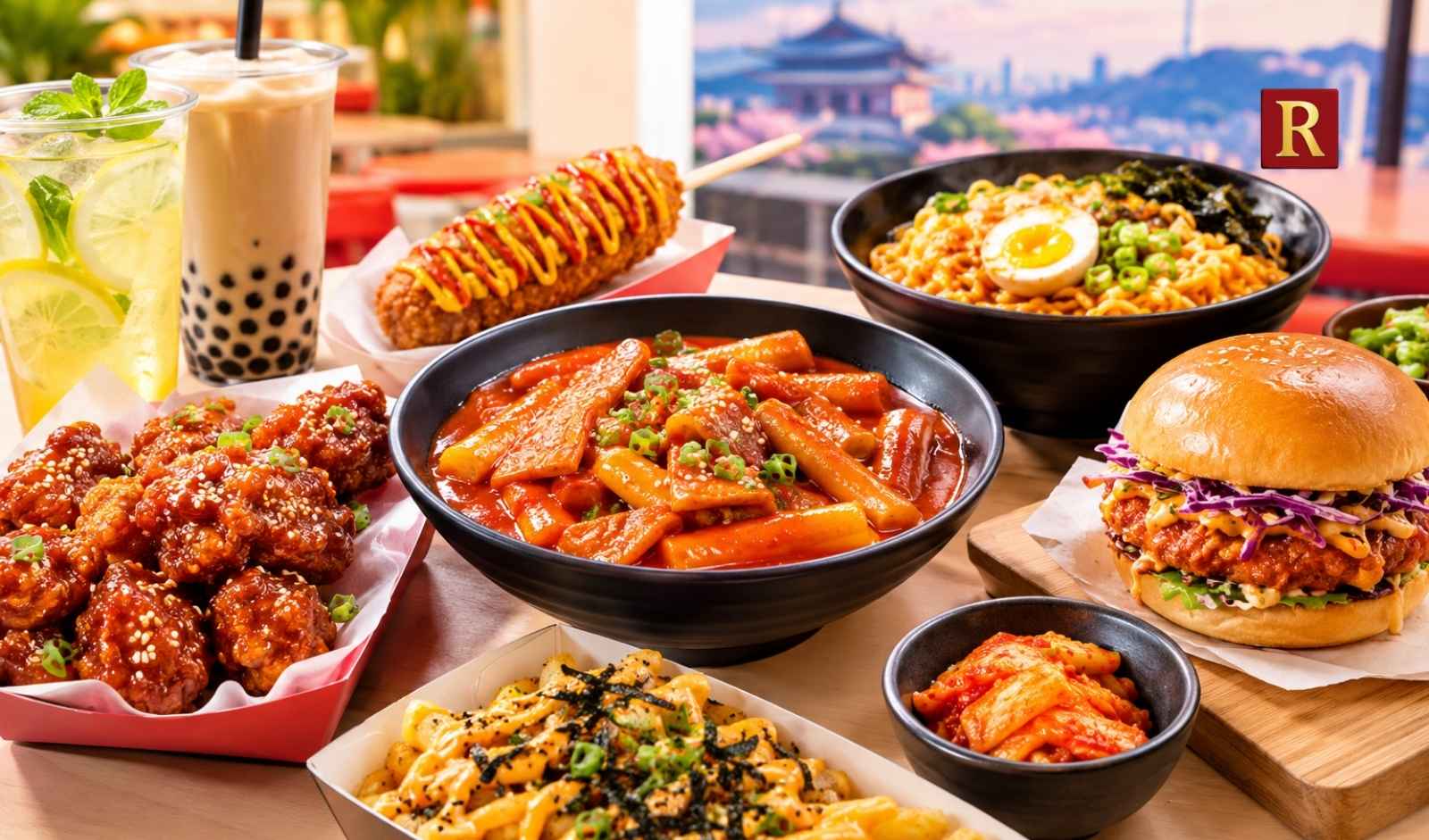
Korean food in India is moving beyond instant noodles and premium restaurants. Tteokbokki, Korean fried chicken, corn dogs, ramen and Korean-inspired burgers are increasingly appearing in quick-service restaurant (QSR) formats. The change is not only about growing interest in Korean flavours. Indian operators are also changing how these foods are priced, portioned, served and adapted for local customers.
In 2025, Korean food recorded 4.7 million orders on Swiggy, according to the platform's annual data reported by Business Standard. That puts Korean cuisine among the international food categories gaining a measurable place in India's delivery market. The bigger story now is how Korean street food is being rebuilt for Indian QSR economics.
From Korean street food to an Indian QSR format
Traditional Korean street food is designed around quick eating, strong flavours and simple formats. These qualities also work well with the QSR model. But bringing a dish from a Korean street market to an Indian QSR involves several changes. The restaurant needs consistent portions. Ingredients must be available regularly. Preparation needs to be repeatable. The food must work for takeaway and delivery. The price also needs to match the customer the brand is targeting.
This is why the Indian version of Korean street food is not always a direct copy of what is served in Seoul. Seoul Dak is one example. The Korean QSR brand has expanded across Mumbai, Pune and Bengaluru with Korean fried chicken, tteokbokki, ramen and cheese corn dogs. Its chicken is deeply marinated and double-fried, while different sauces create multiple flavour options from the same core preparation. That is an important QSR principle: one preparation can create several menu products.
Tteokbokki is becoming a scalable product
Tteokbokki is one of the clearest examples of Korean street food entering the QSR format. The dish uses chewy cylindrical rice cakes cooked in a seasoned sauce. Gochujang, a fermented Korean chilli paste, is an important part of many versions. For a restaurant, however, the challenge is not simply making a good sauce. The rice cakes need to maintain their characteristic chew. The sauce needs a consistent thickness. Portions have to remain standard. Preparation and holding times need to be controlled. This makes tteokbokki an interesting operational product. It can be sold as a small side, a larger bowl or part of a combination meal. Cheese, vegetables and other toppings can also create variations without completely changing the base preparation. The result is a dish that can move from a Korean street-food counter to a structured QSR menu.
Korean fried chicken fits the QSR model
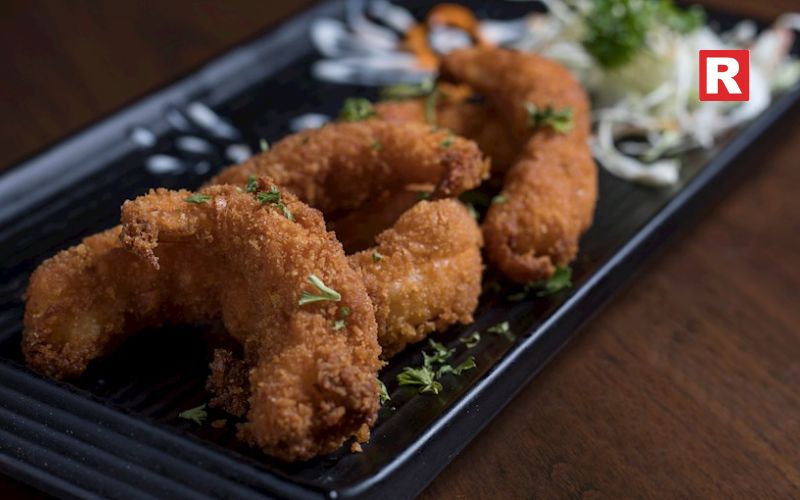
Korean fried chicken has another advantage. A common preparation can support several sauces and formats. Seoul Dak's menu, for example, includes Soy Garlic, K-BBQ, Sweet & Spicy, Hot & Spicy and Volcano flavours. The brand's chicken is marinated and double-fried to create a crisp coating before the sauce is added.
For a QSR, this creates flexibility. The same chicken can become a two-piece snack, a larger portion, a meal box or a sharing order. Different sauces can also create menu variety without requiring a completely different kitchen process.
Delivery adds another technical challenge. Fried food has to travel without losing too much of its texture. Packaging, sauce application and delivery time therefore become part of product development. This is where Korean street food becomes more than a cuisine trend. It becomes a restaurant operations problem.
Indian vegetarian demand is changing the menu
Vegetarianisation is another major part of the Indian adaptation. A Korean menu entering India cannot depend only on meat and seafood. QSR operators need products that work for vegetarian customers and can be produced consistently. Boba Bhai offers a clear example of this approach. The brand combines Korean-inspired street food with Indian QSR formats, including Korean BBQ Paneer Burger and Honey Sriracha Veggie Burger options. By June 2026, the company had reached its 100th outlet in India.
This shows how Korean flavour profiles can be transferred into formats that Indian consumers already understand. The product does not have to remain a traditional Korean dish. A Korean sauce can become a burger flavour. A Korean-inspired filling can enter a familiar snack format. A spicy fermented flavour can be used in fries or sandwiches. That is a different form of localisation.
The corn dog is built for snack culture
Korean corn dogs also fit the QSR environment because they are handheld, portion-controlled and visually distinctive. Cheese-filled versions, potato-coated versions and other variations can be produced around a common base. They also work as an add-on rather than requiring customers to commit to a full Korean meal.
This matters because snack occasions can bring international flavours into everyday consumption. Instead of asking a customer to order a complete Korean dinner, a QSR can sell one corn dog with a drink or add it to a larger meal. The format therefore makes Korean food easier to trial.
Price is becoming part of the localisation
Korean food also has to move beyond the idea of being an occasional premium meal. K-Bites, which opened its first Mumbai outlet in Bandra in September 2026, is positioning its format around quick meals, takeaway and neighbourhood consumption. Its reported average price is Rs 450–500 per person. The menu includes ramen, kimchi noodles, bao, rice dishes and bibimbap.
The pricing question becomes important as Korean QSRs expand. Imported ingredients can increase costs. Gochujang, Korean chilli products, sesame oil and other specialised ingredients may require dedicated sourcing. At the same time, operators need consistent food quality and predictable inventory. This makes ingredient management central to the category.
Korean ingredients are meeting Indian supply chains
The future of Korean QSRs will depend partly on which ingredients need to remain Korean and which can be sourced or adapted locally. Core flavour ingredients such as gochujang can help retain a recognisable Korean profile. Vegetables, proteins and some supporting ingredients can be adapted depending on the product.
This creates a useful balance: Keep the flavour identity. Adapt the operating model.
The same approach can be seen in broader Indian foodservice. Restaurants increasingly use one ingredient across several dishes to control inventory and create different price points. Seoul Dak, for example, has said its Korean sauces allow the same core chicken preparation to work across individual portions, sides, meal boxes and sharing formats.
The Korean QSR is becoming an ecosystem
The next development may not be one restaurant selling every Korean dish. GOPIZZA's Korean food strategy provides an example of a broader ecosystem. Its Gochujang brand focuses on Korean street food such as tteokbokki, corn dogs and ramen, while Dalkomi focuses on Korean desserts. The company has explored placing multiple Korean concepts together.
This model can allow customers to move across different occasions. One person may order a quick ramen. Another may choose fried chicken. A group can share tteokbokki and corn dogs. Dessert can then become an additional purchase. For operators, the advantage is menu cross-utilisation and multiple consumption occasions.
The next stage is Indian Korean, not simply Korean
India's Korean food market is developing through several layers. Some brands focus closely on Korean recipes and techniques. Others use Korean flavours in familiar Indian QSR formats. Some combine both approaches. KFC India, for instance, launched a Korean-inspired product in 2026 that combined its chicken format with Korean noodles, spicy mayonnaise, cheese and seasoning. The product was introduced across more than 1,400 restaurants. That example shows how Korean flavour can move beyond dedicated Korean restaurants. The important change is not that Indian consumers are suddenly eating every Korean street-food dish in its original form. It is that Korean flavours are being translated into formats that fit India's QSR market. The strongest opportunities will depend on execution: consistent texture, controlled food costs, reliable sourcing, suitable portions and products that work both at the counter and through delivery. Korean street food is therefore entering a new phase in India. The question is no longer only whether Indians like Korean flavours. It is how those flavours can be redesigned into affordable, repeatable and scalable food products for Indian consumers.
Saptopriya Ghosal
Feature Writer
I am a dedicated media professional with a bachelor's degree in mass communication from the State University of Calcutta and a postgraduate degree from Amity University. My academic journey has equipped me with a profound understanding of storytelling and communication. Passionate about the dynamic world of media, I continually strive to explore new ways to engage and inform through compelling narratives.