
How Instagram Is Shaping Food Trends in India in 2026
A user can see a dish and order it within minutes. This shift shows how India’s food culture is changing in real time. Decisions are no longer driven only by chefs or critics

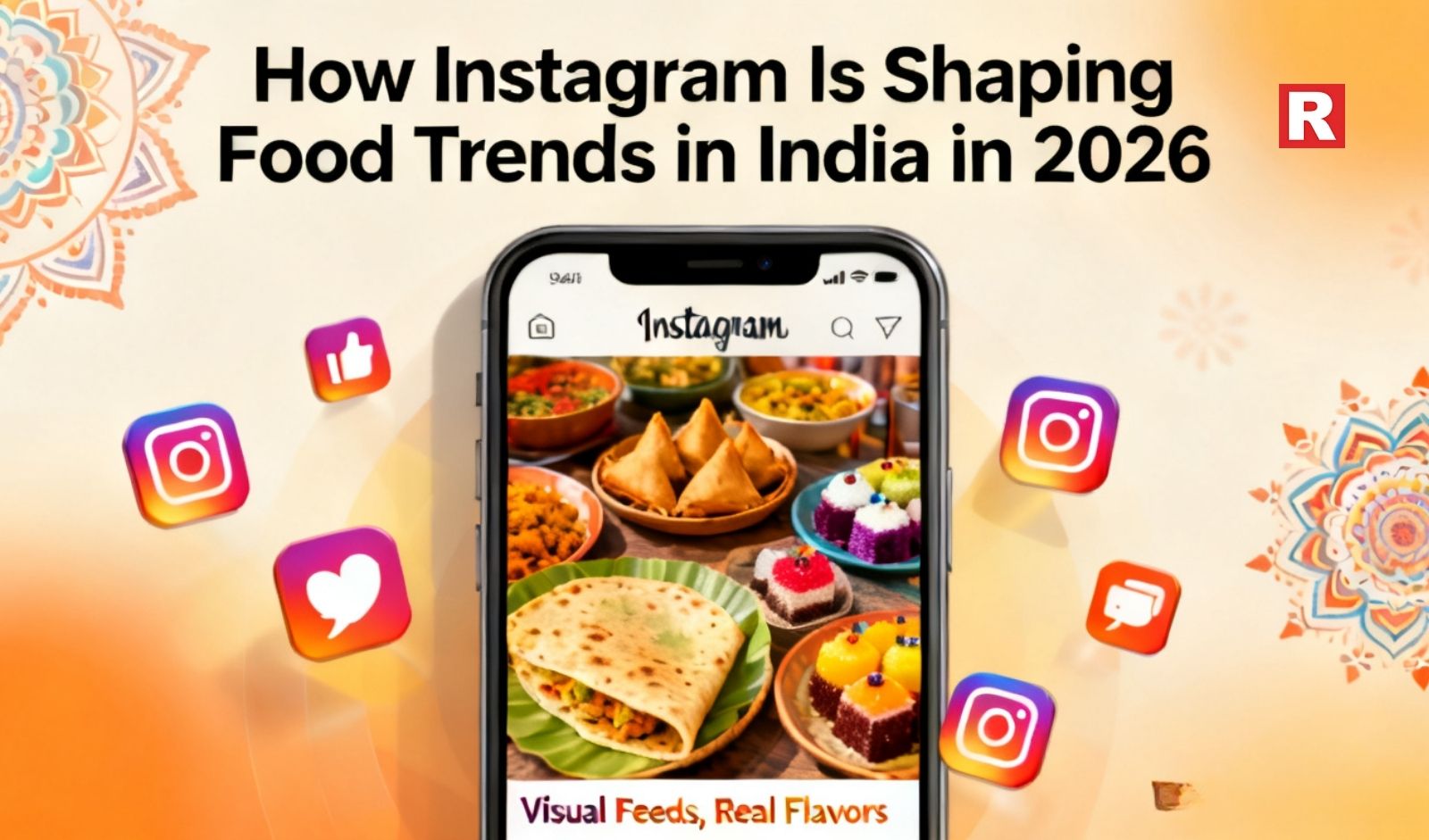
In 2026, food in India is no longer discovered the old way. It is not about asking friends or reading long reviews. It starts with a scroll. A reel. A viral video that appears at the right moment. Before you even feel hungry, you already know what you want to eat.
Platforms like Instagram have quietly become the most powerful force in India’s food culture. They decide what becomes popular, what sells out, and what disappears. From street vendors to luxury restaurants, everyone is playing the same game—create food that looks good on camera.
Instagram Has Become India’s New Food Search Engine
Search behaviour has changed. A few years ago, people opened Google or Zomato to find places to eat. Today, many go straight to Instagram. Users type keywords in the search bar. They browse reels. They check tagged locations. They watch creators review dishes in under 30 seconds. This is faster and more visual than reading text reviews. For many urban consumers, especially Gen Z, Instagram is the first step in deciding where to eat. It is not just inspiration. It is the decision-making tool.
The impact is clear. Restaurants are now discovered through:
- Viral reels
- Influencer posts
- Location tags
- Hashtags like #DelhiFood or #MumbaiEats
The Rise of ‘Camera Eats First’ Dining
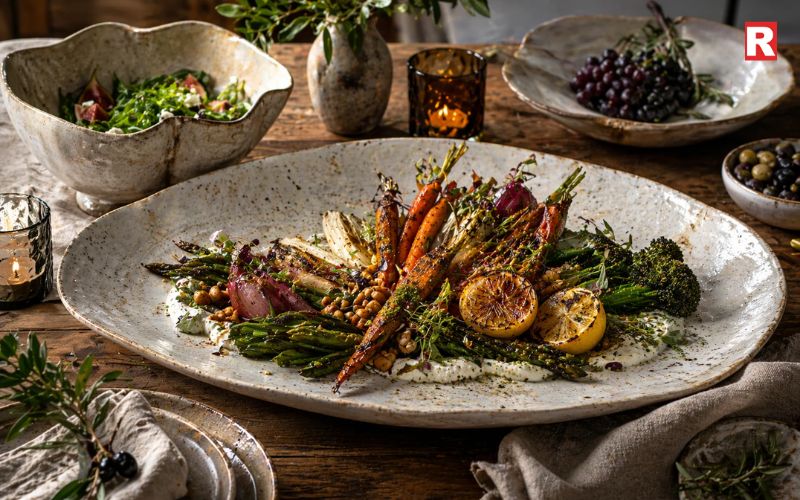
Walk into any new café in Delhi or Mumbai and you will notice a pattern. Bright lighting. Aesthetic plating. Minimal backgrounds. Everything is designed for one purpose—photos and videos. This shift is known as the “camera eats first” culture. Food is no longer just about taste. It is about how it looks on screen.
Restaurants now design dishes with:
- High color contrast
- Clean plating
- Unique shapes and textures
- Movement elements like cheese pulls or chocolate pours
Even interiors are built for content. Neon signs. Statement walls. Natural light. Every corner becomes a potential reel.
This has changed how chefs think. A dish must be:
- Visually attractive
- Easy to film
- Instantly recognizable
Taste still matters. But if it is not shareable, it struggles to scale.
Viral Food Trends That Took Over India in 2026
1. Mango Mania
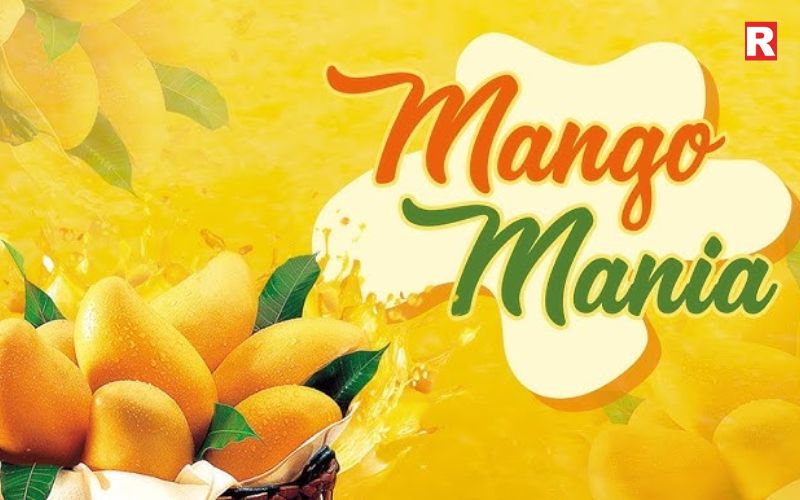
Every summer, mango takes over Instagram feeds in India. Cafes and dessert brands build entire menus around it. Mango soft serves, thick shakes, cheesecakes, and overloaded kulfi start trending fast. The bright yellow color stands out on camera. It looks fresh, rich, and seasonal. That makes it perfect for reels. Many places also experiment with fusion. Mango tiramisu, mango croissants, and even mango drinks with unusual toppings appear online. People are drawn to these visuals. They save, share, and visit. The demand rises quickly during the season. For many brands, mango is not just a fruit. It becomes a content strategy. A single viral video can turn a simple mango dessert into a must-try item across the city.
2. High-Protein and Wellness Foods
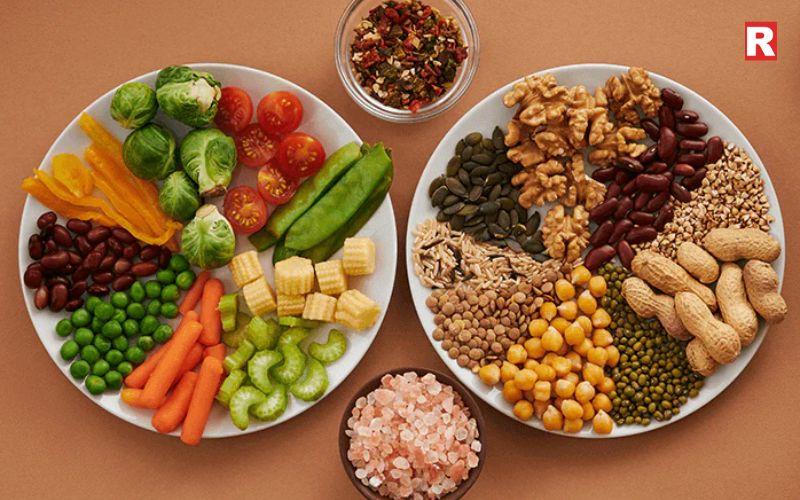
Healthy eating has found a strong place on Instagram. High-protein meals and clean foods are now part of daily content. Smoothie bowls, protein pancakes, grilled meals, and salads are widely shared. These dishes look neat and colorful. They are easy to present on camera. Many creators link them with fitness routines and daily habits. This adds more value to the content. Cafes have started designing menus around this trend. They highlight protein content and clean ingredients. Packaging and plating are kept simple but attractive. These meals are not just about health anymore. They are also about image. Posting a healthy meal reflects a certain lifestyle. That is why this trend continues to grow across urban India.
3. Street Food Goes Cinematic
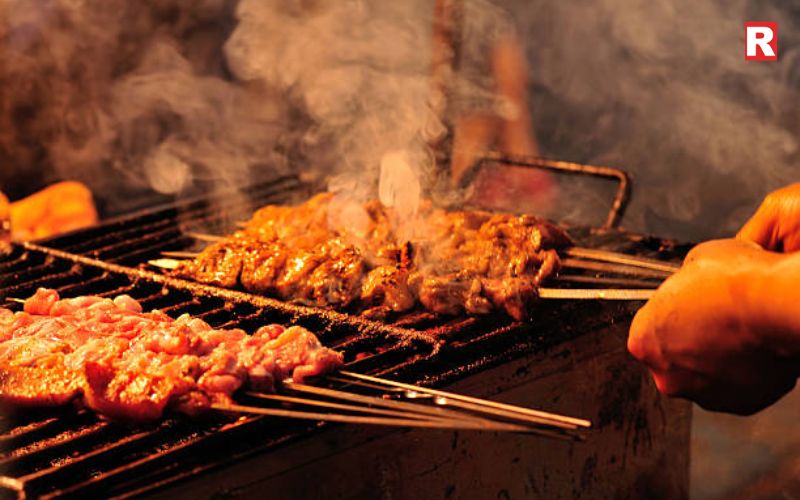
Street food has taken a new turn in India. Vendors are no longer just cooking. They are part of content creation. Videos now capture every step. Oil sizzling, spices being added, food being plated. Everything is shot in detail. Slow-motion clips and close-ups make the food look more appealing. These videos often go viral. A small stall can become famous overnight. People travel long distances just to try what they saw online. The demand builds quickly. In many cases, queues form within days. This has changed how street vendors work. Some now focus on presentation and timing for videos. Instagram has given them visibility that was not possible earlier. It has turned local food into a wider attraction.
4. Experimental and Oversized Dishes
Food on Instagram is getting bigger and more unusual. Many places are creating dishes that stand out instantly. Giant burgers, extra-loaded Maggi, and fusion chaats are common examples. These are designed to grab attention. The idea is simple. The more shocking it looks, the more it gets shared. These dishes often mix different cuisines or add extreme portions. They are not always easy to eat. But that is not the point. They are made for videos. People visit just to experience and post them. This creates quick popularity. For restaurants, it becomes a marketing tool. Even if the dish is not repeated often, it brings traffic. In many cases, the visual impact matters more than the actual taste.
How Instagram Is Changing Consumer Behaviour
The biggest shift is not in food. It is in people. Consumers are now:
- Choosing places that look good online
- Trying dishes they have already seen on reels
- Prioritising experience over convenience
This creates a cycle. You see something. You want to try it. You visit. You post it. Others see your post and repeat the process. This is driven by basic psychology. Visual content triggers curiosity. Short videos create urgency. Likes and comments create validation. Food has become social currency. Posting a trending dish signals that you are updated, aware, and part of the culture. FOMO plays a big role. If a place is going viral, people want to visit before the trend fades. This leads to quick spikes in popularity.
How Restaurants Are Adapting to Instagram Culture
Restaurants in India have evolved fast. They are no longer just food businesses. They are content businesses.
Here is how they are adapting:
Influencer Collaborations: Many restaurants invite creators for previews. A few posts from the right influencers can generate massive visibility.
Instagram-First Menus: Some dishes are created only for social media appeal. Limited-time items are launched to ride trends.
Content-Friendly Spaces: Seating layouts, lighting, and decor are designed to make shooting easy.
Real-Time Trend Tracking: Restaurants monitor what is trending on Instagram and quickly replicate or adapt those ideas.
Even cloud kitchens are using Instagram as their main marketing channel. They rely less on ads and more on organic reach.
The Dark Side of Instagram Food Trends
While Instagram has created strong demand, it has also introduced clear challenges for both consumers and businesses. Many viral dishes are often overhyped. They look impressive on screen but fail to deliver the same experience in real life. Taste, portion balance, and quality do not always match the visuals. Another issue is the short life of trends. A dish can go viral one week and be forgotten the next. This makes it difficult for restaurants to plan inventory, pricing, and long-term menus. There is also constant pressure on presentation. Kitchens spend more time perfecting how a dish looks rather than how consistently it tastes across orders. In some cases, this affects overall quality. Oversized and experimental dishes also raise concerns around food waste, especially when they are created mainly for content and not actual consumption. At the same time, consumers are becoming more cautious. Many now cross-check reviews on platforms like Google and Zomato before deciding, rather than relying only on reels.
Why Instagram Matters More Than Ever
Instagram has become a core growth engine for the food industry.
It helps businesses:
- Acquire customers at low cost
- Build brand identity
- Create direct engagement
- Launch new products quickly
Unlike traditional advertising, Instagram offers instant feedback. If a dish works, it spreads. If it does not, it disappears. The platform has also enabled small players to grow. A street vendor can become famous overnight. A home chef can build a brand without opening a physical space. This has made the market more competitive but also more dynamic.
What Lies Ahead
The influence of Instagram is expected to grow as technology and user behaviour evolve. The platform is already moving towards AI-driven recommendations, where users see food content based on past interactions, saved posts, and watch time. This makes discovery highly personalised. Hyper-local trends are also rising. A small café or street vendor can trend within a specific area and attract immediate footfall. Creator-led food brands are becoming more common, with influencers launching their own menus or cloud kitchens. At the same time, integration with platforms like Zomato and Swiggy is tightening the loop between discovery and purchase. A user can see a dish and order it within minutes. This shift shows how India’s food culture is changing in real time. Decisions are no longer driven only by chefs or critics. Algorithms, creators, and everyday users play a key role. Food is now experienced, recorded, and shared, often even before the first bite is taken.
Saptopriya Ghosal
Feature Writer
I am a dedicated media professional with a bachelor's degree in mass communication from the State University of Calcutta and a postgraduate degree from Amity University. My academic journey has equipped me with a profound understanding of storytelling and communication. Passionate about the dynamic world of media, I continually strive to explore new ways to engage and inform through compelling narratives.



































































































































































